- Environmental Exposure: Constant exposure to UV rays, rain, snow, and wind naturally degrades materials over time, leading to fading, cracking, and structural fatigue.
- Loose Fasteners: Vibrations from wind and the natural expansion/contraction of materials cause bolts and screws to loosen, leading to instability.
- Poor Drainage: Water pooling around the base of posts can lead to rot in wood and corrosion in metal, weakening the foundation.
- Lack of Cleaning: Accumulated dirt, leaves, and organic matter trap moisture, promoting mold, mildew, and accelerated material decay.
- Skipping Seasonal Prep: Failing to properly secure or store fabric components for winter, or neglecting to clear snow load from hardtop roofs, can cause catastrophic damage.
Published July 21, 2026Last updated August 17, 2026
Tools & materials you'll need
Affiliate linksAs an Amazon Associate FixlyGuide earns from qualifying purchases — at no extra cost to you. Prices and availability are accurate as of publication and subject to change.
Quick Answer
Many homeowners overlook crucial maintenance for their gazebos, leading to premature wear, structural issues, and dangerous instability. The key to a long-lasting and safe gazebo lies in three often-missed areas: consistent cleaning to prevent mildew and rot, regular structural checks for loose fasteners or damaged components, and seasonal preparation against harsh weather. By focusing on these aspects, you can significantly extend your gazebo's lifespan and avoid expensive repairs.
The Problem
You invested in a gazebo to create a beautiful, functional outdoor retreat, but without proper attention, that dream can quickly turn into a nightmare. A neglected gazebo can develop a host of problems, from unsightly stains and mildew to wobbly posts and damaged roofs. These issues aren't just aesthetic; they compromise the structure's integrity and safety. A strong gust of wind can easily turn a loose roof panel into a projectile, and a deteriorating wood frame can suddenly collapse. Many homeowners assume their gazebo is a set-it-and-forget-it structure, only realizing the error when a minor fix becomes a major, expensive overhaul, or worse, a safety hazard. Proactive maintenance is the unseen shield protecting your investment and ensuring your outdoor haven remains a joy, not a worry.
How It Works
Understanding how a gazebo functions and the forces it withstands helps illuminate the importance of maintenance. A gazebo is essentially an open-sided structure designed to provide shade and shelter. Its basic components include a frame (typically wood, metal, or vinyl), a roof covering (fabric, metal, or shingles), and often decorative elements like railings or screens. The frame bears the structural load, transferring the weight of the roof and any accumulated snow or wind forces down to the ground. Fasteners (bolts, screws, lag screws, or weld points) are critical connection points, ensuring the various frame members remain rigidly joined. Over time, these fasteners can loosen due to vibrations from wind, expansion and contraction from temperature changes, or simply wear and tear.
The roof system, whether it’s a canvas canopy or a solid shingled roof, is constantly exposed to UV radiation, rain, snow, and wind. UV rays degrade fabrics and paints, leading to fading, cracking, and brittleness. Moisture infiltration can cause wood to rot, metal to rust, and mold/mildew to flourish on almost any material. Wind can exert significant uplift and lateral forces, particularly on the roof and unsupported sides, potentially tearing fabric, lifting shingles, or even deforming the frame if connections are weak. The base of the gazebo, usually anchored to concrete footings, a deck, or directly into the ground, is susceptible to moisture wicking from the soil, leading to rot in wood posts or corrosion in metal ones. Proper drainage around the base is crucial to diverting water away. Understanding this interplay of forces and materials highlights why a comprehensive maintenance routine, focusing on structural integrity and material preservation, is non-negotiable for the long-term health and safety of your gazebo.
Step-by-Step Fix
1. Gear Up for Safety — Before you start any work, prioritize safety.
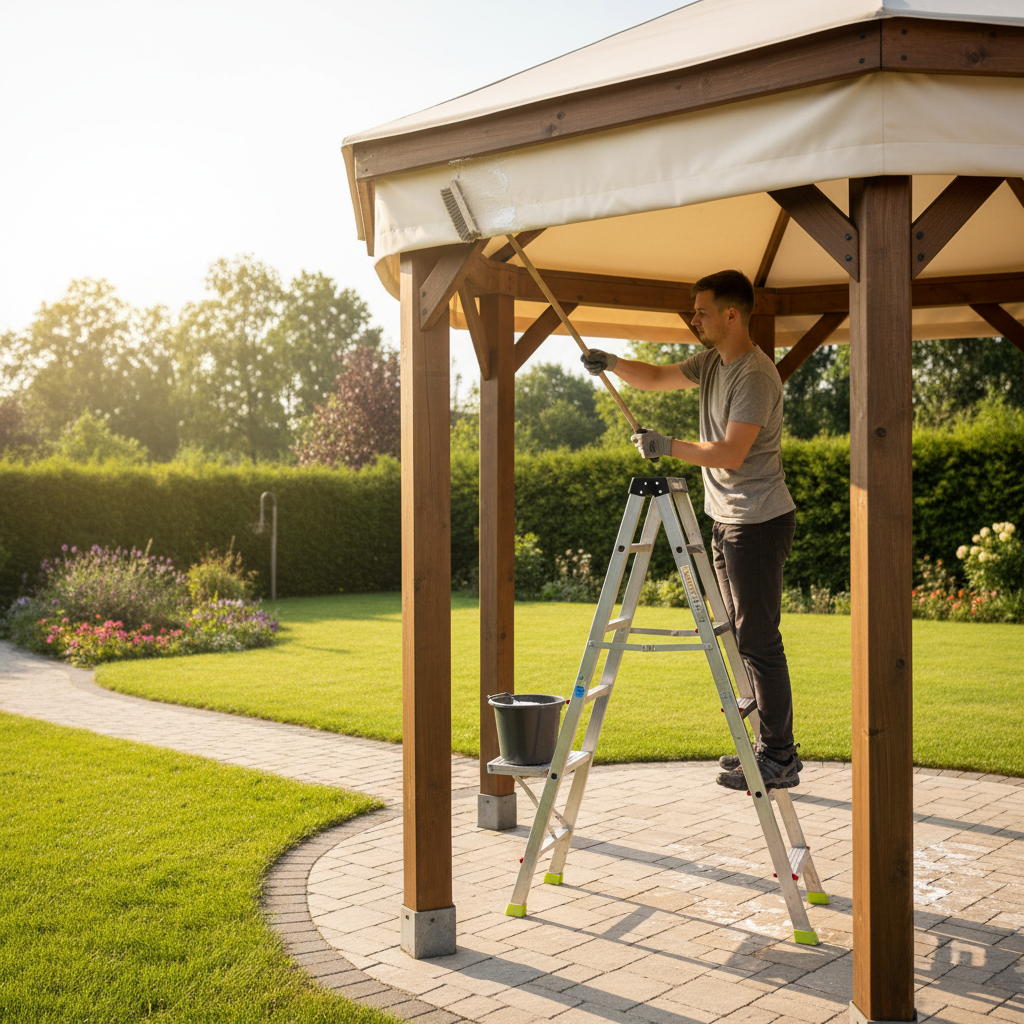
- Safety First: Always wear appropriate personal protective equipment (PPE). Gloves protect your hands from splinters and chemicals, safety glasses shield your eyes from debris, and a sturdy ladder is essential for reaching high areas. Ensure your ladder is placed on stable, level ground and has a partner spot you if working at significant heights. Never work on a wet or windy day, especially when on a ladder.
2. Deep Clean the Canopy and Frame — A thorough cleaning prevents mold, mildew, and material degradation.
- For Fabric Canopies: Mix 1 cup of mild dish soap or specialized outdoor fabric cleaner with 1 gallon of warm water. Using a soft-bristle brush, gently scrub the canopy surface, paying attention to stained areas. Rinse thoroughly with a garden hose, ensuring all soap residue is removed. Allow the canopy to air dry completely before folding or reattaching. For stubborn mildew, a diluted bleach solution (1 part bleach to 10 parts water) can be used, but always spot-test first in an inconspicuous area for colorfastness.
- For Hardtop Roofs (metal or composite): Use a pressure washer on a low setting (1,500 PSI or less) with a wide-angle nozzle, or a soft-bristle brush and the same mild soap solution as for fabric. Work in sections, rinsing thoroughly. Be careful not to direct high-pressure water directly into seams or fasteners, which could force water into the structure.
- For Frames (wood, metal, vinyl): Wipe down surfaces with a damp cloth and mild soap solution. For wood frames, consider a wood-specific cleaner to remove algae or mildew. For metal frames, check for rust spots and treat them. Rinse all frame components thoroughly.
3. Inspect All Fasteners — Loose connections are a primary cause of instability.
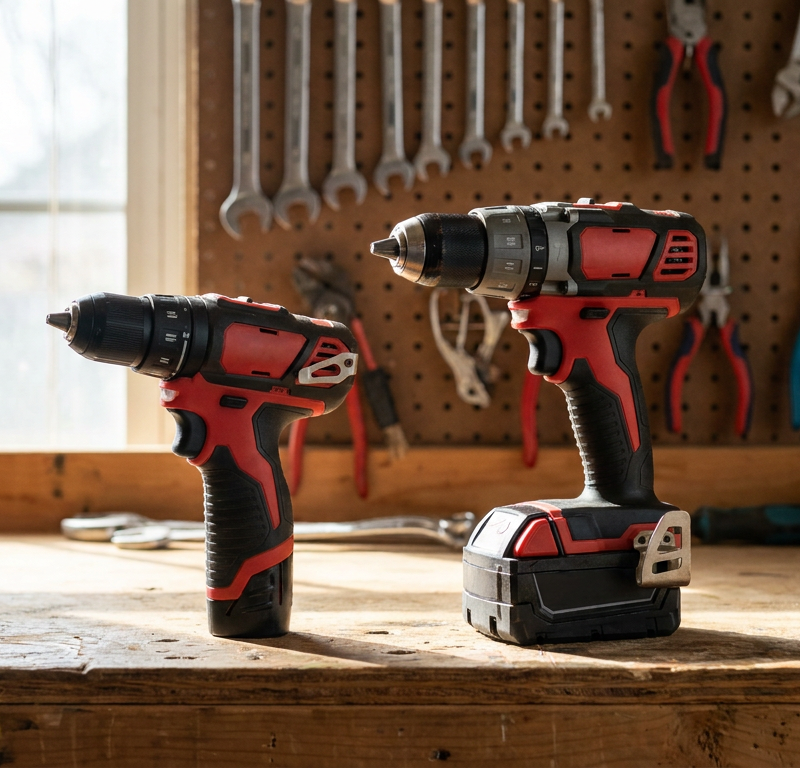
- Tighten Every Bolt and Screw: Systematically go around the entire gazebo, checking every visible bolt, screw, and lag screw. Use the appropriate wrench or screwdriver to gently tighten any that feel loose. Pay particular attention to connections where upright posts meet crossbeams, roof rafters meet the main frame, and any decorative elements. Do not overtighten, as this can strip threads or crack wood. If a fastener spins freely, it may be stripped; consider replacing it with a slightly larger diameter screw or using wood glue and a dowel to repair the hole before reinserting the original fastener.
- Check Welds (for metal gazebos): Visually inspect all welded joints for cracks or signs of fatigue. If any cracks are present, this indicates a serious structural issue and requires professional attention. Do not attempt to repair cracked welds yourself.
4. Examine Structural Members — Look for signs of wear, rot, or damage.
- Wood Posts and Beams: Probe wood components with a screwdriver or awl, especially near the ground or where wood joins other members. Soft, spongy areas indicate rot and require replacement of the affected section. Look for cracks, splits, or warping. Small cracks can be filled with exterior wood filler, but large splits compromising structural integrity may necessitate replacement.
- Metal Components: Inspect for rust, bends, or dents. Minor rust spots can be cleaned with a wire brush, primed with a rust-inhibiting primer, and painted with an exterior metal paint. Significant bends or dents could compromise the structural integrity and may require professional repair or replacement of the part.
- Vinyl/Composite Elements: Check for cracks, chalking (a powdery residue), or excessive fading. These materials are generally low-maintenance but can degrade over time. Cracks may be patched with specialized repair kits, but severe damage might warrant replacement.
5. Assess the Roof Covering — The roof protects everything underneath.
- Fabric Canopies: Look for rips, tears, or fraying. Small holes can often be patched with outdoor fabric repair kits. Ensure grommets are secure and not pulling out. If the fabric is severely degraded, consider replacing the canopy.
- Shingled Roofs: Check for missing, cracked, or curled shingles. Replace damaged shingles immediately. Ensure flashing around any roof openings or at transitions is secure and free of gaps. Clear any debris (leaves, branches) from the roof surface.
- Metal Roofs: Inspect for loose panels, missing screws, dents, or signs of corrosion. Tighten any loose screws and replace any that are stripped. Minor dents can often be worked out carefully, but significant damage may require panel replacement.
6. Inspect Anchoring Points — Secure foundations prevent wind damage.
- Ground Anchors: Confirm that the gazebo's feet or posts are securely anchored to the ground, a concrete slab, or a deck. For structures anchored with stakes or ground screws, check their stability. If the gazebo feels wobbly, reinforce the anchoring. For concrete footings, ensure no cracking or shifting has occurred. For deck-mounted gazebos, check the deck boards and joists for rot around the mounting points.
- Levelness: Use a spirit level to check if the gazebo is still level. Uneven settling can put stress on the frame and lead to premature wear. If noticeable settling has occurred, you may need to shim posts or re-level the base, which can be an advanced DIY task.
7. Apply Protective Coatings — Extend the life of your materials.
- Wood Stains/Sealants: For wood gazebos, reapply a high-quality exterior wood stain or sealant every 2-3 years, or as recommended by the product manufacturer. This protects against UV damage, moisture, and insect infestation. Ensure the wood is clean and dry before application.
- Metal Rust Protection: After cleaning and priming rust spots, apply an exterior metal paint or rust-inhibiting coating. Consider clear sealants for unpainted metal to maintain its look while adding protection.
- Fabric Protectors: For fabric canopies, apply a UV and water-repellent fabric protector annually. This helps maintain the fabric's integrity and prevents fading and mildew.
8. Check Drainage and Surrounding Area — Prevent water damage from below.
- Clear Debris: Ensure the area around the gazebo's base is clear of leaves, soil, and other debris that can trap moisture. Good airflow around the base helps prevent rot and corrosion.
- Improve Drainage: If water tends to pool around the gazebo, consider creating a slight grade away from the base or installing gravel or French drains to improve water runoff. Proper drainage is crucial, especially for wood posts embedded directly into the ground or resting on pavers.
Common Causes
- Environmental Exposure: Constant exposure to UV rays, rain, snow, and wind naturally degrades materials over time, leading to fading, cracking, and structural fatigue.
- Loose Fasteners: Vibrations from wind and the natural expansion/contraction of materials cause bolts and screws to loosen, leading to instability.
- Poor Drainage: Water pooling around the base of posts can lead to rot in wood and corrosion in metal, weakening the foundation.
- Lack of Cleaning: Accumulated dirt, leaves, and organic matter trap moisture, promoting mold, mildew, and accelerated material decay.
- Skipping Seasonal Prep: Failing to properly secure or store fabric components for winter, or neglecting to clear snow load from hardtop roofs, can cause catastrophic damage.
- Improper Assembly: If the gazebo was not assembled correctly from the start, with undertightened fasteners or misaligned components, it will be inherently weaker and more prone to damage.
Common Mistakes
- Ignoring Minor Issues: A small tear in the canopy or a slightly wobbly post might seem insignificant, but left unaddressed, these minor issues quickly escalate into major, expensive repairs.
- Instead: Address any damage, no matter how small, as soon as you discover it. Patch small tears, tighten loose fasteners immediately.
- Over-tightening Fasteners: While tightening is crucial, excessive force can strip threads, crack wood, or deform metal components, causing more harm than good.
- Instead: Tighten fasteners until snug, then give them a quarter-turn more. Stop if you feel significant resistance or hear creaking.
- Using Harsh Cleaning Chemicals: Abrasive cleaners or high-pressure washing can damage fabric coatings, paint finishes, and even wood, shortening the lifespan of your gazebo's materials.
- Instead: Stick to mild dish soap or cleaners specifically designed for outdoor fabrics and materials. Use a low-pressure setting on pressure washers or a garden hose with a soft brush.
- Neglecting Seasonal Storage: Leaving fabric canopies exposed to harsh winter weather or heavy snow loads will drastically reduce their lifespan and can damage the frame.
- Instead: Remove fabric canopies and store them indoors in a dry place during winter months. For hardtop gazebos, regularly clear heavy snow accumulation from the roof.
- Forgetting the Base: Focusing only on the visible parts and ignoring the anchoring points and the area around the base leads to foundational problems.
- Instead: Regularly check the stability of anchors and ensure proper drainage around the base posts to prevent rot and corrosion.
- Not Checking for Levelness: Over time, ground settling can cause the gazebo to become unlevel, stressing the frame and making it susceptible to damage.
- Instead: Use a spirit level annually to check if the gazebo remains level. Address any significant unevenness by shimming or re-leveling the base feet.
Cost & Time Breakdown
| Task | DIY cost | Pro cost | Time |
|---|---|---|---|
| Annual Cleaning & Inspection | $10–$50 | $100–$250 | 1–2 hours |
| Tightening Fasteners | $0–$10 | (Included with cleaning) | 30–60 minutes |
| Minor Wood Repair/Sealing | $30–$100 | $200–$500+ | 2–4 hours |
| Fabric Canopy Patch/Treatment | $20–$70 | N/A | 1–2 hours |
| Rust Treatment/Painting | $20–$80 | $150–$400 | 2–3 hours |
| Anchor Reinforcement | $20–$100 | $100–$300 | 1–3 hours |
Tips & Prevention
- End-of-Season Washdown: Before storing or winterizing, give your gazebo a thorough cleaning. This prevents embedded dirt and mildew from setting in over the dormant season. Remove fabric canopies and store them indoors in a clean, dry place.
- Spring Inspection Ritual: Make a habit of performing a comprehensive inspection every spring after the last frost. This is the ideal time to identify and address any winter damage before it worsens.
- Check for Pest Infestation: For wood gazebos, regularly inspect for signs of termites, carpenter ants, or other wood-boring pests. Look for sawdust, small holes, or actively moving insects. Address any infestations immediately with appropriate treatments.
- Maintain Clearances: Ensure trees and shrubs are trimmed back from the gazebo. Overhanging branches can drop debris, scratch surfaces, and even damage the roof during storms. Also, clear away soil or mulch that may be piled against the base posts, as this invites moisture and pests.
- Protect Against High Winds: If your area experiences frequent high winds, consider investing in additional anchoring kits or specialized tie-down straps for your gazebo, especially for lighter, aluminum-frame models. Disassemble and store fabric canopies if a major storm is forecasted.
- Don't Overload: Avoid hanging excessively heavy decor, lights, or plants from the gazebo frame. Always adhere to the manufacturer's weight limits to prevent undue stress on the structure.
When to Call a Professional
While routine maintenance is within most homeowners' capabilities, certain situations warrant calling a licensed professional. If you notice significant structural damage, such as large cracks in support beams, bent or twisted metal frames, or compromised anchoring systems, a structural engineer or a specialized outdoor living contractor should be consulted. They can accurately assess the extent of the damage and recommend appropriate repairs to ensure the gazebo is safe. Similarly, if you encounter extensive wood rot that affects critical load-bearing elements, or widespread rust compromising the integrity of a metal gazebo, a professional is best equipped to handle the complex repairs or replacements. Never attempt to repair major structural damage yourself, as an unstable gazebo poses a serious safety risk to anyone using it or standing nearby.
Related Articles
Keep troubleshooting with these hand-picked guides from FixlyGuide:
- The Hidden Reason Your GFCI Trips (It's Not Always a Faulty Outlet) — A continuously tripping GFCI outlet is a critical safety warning, often indicating moisture, a faulty appliance, or a wiring problem that r…
- The Secret to Lush Raised Beds? It's Not Just About How You Water — Smart irrigation for raised garden beds isn't just about automation; it's about delivering the right amount of water precisely when your pl…
- The Hidden Reason Your GFCI Trips (It’s Not Always a Bad Outlet) — A tripping GFCI outlet is a safety mechanism doing its job, often indicating a problem like moisture, a faulty appliance, or a wiring issue…
- Is That Sweet Car Smell a Secret Killer? (& 6 Other Odors to Watch For) — Unusual odors in your car aren't just unpleasant; they're often critical warnings of underlying mechanical issues that could compromise saf…
- The 5-Minute Trick to Vacation-Proof Your Garden (Before You Leave Town) — Prevent your garden from wilting while you're away with simple, proactive steps that ensure lush growth and minimal fuss upon your return.
- The #1 Mistake Homeowners Make After Finding Missing Shingles (And How to Fix It Right) — Discover the crucial steps to take after a storm rips shingles from your roof, ensuring a proper, lasting repair and preventing costly futu…
Your seasonal maintenance checklist
The small jobs that prevent the expensive repairs. Tick them off — progress saves on this device.
Free, no signup. Skip anything that requires roof access or working near live electrical.
What should this project cost?
Enter your project details for a realistic cost range before you call anyone.
Cost depends heavily on which system turns out to be the source.
- Regional adjustment
- National average
- Labor share (typical)
- ~$1,620
- Quotes to collect
- 3 written estimates
Educational estimate based on national averages — not a binding quote. Always confirm with written local estimates.
Stay ahead of the next repair
Turn this guide into a schedule you will actually follow.
- Is this a safe DIY job?Check permits, tools, and risk before you start the steps below.Open
- Estimate this projectGet a cost range for your scope and ZIP before you call anyone.Open
Free, no signup required. Estimates are educational guidance, not a quote or an inspection.
This article was independently written by FixlyGuide based on the source topic.
Frequently asked questions
How often should I perform gazebo maintenance?+
A thorough inspection and cleaning should be done at least twice a year: once in the spring to assess winter damage and prepare for summer, and again in the fall to prepare for winter. More frequent spot checks are recommended after severe weather.
What's the best way to clean a fabric gazebo canopy?+
For most fabric canopies, a solution of mild dish soap and warm water applied with a soft-bristle brush, followed by a thorough rinse, is effective. For persistent mold or mildew, a diluted bleach solution (1:10 bleach to water) can be used, but always spot-test first.
Can I leave my fabric gazebo canopy up all winter?+
It's generally not recommended. Fabric canopies are susceptible to damage from heavy snow loads, ice, and prolonged exposure to harsh winter elements. Removing and storing the canopy indoors in a dry place will significantly extend its lifespan.
What are the biggest threats to a gazebo's longevity?+
The biggest threats include prolonged exposure to harsh weather (UV, rain, snow, wind), loose fasteners causing structural instability, wood rot or metal corrosion due to moisture, and neglect of routine cleaning leading to mold and mildew buildup.
When should I consider replacing parts vs. repairing them?+
Minor damage like small tears in fabric, surface rust, or small cracks in wood can often be repaired. However, extensive rot in load-bearing wood posts, severe bending or cracking in metal frames, or large, irreparable tears in the canopy usually warrant replacement of the affected part to ensure safety and structural integrity.

Discussion
Loading comments…