- Common Wattage Estimates (Running/Starting):
- Refrigerator: 600W / 1200W
- Sump Pump: 800-1500W / 1600-3000W
- Furnace Fan (gas furnace): 400W / 800W
- Window AC (10,000 BTU): 1200W / 1800W
Published July 23, 2026Last updated August 17, 2026
Tools & materials you'll need
Affiliate linksAs an Amazon Associate FixlyGuide earns from qualifying purchases — at no extra cost to you. Prices and availability are accurate as of publication and subject to change.
Quick Answer
The biggest mistake homeowners make when buying a generator is miscalculating their true power needs, leading to either an undersized unit that won't power essentials or an oversized, inefficient, and more expensive one. Properly assessing your home's critical loads and understanding different generator types are key to avoiding this pitfall.
The Problem
Power outages are more than just an inconvenience; they can disrupt daily life, cause food spoilage, and even pose safety risks if critical systems like HVAC or medical equipment go down. Many homeowners, driven by a desire for security, rush into purchasing a generator without fully understanding the nuances of their household's electrical demands. This often results in buying a generator that's either too small to handle essential appliances or far too large, leading to unnecessary expense, higher fuel consumption, and increased maintenance. An undersized generator will struggle and potentially damage connected appliances, while an oversized one is a waste of money in upfront costs and ongoing operational expenses. The core problem is a lack of systematic assessment of home energy needs and an incomplete understanding of generator specifications.
How It Works
Generators essentially convert mechanical energy into electrical energy. Inside, an engine (fueled by gasoline, propane, or natural gas) spins an alternator, which in turn generates electricity. This electricity is then routed through an electrical panel to power your home. There are two main types relevant to homeowners: portable generators and standby generators.
Portable Generators are typically gasoline-powered, wheeled units that you manually start and connect to appliances via extension cords, or to your home's electrical panel via a transfer switch. They are generally less expensive, offer lower power output (ranging from 1,000 to 10,000 watts), and require manual refueling and setup. They are ideal for powering a few critical items or for recreational use.
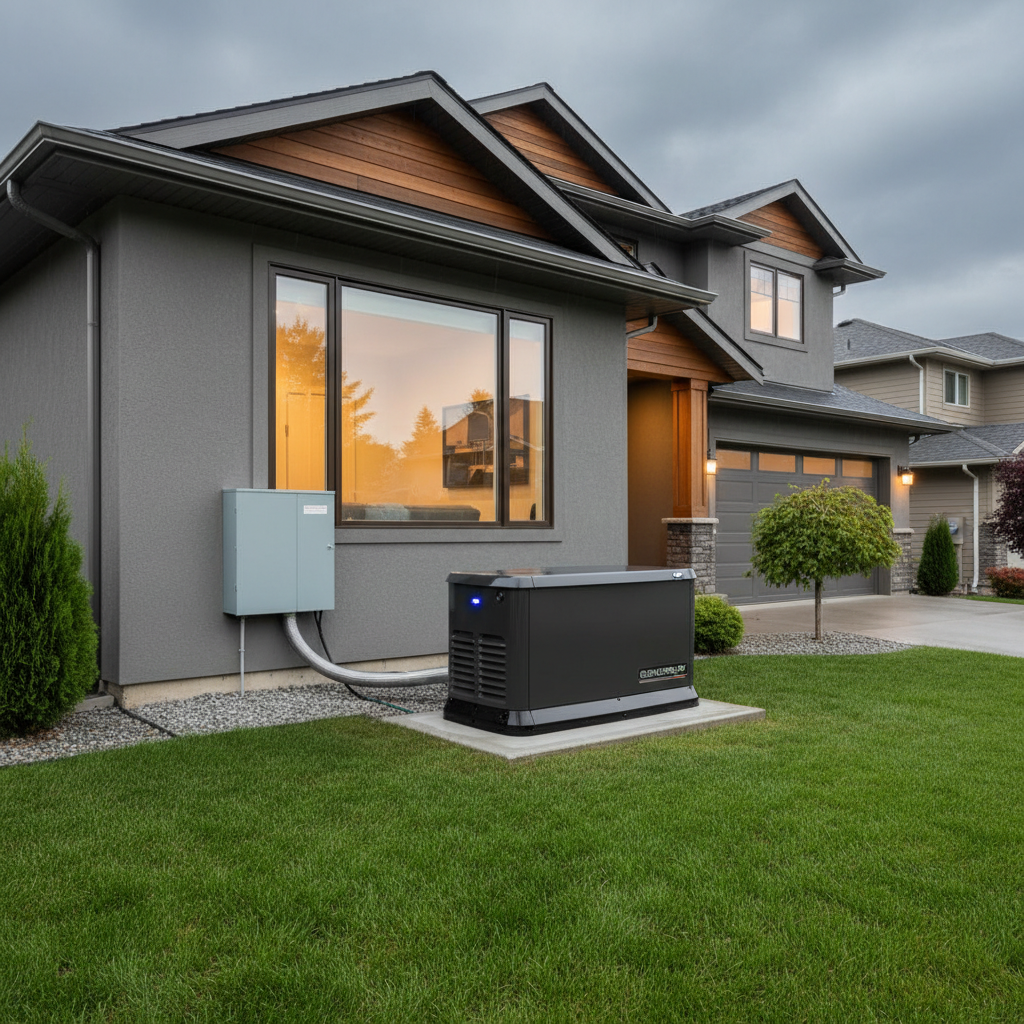
Standby Generators are permanently installed outside your home, similar to an AC unit, and connect directly to your natural gas line or a dedicated propane tank. They feature an automatic transfer switch (ATS) that constantly monitors your utility power. When an outage occurs, the ATS automatically disconnects your home from the utility grid and switches the load to the generator, which starts up automatically. When utility power returns, the process reverses. Standby generators offer significantly higher power outputs (typically 7,000 to 22,000+ watts), run automatically, and provide whole-house or essential-circuit power for extended durations. They are more expensive upfront but offer unparalleled convenience and peace of mind.
Generator power is measured in watts, specifically running watts (continuous power) and starting watts (momentary surge power needed to start motor-driven appliances). When selecting a generator, understanding the difference is crucial. Motors, compressors, and pumps in appliances like refrigerators, air conditioners, and well pumps require a temporary burst of extra power at startup before settling into their lower running wattage. Your generator must be able to handle these starting surges for all critical appliances you intend to power simultaneously.
Step-by-Step Fix
1. Inventory Your Must-Have Appliances — Create a detailed list of every appliance and device you absolutely need to power during an outage. Don't guess; walk through your home and list them out. Consider lights, refrigerator, freezer, well pump, furnace fan, specific medical equipment, TVs, internet modem, and phone chargers.
- Tip: Think about "comfort" vs. "necessity." Do you really need to run your central AC, or would a few fans suffice?
2. Calculate Each Appliance's Wattage — Look for the wattage (either running or starting) listed on the appliance's label, in the owner's manual, or search online. Pay attention to both running watts (continuous power) and starting watts (surge power). For motor-driven appliances, the starting wattage can be 2-3 times higher than the running wattage.
- Common Wattage Estimates (Running/Starting):
- Refrigerator: 600W / 1200W
- Freezer: 700W / 1400W
- Sump Pump: 800-1500W / 1600-3000W
- Furnace Fan (gas furnace): 400W / 800W
- Window AC (10,000 BTU): 1200W / 1800W
- Lights (LED): 10-50W each
- TV: 80-200W
- Microwave: 600-1500W
- Well Pump (1/2 HP): 1000W / 2000W+
3. Determine Your Total Running Wattage — Add up the running watts for all appliances you need to power simultaneously. This gives you your baseline continuous power requirement.
4. Identify Your Peak Starting Wattage — This is the trickiest part. You need to identify the single appliance on your "must-have" list with the highest starting wattage. Add this highest starting wattage to your total running wattage (from Step 3), minus that specific appliance's running wattage. This accounts for the brief surge when the largest motor starts.
- Example: If your total running non-well-pump wattage is 2000W, and your well pump's running wattage is 1000W (starting 2500W): your peak starting wattage would be (2000W + 2500W) = 4500W. The generator must handle this peak.
5. Add a 10-20% Buffer — Always factor in a safety margin. Electrical demands can fluctuate, and adding a buffer ensures your generator isn't constantly running at its absolute limit, extending its lifespan and efficiency. Multiply your peak starting wattage by 1.1 or 1.2.
- If this doesn't work: If your calculated wattage is very high, reconsider if you truly need all those appliances simultaneously. Can you stagger their use? This might allow for a smaller, more affordable generator.
6. Choose Generator Type & Fuel Source — Based on your wattage needs, decide between a portable or standby generator. Portable generators are cost-effective for smaller loads (under 7,000 watts) and intermittent use. Standby generators are best for larger loads (over 7,000 watts) and automatic, long-term power. Consider fuel: gasoline is common for portables, while natural gas or propane are ideal for standby units, offering longer run times without refueling.
- Safety Note: Never run a portable generator inside your home or garage. Carbon monoxide is deadly.
7. Research Brands and Features — Once you have your ideal wattage and type, research reputable brands known for reliability, warranty, and accessible service. Look for features like low-oil shutdown, automatic voltage regulation, and proper GFCI outlets.
8. Plan for Installation (Pro for Standby) — For standby generators, professional installation by a licensed electrician and plumber (for gas connection) is mandatory. This includes proper placement, concrete pad, electrical wiring, and plumbing for fuel. For portable generators, consider a transfer switch for safer home connection.
9. Factor in Maintenance and Accessories — Don't forget the cost of fuel storage, extension cords (rated for outdoor use), maintenance kits, and professional tune-ups. A generator cover is also wise for outdoor units.
Common Causes
- Underestimation of Starting Watts: Homeowners often only consider running watts, forgetting the significant surge required to start motor-driven appliances like refrigerators, AC units, or sump pumps. This is the most frequent cause of an undersized generator.
- "More Power is Better" Fallacy: Conversely, some homeowners overbuy, mistakenly believing a larger generator is always superior. While it provides more headroom, it also means higher upfront costs, increased fuel consumption for the same load, and potentially louder operation than necessary.
- Ignoring Future Needs: Not considering potential additions to their home or changes in lifestyle that might increase power demands in the coming years (e.g., adding an EV charger or a new appliance).
- Fuel Type Miscalculation: Choosing a fuel type that isn't readily available or sustainable for their likely duration of outages (e.g., relying solely on gasoline for extended outages without sufficient storage).
- Lack of Transfer Switch Planning: Neglecting to plan for a safe and code-compliant method of connecting the generator to the home's electrical system, leading to dangerous backfeeding risks or reliance on multiple extension cords.
Common Mistakes
- Ignoring Starting Watts: As mentioned, failing to account for the momentary surge required by motor-driven appliances. Always identify the highest starting wattage of a single appliance and factor it in as the crucial peak demand.
- Over-reliance on Extension Cords: Using too many, incorrectly sized, or damaged extension cords can be a fire hazard and lead to significant power loss. A manual or automatic transfer switch is the safest connection for home circuits.
- Running a Portable Generator Indoors: Deadly carbon monoxide fumes are colorless and odorless. ALWAYS operate portable generators outdoors, at least 20 feet from windows, doors, and vents.
- Neglecting Regular Maintenance: Generators are engines and require routine oil changes, spark plug replacements, and filter checks. Skipping these shortens lifespan and compromises reliability.
- Buying the Cheapest Option: While budget is a factor, opting for the absolute cheapest generator often means sacrificing reliability, warranty support, and essential safety features.
- Not Testing Periodically: Thinking a generator will just work when needed without regular testing is a recipe for disaster. Standby generators should "exercise" weekly, and portable units should be started and run under a small load monthly.
Cost & Time Breakdown
| Task | DIY cost | Pro cost | Time |
|---|---|---|---|
| Research & Sizing | $0 | $0 | 1–2 hours |
| Portable Generator (unit only) | $500–$2,000 | N/A | N/A |
| Standby Generator (unit only) | $3,000–$10,000 | N/A | N/A |
| Portable Generator Setup | $0 | N/A | 15–30 mins |
| Standby Generator Installation | N/A | $4,000–$15,000 | 1–3 days |
| Transfer Switch (material) | $300–$800 | N/A | N/A |
| Fuel Costs (depends on type) | $10–$50 per day | $10–$50 per day | Ongoing |
| Annual Maintenance | $50–$200 | $150–$500 | 1–2 hours/year |
Tips & Prevention
- Annual Load Assessment: Re-evaluate your home's critical power needs annually, especially if you've added new major appliances. This helps ensure your generator remains adequately sized.
- Regular Exercise: For standby generators, ensure weekly exercise cycles are enabled. For portables, start and run them for 15-30 minutes with a small load (e.g., light bulbs) once a month to keep fuel stable and components lubricated.
- Fuel Management & Stabilizers: Keep fresh fuel on hand for portable generators. Use fuel stabilizer if storing gasoline for more than a month to prevent issues. For propane, ensure tanks are filled. For natural gas, confirm your line is clear.
- Carbon Monoxide Detectors: Install and maintain working carbon monoxide detectors on every level of your home, especially if using a portable generator (even when properly vented outdoors).
- Professional Servicing: Schedule annual professional servicing for standby generators to ensure optimal performance and identify potential issues before an outage strikes.
- Emergency Contact List: Keep a list of emergency contacts, including your generator service provider and local utility company, readily accessible.
When to Call a Professional
Always call a licensed electrician and a qualified HVAC/plumbing technician to install a standby generator. This involves complex electrical wiring, connecting to your home's main electrical panel, and potentially tapping into your natural gas or propane supply, all of which require specialized knowledge and permits. Improper installation can void warranties, create dangerous backfeeding hazards (sending power back to the grid and endangering utility workers), and violate local electrical and gas codes. Additionally, if your calculated power needs exceed what you're comfortable managing, or if you're dealing with essential medical equipment that requires uninterrupted power, a professional can provide expert guidance on sizing, type, and fail-safe installation. If you detect any gas smell around your generator, immediately shut it down and contact a professional.
Related Articles
Keep troubleshooting with these hand-picked guides from FixlyGuide:
- The Hidden Reason Your GFCI Trips (It's Not Always a Faulty Outlet) — A continuously tripping GFCI outlet is a critical safety warning, often indicating moisture, a faulty appliance, or a wiring problem that r…
- The Secret to Lush Raised Beds? It's Not Just About How You Water — Smart irrigation for raised garden beds isn't just about automation; it's about delivering the right amount of water precisely when your pl…
- The Hidden Reason Your GFCI Trips (It’s Not Always a Bad Outlet) — A tripping GFCI outlet is a safety mechanism doing its job, often indicating a problem like moisture, a faulty appliance, or a wiring issue…
- The Hidden Reason Your AC Isn't Cooling (And Why Most Homeowners Get It Wrong) — Is your central AC blowing warm air or struggling to cool your home? The culprit is often a silent but serious issue many homeowners overlo…
- Is That Sweet Car Smell a Secret Killer? (& 6 Other Odors to Watch For) — Unusual odors in your car aren't just unpleasant; they're often critical warnings of underlying mechanical issues that could compromise saf…
- The #1 Mistake Homeowners Make After Finding Missing Shingles (And How to Fix It Right) — Discover the crucial steps to take after a storm rips shingles from your roof, ensuring a proper, lasting repair and preventing costly futu…
Should you do this yourself?
Answer five quick questions before you start. Safety outranks savings every time.
Your experience with work like this
How high do you have to work?
Does the job involve any of these?
Will it need a permit?
Specialty tools
Free and instant. Educational guidance only — not a quote, inspection, or professional diagnosis.
What should this project cost?
Enter your project details for a realistic cost range before you call anyone.
Cost depends heavily on which system turns out to be the source.
- Regional adjustment
- National average
- Labor share (typical)
- ~$1,620
- Quotes to collect
- 3 written estimates
Educational estimate based on national averages — not a binding quote. Always confirm with written local estimates.
Before you start
Check the difficulty, permits, and safety risk — then decide whether to call a pro.
- Estimate this projectGet a cost range for your scope and ZIP before you call anyone.Open
- Get local estimatesSend one request and compare written estimates from vetted pros.Open
Free, no signup required. Estimates are educational guidance, not a quote or an inspection.
This article was independently written by FixlyGuide based on the source topic.
Frequently asked questions
How do I know what size generator I need?+
To size a generator, list all essential appliances, find their running and starting wattages, calculate your total running wattage, and then add the highest single starting wattage (minus that appliance's running wattage) to find your peak demand. Always add a 10-20% buffer. This ensures your generator can handle both continuous power and surge demands.
What's the difference between running watts and starting watts?+
Running watts (or continuous watts) is the power an appliance uses constantly once it's on. Starting watts (or surge watts) is the momentary burst of extra power, often 2-3 times higher than running watts, that motor-driven appliances (like refrigerators or AC units) need to kick on for a few seconds.
Should I get a portable or a standby generator?+
Choose a portable generator for smaller power needs (under 7,000 watts), occasional use, and a lower budget. Opt for a standby generator for whole-home power, automatic operation, longer outages, and higher power demands (over 7,000 watts), especially if you have sensitive medical equipment or frequent outages.
Can I install a standby generator myself?+
No, you should never install a standby generator yourself. It requires complex electrical work, connections to your home's main panel, and often gas line plumbing, all of which must be done by licensed professionals to ensure safety, proper function, and compliance with local codes.


Discussion
Loading comments…