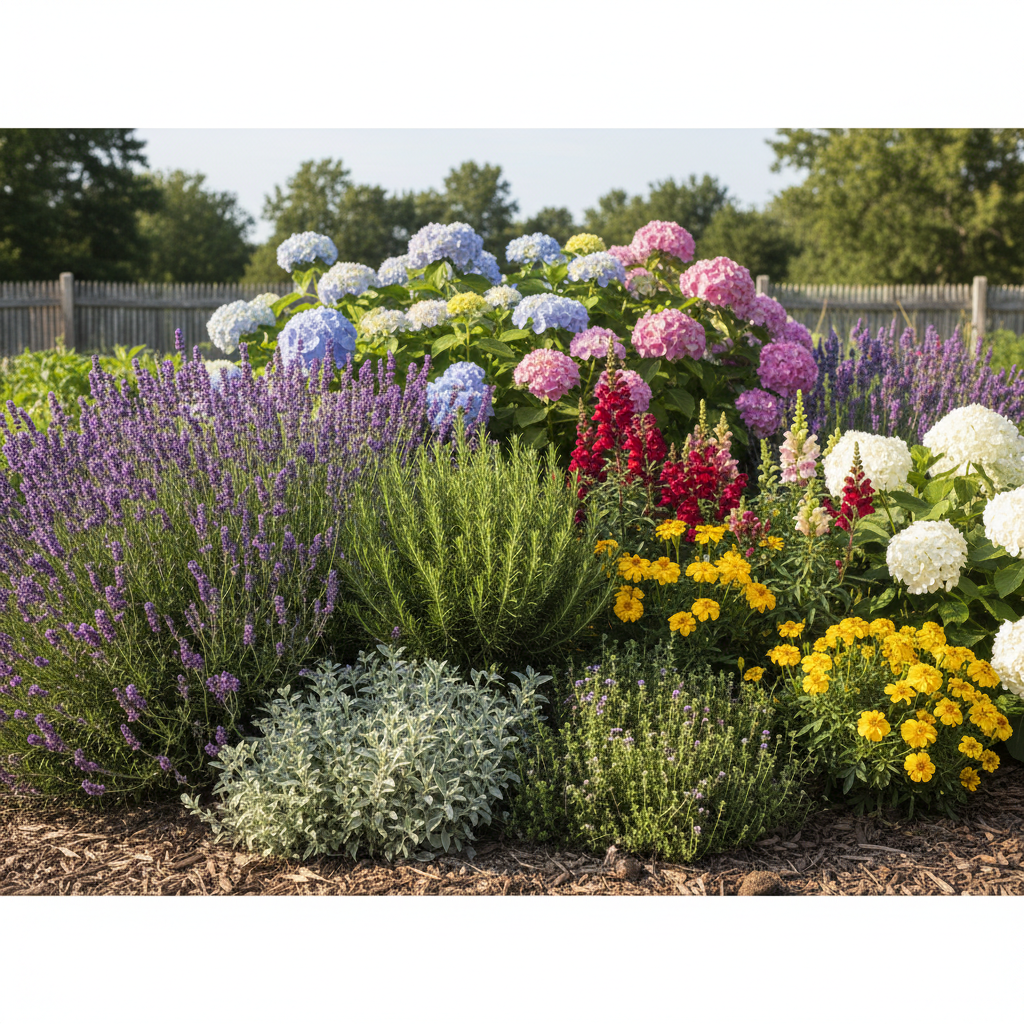
- Lavender: Beautiful purple flowers, fragrant, attracts pollinators. Many varieties (English, French, Spanish). Grows 1-3 feet tall and wide.
- Rosemary: Evergreen, aromatic, various forms (upright, creeping). Excellent for cooking. Can grow quite large, 3-6 feet.
- Thyme: Low-growing, fragrant groundcover. Many varieties (lemon, creeping, common). Excellent in rock gardens or between pavers.
- Sage: Silvery-green leaves, adds texture. Good for cooking. Grows 1-3 feet.
- Chives: Onion-like flavor, delicate purple flowers. Adds vertical interest. Grows 12-18 inches.
Published July 19, 2026Last updated August 17, 2026
Tools & materials you'll need
Affiliate linksAs an Amazon Associate FixlyGuide earns from qualifying purchases — at no extra cost to you. Prices and availability are accurate as of publication and subject to change.
Quick Answer
Integrating culinary herbs into your existing landscape offers a low-maintenance, high-impact solution for enhancing curb appeal and providing fresh ingredients. Choose herbs like lavender, rosemary, thyme, sage, and chives for their aesthetic appeal, drought tolerance, and culinary versatility, planting them in well-draining soil with ample sunlight for best results. This simple trick not only adds beauty and fragrance but also reduces your grocery bill and makes your garden more sustainable.
The Problem
Many homeowners struggle with landscaping that feels bland, requires constant attention, or simply doesn't offer much in return beyond visual appeal. Traditional ornamental plants often demand specific watering schedules, pest control, and seasonal maintenance, leading to frustration and added expenses. Furthermore, while a beautiful yard is desirable, wouldn't it be even better if your garden could also contribute to your kitchen? The disconnect between purely aesthetic landscaping and practical, edible gardening leaves many yards underutilized and homeowners missing out on the dual benefits of beauty and bounty.
How It Works
Edible landscaping isn't a new concept, but integrating culinary herbs specifically into existing ornamental beds is a brilliant strategy for modern homeowners. Most popular culinary herbs—lavender, rosemary, thyme, sage, chives, oregano, mint (with caution!)—are naturally hardy, often drought-tolerant once established, and thrive in conditions similar to many common landscape plants: full sun and well-draining soil. Their diverse textures, leaf colors (from silvery sage to deep green rosemary), and often beautiful flowers (purple lavender, white thyme blossoms) add visual interest and a sensory dimension that traditional ornamentals alone can't provide.
Beyond aesthetics, these herbs work hard. Their strong aromas can naturally deter certain garden pests, reducing the need for chemical interventions. Many are pollinator magnets, attracting bees and butterflies, which boosts the health of your entire garden ecosystem. When you consider the practical aspect, having fresh herbs just steps from your kitchen means no more last-minute dashes to the grocery store or settling for dried alternatives. The root systems of many herbs also help with soil stability, and their typically compact growth habits allow them to be tucked into various spaces—borders, rock gardens, containers, or as groundcovers—without overwhelming the existing landscape. This integration creates a dynamic, multi-functional garden that's both beautiful to look at and delicious to harvest, transforming a passive display into an active contributor to your home and lifestyle.
Step-by-Step Fix
1. Assess Your Site — First, observe your existing garden beds. Do they receive at least 6 hours of direct sunlight daily? Is the soil well-draining, or does water tend to pool after rain? Most herbs prefer full sun and soil that drains well. If your soil is heavy clay, consider amending it with compost or creating raised mounds for better drainage.
2. Choose the Right Herbs — Select herbs that match your growing conditions and culinary preferences. Consider mature size to ensure they fit the space without overcrowding. For sun and good drainage, popular choices include:
*   **Lavender:** Beautiful purple flowers, fragrant, attracts pollinators. Many varieties (English, French, Spanish). Grows 1-3 feet tall and wide.
*   **Rosemary:** Evergreen, aromatic, various forms (upright, creeping). Excellent for cooking. Can grow quite large, 3-6 feet.
*   **Thyme:** Low-growing, fragrant groundcover. Many varieties (lemon, creeping, common). Excellent in rock gardens or between pavers.
*   **Sage:** Silvery-green leaves, adds texture. Good for cooking. Grows 1-3 feet.
*   **Chives:** Onion-like flavor, delicate purple flowers. Adds vertical interest. Grows 12-18 inches.
*   **Oregano:** Spreads easily, good groundcover, pungent flavor. Grows 1-2 feet.
*   **Mint:** *Use extreme caution.* Mint is highly invasive. Plant only in containers to prevent it from taking over your garden beds.
3. Prepare the Planting Area — Clear any weeds or debris from the chosen spots. If amending heavy soil, dig in 2-4 inches of organic compost or a soil conditioner formulated for herbs or vegetables. This improves drainage and adds nutrients. Loosen the soil to a depth of at least 8-12 inches.
4. Space Your Herbs Correctly — Dig a hole twice as wide as the herb's root ball and just as deep. Gently remove the herb from its nursery pot, loosening any circling roots. Place the plant in the hole so the top of the root ball is level with the surrounding soil. Space plants according to their mature size; for example, give rosemary more room than thyme. Consult plant tags for specific spacing recommendations.
5. Plant and Water In — Backfill the hole with amended soil, gently patting down to remove air pockets. Water thoroughly immediately after planting. This helps settle the soil around the roots.
6. Mulch for Success — Apply a 1-2 inch layer of organic mulch (like shredded bark, straw, or pine needles) around the base of the plants, keeping it a few inches away from the stems. Mulch helps retain soil moisture, suppress weeds, and regulate soil temperature.
7. Initial Care and Establishment — For the first few weeks, water new plantings regularly, especially during dry spells, to help them establish. Stick your finger into the soil; if the top inch or two feels dry, it's time to water. Once established, many Mediterranean herbs like lavender and rosemary are quite drought-tolerant and will require less frequent watering.
Safety Note: Always wear gloves when handling plants, especially if you have sensitive skin or are prone to allergies. Wash hands thoroughly after gardening.
Common Causes
Homeowners often overlook herbs as landscape plants for several reasons:
- **Perceived as
Related Articles
Keep troubleshooting with these hand-picked guides from FixlyGuide:
- The 4-Hour — Transform your garden into a self-sufficient oasis with smart strategies for watering, weeding, and pest control, minimizing your effort.
- The Secret to Lush Raised Beds? It's Not Just About How You Water — Smart irrigation for raised garden beds isn't just about automation; it's about delivering the right amount of water precisely when your pl…
- The 5 Essential Tools Every New Gardener Needs (And 3 You Can Skip) — Starting a garden doesn't require a huge investment in tools; savvy new gardeners can thrive with just a few key items and save money by kn…
- The Hidden Reason Your GFCI Trips (It's Not Always a Faulty Outlet) — A continuously tripping GFCI outlet is a critical safety warning, often indicating moisture, a faulty appliance, or a wiring problem that r…
- The 9 Sneaky Filters Stealing Your Home's Efficiency (And How to Fix It) — Unseen or neglected filters throughout your home can secretly inflate utility bills, degrade air quality, and lead to expensive appliance b…
- The 3 Hidden Mistakes That Make Your Deck Sealer Fail (And How to Fix Them) — Properly sealing your wood deck protects it from the elements, but common mistakes often lead to early failure. Learn how to reseal your de…
What should this project cost?
Enter your project details for a realistic cost range before you call anyone.
Maintenance projects start a few hundred dollars; full redesigns often $6,000–$15,000.
- Regional adjustment
- National average
- Labor share (typical)
- ~$2,453
- Quotes to collect
- 3 written estimates
Educational estimate based on national averages — not a binding quote. Always confirm with written local estimates.
This article was independently written by FixlyGuide based on the source topic.
Frequently asked questions
Can I plant herbs directly into my existing flower beds?+
Yes, absolutely! Many herbs thrive in the same conditions as common ornamental plants: full sun and well-draining soil. Just make sure to give them adequate space and consider their mature size. Be cautious with aggressive spreaders like mint, which are better confined to pots.
Which herbs are best for beginners in landscape gardening?+
For beginners, lavender, rosemary, thyme, and sage are excellent choices. They are generally hardy, forgiving, and offer both aesthetic appeal and culinary uses. Chives are also very easy to grow and add a nice vertical element.
How often should I water my landscaping herbs?+
During the first few weeks after planting, water regularly to help them establish. Once established, most Mediterranean herbs like lavender, rosemary, and thyme are quite drought-tolerant and prefer soil to dry out between waterings. Always check the soil moisture before watering further.
Will planting herbs attract more pests to my garden?+
On the contrary, many herbs contain aromatic compounds that actually deter certain garden pests, making them beneficial for integrated pest management. They also attract beneficial insects like bees and butterflies, which are essential for a healthy garden ecosystem.


Discussion
Loading comments…