- Limited Perception: Many homeowners only associate rubbing alcohol with first aid, not general cleaning or problem-solving.
- Marketing of Specialized Products: The market is flooded with single-use cleaning products, overshadowing the versatility of simpler, cheaper alternatives.
- Lack of Knowledge: Without understanding how alcohol works (its solvent and disinfectant properties), homeowners don't realize its broad applicability.
- Safety Concerns: While generally safe when used correctly, concerns about flammability or potential damage to surfaces can deter some users.
- Habit: Sticking to familiar cleaning routines and products, even if they are less effective or more expensive.
Published July 21, 2026Last updated August 17, 2026
Tools & materials you'll need
Affiliate linksAs an Amazon Associate FixlyGuide earns from qualifying purchases — at no extra cost to you. Prices and availability are accurate as of publication and subject to change.
Quick Answer
Rubbing alcohol, typically isopropyl alcohol at concentrations of 70% or 91%, is far more than just a first-aid staple. It's a potent yet gentle solvent that evaporates quickly, leaving no residue, making it ideal for streak-free cleaning. Its antiseptic properties effectively kill a wide range of bacteria, viruses, and fungi on contact, making it a powerful disinfectant for surfaces. Beyond cleaning and sanitizing, its unique chemical structure makes it effective for dissolving sticky residues, degreasing, and even dehydrating certain small pests, offering an inexpensive and eco-friendlier alternative to many specialized cleaners.
The Problem
Homeowners constantly face challenges: stubborn grime, lingering odors, germ-laden surfaces, and even occasional household pests. Traditional cleaners often contain harsh chemicals, leave streaks, or simply aren't effective against everything. Many specialized products tackle only one issue, leading to a cluttered cleaning cabinet and increased expenses. The desire for a simple, effective, and economical solution that can address multiple problems safely and efficiently is a common pain point. This often leaves homeowners searching for a single, versatile product that can streamline their cleaning routine and provide peace of mind in a healthy home environment.
How It Works
Rubbing alcohol, most commonly isopropyl alcohol (chemical formula C3H8O), is a colorless, flammable chemical compound. When you buy 'rubbing alcohol,' you're typically getting a solution of 70% or 91% isopropyl alcohol mixed with purified water. The water plays a crucial role; contrary to popular belief, 100% alcohol isn't always more effective. For disinfecting, alcohol needs water to denature proteins effectively. It works by dissolving the lipid membranes of bacteria and viruses and denaturing their proteins, effectively destroying them. This makes it a broad-spectrum antiseptic.
As a solvent, its molecular structure allows it to dissolve a wide range of organic compounds, including oils, greases, glues, and residues from adhesives. This is why it's so good at removing sticky labels or cleaning greasy surfaces without leaving a film. The alcohol itself is highly volatile, meaning it evaporates very quickly at room temperature. This rapid evaporation is key to its streak-free cleaning performance on glass and polished surfaces. It lifts dirt and oils, then quickly disappears, taking the dissolved grime with it. This also makes it excellent for cleaning electronics where moisture can be damaging. For pest control, its dehydrating effect suffocates and desiccates small, soft-bodied insects on contact. Understanding these basic principles helps homeowners appreciate its versatility and use it safely and effectively around the house, leveraging its unique chemistry for a myriad of tasks from sanitizing countertops to polishing chrome.
Step-by-Step Fix
Here are several practical applications for rubbing alcohol around your home:
1. Achieve Streak-Free Glass and Mirrors — For sparkling, spotless surfaces.
Rubbing alcohol's rapid evaporation and lack of residue make it superior to many glass cleaners.
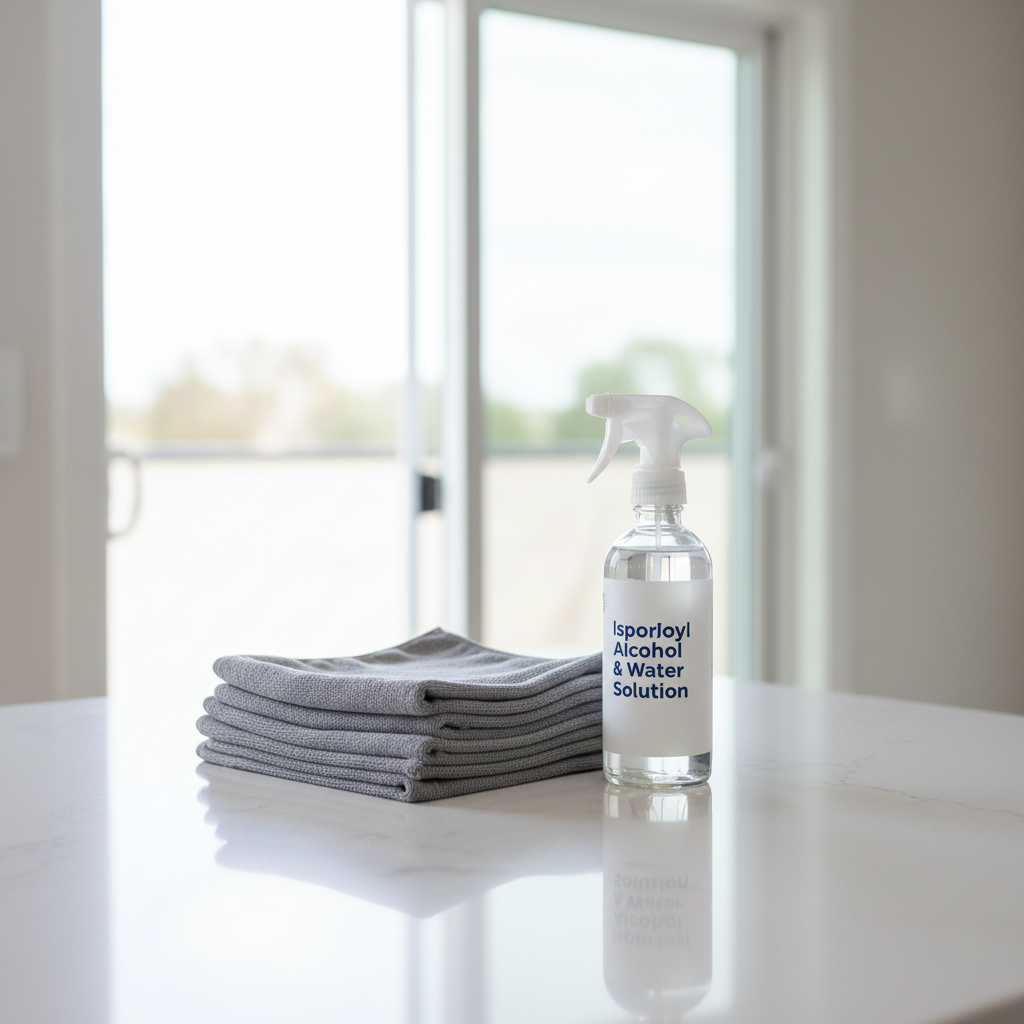
- How-to: Mix equal parts 70% isopropyl alcohol and water in a spray bottle. Spray lightly onto glass or mirrors and wipe immediately with a clean microfiber cloth or crumpled newspaper.
- Pro Tip: Avoid spraying too heavily, as excessive moisture can lead to streaks if not wiped quickly enough.
2. Disinfect High-Touch Surfaces — Kill germs where they lurk.
Alcohol is a powerful disinfectant for non-porous surfaces, effectively killing a broad spectrum of germs.
- How-to: For surfaces like doorknobs, light switches, remote controls, or countertops, apply 70% isopropyl alcohol directly to a clean cloth or paper towel and wipe thoroughly. Allow the surface to remain visibly wet for at least 30 seconds to ensure proper disinfection.
- Safety First: Ensure good ventilation, especially in smaller rooms. Do not use on waxed, shellacked, or painted surfaces, as it can strip finishes.
3. Degrease Kitchen Surfaces and Appliances — Cut through stubborn grease and grime.
Its solvent properties make it excellent for dissolving greasy buildup.
- How-to: Dampen a cloth with 91% isopropyl alcohol and wipe down greasy stovetops, range hoods, or microwave interiors. Follow up with a damp cloth to remove any dissolved residue.
- If This Doesn't Work: For very old, baked-on grease, a gentle abrasive cleaner or a paste of baking soda and water may be needed first.
4. Remove Permanent Marker and Ink Stains — Erase accidental marks.
Alcohol is a surprisingly effective solvent for many types of ink.
- How-to: For non-porous surfaces (like whiteboards, plastic, or sealed countertops), apply a small amount of 91% isopropyl alcohol to a cotton ball or swab and gently dab or rub the stain. For fabric stains, test on an inconspicuous area first, then dab from the outside of the stain inward.
- Warning: Can damage certain plastics or remove finishes. Always test first.
5. Sanitize Electronics — Safely clean screens, keyboards, and phones.
Its fast-drying nature makes it ideal for electronics where moisture is a concern.
- How-to: Never spray directly onto electronics. Dampen a clean microfiber cloth with a small amount of 70% isopropyl alcohol (ensure it's not dripping wet) and gently wipe screens, keyboards, and phone surfaces. Power off devices before cleaning.
- Tools: Use lint-free cloths specifically designed for electronics.
6. Dissolve Sticky Residues — Get rid of goo from labels and tape.
From price tags to adhesive hooks, alcohol can make removal easy.
- How-to: Apply 91% isopropyl alcohol to the sticky residue with a cotton ball or paper towel. Let it sit for a minute or two to loosen the adhesive, then gently rub or scrape away. Repeat if necessary.
- Note: Use caution on painted or varnished surfaces.
7. Deodorize Smelly Shoes — Banish unpleasant odors.
Alcohol kills odor-causing bacteria and evaporates quickly.
- How-to: Lightly mist the insides of smelly shoes with 70% isopropyl alcohol (using a spray bottle). Allow them to air dry completely in a well-ventilated area.
- Frequency: Repeat as needed, especially after heavy use.
8. Combat Small Household Pests — A non-toxic alternative for some invasives.
For specific soft-bodied insects, alcohol acts as a desiccant.
- How-to: For aphids, spider mites, or mealybugs on houseplants, mix one part 70% isopropyl alcohol with one part water in a spray bottle. Spray directly onto the pests. For fruit flies, a quick spray can kill them on contact.
- Caution: Always test on a small leaf area of a plant first, as some sensitive plants may react poorly. Do not use on edible plants close to harvest.
9. Clean and Sanitize Your Showerhead — Restore water flow and sparkle.
Alcohol can help dissolve mineral deposits and disinfect the exit nozzles.
- How-to: For minor buildup, directly wipe the showerhead with a cloth soaked in 91% isopropyl alcohol. For heavier mineral deposits, unscrew the showerhead and soak it in a bowl of white vinegar for a few hours (this handles mineral scale), then follow up with an alcohol wipe for disinfection.
- Routine: A quick wipe with alcohol once a month can prevent germ buildup.
10. Erase Scuff Marks on Floors and Walls — Banish unsightly blemishes.
Alcohol's solvent properties can lift many types of scuffs without damaging finishes.
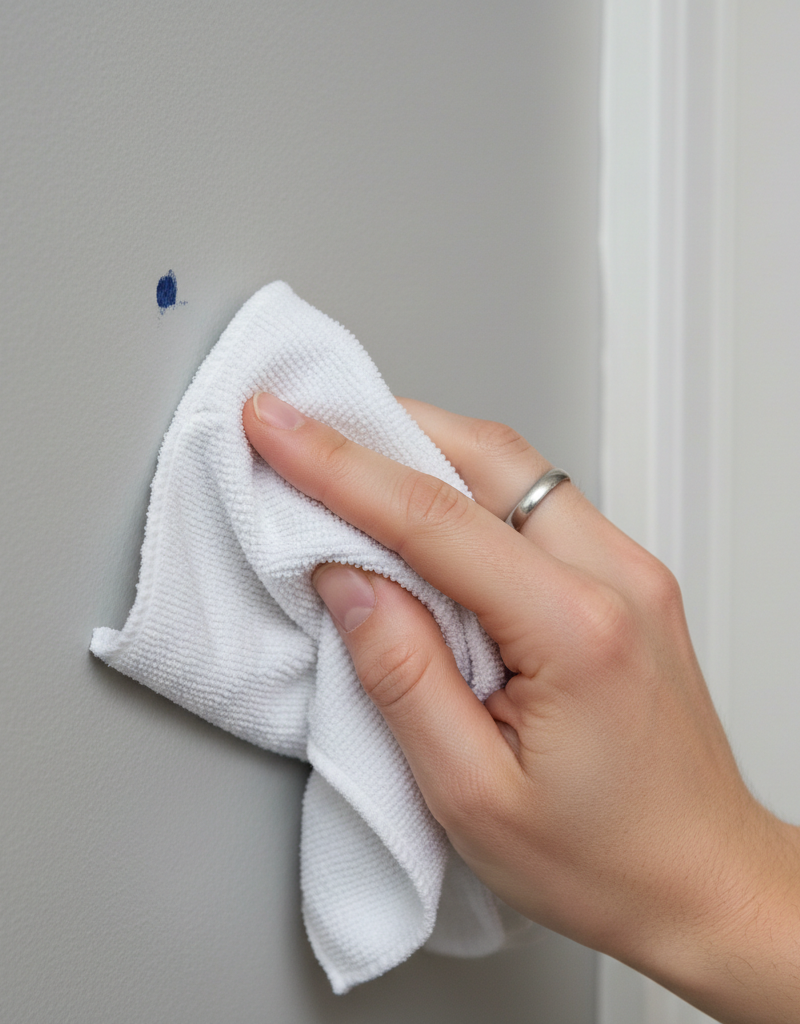
- How-to: Dab a small amount of 70% isopropyl alcohol onto a clean cloth and gently rub the scuff mark. For painted walls, test in an inconspicuous area first to ensure it doesn't remove the paint. Wipe with a clean, damp cloth afterward.
Common Causes
Homeowners often overlook rubbing alcohol's potential due to several factors:
- Limited Perception: Many homeowners only associate rubbing alcohol with first aid, not general cleaning or problem-solving.
- Marketing of Specialized Products: The market is flooded with single-use cleaning products, overshadowing the versatility of simpler, cheaper alternatives.
- Lack of Knowledge: Without understanding how alcohol works (its solvent and disinfectant properties), homeowners don't realize its broad applicability.
- Safety Concerns: While generally safe when used correctly, concerns about flammability or potential damage to surfaces can deter some users.
- Habit: Sticking to familiar cleaning routines and products, even if they are less effective or more expensive.
Common Mistakes
- Using 100% Alcohol for Disinfection: While 91% or 99% isopropyl alcohol is stronger as a solvent, 70% isopropyl alcohol is generally more effective for disinfecting. The water content in 70% alcohol helps it penetrate cell walls and denature proteins more efficiently.
- Not Testing Surfaces First: Applying alcohol directly to painted, varnished, shellacked, or certain plastic surfaces without testing can lead to discoloration, dullness, or even removal of the finish. Always dab a small, hidden spot first.
- Using Near Open Flames or Sparks: Rubbing alcohol is highly flammable. Never use it near gas stoves, pilot lights, candles, or any source of ignition. Ensure good ventilation.
- Mixing with Other Cleaners: Do not mix rubbing alcohol with bleach, as this can create chloroform, a toxic chemical. In general, avoid mixing alcohol with other cleaning products to prevent dangerous chemical reactions.
- Spraying Directly on Electronics: While safe for cleaning electronics when applied correctly, spraying directly can force moisture into sensitive components, causing damage. Always dampen a cloth.
- Not Allowing Dwell Time for Disinfection: For alcohol to effectively kill germs, it needs to remain in contact with the surface for a specific
Related Articles
Keep troubleshooting with these hand-picked guides from FixlyGuide:
- The 6 Cleaning Secrets Hiding in Your Power Drill (Plus Attachments to Master) — Your power drill isn't just for DIY projects; with the right attachments, it's a powerful and efficient cleaning tool for tackling tough gr…
- The Secret to Lush Raised Beds? It's Not Just About How You Water — Smart irrigation for raised garden beds isn't just about automation; it's about delivering the right amount of water precisely when your pl…
- The 4-Hour — Transform your garden into a self-sufficient oasis with smart strategies for watering, weeding, and pest control, minimizing your effort.
- The Hidden Reason Your GFCI Trips (It's Not Always a Faulty Outlet) — A continuously tripping GFCI outlet is a critical safety warning, often indicating moisture, a faulty appliance, or a wiring problem that r…
- The Hidden Reason Your GFCI Trips (It’s Not Always a Bad Outlet) — A tripping GFCI outlet is a safety mechanism doing its job, often indicating a problem like moisture, a faulty appliance, or a wiring issue…
- The 5-Minute Trick to Restore Your Kitchen Sink Sprayer's Lost Pressure — Restore your kitchen sink sprayer's low pressure with a quick, simple trick that often takes less than five minutes and requires no special…
Should you do this yourself?
Answer five quick questions before you start. Safety outranks savings every time.
Your experience with work like this
How high do you have to work?
Does the job involve any of these?
Will it need a permit?
Specialty tools
Free and instant. Educational guidance only — not a quote, inspection, or professional diagnosis.
What should this project cost?
Enter your project details for a realistic cost range before you call anyone.
Cost depends heavily on which system turns out to be the source.
- Regional adjustment
- National average
- Labor share (typical)
- ~$1,620
- Quotes to collect
- 3 written estimates
Educational estimate based on national averages — not a binding quote. Always confirm with written local estimates.
Before you start
Check the difficulty, permits, and safety risk — then decide whether to call a pro.
- Estimate this projectGet a cost range for your scope and ZIP before you call anyone.Open
- Get local estimatesSend one request and compare written estimates from vetted pros.Open
Free, no signup required. Estimates are educational guidance, not a quote or an inspection.
This article was independently written by FixlyGuide based on the source topic.
Frequently asked questions
What kind of rubbing alcohol is best for cleaning?+
For general cleaning and disinfecting, 70% isopropyl alcohol is usually best. The water content helps it penetrate and denature proteins more effectively. For dissolving sticky residues or degreasing, 91% or 99% isopropyl alcohol can be more effective as a stronger solvent.
Can I use rubbing alcohol on all surfaces?+
No. Rubbing alcohol can damage or strip finishes from certain surfaces, including painted walls, varnished wood, shellacked items, and some plastics. Always perform a patch test in an inconspicuous area first.
Is rubbing alcohol safe to use around pets or children?+
Rubbing alcohol should be kept out of reach of children and pets. While it evaporates quickly, ingestion can be harmful. Use in well-ventilated areas, and ensure surfaces are dry before pets or children come into contact with them.
What's the difference between rubbing alcohol and denatured alcohol?+
Rubbing alcohol is typically isopropyl alcohol mixed with water. Denatured alcohol is ethanol (drinking alcohol) that has had additives included to make it poisonous and unfit for consumption, often used as a solvent or fuel. While both are alcohols, their compositions and primary uses differ, and they shouldn't be used interchangeably without understanding the risks.
Can rubbing alcohol kill mold and mildew?+
Rubbing alcohol can kill surface mold and mildew and inhibit its growth due to its fungicidal properties. However, for deep-seated mold issues, especially on porous surfaces, professional remediation may be required to address the root cause of moisture and thoroughly remove spores.
Discussion
Loading comments…