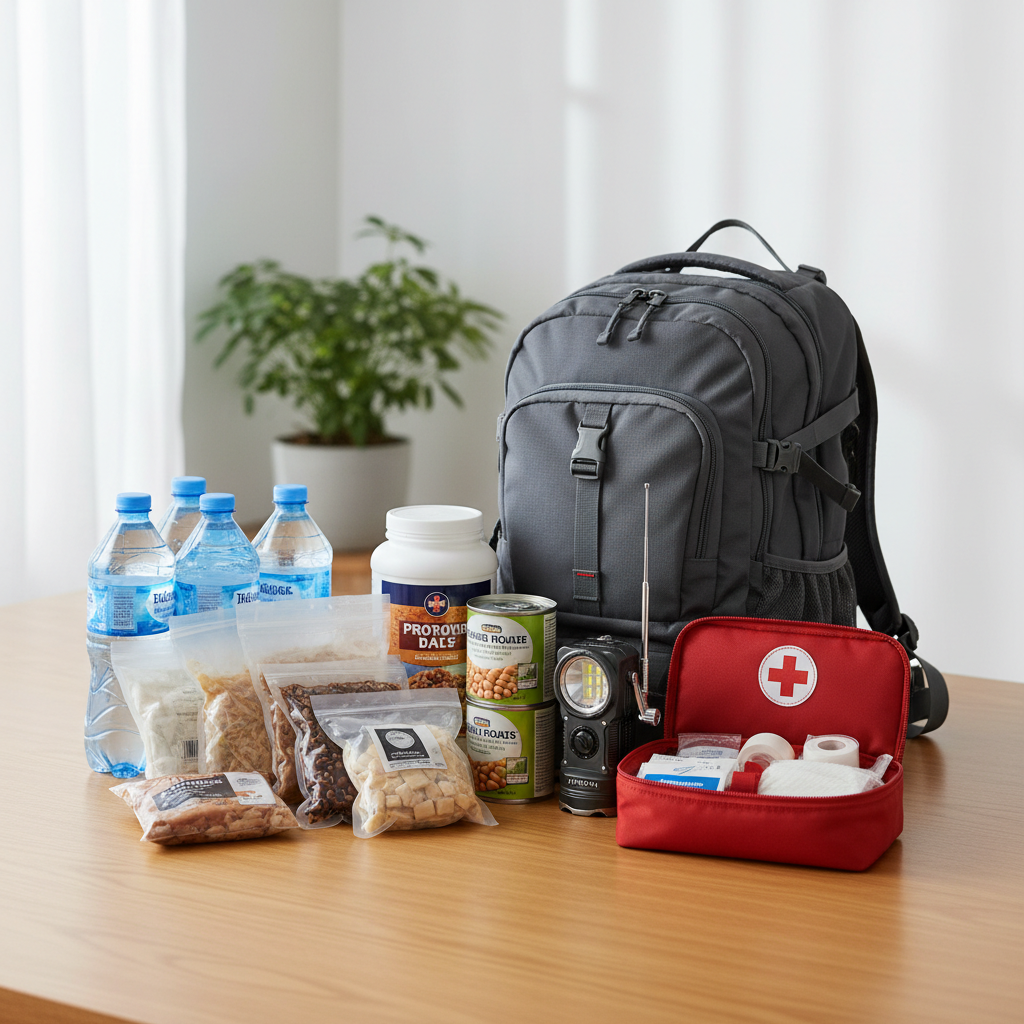
- Assess Your Household's Specific Needs – Tailor your kit to your family.
- Consider the number of people, ages (infants, elderly), and any medical conditions or dietary restrictions. If you have pets, remember their food, water, and medication too.
- Pro Tip: Include copies of prescriptions and medical information in a waterproof bag.
Foundation · Cracks or settlement
| Project category | Foundation |
|---|---|
| Problem type | Cracks or settlement |
| Trade required | Foundation repair |
| Urgency | Soon — within weeks |
| Safety risk | High safety risk |
| DIY suitability | Licensed pro only |
| Cost category | Major investment |
| Typical timeline | Engineer report first; work typically several days |
| Contractor type | Foundation repair company with a structural engineer report |
Repair option
Drainage correction and targeted pier installation where movement is measured.
Replacement option
Full underpinning when settlement is widespread.
Common causes
- Expansive clay soil cycling wet and dry
- Poor drainage or downspouts dumping at the slab
- Plumbing leak washing out soil under the foundation
Relevant tools:compare quotesproject cost estimator
Published July 20, 2026Last updated August 17, 2026
Tools & materials you'll need
Affiliate linksAs an Amazon Associate FixlyGuide earns from qualifying purchases — at no extra cost to you. Prices and availability are accurate as of publication and subject to change.
Quick Answer
Being truly ready for extreme weather means more than just boarding up windows or sandbagging. The critical, often overlooked step, is assembling a comprehensive emergency kit designed to sustain your household for at least 72 hours without external assistance. This kit should include essentials like potable water, non-perishable food, a well-stocked first-aid kit, communication tools, and power sources. Proactive preparation ensures your family's safety and comfort when services are disrupted and immediate professional help might be unreachable.
The Problem
When hurricanes, blizzards, floods, or severe thunderstorms strike, the initial chaos can quickly turn into prolonged hardship. Power outages can last for days, clean water supplies can be compromised, and roads may become impassable, isolating communities. Emergency services, stretched thin, prioritize life-threatening situations, meaning you and your family might be entirely on your own for an extended period. Many homeowners focus on immediate structural home protection but neglect the internal readiness – the ability to feed, water, heal, and communicate when the grid is down and stores are closed. This oversight can lead to preventable stress, injury, and dangerous situations when resources dwindle and basic necessities become luxuries.
How It Works
Effective storm preparation operates on the principle of self-reliance, anticipating disruptions to infrastructure and essential services. When public utilities like electricity, gas, and water are compromised, or transportation networks shut down, your home becomes an isolated island. An emergency kit acts as a vital lifeboat, providing sustenance, warmth, light, and medical attention. For instance, a hand-crank or battery-powered radio keeps you informed when cell towers are down, and a water filter can turn collected rainwater into a safe drinking source. The kit should include items for basic needs: the average adult needs at least one gallon of water per day for drinking and sanitation. Non-perishable food should be chosen for its caloric density and ease of preparation, requiring no cooking or refrigeration. First-aid supplies address minor injuries and illnesses that could worsen without care, while backup power sources like portable chargers or solar generators keep critical devices operational. The "how it works" is truly about redundancy and resilience – having a plan B (and C) for every critical function your home or community normally provides, empowering you to effectively manage unexpected emergencies until normalcy can be restored.
Step-by-Step Fix
Extreme weather preparation isn't a "fix" in the traditional sense, but rather a methodical process of readiness. The "fix" is having a complete, accessible emergency kit before disaster strikes.
-
Assess Your Household's Specific Needs – Tailor your kit to your family.
- Consider the number of people, ages (infants, elderly), and any medical conditions or dietary restrictions. If you have pets, remember their food, water, and medication too.
- Pro Tip: Include copies of prescriptions and medical information in a waterproof bag.
-
Gather Essential Water Supplies – Focus on quantity and purification.
- Store at least one gallon of water per person per day for a minimum of three days (ideally two weeks) for drinking and sanitation. Use clean, food-grade containers.
- Consider water purification tablets or a portable water filter for extended outages or if tap water becomes unsafe.
-
Assemble Non-Perishable Food – Choose nutrient-dense, easy-to-prepare items.
- Select canned goods (with a manual can opener), energy bars, dried fruit, nuts, and ready-to-eat cereals. Prioritize foods that don't require cooking or refrigeration.
- If this doesn't work: If you rely on a gas stove, ensure you have a backup cooking method like a camping stove (use only outdoors in a well-ventilated area) and extra fuel. (See safety note below).
-
Create a Comprehensive First-Aid Kit – Be ready for minor injuries and illnesses.
- Include bandages (various sizes), antiseptic wipes, gauze, medical tape, pain relievers, allergy medication, any personal prescription medications, and a thermometer.
- Safety Note: Regularly check expiration dates on medications and replace as needed. Keep a first-aid manual handy.
-
Secure Lighting and Communication Tools – Stay informed and visible.
- Pack flashlights with extra batteries, battery-powered or hand-crank radios (NOAA weather radio preferred), and portable power banks for charging cell phones.
- Tip: Store batteries separately from devices to prevent drainage or corrosion.
-
Organize Important Documents – Protect critical paperwork.
- Make copies of insurance policies, identification, bank account records, and medical records. Store these in a waterproof, fireproof bag or container.
- Pro Tip: Keep digital copies on a secure, encrypted USB drive or cloud storage, accessible offline if possible.
-
Consider Sanitation and Hygiene Items – Maintain health and morale.
- Include moist towelettes, hand sanitizer, toilet paper, garbage bags, and feminine hygiene products.
- If this doesn't work: For prolonged water outages, consider an emergency toilet system (e.g., a bucket with plastic liners and kitty litter).
-
Pack Essential Tools and Miscellaneous Supplies – Practical items for unexpected situations.
- Include a multi-tool, duct tape, a whistle (to signal for help), local maps, extra cash in small denominations, and comfort items like blankets or books.
- Remember: Have a designated "go-bag" or "bug-out bag" that is easily accessible and portable.
Common Causes
Homeowners often fail to adequately prepare for extreme weather due to several common misconceptions and omissions:
- Underestimation of Impact: Many believe that major disasters "won't happen here" or that the immediate aftermath will be brief and easily managed by emergency services alone.
- Focus on Immediate Threats Only: Prepping for a hurricane might mean boarding windows but neglecting a robust internal emergency kit, assuming utilities will be restored quickly.
- "Set It and Forget It" Mentality: Emergency kits that are assembled once and then left untouched for years often contain expired food, dead batteries, or medications that are no longer current.
- Lack of Specificity: A generic "emergency kit" from a store might not address the unique needs of a household (e.g., specific medications, pet supplies, infant formula).
- Cost Perceived as Prohibitive: The initial outlay for a comprehensive kit can seem high, leading homeowners to delay or cut corners, despite the significantly higher costs of unpreparedness.
- Reliance on Neighbors or Community: While community support is vital, assuming others will always have what you need can lead to a dangerous collective lack of preparedness.
Common Mistakes
- Forgetting a Manual Can Opener: Many stock canned goods but overlook the simple tool needed when electricity is out.
- Storing Batteries Inside Devices: Batteries can corrode over time or drain, leading to non-functional devices when needed most. Store them separately.
- Not Having Cash: ATMs often don't work during power outages, and many businesses can't process card payments. Small bills are essential.
- Ignoring Pet Needs: Pets are part of the family but are frequently forgotten when assembling emergency supplies like food, water, and medications.
- Placing the Kit Inaccessibly: An emergency kit stored in a dusty attic or cluttered basement is useless if you need to evacuate quickly or if the area becomes inaccessible.
- Not Practicing the Plan: Knowing where your kit is and understanding how to use its contents is as important as having it. Conduct periodic drills.
Cost & Time Breakdown
| Task | DIY cost | Pro cost | Time |
|---|---|---|---|
| Assemble Water & Food Supplies | $100–$300 | N/A | 1–3 hours |
| First-Aid Kit | $30–$80 | N/A | 30–60 minutes |
| Lighting & Communication | $50–$150 | N/A | 30–60 minutes |
| Document Protection | $15–$50 | N/A | 1 hour |
| Sanitation & Hygiene | $20–$60 | N/A | 30 minutes |
| Tools & Miscellaneous | $30–$100 | N/A | 1 hour |
| Total Initial Investment | $245–$740 | N/A | 4.5–8 hours |
| Ongoing Maintenance (Annual) | $20–$50 | N/A | 1–2 hours |
Tips & Prevention
- Rotate Supplies Annually: Mark your calendar to check expiration dates on food, water, and medications every year. Replace items as needed to ensure freshness and potency.
- Keep Your Car Gassed Up: In case of evacuation, a full tank of gas can be critical. Maintain at least a half-tank during active storm seasons.
- Charge All Devices: Keep cell phones, laptops, and power banks fully charged if severe weather is predicted. Also, fill your car
Related Articles
Keep troubleshooting with these hand-picked guides from FixlyGuide:
- The 4 Critical Dimensions of a Bluebird House (Most DIY Plans Miss One) — Discover the precise measurements and often-overlooked design elements essential for building a bluebird house that truly attracts nesting…
- The 7 Critical Household Filters You're Forgetting (And What They Cost You) — Neglected household filters are quietly costing you money, diminishing air quality, and paving the way for expensive repairs. Discover the…
- 7 Hidden Equity Drains Costing You Thousands Annually — Your home is an asset, but silent problems like minor leaks, poor insulation, and deferred maintenance can drain its value. Discover the se…
- The Hidden Reason Your GFCI Trips — And Why Most Homeowners Get It Wrong — A continuously tripping GFCI outlet is a safety warning, often indicating a problem like moisture, a faulty appliance, or a wiring issue th…
- 7 Inspection Red Flags That Secretly Signal a $20,000 Bill — Don't let your dream home become a money pit. Many buyers and even some inspectors overlook subtle home inspection red flags that lead to f…
- Wind Tore Off Your Shingles? The 7 Critical Steps Most Homeowners Miss — Discover the essential steps to take when roof shingles go missing after a storm, from immediate safety checks to temporary repairs and ins…
Should you do this yourself?
Answer five quick questions before you start. Safety outranks savings every time.
Your experience with work like this
How high do you have to work?
Does the job involve any of these?
Will it need a permit?
Specialty tools
Free and instant. Educational guidance only — not a quote, inspection, or professional diagnosis.
Questions to ask before you sign
Ask every contractor the same questions and the cheapest bid stops looking cheapest. Check them off as you go — your progress is saved on this device.
Free, no signup. Bring this to every walkthrough so you compare bids on the same terms.
What should this project cost?
Enter your project details for a realistic cost range before you call anyone.
Cost depends heavily on which system turns out to be the source.
- Regional adjustment
- National average
- Labor share (typical)
- ~$1,620
- Quotes to collect
- 3 written estimates
Educational estimate based on national averages — not a binding quote. Always confirm with written local estimates.
Fixly Project Decision Box
- DIY difficulty
- Professional Recommended
- Estimated time
- Monitoring over 60–90 days · engineer visit 1–2 hours
- Cost level
- Major Project
Main tools / materials
- Crack monitor or pencil marks with dates
- Tape measure
- Marble or level for floor slope
When to stop and call a pro
- A crack wider than 1/4 inch or growing month over month
- Doors and windows that suddenly stick or will not latch
- Stair-step cracks in brick or block
- Separation between walls and ceilings or floors
Need professional help?
Get a Foundation EvaluationHandle this before it gets worse
First steps that limit damage, then a way to reach a qualified pro.
- Emergency repair checklistThe first steps that limit damage before a pro arrives.Open
- Get local estimatesSend one request and compare written estimates from vetted pros.Open
- Estimate this projectGet a cost range for your scope and ZIP before you call anyone.Open
Free, no signup required. Estimates are educational guidance, not a quote or an inspection.
Get the print-ready PDF of this guide
A clean, ad-free, printable version you can keep on your phone or pin to the workshop wall. Free with a FixlyGuide account.
- Print-optimized layout
- Tools, materials & every step included
- Saved to your account
This article was independently written by FixlyGuide based on the source topic.
Frequently asked questions
How much water should I store for an emergency?+
The general recommendation is at least one gallon of water per person per day for a minimum of three days for drinking and basic sanitation. For optimal preparedness, aim for a two-week supply if space allows.
What kind of food should I put in an emergency kit?+
Prioritize non-perishable, easy-to-prepare foods that don't require cooking or refrigeration. Examples include canned goods (with a manual can opener), energy bars, dried fruits, nuts, and ready-to-eat cereals. Choose items based on caloric density and your family's dietary needs.
How often should I check my emergency kit?+
You should check your emergency kit at least once a year. This involves inspecting expiration dates on food, water, and medications, testing batteries in flashlights and radios, and updating any personal documents or clothing sizes.
Should I include cash in my emergency kit?+
Absolutely. During power outages, ATMs and credit card machines may not function, making cash in small denominations essential for purchasing necessities, especially if local businesses are operating on a cash-only basis.

Discussion
Loading comments…