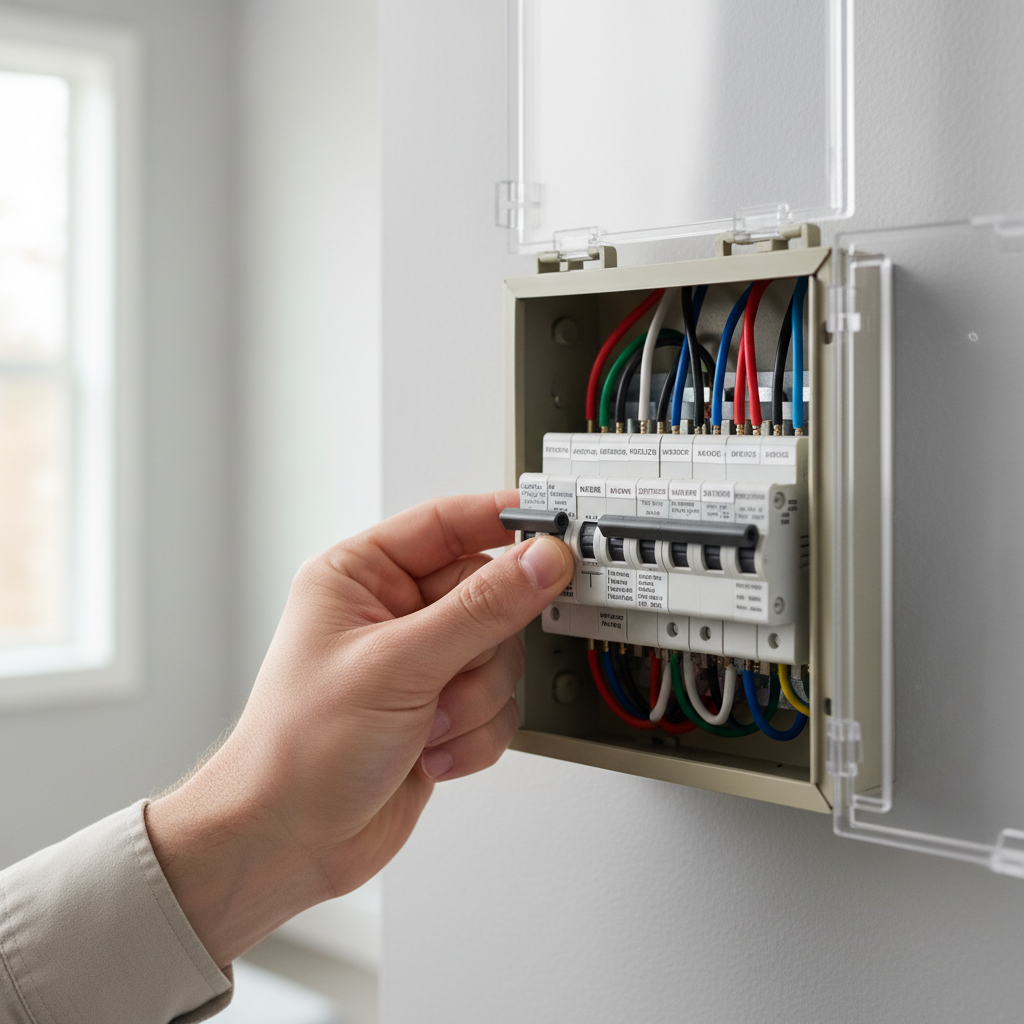
- Visual inspection: With power off, carefully inspect all outlets, switches, and light fixtures on the troubled circuit. Look for:
- Burn marks or melted insulation: Signs of a short.
- Frayed or exposed wires: Wires that could be touching each other or the metal box.
- Loose wire connections: Wires that have pulled out of terminal screws.
- Damaged appliance cords: Frayed, pinched, or cracked cords.
Electrical · Breaker keeps tripping
| Project category | Electrical |
|---|---|
| Problem type | Breaker keeps tripping |
| Trade required | Electrical |
| Urgency | Urgent — within days |
| Safety risk | High safety risk |
| DIY suitability | Pro recommended |
| Cost category | Low cost |
| Typical timeline | Diagnosis in a single visit |
| Contractor type | Licensed electrician |
Repair option
Isolate the load, then repair the fault or replace the breaker.
Replacement option
New dedicated circuit when the load simply exceeds what the circuit was built for.
Common causes
- Genuine overload on a shared circuit
- Ground fault from moisture in an exterior box
- Failing breaker or a damaged appliance cord
Relevant tools:diy or hire a prodiy difficulty
Published May 9, 2026Last updated August 18, 2026
Tools & materials you'll need
Affiliate linksAs an Amazon Associate FixlyGuide earns from qualifying purchases — at no extra cost to you. Prices and availability are accurate as of publication and subject to change.
Quick Answer
A repeatedly tripping circuit breaker usually points to one of three common electrical problems: an overloaded circuit, a short circuit, or a ground fault. However, it can also be triggered by a dying appliance, a loose wire connection, or even a weakening circuit breaker itself. Diagnosing the exact cause requires a methodical approach, starting with unplugging devices and escalating to more detailed electrical checks. While many fixes are DIY-friendly, persistent or unexplained tripping warrants a professional electrician's inspection.
The Problem
There's a distinct 'click' and suddenly, a section of your home goes dark. You head to the electrical panel, flip the breaker back on, and for a few minutes, everything is fine. Then, click—darkness again. A circuit breaker that repeatedly trips is more than just an annoyance; it's your home's electrical system trying to tell you something is wrong. Ignoring it can lead to damaged appliances, increased fire risk, and even serious electrical hazards. This isn't a problem that will fix itself. Understanding the 'why' behind the trip is the first step to a safe and lasting solution.
How It Works
Your home's electrical system is a carefully engineered network designed for safety. Electricity flows from the utility pole, through your electrical meter, and into your main service panel. Inside this panel are circuit breakers, each acting as a safety valve for a specific circuit in your home. These circuits typically power a room, a group of outlets, or a major appliance. When a circuit breaker is 'on', it allows electricity to flow freely. When an electrical fault occurs, the breaker 'trips', interrupting the flow of electricity to prevent overheating, fires, or damage to appliances. Think of it like a guard dog for your wiring. If it barks and trips, it's detecting danger.
There are three primary reasons a breaker trips:
-
Overload: This is the most common culprit. Each circuit is designed to carry a maximum amount of electrical current (measured in amperes, or amps). If you plug too many high-power devices (like a space heater, microwave, and hairdryer) into outlets on the same circuit and operate them simultaneously, the total current draw exceeds the circuit's capacity. The breaker detects this excess current and trips to prevent the wires from overheating, which could melt insulation and cause a fire.
-
Short Circuit: This is a more serious fault. A short circuit occurs when a 'hot' (live) wire accidentally touches a 'neutral' wire, or sometimes another hot wire, allowing electricity to bypass its intended path and return to the source prematurely. This creates a sudden, massive surge in current that the breaker immediately detects and trips to prevent extreme heat, arcing, and potential fire. Short circuits are often caused by damaged appliance cords, loose wiring connections, or faulty outlets/switches.
-
Ground Fault: Similar to a short circuit, a ground fault occurs when a hot wire touches a ground wire or a grounded part of an appliance or electrical box. This also creates an unintended path for electricity to flow directly to the earth. Like a short circuit, it results in a sudden current surge. Ground Fault Circuit Interrupters (GFCIs) are specifically designed to detect these subtle imbalances in current flow and trip even faster than standard breakers, primarily to protect people from electrical shock, especially in wet areas like kitchens and bathrooms.
Understanding these mechanisms is crucial to diagnosing the problem. Your breaker isn't tripping randomly; it's reacting to a specific electrical event it's designed to detect.
Step-by-Step Fix
1. Identify the Tripped Breaker and Affected Circuit — Know your enemy
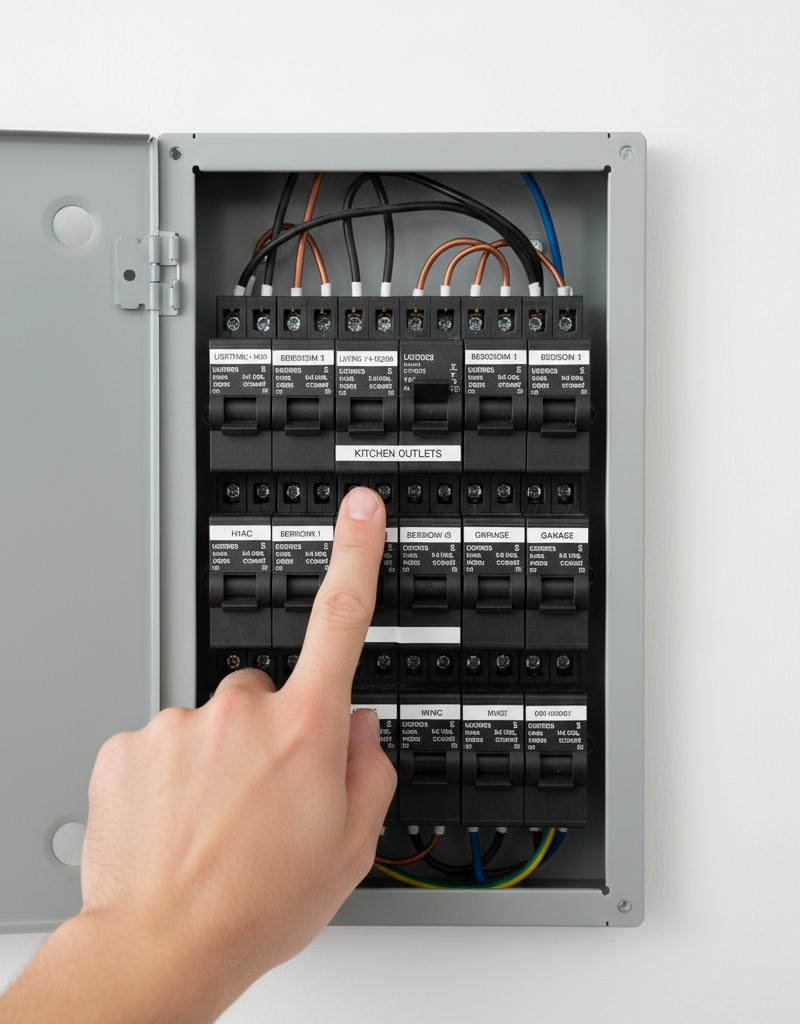
- Locate the panel: Find your main electrical panel. Breakers are usually clearly labeled. Look for a breaker that is in the 'off' position or, more commonly, midway between 'on' and 'off'. Often, it will be slightly offset from the other 'on' breakers.
- Test it: To confirm it's the culprit, try to switch it fully to the 'off' position, then firmly back to 'on'. If it immediately trips again or feels unusually loose, you've found your problem breaker. Note which rooms or appliances are on this circuit.
2. Unplug All Devices on the Tripped Circuit — Clear the slate
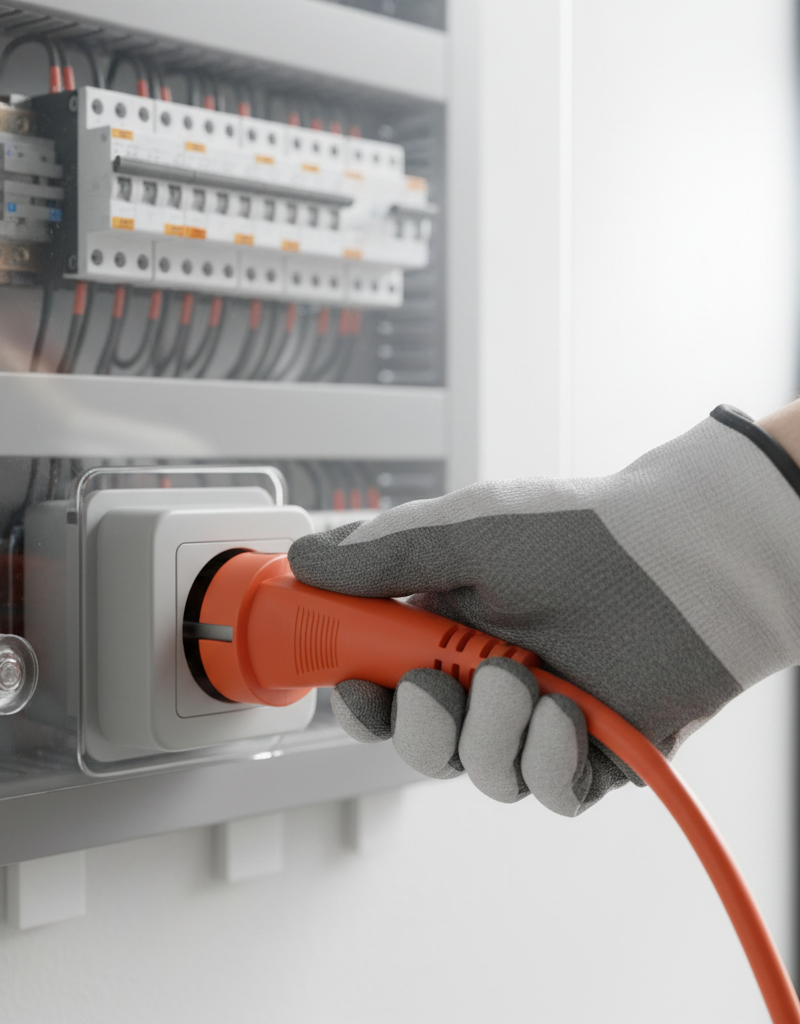
- Systematic unplugging: Go to every room and outlet on the affected circuit. Unplug everything—lamps, phone chargers, TVs, computers, kitchen appliances, everything. This includes anything plugged into surge protectors connected to the circuit.
- Reset and observe: Once all devices are unplugged, go back to the electrical panel and reset the breaker. Does it hold? If yes, the problem is an overload or a faulty device. If it trips immediately without anything plugged in, the issue is more likely a short circuit or ground fault within the wiring, outlet, or fixture itself, or potentially a faulty breaker. Proceed to step 4 for this scenario.
3. Isolate the Overloaded Device or Circuit Overload — The classic culprit
- One by one: If the breaker held after unplugging everything, start plugging devices back in one at a time. Plug in a single device, wait a few minutes, then plug in the next. Pay attention to high-wattage items like hair dryers, toasters, space heaters, air conditioners, and microwaves.
- Identify the trigger: When the breaker trips again, the last device you plugged in (or turned on) is likely the cause of the overload. Try plugging that device into a different circuit (if practical) or avoid using it simultaneously with other high-draw appliances on the same circuit.
- If the single device trips the breaker: That specific appliance is likely faulty and should be repaired or replaced. Stop using it immediately.
- If multiple devices cause the trip: You've identified an overloaded circuit. Redistribute your devices across different circuits, or consider having an electrician add a new circuit if you consistently need more power in that area.
4. Check for Short Circuits and Ground Faults (with Power Off!) — Advanced diagnostics
- Safety first: Before touching any wiring, always turn off the main power to your home at the service panel. Use a voltage tester at the specific outlets or switches to ensure the power is completely off. Serious injury or death can occur from working on live circuits.
- Visual inspection: With power off, carefully inspect all outlets, switches, and light fixtures on the troubled circuit. Look for:
- Burn marks or melted insulation: Signs of a short.
- Frayed or exposed wires: Wires that could be touching each other or the metal box.
- Loose wire connections: Wires that have pulled out of terminal screws.
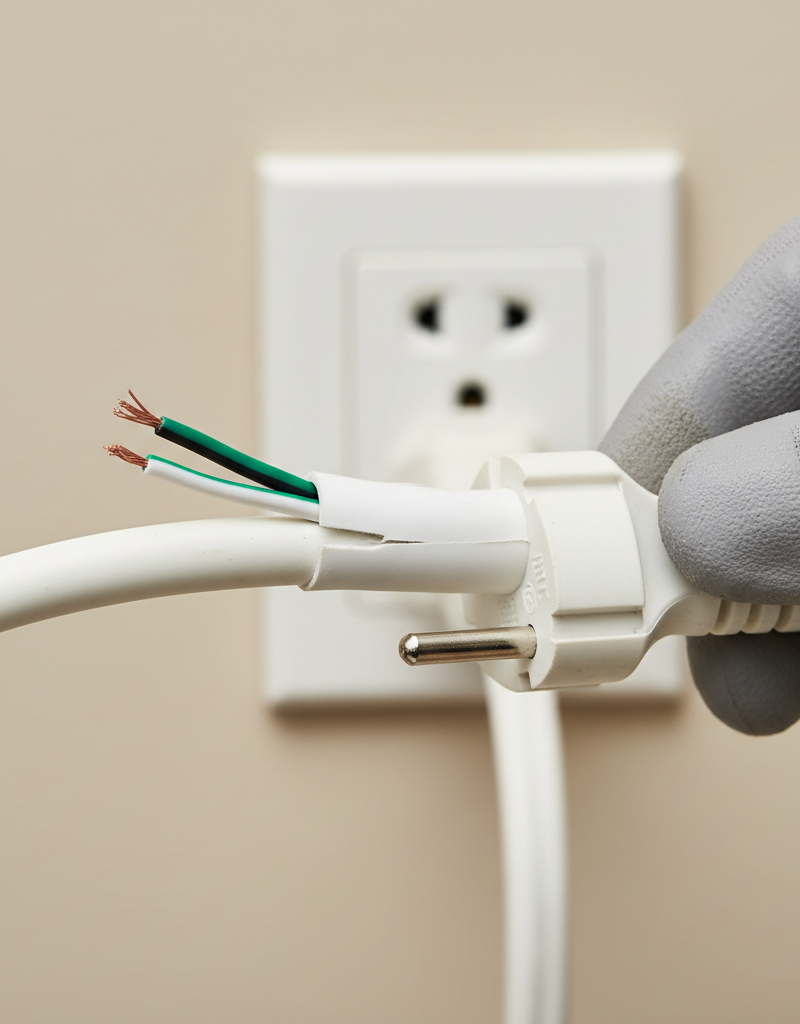
- Damaged appliance cords: Frayed, pinched, or cracked cords.
- Test outlets/switches: If you find no obvious wiring issues, the problem might be within an outlet or switch itself. You can temporarily remove a suspect outlet or switch (with power OFF!) and disconnect its wires, then cap the wires with wire nuts. Reset the breaker. If it holds, that component was faulty. Replace it.
- If the problem persists after checking all components: The short or ground fault is likely embedded within the wall wiring, which requires professional expertise and tools to locate.
- Pro Tip: If your home has Arc-Fault Circuit Interrupters (AFCIs) or Ground-Fault Circuit Interrupters (GFCIs), they are designed to trip for specific types of faults. If an AFCI keeps tripping, it detects arcing. If a GFCI trips, it detects a ground fault. This can help narrow down the problem.
5. Inspect the Circuit Breaker Itself — Is the messenger faulty?
- Visual check: First, visually inspect the tripped breaker. Look for any signs of scorching, melting, or discoloration around the breaker or on the panel's bus bar connection. These are signs of a failing breaker or a loose connection to the bus bar.
- Test continuity (advanced): Using a multimeter, and with the main power to the panel OFF, you can test the continuity of the breaker. This is an advanced step and requires caution. A healthy breaker should show continuity when in the 'on' position and no continuity when 'off'. If it doesn't, the breaker is likely faulty.
- Breaker replacement: If you suspect a faulty breaker, it's best to have a licensed electrician replace it. This involves working with the main service panel, which carries extremely high voltage, and improper installation can be very dangerous.
Safety Note: Always ensure the main power to your entire house is turned off at the service panel before attempting any inspection or work on outlets, switches, or wiring. Use a non-contact voltage tester to double-check that circuits are indeed dead before touching any wires or terminals. If you are unsure at any point, call a professional electrician. Never work on live electrical circuits.
Common Causes
- Overloaded Circuit: The most frequent offender. Too many high-wattage appliances operating simultaneously on one circuit.
- Short Circuit: Damaged appliance cords, loose connections in outlets/switches, or faulty internal appliance wiring.
- Ground Fault: Similar to a short, often due to faulty insulation, water contact, or exposed wires touching grounded components.
- Faulty Appliance: An internal electrical issue in an appliance draws excessive current, mimicking a short or overload.
- Loose Wiring Connections: Over time, vibrations or improper installation can loosen terminal screws in outlets, switches, or the electrical panel itself, creating arcing or poor contact that generates heat and causes tripping.
- Aging or Faulty Circuit Breaker: Like any mechanical device, breakers can wear out over time. They may become overly sensitive and trip at less than their rated amperage, or fail to reset properly.
Common Mistakes
- Ignoring the problem: Repeatedly resetting a breaker without investigating the cause can lead to damaged wiring, appliances, and a significant fire hazard.
- Overloading the circuit again: After a trip, plugging everything back in and hoping for the best. This will just cause another trip and doesn't solve the underlying issue.
- Using higher-rated breakers: Never replace a tripped breaker with one of a higher amperage rating (e.g., swapping a 15-amp breaker for a 20-amp). This defeats the safety purpose, as the wiring on that circuit is designed for the lower rating, risking overheating and fire.
- Not checking all devices: Assuming only one device is the problem. Sometimes it's the cumulative effect of several devices, or a faulty device combined with others.
- Working on live circuits: Attempting to troubleshoot or fix wiring, outlets, or switches without first turning off the power at the main breaker panel. This is extremely dangerous.
- Overlooking external factors: For outdoor circuits, ignoring potential water intrusion into outdoor outlets, extension cords, or landscape lighting can cause ground faults.
Cost & Time Breakdown
| Task | DIY Cost | Pro Cost | Time |
|---|---|---|---|
| Diagnosing an Overload | $0 | $75–$150 (Service call) | 15–30 minutes |
| Identifying Faulty Appliance | $0 | $75–$150 (Service call) | 30 minutes |
| Replacing a Faulty Outlet | $5–$20 | $100–$250 | 30–60 minutes |
| Replacing a Faulty Switch | $5–$25 | $100–$250 | 30–60 minutes |
| Replacing a Faulty Breaker | $10–$50 | $150–$350 | 1–2 hours |
| Diagnosing In-Wall Short/GF | — | $150–$500+ | 1–4+ hours |
Tips & Prevention
- Know your circuits: Label your electrical panel clearly so you know which breaker controls which areas and outlets. This speeds up troubleshooting.
- Spread the load: Avoid plugging multiple high-wattage appliances (e.g., hair dryer and space heater) into outlets on the same circuit simultaneously. Use separate circuits when possible.
- Inspect cords regularly: Check appliance cords for fraying, cracks, or damage. Replace damaged cords immediately or discard the appliance.
- Use proper surge protectors: While surge protectors won't prevent overloads, they protect valuable electronics from power spikes. Ensure they are plugged into a properly functioning outlet.
- Upgrade old outlets: Older ungrounded or two-prong outlets can be a safety hazard. Consider upgrading to modern grounded (three-prong) or GFCI outlets in appropriate areas.
- Don't ignore flickering lights: Flickering lights on a circuit can be an early indicator of loose connections or an impending issue that could lead to breaker trips.
When to Call a Professional
It's time to call a licensed electrician if the circuit breaker continues to trip after you've systematically unplugged all devices and checked for obvious appliance faults. You should also call a pro immediately if you smell burning plastic, see smoke, experience a shock, or if the breaker trips without any apparent load on the circuit. Any suspicion of internal wall wiring issues, or if you need to replace a circuit breaker within the main panel, absolutely requires a professional to ensure safety and code compliance. Working with the main electrical panel is extremely dangerous and should only be handled by trained and licensed individuals.
Related Articles
Keep troubleshooting with these hand-picked guides from FixlyGuide:
- The Hidden Reason Your Circuit Breaker Keeps Tripping (It's Not Always an Overload) — Discover the often-overlooked causes behind a frequently tripping circuit breaker and learn how to diagnose and fix them safely.
- The Hidden Reason Your Extension Cord Keeps Tripping the Breaker (and What to Do) — Discover why your extension cord might be tripping a circuit breaker and learn how to diagnose and fix common electrical issues safely.
- The Hidden Reason Your Circuit Breaker Keeps Tripping (It's Not Always an Overload) — Discover the often-overlooked culprits behind a frequently tripping circuit breaker and learn how to diagnose and fix the most common issue…
- Why Your Extension Cord Keeps Tripping the Breaker (And the Simple Test to Find the Hidden Cause) — Discover why your extension cord keeps tripping the circuit breaker and learn how to safely diagnose and fix the real problem with a simple…
- The Hidden Reason Your GFCI Won't Reset (And It's Not Always a Short) — Discover the often-overlooked culprits behind a GFCI outlet that refuses to reset and learn how to safely diagnose and fix the issue yourse…
- The Hidden Reason Your GFCI Trips (It's Not Always a Faulty Outlet) — A continuously tripping GFCI outlet is a critical safety warning, often indicating moisture, a faulty appliance, or a wiring problem that r…
Frequently asked questions
How do I know if my circuit breaker is bad?+
A faulty circuit breaker may repeatedly trip even with no load on the circuit, feel unusually hot to the touch, or emit a burning smell. Visually, look for discoloration or scorch marks around the breaker. Sometimes, a bad breaker won't reset properly or feels 'loose' when trying to switch it back on.
Can a bad outlet cause a circuit breaker to trip?+
Yes, a bad outlet can definitely cause a circuit breaker to trip. Internal damage, loose wiring connections within the outlet, or a short circuit/ground fault could cause it to draw excessive current or create an unintended path for electricity, triggering the breaker.
Why does my breaker trip when nothing is plugged in?+
If your breaker trips with nothing plugged into the circuit, it usually indicates a more serious problem like a short circuit or ground fault within the permanent wiring of the walls, light fixtures, or switches. It could also point to a faulty circuit breaker itself. This scenario often requires professional diagnosis.
Should I replace a tripped circuit breaker?+
You should only replace a circuit breaker if you've ruled out all other causes (overload, short, ground fault) and suspect the breaker itself is faulty. Replacement should be done by a licensed electrician, as it involves working with the main electrical panel, which carries high voltage and poses a significant safety risk.
Is it normal for a breaker to trip once in a while?+
No, it is not normal for a breaker to trip merely 'once in a while' without a clear cause. While an occasional trip due to a known, momentary overload (like plugging in too many holiday lights) might happen, consistent or unexplained tripping indicates an underlying electrical issue that needs investigation to prevent potential hazards.
Discussion
Loading comments…