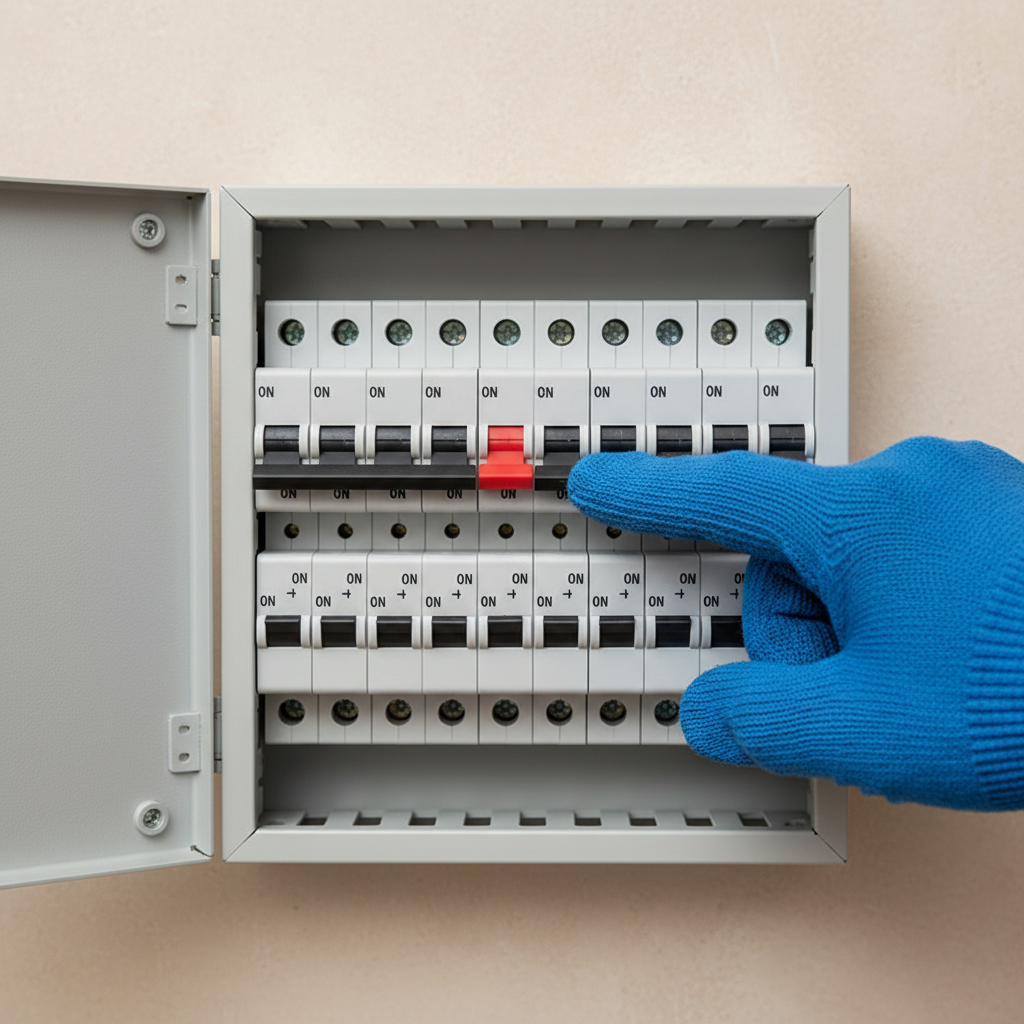
- Go to your electrical panel. Tripped breakers are usually halfway between "ON" and "OFF" or clearly in the "OFF" position. Some have a red indicator.
- Safety Note: Always stand on a dry surface and avoid touching multiple surfaces at once when working near the electrical panel.
- Identify all outlets, lights, and appliances that have lost power. This will help you narrow down the potential cause.
Electrical · Breaker keeps tripping
| Project category | Electrical |
|---|---|
| Problem type | Breaker keeps tripping |
| Trade required | Electrical |
| Urgency | Urgent — within days |
| Safety risk | High safety risk |
| DIY suitability | Pro recommended |
| Cost category | Low cost |
| Typical timeline | Diagnosis in a single visit |
| Contractor type | Licensed electrician |
Repair option
Isolate the load, then repair the fault or replace the breaker.
Replacement option
New dedicated circuit when the load simply exceeds what the circuit was built for.
Common causes
- Genuine overload on a shared circuit
- Ground fault from moisture in an exterior box
- Failing breaker or a damaged appliance cord
Relevant tools:diy or hire a prodiy difficulty
Published May 31, 2026Last updated August 17, 2026
Tools & materials you'll need
Affiliate links- AmazonVoltage Tester (Non-Contact)For safely checking if circuits are live before working on them
- AmazonScrewdriver Set (Phillips & Flathead)For opening outlet covers if inspecting for wiring issues
- AmazonFlashlight or HeadlampFor better visibility inside the electrical panel and dark areas
- AmazonGFCI Receptacle TesterOptional, for quick testing of GFCI outlets if present on the circuit
As an Amazon Associate FixlyGuide earns from qualifying purchases — at no extra cost to you. Prices and availability are accurate as of publication and subject to change.
Quick Answer
A frequently tripping circuit breaker usually indicates an overloaded circuit, a short circuit, or a ground fault. An overload happens when too many appliances draw power from one circuit, a short circuit occurs when hot and neutral wires touch, and a ground fault is when a hot wire touches a grounded surface. Identifying the specific cause is key to a lasting fix through careful diagnosis and, in some cases, simple DIY steps like redistributing appliances or inspecting cords.
The Problem
There's nothing quite as frustrating as a circuit breaker that repeatedly trips, plunging a section of your home into darkness. Beyond the inconvenience, a constantly tripping breaker is a clear signal that something is amiss within your electrical system. Ignoring it can lead to damaged appliances, wiring, and even fire hazards. You might find yourself resetting the breaker only for it to trip again minutes later, or perhaps it only trips when a specific appliance is turned on. This persistent issue is your home's electrical system crying out for attention, pinpointing a hidden strain or fault that needs to be addressed promptly and correctly.
How It Works
To understand why a circuit breaker trips, it helps to know its fundamental role. A circuit breaker is a safety device designed to protect your home's electrical wiring from damage caused by overcurrent. Think of it as an automatic switch. Electricity flows from the main service panel, through the breaker, and out to various circuits in your home. Each circuit powers a group of outlets, lights, or specific appliances.
Inside the breaker, there's a mechanism, often a bimetallic strip or an electromagnet, that responds to excessive current. When the electrical current flowing through the circuit exceeds a predetermined safe limit (e.g., 15 amps or 20 amps for typical residential circuits), the bimetallic strip heats up and bends, or the electromagnet generates a strong enough field, triggering a spring-loaded switch. This switch trips, instantly cutting off the power supply to that circuit.
This “trip” protects the wiring from overheating, which could melt insulation, cause short circuits, and potentially ignite a fire. Once the breaker trips, it remains in the "OFF" or "TRIPPED" position until manually reset. Modern breakers also include ground fault circuit interrupters (GFCIs) and arc fault circuit interrupters (AFCIs) which trip for specific types of faults – ground faults (where current takes an unintended path to the ground) and arc faults (dangerous electrical arcing). The key takeaway is that a tripping breaker isn't usually a fault in the breaker itself, but rather a symptom of an underlying issue downstream in the wiring or connected devices.
Step-by-Step Fix
1. Identify the Tripped Breaker and Affected Circuit — Determine which breaker tripped and what areas/outlets it controls.
*   Go to your electrical panel. Tripped breakers are usually halfway between "ON" and "OFF" or clearly in the "OFF" position. Some have a red indicator.
*   **Safety Note:** Always stand on a dry surface and avoid touching multiple surfaces at once when working near the electrical panel.
*   Identify all outlets, lights, and appliances that have lost power. This will help you narrow down the potential cause.
2. Check for Overloaded Circuits — Too many devices trying to draw power from one circuit is a common culprit.
*   **Unplug everything** from the affected wall outlets. Don't just turn them off; physically remove the plugs.
*   Reset the circuit breaker by pushing it firmly to the "OFF" position, then firmly to the "ON" position.
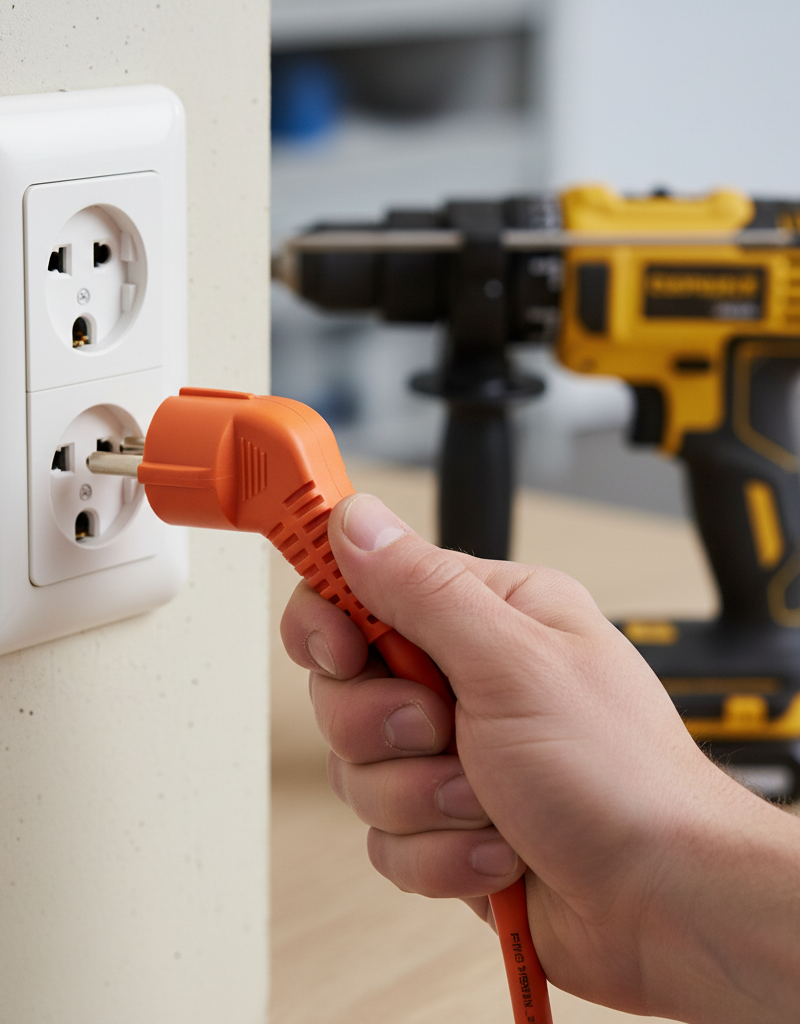
*   Plug in one device at a time, preferably a low-power item like a lamp, and observe if the breaker trips.
*   If the breaker trips when a specific high-wattage appliance (like a space heater, hair dryer, or microwave) is plugged in, try plugging it into an outlet on a different circuit (if available) or reduce the number of other devices running on that circuit.
*   *If this doesn't work:* The issue might be a more serious fault.
3. Inspect for Short Circuits — A short occurs when a hot wire touches a neutral wire or another hot wire, creating a direct path for current.
*   **Unplug all appliances** from the tripped circuit, as you did for overload testing.
*   Visually inspect all power cords and extension cords on the affected circuit for frayed insulation, exposed wires, or pinched sections. Replace any damaged cords immediately.
*   Check light fixtures for loose bulbs or damaged wiring. Screw bulbs in firmly but don't overtighten.
*   Look inside outlets for any signs of scorching or loose wires. (Only if you are comfortable and have turned off the main power to the panel first. **Pro Callout: If you are not comfortable inspecting inside outlets, call a licensed electrician.**)
*   Reset the breaker. If it trips again with nothing plugged in, the short might be in the circuit's permanent wiring, which requires professional help.
4. Look for Ground Faults — A ground fault happens when a hot wire touches a grounded metal surface, like a metal conduit or appliance casing.
*   Ground faults often occur in areas with moisture, like bathrooms, kitchens, basements, or outdoors.
*   Unplug all devices. Pay close attention to appliances near water sources, such as dishwashers, washing machines, refrigerators, and outdoor lighting.
*   Inspect these appliances and their cords for any signs of water exposure or damage.
*   If you have GFCI outlets on the circuit (test and reset buttons), a ground fault might have tripped them instead of the main breaker. Test and reset any GFCI outlets. If the GFCI outlet trips immediately upon resetting, it indicates a persistent ground fault.
*   Reset the main breaker. If it trips immediately, even with nothing plugged in, and you've ruled out shorts, it points to a ground fault within the fixed wiring.
5. Test Individual Appliances — Sometimes, a faulty appliance is the root cause.
*   After resetting the breaker with *nothing* plugged in on the affected circuit, plug in appliances one by one.
*   Start with items that draw a lot of power. If the breaker trips immediately after plugging in a specific appliance, that appliance is likely the culprit.
*   Try plugging the suspected faulty appliance into a different circuit (if possible and safe to do so) to confirm it's the appliance and not the circuit itself. If it trips another breaker, the appliance is definitely faulty and needs repair or replacement.
6. Address Intermittent Trips — Some trips are harder to diagnose.
*   If the breaker trips randomly or only after a period of use, it could be a combination of issues or an appliance that intermittently draws excessive current.
*   Keep a log of when the breaker trips and what devices were in use at that specific time. This can help identify patterns.
*   Check for loose wiring connections at outlets or light switches. **Safety Note: Turn off the main power to your electrical panel before attempting to inspect any wiring inside outlets or switches.**
Common Causes
- Overloaded Circuit: The most frequent cause. Occurs when too many high-wattage appliances or devices are drawing power simultaneously from a single circuit. Each circuit has a maximum amperage rating (e.g., 15A or 20A), and exceeding this limit causes the breaker to trip as a protective measure.
- Short Circuit: A dangerous condition where a hot wire (carrying current from the panel) directly touches a neutral wire (carrying current back to the panel) or another hot wire. This creates a low-resistance path, causing a sudden surge of current that instantly trips the breaker. Common causes include damaged appliance cords, loose wiring in outlets or switches, or faulty appliances.
- Ground Fault: Similar to a short circuit, but in this case, a hot wire touches a grounded surface or component (like the metal casing of an appliance, a metal junction box, or even water). This sends current along an unintended path to the ground, and both standard breakers and specifically designed GFCI breakers will trip to prevent electric shock.
- Faulty Appliance: An internal issue within an appliance (e.g., damaged motor winding, compromised heating element) can cause it to draw excessive current or create an internal short/ground fault, leading to the breaker tripping.
- Old or Faulty Breaker: While less common, a circuit breaker can weaken over time and become too sensitive, tripping at currents below its rated capacity. This is usually the last diagnosis after ruling out all other causes.
- Loose Wiring Connections: Connections that become loose over time at the breaker, outlets, or switches can create resistance, generate heat, and sometimes lead to intermittent tripping or even arc faults.
Common Mistakes
- Ignoring the Warning Sign: Many homeowners repeatedly reset a tripping breaker without investigating the cause. This is dangerous and can lead to wiring damage, appliance failure, or fire.
- Overloading the Circuit Again: Plugging all the same devices back into a circuit after it trips, then being surprised when it trips again. The goal is to redistribute the load or identify the faulty device.
- Using Too Many Extension Cords/Power Strips: While convenient, these can facilitate overloading a circuit if not used carefully. Avoid "daisy-chaining" extension cords or plugging multiple high-wattage items into a single strip.
- DIY Electrical Work Without Proper Knowledge: Attempting to replace a breaker or alter wiring without understanding electrical safety and local codes can be extremely dangerous and even illegal. Always prioritize safety and call a pro for complex issues.
- Assuming the Breaker Itself is Bad: Circuit breakers are designed to trip. While they can fail, it's far more common for the trip to indicate a problem downstream in the circuit or an attached device. Don't rush to replace the breaker before diagnostic steps.
Cost & Time Breakdown
| Task | DIY cost | Pro cost | Time |
|---|---|---|---|
| Diagnosing tripped circuit | $0 | $100–$250 | 20–60 minutes |
| Redistributing appliances | $0 | $0 | 5–15 minutes |
| Replacing damaged power cord | $10–$30 | N/A | 10–20 minutes |
| Minor outlet/switch repair | $5–$20 | $150–$300 | 30–60 minutes |
| Replacing a faulty appliance | Cost of appliance | Cost of appliance | N/A |
| Full circuit diagnosis/repair | N/A | $250–$700+ | 1–4 hours |
Tips & Prevention
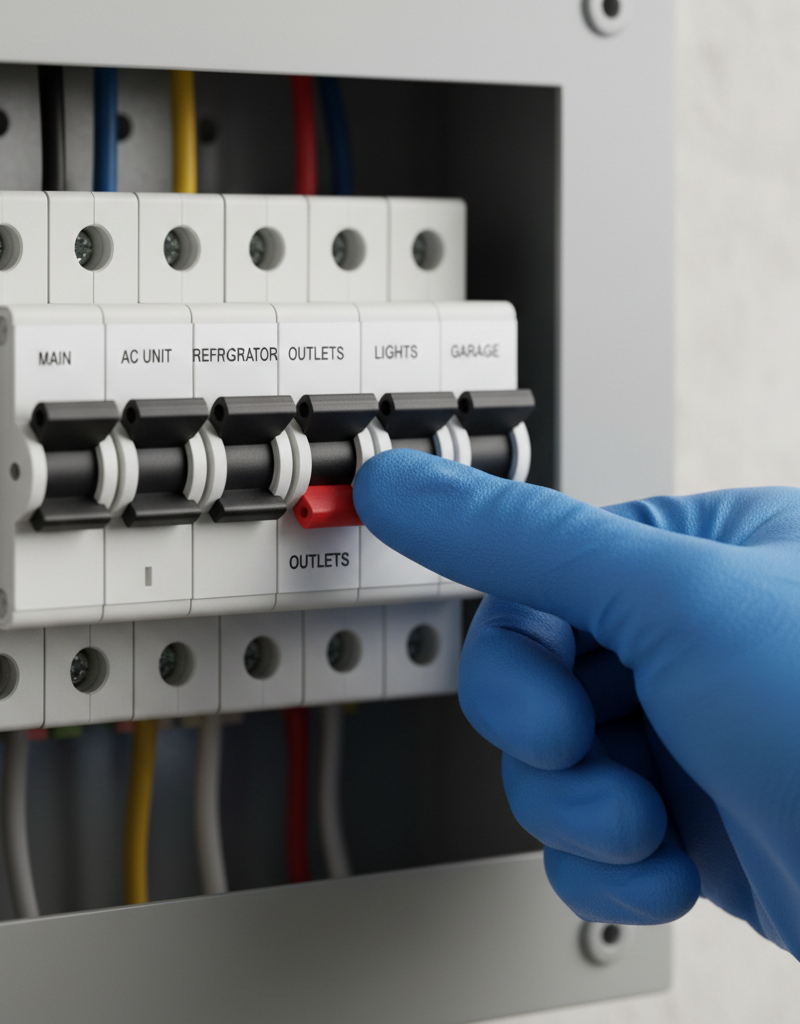
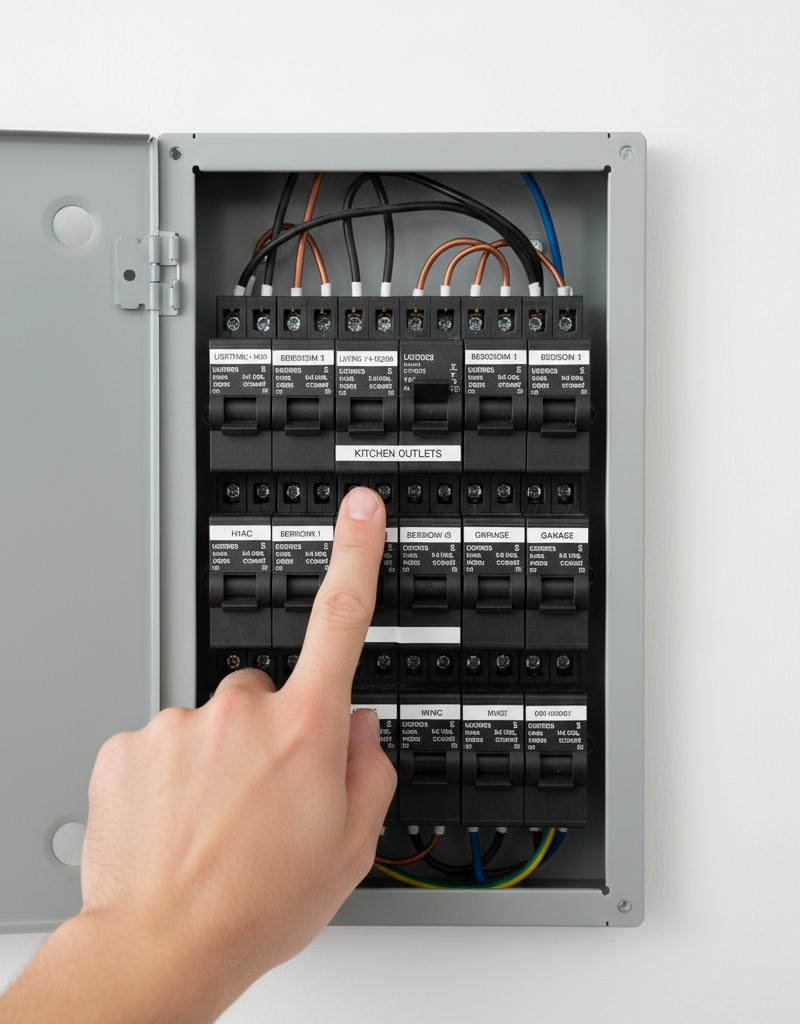
- Map Your Circuits: Take the time to label your electrical panel clearly, indicating which breaker controls which outlets and appliances. This makes diagnosis much faster.
- Distribute High-Wattage Appliances: Avoid plugging multiple high-demand items (space heaters, hair dryers, microwaves, toasters, vacuum cleaners, window AC units) into outlets on the same circuit. Spread them across different circuits if possible.
- Regular Cord Inspection: Periodically check power cords on all your appliances for frays, cracks, or signs of damage. Replace damaged cords immediately.
- Avoid Overloading Outlets: Don't rely on multi-plug adapters that allow you to plug many devices into a single duplex outlet. If you need more outlets, consider having an electrician install additional ones.
- Understand Appliance Wattage: Be aware of the power draw of your major appliances. Most appliances have a label indicating their wattage or amperage. Summing these up for a single circuit can help you estimate if you're nearing its limit.
- Test GFCI Outlets Monthly: If you have GFCI outlets (common in bathrooms, kitchens, and outdoors), test them monthly by pressing the "TEST" button (which should trip the outlet) and then the "RESET" button. This ensures they are working correctly to prevent ground faults.
When to Call a Professional
While identifying and fixing basic overloads or appliance-related issues can often be a DIY task, there are clear instances where you absolutely must call a licensed electrician. If your circuit breaker trips immediately upon resetting, even with nothing plugged into the circuit, this points to a more serious short circuit or ground fault within the fixed wiring of your walls—a dangerous situation that requires professional diagnosis and repair. Additionally, if you notice burning smells, flickering lights throughout your home, scorching around outlets or the breaker panel, or if the breaker panel itself feels hot to the touch, do not attempt to fix it yourself; immediately call an electrician. Repeated tripping that you can't resolve, or any concerns about the safety of your electrical system, warrant a professional assessment to ensure your home's safety and electrical longevity. Never attempt to open the main electrical panel or work on live wires unless you are a qualified electrician.
Related Articles
Keep troubleshooting with these hand-picked guides from FixlyGuide:
- The Hidden Reason Your Circuit Breaker Keeps Tripping (It's Not Always an Overload) — Discover the often-overlooked causes behind a frequently tripping circuit breaker and learn how to diagnose and fix them safely.
- The Hidden Reason Your Circuit Breaker Keeps Tripping (It's Not Always an Overload) — Discover the often-overlooked electrical issues that cause circuit breakers to trip repeatedly, and how to accurately diagnose and fix them.
- Why Your Outlet Died (Even If the Breaker's On) — Discover the hidden reasons an electrical outlet stops working, even when the circuit breaker appears to be on, and learn simple diagnostic…
- The Hidden Reason Your Extension Cord Keeps Tripping the Breaker (and What to Do) — Discover why your extension cord might be tripping a circuit breaker and learn how to diagnose and fix common electrical issues safely.
- The Hidden Reason Your GFCI Won't Reset (And It's Not Always a Faulty Outlet) — A GFCI outlet that won't reset usually indicates an underlying electrical issue, most commonly a ground fault or overloaded circuit, not al…
- The Hidden Reason Your GFCI Trips (It's Not Always a Faulty Outlet) — A continuously tripping GFCI outlet is a critical safety warning, often indicating moisture, a faulty appliance, or a wiring problem that r…
Should you do this yourself?
Answer five quick questions before you start. Safety outranks savings every time.
Your experience with work like this
How high do you have to work?
Does the job involve any of these?
Will it need a permit?
Specialty tools
Free and instant. Educational guidance only — not a quote, inspection, or professional diagnosis.
What should this project cost?
Enter your project details for a realistic cost range before you call anyone.
Outlet and switch work usually $150–$400; panel upgrades commonly $1,800–$4,200.
- Regional adjustment
- National average
- Labor share (typical)
- ~$709
- Quotes to collect
- 3 written estimates
Educational estimate based on national averages — not a binding quote. Always confirm with written local estimates.
Fixly Project Decision Box
- DIY difficulty
- Professional Recommended
- Estimated time
- Diagnosis 1–2 hours
- Cost level
- Moderate
Main tools / materials
- Non-contact voltage tester
- Outlet tester
- Flashlight
When to stop and call a pro
- Burning smell, scorch marks, or a warm outlet or switch plate
- A breaker that trips again right after being reset
- Any work inside the service panel
- Aluminum wiring or cloth-insulated wiring
Need professional help?
Talk to a Licensed ElectricianBefore you start
Check the difficulty, permits, and safety risk — then decide whether to call a pro.
- Estimate this projectGet a cost range for your scope and ZIP before you call anyone.Open
- Get local estimatesSend one request and compare written estimates from vetted pros.Open
Free, no signup required. Estimates are educational guidance, not a quote or an inspection.
Frequently asked questions
What is the most common reason a circuit breaker trips?+
The most common reason for a circuit breaker to trip is an overloaded circuit, meaning too many electrical devices are trying to draw power from that single circuit at the same time, exceeding its safe capacity.
How do I know if it's a short circuit or an overload?+
An overloaded circuit often trips after several devices have been running for a while. A short circuit typically trips the breaker immediately and sometimes with a loud pop or flash when the faulty device is plugged in or turned on, even if nothing else is running on the circuit.
Can a faulty appliance cause a breaker to trip?+
Yes, a faulty appliance can easily cause a breaker to trip. Internal wiring issues, damaged heating elements, or motor problems within an appliance can create a short circuit or draw excessive current, leading to the breaker tripping as a safety measure. You can test this by plugging the suspected appliance into another circuit.
Is it dangerous if my circuit breaker keeps tripping?+
Yes, a repeatedly tripping circuit breaker is a warning sign that should not be ignored. It indicates an underlying electrical problem that could lead to damaged wiring, appliance failure, or, in severe cases, an electrical fire if not addressed correctly.
When should I call an electrician for a tripping breaker?+
You should call a licensed electrician if the breaker trips immediately upon resetting, if you detect burning smells, see scorching around outlets or the panel, if the panel feels hot, or if you cannot identify and safely resolve the cause of the tripping after basic troubleshooting. Any complex wiring issues or safety concerns warrant professional help.
Discussion
Loading comments…