
- Consider Battery Capacity — Match battery amp-hours (Ah) to tool usage and power demands.
- For light-duty tasks, a 2.0Ah or 3.0Ah battery might suffice. For power-hungry tools like circular saws or for extended use, opt for 4.0Ah, 5.0Ah, or even 9.0Ah+ batteries.
- Many platforms offer different battery sizes and capacities. Having a mix can be beneficial – smaller batteries for lighter tools, larger for heavy-duty applications.
Published July 22, 2026Last updated August 17, 2026
Tools & materials you'll need
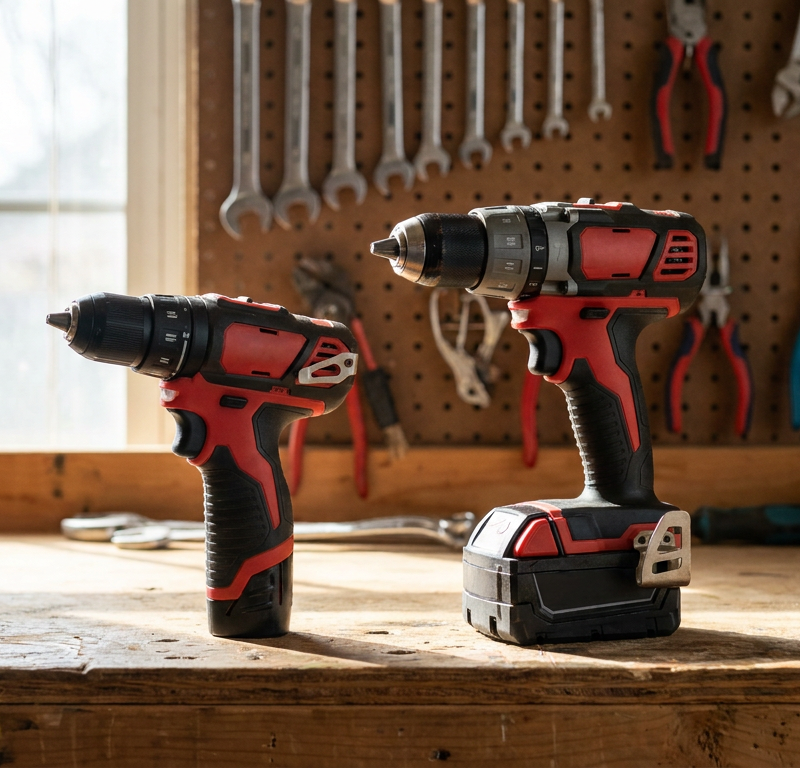
Affiliate links- AmazonCordless Drill/Driver KitIncludes batteries and charger, part of a chosen platform
- AmazonCordless Impact Driver (bare tool)Compatible with chosen platform's batteries
- AmazonCordless Circular Saw (bare tool)Compatible with chosen platform's batteries
- AmazonBattery ChargerOften included in starter kits, ensure compatibility
- AmazonSafety Glasses
- AmazonWork Gloves
- AmazonExtra High-Capacity Battery1-2 · For longer run times or power-hungry tools
As an Amazon Associate FixlyGuide earns from qualifying purchases — at no extra cost to you. Prices and availability are accurate as of publication and subject to change.
Quick Answer
Many homeowners, eager for convenience, buy various cordless tools from different brands, only to discover their batteries and chargers aren't interchangeable. The biggest mistake is failing to commit to a single battery platform from a reputable manufacturer, leading to unnecessary expenses and frustration in the long run.
The Problem
Imagine this: you need to trim your hedges, but the trimmer battery is dead. You grab another battery, but it's the wrong brand. Now you're hunting for the right charger. This common scenario highlights the core problem with a multi-platform approach to cordless tools. Each brand, from Ryobi and DeWalt to Greenworks and Craftsman, develops its own proprietary battery and charging system. While this fosters innovation, it also creates a significant hurdle for homeowners if not managed strategically. You might save a few dollars on an individual tool deal, but these "savings" quickly evaporate when you have to buy a separate battery and charger for every different brand lurking in your garage. This not only inflates your initial and ongoing costs but also clutters your workspace with redundant chargers and an assortment of incompatible power sources, turning what should be a convenient solution into a cumbersome chore.
How It Works
Cordless power tools operate on rechargeable lithium-ion battery packs, which provide portable energy to a motor. These battery packs consist of multiple individual battery cells wired together, along with a Battery Management System (BMS) that monitors voltage, temperature, and current to ensure safe and efficient operation. When you press the trigger on a cordless drill, for example, the BMS communicates with the tool's motor controller, regulating the power flow to achieve the desired speed and torque. Chargers are specifically designed to communicate with the battery's BMS, optimizing the charging cycle to prolong battery life and prevent overcharging or overheating. Different brands use different battery cell arrangements, voltages (e.g., 18V, 20V, 40V, 60V, 80V), and physical connection interfaces. For instance, an 18V battery from Brand A might use a slide-on connection, while a 20V battery from Brand B uses a snap-in style, rendering them physically and electronically incompatible. This proprietary ecosystem is how tool manufacturers encourage brand loyalty, knowing that once you invest in their battery platform, you're more likely to buy their subsequent tools to leverage your existing power source infrastructure. High-voltage batteries (40V and above) are generally reserved for larger outdoor power equipment like lawnmowers, chain saws, and leaf blowers, providing the sustained power needed for more demanding tasks, while 18V/20V systems dominate handheld power tools like drills, impact drivers, and saws.
Step-by-Step Fix
There isn't a "fix" in the traditional sense for this problem, as it's a purchasing strategy. The "fix" is adopting a smarter buying approach to prevent the problem.
-
Assess Your Needs — Determine your core tool requirements.
- List all the home repair, maintenance, and yard work tasks you regularly perform or anticipate doing. Do you need a drill for occasional picture hanging, or are you planning a deck build? Do you have a small urban lawn or a sprawling suburban yard? This inventory will guide you toward the right tool categories and voltage requirements.
- Consider your existing corded tools. Can any be replaced by more convenient cordless versions?
-
Choose a Primary Ecosystem — Select a reputable brand with a wide range of tools.
- Research major tool manufacturers like DeWalt, Milwaukee, Ryobi, Craftsman, Makita, Greenworks, or EGO. Look for brands that offer a comprehensive line of tools within their battery platform, from drills and saws to outdoor power equipment, if needed.
- Prioritize brands known for reliability, good warranty, and readily available replacement parts and batteries.
-
Invest in a Starter Kit — Begin with a combo kit that includes essential tools, batteries, and a charger.
- Most brands offer "starter kits" or "combo kits" that provide two or three common tools (e.g., drill and impact driver), two batteries (often one compact and one extended-run), and a charger. This is often the most cost-effective way to buy into a platform.
- Ensure the kit includes at least two batteries. One can be charging while the other is in use.
-
Expand "Bare Tool" by Bare Tool — Purchase additional tools that "share" your existing batteries.
- Once you have your battery and charger infrastructure established, look for "bare tool" or "tool-only" options for subsequent purchases. These are significantly cheaper as they don't include batteries or chargers. This is where the real savings of a single platform become evident.
- Only buy tools that are compatible with your chosen battery platform.
-
Consider Battery Capacity — Match battery amp-hours (Ah) to tool usage and power demands.
- For light-duty tasks, a 2.0Ah or 3.0Ah battery might suffice. For power-hungry tools like circular saws or for extended use, opt for 4.0Ah, 5.0Ah, or even 9.0Ah+ batteries.
- Many platforms offer different battery sizes and capacities. Having a mix can be beneficial – smaller batteries for lighter tools, larger for heavy-duty applications.
-
Seek Out Deals Strategically — Watch for sales on your chosen brand, especially around holidays.
- Retailers frequently offer promotions like "buy a tool, get a free battery" or discounts on battery/charger bundles. Plan your purchases around these sales for maximum value.
- Sign up for email alerts from your preferred retailers and the tool brands themselves.
Common Causes
- Impulse Buys & One-Off Deals: Homeowners are often enticed by a great price on a single cordless tool without considering its long-term compatibility with their existing or future tools. A cheap drill might seem like a good idea until you realize the battery and charger are proprietary and not shareable.
- Lack of Awareness: Many consumers simply aren't aware that cordless tool batteries aren't universally interchangeable. They assume all 18V batteries are the same, leading to frustrating discoveries after purchase.
- Gift Receiving: Gifts of standalone cordless tools, while thoughtful, can inadvertently introduce a new, incompatible battery platform into a homeowner's collection.
- Brand Loyalty Split: Sometimes homeowners have a strong preference for one brand's power tools (e.g., DeWalt for drills) and another's outdoor equipment (e.g., EGO for mowers), leading to a deliberate but potentially inefficient split across platforms.
- Underestimating Future Needs: Initially, a homeowner might only need a drill. But as their DIY skills grow, they might later want an impact driver, circular saw, or garden tools, only to find their initial "one-off" purchase has locked them into an expensive, limited, or defunct platform.
Common Mistakes
- Buying the Cheapest Tool, Not the Cheapest Ecosystem: Focusing solely on the sticker price of a single tool without factoring in the cost of future batteries and chargers for different brands.
- Ignoring Battery Technology: Not understanding the difference between older NiCad and modern Lithium-ion batteries, or the implications of different voltages (e.g., trying to run a leaf blower on an 18V battery when a 40V or 60V system is more appropriate).
- Overlooking Tool Selection within a Platform: Committing to a brand that doesn't offer a wide enough array of tools to meet your diverse needs, forcing you to go off-platform for specific items later.
- Buying Too Few Batteries (or the Wrong Size): Only getting one small battery for all your tools, leading to constant charging interruptions and reduced productivity during projects.
- Not Registering Batteries/Tools: Missing out on warranty coverage or promotional offers by failing to register new purchases with the manufacturer.
- Improper Battery Storage: Storing batteries in extreme temperatures (hot garage, freezing shed) or letting them fully discharge for long periods, which can significantly shorten their lifespan.
Cost & Time Breakdown
| Task | DIY cost | Pro cost | Time |
|---|---|---|---|
| Initial 2-tool combo kit | $150–$300 | N/A | 15–30 minutes |
| Additional "bare" tool | $50–$150 | N/A | 5–10 minutes |
| Extra high-capacity battery | $70–$150 | N/A | N/A |
| Dedicated charger | $30–$70 | N/A | N/A |
| Total for a diverse 5-tool kit | $300–$600 | N/A | 1–2 hours (shopping) |
Tips & Prevention
- Research Platforms Thoroughly: Before your first cordless tool purchase, spend time researching the major brands and their full tool lineup within their battery ecosystem. Read reviews and watch comparison videos.
- Prioritize a Single Manufacturer: Make a conscious decision to stick to one battery platform for the majority of your cordless tools. This saves money, space, and hassle.
- Buy Batteries with the Tools: When possible, purchase tools as part of a kit that includes a battery and charger. Buying "bare" tools is great after you have your battery infrastructure, but not as your first entry into a platform.
- Consider Future Expansion: Even if you only need a drill today, think about what other tools you might want in 1, 3, or 5 years. Does your chosen brand offer those future tools on the same battery platform?
- Battery Care is Key: Store batteries in a cool, dry place, ideally between 40-70°F (4-21°C). Avoid letting them fully discharge for extended periods. Charge them to about 50-75% for long-term storage.
- Don't Mix & Match (Unless Strategic): While generally advised against, if you have a very specific, high-power need (e.g., a large lawn and powerful snow blower) that a different brand excels at, it might be justifiable to have a secondary, isolated platform for those few specialized items, but keep it a rare exception.
When to Call a Professional
This article focuses on a strategic purchasing decision rather than a repair, so calling a professional isn't directly applicable for a "fix." However, if you find yourself overwhelmed by a large collection of incompatible tools, or if you're undertaking a complex home improvement project that requires specialized tools you don't own and aren't ready to invest in a new platform for, renting professional-grade tools might be a better option than buying. Consult a contractor or handyman if you're unsure about the right tools for a major project or if the scope of work exceeds your comfort level and existing equipment.
Related Articles
Keep troubleshooting with these hand-picked guides from FixlyGuide:
- The #1 Chainsaw Mistake That Wrecks Your Yard (and Your Back) — Avoid common chainsaw errors that lead to frustration, damage, and unnecessary physical strain.
- The Secret Power Tool Hiding in Your Garage for a Speedier Clean — Unlock the hidden potential of your cordless drill to tackle stubborn household grime, soap scum, and dirt with specialized cleaning attach…
- The 4 Critical Dimensions of a Bluebird House (Most DIY Plans Miss One) — Discover the precise measurements and often-overlooked design elements essential for building a bluebird house that truly attracts nesting…
- The Secret to Endless Hot Showers? It's Not Your Water Heater's Age — Inconsistent hot water or no hot water at all often points to a single, often overlooked culprit: the thermostat. Understanding its role is…
- The Secret Weapon Against Gaming Clutter: A $25 Custom Controller Stand You Can Build — Discover how a simple, custom-built stand using common materials can transform your gaming space, eliminating clutter and protecting your e…
- The #1 Mistake Homeowners Make When Sealing a Deck (It Costs You Years) — Avoid the most common mistake in deck sealing to protect your investment and extend your deck's lifespan significantly.
What should this project cost?
Enter your project details for a realistic cost range before you call anyone.
Cost depends heavily on which system turns out to be the source.
- Regional adjustment
- National average
- Labor share (typical)
- ~$1,620
- Quotes to collect
- 3 written estimates
Educational estimate based on national averages — not a binding quote. Always confirm with written local estimates.
Get the print-ready PDF of this guide
A clean, ad-free, printable version you can keep on your phone or pin to the workshop wall. Free with a FixlyGuide account.
- Print-optimized layout
- Tools, materials & every step included
- Saved to your account
This article was independently written by FixlyGuide based on the source topic.
Frequently asked questions
Why is it important to stick to one battery platform?+
Sticking to one battery platform saves you money by allowing you to buy 'bare tools' without extra batteries and chargers. It also simplifies storage and ensures you always have compatible power for your tools, preventing frustration and wasted time.
Can I use an 18V battery with a 20V tool?+
No, generally you cannot. While some brands market similar voltage systems (e.g., 18V and 20V Max), their batteries are typically proprietary and not physically or electronically interchangeable across different brands. Always use the specified battery for your tool model.
What is a 'bare tool'?+
A 'bare tool' (or 'tool-only') is a cordless tool sold without a battery or charger. These are more affordable and are designed for users who already own compatible batteries and chargers from the same manufacturer and platform.
How do I choose the right battery platform?+
Consider your current and future tool needs, research brands with wide tool selections in their platform, read reviews, and factor in warranty and battery availability. Look for starter kits to get essential tools, batteries, and a charger efficiently.


Discussion
Loading comments…