- Time Your Natural Pre-Emergent Application Precisely – Preventing germination is key.
- Pro Tip: Use an uncalibrated soil thermometer or check local university extension office advisories for accurate soil temperature readings in your area.
- Corn gluten meal works by inhibiting root formation in germinating seeds. It also acts as a slow-release nitrogen fertilizer, feeding your lawn as it prevents weeds. Apply at a rate of 20 lbs per 1,000 sq ft and water it in immediately.
Landscaping · Deck or fence project
| Project category | Landscaping |
|---|---|
| Problem type | Deck or fence project |
| Trade required | Landscaping |
| Urgency | Planned project |
| Safety risk | Moderate safety risk |
| DIY suitability | DIY for experienced homeowners |
| Cost category | High cost |
| Typical timeline | Most builds 3–10 days depending on size |
| Contractor type | Landscaping contractor |
Repair option
Replace failed boards, posts, and hardware; reseal the surface.
Replacement option
Rebuild when framing or the ledger connection is unsafe.
Common causes
- Rot at posts and ledger
- Storm damage
- Adding outdoor living space
Relevant tools:home improvement material pricesproject cost estimator
Published June 1, 2026Last updated August 17, 2026
Tools & materials you'll need
Affiliate links- AmazonCorn Gluten Meal20-50 lbs (depending on lawn size)
As an Amazon Associate FixlyGuide earns from qualifying purchases — at no extra cost to you. Prices and availability are accurate as of publication and subject to change.
Quick Answer
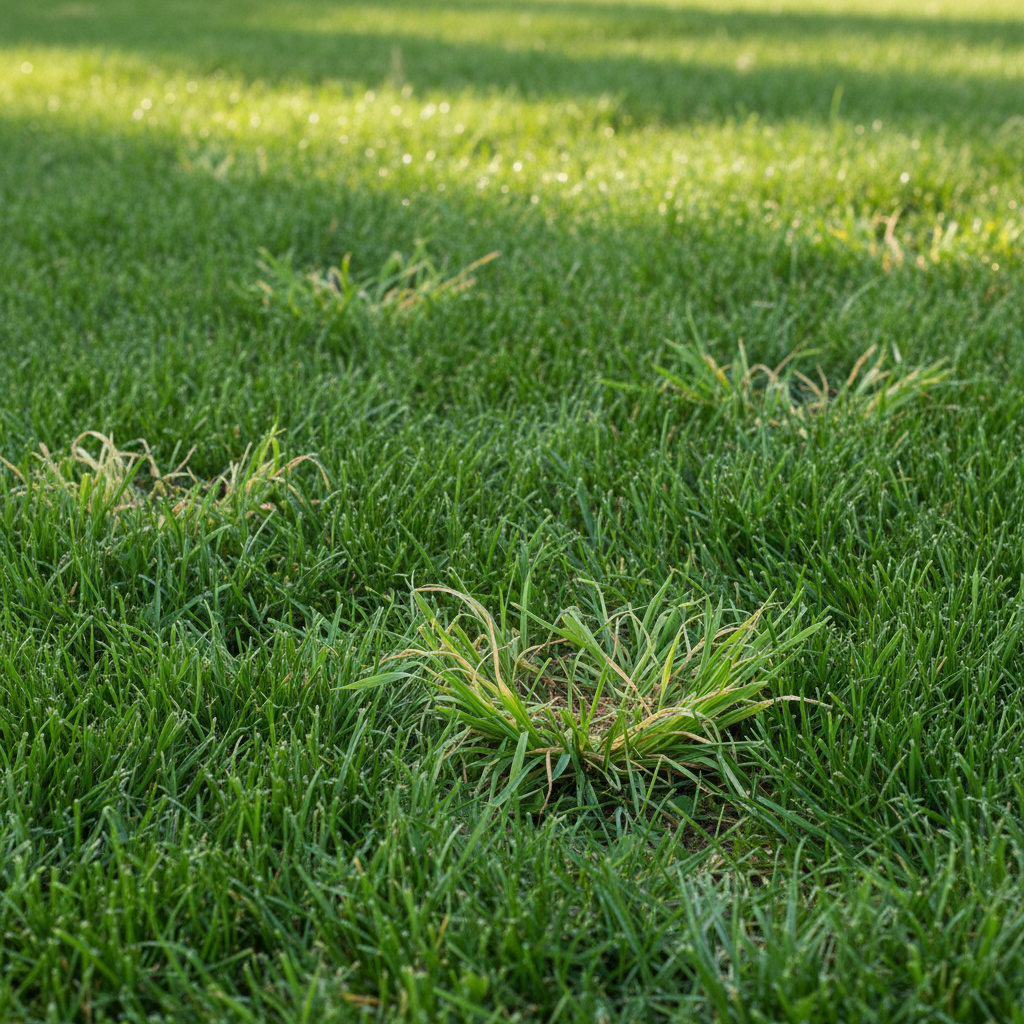
Crabgrass is a stubborn annual weed that thwarts many homeowners' efforts because its seeds can lie dormant in your soil for years, simply waiting for the right conditions to sprout. The key to natural, lasting control isn't just pulling the weeds you see, but creating an environment where crabgrass struggles to germinate and grow, while your desired turf thrives. This involves precise timing with natural pre-emergents, proper mowing and watering techniques, and improving soil health to favor your grass over unwelcome invaders.
The Problem
You meticulously hand-pulled every stalk, or perhaps you tried an organic weed killer, yet come mid-summer, the tell-tale wide, pale green blades of crabgrass are sprawling across your lawn again. It’s disheartening to see your hard work undone, feeling like you’re battling an endless tide. The persistent return of crabgrass isn't a sign of failure on your part, but rather a testament to the weed's incredible resilience and a common misunderstanding of its life cycle and preferred growing conditions. Many homeowners unknowingly create the perfect storm for crabgrass to thrive, even while trying to eliminate it naturally. This article will expose the common mistakes and provide a clear, actionable path to reclaiming your lawn.
How It Works
Crabgrass (Digitaria spp.) is an annual warm-season grass, meaning it completes its entire life cycle within a single growing season, typically from spring to fall. The critical factor in its persistence is its prolific seed production. A single crabgrass plant can produce tens of thousands of seeds, which can remain viable in your soil for up to three years, sometimes longer, waiting for the ideal conditions to germinate. These seeds prefer soil temperatures consistently above 55-60°F (13-16°C) for several days, usually coinciding with when lilac bushes begin to bud or forsythias start to bloom in early spring.
Once germinated, crabgrass quickly establishes a shallow but robust root system and spreads aggressively, both upright and horizontally. Its name comes from its low-growing, spreading habit, which resembles a crab. It thrives in thin, stressed turf, particularly in areas with compacted soil, inconsistent watering, and short mowing heights. As summer progresses, the plant matures, produces more seeds, and then dies with the first hard frost, leaving behind a new generation of seeds to torment you next spring. Understanding this cycle is paramount: preventing germination is far more effective than trying to eliminate mature plants.
Step-by-Step Fix
Here’s how to naturally disrupt the crabgrass cycle and promote a healthier lawn:
-
Time Your Natural Pre-Emergent Application Precisely – Preventing germination is key.
- Apply a natural pre-emergent like corn gluten meal in early spring when soil temperatures consistently reach 55°F (13°C) for several days. This is typically when Forsythia shrubs are in full bloom or around the time you first hear robins chirping consistently. If you wait too long, the crabgrass seeds may have already germinated.
- Pro Tip: Use an uncalibrated soil thermometer or check local university extension office advisories for accurate soil temperature readings in your area.
- Corn gluten meal works by inhibiting root formation in germinating seeds. It also acts as a slow-release nitrogen fertilizer, feeding your lawn as it prevents weeds. Apply at a rate of 20 lbs per 1,000 sq ft and water it in immediately.
-
Mow High and Often – Encourage strong turf growth.
- Set your mower to its highest setting, ideally 3 inches or more for most cool-season grasses (e.g., fescue, ryegrass, bluegrass) and 2-3 inches for warm-season grasses (e.g., Bermuda, Zoysia). Taller grass shades the soil, keeping it cooler and making it less hospitable for crabgrass seed germination.
- Frequent mowing (at least once a week during peak growth) removes only the top one-third of the grass blade, which minimizes stress on your turf and encourages deeper root development, helping your lawn outcompete weeds.
-
Water Deeply and Infrequently – Promote deep root systems.
- Instead of light, daily sprinkles, water your lawn deeply about once or twice a week, aiming for 1 inch of water per session. This encourages your desired grass to develop deep root systems, making it more drought-tolerant and less susceptible to heat stress.
- Shallow watering keeps the top inch of soil moist, which is exactly what crabgrass seeds need to germinate, while simultaneously stressing your turf.
- If this doesn't work: Your soil might be compacted, preventing deep water penetration. Consider aeration (see Step 5).
-
Practice Smart Fertilization – Feed your lawn, not the weeds.
- Crabgrass thrives on nitrogen applied in warm weather. Avoid heavy nitrogen applications in late spring or summer, which will only fuel its growth.
- Focus on feeding your lawn in the fall and early spring with a balanced, slow-release organic fertilizer. A healthy, dense lawn is the best defense against weeds.
- Safety Note: Always wear gloves and eye protection when handling granular fertilizers. Store in a cool, dry place away from children and pets.
-
Aerate and Dethatch Regularly – Improve soil health and reduce compaction.
- Compacted soil and thick thatch layers create ideal conditions for crabgrass. Aerate your lawn annually (or every other year) in the fall for cool-season grasses or late spring/early summer for warm-season grasses.
- Core aeration removes small plugs of soil, improving air, water, and nutrient penetration. This encourages deeper turf roots and reduces surface compaction that crabgrass prefers.
- Dethatch if your thatch layer (the dead organic matter between the grass blades and soil) is thicker than ½ inch. Thatch can harbor crabgrass seeds and prevent water and nutrients from reaching the soil.
- Tools: Rent a core aerator or power dethatcher for larger lawns, or use a manual tool for smaller areas.
-
Hand-Pull Young Crabgrass – Address small outbreaks proactively.
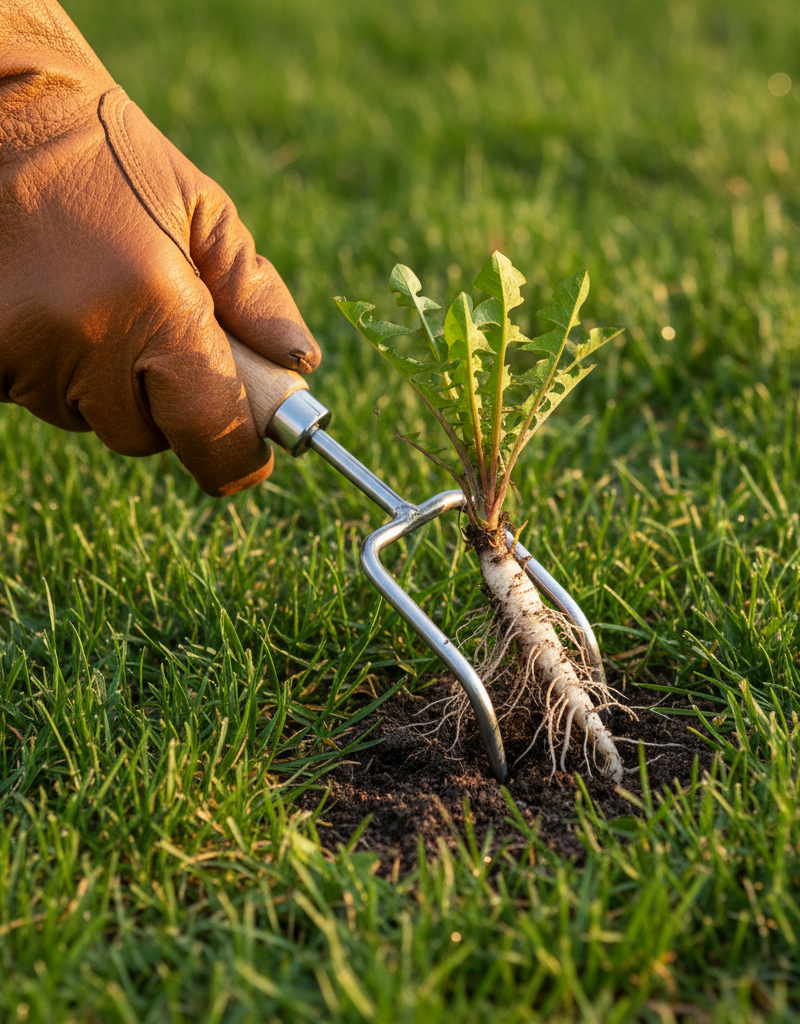
- For individual plants or small patches that escape prevention, hand-pull them immediately, especially before they produce seeds. Mature crabgrass can have incredibly strong roots, so pull when the soil is moist to make it easier.
- Important: If the plant has already produced seed heads, carefully place it in a bag to prevent scattering seeds, rather than letting it lie on the lawn or composting it.
-
Overseed Thin Areas – Fill gaps where crabgrass could thrive.
- In late summer or early fall, overseed any bare or thin spots in your lawn with desirable grass seed. A dense turf leaves no room for crabgrass to establish.
- Before overseeding, loosen the soil slightly. After spreading the seed, lightly rake it into the soil and keep the area consistently moist until germination.
Common Causes
- Late Spring Germination: The primary cause of crabgrass recurrence is its annual life cycle and the vast number of seeds it produces, which lie dormant and germinate once soil temperatures are right.
- Thin, Weak Turf: A sparse lawn with bare spots provides ample sunlight and open ground for crabgrass seeds to sprout and thrive.
- Short Mowing Heights: Mowing your grass too short stresses your lawn and allows more sunlight to reach the soil, creating ideal warm conditions for crabgrass germination.
- Shallow, Frequent Watering: This keeps the top few inches of soil consistently moist, which is exactly what crabgrass seeds need to germinate quickly, while simultaneously discouraging deep root growth in your desired turf.
- Soil Compaction & Thatch: These conditions hinder healthy turf root development and create a favorable environment for crabgrass to take hold.
Common Mistakes
- Applying Pre-Emergent Too Late: The biggest mistake! If you wait until you see crabgrass, it
Related Articles
Keep troubleshooting with these hand-picked guides from FixlyGuide:
- The #1 Mistake Killing Your Lawn: Why Crabgrass Isn't the Real Problem — Crabgrass is a stubborn weed, but eradicating it naturally is possible by understanding its life cycle and improving lawn health.
- The #1 Crabgrass Mistake Killing Your Lawn (And 3 Natural Fixes) — Discover how common crabgrass removal mistakes undermine your lawn's health and learn three natural, effective methods to eradicate crabgra…
- The #1 Mistake Killing Your Lawn (and How to Remove Clover Without Chemicals) — Discover the most common mistake homeowners make when battling clover and learn effective, organic methods to eliminate it without harming…
- The #1 Mistake Killing Your Lawn's Clover – And the Simple Swap That Saves Your Grass — Discover how to effectively eliminate clover from your lawn without harming your desirable grass, focusing on targeted treatments and prope…
- The #1 Mistake Killing Your Lawn's Fight Against Dandelions (It's Not What You Think) — Stop dandelions from taking over your lawn by understanding the crucial timing and methods that most homeowners overlook, leading to endles…
- The 3-Ingredient Carpet Cleaner Recipe That Revitalizes Old Stains — Learn the surprisingly simple, three-ingredient recipe that tackles embedded dirt and deep-seated stains, bringing your carpet back to life…
What should this project cost?
Enter your project details for a realistic cost range before you call anyone.
Cost depends heavily on which system turns out to be the source.
- Regional adjustment
- National average
- Labor share (typical)
- ~$1,620
- Quotes to collect
- 3 written estimates
Educational estimate based on national averages — not a binding quote. Always confirm with written local estimates.
Get the print-ready PDF of this guide
A clean, ad-free, printable version you can keep on your phone or pin to the workshop wall. Free with a FixlyGuide account.
- Print-optimized layout
- Tools, materials & every step included
- Saved to your account
Frequently asked questions
What is the best natural pre-emergent for crabgrass?+
The most effective natural pre-emergent is corn gluten meal. It works by inhibiting root development in germinating seeds, preventing them from establishing. Apply it in early spring when soil temperatures reach 55-60°F, before crabgrass seeds sprout.
When is the best time to apply natural crabgrass preventer?+
The ideal time is in early spring when soil temperatures consistently reach 55°F (13°C) for several days. This often coincides with the blooming of Forsythia shrubs or when lilacs begin to bud. Applying it too late means the crabgrass may have already germinated.
Can proper mowing habits prevent crabgrass?+
Yes, absolutely! Mowing your lawn at its highest recommended setting (usually 3 inches or more) helps prevent crabgrass. Taller grass shades the soil, keeping it cooler and less hospitable for crabgrass seed germination, while also promoting deeper, healthier turf roots.
Will hand-pulling crabgrass be enough?+
Hand-pulling is effective for small outbreaks and individual plants, especially if done before they produce seeds. However, it's usually not enough on its own because of the vast number of dormant seeds in the soil. Combine hand-pulling with pre-emergent application and good lawn care practices for the best results.
How does a healthy lawn prevent crabgrass naturally?+
A dense, healthy lawn naturally outcompetes crabgrass. Strong turf grass shades the soil, preventing weed seeds from getting the sunlight they need, and its robust root system monopolizes water and nutrients, leaving little for weeds to thrive. Proper fertilization, watering, and aeration contribute to this density.

Discussion
Loading comments…