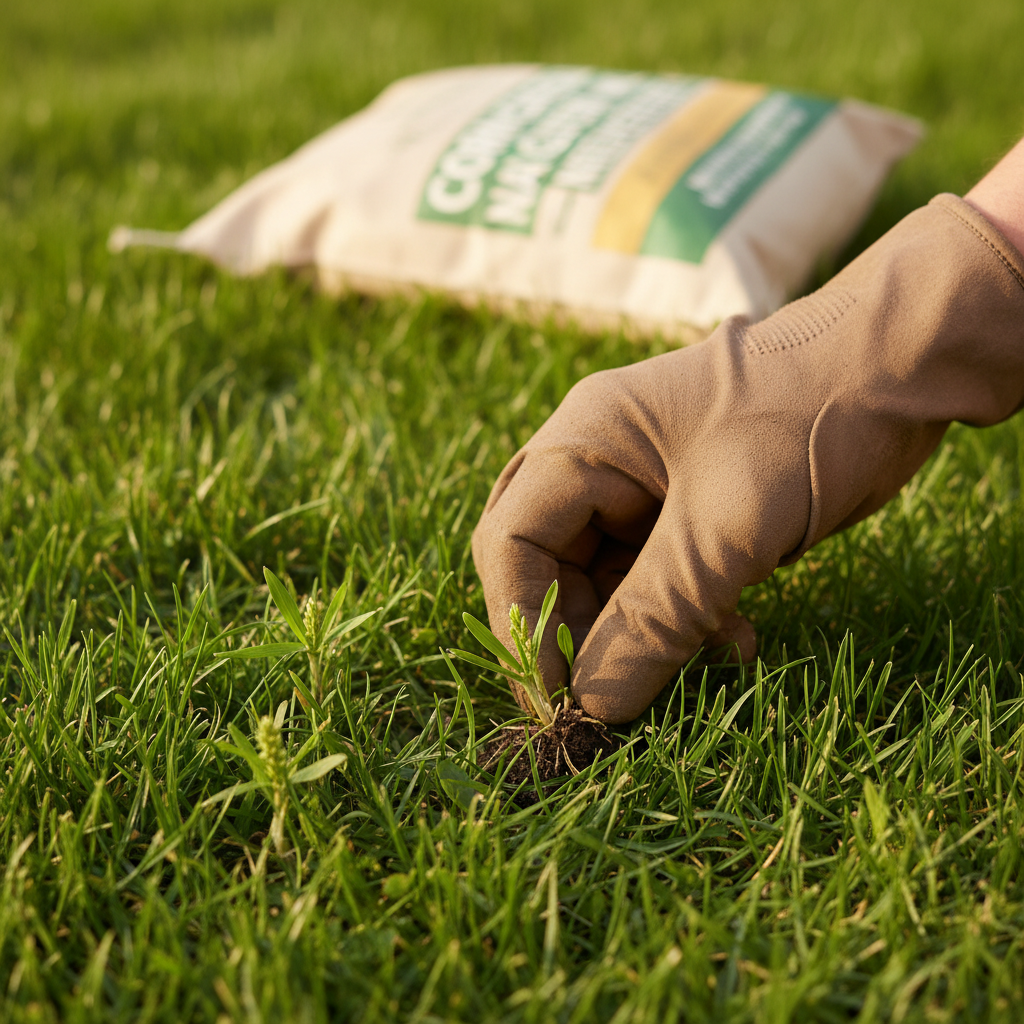
- Thin or Bare Spots: Areas with sparse grass allow sunlight to reach the soil, promoting crabgrass seed germination.
- Compacted Soil: Poor soil structure hinders healthy turfgrass growth, creating an opening for weeds.
- Low Mowing Height: Mowing your lawn too short reduces the turf's ability to shade the soil, allowing crabgrass seeds to germinate more easily.
- Shallow, Frequent Watering: This encourages shallow root growth in desirable grasses and keeps the soil surface consistently moist, ideal for crabgrass.
- Early or Late Application of Pre-Emergent: Applying corn gluten meal at the wrong time (too early or too late in the spring) renders it ineffective against crabgrass germination.
Landscaping · Deck or fence project
| Project category | Landscaping |
|---|---|
| Problem type | Deck or fence project |
| Trade required | Landscaping |
| Urgency | Planned project |
| Safety risk | Moderate safety risk |
| DIY suitability | DIY for experienced homeowners |
| Cost category | High cost |
| Typical timeline | Most builds 3–10 days depending on size |
| Contractor type | Landscaping contractor |
Repair option
Replace failed boards, posts, and hardware; reseal the surface.
Replacement option
Rebuild when framing or the ledger connection is unsafe.
Common causes
- Rot at posts and ledger
- Storm damage
- Adding outdoor living space
Relevant tools:home improvement material pricesproject cost estimator
Published May 30, 2026Last updated August 17, 2026
Tools & materials you'll need
Affiliate links- AmazonCorn gluten meal (granular)20 lbs per 1,000 sq ft
As an Amazon Associate FixlyGuide earns from qualifying purchases — at no extra cost to you. Prices and availability are accurate as of publication and subject to change.
Quick Answer
Many homeowners struggle with crabgrass because they treat it at the wrong time or with the wrong methods. The most common mistake is waiting until summer when the plants are mature and have already spread thousands of seeds. Effectively eliminating crabgrass naturally involves a multi-pronged approach focused on preventing its emergence in early spring, aggressively removing young plants, and fostering a robust, healthy lawn that naturally outcompetes weeds. This strategy disrupts the crabgrass life cycle at its most vulnerable points, leading to long-term control without harsh chemicals.
The Problem
Crabgrass (Digitaria spp.) is an annual weed that can quickly turn a pristine lawn into an unsightly mess. Its broad, coarse blades stand out against finer turfgrasses, and its sprawling growth habit can choke out desirable grass. What makes crabgrass particularly frustrating is its prolific seeding capacity; a single plant can produce up to 150,000 seeds, which remain viable in the soil for years. These seeds germinate when soil temperatures consistently reach 55-60°F (13-16°C) for several consecutive days, typically corresponding to early spring in most regions. If not addressed quickly and decisively, crabgrass can rapidly colonize bare spots and thin areas, leading to an increasing problem year after year. The cycle of germination, growth, seeding, and dormancy makes it a persistent adversary for any homeowner aiming for a lush, green lawn.
How It Works
Understanding the crabgrass life cycle is key to effective natural control. Crabgrass is an annual warm-season grass, meaning it germinates in spring, grows vigorously through summer, produces seeds in late summer/early fall, and then dies with the first hard frost. It thrives in hot, dry conditions and often capitalizes on stressed or poorly maintained lawns. The seeds require light and consistent warmth to germinate, which is why they emerge in spring rather than fall or winter. Once germinated, the plant quickly establishes a strong root system and spreads outwards, forming dense mats. As summer progresses, it sends up seed heads, ensuring the next generation. Organic control methods primarily work by preventing this germination, physically removing young plants before they seed, or creating an environment where crabgrass struggles to compete. Corn gluten meal, for instance, releases peptides during decomposition that inhibit root formation in germinating seeds, effectively acting as a natural pre-emergent. Manual removal is effective on young plants but becomes increasingly difficult as they mature and root deeply. Proper lawn care, such as mowing high and deep watering, creates a dense canopy that shades the soil, keeping it cooler and drier, thus reducing the favorable conditions for crabgrass seed germination and growth.
Step-by-Step Fix
1. Apply Corn Gluten Meal (Natural Pre-Emergent) — Prevent germination before it starts.
- When: Early spring, when Forsythia bushes are blooming or soil temperatures consistently reach 50°F (10°C) for several days. This is typically March or early April in most Northern climates, or February to March in warmer Southern zones. Applying too early may reduce effectiveness; too late, and seeds may have already germinated.
- How: Purchase granular corn gluten meal from a garden supply store. Aim for a coverage rate of 20 pounds per 1,000 square feet for effective control. Use a broadcast spreader for even application. Lightly water the lawn immediately after application to activate the corn gluten meal; about 1/4 to 1/2 inch of water is sufficient. Avoid heavy watering for the next few days, as too much moisture can dilute its effectiveness.
- Note: Corn gluten meal also provides nitrogen, acting as a gentle organic fertilizer. Repeat application in late summer/early fall for enhanced perennial weed control and long-term crabgrass seed bank reduction. Allow at least 4-6 weeks after application before seeding any new desired turfgrass, as corn gluten meal inhibits all seed germination.
2. Hand Pull Young Crabgrass Weeds — Tackle individual invaders proactively.
- When: As soon as you spot young crabgrass plants, typically in late spring to early summer before they have developed significant root systems or seed heads. Do not wait until they are mature.
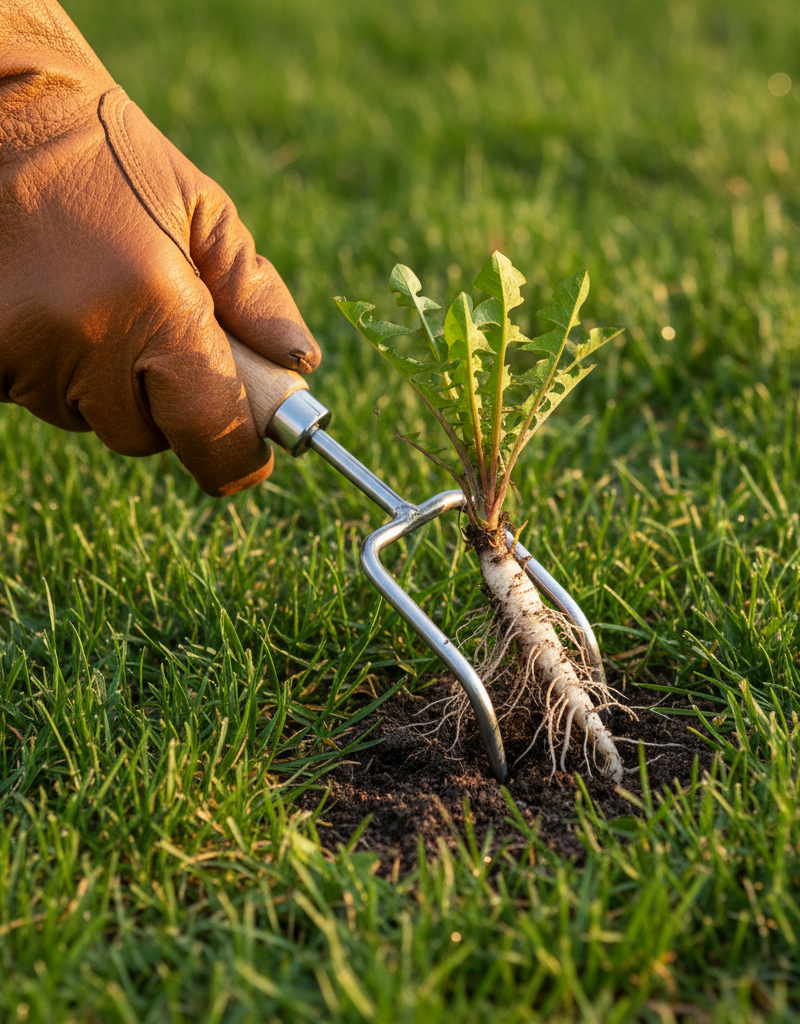
- How: Moisten the soil slightly beforehand to make pulling easier. Grasp the crabgrass plant firmly at its base, close to the soil line. Pull steadily and slowly, trying to get as much of the root system as possible. A weeding fork or dandelion tool can be helpful for plants with deeper roots. Ensure you remove the entire plant; even small root fragments left behind can sometimes regrow, especially if the plant is mature.
- Safety: Wear gardening gloves to protect your hands from blisters and potential skin irritants. Dispose of pulled crabgrass plants in a sealed bag or compost pile (if you compost properly at high temperatures) to prevent any mature seeds from re-entering your lawn.
3. Strategic Mowing for Weed Suppression — Encourage a stronger, thicker lawn.
- When: Throughout the entire growing season, from spring until the first hard frost.
- How: Set your mower deck to its highest setting (typically 3-4 inches for most cool-season grasses and 2-3 inches for warm-season grasses). Taller grass blades shade the soil, keeping it cooler and darker, which discourages crabgrass seed germination. Never remove more than one-third of the grass blade length in a single mowing. This minimizes stress on the turfgrass and promotes deeper root growth, making your lawn more resilient. Leave grass clippings on the lawn (mulch mowing) to return valuable nutrients, further enriching the soil and promoting denser growth.
4. Deep and Infrequent Watering — Foster robust root systems.
- When: During dry periods throughout the growing season, typically once or twice a week, depending on precipitation and grass type.
- How: Water deeply enough to saturate the soil to a depth of 4-6 inches. This encourages grass roots to grow deep into the soil, seeking moisture. Shallow, frequent watering, conversely, encourages shallow root growth in turfgrass and creates ideal moist conditions near the surface for crabgrass seeds to germinate. An easy way to check soil moisture depth is to push a screwdriver into the ground; it should penetrate easily to at least 4-6 inches after watering. Aim for 1 inch of water per week, including rainfall, adjusted based on soil type and temperatures.
5. Overseed Thin Areas in Fall — Fill in gaps before crabgrass can.
- When: Early to mid-fall, typically September or October in most regions, after crabgrass has died but before the first hard frost. Soil temperatures are still warm enough for germination, and cool, moist conditions favor new grass growth.
- How: Rake vigorously to loosen the top layer of soil and remove any thatch. Spread high-quality grass seed appropriate for your region and lawn conditions. Follow package directions for seeding rates. Lightly topdress with compost or peat moss and keep the newly seeded areas consistently moist until germination and establishment. Overseeding creates a dense turf that leaves no room for crabgrass to establish itself next spring.
Common Causes
- Thin or Bare Spots: Areas with sparse grass allow sunlight to reach the soil, promoting crabgrass seed germination.
- Compacted Soil: Poor soil structure hinders healthy turfgrass growth, creating an opening for weeds.
- Low Mowing Height: Mowing your lawn too short reduces the turf's ability to shade the soil, allowing crabgrass seeds to germinate more easily.
- Shallow, Frequent Watering: This encourages shallow root growth in desirable grasses and keeps the soil surface consistently moist, ideal for crabgrass.
- Early or Late Application of Pre-Emergent: Applying corn gluten meal at the wrong time (too early or too late in the spring) renders it ineffective against crabgrass germination.
- Neglecting Fall Overseeding: Failing to thicken the lawn in the fall leaves open areas for crabgrass to exploit the following spring.
Common Mistakes
- Applying Pre-Emergent Too Late: The biggest mistake is waiting until you see crabgrass. By then, the seeds have already germinated, and pre-emergents are useless. Apply corn gluten meal before soil temperatures consistently hit 55°F.
- Mowing Too Short: Many homeowners cut their grass too low, thinking it looks neater. This stresses the turf, exposes the soil to sunlight, and invites crabgrass. Always aim for at least 3 inches.
- Ignoring Soil Health: A poorly aerated, compacted lawn struggles to support healthy grass, making it susceptible to crabgrass. Consider annual core aeration to improve soil structure.
- Overwatering or Underwatering: Both extremes are detrimental. Overwatering provides ideal germination conditions for crabgrass, while underwatering stresses turf, making it less competitive.
- Not Addressing Bare Patches: Leaving bare spots unfilled is an open invitation for crabgrass. Always repair these areas promptly with turf seed or sod.
- Pulling Mature Crabgrass with Seeds: If you pull crabgrass that has already developed seed heads and then leave it on the lawn, you're essentially reseeding your lawn with crabgrass. Always bag and dispose of seeded plants.
Cost & Time Breakdown
| Task | DIY cost | Pro cost | Time |
|---|---|---|---|
| Corn Gluten Meal Application | $40–$80 | $150–$300 | 30–60 minutes |
| Hand Pulling (per 1,000 sq ft) | $0 (manual) | N/A | 1–3 hours |
| Mowing & Watering | $0 (if owned) | $40–$70/visit | 1–2 hours/week |
| Fall Overseeding | $30–$100 | $200–$500 | 2–4 hours (prep) |
| Soil Testing | $15–$30 | $50–$100 | 15 minutes (send) |
Tips & Prevention
- Check Soil Temperature: Use a soil thermometer to accurately gauge when to apply corn gluten meal. Aim for consistent 50°F (10°C) temperatures at a 2-inch depth for optimal timing.
- Feed Your Lawn Organically: Healthy, well-fed grass is a strong defense against weeds. Use slow-release organic fertilizers to promote sustained growth.
- Address Compaction: Consider annual core aeration, especially if your lawn sees heavy foot traffic or has clay soil. This improves air, water, and nutrient penetration.
- Monitor for Early Signs: Regularly walk your lawn in late spring/early summer. Catching crabgrass when it's young (2-4 leaves) makes hand-pulling much more effective.
- Clean Up Spills: If you spill grass seed or soil mixtures, clean them up promptly, as they can sometimes contain dormant crabgrass seeds.
- Mulch Landscape Beds: Use a thick layer of organic mulch (3-4 inches) in garden beds to suppress crabgrass and other weeds.
When to Call a Professional
While natural crabgrass control is highly effective for most homeowners, there are situations where professional help can be invaluable. If your lawn is severely overrun with crabgrass, where more than 50% of the turf is affected, a professional lawn care service can develop a comprehensive, multi-year plan to reclaim your lawn. They have access to commercial-grade organic products, specialized equipment for aeration and overseeding large areas, and the expertise to diagnose underlying soil issues or fungal problems that might be contributing to your weed infestation. Additionally, if you're struggling with persistent crabgrass despite consistent efforts, or if your lawn's health is declining in general, a professional can offer soil testing, customized fertilization schedules, and advanced weed management strategies tailored to your specific turf and climate, ensuring a healthier, more resilient lawn long-term.
Related Articles
Keep troubleshooting with these hand-picked guides from FixlyGuide:
- The #1 Mistake Killing Your Lawn's Crabgrass Battle (and 3 Natural Fixes) — Discover the common oversight sabotaging your crabgrass removal efforts and learn three effective, natural methods to reclaim your lawn.
- The #1 Crabgrass Mistake Most Homeowners Make (And 3 Natural Fixes) — Crabgrass invades lawns, but many natural remedies miss the mark. Learn the biggest mistake homeowners make and discover effective, eco-fri…
- The 3 Crabgrass Mistakes Most Homeowners Make (And How to Fix Them Organically) — Discover the most common crabgrass removal mistakes and learn natural, organic methods to eliminate crabgrass from your lawn for good, fost…
- The #1 Mistake Killing Your Lawn's Crabgrass Defense (And the Easy Fix) — Discover why common crabgrass removal methods fail and how to naturally eliminate this stubborn weed for a healthier lawn.
- The #1 Mistake Killing Your Lawn (and Spreading Dandelions Everywhere) — Discover the most common mistake homeowners make that inadvertently encourages dandelions and how to achieve a weed-free lawn.
- The #1 Mistake Homeowners Make When Caulking a Bathroom Sink (And How to Fix It) — Discover the most common caulk mistake homeowners make around bathroom sinks and follow simple steps to achieve a lasting, watertight seal.
What should this project cost?
Enter your project details for a realistic cost range before you call anyone.
Cost depends heavily on which system turns out to be the source.
- Regional adjustment
- National average
- Labor share (typical)
- ~$1,620
- Quotes to collect
- 3 written estimates
Educational estimate based on national averages — not a binding quote. Always confirm with written local estimates.
Frequently asked questions
Does vinegar kill crabgrass?+
While horticultural vinegar (acetic acid) can kill young crabgrass plants upon direct contact, it is non-selective and will also harm or kill desirable lawn grasses. It's generally not recommended for broadcast application on lawns. For spot treatment, dilute vinegar with water (e.g., 20% vinegar to 80% water) and apply carefully only to the crabgrass, avoiding turf, but be aware it can still damage surrounding grass and impact soil pH.
When is the best time to apply natural crabgrass killer?+
For natural pre-emergent like corn gluten meal, the best time is in early spring when soil temperatures consistently reach 50-55°F (10-13°C) for several days. This usually coincides with the blooming of Forsythia bushes. Applying it before crabgrass seeds germinate is crucial for its effectiveness.
Can I simply pull crabgrass by hand?+
Yes, hand-pulling is a very effective natural method, especially for young crabgrass plants before they develop extensive root systems or produce seeds. It's labor-intensive for large infestations but highly successful for rogue plants or small patches. Always ensure you remove as much of the root as possible to prevent regrowth.
How does mowing height affect crabgrass?+
Mowing your lawn at a higher setting (3-4 inches) significantly helps suppress crabgrass. Taller grass shades the soil, keeping it cooler and darker, which inhibits crabgrass seed germination. It also promotes deeper, stronger roots in your desired turfgrass, making it more competitive against weeds.

Discussion
Loading comments…