- Tools: Power dethatcher (rentable), Dethatching rake (for small areas)
- Safety: Wear sturdy shoes, eye protection, and gloves. Be mindful of flying debris.
- Pro Tip: Dethatch in the spring or early fall when grass is actively growing but not stressed by extreme heat or cold.
Landscaping · Deck or fence project
| Project category | Landscaping |
|---|---|
| Problem type | Deck or fence project |
| Trade required | Landscaping |
| Urgency | Planned project |
| Safety risk | Moderate safety risk |
| DIY suitability | DIY for experienced homeowners |
| Cost category | High cost |
| Typical timeline | Most builds 3–10 days depending on size |
| Contractor type | Landscaping contractor |
Repair option
Replace failed boards, posts, and hardware; reseal the surface.
Replacement option
Rebuild when framing or the ledger connection is unsafe.
Common causes
- Rot at posts and ledger
- Storm damage
- Adding outdoor living space
Relevant tools:home improvement material pricesproject cost estimator
Published June 2, 2026Last updated August 17, 2026
Tools & materials you'll need
Affiliate linksAs an Amazon Associate FixlyGuide earns from qualifying purchases — at no extra cost to you. Prices and availability are accurate as of publication and subject to change.
Quick Answer
Patchy grass from thatch buildup occurs when an excessive layer of dead organic material prevents water, nutrients, and air from reaching the soil and grass roots. The quickest fix involves dethatching the lawn by mechanical means, aerating the soil to improve penetration, and then overseeding with a suitable grass type. Consistent, deep watering and appropriate fertilization after these steps are crucial for the new grass to establish and blend seamlessly with existing turf, transforming a patchy lawn into a uniform, healthy expanse.
The Problem
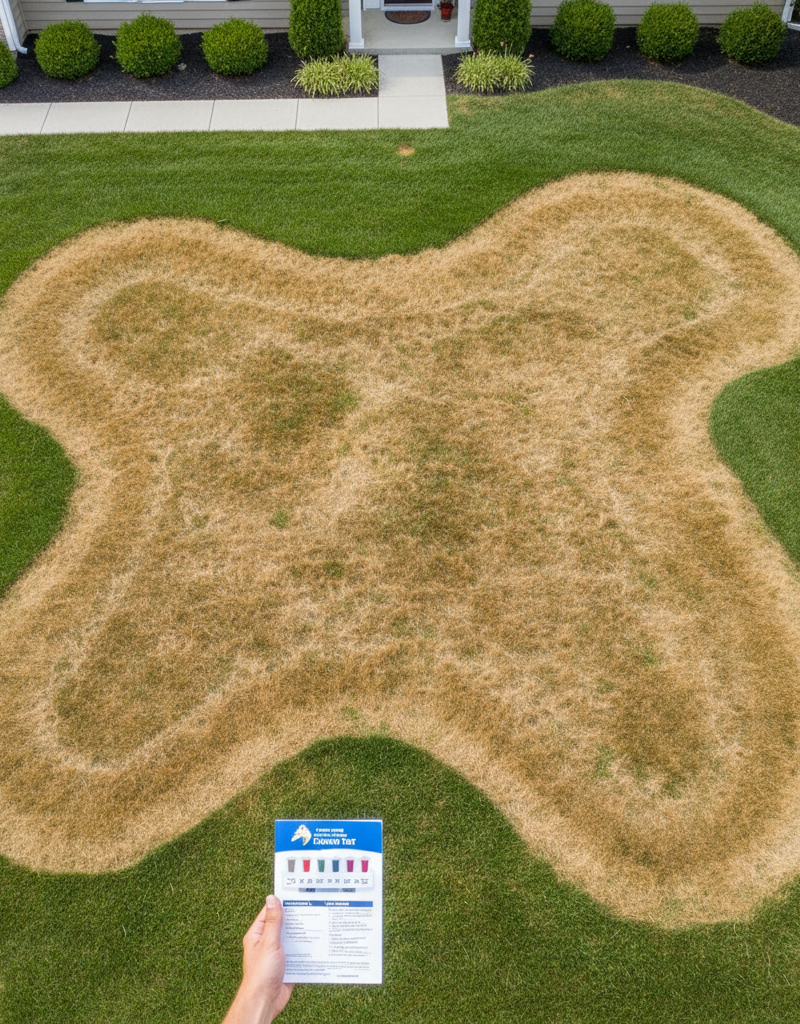
You've watered, you've fertilized, you've mowed religiously, yet your lawn still looks like a checkerboard – a mix of vibrant green and frustratingly bare or thin spots. While many issues can cause patchy grass, one of the most common and often overlooked culprits is an excessive buildup of thatch. Thatch is that spongy layer of organic material – dead grass clippings, leaves, and roots – that accumulates between the green blades of your lawn and the soil surface. A thin layer (less than half an inch) can actually be beneficial, acting as a natural mulch, retaining moisture, and protecting the soil. However, once thatch exceeds this ideal thickness, it starts to choke your lawn, creating an array of problems that manifest as unsightly patches.
An overly thick thatch layer prevents essential resources like water, nutrients, and air from reaching the grass roots. This deprivation stresses the grass, making it weak, susceptible to disease, and prone to dying off in patches. Furthermore, thick thatch can harbor pests and fungal diseases, providing an ideal breeding ground that further exacerbates the problem. It also makes your lawn less resilient to drought and temperature extremes. When you see those struggling brown spots or areas where new grass simply won't take hold, despite your best efforts, it's a strong indicator that a deeper issue, often thatch-related, is at play. Addressing this underlying problem is key to achieving a uniformly lush, healthy lawn.
How It Works
Your lawn is a complex ecosystem. Grass plants draw water and dissolved nutrients from the soil through their roots, which helps them grow the green blades we see. Sunshine powers photosynthesis, converting light into energy for growth. As grass grows, old blades die, and new ones emerge. Similarly, roots constantly grow and decay. This natural cycle produces organic debris that forms the thatch layer.
Under healthy conditions, a thriving population of microorganisms—bacteria, fungi, earthworms, and insects—lives in the topsoil and in the thatch layer itself. These tiny workers are nature's recyclers; they break down the dead organic matter in the thatch, converting it into rich humus that enriches the soil. This keeps the thatch layer thin and allows the free movement of water, air, and nutrients to the crucial root zone below.
However, sometimes this delicate balance is disrupted. Factors like overly frequent, shallow watering, excessive fertilization (especially with high-nitrogen fertilizers), compact soil, or the use of certain pesticides can reduce the activity of these beneficial microorganisms. When the rate of organic matter accumulation exceeds the rate of decomposition, thatch begins to build up. As it thickens, it forms an almost impenetrable barrier. Picture a dense mat of dead grass and roots: water from your sprinklers might pool on top or run off the surface instead of soaking into the soil. Air, vital for root respiration and microbial activity, gets trapped above the soil. Fertilizer granules sit on the thatch, unable to reach the roots, and can even burn the grass if too concentrated. This creates a perpetually stressed environment, leading to shallow root systems, increased disease susceptibility, and ultimately, dead or dying patches in your lawn. Understanding this mechanism is the first step in effectively reversing the damage and restoring your lawn's health.
Step-by-Step Fix
1. Assess Your Thatch Layer — Discover if thatch is your true culprit.
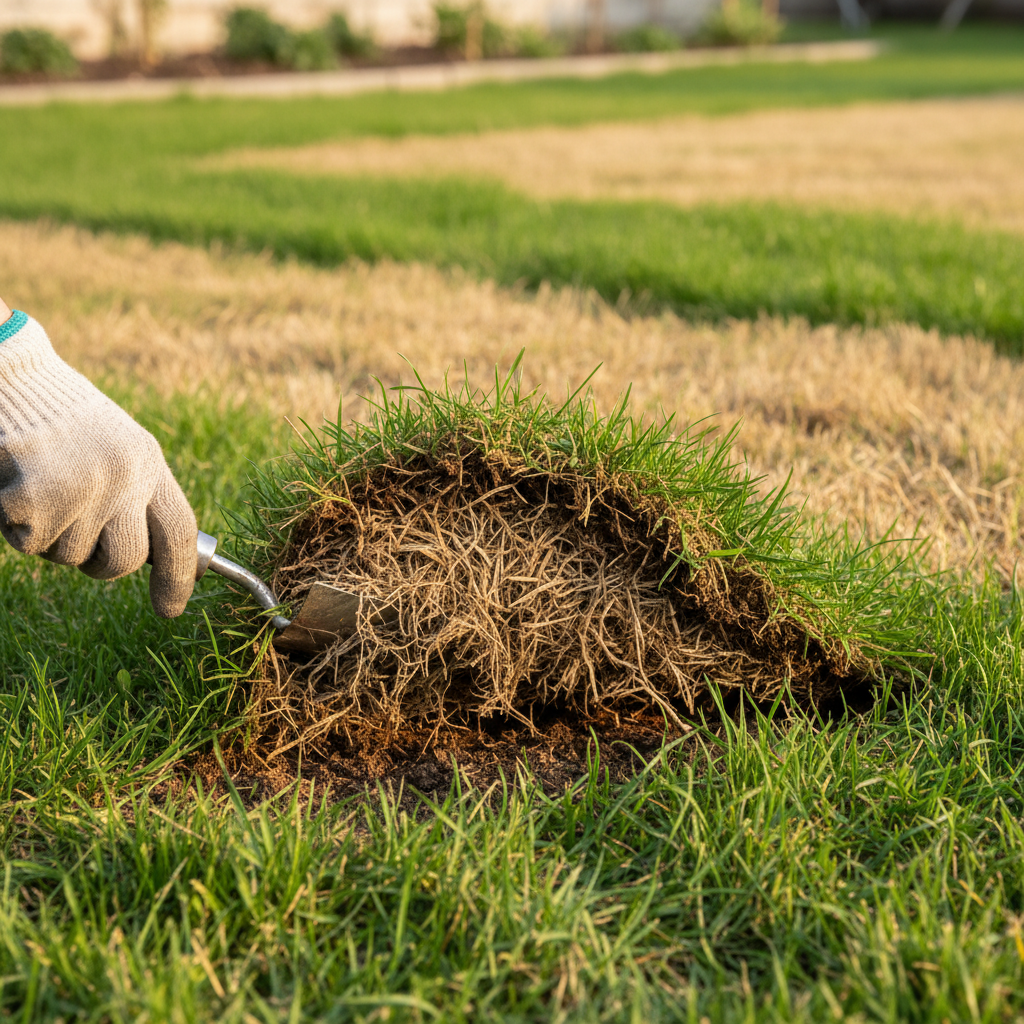
Before diving into dethatching, perform a quick check. Use a trowel to dig up a small, pie-shaped section of your lawn, about 4-6 inches deep. Examine the profile: the green grass blades, the layer of dead organic material (thatch), and the soil beneath. If the thatch layer is more than ½ inch thick, it's likely contributing to your patchy problem. If it's less, another factor might be at play, but dethatching will still benefit most lawns every few years.
- Tools: Garden trowel
- If your thatch is thin: Consider soil compaction (try aeration), watering habits, or nutrient deficiencies.
2. Prepare the Lawn for Dethatching — Set the stage for effective thatch removal.
Prior to dethatching, mow your lawn to approximately 1-1.5 inches, slightly lower than your usual height, but do not scalp it. This makes the thatch more accessible to the dethatching equipment and reduces the amount of green material that gets pulled up. Ensure the lawn is dry but not bone-dry; a slightly moist soil will allow for easier thatch removal without tearing up healthy turf. Water your lawn lightly a day or two before if needed.
- Tools: Lawn mower
3. Dethatch Your Lawn — Mechanically remove the excess thatch.
For moderate to severe thatch, a power dethatcher (also called a verticutter or lawn scarifier) is the most effective tool. These machines have vertical blades or tines that rotate and pull up the thatch without significantly disturbing the soil. Make two passes over your lawn: one in a north-south direction and a second in an east-west direction, ensuring thorough coverage. For smaller lawns or lighter thatch, a heavy-duty dethatching rake can be used, though it requires more manual effort.
- Tools: Power dethatcher (rentable), Dethatching rake (for small areas)
- Safety: Wear sturdy shoes, eye protection, and gloves. Be mindful of flying debris.
- Pro Tip: Dethatch in the spring or early fall when grass is actively growing but not stressed by extreme heat or cold.
4. Clean Up the Debris — Clear the way for healthy growth.
After dethatching, you'll have a substantial amount of dead organic material lying on your lawn. This debris must be raked up and removed. You can bag it for disposal, compost it (if it's not thick with disease), or use a leaf vacuum/blower with a mulching function. Leaving the thatch on the lawn will negate your efforts and continue to block light and air.
- Tools: Leaf rake, Leaf blower/vacuum
5. Aerate the Soil (Optional but Recommended) — Improve air and water penetration.
Immediately after dethatching, aerating your lawn can significantly enhance recovery by alleviating soil compaction and creating channels for water, air, and nutrients to reach deeper into the root zone. A core aerator pulls out small plugs of soil, which you can leave on the lawn to break down naturally. This is especially beneficial if your soil feels hard or compacted.
- Tools: Core aerator (rentable)
- If you skip aeration: Ensure your soil is not heavily compacted, or you may face similar issues again.
6. Overseed the Patchy Areas (and Beyond) — Introduce new life to bare spots.
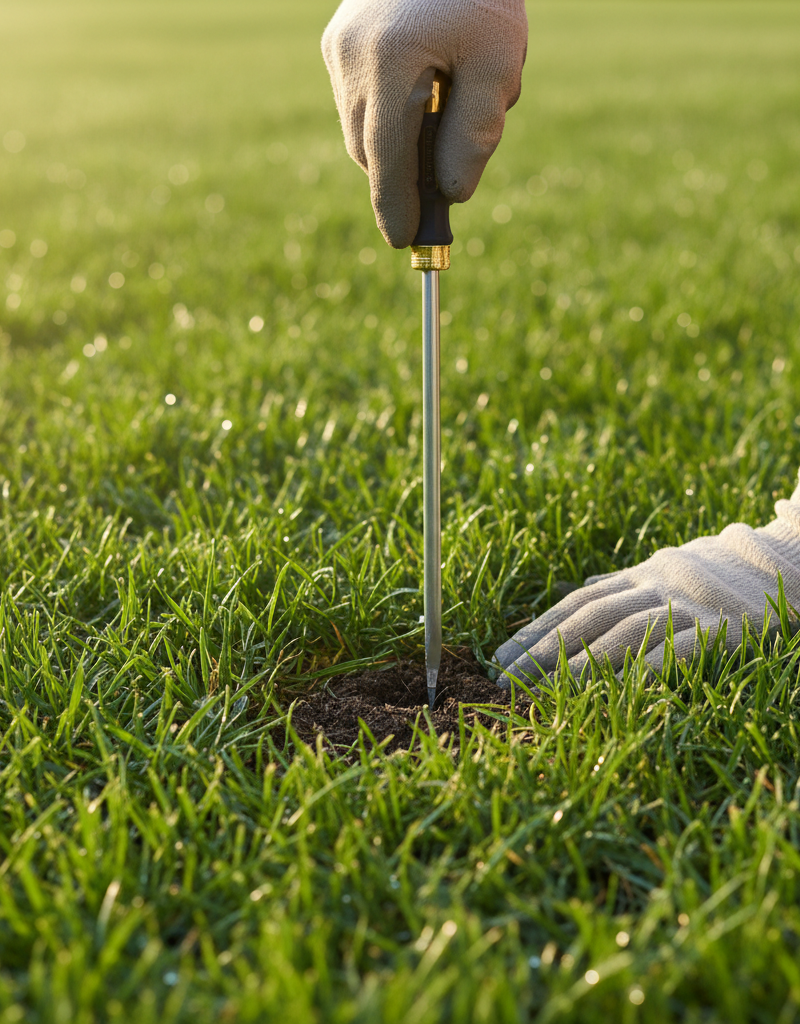
This is the critical step for fixing patches. Once the thatch is removed and the soil is open, apply new grass seed to all patchy areas and, ideally, broadcast it over the entire lawn for a thicker, more uniform turf. Select a grass seed type that is suitable for your climate and sun exposure. Spread the seed according to the manufacturer's recommendations, ensuring good seed-to-soil contact. Lightly rake the seed into the top ¼ inch of soil or use a light layer of top dressing (like peat moss or compost) to cover it.
- Materials: Suitable grass seed, Peat moss or compost (optional top dressing)
- Tools: Broadcast spreader or hand spreader, Garden rake
7. Fertilize for New Growth — Provide essential nutrients for establishment.
After overseeding, apply a 'starter' fertilizer, which is specifically formulated with higher phosphorus content to encourage strong root development for new seedlings. Follow the product's instructions carefully for application rates. This provides the fresh grass with the nutrients it needs without overwhelming the delicate new plants.
- Materials: Starter fertilizer
- Tools: Broadcast spreader
8. Water Consistently and Correctly — Nurture the emerging seedlings.
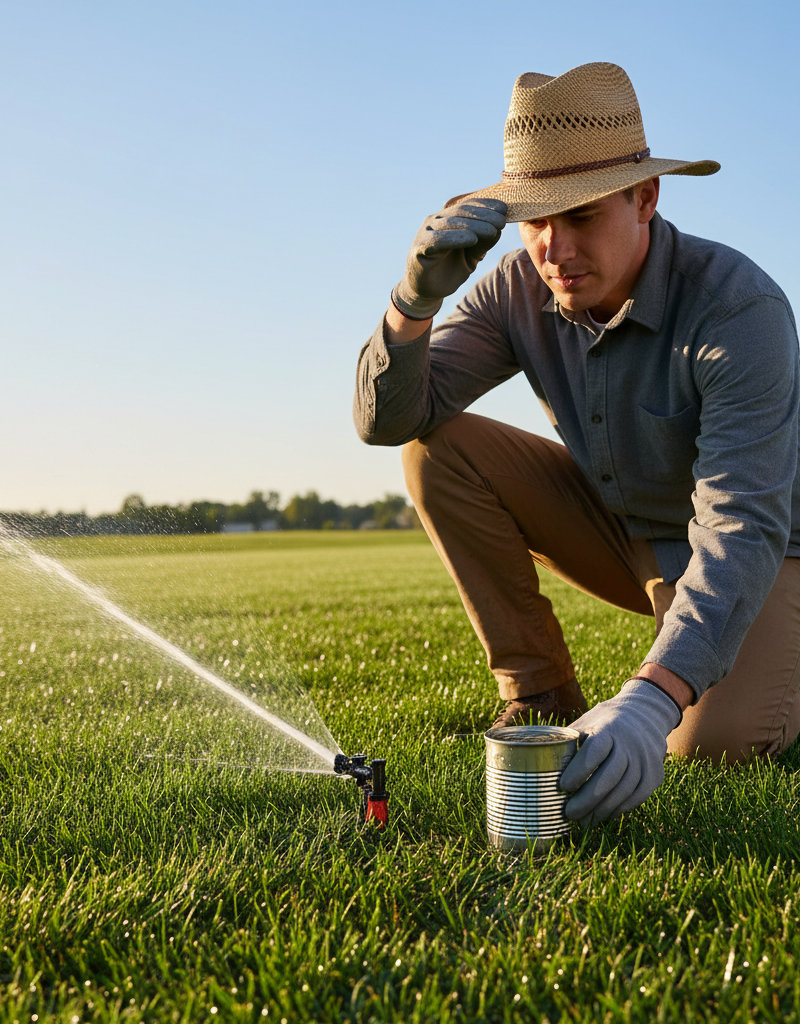
This is arguably the most crucial step for successful seed germination. For the first 2-3 weeks after seeding, keep the top inch of soil consistently moist. This means frequent, light waterings several times a day, especially during warm or windy weather. Avoid heavy watering that can wash away seeds. Once the new grass is established (about 4 weeks), gradually transition to less frequent but deeper waterings to encourage deep root growth. Reduce watering once established.
- Tools: Sprinkler system or hose with sprayer
- Warning: Too much water can lead to fungal issues; too little means seeds won't germinate.
9. Resume Regular Mowing (Cautiously) — Maintain length without stressing new grass.
Wait until your new grass is at least 3-4 inches tall before its first mow. Ensure your mower blades are very sharp to avoid tearing the young blades. Raise your mower deck to cut no more than one-third of the blade height at a time. Continue to monitor for thatch buildup in the future by regular inspection, and consider annual or bi-annual dethatching as a preventative measure.
- Tools: Lawn mower
Common Causes
- Excessive Thatch Buildup: As detailed, a thick layer of dead organic matter prevents water, air, and nutrients from reaching grass roots, leading to weak grass and bare patches.
- Soil Compaction: Hard, dense soil restricts root growth and inhibits water and air infiltration, starving the grass. Often a partner to thatch issues.
- Improper Watering: Shallow, frequent watering encourages weak, surface-level roots, making grass susceptible to drought and heat stress, causing patches. Inconsistent watering can also lead to nutrient deficiencies.
- Nutrient Deficiencies or Excesses: Lack of essential nutrients (nitrogen, phosphorus, potassium) can stunt growth and cause discoloration. Conversely, over-fertilization can burn roots and kill grass in patches.
- Pests and Diseases: Grubs, chinch bugs, fungal diseases (like brown patch or dollar spot) can devastate specific areas of a lawn, creating distinct patches. Identification is key here.
- Pet Urine: Dog and cat urine is highly concentrated with nitrogen salts, which act like a chemical burn, killing grass in circular patches.
- Shade Issues: Grass species require specific amounts of sunlight. Areas under trees or buildings that receive inadequate light will often thin out and become patchy.
- Foot Traffic/Wear and Tear: Heavy foot traffic, especially in high-traffic areas or during wet conditions, compacts soil and wears down grass blades, leading to bare spots.
Common Mistakes
- Ignoring the Thatch Layer: Many homeowners try to fertilize or water more when patches appear, without realizing that a thick thatch layer is preventing those efforts from reaching the roots. Always check for thatch first.
- Dethatching at the Wrong Time: Dethatching during periods of extreme heat, cold, or drought will stress your lawn further, potentially causing more damage. Always do it when the grass is actively growing but not stressed.
- Not Cleaning Up Debris: Leaving the pulled-up thatch on the lawn after dethatching defeats the purpose and continues to smother the grass, blocking light and air.
- Inconsistent Watering Post-Seeding: New grass seeds need constant moisture to germinate and establish. Allowing the soil to dry out even once during the critical germination phase can kill the delicate seedlings.
- Using the Wrong Grass Seed: Choosing a grass seed not suited for your local climate, soil type, or sun exposure will lead to continued patchiness and poor performance.
- Over-fertilizing: Applying too much fertilizer, especially high-nitrogen varieties, can 'burn' the grass, leading to brown patches and potentially killing new seedlings.
- Mowing Too Soon or Too Low After Seeding: Mowing new grass too early or cutting it too short puts immense stress on the young plants, hindering their development and increasing the risk of disease.
Cost & Time Breakdown
| Task | DIY cost | Pro cost | Time |
|---|---|---|---|
| Thatch assessment | $0 | Included | 5–10 minutes |
| Dethatcher rental/purchase | $60–$150/day | Included | 1–3 hours |
| Raking/debris removal | $0 | Included | 1–2 hours |
| Core aerator rental (optional) | $70–$120/day | Included | 1–2 hours |
| Grass seed (per 1,000 sq ft) | $20–$50 | $30–$80 | 30–60 minutes |
| Starter fertilizer | $20–$40 | Included | 20–40 minutes |
| Watering (initial 2-3 weeks) | $0 (water bill) | $0 (water bill) | Daily checks |
Tips & Prevention
- Mow at the Right Height: Keep your grass on the taller side (2.5-3 inches for most cool-season grasses, 2-2.5 inches for warm-season). Taller grass shades the soil, retains moisture, and promotes deeper root growth, making it more resilient and less prone to thatch buildup.
- Mow Frequently, Remove Less: Aim to remove no more than one-third of the grass blade height at each mowing. This reduces the amount of organic material added to the thatch layer at once and minimizes stress on the grass.
- Leave Grass Clippings (Smartly): If you mow frequently and remove only a small amount, leaving finely chopped grass clippings on the lawn can return nutrients to the soil and actually discourage thatch by feeding soil microbes. Avoid leaving large clumps.
- Water Deeply and Infrequently: Encourage deep root growth by watering for longer periods, but less often. Aim for 1 inch of water per week, applied in one or two sessions, rather than daily shallow sprinkles. This helps break down thatch naturally.
- Address Soil Compaction Annually: If you have heavy clay soil or high traffic, consider annual aeration to prevent compaction, which contributes significantly to thatch problems.
- Right Fertilizer, Right Time: Use a slow-release nitrogen fertilizer and follow application rates. Test your soil every few years to inform specific nutrient needs and avoid over-fertilization.
- Monitor for Pests and Diseases: Regularly inspect your lawn for signs of grub damage, fungal spots, or insect activity. Early detection can prevent widespread patchiness.
When to Call a Professional
While tackling patchy grass caused by thatch is a manageable DIY project for most homeowners, there are specific situations where calling a licensed lawn care professional is the smartest approach. If your lawn is severely neglected with a thatch layer exceeding 2 inches, a professional's commercial-grade dethatching equipment can provide a more thorough and less labor-intensive solution. If you've tried dethatching and overseeding but the patches persist, it could indicate a more complex underlying issue such as a persistent pest infestation, a deeply entrenched fungal disease, or severe soil pH imbalances that require specialized diagnostic tools and treatments. For large properties (over half an acre), the time, effort, and equipment rental costs might make professional service more economical and efficient. Additionally, if you suspect issues beyond thatch, like extensive grub damage or a widespread disease that you can't identify, a professional can accurately diagnose the problem and apply targeted treatments safely and effectively, preventing further damage to your lawn. Always consult a professional if you're unsure about the cause or the best course of action.
Related Articles
Keep troubleshooting with these hand-picked guides from FixlyGuide:
- The #1 Mistake Killing Your Lawn's Thickness (and How to Fix It for $50) — Overseeding can transform a thin, patchy lawn into a lush, vibrant carpet, but many homeowners miss a critical step, hindering success.
- The #1 Mistake Killing Your Lawn's Grass (and How to Fix Patchy Spots) — Discover the most common reason for patchy grass and learn how to revive your lawn with targeted, easy-to-follow steps.
- The #1 Mistake Killing Your Lawn's Thatch (And How to Fix Patchy Grass) — Patchy grass often stems from an overlooked problem: excessive thatch. Learn how to diagnose and correct thatch issues to restore a healthy…
- Thatched Lawn Secret: Why Brown Spots Bloom AFTER Watering (and the $15 Fix) — Brown spots appearing after watering your lawn often point to underlying thatch issues, hindering water absorption and nutrient delivery.
- The #1 Mistake Killing Your Thin Lawn (and How to Fix It in a Weekend) — Overseeding a thin lawn is crucial for a lush yard, but a common mistake can ruin your efforts before they even begin. Learn how to diagnos…
- The #1 Mistake Homeowners Make When Caulking a Bathroom Sink (And How to Fix It) — Discover the most common caulk mistake homeowners make around bathroom sinks and follow simple steps to achieve a lasting, watertight seal.
Should you do this yourself?
Answer five quick questions before you start. Safety outranks savings every time.
Your experience with work like this
How high do you have to work?
Does the job involve any of these?
Will it need a permit?
Specialty tools
Free and instant. Educational guidance only — not a quote, inspection, or professional diagnosis.
What should this project cost?
Enter your project details for a realistic cost range before you call anyone.
Cost depends heavily on which system turns out to be the source.
- Regional adjustment
- National average
- Labor share (typical)
- ~$1,620
- Quotes to collect
- 3 written estimates
Educational estimate based on national averages — not a binding quote. Always confirm with written local estimates.
Before you start
Check the difficulty, permits, and safety risk — then decide whether to call a pro.
- Estimate this projectGet a cost range for your scope and ZIP before you call anyone.Open
- Get local estimatesSend one request and compare written estimates from vetted pros.Open
Free, no signup required. Estimates are educational guidance, not a quote or an inspection.
Frequently asked questions
How do you fix patchy grass caused by dog urine?+
To fix patchy grass caused by dog urine, thoroughly flush the affected area with water to dilute the concentrated salts. You can then reseed the patch with fresh grass seed, ensuring consistent moisture. Consider training your pet to use a specific area or using a lawn supplement designed to neutralize urine effects.
Can I just put dirt over patchy grass?+
Simply putting dirt over patchy grass is not an effective long-term solution. It can smother the existing grass and won't address underlying issues like thatch or soil compaction. It's better to prepare the area by dethatching, aerating if needed, and then overseeding with good soil contact for successful growth.
How long does it take for patchy grass to grow back?+
The time it takes for patchy grass to grow back depends on the grass seed type, growing conditions, and the extent of the repair. Typically, new grass seeds will germinate in 5-21 days, and the patched area will start to blend in with the rest of the lawn within 4-8 weeks with proper watering and care.
Discussion
Loading comments…