Tools & materials you'll need
Affiliate linksAs an Amazon Associate FixlyGuide earns from qualifying purchases — at no extra cost to you. Prices and availability are accurate as of publication and subject to change.
Quick Answer
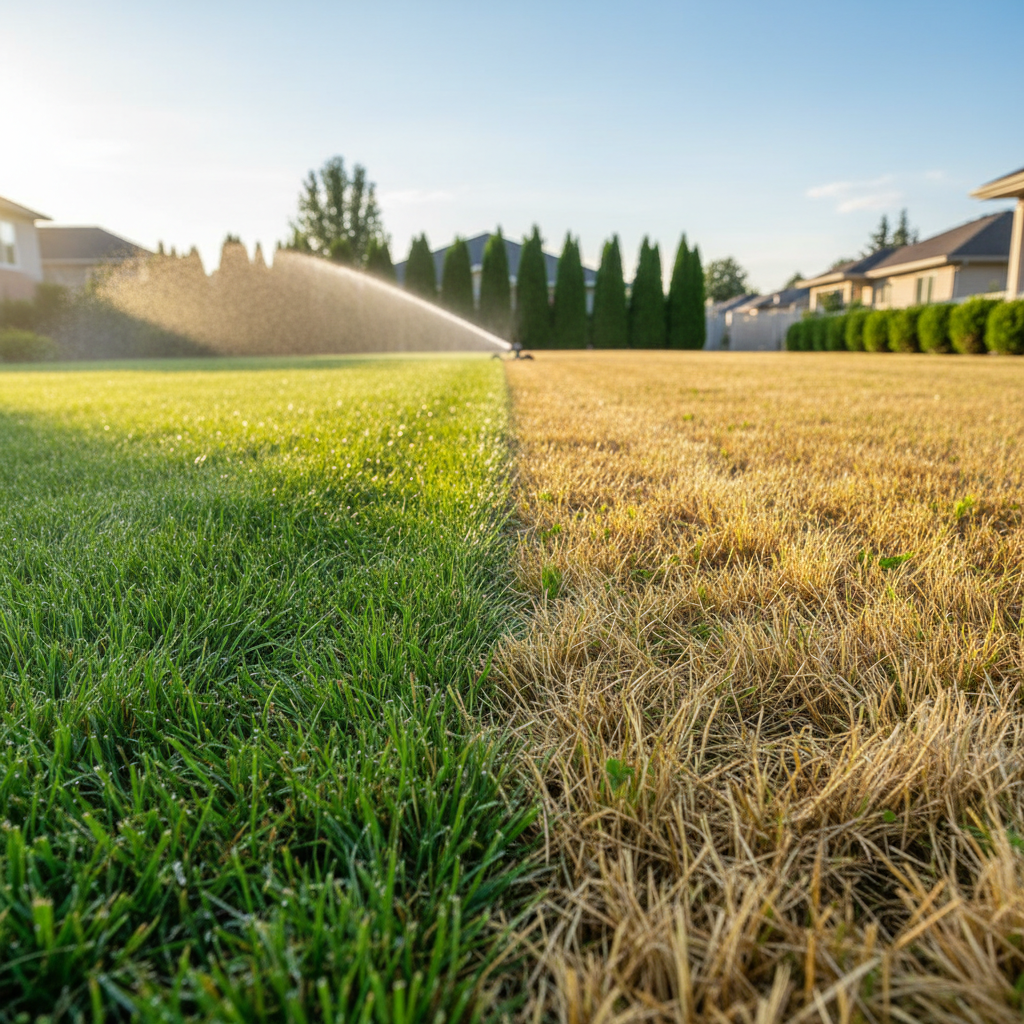
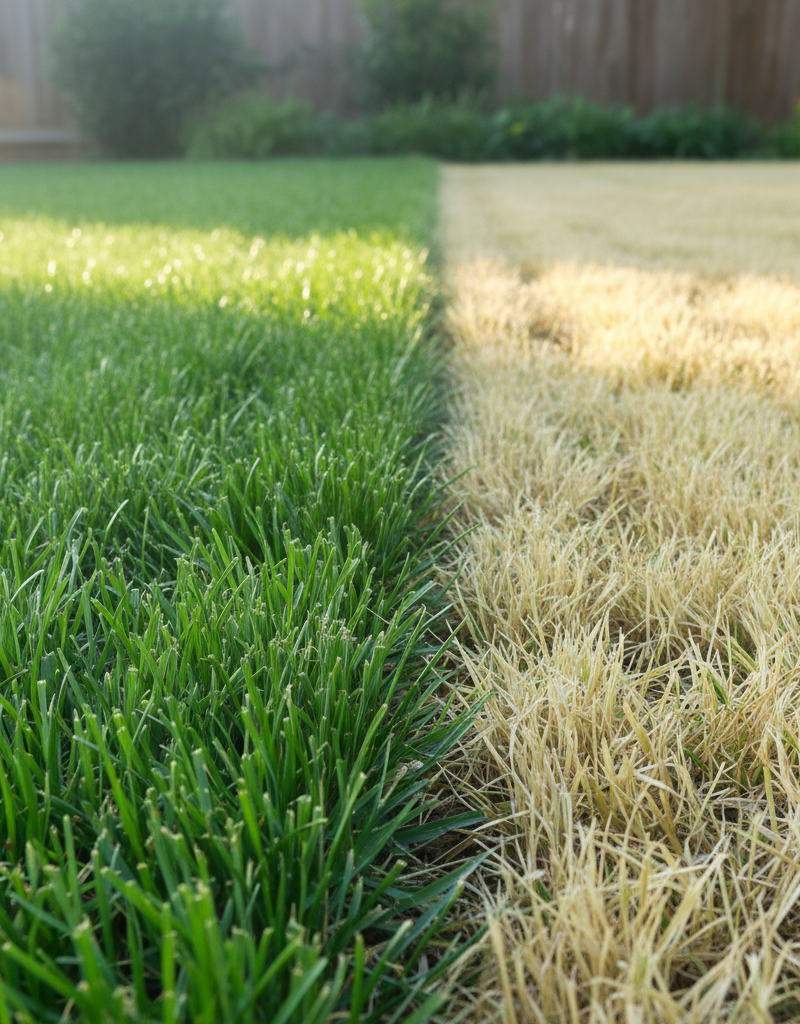
Your lawn is most likely turning yellow in summer due to improper watering practices, rather than a more serious disease or pest infestation. Many homeowners either water too frequently and shallowly, or not enough, leading to nutrient deficiencies, stress, and ultimately, a yellowing lawn. Correcting your watering habits is often the quickest and most effective solution.
The Problem
Summer is a challenging time for lawns. High temperatures and increased evaporation demand careful attention to watering. A yellowing lawn isn't just an aesthetic issue; it's a distress signal. When grass blades don't receive adequate moisture, or when they're perpetually saturated from overwatering, their ability to photosynthesize and absorb nutrients is compromised. This results in the vibrant green chlorophyll breaking down, giving way to the underlying yellow pigments. Ignoring these signs can lead to weakened grass, making it more susceptible to disease, pests, and eventual death, requiring costly reseeding or sod installation.
How It Works
Grass plants, like all plants, rely on water for essential physiological processes. Water facilitates nutrient uptake from the soil, acts as a solvent for these nutrients, and is a key component in photosynthesis – the process by which plants convert sunlight into energy. When the soil is too dry, roots cannot absorb sufficient water to transport nutrients to the blades. Without these nutrients, particularly nitrogen, and without enough water for photosynthesis, chlorophyll production slows or stops, leading to yellowing.
Conversely, overwatering can be equally damaging. Continuously saturated soil deprives grass roots of oxygen, essentially suffocating them. Oxygen is crucial for root respiration and nutrient absorption. Furthermore, excessive moisture promotes fungal growth and leaches essential nutrients, like nitrogen, out of the root zone, making them unavailable to the plant. This creates a vicious cycle of weakened grass, increased disease susceptibility, and continued yellowing. The goal, therefore, is to provide consistent, adequate moisture deep into the soil without creating waterlogged conditions.
Step-by-Step Fix
- Assess Your Watering Schedule — Identify if you’re under- or overwatering.
- Underwatering signs: Grass blades are curled or folded, footprint remains on the lawn after walking, soil is dry to the touch several inches down. You likely need to water more deeply and potentially more often if temperatures are extreme.
- Overwatering signs: Mushy or squishy soil, presence of fungus or mushrooms, yellowing with black/brown spots (indicating root rot), a strong mildew smell. You need to reduce frequency and ensure proper drainage.
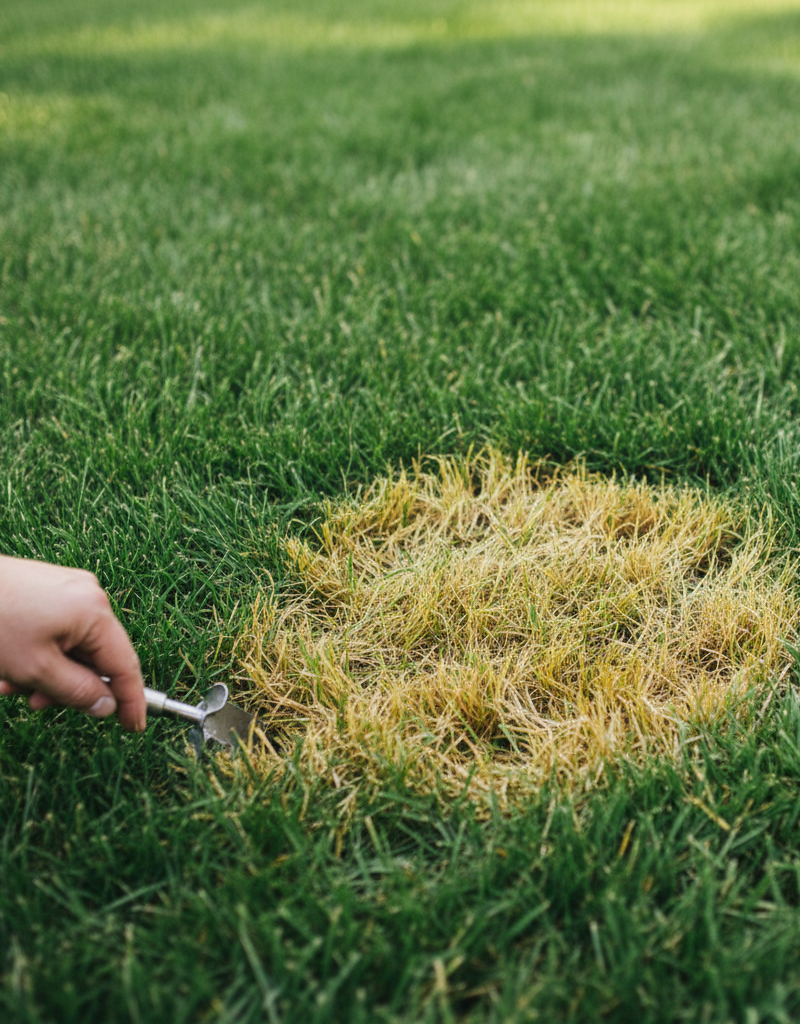
- Tools: Small trowel or screwdriver to check soil moisture.
- Perform a Tuna Can Test — Measure how much water your sprinklers deliver.
- Place several empty tuna cans or straight-sided containers randomly across your lawn. Run your sprinklers for 20 minutes. Measure the water collected in each can.
- Goal: Aim for about 1 inch of water per watering session. If your sprinklers deliver significantly less, adjust your watering time accordingly. If it's much more, shorten the duration.
- Water Deeply and Infrequently — Encourage deep root growth.
- Instead of short, daily sprinkles, water for longer periods (e.g., 30-45 minutes) two to three times a week. This encourages roots to grow deeper, making the grass more drought-tolerant.
- Safety: Always water in the early morning (between 4 AM and 9 AM) to minimize evaporation and allow grass blades to dry before nightfall, reducing fungal disease risk.
- Check for Soil Compaction — Ensure water can penetrate the soil surface.
- If water pools on the surface quickly, your soil might be compacted, preventing water from reaching roots. Use a garden fork or aerator to poke holes in the lawn, especially in high-traffic areas.
- If this doesn't work: Consider core aeration for severe compaction, which can be rented or hired out.
- Evaluate Mowing Height — Mow higher to support healthier grass.
- Cutting grass too short stresses the plant, reduces its ability to photosynthesize, and exposes the soil to more sun, leading to faster evaporation. Raise your mower deck to cut grass at 2.5 to 3 inches, or even 3.5 inches for fescue and rye during summer.
- Tools: Tape measure to confirm mowing height.
- Consider a Soil Test — Identify nutrient deficiencies beyond watering issues.
- If proper watering and mowing don't resolve the yellowing after a couple of weeks, a soil test can reveal specific nutrient deficiencies (like nitrogen or iron) or pH imbalances. Kits are available at garden centers or through local university extension offices, typically costing $15-$30.
- If this doesn't work: Apply a slow-release, balanced fertilizer as recommended by the soil test results.
- Inspect for Pests or Diseases — Look for signs beyond yellowing.
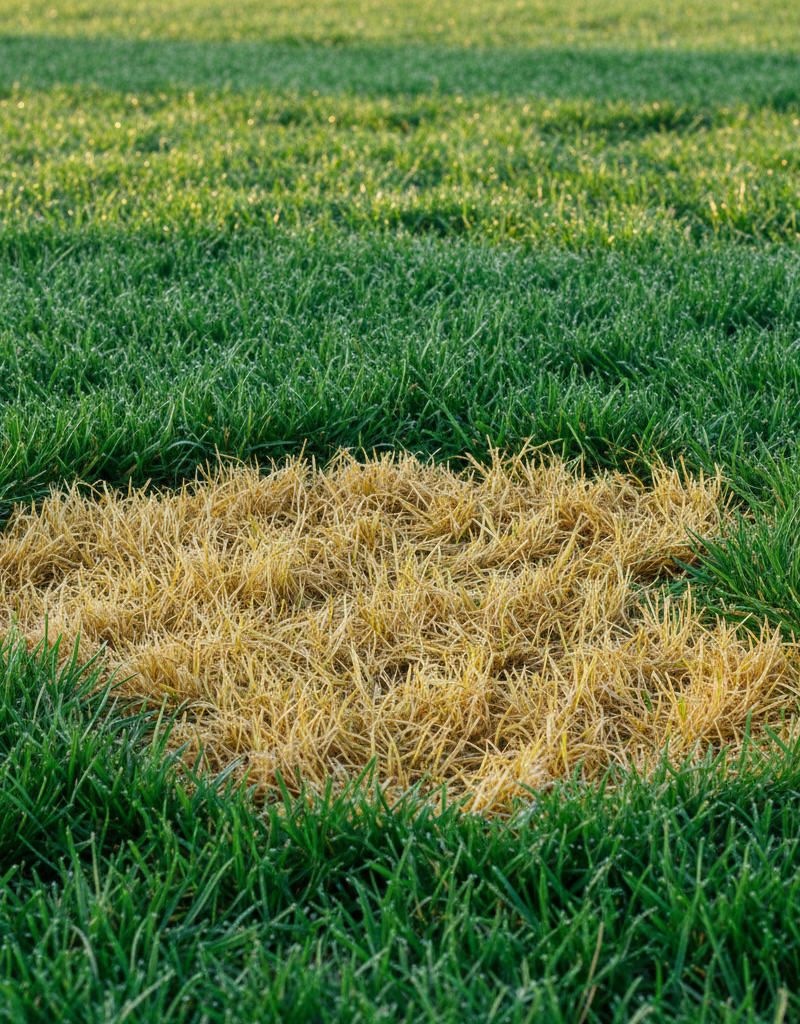
- While less common than watering issues, inspect your lawn closely for insect damage (chewed blades, tunnels, specific bug sightings) or fungal diseases (distinct spots, patches, web-like growth). Research common summer lawn pests and diseases in your region.
- If this doesn't work: Consult a local nursery or extension office with a sample of your affected grass for precise diagnosis and treatment recommendations.
Common Causes
- Insufficient Watering: The most frequent culprit. Shallow watering encourages shallow roots, making grass highly susceptible to drought stress.
- Overwatering: Leads to oxygen deprivation in roots, nutrient leaching, and promotes fungal diseases.
- Nutrient Deficiencies: Particularly nitrogen, which is vital for chlorophyll production. Iron deficiency can also cause yellowing, especially in alkaline soils.
- Soil Compaction: Prevents water and nutrients from reaching the roots, effectively mimicking drought conditions even if water is applied.
- Mowing Too Short: Stresses the grass, weakens root systems, and increases water loss.
- Heat Stress: While proper watering helps, extreme, prolonged heat can cause some grass types to go dormant and temporarily yellow.
- Insect Pests: Grub worms, chinch bugs, and sod webworms can damage roots or chew blades, leading to yellow patches.
- Fungal Diseases: Brown patch, dollar spot, and rust can cause yellowing in specific patterns, often exacerbated by improper watering.
Common Mistakes
- Watering in the Midday Sun: Much of the water evaporates before it can reach the roots, leading to wasted water and inefficient hydration.
- Short, Frequent Sprinkles: This encourages shallow root growth, making your lawn less resilient to dry spells and more dependent on constant watering.
- Assuming All Yellowing is Disease: Jumping to costly chemical treatments without first ruling out simple watering or cultural practice issues.
- Not Inspecting Below the Surface: Only looking at the grass blades without checking soil moisture levels several inches down can lead to misdiagnosing the problem.
- Ignoring Mower Blade Sharpness: Dull mower blades tear and fray grass, leading to brown tips and making the grass more susceptible to disease.
Cost & Time Breakdown
| Task | DIY cost | Pro cost | Time |
|---|---|---|---|
| Watering Schedule Adjustment | $0 | $0 | 30 min / week |
| Tuna Can Test | $0–$5 | $0 | 20–30 minutes |
| Mowing Height Adjustment | $0 | $0 | 5 minutes |
| Soil Compaction Alleviation | $0 (fork) | $100–$250 (aeration) | 30 min – 1 hr |
| Soil Test | $15–$30 | $0–$50 (part of service) | 15 minutes (sampling) |
| Applying Fertilizer (DIY) | $30–$60 | $100–$200 | 30 min – 1 hr |
Tips & Prevention
- Monitor Weather Forecasts: Adjust your watering schedule based on predicted rainfall and temperature spikes. Smart irrigation controllers can automate this.
- Deep Hydration is Key: Aim for 1 inch of water per week, delivered in 1-3 sessions, depending on your soil type and grass variety. Clay soils hold water longer; sandy soils drain faster.
- Sharpen Mower Blades Annually: Sharp blades make clean cuts, promoting healthier grass and reducing stress.
- Fertilize Wisely: Use a slow-release nitrogen fertilizer, especially in late spring/early summer, to provide consistent nutrients without overwhelming the grass.
- Leave Grass Clippings: Clippings return valuable nutrients and organic matter to the soil, improving soil health and reducing the need for chemical fertilizers.
- Aerate Annually or Bi-Annually: For compacted soils, core aeration in late spring or early fall can significantly improve water and nutrient penetration.
When to Call a Professional
While most yellowing lawn issues in summer can be resolved with proper watering and cultural practices, there are times when professional help is warranted. If diligently following the watering and mowing adjustments for two to three weeks yields no improvement, or if the yellowing is accompanied by unusual patterns, distinct spots, rapid spread, or visible insect infestations that you cannot identify, it's time to call a professional. A licensed lawn care specialist can accurately diagnose complex soil nutrient imbalances, severe pest problems, or aggressive fungal diseases that require specific treatments. They possess the expertise and specialized tools to perform targeted soil analyses, apply appropriate fungicides or insecticides, and even recommend advanced aeration or overseeding techniques that may be beyond the scope of a typical DIY enthusiast. Ignoring these persistent or worsening symptoms can lead to irreversible damage and much higher replacement costs in the long run.
Related Articles
Keep troubleshooting with these hand-picked guides from FixlyGuide:
- Why Is My Lawn Turning Yellow in Summer? A Homeowner's Guide — Your lawn turning yellow in summer is often a sign of improper watering, a common and fixable issue for homeowners.
- The #1 Summer Lawn Mistake That Guarantees Yellow Grass (It's Not Drought) — Understanding the most common mistake homeowners make with summer lawn care can save your grass from turning yellow and dying.
- The 3 Lawn Mowing Mistakes Killing Your Grass (and How to Fix Them) — Discover the three most common lawn mowing mistakes homeowners make that damage their grass, and learn simple, actionable steps to correct…
- The #1 Mistake Killing Your Lawn's Clover—and the Easy fix That Spares Your Grass — Discover the most common mistake homeowners make when trying to eliminate clover, and learn how to remove it effectively without harming yo…
- The #1 Mistake Homeowners Make When Sprinklers Won't Turn On — Discover the most common oversight when your sprinkler system fails to activate and learn simple troubleshooting steps to restore your irri…
- The #1 Caulk Mistake That Leads to Mold (And How to Fix It Right) — Discover the most common caulk mistake that causes frustrating mold growth around your bathtub and learn the simple, effective way to recau…
Before you start
Check the difficulty, permits, and safety risk — then decide whether to call a pro.
- Is this a safe DIY job?Check permits, tools, and risk before you start the steps below.Open
- Estimate this projectGet a cost range for your scope and ZIP before you call anyone.Open
- Get local estimatesSend one request and compare written estimates from vetted pros.Open
Free, no signup required. Estimates are educational guidance, not a quote or an inspection.
Get the print-ready PDF of this guide
A clean, ad-free, printable version you can keep on your phone or pin to the workshop wall. Free with a FixlyGuide account.
- Print-optimized layout
- Tools, materials & every step included
- Saved to your account
Frequently asked questions
How do you revive a yellow lawn in summer?+
To revive a yellow lawn in summer, first assess your watering habits. Water deeply and infrequently (1 inch per week in 1-3 sessions) and always in the early morning. Raise your mower blade to 2.5-3 inches. If yellowing persists, consider a soil test for nutrient deficiencies or check for signs of pests/diseases.
Can yellow grass turn green again?+
Yes, in most cases, yellow grass can turn green again once the underlying issue is addressed. If the yellowing is due to improper watering, nutrient deficiency, or mild stress, correcting these problems will allow the grass to recover and regain its green color. Severely damaged or dead grass may require reseeding.
Is yellow grass overwatered or underwatered?+
Yellow grass can be a symptom of both overwatering and underwatering. Overwatered grass often feels squishy, may have fungal growth, and the soil stays perpetually wet. Underwatered grass will feel dry, curled, and footprints will remain visible. Check your soil moisture several inches deep to determine the cause.
Discussion
Loading comments…