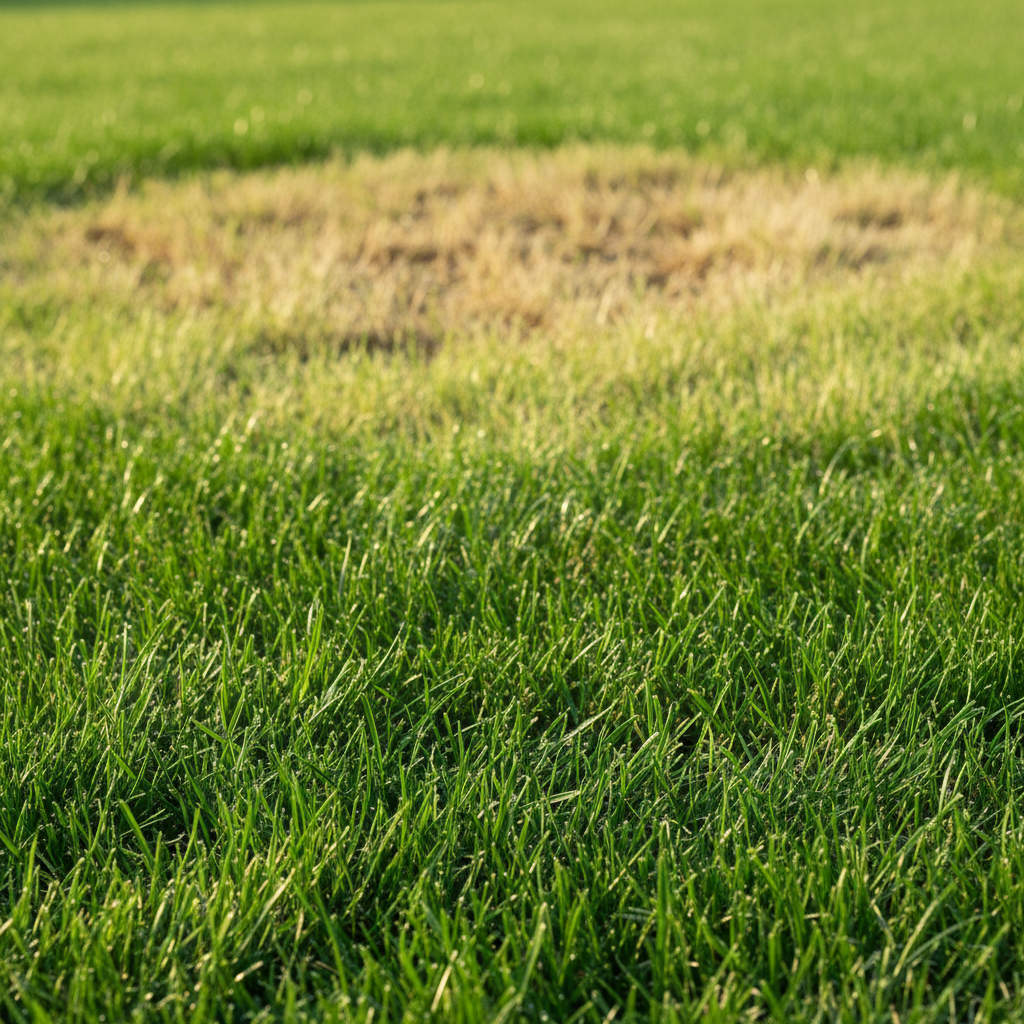
- Improper Watering: The most frequent cause. Frequent, shallow watering encourages weak, shallow roots that quickly dehydrate in summer heat.
- Nutrient Deficiencies: A lack of essential nutrients, especially nitrogen, can lead to widespread yellowing. Iron deficiency also causes yellowing, often with green veins.
- Compacted Soil: Prevents water, air, and nutrients from reaching grass roots, essentially suffocating them.
- Thatch Buildup: A thick layer of thatch acts as a barrier, preventing water and nutrients from reaching the soil.
- Lawn Pests: Grubs (larvae of beetles) feed on grass roots, while chinch bugs suck sap from grass blades, both leading to yellowing and eventual browning.
Landscaping · Deck or fence project
| Project category | Landscaping |
|---|---|
| Problem type | Deck or fence project |
| Trade required | Landscaping |
| Urgency | Planned project |
| Safety risk | Moderate safety risk |
| DIY suitability | DIY for experienced homeowners |
| Cost category | High cost |
| Typical timeline | Most builds 3–10 days depending on size |
| Contractor type | Landscaping contractor |
Repair option
Replace failed boards, posts, and hardware; reseal the surface.
Replacement option
Rebuild when framing or the ledger connection is unsafe.
Common causes
- Rot at posts and ledger
- Storm damage
- Adding outdoor living space
Relevant tools:home improvement material pricesproject cost estimator
Published July 19, 2026Last updated August 17, 2026
Tools & materials you'll need
Affiliate links- AmazonScrewdriver or Soil Probe1 · For checking soil moisture
- AmazonGarden Hose with Sprinkler1
- AmazonStraight-Sided Can (e.g., Tuna Can)1-2 · To measure sprinkler output
- AmazonGarden Rake or Dethatching Rake1
- AmazonCore Aerator (rental)1 · Optional, for compacted soil
- AmazonGloves1 pair · For handling fertilizer
- AmazonMower1 · With sharp blades
- AmazonSlow-Release Summer Lawn Fertilizer1 bag
As an Amazon Associate FixlyGuide earns from qualifying purchases — at no extra cost to you. Prices and availability are accurate as of publication and subject to change.
Quick Answer
Your lush green lawn transforming into a sickly yellow in the summer is most often a direct result of improper watering practices, not necessarily a lack of water itself. Many homeowners make the mistake of frequent, shallow watering, which encourages weak, shallow roots that can't access deeper moisture reserves. This leaves your grass highly vulnerable to the summer heat and quickly leads to dehydration and yellowing.
The Problem
Summer’s scorching temperatures and relentless sun are notorious for turning vibrant green lawns into an unwelcome shade of yellow. While it’s easy to assume your lawn simply isn’t getting enough water, the truth is often more nuanced. The most common culprit isn't total drought, but rather a watering regimen that starves the grassroots of the deep, sustained hydration they need to thrive. Beyond water, other factors like nutrient deficiencies, compacted soil, pests, and diseases can also contribute, but improper watering is the dominant force behind widespread summer yellowing.
How It Works
Grass plants, like all living organisms, require water to perform photosynthesis, transport nutrients, and maintain cell turgor – the internal pressure that keeps blades upright and rigid. When a lawn is watered frequently but only for short durations, the water penetrates only the top inch or two of the soil. This forces the grass roots to stay near the surface to access this readily available moisture.
Healthy grass, however, develops deep root systems, sometimes extending six inches or more into the soil. These deep roots are crucial because they allow the plant to draw water and nutrients from a larger volume of soil, making the grass more resilient during dry spells and between watering cycles. When roots remain shallow due to improper watering, the top layer of soil dries out quickly under summer sun, and the shallow roots can't reach the deeper, cooler, and wetter soil. This leads to rapid dehydration, and the grass blades, unable to function properly, begin to lose their chlorophyll – the green pigment – resulting in a yellow appearance.
Beyond water, grass also requires a balanced supply of macronutrients like nitrogen (for green growth), phosphorus (for root development), and potassium (for overall plant health and stress resistance), as well as micronutrients. If the soil is compacted, water and nutrients struggle to reach the root zone, exacerbating the problem. Similarly, certain fungal diseases thrive in specific moisture conditions, and insect pests can damage roots or blades, hindering the plant’s ability to absorb water and nutrients.
Step-by-Step Fix
1. Assess Your Soil Moisture — Understanding present conditions.
Before you do anything, check how wet your soil actually is. Stick a screwdriver or a soil probe into the lawn. If it penetrates easily to 6-8 inches, your soil likely has sufficient moisture. If it’s hard to push past 2-3 inches, your lawn is definitely dry and needs deep watering.
- Tool Tip: A simple screwdriver works surprisingly well for this initial check.
- If this doesn't work: If the ground is rock hard, consider aerating before deep watering to allow water penetration.
2. Implement Deep, Infrequent Watering — Training your lawn for resilience.
The goal is to water less often, but for longer durations. This encourages roots to grow deeper in search of moisture. Most lawns need about 1 inch of water per week, applied in one or two sessions, not daily. To determine how long your sprinkler needs to run to deliver an inch, place a straight-sided can (like a tuna can) in your sprinkler's path and time how long it takes to collect one inch of water.
- Safety Note: Always be aware of slippery surfaces when watering. Avoid overwatering areas near your home's foundation to prevent water intrusion.
- If your lawn is sloped: Split the watering into two shorter sessions with an hour in between to allow water to soak in and prevent runoff.
3. Check for Thatch Buildup — Allowing water and air to reach roots.
Thatch is a layer of dead and living organic matter that accumulates between the green grass blades and the soil surface. A thick layer (over 1/2 inch) can prevent water, air, and nutrients from reaching the soil and roots. Use a rake to pull back a small section of grass and measure the thatch layer.
- Tool Tip: A dethatching rake is ideal, but a sturdy garden rake can give you a good estimate.
- If thatch is excessive: Consider renting a power dethatcher or hiring a professional for severe thatch issues.
4. Aerate Compacted Soil — Improving root access to resources.
Compacted soil is a major barrier to root growth, water penetration, and nutrient absorption. If your soil is hard like concrete, aeration is crucial. You can rent a core aerator that pulls out small plugs of soil, creating channels for air and water.
- Tool Tip: A core aerator is essential for effective deep aeration. Spike aerators are less effective, as they can cause further compaction.
- Timing: Aerate in late spring or early fall when the grass is actively growing and can recover quickly.
5. Fertilize with a Balanced Summer Blend — Providing essential nutrients.
Once watering and soil issues are addressed, a lack of specific nutrients, particularly nitrogen, can still cause yellowing. Use a slow-release granular fertilizer formulated for summer lawns. Look for an NPK ratio with a slightly higher first number (Nitrogen) but still balanced for overall health. Apply according to package directions, typically at a rate of 0.5 to 1 pound of nitrogen per 1,000 square feet.
- Safety Note: Always wear gloves and eye protection when handling fertilizers. Water the lawn thoroughly immediately after application to prevent fertilizer burn to the grass.
- If you suspect specific deficiency: A soil test can provide precise recommendations for nutrient application.
6. Inspect for Pests and Diseases — Identifying biological threats.
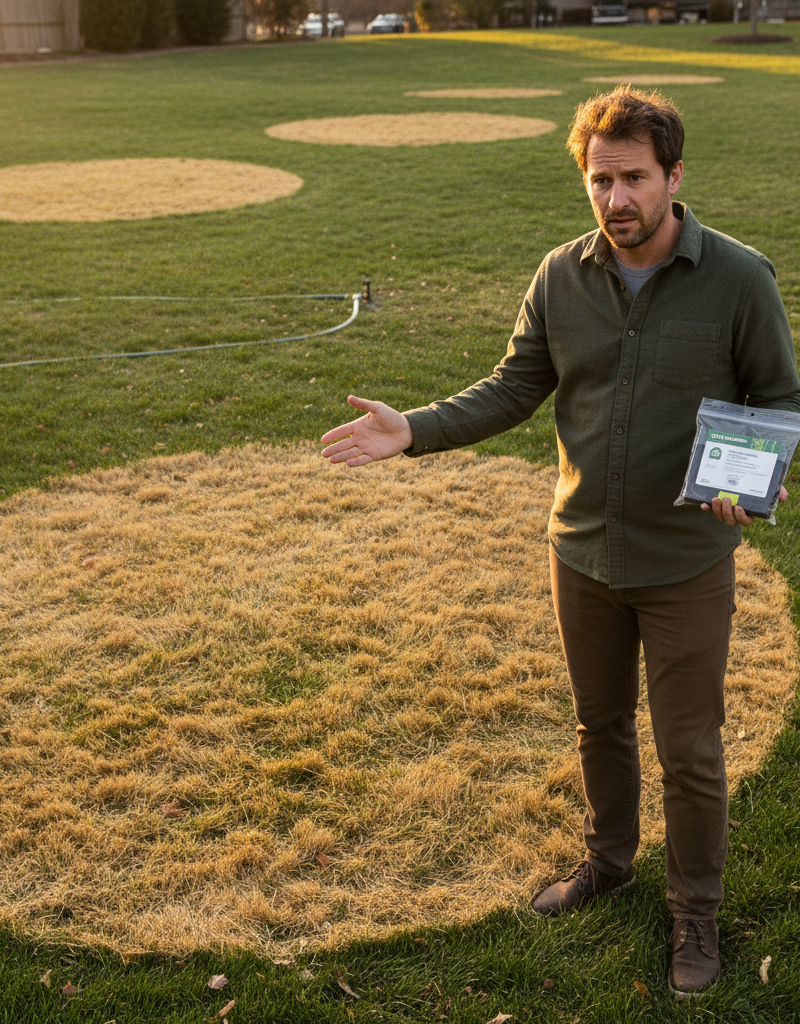
Fungal diseases (like brown patch or dollar spot) or insect pests (like grubs or chinch bugs) can cause irregular yellowing patches. Look for distinct patterns, spots on blades, or examine the soil for grubs. Brown patch often appears as circular areas of thinned, yellowed grass.
- When to Call a Professional: If you notice large, rapidly expanding patches, or observe visible insects or fungal growths, it's wise to consult a lawn care professional for accurate diagnosis and targeted treatment.
7. Adjust Mowing Practices — Minimizing stress on vulnerable grass.
During hot summer months, raise your mower blade to its highest setting (typically 2.5-3.5 inches for most cool-season grasses, even higher for warm-season). Taller grass shades the soil, reduces water evaporation, and encourages deeper root growth. Never remove more than one-third of the blade length in a single mowing session.
- Tool Tip: Ensure your mower blades are sharp. Dull blades tear the grass, making it more susceptible to disease and stress.
- If your lawn is already stressed: Consider reducing mowing frequency during extreme heat waves.
Common Causes
- Improper Watering: The most frequent cause. Frequent, shallow watering encourages weak, shallow roots that quickly dehydrate in summer heat.
- Nutrient Deficiencies: A lack of essential nutrients, especially nitrogen, can lead to widespread yellowing. Iron deficiency also causes yellowing, often with green veins.
- Compacted Soil: Prevents water, air, and nutrients from reaching grass roots, essentially suffocating them.
- Thatch Buildup: A thick layer of thatch acts as a barrier, preventing water and nutrients from reaching the soil.
- Lawn Pests: Grubs (larvae of beetles) feed on grass roots, while chinch bugs suck sap from grass blades, both leading to yellowing and eventual browning.
- Fungal Diseases: Brown patch, dollar spot, and other fungal infections can cause yellow or brown patches, often triggered by specific moisture and temperature conditions.
- Heat Stress: Even with proper watering, extreme, prolonged heat waves can stress grass, leading to temporary yellowing or dormancy.
- Chemical Burn: Over-application of fertilizers, herbicides, or pesticides can burn the grass, resulting in yellow or brown patches.
Common Mistakes
- Watering Too Often for Short Durations: This is the cardinal sin of summer lawn care. It trains roots to stay shallow, making them highly vulnerable to drought. Instead, water deeply and less frequently.
- Ignoring Soil Compaction: Compaction is a silent killer, slowly suffocating roots and preventing proper water absorption. Regular aeration, especially in high-traffic areas, is crucial.
- Fertilizing with High Nitrogen During Peak Summer: While nitrogen greens up the lawn, too much during extreme heat can encourage top growth at the expense of root development or even burn the grass. Opt for balanced, slow-release formulas if you must fertilize.
- Mowing Too Short: Scalping the lawn removes too much of the photosynthetic surface and stresses the grass, especially in summer. Keep your mower deck high.
- Not Calibrating Sprinklers: Guessing how much water your lawn receives leads to either underwatering or overwatering. Use a rain gauge or tuna cans to accurately measure sprinkler output.
- Waiting Until the Lawn is Severely Yellowed: Addressing issues early is always easier. Learn to recognize the subtle signs of stress, such as a duller green color or footprints remaining visible for longer, before severe yellowing occurs.
Cost & Time Breakdown
| Task | DIY Cost | Pro Cost | Time |
|---|---|---|---|
| Soil Moisture Check | $0 | N/A | 5–10 minutes |
| Adjust Watering System | $0–$30 | N/A | 15–30 minutes |
| Thatch Removal (Rake) | $0–$40 | $100–$300 (power) | 1–3 hours |
| Core Aeration (Rental) | $80–$150 (rental) | $150–$400 (service) | 2–4 hours |
| Fertilizer Application | $20–$60 | $50–$150 (per application) | 15–30 minutes |
| Pest/Disease Inspection | $0 | $75–$150 (diagnosis) | 10–20 minutes |
Tips & Prevention
- Water Early in the Morning: This minimizes evaporation and allows the grass blades to dry before nightfall, reducing the risk of fungal diseases.
- Observe Your Lawn Closely: Look for signs of stress: a grayish-green color, footprints that remain visible long after walking, or curled leaf blades, which all indicate dehydration before severe yellowing.
- Perform a Soil Test Annually or Biennially: This provides valuable information on your soil's pH and nutrient levels, allowing you to fertilize precisely rather than guessing.
- Maintain Sharp Mower Blades: Sharp blades make clean cuts, which are healthier for the grass and reduce stress compared to dull, tearing blades.
- Consider Drought-Tolerant Grasses: If you consistently struggle with summer yellowing, explore overseeding with or transitioning to grass varieties better suited to your local climate and water availability.
- Leave Grass Clippings on the Lawn: Unless clumping excessively, grass clippings return valuable nutrients and organic matter to the soil, acting as a natural fertilizer.
When to Call a Professional
While many yellow lawn issues can be tackled by a diligent homeowner, certain situations warrant calling a licensed lawn care professional. If you suspect a widespread or rapidly spreading fungal disease that you can't identify, or if you're battling a severe insect infestation like grubs that are causing significant damage despite your efforts, a pro can provide precise diagnosis and targeted treatments. Additionally, if your lawn is suffering from extreme compaction that a homeowner-grade aerator can't resolve, or if you're simply overwhelmed by the complexity of the problem and lack the time or equipment, a professional can offer comprehensive solutions and ongoing maintenance plans to restore your lawn's health and vibrancy. They often have access to stronger, commercial-grade products and equipment not available to the average homeowner.
Related Articles
Keep troubleshooting with these hand-picked guides from FixlyGuide:
- The #1 Summer Lawn Mistake Turning Your Grass Yellow (It's Not Overwatering) — Discover the most common, often overlooked reason your summer lawn is turning yellow despite your best efforts, and learn how to fix it.
- The #1 Mistake Killing Your Tree's Leaves (It's Not Pests) — Discover why your tree's leaves are turning brown and how to reliably diagnose and solve the most common causes of tree leaf discoloration.
- The #1 Mowing Mistake That Leaves Your Lawn Brown and Patchy — Discover the most common mowing mistake homeowners make that leads to unhealthy, patchy grass and how to fix it for a vibrant lawn.
- Why Are Your Tree's Leaves Turning Brown? 5 Hidden Culprits You Might Be Missing — Brown leaves on your tree can signal anything from simple thirst to a serious disease, but pinpointing the exact cause is crucial for savin…
- The #1 Mistake Turning Your Healthy Lawn Brown After Watering — Discover the hidden culprit behind brown spots appearing in your lawn immediately after watering and learn how to correct this common mista…
- The Secret to Lush Raised Beds? It's Not Just About How You Water — Smart irrigation for raised garden beds isn't just about automation; it's about delivering the right amount of water precisely when your pl…
What should this project cost?
Enter your project details for a realistic cost range before you call anyone.
Cost depends heavily on which system turns out to be the source.
- Regional adjustment
- National average
- Labor share (typical)
- ~$1,620
- Quotes to collect
- 3 written estimates
Educational estimate based on national averages — not a binding quote. Always confirm with written local estimates.
Frequently asked questions
How do you revive a yellow lawn in summer?+
To revive a yellow lawn in summer, first check your soil moisture and adjust your watering to be deep and infrequent. Aerate compacted areas, remove excess thatch, and consider a balanced, slow-release summer fertilizer. Also, raise your mower blade height to reduce stress on the grass.
How often should I water my lawn in summer to prevent yellowing?+
In summer, aim to water your lawn deeply to deliver about 1 inch of water per week in one or two sessions, rather than daily. This encourages deep root growth and makes your lawn more resilient to heat and drought.
Can overwatering make my lawn turn yellow?+
Yes, overwatering can definitely make your lawn turn yellow. Excess water can drown grassroots, leading to oxygen deprivation, and create conditions favorable for fungal diseases, both of which result in yellowing and decline.

Discussion
Loading comments…