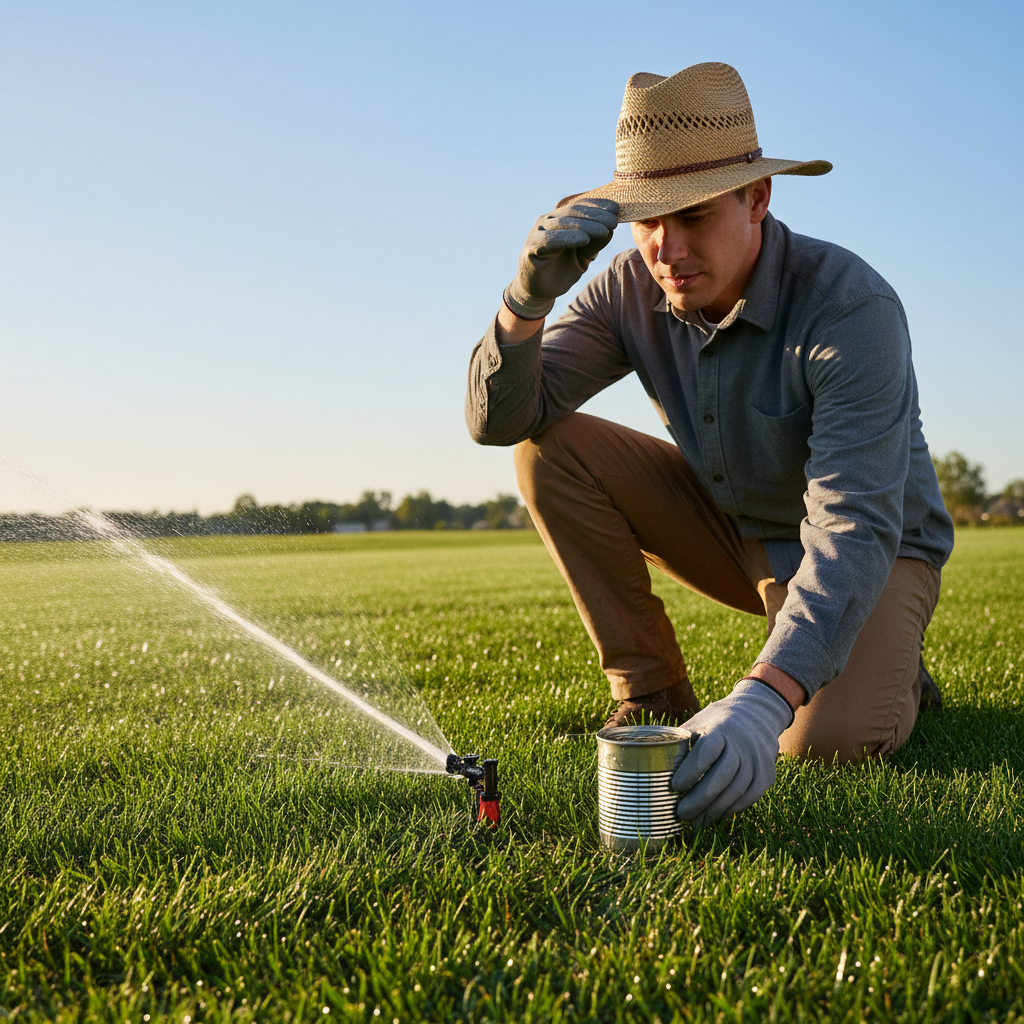
- Determine "An Inch of Water" — You can't fix what you don't measure.
- Grab some empty tuna cans or straight-sided cups. Set them around your lawn within your sprinkler's reach.
- Safety: Never leave sprinklers running unsupervised, especially if you have an older system; leaks can happen. Check regularly.
Landscaping · Deck or fence project
| Project category | Landscaping |
|---|---|
| Problem type | Deck or fence project |
| Trade required | Landscaping |
| Urgency | Planned project |
| Safety risk | Moderate safety risk |
| DIY suitability | DIY for experienced homeowners |
| Cost category | High cost |
| Typical timeline | Most builds 3–10 days depending on size |
| Contractor type | Landscaping contractor |
Repair option
Replace failed boards, posts, and hardware; reseal the surface.
Replacement option
Rebuild when framing or the ledger connection is unsafe.
Common causes
- Rot at posts and ledger
- Storm damage
- Adding outdoor living space
Relevant tools:home improvement material pricesproject cost estimator
Published August 13, 2026Last updated August 17, 2026
Tools & materials you'll need
Affiliate linksNo materials required.
As an Amazon Associate FixlyGuide earns from qualifying purchases — at no extra cost to you. Prices and availability are accurate as of publication and subject to change.
Quick Answer
Listen, folks, the biggest mistake I see homeowners make with their lawns isn't under-watering; it's over-watering or watering too shallow. You're killing your grass with kindness, plain and simple. The sweet spot is usually about an inch of water, once or maybe twice a week, depending on your soil and climate. That gets the roots reaching down for moisture, and that's what makes turf tough as nails and a whole lot more resilient.
The Problem
I've seen this a hundred times: somebody looks at a tired lawn and figures, "Well, it must need more water," so they run the sprinklers every day for 10 or 15 minutes. Sounds reasonable, right? No dice. All that does is keep the top inch or two of soil damp all the time. The roots get lazy — and grass roots are always looking for the easy way out — so they stay shallow, hanging around near the surface, waiting for the next light sprinkle. Then the sun bakes the place for a day or two, those shallow roots dry out, and the lawn falls over faster than a cheap suit.
And that wet surface? That's basically a welcome mat for fungal junk like brown patch and dollar spot. Next thing you know, you've got a patchy, sick-looking yard and a water bill that'll make your eyes water. I had a client in Brookhaven who was sure he had the worst lawn in Georgia. Turned out his "daily dose" was the whole problem. We reset his timer, and within a month his fescue looked better than it had in years.
How It Works
Think of grass roots like a kid learning to ride a bike. If you hold the seat the whole time, that kid never learns balance. Same deal here. You want those roots pushing down into the soil where moisture hangs around longer and temps stay cooler. When you water deeply and not all the time, the topsoil dries out between sessions, and the roots have to go looking for water deeper down. That builds a stronger, drought-tolerant root system. Healthy roots can run 6 to 12 inches down, sometimes more.
Soil type matters a lot. Sandy soil drains fast, so it may need water more often, say every 3-4 days, but still in a deep soak. Clay holds water like a grudge, so it can usually go longer between waterings, maybe once a week or even every 10 days, but you've got to apply it slow or it'll run right off. The goal is for water to get 4 to 6 inches deep each time. I check that with a screwdriver after watering — if it slides in easy to that depth, you're in the ballpark.
And it's not just about roots. It's about the whole plant staying healthy. A well-watered lawn with deep roots can take heat stress, foot traffic, and even pest pressure a lot better. When the surface dries out between waterings, you also cut down the humidity around the blades, which makes life harder for fungal diseases. You're trying to set the lawn up to thrive, not just limp along.
Step-by-Step Fix
Getting your lawn watering right isn't rocket science, but it does take a little watching and a willingness to tweak things. Here's how I tell folks to handle it.
-
Assess Your Soil Type — This is your starting point, don't skip it.
- Grab a handful of slightly damp soil from your lawn. Squeeze it. If it falls apart, it's sandy. If it forms a ball but crumbles when poked, it's loam (the good stuff!). If it forms a sticky ball and holds its shape, it's clay. That tells you how fast your soil drains.
- Note: Sandy soils need more frequent, shorter deep waterings. Clay soils need less frequent, longer, slower deep waterings.
-
Determine "An Inch of Water" — You can't fix what you don't measure.
- Grab some empty tuna cans or straight-sided cups. Set them around your lawn within your sprinkler's reach.
- Turn on your sprinklers and time how long it takes to collect 1 inch of water in the cans. This could be anywhere from 20 minutes to 2 hours, depending on your sprinkler head and water pressure. Write that number down! That's your magic number for one watering session.
- Safety: Never leave sprinklers running unsupervised, especially if you have an older system; leaks can happen. Check regularly.
-
Check for Soil Moisture — Don't just guess, feel it.
- Before watering, stick a screwdriver or a soil probe into your lawn. If it slides in easily 6-8 inches deep, you probably don't need to water yet. If it stops short, it's time.
- Alternatively, look for subtle signs from your grass: it might turn a dull blue-green, or when you walk on it, your footprints stay compressed for a while instead of springing back up.
-
Water Deeply and Infrequently — Break the daily habit.
- Based on your soil type and the "inch of water" timing, aim for watering once or twice a week. Clay soils might be once every 7-10 days, sandy soils every 3-5 days during dry spells.
- Always water until you've applied that full inch. If you notice runoff, break up the watering into two shorter sessions an hour or two apart (e.g., two 30-minute sessions instead of one 60-minute session) to allow for absorption.
-
Water in the Early Morning — Timing is everything.
- The best time to water is between 4 AM and 9 AM. That gives the grass blades time to dry off before nightfall, which cuts the risk of fungal diseases.
- Avoid: Watering in the middle of the day (too much evaporation) or in the evening (leaves stay wet overnight).
-
Adjust for Weather — Your lawn isn't a clock, it's a living thing.
- If it rains significantly (1/2 inch or more), skip your next scheduled watering. If it's scorching hot and windy, you might need to water a little more often, but keep aiming for deep watering.
- Pro Tip: Consider a rain sensor for your irrigation system; they're inexpensive and save water.
-
Watch for Signs of Over or Under Watering — Be a detective.
- Over-watering: Mushy, brown spots; fungal growth; shallow roots; moss or algae on the soil surface.
- Under-watering: Dull, bluish-green color; footprints remain; blades curl or wilt; eventually turns straw-brown.
Common Causes
- Reliance on a Fixed Schedule: Setting your irrigation controller to water daily, no matter the weather or season. Your lawn's needs change.
- Shallow Root Syndrome: Years of frequent, light watering have trained roots to stay near the surface, which leaves the lawn easy to stress.
- Ignoring Soil Type: Treating sandy loam the same as heavy clay. They hold and release water very differently.
- Misunderstanding "Dry": Seeing a dry-looking top layer and hitting it with water right away instead of checking deeper down first.
- Uneven Sprinkler Coverage: Some parts of the lawn get soaked while others barely get a drop, and that leads to patchy health.
Common Mistakes
- Watering Every Day for Short Periods: I've seen this kill more lawns than a summer drought. It keeps the surface wet, encourages shallow roots, and invites disease. Just don't do it.
- Watering in the Evening: Leaving grass blades wet overnight is an express ticket to fungal problems. Mold and mildew love that damp, cool setup.
- Not Adjusting for Rain: Your automatic system doesn't know it poured for two hours yesterday. Get a rain sensor or override it yourself. You'll save water and save your lawn.
- Ignoring the Sprinkler System Itself: Broken heads, clogged nozzles, or misaligned sprinklers mean uneven coverage. You'll end up with dry spots next to swampy spots. Give it a quick check every month or so.
- Using Too Much Fertilizer on an Improperly Watered Lawn: High nitrogen fertilizer on a stressed or shallow-rooted lawn can burn it or make existing problems worse. Get the watering right first, then feed it.
- Not Checking Soil Moisture: Guessing is for amateurs. Use that screwdriver or soil probe. That's the only way to know what's happening under the surface.
Cost & Time Breakdown
| Task | DIY Cost | Pro Cost | Time |
|---|---|---|---|
| Soil Assessment | $0 | $100–$250 | 10 minutes |
| Measure Sprinkler Output | $0–$5 | $150–$300 | 30–60 minutes |
| Adjust Sprinkler Heads/Timer | $0–$20 | $100–$250 | 15–30 minutes |
| Install Rain Sensor | $30–$70 | $100–$200 | 30–60 minutes |
| Ongoing Monitoring | $0 | (N/A) | 5–10 min/week |
| Replace Broken Sprinkler Head | $5–$15 per | $150–$250+ | 15–30 minutes |
Tips & Prevention
- Mow High: Set your mower deck to 3 inches or higher. Taller grass shades the soil, slows evaporation, and pushes roots deeper. It also just looks fuller.
- Leave Grass Clippings: Those fine clippings put nutrients and moisture right back into the soil. Free fertilizer and mulch — hard to beat that.
- Aerate Annually: If your soil's packed down, aerating once a year, especially in spring or fall, helps water and nutrients get where they need to go.
- Drought-Tolerant Varieties: Think about overseeding with grass varieties better suited to your local climate and less fussy about constant watering, like certain fescues or Zoysia.
- Seasonal Adjustments: As the weather cools in fall and winter, your lawn needs a lot less water. Cut back on frequency and duration. In spring, as growth picks up, ease it back up.
- Don't Panic: A healthy lawn can go dormant during extreme heat and drought, turning brown but often bouncing back when conditions improve. Don't try to "water it green" every day.
When to Call a Professional
Look, I'm all for DIY, but there are times when you need to bring in the big guns. If you've followed these steps and your lawn is still fighting disease, showing big browning areas, or you're constantly dealing with standing water or runoff, it might be time for a pro. A certified irrigation specialist can do a real system audit and spot pressure problems, zoning issues, or broken parts that most homeowners won't catch. If your water bill is weirdly high, they can track down hidden leaks. And if you think you've got a nasty fungal infection that won't clear up, a local lawn care company or an arborist may be able to diagnose it and recommend targeted treatments that are beyond what a homeowner should handle. I pulled a water heater in Frisco last month that had exactly this kind of "looks fine until it doesn't" issue — different trade, same lesson. Don't mess around with persistent problems; sometimes paying for an expert opinion saves you money and a whole lot of headaches.
Related Articles
Keep troubleshooting with these hand-picked guides from FixlyGuide:
- The #1 Watering Mistake That Kills Lawns (And How to Fix Yours in 10 Minutes) — Discover the most common watering mistake homeowners make and how to adjust your watering routine for a healthier, more resilient lawn.
- The #1 Watering Mistake Homeowners Make (And How to Fix It in Minutes) — Discover the most common lawn watering mistake homeowners make and how adjusting your technique can lead to a healthier, greener lawn.
- The #1 Lawn Aeration Mistake Most Homeowners Make (And How to Time It Right) — Timing your lawn aeration correctly is crucial for maximizing its benefits and ensuring a healthier, more resilient lawn.
- The #1 Mistake Killing Your Lawn's Fight Against Dandelions (It's Not What You Think) — Stop dandelions from taking over your lawn by understanding the crucial timing and methods that most homeowners overlook, leading to endles…
- The #1 Mistake Homeowners Make Adjusting Sprinkler Heads (And How to Fix It) — Mistakes in adjusting sprinkler spray patterns can lead to uneven watering, brown spots, and wasted water. Learn how to accurately fine-tun…
- The #1 Backsplash Mistake Most DIYers Make (And How to Fix It Before It's Too Late) — Discover the most overlooked mistake in beginner backsplash installations and how to prevent or fix it for a professional-looking finish.
What should this project cost?
Enter your project details for a realistic cost range before you call anyone.
Cost depends heavily on which system turns out to be the source.
- Regional adjustment
- National average
- Labor share (typical)
- ~$1,620
- Quotes to collect
- 3 written estimates
Educational estimate based on national averages — not a binding quote. Always confirm with written local estimates.
Get the print-ready PDF of this guide
A clean, ad-free, printable version you can keep on your phone or pin to the workshop wall. Free with a FixlyGuide account.
- Print-optimized layout
- Tools, materials & every step included
- Saved to your account
Frequently asked questions
How do I know if I'm watering enough?+
The easiest way is to push a screwdriver into the soil after watering. If it penetrates 6-8 inches easily, you're likely watering enough. Also, look for a vibrant green color; dull, bluish-green grass often signals thirst.
What time of day is best to water my lawn?+
Early morning, between 4 AM and 9 AM, is ideal. This minimizes evaporation and allows the grass blades to dry before nightfall, which helps prevent fungal diseases.
How much water does my lawn need per week?+
Most established lawns need about 1 inch of water per week, either from rain or irrigation. This encourages deep root growth and overall turf health.
Can I water my lawn every day?+
I strongly advise against daily watering. It promotes shallow root growth, making your lawn more vulnerable to drought and disease. Aim for deep, infrequent watering instead.
My lawn is turning brown, should I water more?+
Not necessarily. Brown grass can be from under-watering, over-watering, or disease. Check soil moisture first. If the soil is dry 4-6 inches down, then water deeply. If it's soggy, you might be overdoing it.
How can I tell my soil type?+
Grab a handful of slightly damp soil. If it crumbles, it's sandy. If it forms a loose ball, it's loam. If it forms a sticky ball and holds shape, it's clay. This impacts how often you should water.
What if my sprinklers cause runoff?+
If you see water running off before you've applied an inch, your soil can't absorb it fast enough. Break your watering session into two or three shorter cycles, with an hour or so in between to allow for absorption.
Do I need to water my lawn in winter?+
In most cold climates, lawns go dormant and don't need regular watering. In warmer climates, occasional deep watering during dry spells can be beneficial, but significantly less than in summer.

Discussion
Loading comments…