- Inspect Your Watering Habits — The most common misstep
- Assess Frequency: Many homeowners water too frequently for short durations. This encourages shallow root growth, making the grass more susceptible to drought. Instead, aim for deep, infrequent watering.
- Timing: Water early in the morning (4 AM - 9 AM) to minimize evaporation and allow grass blades to dry before nightfall, reducing fungal risk.
- If this doesn't work: Consider a rain sensor for your irrigation system to prevent overwatering during wet periods.
Landscaping · Deck or fence project
| Project category | Landscaping |
|---|---|
| Problem type | Deck or fence project |
| Trade required | Landscaping |
| Urgency | Planned project |
| Safety risk | Moderate safety risk |
| DIY suitability | DIY for experienced homeowners |
| Cost category | High cost |
| Typical timeline | Most builds 3–10 days depending on size |
| Contractor type | Landscaping contractor |
Repair option
Replace failed boards, posts, and hardware; reseal the surface.
Replacement option
Rebuild when framing or the ledger connection is unsafe.
Common causes
- Rot at posts and ledger
- Storm damage
- Adding outdoor living space
Relevant tools:home improvement material pricesproject cost estimator
Published July 10, 2026Last updated August 17, 2026
Tools & materials you'll need
Affiliate linksAs an Amazon Associate FixlyGuide earns from qualifying purchases — at no extra cost to you. Prices and availability are accurate as of publication and subject to change.
Quick Answer
If your lawn is turning yellow in summer, the most common culprit is improper watering—either too little, leading to drought stress, or too much, which can cause nutrient leaching and fungal issues. Other factors include nutrient deficiencies, compacted soil, or pest activity. Addressing these often involves adjusting your irrigation schedule and frequency, aerating the soil, or applying the right fertilizers.
The Problem
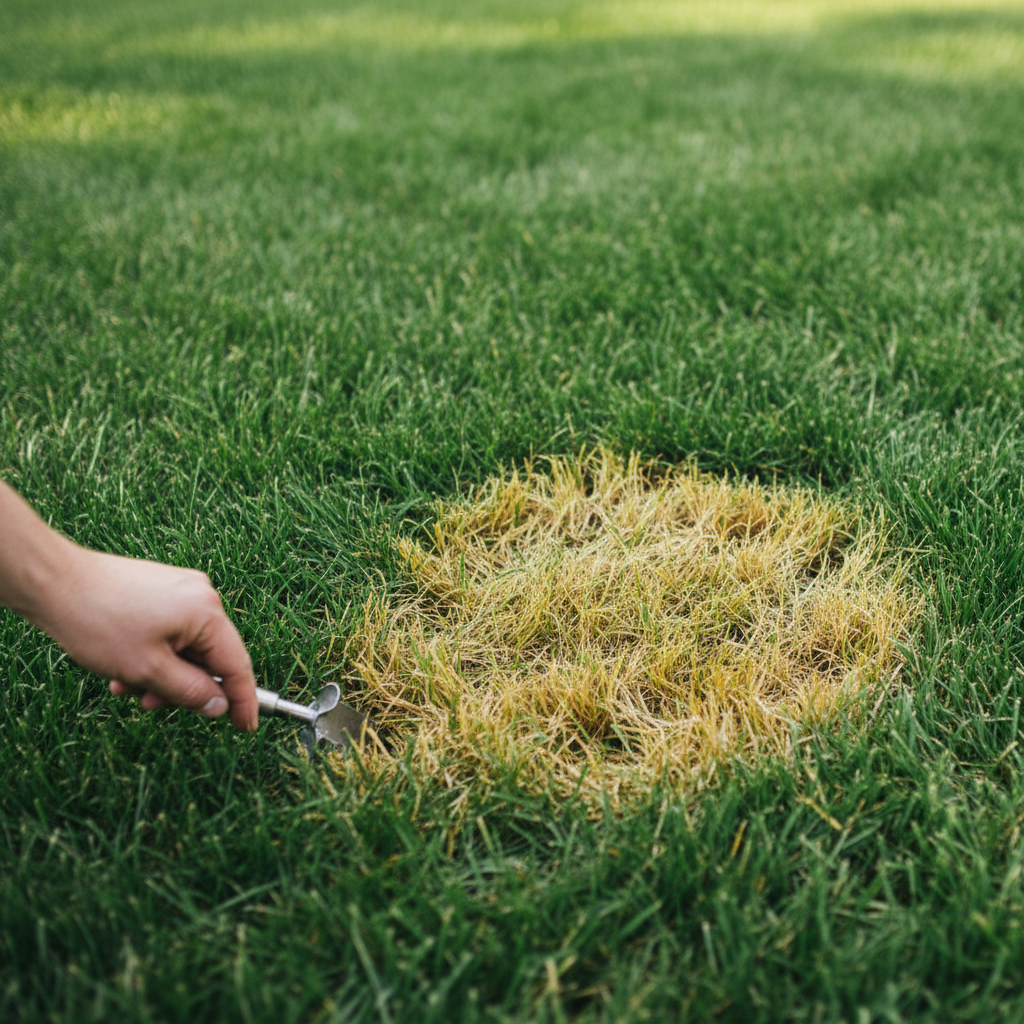
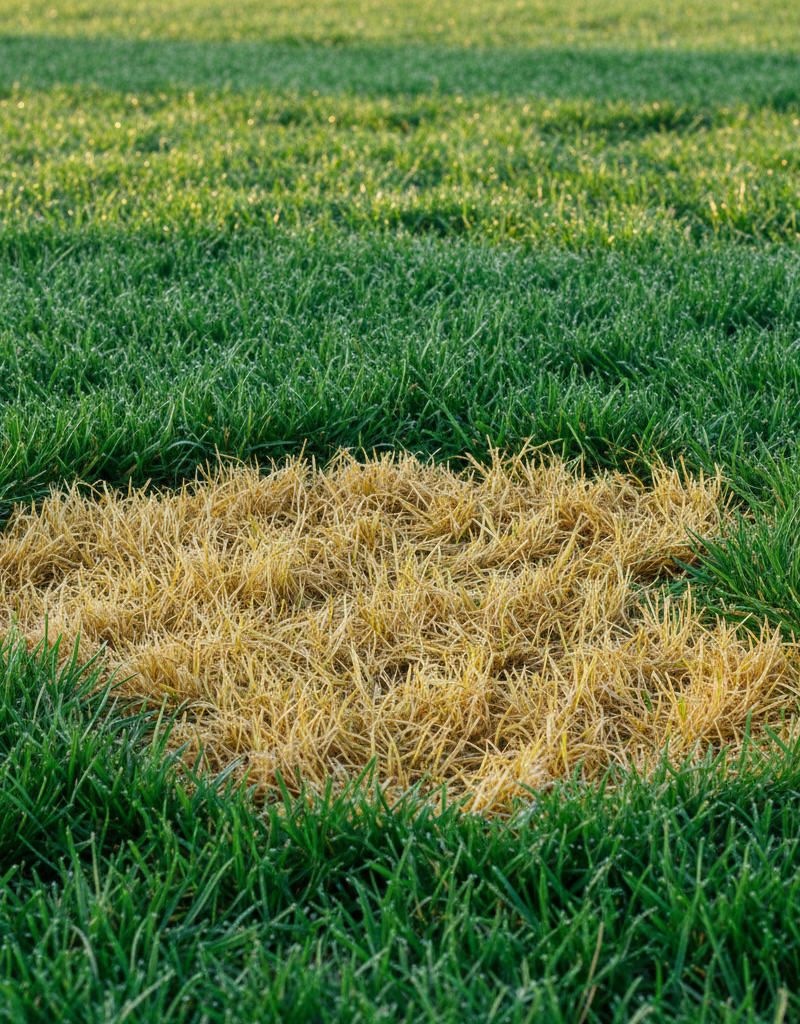
Summer is when lawns should flourish, but many homeowners face the frustrating sight of their once-vibrant green grass fading to an unappealing yellow. This isn't just an aesthetic issue; yellowing grass indicates that your lawn is under stress and not receiving the essential elements it needs to thrive. While many immediately blame scorching summer temperatures, the actual cause often lies deeper, frequently tied to how you water or nourish your lawn. Ignoring yellowing grass can lead to a weakened lawn more susceptible to disease, pests, and eventually, browning and death of the turf. Understanding the precise reason for the discoloration is the first step toward restoring its lush, green appearance and ensuring its long-term health.
How It Works
Healthy grass maintains its green color through a pigment called chlorophyll, which is essential for photosynthesis—the process by which plants convert sunlight into energy. Chlorophyll requires specific nutrients, primarily nitrogen, iron, and magnesium, and a consistent supply of water to function correctly. When any of these elements are deficient or out of balance, chlorophyll production diminishes, leading to yellowing.
Watering: Water is crucial for transporting nutrients from the soil to the grass roots. Under-watering leads to drought stress, causing grass blades to shrivel and turn yellow as they try to conserve moisture. Conversely, over-watering can be just as detrimental. Excess water leaches vital nutrients like nitrogen out of the root zone, making them unavailable to the grass. It also saturates the soil, reducing oxygen availability to the roots, which can lead to root suffocation and create an ideal environment for fungal diseases.
Nutrients: Nitrogen is the most critical nutrient for green growth. A lack of nitrogen is a common cause of uniform yellowing across the lawn. Iron deficiency often results in interveinal chlorosis, where the veins of the grass blade remain green while the tissue between them turns yellow. Magnesium deficiencies can also lead to similar yellowing patterns. Soil pH plays a significant role in nutrient availability; if the pH is too high or too low, even if nutrients are present, the grass roots cannot absorb them effectively.
Soil Compaction & Drainage: Compacted soil restricts root growth and reduces the amount of oxygen and water that can penetrate the soil. This leads to inefficient nutrient uptake and makes the grass more vulnerable to stress. Poor drainage, often a result of compacted soil or a high clay content, keeps the soil overly wet, exacerbating the problems associated with over-watering.
Pests & Disease: Certain insect pests, like chinch bugs or grubs, feed on grass roots or sap, damaging the plant and leading to yellow or brown patches. Fungal diseases, particularly those that thrive in warm, wet conditions, can also cause localized yellowing.
Step-by-Step Fix
Here’s how to diagnose and address the top culprits behind a yellowing summer lawn:
-
Inspect Your Watering Habits — The most common misstep
- Assess Frequency: Many homeowners water too frequently for short durations. This encourages shallow root growth, making the grass more susceptible to drought. Instead, aim for deep, infrequent watering.
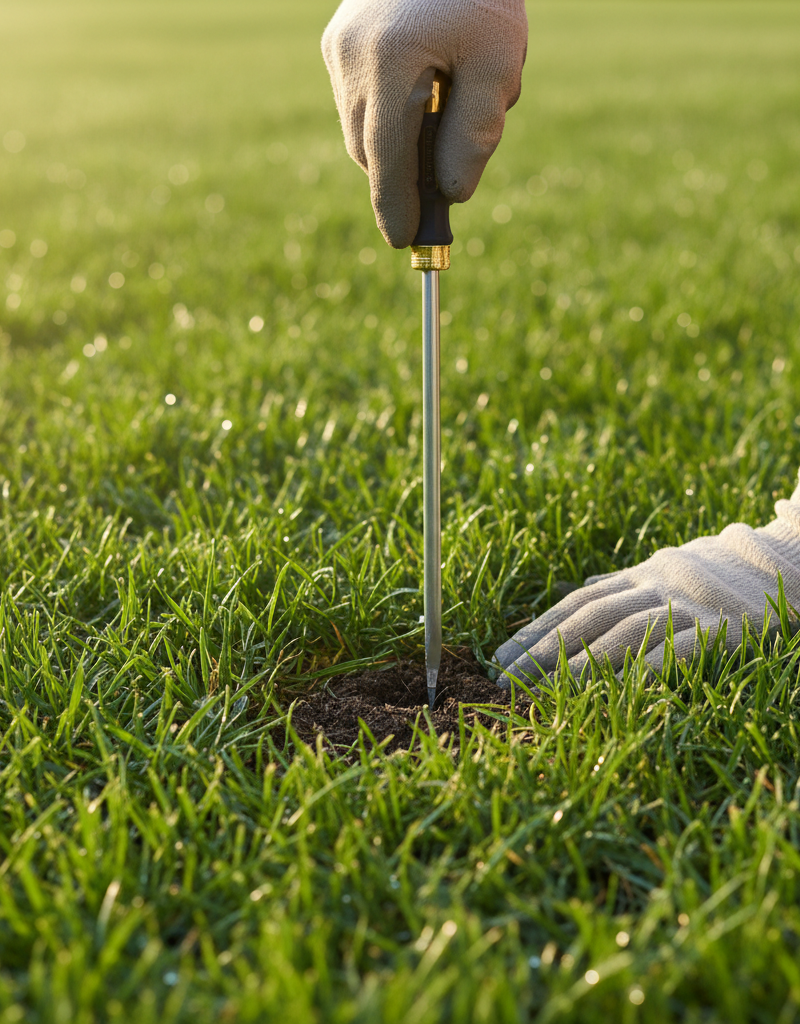
- Check Depth: Stick a screwdriver or probe into the soil after watering. It should penetrate 6-8 inches easily. If not, you need to water longer. A tuna can placed on the lawn can measure how much water your sprinklers are delivering (aim for 1 inch per week, including rainfall).
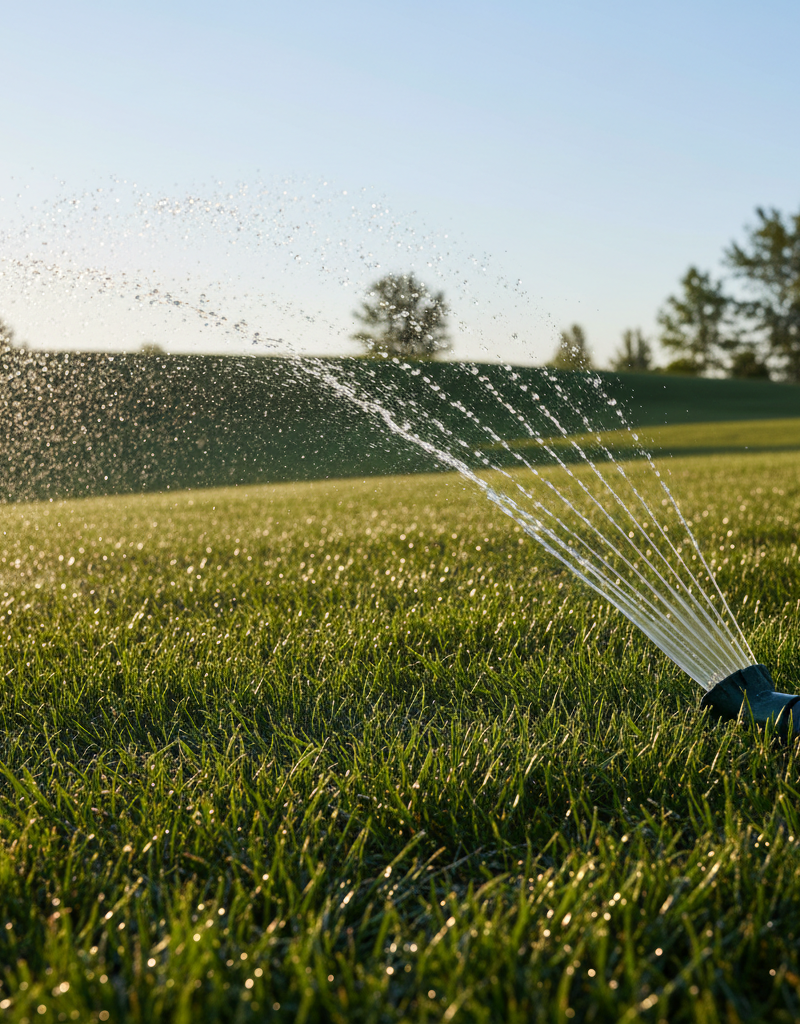
- Timing: Water early in the morning (4 AM - 9 AM) to minimize evaporation and allow grass blades to dry before nightfall, reducing fungal risk.
- If this doesn't work: Consider a rain sensor for your irrigation system to prevent overwatering during wet periods.
-
Perform a Soil Test — Identify nutrient deficiencies and pH imbalances
- Collect Samples: Use a soil test kit (available at garden centers) or send samples to your local university extension office. Collect samples from several areas of your lawn.
- Analyze Results: Pay close attention to nitrogen (N), phosphorus (P), potassium (K), iron, and pH levels. Nitrogen deficiency is common for overall yellowing.
- If this doesn't work: If the test shows adequate nutrients but your lawn is still yellow, consider the possibility of poor nutrient uptake due to compacted soil or root damage.
-
Aerate Compacted Soil — Improve air, water, and nutrient penetration
- Rent an Aerator: For moderate to severe compaction, rent a core aerator from a local equipment rental store. This machine pulls out small plugs of soil, creating channels for air and water.
- Timing: Aerate in late spring or early fall when the grass is actively growing. Water your lawn thoroughly the day before to soften the soil.
- If this doesn't work: For very small areas, you can use a manual core aerator or wear spiked aerator shoes, though these are less effective for widespread compaction.
-
Apply Appropriate Fertilizers — Correct nutrient deficiencies
- Nitrogen-Rich: If your soil test indicates low nitrogen, apply a slow-release granular lawn fertilizer high in nitrogen (e.g., a 20-5-10 or similar ratio). Follow package directions carefully to avoid over-fertilization.
- Iron Supplement: If yellowing is patchy with green veins (iron chlorosis), apply a chelated iron supplement. Liquid iron products often provide quicker results.
- Magnesium: For magnesium deficiency, apply Epsom salts (magnesium sulfate) or a fertilizer containing magnesium.
- Safety Note: Always wear gloves and eye protection when handling fertilizers. Wash hands thoroughly afterward. Store fertilizers safely away from children and pets.
-
Check for Pests or Diseases — Look for specific signs
- Insect Pests: Look for tunnels (grubs), small flying insects (chinch bugs, sod webworms), or irregular dead patches. Dig a small section of turf to look for grubs at the root level. Apply appropriate lawn insecticides if pests are identified, following label instructions.
- Fungal Diseases: Noticeable patterns like yellow rings, irregular patches, or individual blades with lesions can indicate fungal issues. Common summer diseases include brown patch or dollar spot, often exacerbated by overwatering or high humidity. Treat with a targeted fungicide if necessary, but focus on cultural practices (proper watering, air circulation) as the primary defense.
-
Mow at the Correct Height — Support healthier grass blades
- Raise Mower Blades: Mow at the highest recommended height for your grass type (typically 2.5-3 inches for most cool-season grasses, 2-3 inches for warm-season). Taller grass shades the soil, retains moisture, and promotes deeper root growth.
- Sharp Blades: Ensure your mower blades are sharp. Dull blades tear the grass, leading to ragged cuts that turn brown and make the lawn more susceptible to disease and stress.
-
Address Drainage Issues — Prevent waterlogging
- Improve Soil: For small areas, amend heavy clay soils with organic matter like compost to improve drainage.
- Regrade: For significant standing water, consider regrading problematic areas to ensure proper runoff away from the lawn.
- French Drain: In severe cases, a French drain might be necessary, but this is a more involved project.
Common Causes
- Improper Watering: Either too little (drought stress) or too much (nutrient leaching, root suffocation, fungal disease). This is the #1 cause.
- Nutrient Deficiencies: Especially nitrogen, but also iron and magnesium. Often identified through a soil test.
- Compacted Soil: Restricts root growth, water and nutrient penetration, and air circulation.
- High Soil pH: Makes essential nutrients unavailable to grass roots, even if present in the soil.
- Pests: Grubs, chinch bugs, sod webworms feeding on roots or grass blades.
- Fungal Diseases: Thriving in warm, humid, or overly wet conditions, leading to various yellow or brown patch patterns.
- Mowing Too Short/Dull Blades: Stresses the grass and encourages shallow roots.
- Heat Stress: While not the primary cause of yellowing (more often leads to true dormancy and browning), extreme, prolonged heat can exacerbate other issues and contribute to overall lawn decline.
Common Mistakes
- Watering for the Wrong Duration/Frequency: Most DIYers water too often and too lightly, which is detrimental. Aim for deep, infrequent watering.
- Ignoring a Soil Test: Guessing what fertilizer your lawn needs can lead to further imbalances or wasted money. A soil test is inexpensive and crucial.
- Applying Fertilizer at the Wrong Time: Fertilizing during extreme heat can burn the lawn. Always follow product instructions for timing.
- Mowing with Dull Blades: This tears the grass, making it susceptible to disease and giving it a ragged, yellow-brown appearance.
- Blowing Grass Clippings onto Hard Surfaces: Grass clippings are a natural source of nitrogen; leave them on the lawn unless they form thick clumps. Blowing them onto sidewalks is a missed opportunity for natural fertilization and can look messy.
- Overlooking Pest and Disease Signs: Assuming all yellowing is due to watering can lead to untreated infestations or fungal issues that spread and cause more damage.
- Compacting Soil Further: Walking or driving heavy equipment on wet grass, especially after a heavy rain, can worsen compaction.
Cost & Time Breakdown
| Task | DIY Cost | Pro Cost | Time |
|---|---|---|---|
| Soil Test Kit | $15–$30 | N/A | 15 mins (sampling) |
| Slow-Release Nitrogen Fert. | $30–$60 (bag) | Included in service | 30–60 mins |
| Chelated Iron/Magnesium | $20–$40 (bottle) | Included in service | 15–30 mins |
| Core Aerator Rental | $70–$120 (4 hrs) | $150–$300 | 2–4 hours |
| Grub/Insecticide Treatment | $25–$50 (bag) | $75–$150 | 20–40 mins |
| Fungicide Application | $20–$40 (bottle) | $75–$150 | 20–40 mins |
Tips & Prevention
- Deep, Infrequent Watering: Train your lawn to grow deeper roots by watering long enough to soak the soil 6-8 inches deep, but less often. Typically 1 inch of water per week, including rainfall.
- Regular Soil Testing: Test your soil every 2-3 years to monitor nutrient levels and pH, allowing for proactive adjustments.
- Leave Grass Clippings: Unless they are clumping excessively, leave grass clippings on the lawn. They return valuable nitrogen and organic matter to the soil.
- Mow High: Keep your mower blades set to the highest recommended height for your grass type. Taller grass shades the soil, reducing water evaporation, and fosters deeper, healthier roots.
- Annual Aeration (if needed): If your soil is prone to compaction (heavy foot traffic, clay soil), consider annual core aeration to maintain good air and water penetration.
- Sharpen Mower Blades: Sharpen your mower blades at least twice per season, or every 25 hours of use, for a clean cut that helps the grass recover quickly.
- Observe Your Lawn Closely: Walk your lawn regularly. Early detection of yellowing, spots, or insect activity allows for quicker, easier intervention.
When to Call a Professional
While many yellow lawn issues are solvable with DIY methods, certain situations warrant calling a professional. If you've diligently tried adjusting your watering, fertilizing, and aeration, but the yellowing persists or worsens, a lawn care professional or arborist can offer advanced diagnostics. They have access to specialized soil labs, can identify obscure lawn diseases or rare pest infestations, and have commercial-grade equipment for more effective treatments. Call a professional if you suspect a serious fungal outbreak you can't identify, if large patches of your lawn are rapidly declining, or if drainage issues are extensive and require regrading or complex solutions beyond basic DIY. For issues involving large-scale property drainage or significant pest infestations that resist common treatments, a professional's expertise can save your lawn and prevent further damage.
Related Articles
Keep troubleshooting with these hand-picked guides from FixlyGuide:
- The #1 Summer Lawn Mistake Turning Your Grass Yellow (and How to Fix It) — Discover the most common summer lawn mistake that causes yellowing grass and learn the simple steps to revive your lawn.
- The #1 Summer Lawn Mistake Turning Your Grass Yellow (It's Not Overwatering) — Discover the most common, often overlooked reason your summer lawn is turning yellow despite your best efforts, and learn how to fix it.
- Is Your Lawn Ready for Spring? 3 Hidden Mistakes Homeowners Make — Discover the common spring yard preparation mistakes that can undermine your lawn's health and how to avoid them for a vibrant, thriving ya…
- The #1 Mistake Killing Your Summer Lawn (It's Not What You Think) — Uncover the surprising truth behind your yellow summer lawn and learn how to fix the most common, yet overlooked, culprit: overwatering.
- The #1 Mistake Killing Your Summer Lawn (And How to Fix It in a Weekend) — Overwatering is the silent killer behind many yellow summer lawns, often mistaken for drought. Learn how to diagnose and correct drainage i…
- Why Does Only One Room Have Flickering Lights? The Real Culprit Isn't Always the Bulb — Flickering lights in a single room often point to a localized issue, ranging from a loose bulb to a faulty switch or wiring problem.
Should you do this yourself?
Answer five quick questions before you start. Safety outranks savings every time.
Your experience with work like this
How high do you have to work?
Does the job involve any of these?
Will it need a permit?
Specialty tools
Free and instant. Educational guidance only — not a quote, inspection, or professional diagnosis.
What should this project cost?
Enter your project details for a realistic cost range before you call anyone.
Cost depends heavily on which system turns out to be the source.
- Regional adjustment
- National average
- Labor share (typical)
- ~$1,620
- Quotes to collect
- 3 written estimates
Educational estimate based on national averages — not a binding quote. Always confirm with written local estimates.
Before you start
Check the difficulty, permits, and safety risk — then decide whether to call a pro.
- Estimate this projectGet a cost range for your scope and ZIP before you call anyone.Open
- Get local estimatesSend one request and compare written estimates from vetted pros.Open
Free, no signup required. Estimates are educational guidance, not a quote or an inspection.
Get the print-ready PDF of this guide
A clean, ad-free, printable version you can keep on your phone or pin to the workshop wall. Free with a FixlyGuide account.
- Print-optimized layout
- Tools, materials & every step included
- Saved to your account
Frequently asked questions
How often should I water my lawn in the summer?+
In summer, aim to water deeply and infrequently. Most lawns need about 1 inch of water per week, including rainfall. Water in the early morning to allow the grass to dry, promoting deep root growth and reducing disease risk. Adjust based on your specific grass type and local climate conditions.
Can overwatering make my grass turn yellow?+
Yes, overwatering is a common cause of yellowing grass. It leaches essential nutrients like nitrogen from the soil, suffocates roots by reducing oxygen, and creates conditions conducive to fungal diseases, all of which can lead to a yellow appearance.
What nutrient deficiency causes yellow grass?+
The most common nutrient deficiency causing overall yellowing of grass is nitrogen. Iron deficiency can also cause yellowing, often appearing as yellowing between the veins of the grass blades while the veins themselves remain green (interveinal chlorosis).
How can I tell if my lawn needs iron?+
An iron deficiency typically manifests as interveinal chlorosis, where the grass blades turn yellow but the veins remain distinctly green. This is more common in alkaline soils (high pH) where iron becomes less available to the plant, even if present in the soil. A soil test can confirm iron levels.
Should I fertilize a yellow lawn in summer?+
You can fertilize a yellow lawn in summer if a soil test indicates a nutrient deficiency, particularly nitrogen or iron. However, use a slow-release fertilizer and avoid fertilizing during extreme heat, which can stress or burn the lawn. Always water thoroughly after fertilizing.
Discussion
Loading comments…