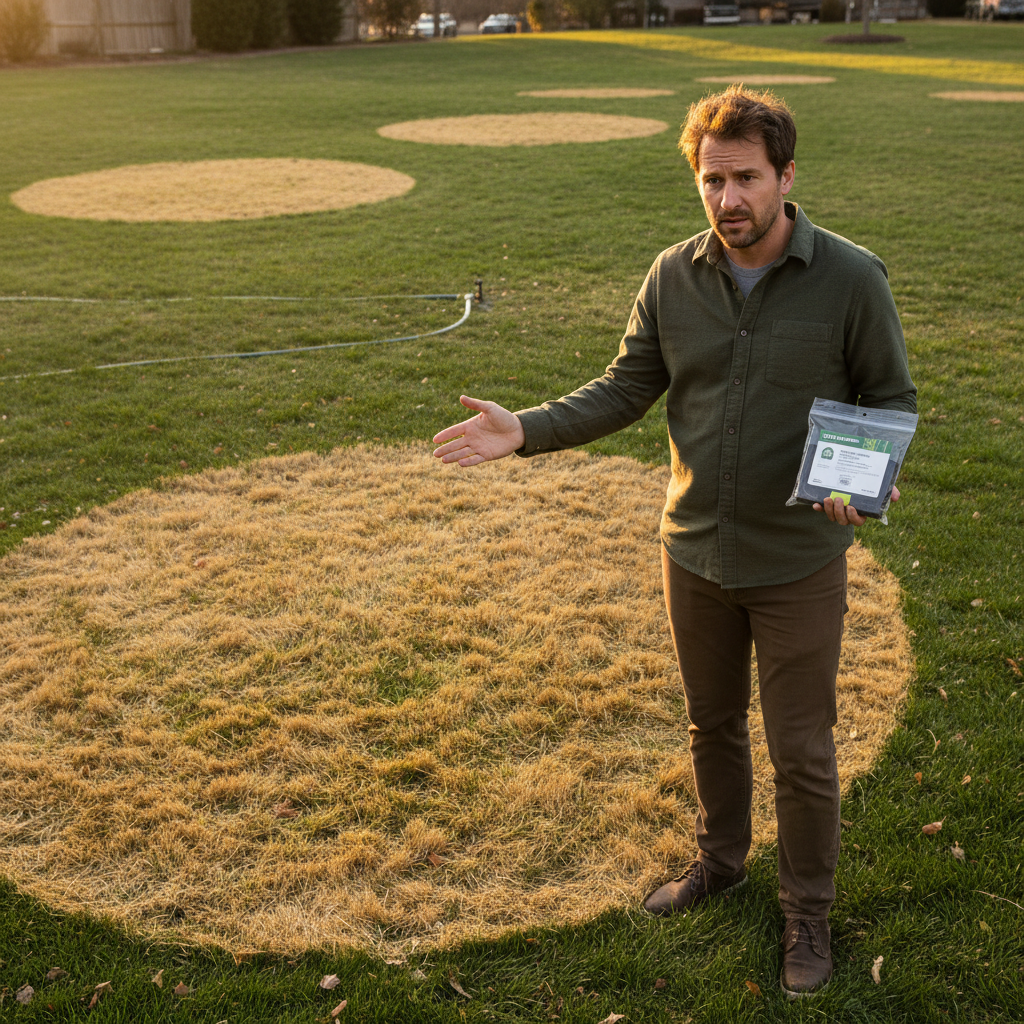
- Test Your Soil — Do this first. Before anything else. It’s the closest thing to a diagnosis.
- Tools: Soil test kit (from a garden center or local extension office), a clean trowel or shovel, plastic bucket.
- Pro Tip: Don’t sample right after fertilizing. Wait a couple of weeks.
Landscaping · Deck or fence project
| Project category | Landscaping |
|---|---|
| Problem type | Deck or fence project |
| Trade required | Landscaping |
| Urgency | Planned project |
| Safety risk | Moderate safety risk |
| DIY suitability | DIY for experienced homeowners |
| Cost category | High cost |
| Typical timeline | Most builds 3–10 days depending on size |
| Contractor type | Landscaping contractor |
Repair option
Replace failed boards, posts, and hardware; reseal the surface.
Replacement option
Rebuild when framing or the ledger connection is unsafe.
Common causes
- Rot at posts and ledger
- Storm damage
- Adding outdoor living space
Relevant tools:home improvement material pricesproject cost estimator
Published August 25, 2026Last updated August 25, 2026
Tools & materials you'll need
Affiliate linksAs an Amazon Associate FixlyGuide earns from qualifying purchases — at no extra cost to you. Prices and availability are accurate as of publication and subject to change.
Quick Answer
If your lawn stays yellow even after you've hit it with fertilizer, you've probably got a soil problem, not a nutrient problem. Grass roots can’t grab the good stuff you’re putting down if the pH’s off, the soil’s packed tighter than a drum, or it’s waterlogged. It’s like trying to eat soup with a broken fork—the food’s right there, but you’re not getting anywhere with it. A quick soil test is your best bet here; it’ll tell you what’s actually keeping that lawn from turning a deep, healthy green.
The Problem
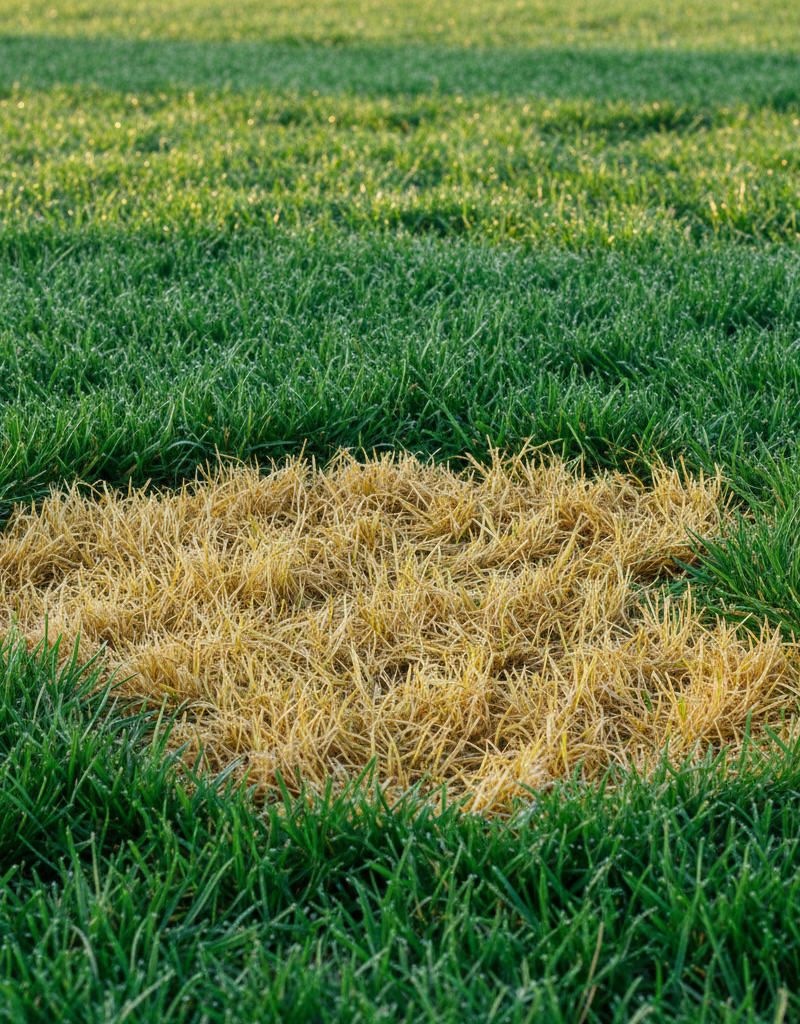
Alright, let’s talk about that sad yellow lawn. You’ve done your part, right? You bought the good fertilizer, spread it out, maybe even watered it in like you meant it. Then a week or two later, the yard still looks like it’s got the blues. Not green. Not vibrant. Just...yellow. And you’re standing there wondering what in the world is going on.
I see this all the time. Folks keep dumping on more fertilizer thinking “more must be better,” and all they do is make a mess of it. Truth is, that yellow tint usually ain’t because there’s not enough food in the ground. It’s because the grass can’t eat what’s already there. You’re dealing with a soil issue that blocks the roots from soaking up the nutrients they need, no matter how much you spread on top. Could be pH that’s out of whack, soil that’s hard as a brick, or drainage that turns the whole yard into a swamp.
How It Works
Think of your lawn as one big hungry plant with roots like tiny straws. For those straws to pull up nutrients—nitrogen, phosphorus, potassium—the dirt has to be working right. A few things have to line up.
First up is pH. That’s just a measure of how acidic or alkaline your soil is, on a scale from 0 to 14. A pH of 7 is neutral. Below that’s acidic. Above that’s alkaline. Most lawn grasses, especially common ones like Kentucky bluegrass or fescue, like things a little acidic to neutral, usually between 6.0 and 7.0. If your pH is too low or too high, the nutrients get locked up in the soil. They’re there, but the roots can’t get to ’em. Locked door. No dice.
Then there’s compaction. Over time, from foot traffic, mowers, or just heavy rain, the soil gets mashed down and the air pockets disappear. Those pockets aren’t fluff—they matter. They help water move, keep microbes happy, and give roots oxygen. When soil gets compacted, roots can’t stretch out like they should. Water runs off or puddles up, and the grass ends up with shallow roots stuck in tight, airless dirt. That’s a rough setup.
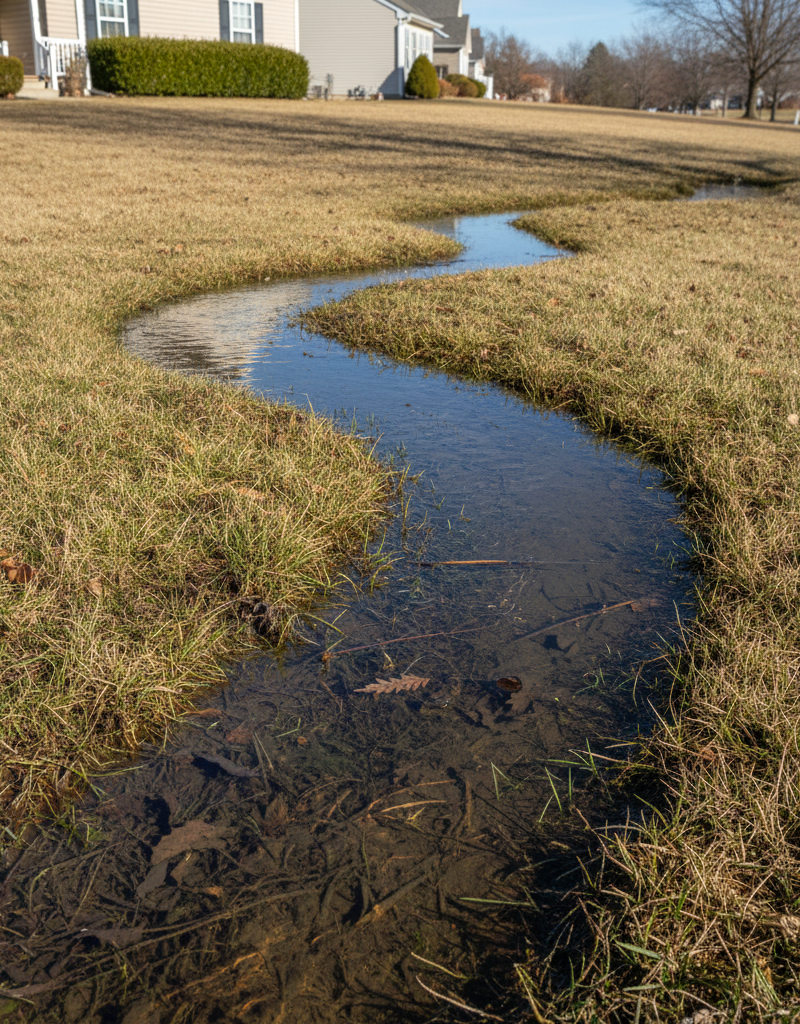
Drainage’s the third leg of the stool. If your lawn holds water like a bathtub after a storm, the roots are basically drowning. Roots need oxygen to do their job. Without it, they shut down, die back, and there you are with yellow grass wondering why the fertilizer didn’t save the day. I pulled a water heater in Frisco last month that had exactly this leak—wrong problem, wrong fix, same story. You can keep pouring in the good stuff, but if the foundation’s off, it won’t matter.
All three of those—pH, compaction, and drainage—feed off each other. Mess up one, and the whole system starts slipping. That’s how you end up wasting time and money on fertilizer that never had a chance.
Step-by-Step Fix
Don’t throw in the towel yet. We’re gonna figure this out and get that lawn looking decent again.
-
Test Your Soil — Do this first. Before anything else. It’s the closest thing to a diagnosis.
- Tools: Soil test kit (from a garden center or local extension office), a clean trowel or shovel, plastic bucket.
- How-to: Pull 5-10 small samples from different spots in the yellow lawn, about 4-6 inches deep. Mix ’em up in a clean bucket, then follow the directions on your test kit. If you send it off for a lab test, you’ll get a full report on pH, nutrient levels, and what to do next. DIY kits are usually a color match.
- Pro Tip: Don’t sample right after fertilizing. Wait a couple of weeks.
-
Adjust Soil pH (If Needed) — Your soil test will tell you if the pH’s out of line. Most lawns like 6.0-7.0.
- Low pH (Acidic): You’ll need agricultural lime. Calcitic lime works faster; dolomitic lime adds magnesium too. Apply it based on your soil test, usually 20-50 pounds per 1,000 square feet, but never go past what the test calls for. Use a broadcast spreader and get it down even.
- High pH (Alkaline): You’ll need elemental sulfur. That lowers the pH. Follow the test results closely. Too much sulfur can burn the lawn. Typical rates are 5-10 pounds per 1,000 square feet. It works slower than lime—sometimes it takes months.
- Safety: Wear gloves and a mask when handling it. Don’t put it down right before or after heavy rain.
-
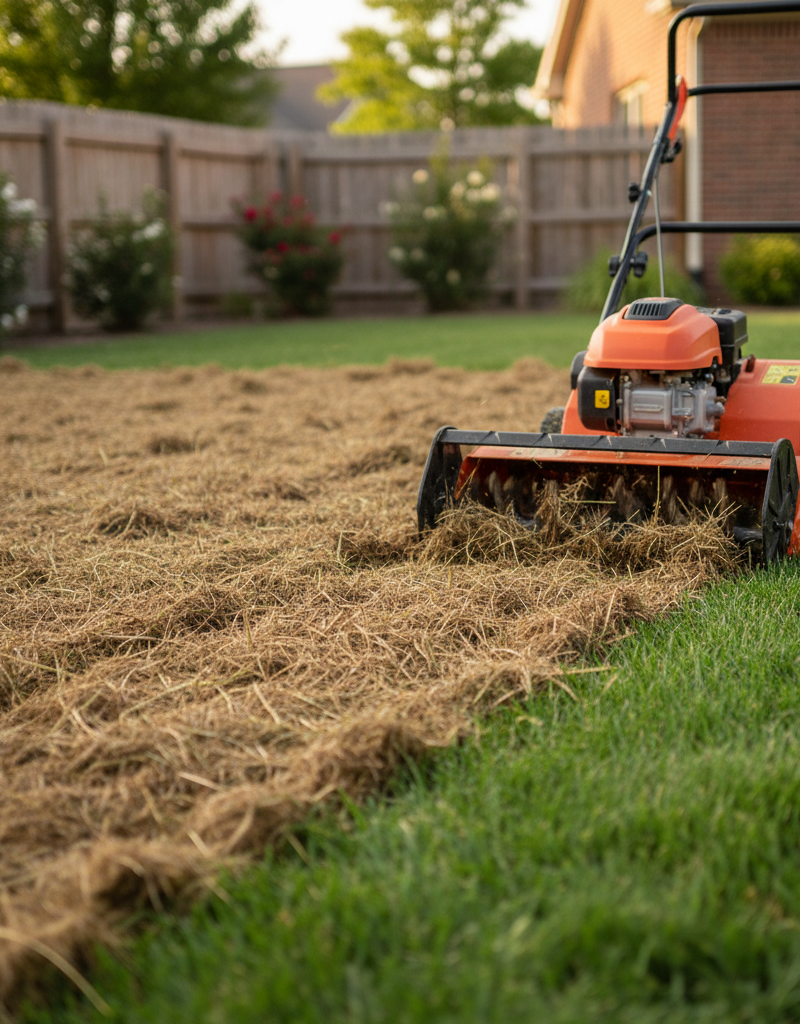
Aerate Compacted Soil — If the dirt’s hard as a rock, roots can’t breathe or grow.
- Tools: Core aerator (rent one or hire a pro), sturdy work boots.
- How-to: Best done in spring or fall when the grass is actively growing. Water the lawn the day before so the soil’s moist, not soggy. Run the aerator over the yard, then make a second pass the other direction. You’ll pull out little plugs of soil, about 2-3 inches long. Leave them there; they’ll break down on their own and feed the soil back.
- Why it works: Those holes let air, water, and nutrients get down to the root zone, which helps roots grow deeper and eases up the compaction.
-
Overseed (Optional, but Recommended After Aeration) — This helps thicken the turf and fills in thin yellow spots.
- Materials: High-quality grass seed appropriate for your region.
- How-to: After aerating, spread seed over the whole lawn, with extra attention on the thin areas. A broadcast spreader gives you even coverage. Lightly rake it in or roll it so the seed makes good contact with the soil. Keep it damp for 2-3 weeks until the new grass gets established.
-
Top-Dress (If Soil Structure is Really Bad) — This adds organic matter and helps fix weak soil structure.
- Materials: High-quality compost, screened topsoil, or a sandy loam mix.
- How-to: After aerating and overseeding, if you’re doing that, spread a thin layer—about 1/4 to 1/2 inch—of compost or topsoil over the lawn. Work it into the aeration holes with a rake or the back of a shovel. It’s a little more elbow grease, sure, but it pays off big over time.
-
Re-Evaluate Your Watering — Too much or too little water can turn grass yellow.
- How-to: Shoot for 1 inch of water per week from rain or irrigation. Water deep and less often so the roots grow down. Early morning is best—less evaporation, less fungus. Stick a screwdriver in the ground; if it slides in easily 6 inches, the soil’s probably got enough moisture.
-
Consider Micronutrient Deficiency — If pH looks fine but the grass is still yellow, iron might be the issue.
- Materials: Liquid iron supplement or chelated iron granular product.
- How-to: Apply it per the product directions. You’ll usually see a quick green-up within days, but that’s just a band-aid if the real pH issue hasn’t been fixed. This shows up a lot in alkaline soil, where iron gets tied up.
-
Fertilize Correctly — Once the soil’s corrected, use the right fertilizer.
- Materials: Balanced lawn fertilizer (e.g., 16-4-8 or 10-10-10) or one matched to your soil test recommendations.
- How-to: Stick to the bag rates. Don’t freestyle it. Too much, especially nitrogen, can burn the lawn or push weak top growth instead of strong roots. Spread it evenly, then water it in lightly.
Common Causes
There are a few usual suspects when your lawn looks like it’s been left out in the rain too long:
- Incorrect Soil pH: Like I said, if your pH’s too high or too low, nutrients get locked up. Your grass can’t get the iron or nitrogen it needs to stay green, even if it’s sitting right there in the soil. I remember a job in Maple Grove where a homeowner had been dumping lime on their yard for years because they figured more was better. Their pH was sky-high, around 8.5, and the grass looked rough. Once we switched gears and got sulfur down to bring it back in line, that lawn started looking pretty close to a golf course.
- Soil Compaction: Heavy foot traffic, kids running around, even mowing over and over can pack the soil tight, especially if it’s clay-heavy. That chokes the roots by cutting off oxygen and making it tough for water and nutrients to get down where they need to go.
- Poor Drainage/Waterlogging: If you’ve got standing water after rain, or the yard never seems to dry out, the roots are getting smothered. They drown, plain and simple, and the grass goes yellow before it heads brown.
- Improper Watering: Water too often and too shallow, and you train the roots to stay up top. Water too little and you stress the plant out. Deep, infrequent watering is the sweet spot.
- Nutrient Imbalance (Beyond pH): pH is usually the main culprit, but sometimes you really do have a specific nutrient issue. Iron is a big one for yellowing, especially in high pH soil, but magnesium or sulfur can matter too. That’s where the soil test earns its keep.
- Pests or Disease: Less common for general yellowing after fertilizing, but certain diseases or insect problems can absolutely stress a lawn and discolor it. Still, rule out the soil first.
Common Mistakes
I’ve seen homeowners make these mistakes a hundred times. Learn from ’em and save yourself the headache:
- Over-Fertilizing: You think “more food means greener grass,” but you can burn the lawn—fertilizer burn turns it yellow/brown—or push weak, fast growth that invites disease. Stick to the bag rates. Feeding grass too much is like giving a kid too much candy. Bad move.
- Ignoring a Soil Test: Biggest mistake on the board. Guessing your soil’s needs burns time and money. You wouldn’t take medicine without knowing what’s wrong, would you? Same idea.
- Shallow, Frequent Watering: That teaches the roots to stay near the surface, which makes them easy targets for heat and drought. Deep, infrequent watering forces roots down and builds a tougher lawn.
- Aerating at the Wrong Time: Aerating when the grass is dormant—dead of summer or winter—just stresses it out. Do it when the lawn’s growing in spring or fall, and follow it with water.
- Not Addressing Underlying Drainage Issues: If your yard’s truly a swamp, aeration alone won’t fix it for long. You might need grading work or French drains. Sometimes patching it up just won’t cut it.
- Believing All Fertilizers are the Same: Different fertilizers have different nutrient ratios and release rates. A high-nitrogen weed-and-feed isn’t always what a yellow lawn needs if the real problem is pH or compaction.
Cost & Time Breakdown
This ain’t one-size-fits-all, but here’s a rough idea of what you’re looking at:
| Task | DIY Cost | Pro Cost | Time (Hands-on) |
|---|---|---|---|
| Soil Test Kit (DIY) | $15–$30 | N/A | 15–30 minutes |
| Lab Soil Test | $30–$75 | N/A | 30 minutes (sampling) |
| pH Adjustment (Lime/Sulfur) | $20–$50 per 50lb bag | $100–$300+ | 1–2 hours |
| Aeration (Rental) | $70–$150/day | $150–$400+ | 2–4 hours |
| Aeration (Hire Pro) | N/A | $150–$400+ | 1–2 hours |
| Overseeding & Seed | $30–$100+ | $100–$300+ | 1–3 hours |
| Top-Dressing (Materials) | $50–$200+ | $200–$600+ | 2–5 hours |
| Iron Supplement (Granular/Liquid) | $20–$40 | $50–$100+ | 30 minutes |
Tips & Prevention
Keep that green glow going with a little regular care:
- Annual Soil Testing: Make it a habit. Test your soil every 1-3 years. That’s the only real way to know what the lawn needs. You wouldn’t guess what oil your truck takes, right?
- Mow High: Set the mower deck to 3-4 inches. Taller grass shades the soil, keeps it cooler, and pushes roots deeper. It also helps crowd out weeds.
- Leave Grass Clippings: Unless they’re clumping up, leave ’em on the lawn. They break down and put nutrients back into the soil, especially nitrogen. Free fertilizer. Hard to beat that.
- Water Smart: Deep and infrequent. Aim for an inch of water per week, early in the morning. That builds stronger roots and saves water.
- Strategic Aeration: If you’ve got heavy foot traffic or clay soil, plan on aerating every 1-2 years in spring or fall. It really does make a difference on packed-down soil.
- Organic Matter Boost: Top-dress with a thin layer of compost now and then. It slowly improves soil structure, water retention, and nutrient availability over time.
When to Call a Professional
Look, some jobs are just too big, or too messy, for a weekend DIY fix. If you’ve tested your soil, tried adjusting pH, and aerated, but the lawn still looks like a sick dog, it’s time to bring in the cavalry. If your soil test shows pH that’s way out of range and looks like a bear to correct, or if you’re dealing with major drainage problems that need regrading or French drains, a landscape pro or lawn care expert is your best move. Same goes if you suspect disease or insects that a simple treatment won’t touch. A pro can figure out what’s really going on and stop you from wasting more time and money. Don’t mess around with big landscaping problems or ones that keep coming back; the right equipment and know-how can save you a heap of trouble.
FAQ
Q: How long does it take for my lawn to green up after fixing the soil? A: Once you deal with the soil problem—pH, compaction, whatever it is—you’ll usually see improvement in 2-4 weeks, especially after aeration or a proper iron treatment. Full recovery can take a few months while the roots rebuild and the grass fills back in.
Q: Can I apply lime and fertilizer at the same time? A: Best not to. Put the lime down first to adjust the pH, then wait a few weeks before fertilizing. That gives the lime time to get moving so the fertilizer does its job better.
Q: How often should I aerate my lawn? A: For most lawns with moderate compaction, every 1-2 years is a solid rule. If you’ve got heavy clay soil or a lot of foot traffic, yearly aeration might be the ticket. Sandy soils usually need it less often.
Q: What type of soil test kit is best for homeowners? A: If you just want a basic read on pH and major nutrients, a simple DIY kit from a garden center works fine. If you want the best shot at accurate, detailed results and real recommendations, a university extension lab is the better call.
Q: My lawn is yellow, but my soil test shows perfect pH and nutrients. What now? A: Then I’d look hard at compaction and drainage. Aeration might be the fix. Also check your watering—too much or too little can do it—or look for signs of disease or insects. Those can yellow a lawn too.
Q: Can I use coffee grounds to lower soil pH? A: Coffee grounds are acidic, sure, but they only move the needle a tiny bit. You’d need a ridiculous amount to really change pH. Elemental sulfur is the practical way to lower it.
Q: My lawn has yellow spots, not general yellowing. Is that different? A: Yep. Yellow spots or patches usually point to localized trouble like pet urine, spilled chemicals, specific fungal diseases, grubs, or uneven fertilizer application. If the whole lawn’s yellow, that usually means a bigger soil or watering issue.
Q: How do I know if my soil is compacted without a test? A: Try pushing a screwdriver into the lawn. If it’s tough to get in more than a couple inches, the soil’s probably compacted. Water won’t soak in fast either, and you’ll likely see puddling or runoff after rain.
Q: Is it better to use granular or liquid iron supplements? A: Both can work. Liquid iron usually gives you a quicker green-up because it’s absorbed through the leaves, but it doesn’t last as long. Granular iron works slower, but it hangs around longer. Quick fix? Liquid. Longer-term help? Granular, especially with pH correction.
Q: Can I fix my yellow lawn without chemicals? A: Absolutely. Compost, proper watering, aeration, and mowing habits can improve soil health and nutrient availability naturally. It’ll take a little longer, but it’s a solid way to build a better lawn. Soil testing still matters, even if you’re going the organic route—it tells you where you’re starting from and what needs work.
Related Articles
Keep troubleshooting with these hand-picked guides from FixlyGuide:
- The #1 Lawn Aeration Mistake Most Homeowners Make (And How to Time It Right) — Timing your lawn aeration correctly is crucial for maximizing its benefits and ensuring a healthier, more vibrant lawn.
- The 3 Hidden Reasons Your Sprinkler Head Won't Pop Up (And How to Fix It FAST) — Discover the most common reasons your sprinkler head isn't popping up and follow our step-by-step guide to quickly diagnose and fix the iss…
- The #1 Secret to Edging Flower Beds That Last Years (and Resist Weeds) — Discover the crucial, often-skipped step that ensures your landscape edging stays put and keeps weeds out for years, transforming your flow…
- The #1 Summer Lawn Mistake Turning Your Grass Yellow (and How to Fix It) — Discover the most common summer lawn mistake that causes yellowing grass and learn the simple steps to revive your lawn.
- The #1 Summer Lawn Mistake Turning Your Grass Yellow (and How to Fix It) — Discover the most common summer mistake that causes lawns to turn yellow and learn how to correct it for a greener, healthier yard.
- The Nasty Truth About Your Bathroom Sink Smell (And the $10 Fix) — Uncover the real culprit behind that foul odor from your bathroom sink drain and learn a simple, effective, and cheap DIY fix to eliminate…
What should this project cost?
Enter your project details for a realistic cost range before you call anyone.
Cost depends heavily on which system turns out to be the source.
- Regional adjustment
- National average
- Labor share (typical)
- ~$1,620
- Quotes to collect
- 3 written estimates
Educational estimate based on national averages — not a binding quote. Always confirm with written local estimates.
Get the print-ready PDF of this guide
A clean, ad-free, printable version you can keep on your phone or pin to the workshop wall. Free with a FixlyGuide account.
- Print-optimized layout
- Tools, materials & every step included
- Saved to your account
Frequently asked questions
How long does it take for my lawn to green up after fixing the soil?+
Once you address the underlying soil issues like pH or compaction, you'll usually start seeing improvements within 2-4 weeks, especially after aeration or applying a proper iron supplement. Full recovery can take a few months as roots strengthen and the grass grows out.
Can I apply lime and fertilizer at the same time?+
It's generally best to separate them. Apply lime first to adjust the pH, then wait a few weeks before applying fertilizer. This gives the lime time to start working, making the fertilizer more effective when you do apply it.
How often should I aerate my lawn?+
For most lawns with moderate compaction, aerating every 1-2 years is a good rule of thumb. If you have heavy clay soil or high foot traffic, you might benefit from annual aeration. Sandy soils may need it less frequently.
What type of soil test kit is best for homeowners?+
For a basic understanding of pH and major nutrient levels, a simple DIY kit from a garden center works. However, for the most accurate and detailed results with specific recommendations, sending a sample to your local university extension office lab is always the best option.
My lawn is yellow, but my soil test shows perfect pH and nutrients. What now?+
If pH and nutrient levels are optimal, consider compaction and drainage. Aeration might be the key. Also, re-evaluate your watering practices (too much or too little), or look closely for signs of disease or insect activity, which can also cause yellowing.
Can I use coffee grounds to lower soil pH?+
While coffee grounds are acidic, they have a very mild effect on soil pH and would need to be applied in extremely large quantities to make a significant difference. It's more practical to use elemental sulfur for lowering pH effectively.
My lawn has yellow spots, not general yellowing. Is that different?+
Yes, yellow spots or patches often point to localized issues like pet urine, spilled chemicals, specific fungal diseases, grubs, or uneven fertilizer application. General yellowing over the whole lawn suggests a systemic soil or watering problem.
How do I know if my soil is compacted without a test?+
Try pushing a screwdriver into the lawn. If it's difficult to push in more than a couple of inches, your soil is likely compacted. Water doesn't soak in quickly, and you might see runoff or puddling after rain.
Is it better to use granular or liquid iron supplements?+
Both can be effective. Liquid iron often provides a quicker green-up as it's absorbed through the leaves, but its effects can be more temporary. Granular iron offers a slower, more sustained release. For a quick fix, liquid; for longer-term improvement, granular, especially if combined with pH adjustment.
Can I fix my yellow lawn without chemicals?+
Absolutely. Focusing on organic matter (compost), proper watering, aeration, and mowing practices can significantly improve soil health and nutrient availability naturally. It might take a bit longer, but it's a sustainable approach to a greener lawn. Soil testing is still crucial, even for organic approaches, to understand your starting point and guide your actions.
Discussion
Loading comments…