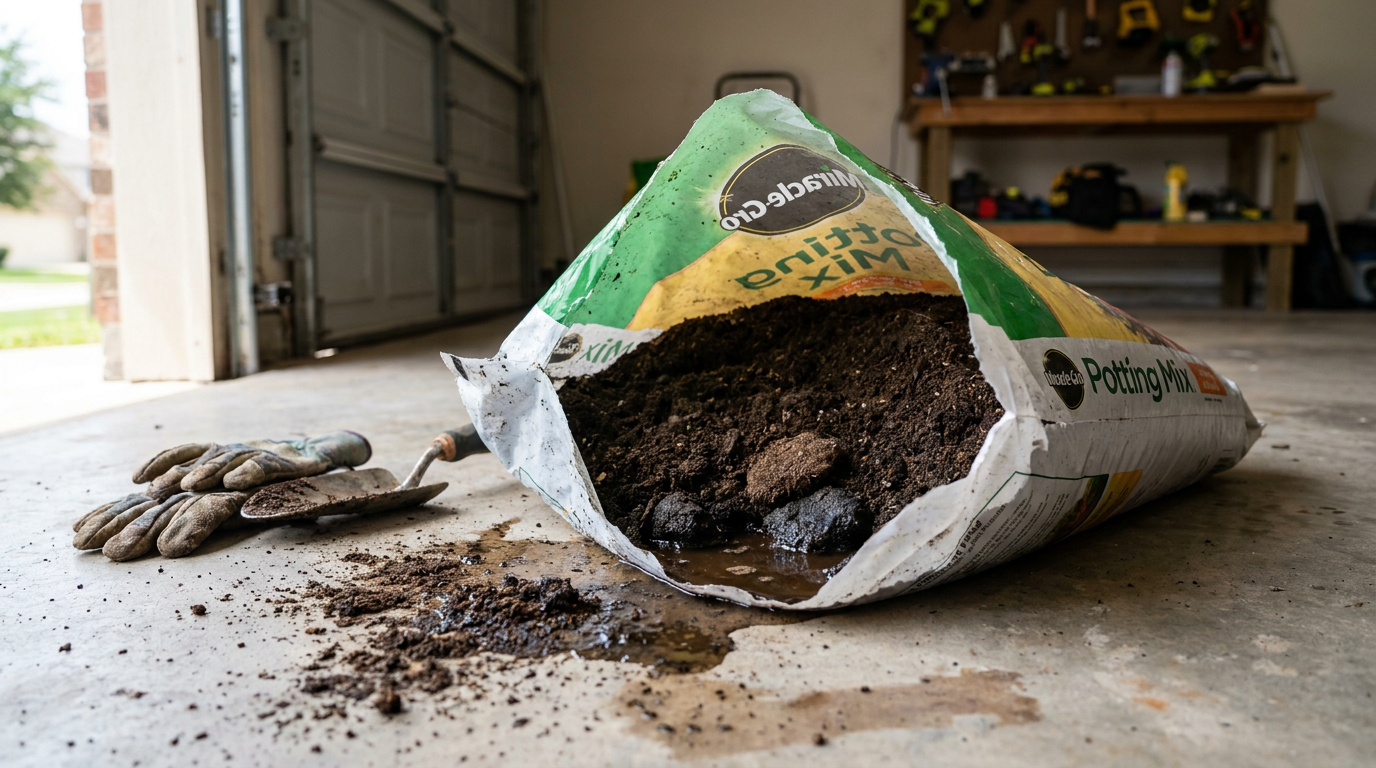
- Inspect Before You Buy: Give the bag a squeeze before it goes in your cart. It ought to feel firm with a little give, not like a water balloon. If it feels way heavier than it should, pass.
- Check for Tears: Do a quick scan for rips, punctures, or busted seams. Best case is an intact bag that’s been sitting on a covered pallet.
- -Store it Right: If you don’t use the whole bag, close it up tight. Roll the top down, clip it, and keep it in a dry place like a garage or shed. I’d set it on a scrap of wood instead of bare concrete so moisture doesn’t wick up into it.
- Pre-Aerate New Bags: Even if the bag doesn’t stink, it’s smart to open it a day or two before you plan to use it. That lets trapped gases like CO2 escape and gives oxygen a chance to get in, which wakes up the beneficial microbes.
- Drill Drainage Holes: If you’ve got to store bags outside for a short stretch, punch a few small holes in the very bottom so extra water can drain out instead of pooling inside.
Landscaping · Deck or fence project
| Project category | Landscaping |
|---|---|
| Problem type | Deck or fence project |
| Trade required | Landscaping |
| Urgency | Planned project |
| Safety risk | Moderate safety risk |
| DIY suitability | DIY for experienced homeowners |
| Cost category | High cost |
| Typical timeline | Most builds 3–10 days depending on size |
| Contractor type | Landscaping contractor |
Repair option
Replace failed boards, posts, and hardware; reseal the surface.
Replacement option
Rebuild when framing or the ledger connection is unsafe.
Common causes
- Rot at posts and ledger
- Storm damage
- Adding outdoor living space
Relevant tools:home improvement material pricesproject cost estimator
Published October 14, 2026Last updated October 14, 2026
Tools & materials you'll need
Affiliate links- AmazonPotting Soil1 bag
As an Amazon Associate FixlyGuide earns from qualifying purchases — at no extra cost to you. Prices and availability are accurate as of publication and subject to change.
Quick Answer
If your new bag of potting soil is soaking wet and smells like sewage or rotten eggs, it’s probably gone anaerobic from being stored wrong. No oxygen, too much water, sealed bag — that’s the recipe. I’ve opened plenty of bags that looked fine on the outside and had that swampy stink inside. The fix is simple: get air to it. Spread the soil out on a tarp in a thin, even layer, break up the clumps, and let it dry with some airflow. That cuts off the anaerobic bacteria fast and gets the soil back to something you can actually use.
The Problem
You get home from the garden center, ready to knock out a weekend planting project. You slice open a fresh bag of potting mix or garden soil, and instead of that nice earthy smell, you get hit with rotten eggs, ammonia, or straight-up swamp. The soil’s heavy, clumped, and waterlogged — sometimes you’ll even see water pooled in the bottom of the bag.
So what happened? You paid for good soil, but it smells like trash. Happens all the time. The good news is, it’s rarely a lost cause. That stinky wet mess is common, and in my book it’s usually fixable in an afternoon. Don’t pitch it yet. It just needs what it’s been missing: air.
How It Works
To make sense of the smell, you’ve got to know the difference between aerobic and anaerobic bacteria. Aerobic bacteria are the helpful ones. They need oxygen, and they break down organic matter into rich humus that plants love. That process smells clean and earthy, kind of like a forest floor after rain. Healthy soil is loaded with those microbes.
Anaerobic bacteria are the troublemakers behind the stink. They thrive where oxygen can’t get in. If a sealed plastic bag of soil gets waterlogged — maybe a tear let rain in at the nursery, maybe the materials were already damp and the bag got sealed up tight — the little air pockets fill with water. Oxygen gets used up. Then the anaerobic bacteria take over. As they break down organic material without oxygen, they kick off sulfur compounds like hydrogen sulfide, which gives you that rotten-egg smell, plus ammonia. It’s basically a tiny swamp trapped in plastic.
I pulled a water heater in Frisco last month that had exactly this kind of smell drifting from a nearby bag of potting mix somebody left in a damp storage room. That thing was cooked, at least odor-wise. The soil hadn’t “rotted” beyond saving — it had just gone through the wrong kind of breakdown. The move is to put oxygen back in the mix so the anaerobic bacteria get knocked down and the good aerobic microbes can get back to work.
Step-by-Step Fix
Rescuing smelly, waterlogged soil isn’t hard. You just need air touching as much of it as possible. On a warm, dry day, this usually takes a few hours.
-
Prepare Your Workspace. Pick a sunny, well-ventilated spot. Lay down a big plastic tarp. A 10x12 foot tarp is a solid size for one or two large bags of soil. Don’t dump this straight onto your driveway or patio unless you like stains, because wet soil can mark concrete and stone.
- Tools: Large plastic tarp, garden rake or hoe, shovel or trowel.
- Safety: Wear gloves. The bacteria usually aren’t a big deal to touch, but the mess is real, and it’s just smart to keep your hands clean.
-
Spread the Soil. Cut the bag open all the way down the sides and dump the contents in the middle of the tarp. It’ll probably come out in heavy, wet clumps. That’s normal.
-
Break It Up. Use a garden rake, hoe, or your gloved hands to bust apart the clumps. You want more surface area exposed to air. Chop up any dense chunks until the soil is loose and pretty even.
-
Aerate and Thin. Rake the broken-up soil into a thin, even layer, no more than 2-4 inches deep. Thinner dries faster. Sun and airflow do the heavy lifting here. Let it sit.
- If the soil is truly saturated: You might see water beading on the tarp surface. Tilt the tarp a little if you need to so the extra water can run off instead of hanging around.
-
Mix and Monitor. Every 30-60 minutes, come back and rake the soil again. That moves the wetter stuff from the bottom up top so everything dries out evenly. You’ll smell the stink fade pretty fast, often within the first hour. The soil’s ready when it feels lightly moist — not dusty dry, but not soggy or clumped either. It should smell neutral again, earthy, the way it ought to. On a sunny, low-humidity day, that usually takes 2 to 4 hours.
Common Causes
Knowing why the soil got wet in the first place helps you avoid repeating the same headache.
- Improper Storage at the Retailer: This is the big one. Pallets of soil bags often sit outside. One little tear or puncture is all it takes for rainwater to sneak in and turn the bag into a swamp. Then the bag gets resealed by heat and pressure under the weight of other bags, and you’ve got a perfect anaerobic setup.
- Condensation and Decomposition: Potting mixes have organic stuff like peat moss, compost, and forest products. As those materials slowly break down, they give off water and heat. In a sealed plastic bag, that moisture has nowhere to go. It condenses inside the bag and drips back down, which keeps soaking the mix over time, especially in a hot warehouse or direct sun.
- Bag Integrity Failure: It’s not always a puncture. Sometimes the heat-sealed seams fail and moisture gets in during shipping or storage. Always check a bag before you buy it — if it feels weirdly heavy, squishy, or you can see water inside, grab another one.
- Freshly Mixed Soil: Some smaller local producers mix in batches and bag it right away. If the compost or other ingredients are still “hot” — meaning actively decomposing — or just too wet when they seal it up, they’ll dump a lot of moisture into the bag right away.
- Wrong Product for the Job: Don’t mix up garden soil and potting mix. Garden soil is meant to be worked into native ground soil and is usually denser. Put it in a container and it won’t drain right, which can leave you with waterlogged, anaerobic conditions even after planting.
Common Mistakes
Smelly soil makes people do dumb stuff. Don’t make it worse.
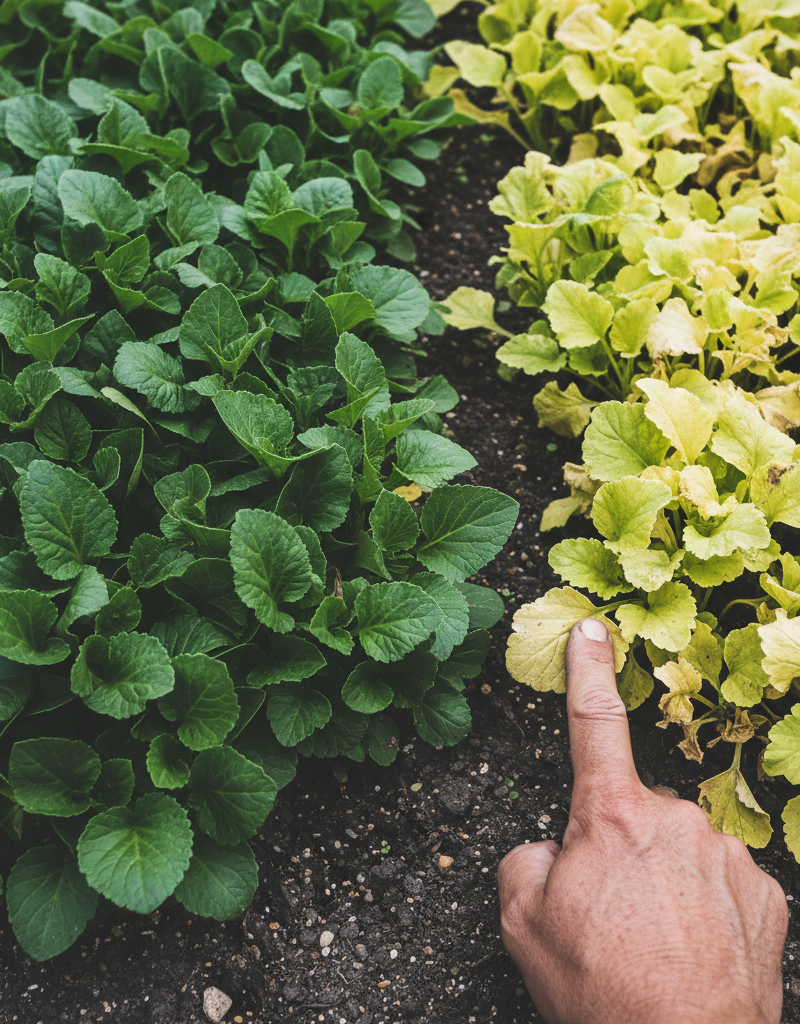
- Using it Anyway. Big mistake. If you ignore the smell and wetness and plant right into anaerobic soil, the nasty byproducts can hurt roots, and the lack of oxygen will suffocate them. The plant’ll usually yellow out and die.
- Drying it Completely Bone-Dry. You want lightly moist, not dust. If you over-dry soil, especially peat-based mix, it can turn hydrophobic — meaning it’ll repel water. Then when you water the plant, the water just runs down the sides of the pot and barely soaks in. Re-wetting that mess is a pain.
- Mixing it with Good Soil. Don’t dump the smelly stuff into your garden bed or blend it into a fresh bag of potting mix hoping to dilute the problem. You’ll just spread the anaerobic bacteria and the foul moisture into the good soil, and now the whole batch stinks.
- Trying to "Bake" or Microwave It. Never dry soil in an oven or microwave. You’ll kill the good stuff and the bad stuff, and the soil ends up sterile and dead. You’ll also likely create a fire hazard and make the whole house smell awful. No dice.
Cost & Time Breakdown
Fixing smelly soil is one of the cheapest, easiest garden saves you can do.
| Task | DIY Cost | Pro Cost | Time |
|---|---|---|---|
| Acquiring a Tarp | $10–$20 (one-time) | N/A | 5 minutes |
| Spreading & Aerating Soil | $0 | N/A | 15–20 minutes active |
| Drying Time | $0 | N/A | 2–4 hours passive |
| Bagging the Restored Soil | $0 | N/A | 10 minutes |
| Total | $0 if you have a tarp | N/A | 2.5–5 hours (mostly waiting) |
Tips & Prevention
- Inspect Before You Buy: Give the bag a squeeze before it goes in your cart. It ought to feel firm with a little give, not like a water balloon. If it feels way heavier than it should, pass.
- Check for Tears: Do a quick scan for rips, punctures, or busted seams. Best case is an intact bag that’s been sitting on a covered pallet.
- -Store it Right: If you don’t use the whole bag, close it up tight. Roll the top down, clip it, and keep it in a dry place like a garage or shed. I’d set it on a scrap of wood instead of bare concrete so moisture doesn’t wick up into it.
- Pre-Aerate New Bags: Even if the bag doesn’t stink, it’s smart to open it a day or two before you plan to use it. That lets trapped gases like CO2 escape and gives oxygen a chance to get in, which wakes up the beneficial microbes.
- Drill Drainage Holes: If you’ve got to store bags outside for a short stretch, punch a few small holes in the very bottom so extra water can drain out instead of pooling inside.
When to Call a Professional
Honestly, this is one job you’ll almost never need a pro for. It’s simple. Straightforward. The only time I’d call it a total loss is if you open the bag and find something truly off — like signs of a chemical spill, maybe a strong gasoline or solvent smell, or it’s packed with an insect you can’t identify. In that rare case, seal the bag up tight and get rid of it the way your local municipal waste rules say to. Otherwise, grab a tarp and get after it.
Related Articles
Keep troubleshooting with these hand-picked guides from FixlyGuide:
- Your Roses Have Aphids? The Secret Soap Spray That Saves Them — Tiny green or black bugs sucking the life out of your prize-winning roses? A simple homemade insecticidal soap spray can banish aphids with…
- The Surprising Reason Your Garden's Failing (And It's Not Water or Fertilizer) — Many gardeners struggle with wilting plants and stunted growth despite proper watering and fertilizing, often overlooking the critical role…
- Why Your New Sod Is Disappearing (The Grub Problem Plumbers Don't Talk About) — If your freshly laid sod is dying in patches or easily pulls up, you're likely dealing with a hidden grub infestation, a common problem oft…
- The One Soil Secret Killing Your Garden (It Ain't Fertilizer) — Poor drainage and compacted soil can suffocate plant roots, leading to stunted growth, disease, and nutrient deficiencies. I'll show you ho…
- The #1 Summer Lawn Mistake Turning Your Grass Yellow (and How to Fix It) — Discover the most common summer mistake that causes lawns to turn yellow and learn how to correct it for a greener, healthier yard.
- Light Switch Not Working? 7 Causes to Check Before You Call an Electrician — Can't figure out why your light switch stopped working? Don't panic—this guide walks through the 7 most common causes, from a simple trippe…
Should you do this yourself?
Answer five quick questions before you start. Safety outranks savings every time.
Your experience with work like this
How high do you have to work?
Does the job involve any of these?
Will it need a permit?
Specialty tools
Free and instant. Educational guidance only — not a quote, inspection, or professional diagnosis.
What should this project cost?
Enter your project details for a realistic cost range before you call anyone.
Cost depends heavily on which system turns out to be the source.
- Regional adjustment
- National average
- Labor share (typical)
- ~$1,620
- Quotes to collect
- 3 written estimates
Educational estimate based on national averages — not a binding quote. Always confirm with written local estimates.
Before you start
Check the difficulty, permits, and safety risk — then decide whether to call a pro.
- Estimate this projectGet a cost range for your scope and ZIP before you call anyone.Open
- Get local estimatesSend one request and compare written estimates from vetted pros.Open
Free, no signup required. Estimates are educational guidance, not a quote or an inspection.
Get the print-ready PDF of this guide
A clean, ad-free, printable version you can keep on your phone or pin to the workshop wall. Free with a FixlyGuide account.
- Print-optimized layout
- Tools, materials & every step included
- Saved to your account
Frequently asked questions
Can I still use soil that smells like rotten eggs?+
Not immediately. The rotten egg smell is hydrogen sulfide, a byproduct of anaerobic bacteria that's toxic to plant roots. You must aerate the soil first by spreading it out to dry. Once the smell is gone and replaced by an earthy scent, it's safe and healthy to use.
How long does it take for the bad smell to go away?+
On a warm, dry day, the foul smell should start to fade within the first hour of spreading the soil out. The entire process of drying and aerating until the smell is completely gone usually takes 2 to 4 hours. Humidity will slow the process down.
What's the difference between 'bad' soil and anaerobic soil?+
Anaerobic soil isn't 'bad,' just oxygen-deprived. It's a temporary condition. 'Bad' soil would be soil that is contaminated with chemicals, has poor structure, or is infested with pests or disease. Smelly, wet soil is almost always just anaerobic and is easily fixable.
Will the smell come back after I plant with the soil?+
No. Once you've aerated the soil and used it in a pot with proper drainage holes, oxygen will always be present, preventing the anaerobic bacteria from taking over again. The problem is specific to the sealed, waterlogged bag environment.
Is the anaerobic bacteria harmful to me or my pets?+
Generally, no. The bacteria causing the smell are common soil microbes and are not considered a health risk from casual contact. However, it's always wise to wear gloves when handling any soil to protect against bacteria, fungi, or any other unknown contaminants.
Why does my soil smell like ammonia instead of rotten eggs?+
An ammonia smell is also a sign of anaerobic decomposition. It's just a different bacterial process breaking down nitrogen-rich materials without oxygen. The fix is exactly the same: spread the soil out, break it up, and let it air out.
My soil is dry but still smells a little weird. Is it safe to use?+
If it doesn't smell earthy, give it more time. Rake it around again and let it sit for another hour or two. The smell should be completely gone and replaced with a neutral, rich soil scent before you use it for planting.
Can I mix compost into the soil while it's drying?+
It's better to wait until after the soil has been fully aerated and the bad smell is gone. Mixing in anything before it's fixed can interfere with the drying process. Once the soil smells earthy and healthy again, you can amend it with compost or other fertilizers as you normally would.
Discussion
Loading comments…