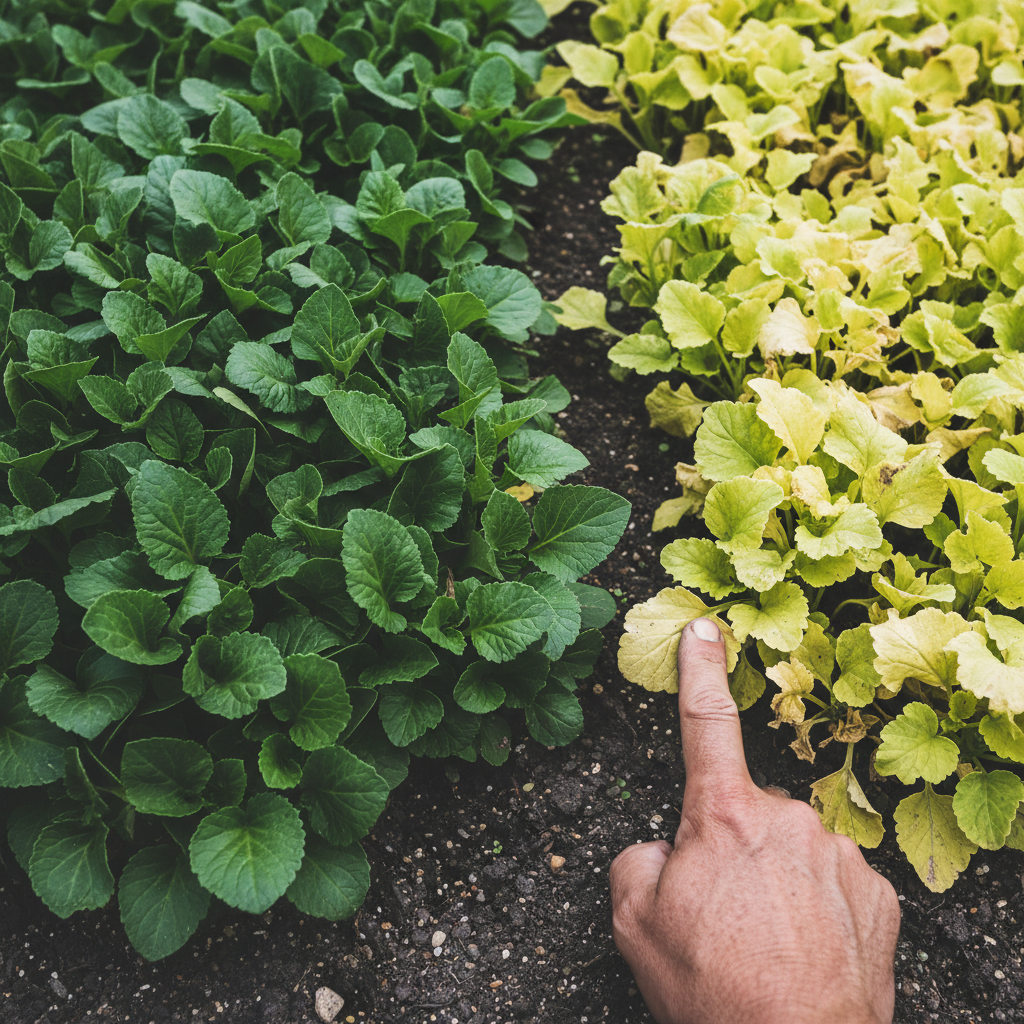
- Check Soil Moisture — Too much or too little water affects nutrient uptake.
- If dry: Water deeply but slowly until the top 6-8 inches are moist. Check again daily.
- If wet: Hold off on watering. Fix drainage if it keeps happening (see step 6).
Landscaping · Deck or fence project
| Project category | Landscaping |
|---|---|
| Problem type | Deck or fence project |
| Trade required | Landscaping |
| Urgency | Planned project |
| Safety risk | Moderate safety risk |
| DIY suitability | DIY for experienced homeowners |
| Cost category | High cost |
| Typical timeline | Most builds 3–10 days depending on size |
| Contractor type | Landscaping contractor |
Repair option
Replace failed boards, posts, and hardware; reseal the surface.
Replacement option
Rebuild when framing or the ledger connection is unsafe.
Common causes
- Rot at posts and ledger
- Storm damage
- Adding outdoor living space
Relevant tools:home improvement material pricesproject cost estimator
Published September 23, 2026Last updated September 23, 2026
Tools & materials you'll need
Affiliate linksAs an Amazon Associate FixlyGuide earns from qualifying purchases — at no extra cost to you. Prices and availability are accurate as of publication and subject to change.
Quick Answer
When your plants look sickly — pale, yellowish, or just plain small — even though you're feeding 'em, you've probably run smack into what I call "the nitrogen trap." The nitrogen’s there somewhere, or maybe you’ve added more, but for one reason or another, the plant can’t get to it. Soil can hold onto it, lock it up, or wash it right past the roots. You’ve got to find out what’s blocking it and give the plant something it can actually use.
The Problem
I’ve seen this a hundred times, usually on a call for “why’s my prize-winning petunia looking so sad?” I pull up to a house, say in the Sunset Park neighborhood, and the homeowner’s got plants with pale green to yellow leaves, especially the older ones down near the bottom. New growth might look halfway decent for a bit, but it’s usually small and weak. They’ll tell me, “But I just fertilized last month!” And sure enough, they probably did. Doesn’t mean a thing if the nitrogen never makes it into the plant. Nitrogen is the nutrient that drives chlorophyll production — that green color — and strong growth, plain and simple. It’s not just about tossing fertilizer around; it’s about whether that nitrogen is actually available for the roots to grab. If it isn’t, you’re just burning money and watching the plants starve in front of you.
How It Works
Alright, let’s talk through why plants need nitrogen and what’s going on down in the soil. Nitrogen (N) is the fuel for green, leafy growth. It’s a huge part of chlorophyll, which plants use to make food from sunlight — photosynthesis, right? It also helps build amino acids, the basic pieces for proteins, enzymes, and DNA. Without enough nitrogen, plants can’t photosynthesize well, can’t build new cells, and can’t put on healthy growth.
Now, nitrogen in the soil is a slippery little thing. It shows up in a few forms. Organic nitrogen is tied up in dead plant matter, compost, and microbes. Plants can’t use that right away. Soil microbes, bacteria, and fungi do the dirty work here, breaking it down in a process called mineralization. That turns it into ammonium (NH4+) and then nitrites and nitrates (NO3-). Those are the forms roots can actually absorb.
Soil temperature, moisture, and pH all have a hand in this. If your soil’s too cold (below 50°F / 10°C), too dry, too wet, or the pH is off — say, below 5.5 or above 7.5 — those helpful microbes slow down or stop working right. That means less organic nitrogen gets converted into usable forms. Nitrates are also super water-soluble, so heavy rain or overwatering can shove them right out of the root zone, especially in sandy soils. Ammonium can even turn into ammonia gas and disappear in certain conditions. It’s a balancing act. Mess up one part of that cycle, and your plants don’t get dinner, no matter how much fertilizer you sprinkled around.
Step-by-Step Fix
Here’s how I usually walk folks through getting their plants out of the nitrogen trap. Don’t just dump more fertilizer on it; that’s often how you make the mess worse. We need to figure out why the plant isn’t getting what it needs.
-
Inspect the Symptoms Carefully — Confirm it's nitrogen you're dealing with. Start by really looking at the plant. Nitrogen deficiency usually shows up first in older, lower leaves. They’ll go pale green, then yellow, sometimes brown and crispy. The veins may stay greener for a little while, but the whole leaf color fades. New growth often comes in small or weak. Other problems can look similar, so the pattern matters.
-
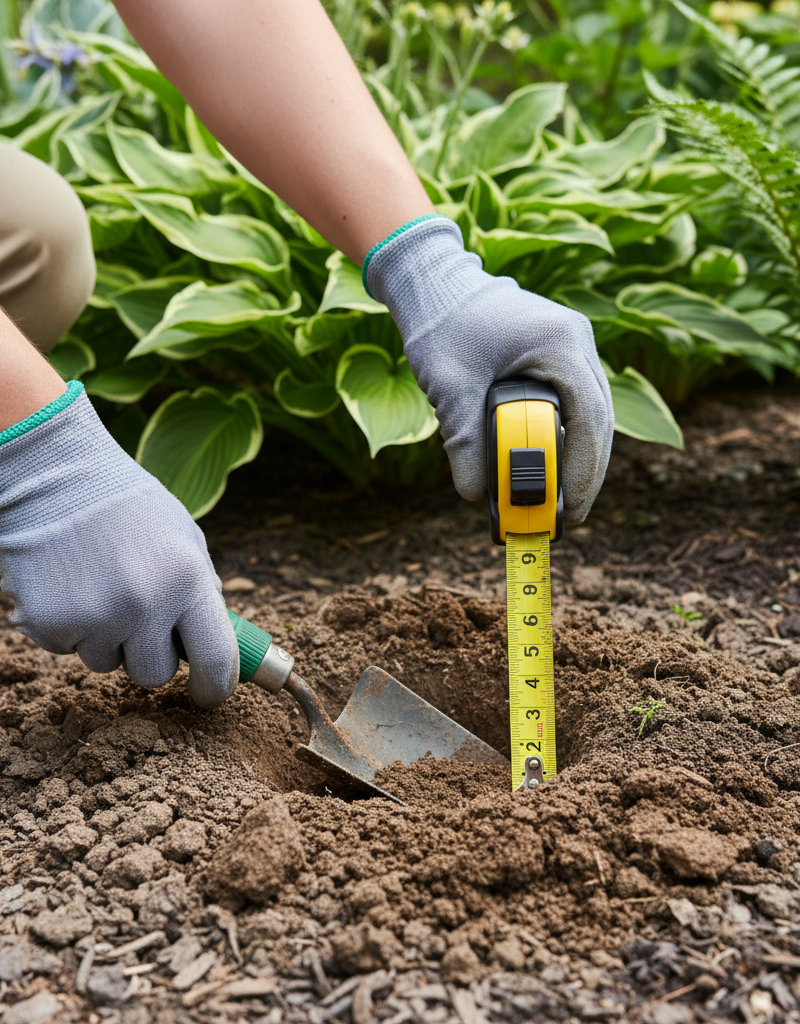
Check Soil Moisture — Too much or too little water affects nutrient uptake. Stick your finger about 2-3 inches deep into the soil. Is it bone dry? Or is it squishy and waterlogged? Both extremes mess with nutrient absorption. Too-wet soil suffocates roots, and dry soil doesn’t give roots anything dissolved to pull in. You want evenly moist, not swampy.
- If dry: Water deeply but slowly until the top 6-8 inches are moist. Check again daily.
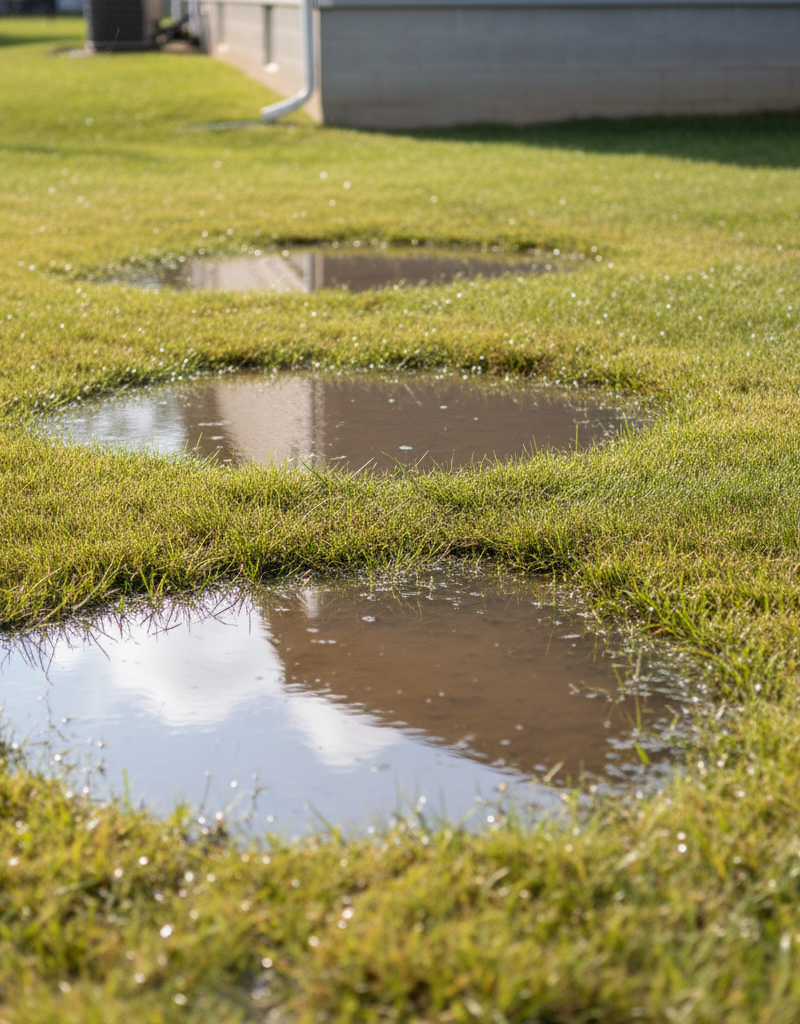
- If wet: Hold off on watering. Fix drainage if it keeps happening (see step 6).
-
Test Your Soil pH — The sweet spot for nutrient availability. Don’t guess at pH. Test it. Grab a basic home soil test kit from a garden center or send a sample to your local extension office for the full rundown. For most plants, a pH between 6.0 and 7.0 is the sweet spot for nitrogen availability. Below 5.5 or above 7.5, things start getting tied up. I had a client out in Elmwood once who swore her hydrangeas needed more fertilizer, but the soil test came back at 8.2! No amount of nitrogen was gonna fix that alkaline mess.
- If pH is low (acidic): Add dolomitic lime or wood ash gradually, and follow package directions for application rates based on your soil test results.
- If pH is high (alkaline): Add elemental sulfur, peat moss, or iron sulfate, again according to soil test recommendations. These fixes don’t happen overnight — you’re looking at weeks or months.
-
Consider a Quick Nitrogen Boost (Temporary) — Give 'em a shot in the arm. While you work on the long game, a fast dose of available nitrogen can green things up. A liquid feed like fish emulsion (around 5-1-1 NPK), a compost tea, or a granular synthetic fertilizer like ammonium sulfate (21-0-0) applied sparingly can help in a pinch. Follow mixing and application rates exactly so you don’t burn the plants. I usually tell people to dilute a little more than the package says on the first round, especially if the plants are already stressed.
- Liquid feeds: Apply every 7-14 days as needed.
- Granular feeds: Apply once, then check again in 2-3 weeks.
- Safety first: Wear gloves when handling granular fertilizers. Water thoroughly after applying granular products to wash them off foliage and into the soil.
-
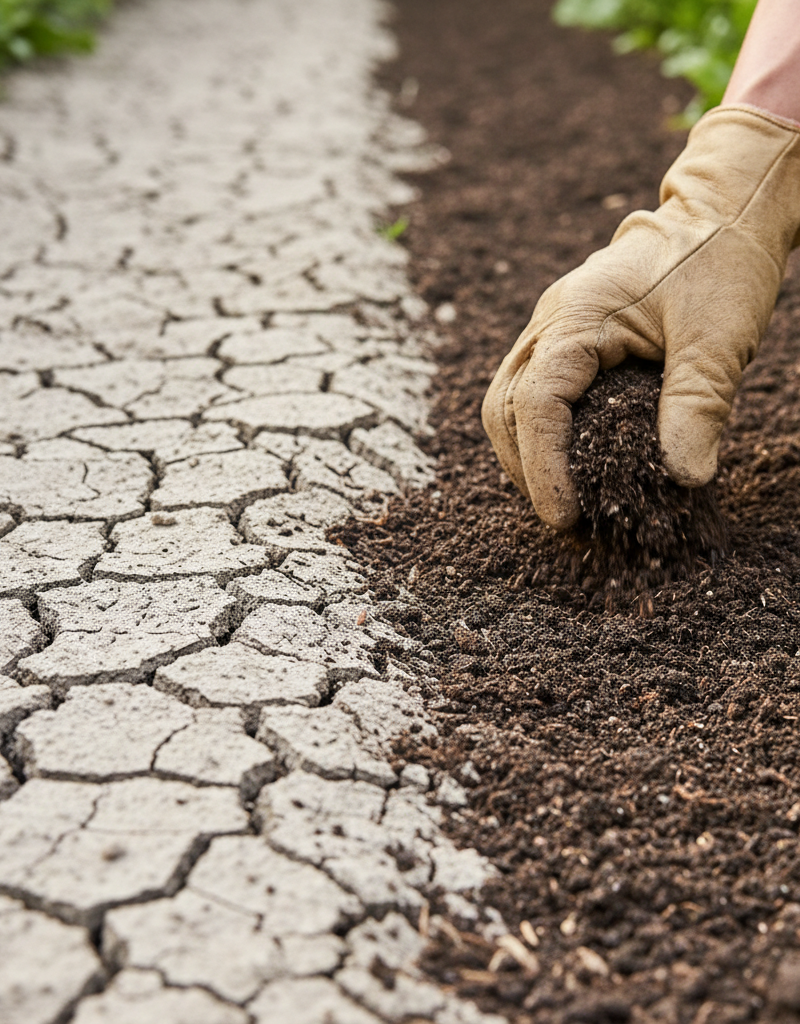
Incorporate Organic Matter — The long-term solution for nitrogen cycling. This is the big one if you want healthy soil over time. Top-dress your garden beds with a 1-2 inch layer of well-rotted compost or aged manure. Work it lightly into the top few inches of soil around your plants, but don’t tear up shallow roots. Organic matter improves soil structure, drainage, water retention, and — just as important — it feeds the microbes that turn organic nitrogen into plant-available forms. It’s slow-release nutrition that keeps on paying off.
- Annual application: Shoot for a good 1-2 inch layer every spring.
- Ongoing benefit: Keeps feeding the soil biome, which keeps feeding your plants.
-
Address Drainage Issues — Waterlogging suffocates roots and washes away nutrients. If your soil stays soggy after rain or watering, you’ve got drainage problems. That’s rough on roots, and it also cuts off oxygen for the microbes doing the nitrogen work. You might need coarse sand and organic matter mixed in, or even raised beds in the worst spots. With heavy clay, it can take a few seasons of steady organic matter additions before you really see a difference.
-
Mulch, Mulch, Mulch! — Protects soil, regulates temperature, adds organic matter. Put down a 2-4 inch layer of organic mulch — wood chips, straw, shredded leaves, whatever you’ve got that’s clean and workable. Keep it a few inches away from the stems so you don’t invite rot. Mulch holds moisture steady, insulates the soil — warmer in spring for the microbes, cooler in summer for the roots — and as it breaks down, it feeds the soil with organic matter and a little nitrogen. It also shuts down weeds, and weeds are just freeloaders stealing nutrients.
-
Re-evaluate Fertilizer Schedule & Type — Are you using the right stuff, at the right time? Take a hard look at your fertilizing routine. Are you using a balanced fertilizer when the plant really needs more nitrogen? Are you feeding too often, or not enough? Check the NPK ratio on the bag (like 10-10-10). The first number is nitrogen. If your soil test says nitrogen is low, you may need something with a higher first number. And remember, cool season grasses want more nitrogen in fall and spring, while warm season grasses like it in late spring and summer.
Common Causes
- Leaching: Nitrogen, especially nitrate, is super water-soluble. Heavy rain or overwatering can wash it right out of the root zone, especially in sandy or well-drained soils. Gone before the plants can touch it.
- Insufficient Organic Matter: Soil with low organic content doesn’t have much nitrogen in reserve, and it doesn’t feed the microbes that turn organic nitrogen into plant-available forms. Empty pantry.
- Incorrect Soil pH: Like I said, if the soil’s too acidic or too alkaline, the chemistry that makes nitrogen available gets jammed up. The roots can’t use it, even if it’s technically there.
- Cool Soil Temperatures: Those helpful microbes slow way down when the soil gets cold (below 50°F). That’s why plants can look a little yellow in early spring, even after a winter cover crop breaks down.
- Compaction or Poor Drainage: Waterlogged or packed-down soil means less oxygen for roots and microbes. Roots can’t work right, and the microbes can’t do their job of converting nitrogen.
- Over-fertilization with Carbon-Rich Materials: Add too much “brown” organic matter, like fresh wood chips or sawdust, right into the soil and the microbes will temporarily grab up nitrogen while they break it down. They need nitrogen for their own growth, so they steal it from the soil. That’s nitrogen immobilization.
Common Mistakes
- Ignoring Soil pH: You can fertilize ’til the cows come home, but if the pH is off, those nutrients are just sitting there, unavailable. Test your soil.
- Overwatering: It flushes out valuable nitrogen and drowns roots, which kills uptake. Water deeply, but don’t keep the soil soggy all the time.
- Applying Raw Wood Chips Directly to Garden Beds: Fresh chips touching the soil will suck up available nitrogen while microbes break them down. Use them as top mulch, not as a soil amendment.
- Underestimating the Power of Organic Matter: Relying only on synthetic fertilizer misses the big role compost and other organic amendments play in building a healthy, nitrogen-cycling soil.
- Fertilizing in Winter/Early Spring (for most plants): When the soil’s too cold, microbial activity is low, and plants aren’t growing much anyway. Most of that nitrogen just leaches away.
- Not Reading Fertilizer Labels: Different plants need different things. A “lawn food” isn’t always what your petunias want. Watch the NPK numbers and the type of nitrogen — fast-release vs. slow-release.
Cost & Time Breakdown
Here’s a rough idea of what you’re looking at to tackle a nitrogen deficiency:
| Task | DIY cost | Pro cost | Time |
|---|---|---|---|
| Soil Test Kit | $15–$30 | N/A | 15 min active, 1-2 weeks for lab results |
| pH Adjustment Material (lime/sulfur) | $15–$40 | N/A | 30 min active, months to see full effect |
| Bag of Compost/Aged Manure | $5–$15 per bag | N/A | 1-2 hours per 100 sq ft |
| Liquid Nitrogen Feed (fish emulsion) | $10–$25 per bottle | N/A | 15-30 min to mix and apply |
| Organic Mulch (bag) | $4–$10 per bag | N/A | 1-2 hours per 100 sq ft |
| Pro Soil Consultation | N/A | $75–$200 | 1-2 hours |
Tips & Prevention
- Start with a Soil Test: Seriously, do it. Every 2-3 years, or if you’re seeing the same problem over and over. It’s the best map you’ll get for your garden.
- Feed the Soil, Not Just the Plants: Focus on building rich, organic soil with regular compost additions. That’s your long-term nitrogen bank.
- Use Slow-Release Nitrogen: Go with organic fertilizers like blood meal, feather meal, or coated pellets. They break down slow and steady, which cuts down on leaching.
- Don’t Over-Clean: Leave fallen leaves and small plant debris to break down on your garden beds. They put organic matter and nitrogen right back in the soil. Nature’s already got the recycling handled.
- Rotate Crops: If you’ve got a veggie garden, rotate nitrogen-hungry plants like corn with nitrogen-fixing legumes like beans or peas to naturally rebuild soil nitrogen.
- Watch Your Watering: Water deeply and less often to push roots down and reduce nutrient loss. Check soil moisture before you water again.
When to Call a Professional
Look, I’m all for DIY, but sometimes you hit a wall. If you’ve worked through all these steps, done your soil tests, and the plants are still looking rough, it might be time to bring in a pro. Especially if the problem’s spread across the whole yard or garden, or your soil test is showing extreme pH levels or other nutrient issues beyond plain old nitrogen. A qualified arborist or landscape pro can do a deeper site check, recommend the right soil amendments, or even spot plant diseases that look like nutrient problems. Don’t keep banging your head against the wall if nothing’s changing — sometimes a fresh set of experienced eyes is exactly what you need.
Related Articles
Keep troubleshooting with these hand-picked guides from FixlyGuide:
- Why Your Lawn's Still Yellow After Fertilizing (And What to Do Tonight) — If you've fed your lawn and it's still looking pale, you're likely dealing with a pH imbalance or compacted soil, preventing nutrient absor…
- The Grassy Secret: Why Your Lawn Has Brown Patches (Even After Watering) — Discover the real culprit behind mysterious brown lawn patches—it might not be drought. Learn to identify and eliminate lawn grubs before t…
- The One Soil Secret Killing Your Garden (It Ain't Fertilizer) — Poor drainage and compacted soil can suffocate plant roots, leading to stunted growth, disease, and nutrient deficiencies. I'll show you ho…
- The $5 Mistake Turning Your Summer Lawn Yellow (It Is NOT Dehydration) — Don't just blame the sun; a common, inexpensive mistake is likely stealing your lawn's green glow and leaving it parched despite your best…
- Why Your Yard Stays Soggy (And When That Standing Water Means Big Trouble) — Persistent standing water in your yard can harm plants, damage your home’s foundation, and signal deeper drainage problems that require pro…
- Why Your AC Is Blowing Warm Air (When It Was Fine Last Year) — Discover the surprising reasons your air conditioner might be blowing warm air even after a smooth season, and how you can troubleshoot and…
What should this project cost?
Enter your project details for a realistic cost range before you call anyone.
Cost depends heavily on which system turns out to be the source.
- Regional adjustment
- National average
- Labor share (typical)
- ~$1,620
- Quotes to collect
- 3 written estimates
Educational estimate based on national averages — not a binding quote. Always confirm with written local estimates.
Get the print-ready PDF of this guide
A clean, ad-free, printable version you can keep on your phone or pin to the workshop wall. Free with a FixlyGuide account.
- Print-optimized layout
- Tools, materials & every step included
- Saved to your account
Frequently asked questions
Why are my plant leaves turning yellow even after I fertilized?+
Yellowing leaves after fertilizing often means the nitrogen isn't available to the plant. This could be due to incorrect soil pH, poor drainage, or cold soil temperatures preventing microbes from cycling nitrogen effectively.
What is the best way to add nitrogen to my soil quickly?+
For a quick boost, a liquid nitrogen feed like fish emulsion or a diluted synthetic nitrogen fertilizer can help. However, for long-term health, incorporating well-rotted compost is ideal as it provides a slow, steady release.
Can overwatering cause nitrogen deficiency symptoms?+
Absolutely. Overwatering suffocates plant roots, making them unable to absorb nutrients, including nitrogen. It also washes away soluble nitrates from the soil, especially in sandy conditions.
How often should I test my soil pH?+
I recommend testing your soil pH every 2-3 years, or any time you notice persistent plant health issues. This gives you a baseline and helps you adjust amendments as needed.
What is the ideal soil pH range for most plants to absorb nitrogen?+
Most plants prefer a soil pH between 6.0 and 7.0 for optimal nitrogen uptake. Outside this range, nitrogen and other nutrients can become chemically 'locked up' and unavailable.
Will adding coffee grounds help with nitrogen deficiency?+
Used coffee grounds do contain some nitrogen (around 2% by weight) and add organic matter. They're a slow-release amendment and can help, but they won't provide a quick fix for severe deficiency.
Why shouldn't I add fresh wood chips directly to my garden soil?+
Fresh wood chips have a high carbon-to-nitrogen ratio. When mixed directly into soil, microbes breaking them down will consume available nitrogen, temporarily depriving your plants – a process called nitrogen immobilization.
Can cold soil temperatures affect nitrogen availability?+
Yes, cold soil temperatures (below 50°F / 10°C) significantly slow down the microbial activity essential for converting organic nitrogen into forms plants can absorb, leading to temporary deficiencies in early spring.
How can I prevent nitrogen leaching in sandy soil?+
To prevent nitrogen leaching in sandy soil, incorporate plenty of organic matter like compost, use slow-release nitrogen fertilizers, and water deeply but less frequently to encourage deeper root systems.
Discussion
Loading comments…