- Aerating Compacted Areas — Punch some holes to breathe.
- Tools: Core aerator, work gloves.
- How-to: Make 2-3 passes over the wettest spots, overlapping a bit. Those holes let water and air work their way deeper. Leave the plugs on the lawn; they’ll break down and feed the soil. Best done when the ground’s moist, not soupy.
Landscaping · Drainage or grading problem
| Project category | Landscaping |
|---|---|
| Problem type | Drainage or grading problem |
| Trade required | Landscaping |
| Urgency | Soon — within weeks |
| Safety risk | Low safety risk |
| DIY suitability | Pro recommended |
| Cost category | Moderate cost |
| Typical timeline | Most yards 1–3 days |
| Contractor type | Landscaping contractor |
Repair option
Regrade, extend downspouts, and add a French drain where water collects.
Replacement option
Full drainage system with catch basins for chronic flooding.
Common causes
- Negative grade toward the house
- Compacted clay soil
- Downspouts discharging at the foundation
Relevant tools:project cost estimator
Published September 16, 2026Last updated September 16, 2026
Tools & materials you'll need
Affiliate linksAs an Amazon Associate FixlyGuide earns from qualifying purchases — at no extra cost to you. Prices and availability are accurate as of publication and subject to change.
Quick Answer
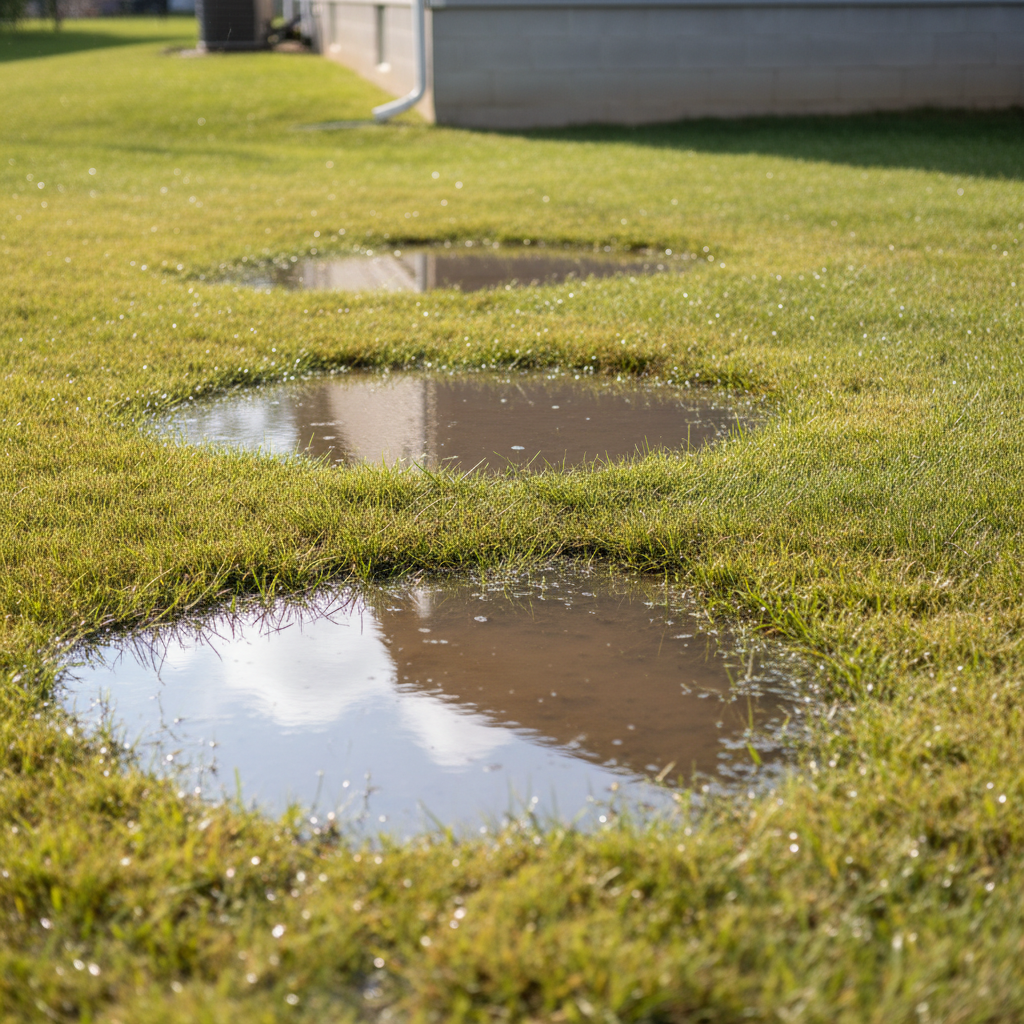
When your yard holds water like a bathtub after a decent rain, it’s telling you something’s wrong. That standing water, especially if it hangs around for more than a day or two, isn’t just ugly — it’s a big red flag for your plants, your lawn, and maybe even your foundation. I’ve seen folks try to ignore it, but water doesn’t forget. You can handle some minor pooling with a little elbow grease, sure, but if it’s widespread or keeps coming back, you’re probably looking at soil issues, bad grading, or some underground mess that needs a pro to sort out for good.
The Problem
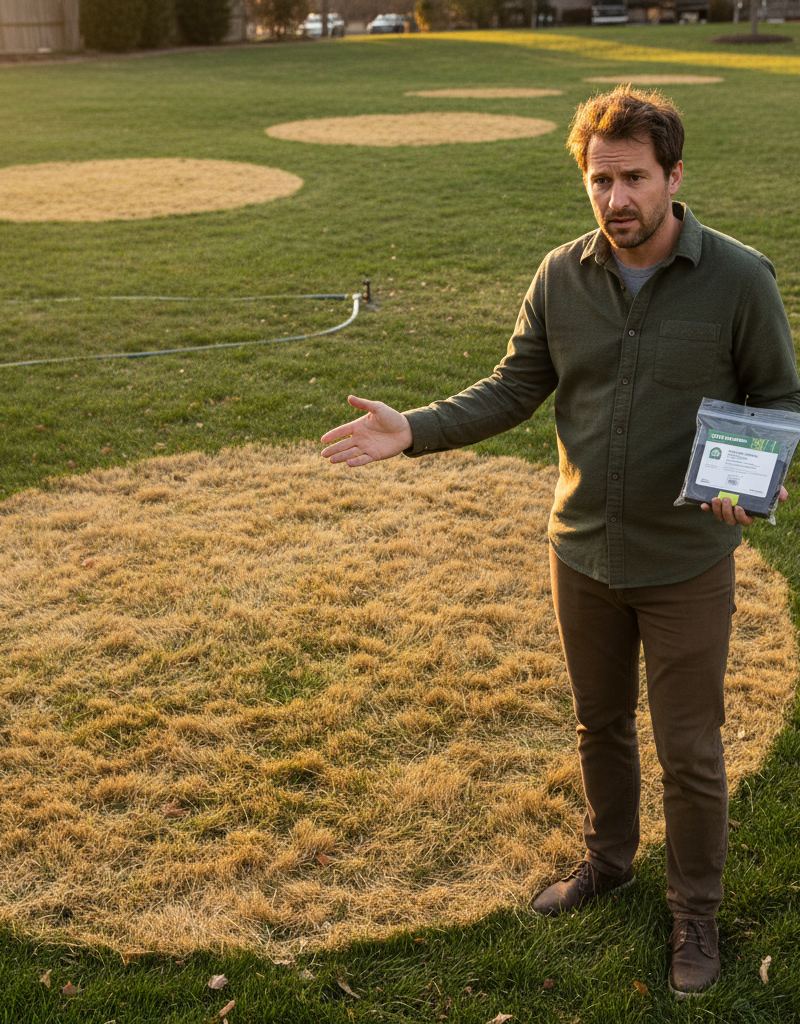
I’ve seen this a hundred times: a homeowner calls me out, ticked off because the backyard turns into a swamp after every rainstorm. They’ve tried aerating, dumping on some topsoil, maybe tossing in a few thirsty plants — but that water just sits there, wrecking the grass, making mud holes, and driving everybody nuts. It’s not just about looks, either. Standing water chokes grass roots by cutting off oxygen, turns into a mosquito nursery fast, and, worst of all, can push water toward your foundation and start the kind of trouble that gets expensive in a hurry. Constant dampness also beats up your soil, washing out nutrients and packing what’s left down tight, so fertile ground turns into a sloppy mess you can’t really work with.
How It Works
Alright, here’s what’s going on when water won’t drain. Picture your soil like a sponge. Ideally, it’s a mix of solid bits — sand, silt, clay — with open spaces in between where air and water can move around. When rain falls, gravity pulls that water down through the soil profile until it hits a layer it can’t get through or reaches the water table. Good drainage means those pores are open enough and connected enough to let water move along at a decent pace.
But plenty can go sideways. If your soil’s heavy on clay — we’re talking over 40-50% clay — the particles are tiny and packed tight, so there’s hardly any pore space. It’s like trying to force water through thick mud. On the flip side, super sandy soil drains too fast, but you can still get pooling if there’s a hardpan layer underneath — that’s a compacted, cement-like layer that acts like a slab and stops water cold. Then there’s plain old compaction, usually from heavy foot traffic, vehicles, or construction equipment. That squeezes the air pockets right out of the soil. No air, no drainage. Water can’t get in, so it runs sideways or sits on top. Throw in poor grading — meaning the yard doesn’t slope away from the house, or it’s got low spots — and you’ve got a recipe for standing water trouble. The water table can be part of it, too, especially in low spots or near lakes and creeks. If the ground’s already soaked from underneath, there’s nowhere for rainwater to go.
Step-by-Step Fix
Before you call in the cavalry, there are a few things a homeowner can try for minor puddling. Start by figuring out where it’s happening and how bad it really is.
-
Observe & Identify the Problem Area — Where does the water pool?
Walk the yard after a good rain. See where the water collects, how deep it gets, and how long it hangs around. Is it one little puddle, or does half the yard turn into a pond? That first look tells you a lot. Snap a few photos, too — those come in handy if you end up calling someone in. -
Check for Simple Obstructions — Clear the path for water.
Sometimes it’s something dumb, like clogged gutters dumping water onto a flat spot, or a downspout blowing straight into a low area. Make sure your gutters are clean, and your downspouts reach at least 5-6 feet away from your foundation. I pulled a weird one in Frisco last month — kid’s soccer ball wedged in a drain outlet, and the whole side yard was backing up because of it. Cleared it out, and that was the end of the story. Simple as that. -
Aerating Compacted Areas — Punch some holes to breathe.
If you’ve got small, isolated puddles and the soil feels hard, compaction might be the culprit. Rent a core aerator — the kind that pulls plugs of soil — from your local hardware store.- Tools: Core aerator, work gloves.
- How-to: Make 2-3 passes over the wettest spots, overlapping a bit. Those holes let water and air work their way deeper. Leave the plugs on the lawn; they’ll break down and feed the soil. Best done when the ground’s moist, not soupy.
-
Incorporate Organic Matter — Feed your soil, improve its structure.
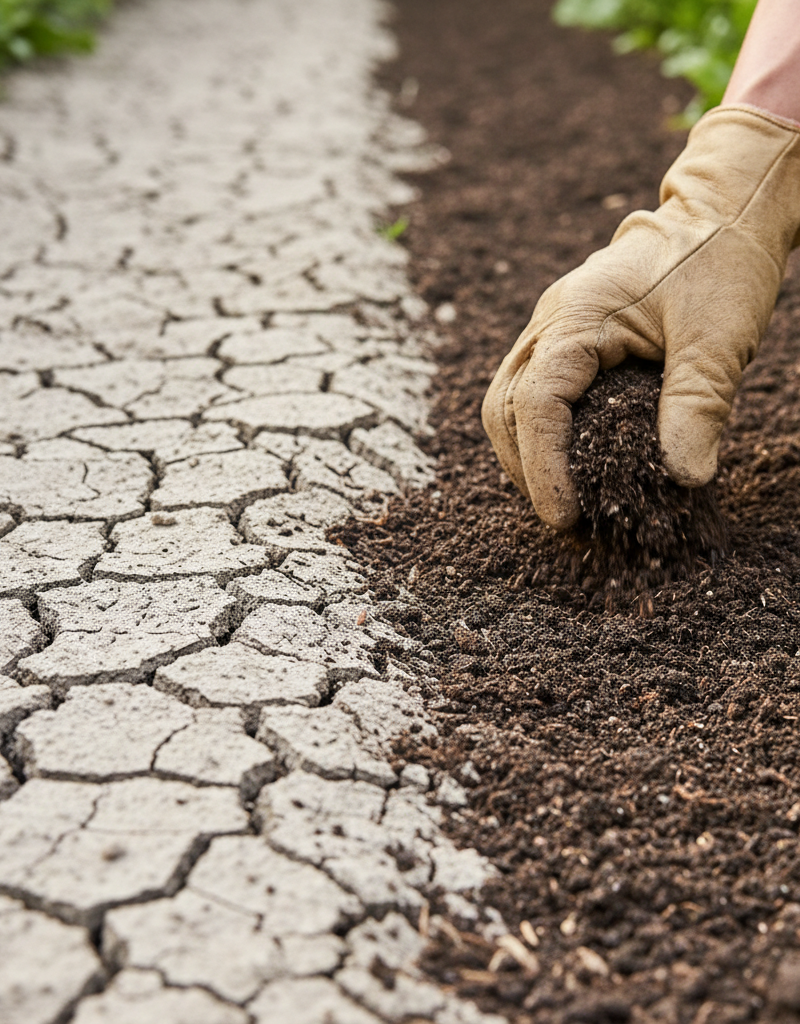
After aeration, or if the soil’s generally in bad shape, spread a 1-2 inch layer of good compost or aged manure over the problem areas.- Material: Mushroom compost, worm castings, well-aged yard waste compost.
- How-to: Rake it in lightly or let it settle into the aeration holes. Organic matter helps open up the soil, gives you more pore space, and gets the microbes working, which helps drainage over time. I tell homeowners in Sandy Springs it’s like giving the dirt a probiotic shot — crude, maybe, but it makes the point.
-
Create a Rain Garden (DIY if small) — A natural sponge for runoff.
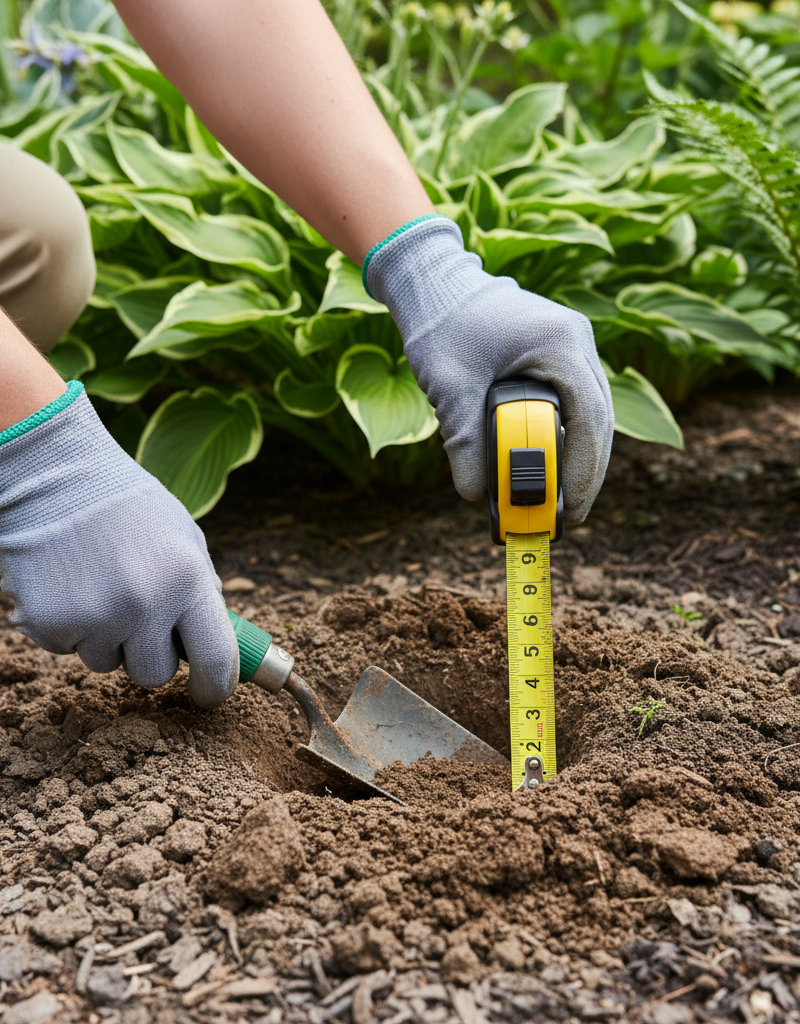
For a steady but manageable wet spot away from your foundation, a small rain garden can do the trick. It’s a shallow depression planted with water-loving native plants that can take both wet and dry conditions.- Planning: Dig a shallow basin, 6-12 inches deep, in the low spot. Mix in plenty of compost.
- Plants: Go with switchgrass, sedges, or certain types of iris that like moist ground.
-
Assess Your Yard's Grade — Does water flow away from your house?
This one matters big-time. The ground right around your foundation should slope away at a rate of at least 6 inches for the first 10 feet. If it tilts toward the house, even a little, that’s trouble.- Test: Use a string level and stakes or a long, straight board and a level to check the slope.
- Minor Fix: For very small issues, you can sometimes add topsoil or amended soil to build up the grade around the foundation, but don’t get wild with it or cover weep holes.
-
Consider Permeable Paving (Small Areas) — Let the hard surfaces breathe.
If a small patio or walkway is sending runoff into the yard, think about swapping it for permeable pavers or gravel. That lets water soak straight into the ground instead of running off onto the grass. It’s more of an upgrade than a straight repair, but it can take some pressure off your drainage system.
Common Causes
- Heavy Clay Soil: High clay content means tiny particles that pack tight and leave very little room for water to move.
- Soil Compaction: From construction, foot traffic, or vehicles. It crushes the air pockets water needs to soak in.
- Poor Grading: The yard isn’t sloped right, so water heads to low spots or, worse, toward your foundation.
- Hardpan Layer: A dense, impermeable layer under the topsoil, often caused by heavy equipment or old agricultural practices, blocks water movement.
- High Water Table: If the natural water table sits close to the surface, especially in low-lying spots, the soil’s already full and can’t take on much more.
- Over-irrigation: Sometimes we’re the problem. Watering too much, too often, overwhelms the soil’s ability to drain.
Common Mistakes
- Ignoring the Problem: Hoping it’ll just dry out on its own. Persistent standing water is chewing up your property and your wallet.
- Adding Sand to Clay Soil: Classic DIY faceplant. Instead of helping, you can end up with something close to concrete once it’s mixed with clay.
- Digging Random Holes: If you don’t know what’s causing the issue, those “drainage holes” can just become deeper puddles or send water somewhere worse.
- Planting the Wrong Things: Trying to force dry-loving plants into soggy ground. They’ll rot. Plain and simple.
- Not Extending Downspouts: Letting roof runoff dump right next to the foundation. That’s asking for a headache.
- Over-reliance on Surface Solutions: Throwing on topsoil without fixing compaction or grading is just a band-aid. You’ve got to get to the root of it.
Cost & Time Breakdown
| Task | DIY Cost | Pro Cost | Time (DIY) |
|---|---|---|---|
| Observing/Testing | $0 | $150–$300 (consult) | 1–2 hours |
| Downspout Extension | $20–$50 | $100–$250 | 30 min–1 hour |
| Core Aeration (rental) | $70–$120/day | $150–$350 | 2–4 hours |
| Soil Amendment (compost) | $50–$200 | $300–$800+ | 2–6 hours |
| Small Rain Garden | $100–$400 | $500–$1500+ | 1–2 days |
| Professional Grading/Drainage | N/A | $2,000–$10,000+ | Varies (days-weeks) |
Tips & Prevention
- Regular Aeration: If you’ve got heavy clay soil or a lot of foot traffic, aerate once a year or twice a year, especially in the spots that puddle up.
- Consistent Organic Matter: Top-dress lawns and beds with a thin layer (0.5-1 inch) of compost every spring. It helps the soil get better little by little.
- Check Your Grade Annually: Take a quick walk around the foundation each spring and make sure the ground still slopes away. Settling can create new low spots before you know it.
- Strategic Planting: Pick plants that fit the soil you’ve got. If an area stays wet, use moisture-tolerant varieties.
- Mulch, Don't Bury: Use 2-3 inches of organic mulch in garden beds. It helps hold moisture, cuts down on compaction, and improves infiltration over time. Just don’t heap it against tree trunks or the house.
- Monitor Irrigation: Set your sprinkler system so it’s not soaking the place. A good rule of thumb is 1 inch of water per week for most lawns, delivered deeply and infrequently.
When to Call a Professional
Look, I’m all for DIY, but some jobs are just too big, too messy, or too risky to mess with yourself. If standing water sticks around for more than 48 hours after rain, covers a large chunk of the yard, or — worst case — starts pooling near your home's foundation, it’s time to make the call. Water near the house can turn into foundation cracks, crawl space flooding, and real structural damage. You’ll also want a pro if you think there’s a broken underground pipe. That usually shows up as a wet spot that never really dries out, even when it hasn’t rained. A landscaper, drainage specialist, or foundation pro can figure out what’s actually going on, whether it needs major regrading, French drains, catch basins, or a full subsurface drainage setup. They’ve got the gear and the experience to fix it the right way and keep you from bleeding money later. Don’t play around when the structure of your house is on the line.
Related Articles
Keep troubleshooting with these hand-picked guides from FixlyGuide:
- The Invisible War Beneath Your Sidewalk: 3 Ways Tree Roots Cause Havoc — Discover how tree roots cause sidewalk damage and learn actionable DIY and professional solutions to restore safety and appearance.
- The 3 Mulching Mistakes That Are Secretly Killing Your Plants — Discover the three common mulching mistakes that unknowingly harm your garden and learn how to apply mulch correctly for thriving plants.
- The #1 Lawn Aeration Mistake Most Homeowners Make (And How to Fix It) — Timing is everything when it comes to lawn aeration, and doing it at the wrong time can do more harm than good for your grass.
- The One Weed Killer Mistake That Makes Your Weeds Grow Back Stronger — You've sprayed and pulled, but those persistent weeds keep popping up. The real problem isn't the weed itself; it's a common mistake in how…
- The One Soil Secret Killing Your Garden (It Ain't Fertilizer) — Poor drainage and compacted soil can suffocate plant roots, leading to stunted growth, disease, and nutrient deficiencies. I'll show you ho…
- The Secret Culprit Behind Your Dishwasher's Standing Water (It's Not Always a Clog) — Discover why your dishwasher isn't draining completely and follow our step-by-step guide to identify and fix common issues, often without a…
What should this project cost?
Enter your project details for a realistic cost range before you call anyone.
Minor crack sealing $800–$2,500; pier and beam stabilization $10,000–$30,000+.
- Regional adjustment
- National average
- Labor share (typical)
- ~$4,961
- Quotes to collect
- 3 written estimates
Educational estimate based on national averages — not a binding quote. Always confirm with written local estimates.
Fixly Project Decision Box
- DIY difficulty
- Moderate
- Estimated time
- 30 minutes – half a day
- Cost level
- Moderate
Main tools / materials
- Adjustable wrench
- Plunger or drain auger
- Bucket and towels
- Thread tape
When to stop and call a pro
- Water you cannot shut off at the fixture or main
- Sewage backing up into more than one fixture
- Water near electrical panels or outlets
- Gas water heater work beyond relighting a pilot
Need professional help?
Get a Licensed PlumberGet the print-ready PDF of this guide
A clean, ad-free, printable version you can keep on your phone or pin to the workshop wall. Free with a FixlyGuide account.
- Print-optimized layout
- Tools, materials & every step included
- Saved to your account
Frequently asked questions
How long should it take for puddles to drain?+
Ideally, puddles should drain within a few hours after a rainfall. If you have standing water persisting for more than 24-48 hours, especially in sunny conditions, it indicates a significant drainage problem in your yard.
Can standing water damage my home's foundation?+
Absolutely. Persistent standing water near your foundation allows moisture to seep into the soil, causing it to expand and contract, which can lead to cracks in your foundation walls and even basement or crawl space flooding.
What kind of soil causes the worst drainage?+
Heavy clay soil is typically the worst for drainage. Its tiny, tightly packed particles leave very little pore space for water to infiltrate, causing it to sit on the surface or drain extremely slowly.
Is adding sand a good way to improve drainage in clay soil?+
No, adding sand to clay soil is generally a bad idea. When mixed, sand and clay can create a material similar to concrete, making drainage even worse. It's better to add plenty of organic matter like compost.
What is a French drain and when is it needed?+
A French drain is a trench filled with gravel and a perforated pipe, designed to divert surface and groundwater away from an area. It's often needed for persistent, widespread wet spots or when water is flowing towards a home's foundation.
Can I install a French drain myself?+
While small, simple French drains can be a DIY project, complex systems that require precise grading, connections to downspouts, or dealing with significant water volumes are best left to professional landscapers or drainage contractors. Incorrect installation can worsen the problem.
How does poor yard grading affect drainage?+
Poor yard grading means your land doesn't slope away from your house or has low spots where water naturally collects. This directs runoff towards unwanted areas, including your home's foundation, creating drainage issues.
Are there plants that can help with soggy areas?+
Yes, planting water-tolerant native plants in a rain garden or wet areas can help. These plants are adapted to fluctuating moisture levels and can absorb a significant amount of water from the soil, improving overall drainage in localized spots.
Discussion
Loading comments…