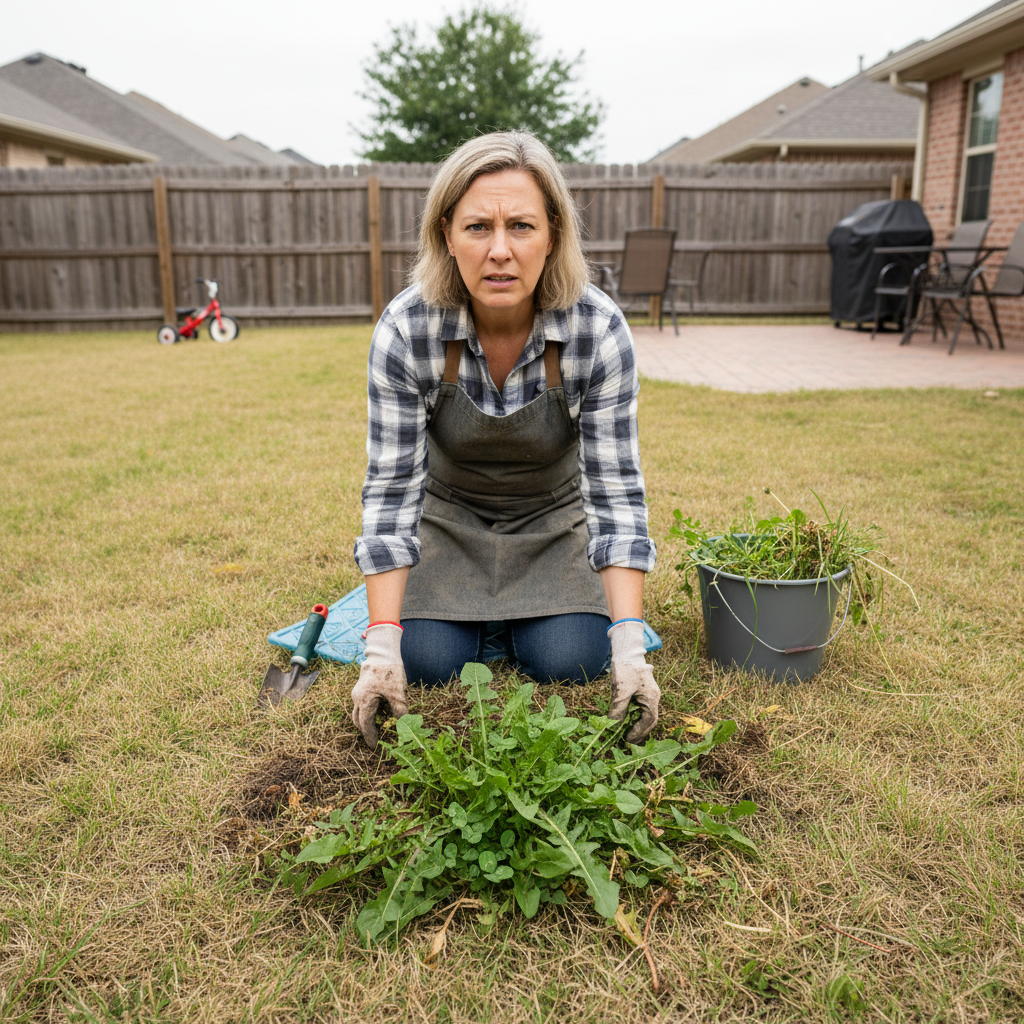
- Identify Your Enemy – Knowing what you’re fighting
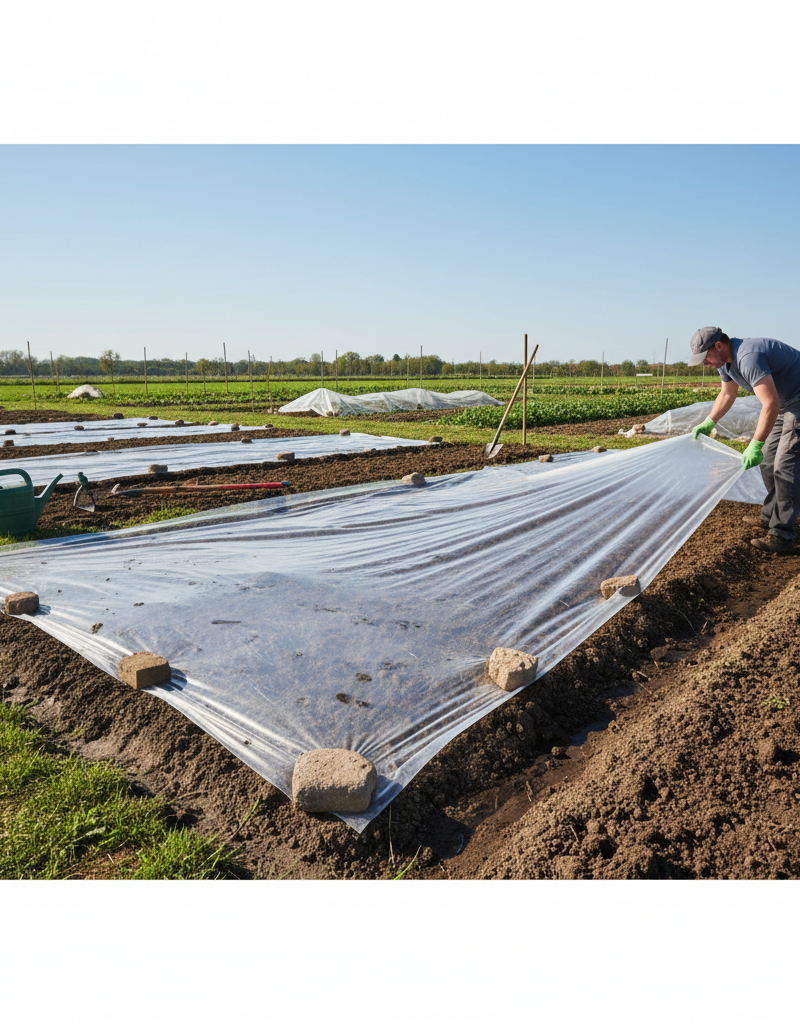
- Solarize Small, Infested Areas – Cook ’em out
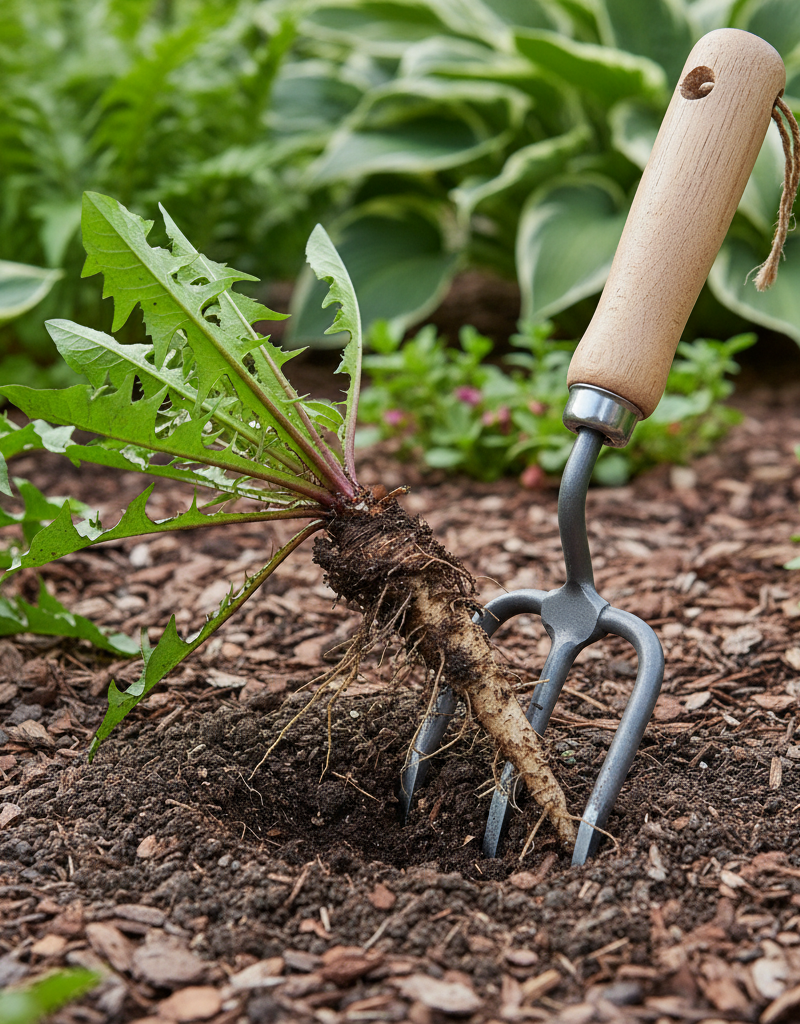
- Dig Deep for Perennials – Get the whole root
- Target with Post-Emergent Herbicides (Carefully!) – Selective assassination
- Safety First: Wear gloves, eye protection, and long sleeves. Don’t apply before rain or when winds are high. Keep pets and kids off the treated area until it’s dry—usually 2-4 hours.
Landscaping · Deck or fence project
| Project category | Landscaping |
|---|---|
| Problem type | Deck or fence project |
| Trade required | Landscaping |
| Urgency | Planned project |
| Safety risk | Moderate safety risk |
| DIY suitability | DIY for experienced homeowners |
| Cost category | High cost |
| Typical timeline | Most builds 3–10 days depending on size |
| Contractor type | Landscaping contractor |
Repair option
Replace failed boards, posts, and hardware; reseal the surface.
Replacement option
Rebuild when framing or the ledger connection is unsafe.
Common causes
- Rot at posts and ledger
- Storm damage
- Adding outdoor living space
Relevant tools:home improvement material pricesproject cost estimator
Published August 23, 2026Last updated August 23, 2026
Tools & materials you'll need
Affiliate linksAs an Amazon Associate FixlyGuide earns from qualifying purchases — at no extra cost to you. Prices and availability are accurate as of publication and subject to change.
Quick Answer
Listen, you’ve probably been there: you spend a Saturday yanking out dandelions or spraying down some broadleaf, feeling pretty good about it. A week later, bam! They’re back, sometimes thicker than before. The quick answer is this: most folks are only treating the symptom, not the disease. You kill the top growth, but if that root system is still intact, or if you’ve just stirred up a fresh batch of weed seeds, you’re fighting a losing battle. Permanent weed control isn’t about a single magic spray; it’s about breaking the weed’s life cycle at every stage and making your soil a place where desirable plants thrive, not invaders.
The Problem
Alright, let’s talk about the real headache: those stubborn weeds that just won’t quit. You can pull ’em, spray ’em, even torch ’em (though I don’t recommend that unless you’re really bored and have a fire extinguisher handy), and they’ll still mock you from your flowerbeds or driveway cracks. The core issue isn’t that weeds are invincible; it’s that most common DIY weed removal methods don’t actually eliminate the plant’s ability to regrow. They might kill the visible leaves, but if the root system, rhizomes, or countless dormant seeds are still in the soil, you’re just setting yourself up for Round Two, Three, or a hundred.
I’ve seen homeowners in places like Roswell, Georgia, get so frustrated they’ve poured concrete over their entire yard just to stop the Bermuda grass from creeping in. That’s extreme, sure, but it tells you how fed up people get. The mistake isn’t a lack of effort; it’s usually a lack of understanding about how these plants operate and, more importantly, how to shut them down for good.
How It Works
Understanding how a weed works is your first step to beating it. Think of it like this: weeds are survivors. They’ve spent millions of years getting good at colonizing disturbed soil, outcompeting other plants, and reproducing like crazy. Most weeds fall into one of three categories: annuals, biennials, or perennials.
- Annuals: These guys complete their whole life cycle—from seed to flower to seed—in one growing season. Think crabgrass or lamb's quarter. Their whole game is dropping as many seeds as humanly possible (I’m talking thousands from a single plant!) before they die. If you stop them from setting seed, you’ve won that year.
- Biennials: They take two years. First year, they grow a rosette of leaves and stash energy in their roots. Second year, they flower, set seed, and then kick the bucket. Mullein or wild carrot are good examples. You’ve got a longer window to get ’em before they reproduce.
- Perennials: These are the heavyweights—dandelions, thistle, Bermuda grass, bindweed. They live for multiple years, often spreading through big root systems, rhizomes (underground stems), or stolons (above-ground stems). Pulling the top off a perennial is like giving it a haircut; the root system just says, “Thanks, I needed that,” and sends up new shoots. Some perennial roots can go down 10, 15 feet! You’ve gotta kill the whole plant, root and all, to stop them.
Beyond their life cycle, weeds thrive on opportunity. Bare soil is basically an open invite. Compacted soil favors certain weeds. Nutrient problems in your soil can also give some weed species the upper hand over the plants you actually want. Your goal isn’t just to kill what’s there; it’s to break their reproductive cycle and build an environment where they can’t grab hold in the first place.
Step-by-Step Fix
Alright, let’s get down to business. This isn’t a one-and-done deal, but a mix of strategies that’ll put you back in control.
- Identify Your Enemy – Knowing what you’re fighting
- Before you do anything, figure out what kind of weed you’ve got. Is it a broadleaf or a grassy weed? Annual or perennial? That tells you what to do next. A quick online search with a photo will usually sort it out. Different weeds need different treatments. Don’t just spray everything with the same stuff.
- Solarize Small, Infested Areas – Cook ’em out
- For areas heavily infested with seeds or perennial roots, solarization can be a game-changer. Mow the area low, water it thoroughly, then cover it with clear plastic sheeting (4-6 mil thick). Secure the edges tightly with rocks or soil. The sun will superheat the soil under the plastic—up to 140°F—killing seeds, seedlings, and root systems. Leave it in place for 4-6 weeks during the hottest part of summer. This isn’t quick, but it’s damn effective if you want a clean slate.
- Dig Deep for Perennials – Get the whole root
- For individual perennial weeds like dandelions or tap-rooted thistles, hand removal still wins, but you’ve gotta be thorough. Use a dandelion fork or a hori-hori knife to loosen the soil around the root. Dig deep—often 6-12 inches—to get as much of that taproot as you can. Leave even an inch or two, and it can grow right back. It’s hard work, no question, but for a handful of weeds, it’s worth it.
- Target with Post-Emergent Herbicides (Carefully!) – Selective assassination
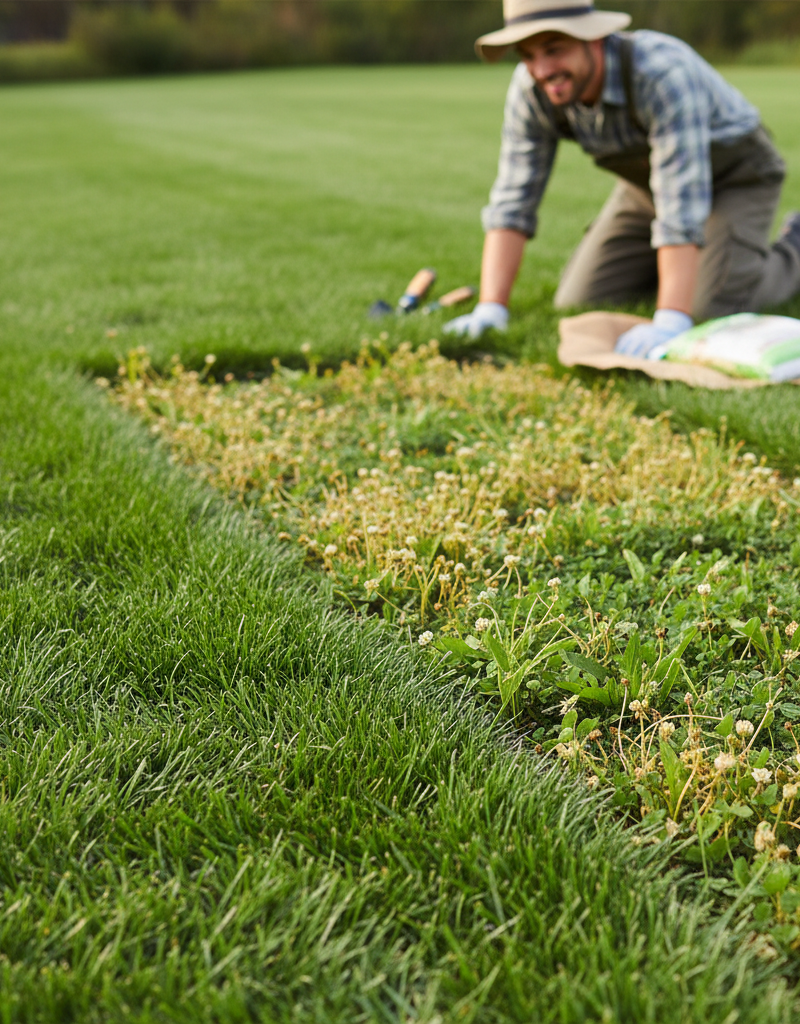
- For broadleaf weeds in your lawn, a selective post-emergent herbicide (like those containing 2,4-D, MCPP, or dicamba) can do the trick. These kill broadleaf weeds without harming most established grasses. Apply on a calm day when temperatures are between 60-85°F. Always read the label! More isn’t better; you’ll just burn your grass and waste product. For grassy weeds in flowerbeds, you’ll need a different selective herbicide or you’ll be back to careful hand-pulling.
- Safety First: Wear gloves, eye protection, and long sleeves. Don’t apply before rain or when winds are high. Keep pets and kids off the treated area until it’s dry—usually 2-4 hours.
- For broadleaf weeds in your lawn, a selective post-emergent herbicide (like those containing 2,4-D, MCPP, or dicamba) can do the trick. These kill broadleaf weeds without harming most established grasses. Apply on a calm day when temperatures are between 60-85°F. Always read the label! More isn’t better; you’ll just burn your grass and waste product. For grassy weeds in flowerbeds, you’ll need a different selective herbicide or you’ll be back to careful hand-pulling.
- Use Pre-Emergents Strategically – Stop ’em before they start
- Pre-emergent herbicides create a barrier in the soil that stops weed seeds from germinating. These are crucial for annual weeds like crabgrass. Apply in early spring before soil temperatures consistently reach 55°F (for crabgrass, for instance) and then again in late summer/early fall for cool-season annuals. Don’t apply pre-emergents if you’re planning to plant grass seed, because it’ll stop that from germinating too.
- Mulch, Mulch, Mulch! – Smother the competition
- A 2-4 inch layer of organic mulch (wood chips, shredded bark, straw) is a great weed deterrent. It blocks sunlight, slows germination, and makes any weeds that do pop up way easier to pull. Plus, it holds moisture and improves soil health. Don’t pile it up against tree trunks or plant stems; leave a small gap so you don’t invite rot.
- Water Deeply, Less Often – Encourage strong roots
- Frequent, shallow watering encourages shallow-rooted weeds. Water deeply and less often (e.g., 1 inch of water once or twice a week) to push your good plants into making deep, sturdy roots. That makes them tougher and better able to compete with weeds.
- Improve Soil Health – The long-term game
- Compacted or nutrient-poor soil often favors weeds. Aerate your lawn annually. Add compost to your garden beds. Get a soil test every few years—your local extension office can help—to understand your soil’s pH and nutrient levels. Healthy soil grows healthy plants, and healthy plants are your best defense against weeds.
- Edge and Maintain Borders – Contain the creepers
- For aggressive spreading weeds like Bermuda grass, installing a deep, rigid edging (metal or plastic) along garden beds and walkways can keep them from sneaking in. Dig a trench and bury the edging at least 4-6 inches deep, leaving 1-2 inches above ground. That gives you a physical barrier instead of wishing them away.
- Regular Scouting and Spot Treatment – Nip it in the bud
- Walk your yard regularly. Catching weeds when they’re small is ten times easier than letting them get established. Pull them right away, or spot-treat with a targeted herbicide if needed. Don’t let a few weeds turn into a whole patch.
Common Causes
- Disturbed Soil: Any digging, tilling, or construction opens up the "weed seed bank" in your soil, bringing dormant seeds to the surface where they can germinate. That’s why new construction sites often look like weed farms.
- Bare Patches: Uncovered soil is an open invite for weeds. They’re nature’s way of healing disturbed ground, so if you leave it open, they’ll move in.
- Improper Watering: Shallow watering promotes shallow-rooted weeds. Your grass gets a sip, but the weeds get a feast.
- Poor Soil Health: Compacted, nutrient-deficient, or imbalanced pH soil stresses desirable plants, making them weak competitors against hardy weeds.
- Letting Weeds Go to Seed: One mature weed can produce thousands of seeds, guaranteeing generations of future headaches. If you let them flower, you’re just feeding the problem.
- Not Cleaning Tools: Weed seeds can hitch a ride on your shovel, mower, or even your boots, spreading them to new areas.
Common Mistakes
- Only Pulling the Tops: This is the classic mistake for perennials. You cut off the leaves, but the root system is still healthy and ready to send up new shoots, sometimes even stronger because you’ve removed competition for light.
- Tilling Frequently: While tilling can prep a garden bed, it also brings dormant weed seeds to the surface, where they get light and moisture, triggering germination. Less disturbance is usually better for weed control.
- Applying Herbicides Incorrectly: Using the wrong type (non-selective in a lawn), spraying on a windy day, over-applying, or applying when rain is coming. You either kill your good plants, waste product, or hurt the environment.
- Ignoring Soil Health: Thinking that just killing weeds is enough. If your soil isn’t supporting strong turf or garden plants, weeds will always find a way to exploit that weakness.
- No Mulch: Skipping mulch is like leaving the front door open for weeds. It’s one of the easiest, most effective barriers you can put down.
- Waiting Too Long: Letting weeds get established and go to seed. It’s a thousand times harder to deal with a mature, seeding weed than a tiny seedling.
Cost & Time Breakdown
| Task | DIY Cost | Pro Cost | Time |
|---|---|---|---|
| Hand pulling/Weed Tools | $10-$50 (tools) | N/A | 1-4 hours/week |
| Spot treat herbicides | $20-$40/bottle | $50-$150/visit | 15-30 minutes |
| Pre-emergent application | $30-$60/bag | $75-$200/application | 30-60 minutes |
| Mulching (100 sq ft) | $50-$100 (materials) | $150-$300 (labor+mat) | 1-2 hours |
| Solarization (small area) | $20-$40 (plastic) | N/A | 4-6 weeks (passive) |
| Professional Weed Control | N/A | $300-$800/season | N/A |
Tips & Prevention
- Mow High: For lawns, keep your grass at least 3 inches tall. Taller grass shades the soil, blocks sunlight for weed seeds, and helps build a healthier, more competitive turf.
- Crowd ’Em Out: Plant your garden beds densely with the plants you actually want. Less bare soil means fewer chances for weeds to get established.
- Edge Your Beds: Install physical barriers around garden beds to stop aggressive spreading weeds like Bermuda grass from creeping in. Dig them at least 4-6 inches deep.
- Clean Your Tools: Before moving from a weedy area to a clean one, knock soil and plant debris off your shovels, rakes, and especially your mower deck. You don’t want to spread seeds.
- Buy Quality Soil/Compost: Sometimes weeds come in with cheap topsoil or compost. Source from reputable suppliers to minimize introducing new weed seeds.
- Water Your Plants, Not Your Weeds: Use drip irrigation or soaker hoses to deliver water right to the root zone of your desirable plants, keeping the spaces in between drier and less welcoming to weeds.
When to Call a Professional
Look, some weed problems are just beyond the scope of a weekend warrior. If you’re dealing with acres of invasive species, or if you’ve got persistent, aggressive weeds like nutsedge, Japanese knotweed, or established poison ivy/oak that you can’t identify or control, it’s time to call in a pro. They’ve got access to commercial-grade herbicides and application equipment that homeowners don’t, plus the know-how to use them safely and effectively. Also, if you’re dealing with weeds near sensitive areas like water features, vegetable gardens, or if you have specific concerns about chemical applications and pets, a licensed landscaper or weed control specialist can give you safer, tailored solutions.
Related Articles
Keep troubleshooting with these hand-picked guides from FixlyGuide:
- The #1 Mistake Killing Your Garden (And 5 Permanent Weed Fixes) — Discover the secret to truly permanent weed removal and stop making the common mistake that allows weeds to relentlessly return, reclaiming…
- The #1 Dandelion Mistake Almost Every Homeowner Makes (and How to Fix It) — Many homeowners accidentally make dandelions worse. Learn the most common mistake and how to truly eliminate these persistent weeds for goo…
- The #1 Mistake Killing Your Dandelion-Fighting Efforts (and the Easy Fix) — Stop dandelions from taking over your lawn by understanding common mistakes and implementing effective, long-term solutions for a healthier…
- The Eternal Weed Battle: Why They Always Come Back (And How to Actually Win) — Stop the cycle of endless weeding by understanding why weeds persist and how to implement long-term control strategies.
- The 3 Hidden Reasons Your Sprinkler Head Won't Pop Up (And How to Fix It FAST) — Discover the most common reasons your sprinkler head isn't popping up and follow our step-by-step guide to quickly diagnose and fix the iss…
- The Secret Reason Your Kitchen Sink Drains Slow (It's Not Always Grease) — A slow-draining kitchen sink is a common nuisance, but the culprit isn't always obvious. Learn how to diagnose and fix the real problem.
What should this project cost?
Enter your project details for a realistic cost range before you call anyone.
Cost depends heavily on which system turns out to be the source.
- Regional adjustment
- National average
- Labor share (typical)
- ~$1,620
- Quotes to collect
- 3 written estimates
Educational estimate based on national averages — not a binding quote. Always confirm with written local estimates.
Get the print-ready PDF of this guide
A clean, ad-free, printable version you can keep on your phone or pin to the workshop wall. Free with a FixlyGuide account.
- Print-optimized layout
- Tools, materials & every step included
- Saved to your account
Frequently asked questions
Why do my weeds keep coming back after I pull them?+
You're probably leaving part of the root behind, especially with perennial weeds like dandelions or thistles. Many weeds can regrow from even a small piece of root. You need to get the whole root system to truly stop them.
Are 'weed and feed' products good for permanent weed removal?+
'Weed and feed' products are generally a compromise. They offer some pre-emergent weed control and fertilizer, but often aren't strong enough for established weeds and can sometimes harm desirable plants if not used correctly. Targeted approaches are usually more effective for tough weeds.
How long does it take for weeds to die after spraying?+
It depends on the herbicide and the weed type. Non-selective contact killers can show results in hours, but systemic herbicides that kill the root can take 7-14 days, sometimes longer, for the weed to fully die back. Always check the product label for specific timing.
Can I use household products like vinegar to kill weeds?+
Horticultural vinegar (20% acetic acid) can kill small, annual weeds by burning the foliage, but it's non-selective, meaning it will kill anything it touches. Regular household vinegar (5% acetic acid) is generally too weak to be effective on anything but the tiniest seedlings and won't kill roots.
What's the best way to prevent weeds from growing in my garden beds?+
Mulch is your best friend here. A 2-4 inch layer of organic mulch like wood chips or shredded bark blocks sunlight, suppressing weed seed germination. Combine this with hand-pulling any stragglers, and you'll drastically reduce weeds.
When is the best time to apply a pre-emergent herbicide?+
For most summer annual weeds like crabgrass, apply in early spring when soil temperatures consistently reach 50-55°F, before seeds germinate. For cool-season annuals, apply in late summer or early fall. Timing is crucial, so check local extension office recommendations.
Will tilling my garden help get rid of weeds permanently?+
No, tilling often makes weed problems worse in the long run. It brings dormant weed seeds from deeper in the soil to the surface, where light and moisture encourage them to sprout. Minimal soil disturbance is usually better for weed control.
Is it better to pull weeds or spray them?+
It depends on the weed. For individual perennial weeds, careful hand-pulling that removes the entire root is often best. For large infestations of annuals or broadleaf weeds in lawns, targeted herbicides can be more efficient. A combination of methods usually works best.
Discussion
Loading comments…