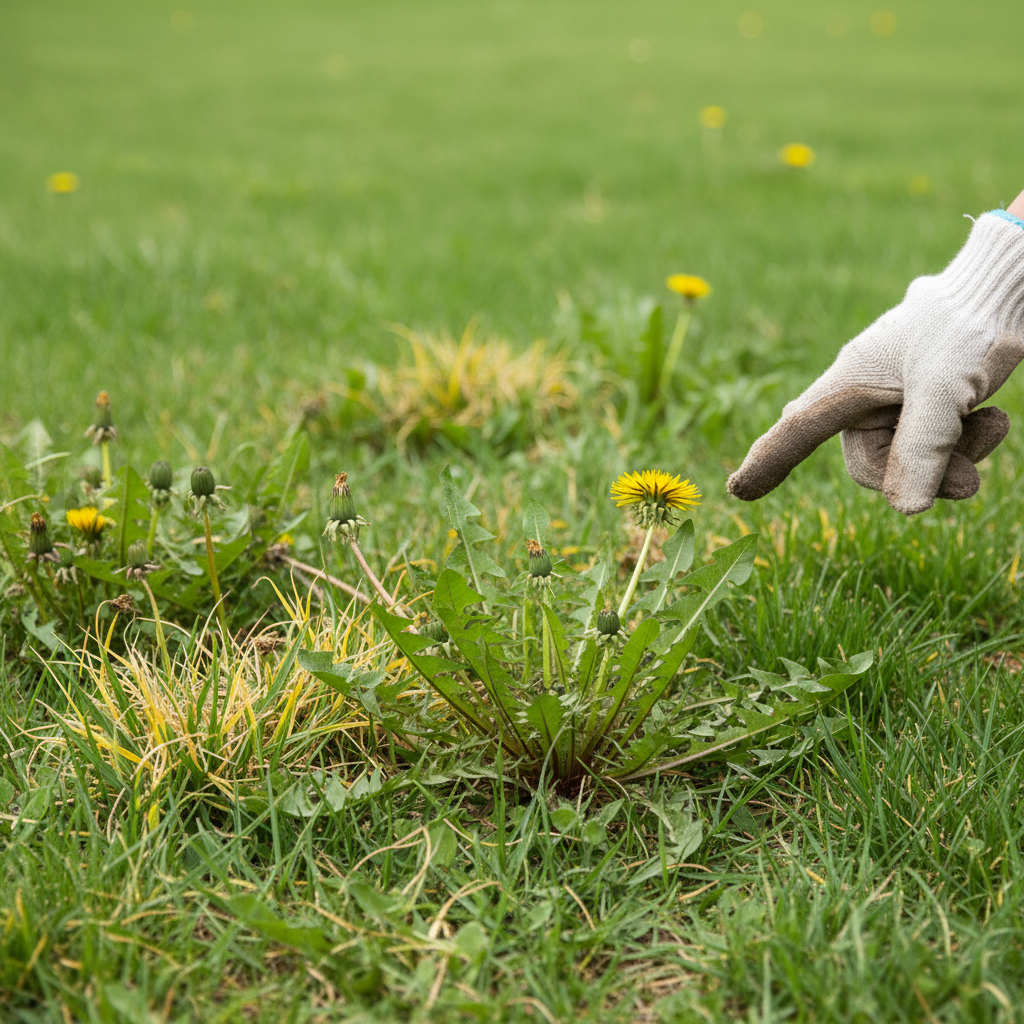
- Incorrect Weed Identification: You're using a broadleaf killer on a grassy weed, or vice-versa. That's like trying to patch a tire with a wrench — wrong tool for the job.
- Poor Application Timing: Spraying too close to rain, on a windy day, or when temperatures are too cold/hot for the product to work right.
- Dilution Errors: Mixing the herbicide too weak means it won't kill; mixing it too strong can damage your desired plants.
- Inadequate Coverage: Not enough product getting on the weed's leaves for proper absorption, especially with systemic products.
- Plant Stress: Weeds that are drought-stressed, diseased, or otherwise beat up might not absorb the herbicide efficiently.
Landscaping · Deck or fence project
| Project category | Landscaping |
|---|---|
| Problem type | Deck or fence project |
| Trade required | Landscaping |
| Urgency | Planned project |
| Safety risk | Moderate safety risk |
| DIY suitability | DIY for experienced homeowners |
| Cost category | High cost |
| Typical timeline | Most builds 3–10 days depending on size |
| Contractor type | Landscaping contractor |
Repair option
Replace failed boards, posts, and hardware; reseal the surface.
Replacement option
Rebuild when framing or the ledger connection is unsafe.
Common causes
- Rot at posts and ledger
- Storm damage
- Adding outdoor living space
Relevant tools:home improvement material pricesproject cost estimator
Published September 26, 2026Last updated September 26, 2026
Tools & materials you'll need
Affiliate linksAs an Amazon Associate FixlyGuide earns from qualifying purchases — at no extra cost to you. Prices and availability are accurate as of publication and subject to change.
Quick Answer
I get calls all the time from folks frustrated that their weed killer isn't doing the job. You spray, you wait, and boom — the weeds are back, sometimes looking even happier than before. Usually, it isn't the product itself that's failing. It's one of three usual suspects: you timed the application wrong, you grabbed the wrong product for the weed you're chasing, or you're ignoring the soil conditions that are basically rolling out the welcome mat for those stubborn little pests.
The Problem
There's nothing more aggravating than spending your Saturday morning dousing dandelions or crabgrass, only to see them laughing at you a week later. You followed the directions. You bought the good stuff. And still, those green troublemakers are thriving. Makes you want to pave the whole yard, doesn't it? I've heard every version of it — "I sprayed everything, and it did nothing!" or "These weeds are invincible!" Truth is, most weed killers work pretty well if they get a fair shot. The problem usually isn't the chemical. It's how you're using it, or more to the point, how you're not using it with a little help from Mother Nature.
How It Works
Alright, let's break down how these weed killers do their thing, because once you understand that, you'll get a lot more out of 'em. You've got two main types: contact and systemic.
Contact weed killers are a straight-up hit to the parts they touch. They kill fast. Leaves, stems, whatever gets sprayed — gone, or at least damaged quick. Think boiling water on a weed. It'll scorch the top, no question. These are great for annual weeds or when you want quick visual results. The catch? They usually don't kill the roots, so perennial weeds — the ones that come back year after year — can pop right back up from that root system underground. You'll see wilting within hours, maybe a day, but don't kid yourself; that taproot is still hanging on.
Systemic weed killers, on the other hand, are the patient type. These get absorbed through the leaves and move through the whole plant, all the way down to the roots. Glyphosate, for example, is a common systemic herbicide. It knocks out essential plant processes and basically starves the weed from the inside out. This takes time — sometimes days, often a week or two — before you see the full effect. But when it lands, it kills the whole plant, root and all. That's what you want for tough perennial weeds like thistles or bindweed. For these to work best, the plant needs to be actively growing and have enough leaf surface to soak up the chemical. If it's stressed from drought or cold, it won't take up the herbicide well, and you'll be standing there wondering why the thing's still alive.
Then there's the soil. Healthy soil, full of good microbes and balanced nutrients, helps your desirable plants grow strong, which makes them better at crowding out weeds. On the flip side, poor, compacted soil can stress your lawn or garden plants, weaken them, and give weeds a free pass. Some weed seeds actually need certain conditions, like disturbed soil or a nutrient imbalance, to germinate. That means you're not just fighting what you see above ground. You're fixing the setup underneath. And that's the game.
Step-by-Step Fix
When your weed killer isn't cutting it, it's time to put on your detective hat. Here's how I approach it.
-
Identify Your Enemy – Get to know your weed
Before you spray anything, you've gotta know what you're fighting. Is it a broadleaf weed like a dandelion, a grassy weed like crabgrass, or something else entirely? Different herbicides target different types. Using a broadleaf killer on grassy weeds is like trying to fix a flat with a hammer — wrong tool, no dice. Grab a weed identification guide online, or take a sample to your local extension office. This is where most folks go sideways right out of the gate.- Tool Check: A good pair of gardening gloves and maybe a magnifying glass can help with tiny details.
- If this doesn't work: You've misidentified the weed. Go back to square one.
-
Check the Forecast, Not Just Your Calendar – Timing is everything
This is probably the biggest mistake I see. You can't just spray whenever you feel like it. Most systemic weed killers need a few hours — usually 4 to 6 hours — of dry, calm weather after application so they can soak in properly. If rain hits right after, you've basically thrown money in the trash. Temperature matters too. Most herbicides work best when temps are between 60°F and 85°F. Too cold, and the plant isn't actively growing; too hot, and you can stress the desirable plants and lose product to evaporation. Early morning, after the dew dries but before the day gets blazing hot, is usually a good window.- Safety First: Always check the product label for specific temperature ranges and rain-free periods. Don't spray on windy days; you'll hit everything but your target, and maybe your neighbor's prize-winning roses.
-
Mix It Right, Every Time – Follow those directions, no shortcuts
Believe it or not, I've seen homeowners "eyeball" the measurements. Don't do it. These aren't recipes you can fiddle with. Too little, and it won't work; too much, and you can hurt the plants you actually want to keep. Use a measuring cup that's clearly marked. For concentrate products, a common mix ratio might be 2 ounces per gallon of water, but it varies wildly by product and target weed. A small, dedicated measuring cup is a must-have.- Tool Check: A dedicated measuring cup and a clean pump sprayer. Don't use your kitchen measuring cups for chemicals.
- If this doesn't work: Your sprayer might be clogged or not applying evenly. Check the nozzle.
-
Spray the Whole Darn Leaf – Coverage, coverage, coverage
For systemic herbicides to work, the plant needs to absorb it. That means getting good coverage on the leaves. Don't just mist the top; aim for a fine spray that coats the entire leaf surface until it's wet, but not dripping all over the place. You want maximum absorption. If you're dealing with waxy-leaved weeds, some products recommend adding a "surfactant" or "spreader-sticker" to help the herbicide cling better. That's especially true for weeds like dollarweed or ivy.- Pro Tip: For really tough, waxy weeds, some pros will add a tiny bit of non-ionic surfactant. Check your product label to see if it's recommended.
-
Don't Pull Too Soon – Patience is a virtue here
This one gets people every time. You've sprayed a systemic killer, and a day or two later, the weed still looks fine. Your first instinct might be to yank it. Don't. That systemic herbicide needs time to move through the plant and down to the roots. Pulling it too early stops that process cold, and the roots might just sprout back. Give it a good 7-14 days for most systemic products before you even think about pulling or retreating. I know, waiting's a pain — but trust the process.- Anecdote: I remember this one lady in Maplewood, swore up and down the glyphosate wasn't working on her wild violets. She was out there yanking 'em just two days after I sprayed! I had to tell her, "Ma'am, it's not a magic potion. Give it a week, maybe two. Let the poison do its job." Sure enough, she waited, and those violets finally shriveled.
-
Address the Underlying Soil – Stop rolling out the welcome mat
Weeds often love conditions your desirable plants hate. Compacted soil, nutrient deficiencies, or imbalances can favor weeds. Get a soil test done. Your local extension office can usually provide kits for $15-$30. That tells you what the soil's missing. Aerating compacted lawns, adding organic matter, or correcting pH can make your lawn or garden much healthier and a whole lot less friendly to weeds.- Pro Tip: Consider top-dressing with compost after aeration. It feeds your lawn and improves soil structure.
-
Consider Pre-Emergents – Prevent them before they start
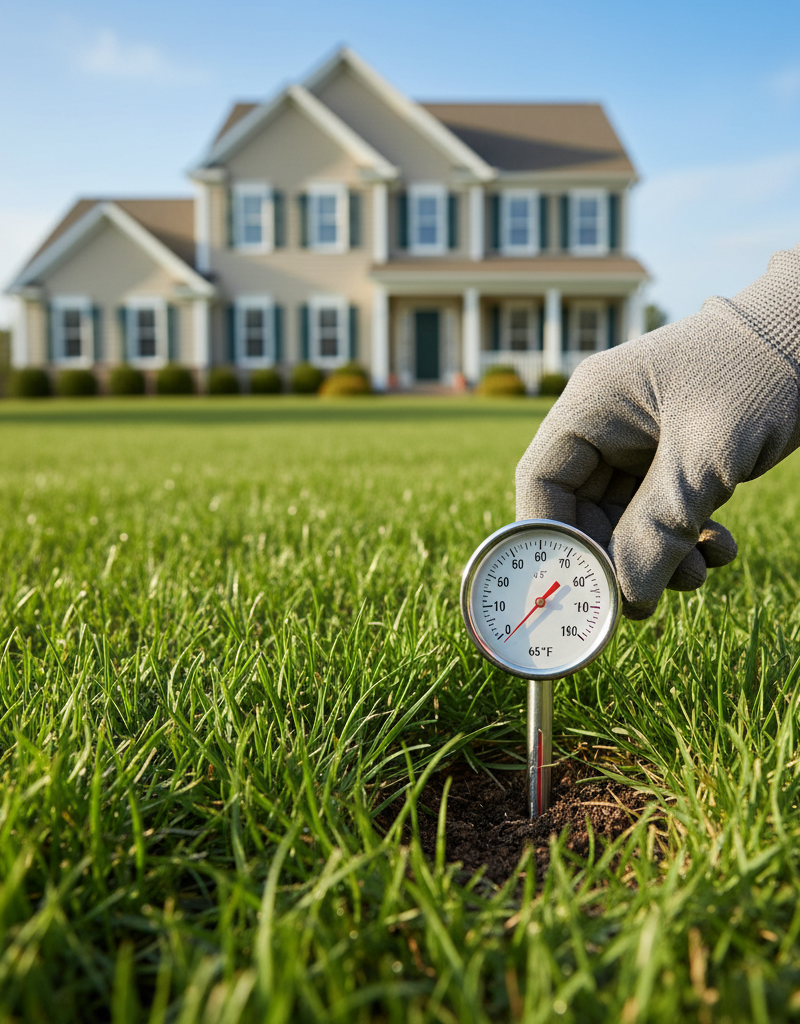
If you're always battling the same annual weeds, a pre-emergent herbicide might be your best friend. These create a chemical barrier in the soil that stops weed seeds from germinating. They don't kill existing weeds, but they keep new ones from showing up. Timing is crucial here — apply it in early spring before soil temperatures hit about 55°F for summer annuals (like crabgrass) and in late fall for winter annuals.- Important Note: Don't use a pre-emergent if you plan on seeding new grass or plants soon after, as it'll prevent your desirable seeds from germinating too.
Common Causes
- Incorrect Weed Identification: You're using a broadleaf killer on a grassy weed, or vice-versa. That's like trying to patch a tire with a wrench — wrong tool for the job.
- Poor Application Timing: Spraying too close to rain, on a windy day, or when temperatures are too cold/hot for the product to work right.
- Dilution Errors: Mixing the herbicide too weak means it won't kill; mixing it too strong can damage your desired plants.
- Inadequate Coverage: Not enough product getting on the weed's leaves for proper absorption, especially with systemic products.
- Plant Stress: Weeds that are drought-stressed, diseased, or otherwise beat up might not absorb the herbicide efficiently.
- Soil Conditions: Compacted soil, poor drainage, or nutrient imbalances can make your yard more susceptible to certain weeds, effectively undermining your herbicide efforts.
Common Mistakes
- Spraying Right Before Rain: You'll just wash off your expensive weed killer before it has a chance to work. Check the forecast — I tell my clients all the time, check the forecast.
- Pulling Weeds Too Soon After Spraying: Especially with systemic killers, you're interrupting the chemical's trip to the roots, letting the weed come back stronger.
- Using the Same Product for All Weeds: Not all weed killers are created equal. Identify the weed first, then pick the right chemical weapon.
- Ignoring the Label Instructions: The label isn't just a suggestion; it's the law for safe and effective use. Dilution rates, safety precautions, and application windows are all there for a reason.
- Spraying on a Windy Day: Overspray is a real problem. Not only can it damage desirable plants, but it's also a waste of product and can drift to areas you don't want it.
- Not Calibrating Your Sprayer: An uncalibrated sprayer can lead to uneven application, wasting product or causing damage. Make sure you know how much liquid your sprayer puts out per 1,000 square feet.
Cost & Time Breakdown
Here's a rough idea of what you're looking at for tackling those stubborn weeds yourself versus bringing in a pro.
| Task | DIY Cost ($) | Pro Cost ($) | Time (minutes) |
|---|---|---|---|
| Weed Identification | $0 | $0 (initial) | 5-15 |
| Spot Treatment (100 sq ft) | $5-$15 | N/A | 15-30 |
| Entire Lawn Treatment (1000 sq ft) | $20-$50 | $50-$150 | 45-90 |
| Soil Test | $15-$30 | N/A | 10 (send-off) |
| Pre-Emergent Application | $20-$40 | $40-$100 | 30-60 |
| Follow-up/Monitoring | $0 | N/A | 5-10 (weekly) |
Tips & Prevention
- Mow High: Let your lawn grow a little taller, say 3-4 inches. The taller grass shades the soil, keeps it cooler, and makes it harder for weed seeds to germinate. Plus, it just looks better.
- Water Deeply and Infrequently: Instead of daily sprinkles, give your lawn a good deep drink (about 1 inch of water) a couple times a week. That pushes roots deeper in your grass, makes it tougher, and makes life harder for shallow-rooted weeds.
- Mulch, Mulch, Mulch: For garden beds, a 2-3 inch layer of organic mulch (like wood chips or shredded bark) is a great weed suppressor. It blocks sunlight, smothers young weeds, and helps hold soil moisture. I've seen it cut weed pressure by 90% in some gardens.
- Edging Barriers: For beds right next to the lawn, install a physical barrier like plastic or metal edging, buried a few inches deep. That keeps running grass and perennial weeds from creeping into your garden beds.
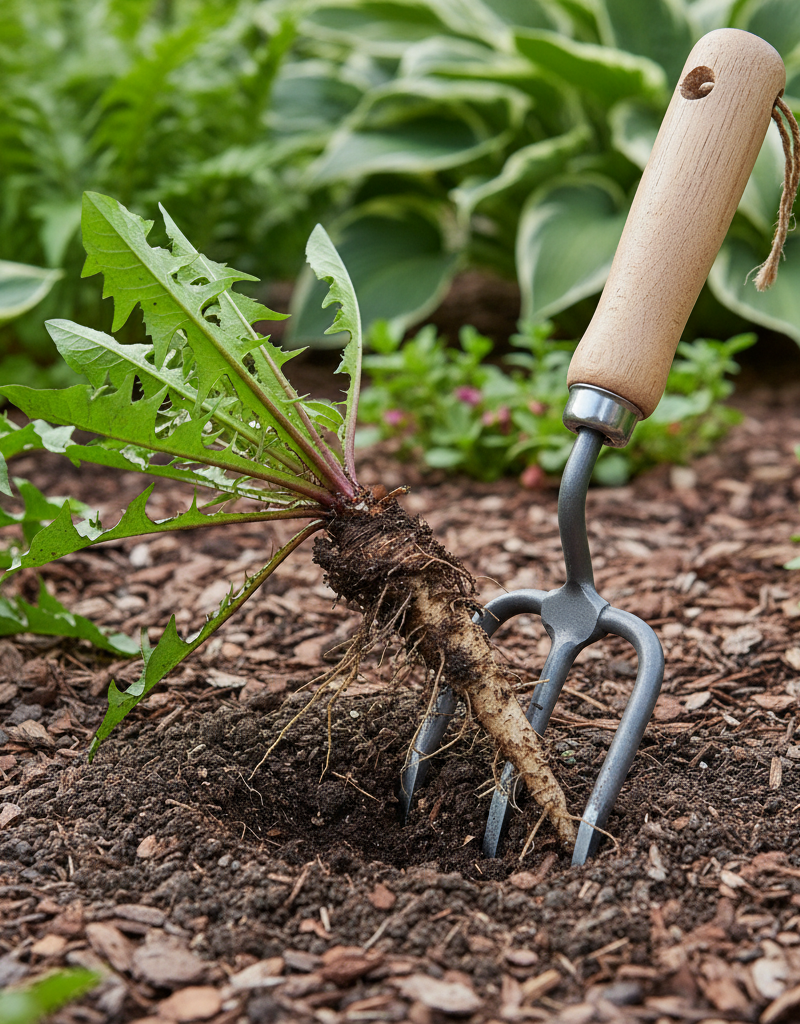
- Hand Pull When Possible: For scattered weeds, especially after rain when the soil's soft, hand pulling works really well. Get the root, and you're golden. It's a little workout, sure, but it's satisfying.
- Healthy Lawn/Garden: A dense, healthy lawn or garden is your best defense. Strong plants simply outcompete weeds for light, water, and nutrients. Feed your lawn, amend your soil, and keep your plants thriving.
When to Call a Professional
Look, I'm all for DIY, but some jobs are better left to the pros. If you're dealing with a massive infestation of especially aggressive or invasive weeds you can't identify, or if you've tried everything and nothing seems to work, it's time to bring in the big guns. Same goes if you're uncomfortable handling chemicals, or if the area you need to treat is near a sensitive ecological zone or a water source. A licensed applicator knows how to apply these products safely and effectively. They've got access to commercial-grade herbicides that aren't available to the general public, and they're trained to calibrate their equipment for precise application, which helps minimize environmental impact. Don't risk widespread damage or personal injury if the problem feels overwhelming.
Related Articles
Keep troubleshooting with these hand-picked guides from FixlyGuide:
- The One Weed Killer Mistake That Makes Your Weeds Grow Back Stronger — You've sprayed and pulled, but those persistent weeds keep popping up. The real problem isn't the weed itself; it's a common mistake in how…
- The 3 Hidden Reasons Your Sprinkler Head Won't Pop Up (And How to Fix It FAST) — Discover the most common reasons your sprinkler head isn't popping up and follow our step-by-step guide to quickly diagnose and fix the iss…
- The #1 Mistake Homeowners Make with Dandelions (and How to Fix It) — Most homeowners battle dandelions all wrong, making the problem worse instead of getting rid of those stubborn yellow invaders for good.
- Your Roses Have Aphids? The Secret Soap Spray That Saves Them — Tiny green or black bugs sucking the life out of your prize-winning roses? A simple homemade insecticidal soap spray can banish aphids with…
- The Invisible Lawn Invaders: How to Erase Fire Ant Mounds for Good — Fire ant mounds can turn your beautiful lawn into a minefield of painful stings. Discover why these pests are so resilient and my pro-teste…
- The 3 Lies Your Carpet Cleaner Tells You (And Why Your Carpet Stinks) — Ever notice those 'cleaned' carpet stains pop right back up, or a lingering funk that just won't quit? It's not bad luck; it's bad science.
What should this project cost?
Enter your project details for a realistic cost range before you call anyone.
Cost depends heavily on which system turns out to be the source.
- Regional adjustment
- National average
- Labor share (typical)
- ~$1,620
- Quotes to collect
- 3 written estimates
Educational estimate based on national averages — not a binding quote. Always confirm with written local estimates.
Get the print-ready PDF of this guide
A clean, ad-free, printable version you can keep on your phone or pin to the workshop wall. Free with a FixlyGuide account.
- Print-optimized layout
- Tools, materials & every step included
- Saved to your account
Frequently asked questions
How long does it take for weed killer to work?+
For contact weed killers, you might see wilting within a few hours to a day. Systemic weed killers, which travel to the roots, typically take 7-14 days to show full results, sometimes longer for very tough weeds. Patience is key.
Can I spray weed killer after it rains?+
It's best to wait until the plant leaves are dry. Most weed killers need a rain-free period, often 4-6 hours, to be absorbed effectively. Spraying immediately after rain will dilute the product and wash it off before it can do its job.
What happens if I spray weed killer when it's too hot?+
Spraying weed killer when it's too hot (typically above 85°F) can cause the product to evaporate too quickly, reducing its effectiveness. It can also stress your desirable plants, potentially causing herbicide damage or 'burn' to your lawn or garden.
Should I water my lawn after applying weed killer?+
For most post-emergent (kills existing weeds) herbicides, you should *not* water immediately after application. You want the product to stay on the leaves for maximum absorption. Check the label for specific instructions, but generally, wait 24-48 hours before watering.
Why are my weeds growing back after I sprayed them?+
Weeds often regrow because the killer didn't reach the roots (common with contact killers on perennial weeds), or the application was mistimed, diluted incorrectly, or washed away by rain. New seeds might also be germinating if no pre-emergent was used.
Does weed killer expire?+
Yes, most weed killers have a shelf life, usually 2-3 years after opening, though some last longer. Over time, the active ingredients can degrade, making the product less effective. Always check the container for expiration dates or signs of separation.
Can I mix different weed killers together?+
I strongly advise against mixing different weed killers unless the product labels explicitly state they are compatible. Mixing can create dangerous chemical reactions, reduce effectiveness, or cause severe damage to your desired plants.
How can I prevent weeds from returning?+
Prevention is key! Maintain a thick, healthy lawn by mowing high and watering deeply. Apply pre-emergent herbicides in spring and fall, and use a 2-3 inch layer of mulch in garden beds to block sunlight and suppress germination. Good soil health is also crucial.
Is it better to pull weeds or spray them?+
For small, scattered annual weeds, pulling them by hand is often effective, especially after rain when the soil is soft. For large infestations or persistent perennial weeds with deep roots, a targeted systemic herbicide is usually more efficient and effective at killing the entire plant.
Discussion
Loading comments…