- Over-fertilization, especially nitrogen: Too much nitrogen pushes out soft, juicy new growth, and aphids love that stuff. You’re basically laying out the buffet.
- Stressed plants: Plants that are underwatered, overwatered, or short on light are weaker and can’t fend off pests as well. They give off signals insects seem to find.
- Lack of natural predators: If you’ve been spraying broad-spectrum pesticides, you may have knocked out the good guys like ladybugs, lacewings, and parasitic wasps that keep aphids in check.
- Weedy areas nearby: Weeds can hold aphids, and then those bugs wander over to your prize plants. Cleaning up the beds helps more than people think.
- Warm, dry conditions: Aphids can handle a lot, but fast population booms often happen during warm, dry spells when their natural enemies aren’t as active or are stressed for water.
Landscaping · Deck or fence project
| Project category | Landscaping |
|---|---|
| Problem type | Deck or fence project |
| Trade required | Landscaping |
| Urgency | Planned project |
| Safety risk | Moderate safety risk |
| DIY suitability | DIY for experienced homeowners |
| Cost category | High cost |
| Typical timeline | Most builds 3–10 days depending on size |
| Contractor type | Landscaping contractor |
Repair option
Replace failed boards, posts, and hardware; reseal the surface.
Replacement option
Rebuild when framing or the ledger connection is unsafe.
Common causes
- Rot at posts and ledger
- Storm damage
- Adding outdoor living space
Relevant tools:home improvement material pricesproject cost estimator
Published September 19, 2026Last updated September 19, 2026
Tools & materials you'll need
Affiliate linksAs an Amazon Associate FixlyGuide earns from qualifying purchases — at no extra cost to you. Prices and availability are accurate as of publication and subject to change.
Quick Answer
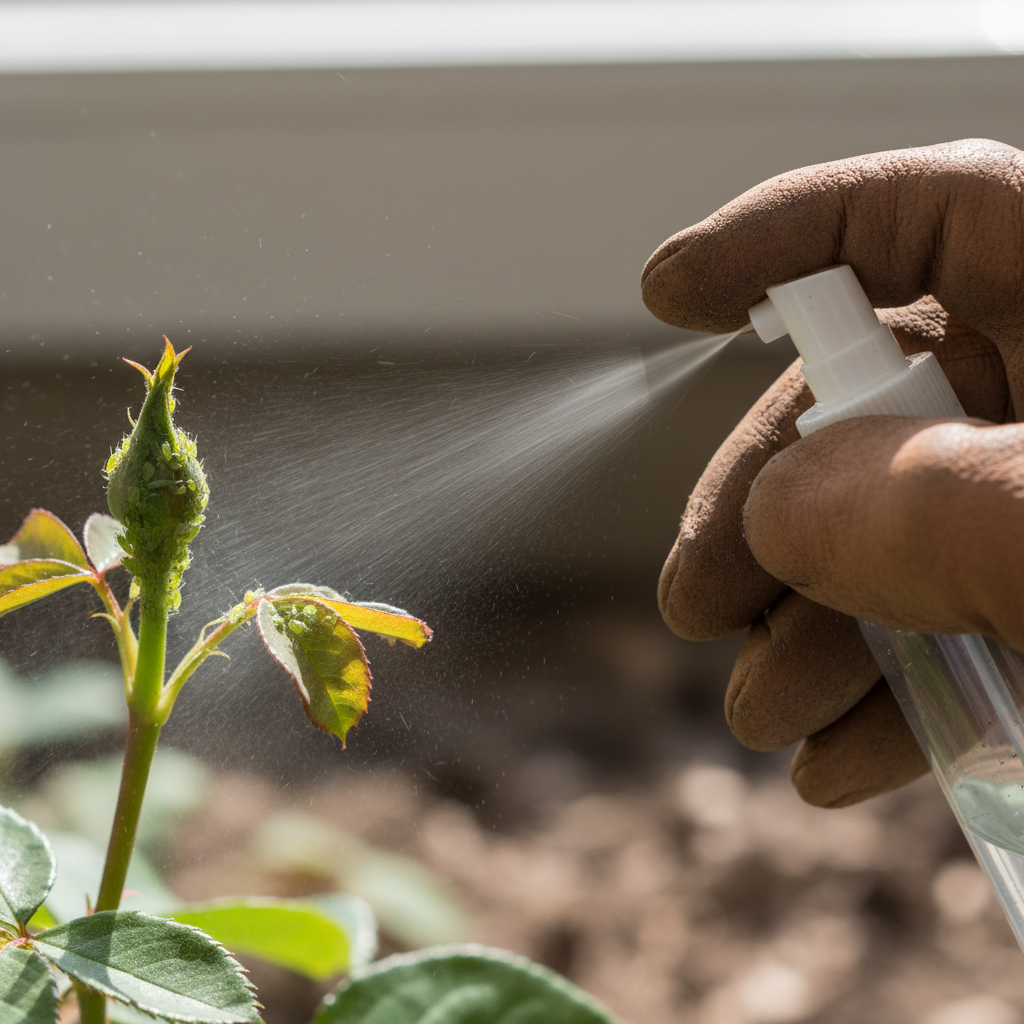
Got aphids making a meal out of your prize-winning roses or tender veggies? Don’t grab the heavy stuff first. Nine times out of ten, you can knock these little green, black, or red sap-suckers right off your plants with a plain homemade insecticidal soap spray. It works by stripping away their waxy coating, and that leaves them exposed and, yeah, dead. I’d mix a couple of teaspoons of mild dish soap into a spray bottle full of water, soak the plant good, and watch those pests clear out.
The Problem
There’s nothing more aggravating than putting in the work to get your garden thriving, then walking out one morning and seeing your rose buds covered in tiny pear-shaped bugs. Or maybe it’s your tomato plants, your petunias, your squash — aphids don’t care. These little vampires suck the sap right out of your plant’s tender new growth, and what you get is twisted leaves, stunted flowers, and a sticky shine called "honeydew." That honeydew isn’t just nasty; it brings in ants and can lead to sooty mold, which looks like black soot all over the plant and blocks sunlight. Leave it alone long enough, and a bad aphid infestation can weaken your plants, cut your yields, and even spread plant viruses. Tiny pest. Big mess.
How It Works
Knowing how aphids work makes ’em a lot easier to handle. They’re not chewing insects. They’re piercing-sucking insects. Think tiny needles poked into your plant’s vascular system, pulling out sugary sap. They love fresh, soft growth because it’s easier to get into. And they multiply fast, too — often asexually, which means one female can crank out live young without a mate. That’s how you go from a few bugs to a whole mess in just a few days.
Now, that insecticidal soap isn’t poison in the usual sense. It doesn’t soak into the plant and kill the aphid later when it feeds. It works on contact. The fatty acids in the soap break down the waxy outer layer — the cuticle — on the aphid’s body. That cuticle matters a whole lot; it helps them hold moisture and protects the works inside. Once that layer gets busted up, the aphid dries out and suffocates. Ugly way to go, but it does the job. And once the spray dries, it doesn’t leave a toxic residue behind, so you’re not coming back later and worrying about ladybugs or your dog. I pulled a tomato bed in Frisco last month that had exactly this problem — leaves crawling with aphids — and the homeowner had tried two sprays that did nothing because he wasn’t hitting the undersides. Coverage matters. Period.
Step-by-Step Fix
Alright, let’s get these little suckers off your plants. It ain’t complicated, but if you half-step it, no dice.
- Safety First, Always — Even with mild soap, I’d still wear gloves and eye protection. Soap in the eyes is a rotten afternoon, and some folks’ skin just doesn’t love it. Skip spraying in hot sun, too; the soap can act like a magnifier and burn leaves. Early morning or late evening is your window.
- Inspect Thoroughly — Before you mix anything, take a real look. Aphids love the undersides of leaves and the little crooks where stems meet buds. You’ll usually see them bunched up. Check for that sticky honeydew and any black sooty mold, too. Knowing where they’re hiding makes the spray count.
- Mix Your Solution — Grab a clean spray bottle. For every quart (about 1 liter) of water, add 1 to 2 teaspoons of a mild liquid dish soap. I mean plain old Dawn or something similar, not the "ultra-concentrated" stuff loaded with degreasers or bleach. That stuff can beat up your plants. Mix it up, but don’t shake it like you’re trying to start a lawnmower; you’ll just make a pile of suds. A gentle swirl’s fine.
- Pro Tip: If you’re unsure about your plant’s sensitivity, hit one small, out-of-the-way leaf first. Wait 24 hours. If it doesn’t yellow or spot up, you’re probably good.
- Blast 'Em Off (Optional First Pass) — If the infestation’s heavy, I’ll often knock the plants with a strong hose stream first. That physically dumps a bunch of them off. It’s satisfying, and it cuts the population before the soap even comes out. Just don’t beat up delicate plants.
- Spray for Total Coverage — This is the big one. Spray every surface of the infested plant. Tops of leaves, stems, buds, and especially the undersides. Aphids are little hiders. The soap has to touch them to work. Don’t just mist it; you want a solid wet coat, almost to runoff.
- Observe and Repeat — Don’t expect one spray to fix everything. You’ll probably need to go back at it. Check the plants every 2-3 days. If you still see live aphids, spray again. Usually it takes 2-3 applications over a week or so to get them under control. New hatchlings pop up, or you miss a pocket somewhere.
- Rinse (Sometimes) — If you’re working on sensitive plants, or you mixed the soap a little stronger than planned, you might want to rinse with plain water about an hour later. That knocks off leftover soap that could cause leaf burn, especially if the sun comes out hard afterward.
- Boost Plant Health — A healthy plant fights back better. Once you’ve got the aphids under control, make sure your plants are getting enough water, nutrients, and sunlight. Stressed plants draw pests like a magnet. A little organic fertilizer can help them bounce back.
Common Causes
Aphids seem to show up out of nowhere, but there’s usually a reason:
- Over-fertilization, especially nitrogen: Too much nitrogen pushes out soft, juicy new growth, and aphids love that stuff. You’re basically laying out the buffet.
- Stressed plants: Plants that are underwatered, overwatered, or short on light are weaker and can’t fend off pests as well. They give off signals insects seem to find.
- Lack of natural predators: If you’ve been spraying broad-spectrum pesticides, you may have knocked out the good guys like ladybugs, lacewings, and parasitic wasps that keep aphids in check.
- Weedy areas nearby: Weeds can hold aphids, and then those bugs wander over to your prize plants. Cleaning up the beds helps more than people think.
- Warm, dry conditions: Aphids can handle a lot, but fast population booms often happen during warm, dry spells when their natural enemies aren’t as active or are stressed for water.
Common Mistakes
I’ve watched homeowners make these mistakes over and over when they’re fighting aphids. Learn from theirs — and mine, because I’ve made a couple too.
- Using the wrong soap: Don’t use laundry detergent, automatic dish soap, or anything with degreasers, bleach, or perfumes. That’s too harsh and can wreck your plants. Stick with plain liquid dish soap.
- Not coating thoroughly: A light mist won’t cut it. You have to get the spray right on the aphids, especially the ones hiding under the leaves. If the soap doesn’t touch them, it doesn’t kill them.
- Spraying in direct sun/heat: That’s a good way to scorch leaves. The soap can magnify the sun’s rays. Stick to early morning or late evening when it’s cooler and the sun isn’t beating down.
- Giving up after one spray: Aphids reproduce fast. You’ll almost always need more than one application, usually every 2-3 days, to catch the new hatchlings and the ones you missed. Patience, my friend.
- Ignoring beneficial insects: If you spot ladybugs or lacewing larvae, try not to spray them. They’re on your side. Insecticidal soap is easier on them than broad-spectrum pesticides, but I’d still spot-treat where you can.
- Not addressing the underlying cause: If aphids keep coming back, take a hard look at your fertilizer, watering, and overall plant health. Treating the symptom alone won’t solve the repeat problem.
Cost & Time Breakdown
Here’s a quick look at what you’re putting in to get rid of those tiny terrors.
| Task | DIY Cost | Pro Cost (for general pest control visit) | Time |
|---|---|---|---|
| Initial Inspection | $0 | Included in visit | 5-10 minutes |
| Gather Supplies | $5-$10 | N/A | 5 minutes |
| Mix Solution | $0.50 | N/A | 2 minutes |
| Apply Spray (per plant/area) | $0.25 | Included in visit | 5-15 minutes |
| Subsequent Treatments | $0.25 (each) | Follow-up visit $75-$150+ | 5-15 minutes (each) |
| Overall DIY Effort | ~$5-$15 | ~$150-$300+ | 30 min - 1 hour total |
Tips & Prevention
A little prevention goes a long way with these pests.
- Inspect new plants: Always check new plants closely for pests before you bring them into the garden. One infested plant can spread aphids to everything else pretty quick.
- Encourage beneficial insects: Plant flowers that bring in ladybugs, lacewings, and hoverflies (like dill, cilantro, cosmos, marigolds). Those predators love aphids.
- Monitor regularly: Make it a habit to check the undersides of leaves and fresh growth at least once a week. Catching a small problem early is way easier than fighting a full outbreak.
- Prune affected areas: For small infestations, sometimes you can just snip off the worst leaves or shoots and toss them in a sealed bag. Don’t compost them.
- Control ants: Ants "farm" aphids for their honeydew, and they’ll even protect them from predators. If ants are cruising your plants, deal with them and you may see aphid numbers drop.
- Choose resistant varieties: Some plant varieties naturally hold up better against aphid attacks. Do a little homework before you buy.
- Use reflective mulch: Putting reflective mulch (like aluminum foil or silver plastic) around vulnerable plants can throw aphids off and keep them from landing. It’s a little odd-looking, but it works.
When to Call a Professional
Most aphid problems are flat-out manageable with DIY soap sprays, but there are times when you should bring in a pro. If you’re dealing with a huge, widespread infestation across a lot of plants that just won’t quit after several rounds of treatment, a professional exterminator might spot other causes or use stronger, targeted treatments homeowners can’t get. If your plants are commercially valuable (e.g., you’re growing a significant food crop), or if you think the aphids are carrying a serious plant disease that’s moving fast, a local arborist or horticulturalist can give you a real diagnosis and a treatment plan. Don’t drag your feet if your plants are truly suffering and your own efforts aren’t getting it done.
Related Articles
Keep troubleshooting with these hand-picked guides from FixlyGuide:
- The #1 Mistake Killing Your Lawn (and the Simple Grub Fix) — Grub worms can covertly destroy a beautiful lawn, but specific biological and chemical treatments applied at the right time can eliminate t…
- The #1 Secret to Edging Flower Beds That Last Years (and Resist Weeds) — Discover the crucial, often-skipped step that ensures your landscape edging stays put and keeps weeds out for years, transforming your flow…
- The $5 Mistake Turning Your Summer Lawn Yellow (It Is NOT Dehydration) — Don't just blame the sun; a common, inexpensive mistake is likely stealing your lawn's green glow and leaving it parched despite your best…
- Why Your Yard Stays Soggy (And When That Standing Water Means Big Trouble) — Persistent standing water in your yard can harm plants, damage your home’s foundation, and signal deeper drainage problems that require pro…
- The Grassy Secret: Why Your Lawn Has Brown Patches (Even After Watering) — Discover the real culprit behind mysterious brown lawn patches—it might not be drought. Learn to identify and eliminate lawn grubs before t…
- The Secret Hairball Fix Plumbers Don't Want You to Know — Tired of standing in ankle-deep water? Most shower clogs are a gnarly mix of hair and soap scum, and you can clear them yourself without ha…
Should you do this yourself?
Answer five quick questions before you start. Safety outranks savings every time.
Your experience with work like this
How high do you have to work?
Does the job involve any of these?
Will it need a permit?
Specialty tools
Free and instant. Educational guidance only — not a quote, inspection, or professional diagnosis.
What should this project cost?
Enter your project details for a realistic cost range before you call anyone.
Cost depends heavily on which system turns out to be the source.
- Regional adjustment
- National average
- Labor share (typical)
- ~$1,620
- Quotes to collect
- 3 written estimates
Educational estimate based on national averages — not a binding quote. Always confirm with written local estimates.
Before you start
Check the difficulty, permits, and safety risk — then decide whether to call a pro.
- Estimate this projectGet a cost range for your scope and ZIP before you call anyone.Open
- Get local estimatesSend one request and compare written estimates from vetted pros.Open
Free, no signup required. Estimates are educational guidance, not a quote or an inspection.
Get the print-ready PDF of this guide
A clean, ad-free, printable version you can keep on your phone or pin to the workshop wall. Free with a FixlyGuide account.
- Print-optimized layout
- Tools, materials & every step included
- Saved to your account
Frequently asked questions
What are aphids and why are they bad for my plants?+
Aphids are small, soft-bodied insects that feed on plant sap. They harm plants by sucking out vital nutrients, leading to stunted growth, distorted leaves, and reduced yields. They also excrete sticky honeydew, which attracts ants and can lead to sooty mold growth.
Is insecticidal soap safe for all plants?+
Insecticidal soap is generally safe for most plants, but some, like ferns, impatiens, or certain herbs, can be sensitive. Always test the solution on a small, inconspicuous leaf first and wait 24 hours to check for any adverse reactions before spraying the entire plant.
Can I use any dish soap for insecticidal spray?+
No, you should use a mild liquid dish soap without degreasers, bleach, or strong perfumes. Products like plain Dawn dish soap are often recommended. Harsh additives can damage plant leaves, causing burns or discoloration.
How often should I spray for aphids?+
You'll typically need to spray every 2-3 days, or whenever you still see live aphids. Aphids reproduce quickly, so repeat applications are crucial to catch new hatchlings and ensure complete eradication. Continue until the infestation is gone.
Why did my insecticidal soap spray not work?+
The most common reasons for failure are insufficient coverage (the soap must directly contact the aphid) or using a solution that's too weak. Also, you might not be repeating applications frequently enough to control new generations.
Will insecticidal soap harm beneficial insects?+
While generally safer than broad-spectrum pesticides, insecticidal soap can still harm beneficial insects if sprayed directly. It's less persistent, so once dry, it poses little threat. Try to spot-treat specific aphid colonies to minimize impact on helpful predators.
How can I prevent aphids from coming back?+
Prevention includes regularly inspecting plants, encouraging natural predators like ladybugs, avoiding over-fertilization (especially nitrogen), removing weeds, and keeping plants healthy and unstressed. Choosing aphid-resistant plant varieties can also help.
What is honeydew and why is it on my plants?+
Honeydew is a sticky, sugary substance excreted by aphids as they feed on plant sap. It's a sign of aphid infestation and often attracts ants, which 'farm' aphids for it. Honeydew can also lead to the growth of sooty mold, a black fungus that covers leaves.
Can I add oil to my soap spray?+
Some homemade recipes include horticultural oil, which can smother pests. However, it's generally best to stick to just soap and water for aphids to avoid potential plant damage, especially if you're not experienced with oil sprays. Commercial insecticidal soaps sometimes combine both.
What time of day is best to spray plants?+
Always spray in the early morning or late evening. This allows the solution to work before it evaporates too quickly in the heat of the day, and it prevents the sun from scorching leaves, as soap can magnify sunlight.
Discussion
Loading comments…