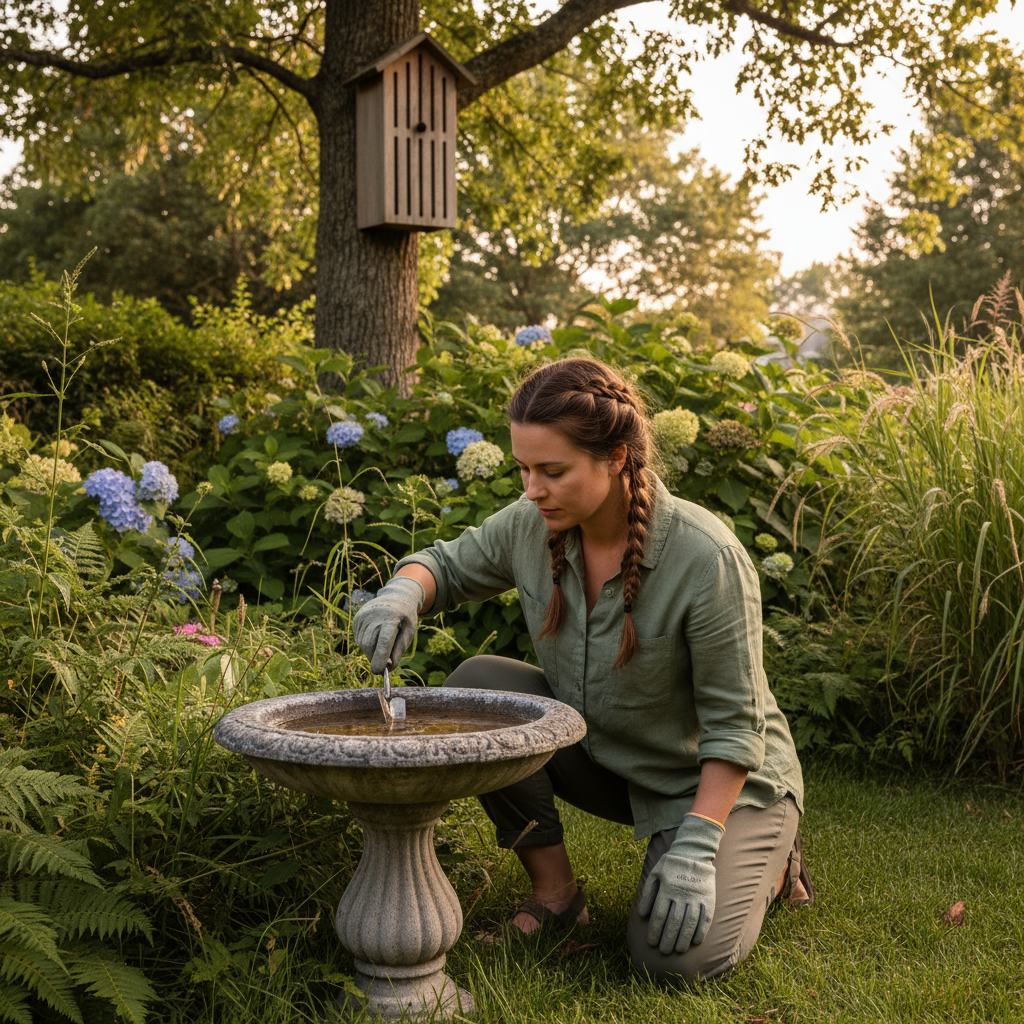
- Eliminate Standing Water Sources — Your absolute first priority.
- Tools: Work gloves, maybe a small shovel if you’re clearing drains.
- Safety: Watch for wasps nests when you’re cleaning gutters.
Landscaping · Deck or fence project
| Project category | Landscaping |
|---|---|
| Problem type | Deck or fence project |
| Trade required | Landscaping |
| Urgency | Planned project |
| Safety risk | Moderate safety risk |
| DIY suitability | DIY for experienced homeowners |
| Cost category | High cost |
| Typical timeline | Most builds 3–10 days depending on size |
| Contractor type | Landscaping contractor |
Repair option
Replace failed boards, posts, and hardware; reseal the surface.
Replacement option
Rebuild when framing or the ledger connection is unsafe.
Common causes
- Rot at posts and ledger
- Storm damage
- Adding outdoor living space
Relevant tools:home improvement material pricesproject cost estimator
Published August 2, 2026Last updated August 17, 2026
Tools & materials you'll need
Affiliate linksAs an Amazon Associate FixlyGuide earns from qualifying purchases — at no extra cost to you. Prices and availability are accurate as of publication and subject to change.
Quick Answer
Forget those pricey foggers and chemical sprays. If you really want to get rid of mosquitoes naturally in your backyard, you’ve got to hit ’em where they live: the breeding grounds. That means getting rid of all standing water. Once that’s handled, a mix of targeted natural traps, the right plants, and some help from natural predators can knock your mosquito population down by 80% or more, and your yard starts feeling usable again without all the harsh stuff.
The Problem
I’ve been on hundreds of service calls where folks are fed up with mosquitoes. They’ve tried everything—citronella candles, bug zappers, even those expensive mosquito spraying services. And what happens? A week later, they’re back out there swatting like crazy. Truth is, most of those common “solutions” are just band-aids. They might knock down the adults for a bit, but they don’t touch the root of the problem: where mosquitoes lay their eggs.
Think about it. A single female mosquito can lay up to 300 eggs every few days. If you’re not wiping out those breeding spots, you’re fighting a losing battle. It’s whack-a-mole, plain and simple. New ones keep hatching. What you need is a strategy that breaks their life cycle naturally and for good. That’s what I’m walking you through.
How It Works
Knowing how a mosquito’s life cycle works is the key to controlling ’em. It ain’t fancy, but it matters. They go through four stages: egg, larva, pupa, and adult. The first three stages all happen in water. We’re talking about as little as a bottle cap full, folks. That’s why little puddles, bird baths, clogged gutters, and even water sitting in a forgotten toy can turn into mosquito nurseries.
Adult female mosquitoes need a blood meal to produce eggs. Once they get it, they go looking for standing water. They lay their eggs on the surface or just above the waterline. Within a day or two, those eggs hatch into larvae—folks call ’em “wigglers”—and they live in the water feeding on organic matter. After about 5 to 14 days, depending on temperature, they turn into pupae, the “tumblers,” which don’t feed but still stay in the water. Then after a couple more days, the adult mosquito pops out, dries its wings, and takes off to ruin your evening.
So if we can interrupt that cycle at the water stage—eggs, larvae, or pupae—we can seriously cut the adult population. Natural control methods work by making those water sources lousy places to live or by knocking down the adults before they can breed. We’re not just trying to kill the adults; we’re stopping them before they’re born. That’s the whole trick.
Step-by-Step Fix
Here’s my battle plan for taking back your backyard from those buzzing bloodsuckers, and doing it without a single chemical spray.
-
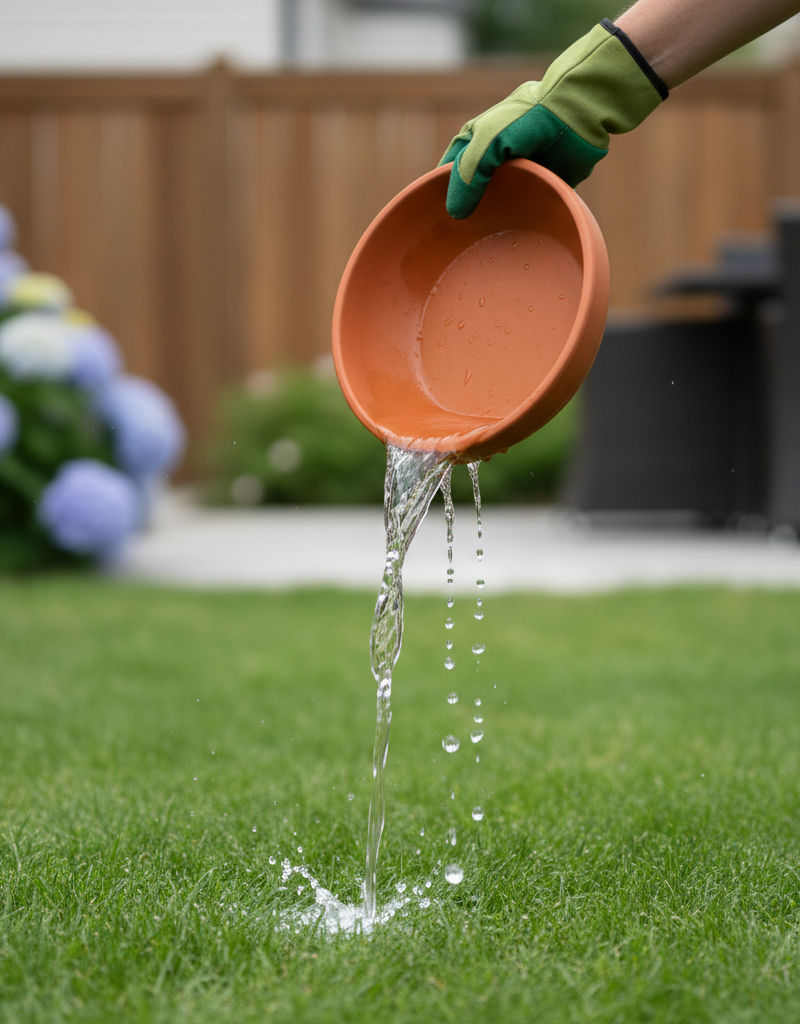
Eliminate Standing Water Sources — Your absolute first priority. Walk the whole property, front to back, and look for any place water can collect. I mean even the tiny stuff. I once pulled a water heater in Frisco last month that had exactly this kind of issue nearby—a forgotten kiddie pool with an inch of rainwater, and the mosquitoes were coming out of it like a factory. Dump bird baths every couple of days, check tarps for dips, clear clogged gutters, and make sure your downspouts are draining away from the house. Look under decks, in wheelbarrows, and even in plant saucers. If it can hold water for more than 48 hours, it’s a mosquito motel.
- Tools: Work gloves, maybe a small shovel if you’re clearing drains.
- Safety: Watch for wasps nests when you’re cleaning gutters.
-
Maintain Your Pond or Water Features — Don’t let beauty turn into a breeding ground. If you’ve got a pond, fountain, or any decorative water feature, you can’t just ignore it. Keep the water moving with a pump—mosquitos like still water. For standing water that can’t be drained, like some decorative ponds, use mosquito dunks. These contain Bacillus thuringiensis israelensis (BTI), a naturally occurring bacterium that’s toxic to mosquito larvae but harmless to fish, pets, and humans. It’s one of the best natural tools you can use.
- Materials: BTI mosquito dunks.
-
Introduce Natural Predators — Let nature do the heavy lifting. Encourage the critters that eat mosquitoes. That means bats, birds, frogs, and even dragonflies. A single bat can eat thousands of mosquitoes in an hour. Not bad, right? You can put up bat houses—just site ’em right for sun and shelter—add a small bird bath to attract insect-eating birds, and create a frog-friendly area with some taller ground cover near a water source if you’ve got one. Dragonflies are absolute killers in both their nymph and adult stages.
-
Strategic Planting — Use plants as your natural deterrents. Certain plants really do help keep mosquitoes away. Plant them near your patio, deck, or wherever you sit outside. Lemon balm, citronella grass (the plant, not just the candle), marigolds, catnip, rosemary, and lavender are all solid choices. They won’t clear the whole yard, but they do help build a buffer around your main hangout spots. I’ve seen homeowners in Snellville plant thick borders of lemon balm around their pool decks, and it makes a noticeable difference.
- Materials: Mosquito-repelling plants (available at most garden centers).
- Tip: Crush a few leaves of lemon balm or rosemary and rub them on your skin for a quick natural repellent if you’re heading out for a while.
-
Install Mosquito Traps (DIY or Commercial) — Catch the adults before they lay eggs. There are a few traps that work pretty well. One simple DIY setup uses a plastic bottle, warm water, sugar, and yeast. Cut a plastic bottle in half, mix a cup of warm water with a quarter-cup of brown sugar and a gram of yeast in the bottom half. Flip the top half into the bottom so it acts like a funnel. The yeast makes carbon dioxide, which pulls mosquitoes in, and they get trapped inside. Commercial traps usually use CO2, heat, and octenol to lure and capture mosquitoes. Put these traps away from your seating areas so you’re drawing mosquitoes away from you.
- Materials: 2-liter plastic bottle, brown sugar, yeast, warm water (for DIY trap).
-
Maintain Your Yard — A tidy yard is a less inviting yard. Keep the grass mowed short and trim back thick bushes and overgrown plants. Mosquitoes love to rest in cool, shady, protected spots during the day. Cutting down those hiding places makes your yard less appealing. Clear leaf litter and other debris regularly. You’ll also improve air circulation, which mosquitoes don’t like one bit.
-
Screen Your Openings — Keep ’em out of your house, too. Check your window and door screens for tears or holes. Fix them right away. Basic stuff, sure, but you’d be surprised how many folks ignore a small tear that lets dozens of mosquitoes slip in every night. Also, think about screening in porches or pergolas if you want a truly mosquito-free outdoor living space.
- Tools: Screen repair kit, utility knife.
-
Use Fans Outdoors — A simple breeze can be a big deterrent. Mosquitoes are weak fliers. A good fan on your patio or deck can create enough air movement to make it tough for them to land on you. It’s low-tech and immediate, and it works better than people expect in small areas. I always recommend a few oscillating fans for outdoor dining spaces.
Common Causes
- Untended Standing Water: This is, by far, the biggest culprit. Bird baths, clogged gutters, old tires, pet water bowls, even low spots in tarps can hold enough water for thousands of mosquitoes.
- Overgrown Vegetation: Mosquitoes love hanging out in dense shrubs, tall grass, and leaf litter during the day. A messy yard is basically a mosquito resort.
- Poor Drainage: Low areas in your yard that collect rainwater, or flower pots that don’t drain well, make perfect breeding grounds.
- Neighboring Properties: Sometimes you do everything right, but a neighbor’s messy yard or unemptied pool keeps sending mosquitoes your way. A little conversation—and maybe offering to help clean up—can go a long way.
Common Mistakes
- Relying solely on repellents: Sprays and candles only give temporary, local relief. They don’t fix the breeding problem, so you’re never really getting ahead of it.
- Forgetting about obscure water sources: It’s not just the obvious puddles. Check overturned buckets, grill covers, neglected kiddie pools, and even saucers under potted plants. A bottle cap of water is enough.
- Ignoring gutters: Clogged gutters are mosquito factories. The leaves hold water and create protected little breeding zones.
- Using bug zappers: Sure, they make that satisfying zap, but bug zappers are mostly useless against mosquitoes. They kill more helpful insects, like moths, than they do mosquitoes.
- Not thinking seasonally: Mosquito control isn’t a one-and-done job. It’s ongoing, especially from spring through fall when temperatures are consistently above 50°F.
- Planting a single repellent plant: One citronella plant isn’t going to clear the whole yard. You need several plants, placed smart, if you want a noticeable effect.
Cost & Time Breakdown
| Task | DIY Cost | Pro Cost | Time |
|---|---|---|---|
| Water Source Elimination | $0 | $75–$150 (inspection) | 30–60 minutes |
| Mosquito Dunks (BTI) | $10–$20/season | Included in service | 5 minutes/month |
| Repellent Plants | $30–$100 | N/A | 1–2 hours |
| DIY Traps (materials) | $5–$10 | N/A | 15 minutes/trap |
| Bat House/Bird Feeders | $20–$50 | N/A | 30–60 minutes |
| Yard Maintenance | $0 (your labor) | $50–$150/month | 1–2 hours/week |
Tips & Prevention
- Weekly Water Check: Every weekend, walk the yard and dump all standing water. Ten minutes. That’s it. Honestly, it’s one of the best weapons you’ve got.
- Consider a Rain Barrel (with a screen!): If you collect rainwater, make darn sure your rain barrel is screened tight on top so mosquitoes can’t get in. An open barrel is an open invitation.
- Timed Irrigation: Water the lawn and garden in the early morning so the foliage dries before evening. Overwatering or watering late can leave damp spots mosquitoes love.
- Outdoor Lighting: Switch to yellow or LED 'bug lights' for outdoor fixtures. They don’t repel mosquitoes, but they’re less attractive to insects than standard white lights, which cuts down the swarm around your porch.
- Dress Smart: If you’re outside during peak mosquito hours—dawn and dusk—wear light-colored, long-sleeved shirts and long pants. Simple, but it works.
- Encourage Frogs and Toads: If you’ve got a damp spot or a small water feature, add some rocks or logs to give frogs and toads a place to hide. They’re hungry insect eaters, and they help more than most folks realize.
When to Call a Professional
If you’ve done all these natural control steps for several weeks and you’re still getting hammered by mosquitoes, it might be time to call a pro. That’s especially true if the source is coming from beyond your property line and you can’t fix it yourself, or if you’ve got a large, complicated property with a bunch of water features that are hard to stay on top of. A pro can inspect the property, find hidden breeding sites you might’ve missed, and recommend targeted, environmentally responsible treatments. They can also talk you through bigger solutions like specialized misting systems, though I always push natural methods first. A professional will typically charge between $75-$150 for an initial inspection and upwards of $300 for a season-long treatment plan, depending on the size of your property and how bad the infestation is.
Related Articles
Keep troubleshooting with these hand-picked guides from FixlyGuide:
- The Mosquito Myth: Why citronella candles DON'T work (and 3 natural fixes that do) — Discover why common mosquito repellents fall short and learn three highly effective, natural strategies to reclaim your backyard from bitin…
- The #1 Mosquito Mistake Homeowners Make (and 4 Natural Ways to Fix It) — Discover the biggest mistake homeowners make in mosquito control and learn four effective, natural strategies to reclaim your backyard from…
- The 3 Permanent Weed Removal Secrets Big Brands Don't Want You to Know — Discover the often-overlooked strategies that eliminate weeds for good, going beyond temporary fixes recommended by common products.
- The #1 Secret to Edging Flower Beds That Last Years (and Resist Weeds) — Discover the crucial, often-skipped step that ensures your landscape edging stays put and keeps weeds out for years, transforming your flow…
- The 3 Hidden Water Sources Breeding Mosquitoes in Your Yard (And How to Eliminate Them) — Naturally control mosquitoes in your backyard by targeting and eliminating hidden standing water sources where they breed, using simple, ec…
- That 'Stud-Only' Belief? A Myth for Heavy Shelves — Tired of shelves ripping out of your drywall? The common advice to 'only use studs' is incomplete. Discover the modern anchoring techniques…
What should this project cost?
Enter your project details for a realistic cost range before you call anyone.
Cost depends heavily on which system turns out to be the source.
- Regional adjustment
- National average
- Labor share (typical)
- ~$1,620
- Quotes to collect
- 3 written estimates
Educational estimate based on national averages — not a binding quote. Always confirm with written local estimates.
Get the print-ready PDF of this guide
A clean, ad-free, printable version you can keep on your phone or pin to the workshop wall. Free with a FixlyGuide account.
- Print-optimized layout
- Tools, materials & every step included
- Saved to your account
Frequently asked questions
What's the absolute best way to get rid of mosquitoes naturally?+
The single most effective natural method is to eliminate all standing water on your property. Mosquitoes need water to breed, so by removing puddles, emptying bird baths, and clearing gutters, you destroy their nurseries and prevent new generations from hatching.
Do citronella plants actually repel mosquitoes?+
Yes, plants like citronella grass, lemon balm, and marigolds do have mosquito-repelling properties. They work best when planted in clusters near your outdoor seating areas, creating a localized 'shield.' Crushing a few leaves and rubbing them on your skin can also provide temporary natural repellent.
Are mosquito dunks safe for pets and wildlife?+
Absolutely. Mosquito dunks contain *Bacillus thuringiensis israelensis* (BTI), a naturally occurring bacterium that's highly specific to mosquito and black fly larvae. It's completely harmless to humans, pets, fish, birds, and other beneficial insects.
How often should I empty my bird bath to prevent mosquitoes?+
You should empty and clean your bird bath every 1-2 days, especially during warm weather. This ensures that any mosquito eggs laid won't have enough time to hatch and develop into larvae.
Can I make my own mosquito trap?+
Yes, a simple and effective DIY mosquito trap can be made from a plastic bottle, warm water, sugar, and yeast. The yeast produces carbon dioxide, which attracts mosquitoes, trapping them inside the bottle. Place these away from your gathering spots.
Do bats really help with mosquito control?+
Bats are incredibly effective at mosquito control! A single bat can consume thousands of mosquitoes in just one hour. Installing a properly placed bat house can attract these nocturnal hunters to your yard, providing significant natural pest control.
Why shouldn't I use a bug zapper for mosquitoes?+
Bug zappers are largely ineffective against mosquitoes. Studies show they kill far more beneficial insects, like moths and beetles, than they do mosquitoes. Mosquitoes are often attracted to carbon dioxide and other scents, not primarily light, making zappers a poor solution for them.
How long does it take to see results from natural mosquito control?+
You can start seeing a reduction in adult mosquitoes within a few days of eliminating standing water sources. For a significant, long-term impact by breaking the breeding cycle, it usually takes about 2-4 weeks of consistent effort, especially with BTI treatments and predator encouragement.
Will a fan keep mosquitoes away on my patio?+
Yes, a simple oscillating fan can be surprisingly effective for keeping mosquitoes away from a localized area like a patio or deck. Mosquitoes are weak fliers, and even a gentle breeze makes it difficult for them to land on you, acting as a physical barrier.
What are common hiding spots for mosquitoes during the day?+
Mosquitoes prefer cool, shady, and protected areas during the day. Look for them in dense shrubs, tall grass, under decks, in leaf litter, and in other overgrown vegetation. Keeping your yard tidy reduces these appealing hiding spots.


Discussion
Loading comments…