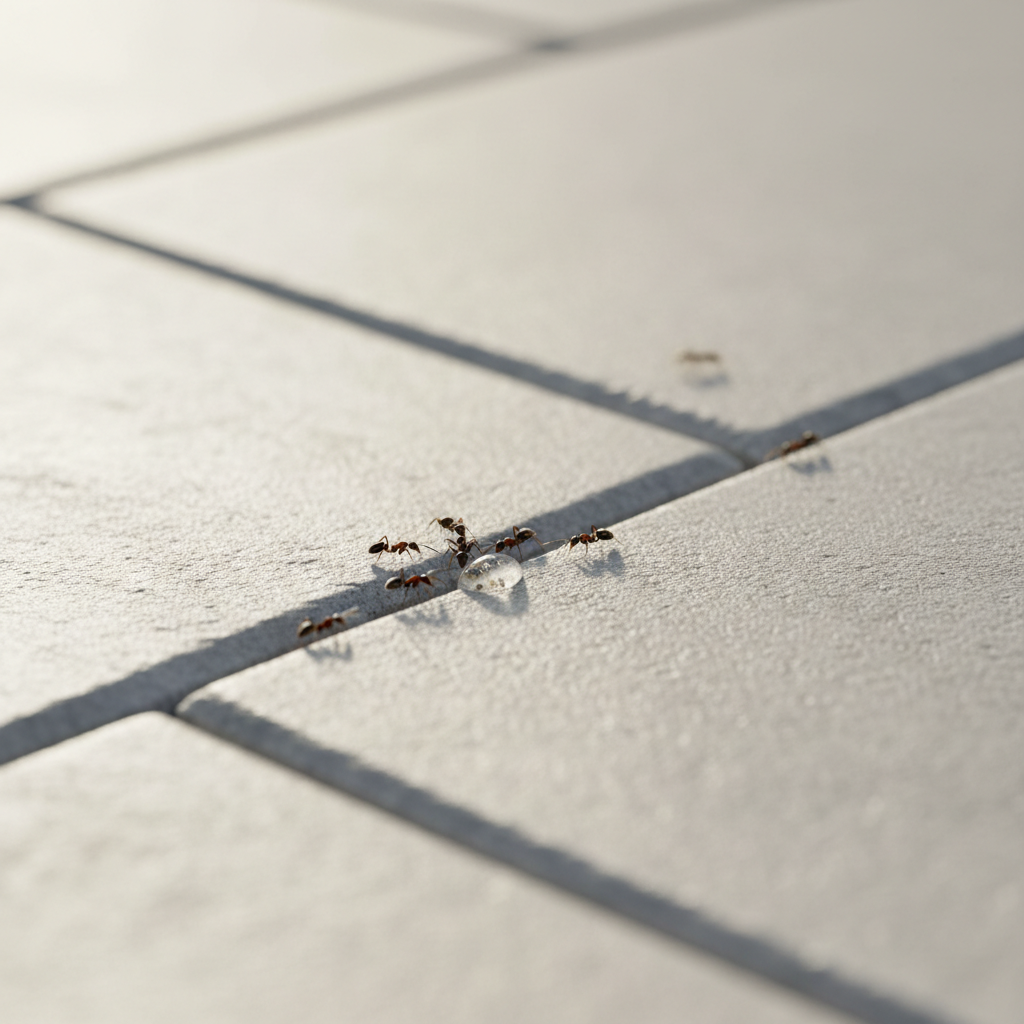
- Food Spills and Debris: Dropped food, grease, or sticky drink residue are big attractants. Even tiny amounts count.
- Moisture Accumulation: Puddles from rain, leaky outdoor faucets, or overwatered plants give ants the water they need.
- Cracks and Gaps: Small openings in pavers, concrete, or foundations make perfect entry points and nesting spots.
- Nearby Vegetation: Shrubs or tree branches touching the patio act like easy bridges from the yard.
- Existing Colonies Nearby: Sometimes your patio just sits in the path of an established ant colony that’s spreading out.
Landscaping · Deck or fence project
| Project category | Landscaping |
|---|---|
| Problem type | Deck or fence project |
| Trade required | Landscaping |
| Urgency | Planned project |
| Safety risk | Moderate safety risk |
| DIY suitability | DIY for experienced homeowners |
| Cost category | High cost |
| Typical timeline | Most builds 3–10 days depending on size |
| Contractor type | Landscaping contractor |
Repair option
Replace failed boards, posts, and hardware; reseal the surface.
Replacement option
Rebuild when framing or the ledger connection is unsafe.
Common causes
- Rot at posts and ledger
- Storm damage
- Adding outdoor living space
Relevant tools:home improvement material pricesproject cost estimator
Published September 24, 2026Last updated September 24, 2026
Tools & materials you'll need
Affiliate links- AmazonMild dish soap1 bottle
- AmazonGel ant bait (sugar-based)look for a highly attractive formula
- AmazonGel ant bait (protein/grease-based)have on hand if sugar bait isn't working
- AmazonOutdoor sealant or caulk1 tube · matching patio or foundation color
- AmazonPolymeric sand1 bag · if applicable for paver patios
- AmazonFood-grade diatomaceous earth1 lb · optional, for natural barrier
As an Amazon Associate FixlyGuide earns from qualifying purchases — at no extra cost to you. Prices and availability are accurate as of publication and subject to change.
Quick Answer
I’ve seen this a thousand times. You step out onto a nice patio, ready to kick back, and there they are — an army of ants. Usually, they’re not just passing through. They’re hunting for food, water, or they’ve tucked themselves right under your pavers and called it home.
The fix isn’t just spraying whatever you can see and calling it a day. You’ve got to find the source and hit the colony where it counts, usually with bait the workers carry back to the queen. It’s detective work, sure, but it’s dead doable.
The Problem
You step outside with a morning coffee or fire up the grill, and your patio looks like Grand Central Station during rush hour — for ants. They’re hauling across pavers, running the grout lines, and sometimes popping out through cracks you didn’t even know were there.
That’s irritating enough. It can also turn into a health nuisance, especially near outdoor food prep areas. And some species are worse than annoying. Carpenter ants can damage wood nearby, and fire ants? No dice — they’ll leave you with painful bites before you know what hit you.
What starts with a few scouts can turn into a full-blown infestation fast, and suddenly your outdoor hangout feels more like a pest parade. You want to enjoy the patio, not share it with a marching band of six-legged squatters.
How It Works
To really get a handle on patio ants, you’ve got to know how they work. Most of the ants you see are workers. Their job is simple: find food, find water, and drag it back to the colony. The real troublemaker — the nest — is usually hidden somewhere out of sight.
Sometimes it’s in the soil under your pavers. Sometimes it’s in a crack near the foundation. I pulled a water heater in Frisco last month that had exactly this kind of “mystery” ant trail running up from a damp spot near the slab. Same story, different house. Or it can be in a rotten bit of wood in the landscaping.
They’re drawn to your patio for a few main reasons:
First, food. We eat outside, and we spill stuff. Sugar, grease, crumbs — that’s an open invitation. Even a tiny drip of soda or a crumb from last night’s burger is a banquet to ants.
Second, water. Patios hold moisture, especially after rain or if you’re watering plants nearby. Ants need water just like everything else, and a damp pocket under a paver can be a perfect little oasis.
Third, shelter. The joints between pavers, the soil underneath, or cracks in concrete give them a safe, protected spot to nest. It’s warm, it’s hidden, and it’s usually close to food and water. Some ants, like pavement ants, actually like nesting in sandy soil under hard surfaces like patios and driveways, which is why you’ll see those little mounds of sand along seams or cracks.
Once a scout ant finds something good — food or a decent nesting site — it lays down a pheromone trail. That chemical trail is basically their GPS. Other workers follow it right to the source. That’s why one ant turns into a line of them so fast.
If you spray the ones you see, you’re mostly just wiping out the scouts. The queen stays safe in the nest, and she’ll keep pumping out more. The real fix is getting bait back to her or making the patio a lousy place to live.
Step-by-Step Fix
Alright, let’s get these freeloaders off your patio. This isn’t about blanketing everything in spray. It’s about being smart.
-
Identify the Ant's Path and Origin – Follow the Trail
Before you touch anything, watch them. See where they’re coming from and where they’re headed. Are they using a crack in the patio, a joint, or a nearby plant bed? That tells you where the nest probably is, or at least where they’re entering. Look for tiny mounds of sand or dirt around pavers — that’s usually a pretty solid clue. I once had a homeowner in Alpharetta convinced her whole patio was infested, but after about 10 minutes of watching, we found every single one of them coming through one crack beside her downspout because the area stayed wet. -
Clean Your Patio Thoroughly – Eliminate the Allure
'''Tools/Materials:''' Outdoor broom, hose with sprayer, mild dish soap (optional).
Sweep up crumbs, leaves, and any debris. Then scrub it down or power wash it if you’ve got one. A simple mix of warm water and a squirt of dish soap helps break up old pheromone trails, which makes it harder for the ants to keep following the same road. Rinse it well. You’re taking away food and scrambling their map. -
Deploy Ant Baits Strategically – The Trojan Horse Method
'''Tools/Materials:''' Gel ant bait (sugar-based for sweet-eating ants, protein/grease-based for others), bait stations (if not included with gel).
Put small dabs of gel bait right along the trails you found, or close to the suspected nest entrance. Don’t pack it into the nest — just near it so they can find it easily. The ants eat it, carry it back, and share it through the colony until the queen and the rest of the nest are done for. This takes a few days, so don’t rush it. If they ignore it after 24 hours, switch bait types. Some ants want sweet bait; others want protein or grease. Carpenter ants usually lean protein, while pavement ants tend to go after sugary stuff. -
Create Physical Barriers – Block Their Entry
'''Tools/Materials:''' Caulk, outdoor sealant, sand, or polymeric sand.
After the bait has done its job, seal cracks and gaps in the patio and any nearby foundation walls. If you’ve got sand joints between pavers, sweep in polymeric sand. It hardens when wet and makes a solid barrier ants can’t tunnel through easily. That’s a big deal if you want this to stay fixed. -
Address Moisture Issues – Dry Them Out
Check for leaky spigots, clogged gutters dumping water onto the patio, or spots where water keeps pooling. Fix leaks and improve drainage. Ants are always hunting for water, especially during dry stretches. Keep things dry and you’ll make the patio a lot less attractive. -
Trim Back Vegetation – Cut Off the Bridge
'''Tools/Materials:''' Pruning shears, hedge trimmers.
Make sure shrubs, trees, or other plants aren’t touching the patio or the house. Those act like little bridges ants use to move from the yard to your hardscape. Leave a gap of at least 6-12 inches between plants and hard surfaces. -
Consider Diatomaceous Earth (DE) – A Natural Deterrent
'''Tools/Materials:''' Food-grade diatomaceous earth, dust applicator (optional).
If you want another layer of protection, dust a thin, barely visible line of food-grade diatomaceous earth (DE) around the patio perimeter or at known entry points. DE is a natural powder made from fossilized diatoms. Its microscopic sharp edges cut into the ant’s exoskeleton and dry them out. It’s safe for pets and kids once it settles, but wear a mask while applying it so you’re not breathing in the fine dust. -
Regular Maintenance – Stay on Top of It
Get in the habit of sweeping the patio, checking for new ant activity, and cleaning up spills right away. The more often you stay ahead of it, the less likely ants are to move in for good. A quick look once a month can save you a lot of grief later.
Common Causes
- Food Spills and Debris: Dropped food, grease, or sticky drink residue are big attractants. Even tiny amounts count.
- Moisture Accumulation: Puddles from rain, leaky outdoor faucets, or overwatered plants give ants the water they need.
- Cracks and Gaps: Small openings in pavers, concrete, or foundations make perfect entry points and nesting spots.
- Nearby Vegetation: Shrubs or tree branches touching the patio act like easy bridges from the yard.
- Existing Colonies Nearby: Sometimes your patio just sits in the path of an established ant colony that’s spreading out.
- Seasonal Changes: Ants get more active in spring and summer, or they start looking for shelter when it gets too hot, too cold, or too wet.
Common Mistakes
- Spraying Ants You See: That only kills workers and leaves the queen untouched. The problem comes right back.
- Not Cleaning Thoroughly: If you leave food residue or pheromone trails behind, they’ll keep returning to the same spots.
- Using the Wrong Bait: Ants don’t all want the same thing. If they ignore your bait, it’s probably the wrong type. Don’t quit — switch it up.
- Ignoring the Source: If you don’t find where they’re coming from, you’re fighting uphill the whole time.
- Not Sealing Entry Points: After treatment, if you leave cracks open, new ants will move in like nothing happened.
- Giving Up Too Soon: Baits take time — sometimes a few days to a week — to wipe out a colony. Patience matters.
Cost & Time Breakdown
Here
Related Articles
Keep troubleshooting with these hand-picked guides from FixlyGuide:
- The Invisible Lawn Invaders: How to Erase Fire Ant Mounds for Good — Fire ant mounds can turn your beautiful lawn into a minefield of painful stings. Discover why these pests are so resilient and my pro-teste…
- The #1 Mistake Killing Your Garden (And 5 Permanent Weed Fixes) — Discover the secret to truly permanent weed removal and stop making the common mistake that allows weeds to relentlessly return, reclaiming…
- The Grassy Secret: Why Your Lawn Has Brown Patches (Even After Watering) — Discover the real culprit behind mysterious brown lawn patches—it might not be drought. Learn to identify and eliminate lawn grubs before t…
- The 7 Critical Yard Prep Steps Smart Homeowners Never Miss (And Why) — Prepare your yard for a thriving spring with these essential steps, from soil testing to tool maintenance, ensuring a vibrant outdoor space.
- The Weird White Powder Killing Your Lawn (And How to Stop It Fast) — Battling mysterious white powder on your grass? It's likely powdery mildew or white mold. Learn how to identify, treat, and prevent this co…
- Why Your Smoke Alarm Won't Stop Blaring (When There's No Fire!) — False alarms from your smoke detector are more than just annoying; they can make you ignore real emergencies. Learn why they happen and how…
Get deck & patio quotes from local pros
Tell us about your project and we'll match you with vetted contractors in your area. Free, no obligation, and we never sell your info.
Should you do this yourself?
Answer five quick questions before you start. Safety outranks savings every time.
Your experience with work like this
How high do you have to work?
Does the job involve any of these?
Will it need a permit?
Specialty tools
Free and instant. Educational guidance only — not a quote, inspection, or professional diagnosis.
Estimate your own project cost
National averages are a starting point. Enter your details for a range that fits your house.
Concrete slab calculator
- Bagged mix (80 lb)$372 – $527
- Ready-mix delivery (1.5 cu yd)$210 – $300
Ready-mix is usually cheaper above ~1 cu yd. Most suppliers have a short-load fee under 3 yd.
Educational estimate only — always confirm with written local bids.
What should this project cost?
Enter your project details for a realistic cost range before you call anyone.
Cost depends heavily on which system turns out to be the source.
- Regional adjustment
- National average
- Labor share (typical)
- ~$1,620
- Quotes to collect
- 3 written estimates
Educational estimate based on national averages — not a binding quote. Always confirm with written local estimates.
Before you start
Check the difficulty, permits, and safety risk — then decide whether to call a pro.
Free, no signup required. Estimates are educational guidance, not a quote or an inspection.
Get the print-ready PDF of this guide
A clean, ad-free, printable version you can keep on your phone or pin to the workshop wall. Free with a FixlyGuide account.
- Print-optimized layout
- Tools, materials & every step included
- Saved to your account
Frequently asked questions
Why are ants suddenly all over my patio?+
Ants often appear suddenly on patios because they've found a new food source (like spilled crumbs), a water source (puddles or leaky spigots), or they're expanding their colony and looking for new nesting spots, often in the sandy gaps between pavers.
Are ants on my patio harmful?+
Most common patio ants, like pavement ants, are harmless but can be a nuisance and contaminate food. Carpenter ants, however, can damage nearby wooden structures, and fire ants deliver painful stings, so identification is important.
Will spraying the ants I see actually solve the problem?+
No, spraying only kills the worker ants you see, which are a small fraction of the colony. The queen and the rest of the nest remain untouched, and she'll simply produce more workers. It's a temporary fix that doesn't address the root cause.
How long does it take for ant bait to work?+
Ant bait works by having workers carry the poisoned food back to the colony to share with the queen and larvae. This process can take anywhere from a few days to a week or sometimes even two, depending on the bait type and colony size. Patience is crucial.
What kind of ant bait should I use for patio ants?+
It depends on the ant species, as their preferences vary. For common pavement ants, a sugar-based gel bait is often effective. If they ignore it, switch to a protein or grease-based bait. Some brands offer multi-purpose baits.
Can I use natural remedies like vinegar or baking soda to kill patio ants?+
While vinegar or baking soda can deter or kill individual ants on contact, they won't eliminate an entire colony or prevent future infestations. They don't work as a bait that can be carried back to the nest, making them ineffective for a long-term solution.
How can I prevent ants from coming back to my patio?+
After treatment, focus on prevention: keep the patio clean of food debris, fix any moisture issues, seal cracks and gaps between pavers or in foundations, and trim back any vegetation that touches the patio. Regular maintenance is key.
Is polymeric sand effective against ants?+
Yes, polymeric sand, which hardens when wet, can be very effective at preventing ants from nesting or tunneling through the gaps between pavers. It creates a solid barrier that ordinary sand doesn't, significantly reducing entry points for ants.
When should I call a professional for patio ants?+
If you've tried DIY methods for several weeks without success, suspect a large or stubborn colony, or if you're dealing with potentially damaging species like carpenter ants in close proximity to your home's structure, it's time to call a professional pest control expert.
Discussion
Loading comments…