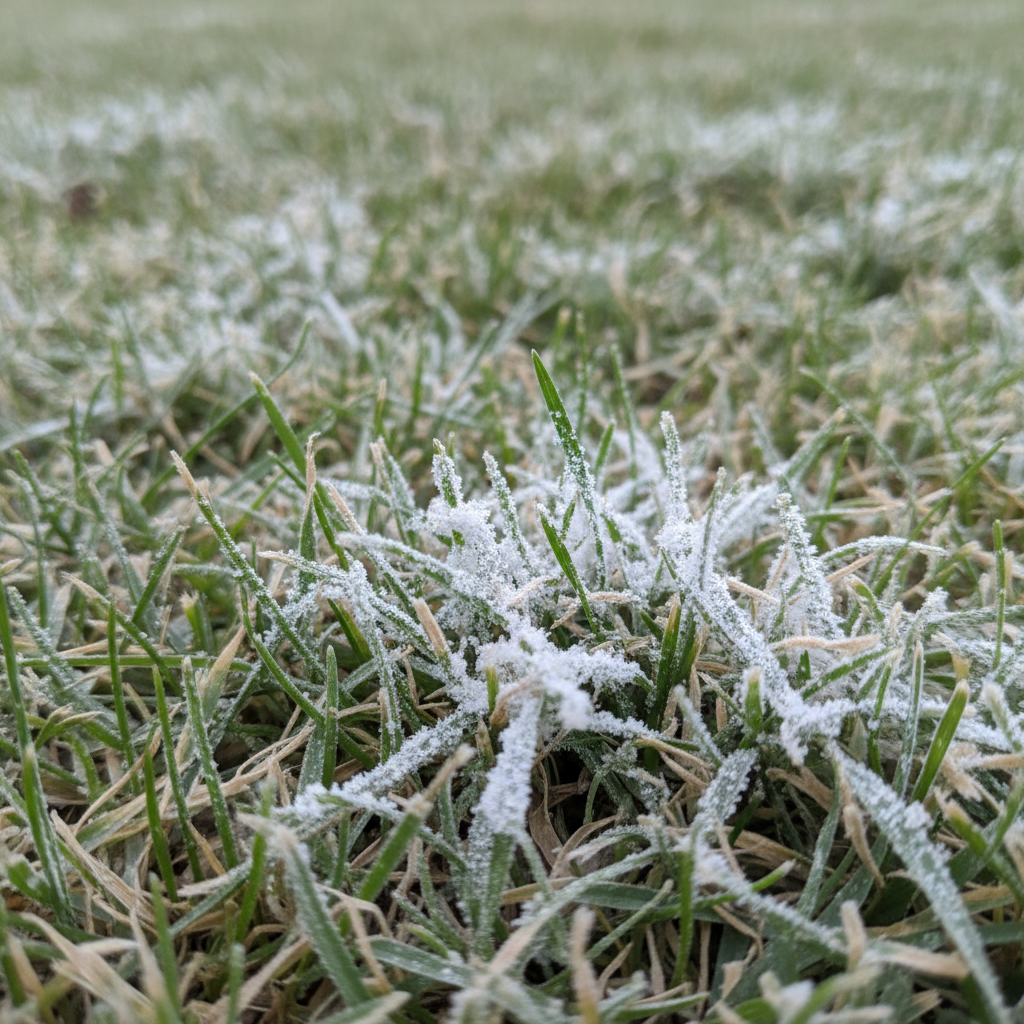
- Assess the Damage — Before you do anything, take a good hard look.
- Tools: None needed, just your eyeballs.
- Safety: Common sense. Don’t rub it all over your face.
- Action: Figure out how widespread the white powder is. Is it just a small patch under a tree, or is it spreading across open lawn? Check whether the grass underneath is yellowing or dying. That tells you how hard you need to come at it.
Landscaping · Deck or fence project
| Project category | Landscaping |
|---|---|
| Problem type | Deck or fence project |
| Trade required | Landscaping |
| Urgency | Planned project |
| Safety risk | Moderate safety risk |
| DIY suitability | DIY for experienced homeowners |
| Cost category | High cost |
| Typical timeline | Most builds 3–10 days depending on size |
| Contractor type | Landscaping contractor |
Repair option
Replace failed boards, posts, and hardware; reseal the surface.
Replacement option
Rebuild when framing or the ledger connection is unsafe.
Common causes
- Rot at posts and ledger
- Storm damage
- Adding outdoor living space
Relevant tools:home improvement material pricesproject cost estimator
Published September 1, 2026Last updated September 1, 2026
Tools & materials you'll need
Affiliate links- AmazonPruning shearsfor light trimming
- AmazonLoppers or pole sawfor larger branches
- AmazonHose-end sprayerif using liquid fungicide
- AmazonGranular spreaderif using granular fungicide
- AmazonGarden hose with sprinkler
- AmazonLawn mower
- AmazonGlovesfor fungicide application
- AmazonEye protectionfor fungicide application
As an Amazon Associate FixlyGuide earns from qualifying purchases — at no extra cost to you. Prices and availability are accurate as of publication and subject to change.
Quick Answer
That weird white powdery stuff on your lawn? Nine times out of ten, it’s powdery mildew or white mold. Those are common fungal diseases, and they love cool, damp, shaded spots. You can usually knock it back yourself with better airflow, smarter watering, and a fungicide if you need one, but you’ve gotta move fast if you want to save the grass. I’ve seen a bunch of homeowners get rattled when they spot it, but most cases are fixable if you catch ’em early.
The Problem
You walk out one morning and boom — your lawn looks like somebody dusted it with baby powder. Sometimes it’s just a few patches hiding in the shade. It’s not dust, and it sure isn’t snow. What you’re probably looking at is a fungal disease, usually powdery mildew (Erysiphe graminis) or a type of white mold (like Sclerotinia homoeocarpa, which causes dollar spot, or Pythium blight, which can also look fuzzy white). These aren’t just ugly. If you leave them alone, they can choke out your grass, beat up the roots, and wipe out whole sections of the yard. I pulled a water heater in Frisco last month that had exactly this kind of “eh, it’s probably nothing” story attached to it — different job, same lesson. The guy ignored a small patch behind his garage, figured it was just a little discoloration, and by the time he called me a month later, half the backyard looked dead. Don’t let it get that far.
How It Works
So how does this powdery mess get started? It’s the environment, plain and simple. These fungi are opportunistic little buggers. They want a very specific setup: cool temperatures (think 60-70°F), high humidity, and lousy air circulation, usually in shaded areas. Put all that together and you’ve got a perfect little breeding ground. The spores are already floating around out there, waiting for the right conditions to land on a blade of grass and get to work.
Once they stick, they send out tiny filaments that work their way into the grass blade. They don’t usually kill the cells right away. Nope. They suck out nutrients first. That’s why you see that white, powdery growth — it’s spores and hyphae piling up on the surface and robbing the plant of energy. The grass fights back, but it gets weak and stressed. Then you start seeing yellowing, then browning, then dead blades. If the patch is thick enough, the fungus can even block sunlight from reaching the grass, which just makes things worse. Slow, ugly, and it starts with something that looks harmless. Once you understand that cycle, you can quit treating the symptom and go after the conditions that feed it.
Step-by-Step Fix
Here’s how I tell homeowners to handle that white stuff before it takes over. You’ve gotta be systematic about it.
-
Assess the Damage — Before you do anything, take a good hard look.
- Tools: None needed, just your eyeballs.
- Safety: Common sense. Don’t rub it all over your face.
- Action: Figure out how widespread the white powder is. Is it just a small patch under a tree, or is it spreading across open lawn? Check whether the grass underneath is yellowing or dying. That tells you how hard you need to come at it.
-
Improve Airflow & Sunlight — Starve the fungus of what it likes.
- Tools: Pruning shears, loppers, pole saw (if needed).
- Action: Trim back overhanging tree branches or thick shrubs shading the area. If your lawn is long and dense, the blades hold moisture longer, and fungi love that. You want at least 4-6 hours of direct sunlight in trouble spots. I can’t tell you how many mild cases clear up with just this step — it’s almost cheating.
-
Adjust Your Watering Routine — Water smart, not just because the calendar says so.
- Tools: Garden hose, sprinkler, timer.
- Action: Water deeply but not all the time, usually once or twice a week, so the roots chase moisture down deep. Do it early in the morning, before 10 AM, so the grass dries out during the day. Never water in the evening when temps are dropping and moisture sits on the blades overnight. That’s a five-star hotel for fungus.
-
Mow Correctly — Don’t scalp your lawn, ever.
- Tools: Lawn mower.
- Action: Set the blade higher, around 2.5-3 inches for most cool-season grasses. Taller grass shades the soil, holds moisture better, and still lets air move through. And here’s a big one: don’t bag your clippings if they’re not diseased. Let ’em break down and feed the soil. If the area is heavily diseased, bag them and haul them off-site so you don’t spread the problem around.
-
Fertilize Wisely — Too much nitrogen is basically an open invitation.
- Tools: Spreader, lawn fertilizer (balanced or slow-release).
- Action: Ease off heavy nitrogen, especially in late summer or early fall. Too much of it pushes soft, lush growth that fungi can hammer pretty easy. Stick with a balanced, slow-release fertilizer according to the package directions, or get a soil test so you know what the lawn actually needs.
-
Apply a Fungicide (If Necessary) — When the cultural stuff isn’t cutting it.
- Tools: Hose-end sprayer, granular spreader, personal protective equipment (gloves, eye protection).
- Safety: Always read the label. Fungicides are chemicals; treat ’em like it. Keep pets and kids off the treated area until it’s dry.
- Action: If the problem keeps coming back or it’s spread out, you might need a fungicide. Look for products with active ingredients like chlorothalonil, propiconazole, or myclobutanil. Some are systemic, meaning the plant absorbs them, and some are contact products that stay on the surface. Apply it exactly the way the manufacturer says, and cover the whole affected area. You may need more than one round over a few weeks.
-
Dethatch and Aerate (Preventative) — Give those roots some breathing room.
- Tools: Dethatcher, aerator (manual or power).
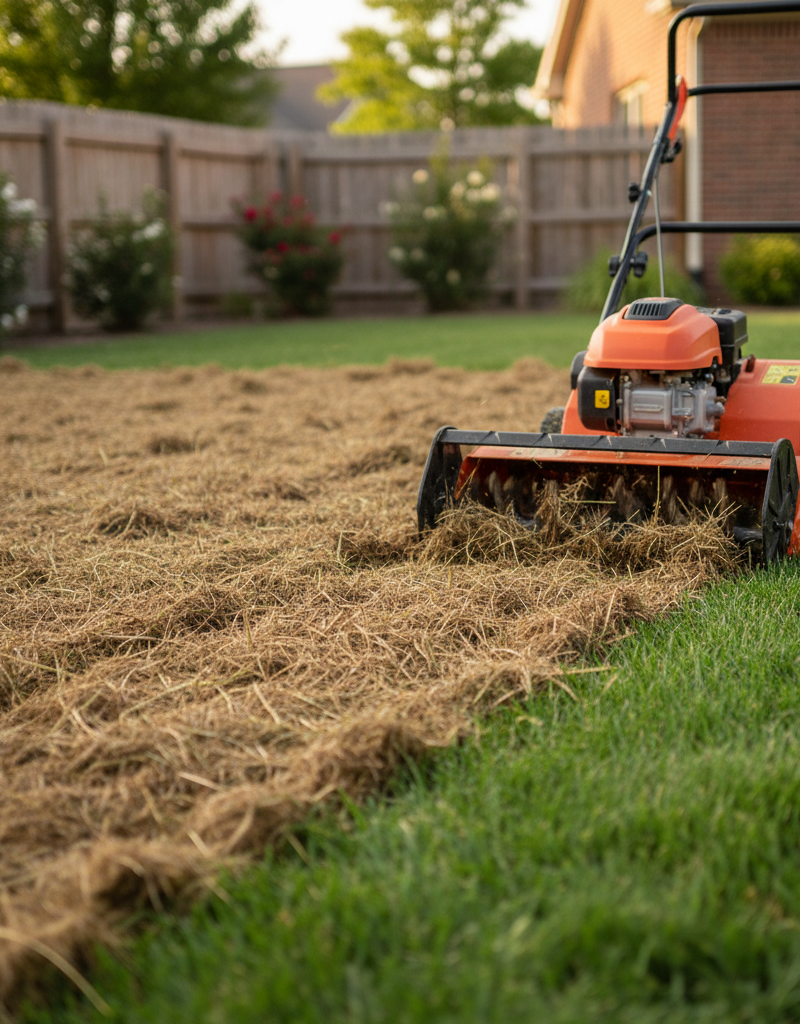
- Action: If you’ve got a thick layer of thatch — more than 0.5 inches of dead junk above the soil line — it holds moisture and makes a perfect little fungal hideout. Dethatch in late spring or early fall. Aeration helps air and water get down to the roots, which toughens the grass up and makes it less likely to get hit. Do it once a year if you want the best shot.
Common Causes
- Excessive Shade: Fungus thrives where the sun don't shine and moisture hangs around.
- Poor Air Circulation: Dense plantings, hedges, or grass that’s too long trap humidity like crazy.
- Overwatering/Improper Watering: Watering at night or too often keeps blades wet way too long.
- High Humidity: Long stretches of damp, humid weather are fungus heaven.
- High Nitrogen Fertilizer: Can push fast, soft growth that’s easier for disease to hit.
- Compact Soil: Water won’t drain right, air won’t move, and the roots get weak.
Common Mistakes
- Ignoring it, hoping it goes away. No dice. It just spreads.
- Overwatering, especially at night. That’s rolling out the welcome mat for fungi. Water in the morning.
- Mowing too short. Scalping the lawn stresses the grass and leaves it wide open to disease and weeds.
- Not addressing shade or airflow issues. Fungicide alone is just a band-aid if you don’t fix the real problem.
- Fertilizing incorrectly. Too much nitrogen can weaken the grass and make it a target. Get a soil test.
- Using the wrong type of fungicide. Make sure the label says it’s good for powdery mildew or white mold on lawns, not just general garden use. Read the fine print.
Cost & Time Breakdown
Here’s a rough idea of what you’re looking at if you handle this yourself versus bringing in a pro. Prices vary by region and by how far gone the lawn is.
| Task | DIY Cost | Pro Cost (Approx.) | Time (DIY) |
|---|---|---|---|
| Pruning/Trimming | $0–$50 (tools) | $150–$500+ | 30 mins – 2 hours |
| Watering Adjustment | $0 | N/A | 5 mins/week |
| Mowing Height Adjustment | $0 | N/A | 5 mins |
| Fungicide Application (1-2x) | $20–$50/bottle | $100–$300/treatment | 30 mins – 1 hour |
| Dethatching/Aeration | $0 (rent) – $200+ (buy) | $200–$500+ | 1–4 hours |
| Soil Test | $15–$30 | $50–$100 | 15 mins |
Tips & Prevention
- Overseed with Resistant Varieties: If this keeps coming back, overseed with grass types that handle powdery mildew better, like certain fescues or perennial ryegrass. It’s a longer game, but it pays off.
- Regular Soil Tests: Get one every 2-3 years. If you know your soil’s pH and nutrient levels, you can fertilize smarter and build a tougher lawn that resists disease better.
- Keep Tools Clean: If you’ve mowed through a diseased area, clean your mower blades with a 10% bleach solution or rubbing alcohol. You don’t want to drag spores into healthy turf.
- Monitor Shaded Areas Closely: Those spots are trouble magnets. Check them often, especially after cool, damp weather.
- Consider a Fungicide Program: For lawns with a history of bad fungal problems, a preventative fungicide application in late spring or early fall can be worth the money. Think of it like a flu shot for your lawn.
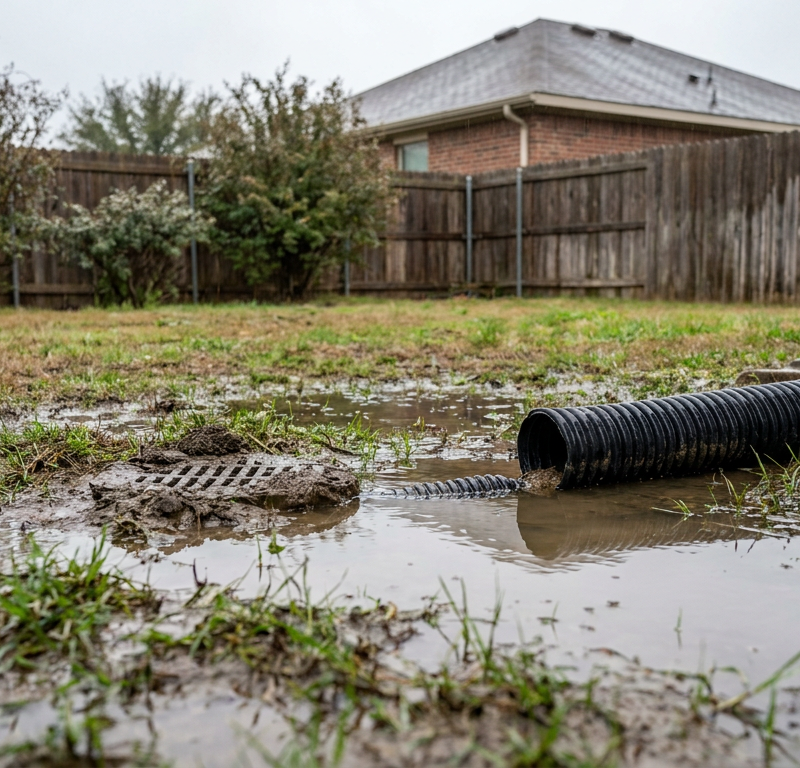
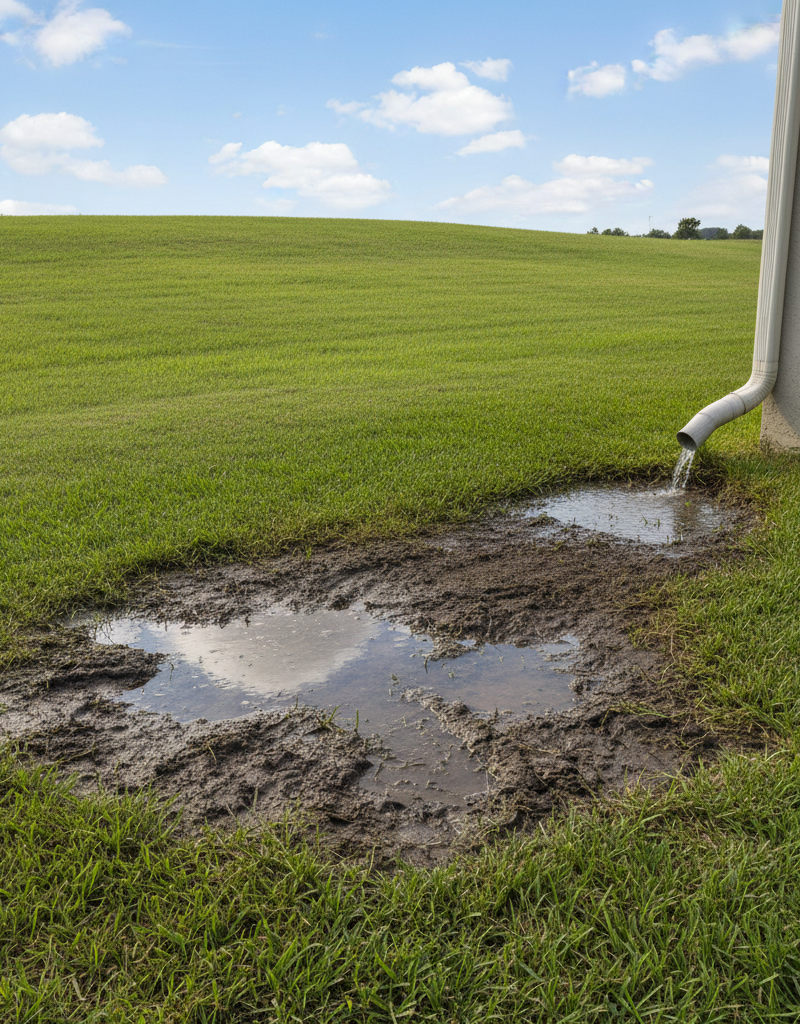
- Promote Drainage: If you’ve got soggy spots, think about amending the soil with compost or putting in French drains. Waterlogged ground is a fungal paradise.
When to Call a Professional
Look, I’m all for DIY, but there are times when you just gotta bring in help. If you’ve tried these steps and the white powdery stuff is still spreading, or if a big chunk of the lawn is going downhill with large dead patches, it’s time for a pro. A lawn care specialist or arborist can ID the exact fungus, recommend targeted treatments — some of which are commercial-grade and not sold over the counter — and lay out a long-term game plan. They can also look at tree canopies for too much shade and tell you what needs pruning, or check your irrigation system for problems. Don’t let pride cost you the lawn. Sometimes a seasoned pro’s tools and experience are what turn it around when you’re out of options. And if big established trees are part of the mess, an arborist’s advice can be the difference between patching things up and chasing the problem all season.
Related Articles
Keep troubleshooting with these hand-picked guides from FixlyGuide:
- The #1 Mistake Killing Your Lawn's Thickness (and How to Fix It in a Weekend) — Overseeding a thin lawn revitalizes its density and health, but many homeowners make a crucial mistake that hinders success. Learn the righ…
- The #1 Mistake Killing Your Lawn (and the Simple Grub Fix) — Grub worms can covertly destroy a beautiful lawn, but specific biological and chemical treatments applied at the right time can eliminate t…
- The #1 Summer Lawn Mistake Turning Your Grass Yellow (and How to Fix It) — Discover the most common summer lawn mistake that causes yellowing grass and learn the simple steps to revive your lawn.
- The #1 Summer Lawn Mistake Turning Your Grass Yellow (and How to Fix It) — Discover the most common summer mistake that causes lawns to turn yellow and learn how to correct it for a greener, healthier yard.
- The #1 Mistake Killing Your Dandelion-Fighting Efforts (and the Easy Fix) — Stop dandelions from taking over your lawn by understanding common mistakes and implementing effective, long-term solutions for a healthier…
- The Invisible Dust: Why Your Renovation Could Be Poisoning Your Family — Renovating a pre-1978 home can unknowingly expose your family to lead dust. Learn how to identify, contain, and safely manage lead-based pa…
Should you do this yourself?
Answer five quick questions before you start. Safety outranks savings every time.
Your experience with work like this
How high do you have to work?
Does the job involve any of these?
Will it need a permit?
Specialty tools
Free and instant. Educational guidance only — not a quote, inspection, or professional diagnosis.
What should this project cost?
Enter your project details for a realistic cost range before you call anyone.
Cost depends heavily on which system turns out to be the source.
- Regional adjustment
- National average
- Labor share (typical)
- ~$1,620
- Quotes to collect
- 3 written estimates
Educational estimate based on national averages — not a binding quote. Always confirm with written local estimates.
Before you start
Check the difficulty, permits, and safety risk — then decide whether to call a pro.
- Estimate this projectGet a cost range for your scope and ZIP before you call anyone.Open
- Get local estimatesSend one request and compare written estimates from vetted pros.Open
Free, no signup required. Estimates are educational guidance, not a quote or an inspection.
Get the print-ready PDF of this guide
A clean, ad-free, printable version you can keep on your phone or pin to the workshop wall. Free with a FixlyGuide account.
- Print-optimized layout
- Tools, materials & every step included
- Saved to your account
Frequently asked questions
What exactly is the white powder on my lawn?+
That white powdery stuff is almost always a fungal disease, commonly powdery mildew or a type of white mold. These fungi grow on the surface of your grass blades, feeding on the plant and weakening it over time.
Is white powder on my lawn harmful to pets or children?+
Generally, powdery mildew and white molds common on lawns are not toxic to pets or children. However, it's always best to keep them off heavily affected areas and certainly away from any fungicide applications until the product has dried completely.
Can I just wash the white powder off my grass?+
Washing it off with water might temporarily improve the appearance, but it won't kill the fungus or stop its growth. In fact, prolonged moisture from frequent watering can make the problem worse by creating an ideal environment for the fungus.
What conditions encourage white powdery mildew on my lawn?+
These fungi thrive in cool, damp, and shaded conditions with poor air circulation. Overwatering, especially in the evening, dense foliage, and compacted soil can all contribute to its development.
How long does it take to get rid of the white powder?+
Mild cases treated with cultural changes (like improved airflow and proper watering) might show improvement in a week or two. More severe infections requiring fungicide can take several applications over 2-4 weeks to fully resolve.
Should I bag my grass clippings if I have white powder?+
If the white powder is widespread and severe, bagging your clippings and disposing of them off-site can help prevent the spread of fungal spores. For mild cases, especially if you're using fungicide, you can often leave clippings to decompose.
Can fertilizing too much cause white powder on my lawn?+
Yes, over-fertilizing with high-nitrogen products can lead to lush, succulent grass growth that is more susceptible to fungal diseases like powdery mildew. A balanced, slow-release fertilizer is usually better.
When should I consider replacing my lawn if it has this issue?+
You should consider replacing sections of your lawn if the grass is completely dead or if the fungal issues are chronic and won't respond to repeated treatments. Often, using disease-resistant grass varieties for overseeding or sodding can prevent future outbreaks.
Are there natural remedies for white powdery mildew?+
Some homeowners try home remedies like baking soda solutions or neem oil. While these can sometimes work for very minor cases, for established or widespread lawn fungus, a commercial fungicide or professional intervention is usually more effective.
Discussion
Loading comments…