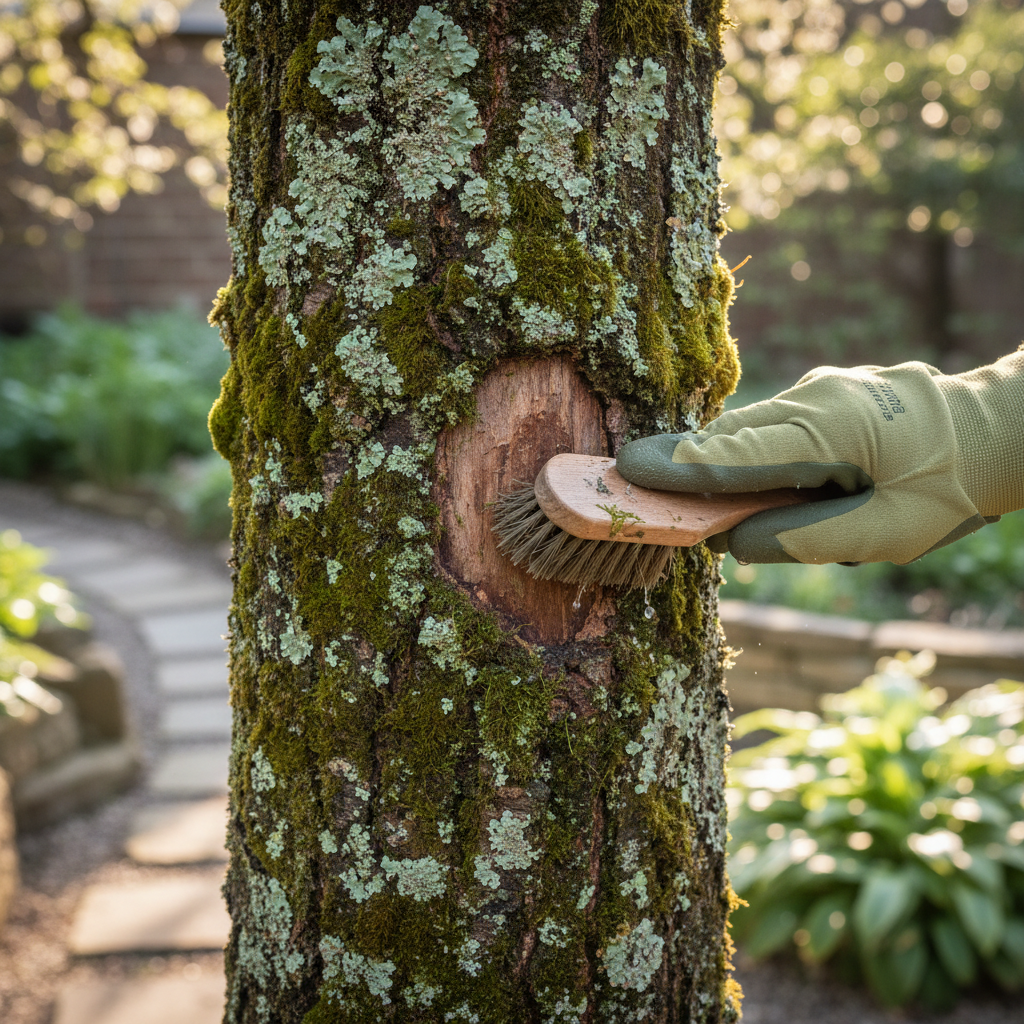
- Excessive Shade: This is a big one. Trees in dense canopies or heavily shaded yards don't get enough sunlight to dry out quickly, creating a perfect environment for moss and lichen.
- Poor Air Circulation: Similar to shade, if branches are too close together or the area around the tree is very sheltered, air can't move freely, trapping humidity against the bark.
- High Humidity: Areas with naturally high humidity, like coastal regions or often damp climates, will see more moss and lichen growth.
- Slow Tree Growth/Older Trees: Older trees with rougher, less active bark provide a better, more stable surface for these organisms to attach to. Slower growth also means less new bark shedding old growth.
- Weakened Tree Health: While moss/lichen don't cause disease, a tree that's already stressed by drought, disease, or nutrient deficiency might grow slower and be more susceptible to heavy colonization.
Landscaping · Deck or fence project
| Project category | Landscaping |
|---|---|
| Problem type | Deck or fence project |
| Trade required | Landscaping |
| Urgency | Planned project |
| Safety risk | Moderate safety risk |
| DIY suitability | DIY for experienced homeowners |
| Cost category | High cost |
| Typical timeline | Most builds 3–10 days depending on size |
| Contractor type | Landscaping contractor |
Repair option
Replace failed boards, posts, and hardware; reseal the surface.
Replacement option
Rebuild when framing or the ledger connection is unsafe.
Common causes
- Rot at posts and ledger
- Storm damage
- Adding outdoor living space
Relevant tools:home improvement material pricesproject cost estimator
Published September 5, 2026Last updated September 5, 2026
Tools & materials you'll need
Affiliate linksAs an Amazon Associate FixlyGuide earns from qualifying purchases — at no extra cost to you. Prices and availability are accurate as of publication and subject to change.
Quick Answer
Seeing a fuzzy green carpet or crusty gray patches spreading across your tree trunks and branches? That's usually moss or lichen, and it can look rough enough to make you think the tree’s got some nasty infection brewing. Most of the time, though, it’s not the tree itself going south. It’s usually a clue that the area’s too shady, too damp, or just plain short on airflow. Don’t go reaching for harsh chemicals right off the bat. A little elbow grease, plus some smart pruning, usually gets the tree looking better and breathing easier.
The Problem
You’ve got these odd little growths stuck to your trees. Sometimes it’s that soft, velvety green moss that looks like something out of an old woods trail. Other times it’s those flat, crusty grayish-green or yellowish patches — that’s lichen. Homeowners see that stuff and figure it’s killing the tree, sucking the life right out of it. And sure, it looks ugly. It can cover branches, make a tree look neglected, and cut down on sunlight hitting the bark.
But moss and lichen themselves generally aren’t parasitic. They’re not feeding on the tree. What they usually tell you is that the tree’s sitting in conditions that aren’t great for long-term health. Think of ’em like a warning light on the dash. Maybe the canopy’s too crowded. Maybe the yard’s too shaded. Maybe air just isn’t moving the way it should.
If you let it go and the growth gets heavy, it can hold moisture against the bark. That can open the door to fungal problems later on, or give pests a place to hang out. So no, it’s not the moss killing the tree. It’s what the moss is telling you about the tree’s environment.
How It Works
Alright, here’s the deal on what these things actually are. Mosses are non-vascular plants, which just means they don’t have roots, stems, or true leaves like your usual flowering plants. They soak up water and nutrients straight from the air and rain through their simple little structures. They like damp, shady spots and they’ll grow on just about anything — rocks, soil, tree bark, you name it.
Lichens are a different animal altogether. They’re really a partnership between a fungus and an alga (or cyanobacterium). The fungus gives it structure and protection, and the alga handles photosynthesis so both sides get fed. Pretty slick setup, honestly. They’re tough too. They can live in deserts, on frozen ground, and just about anywhere else they can grab enough light and moisture.
Neither moss nor lichen actually digs roots into your tree and steals nutrients or water. They just latch onto the surface. That’s it. They get what they need from the atmosphere — dust, rainwater, minerals floating around in the air. That’s why you’ll often see them on older trees with rough bark. Better grip. Less shedding. A more stable place to settle in.
They also love high humidity, steady moisture, and not much direct sun. So if your yard stays shaded or your trees are packed tight in a crowded canopy, that’s prime territory. When you see a lot of moss or lichen, it usually means the tree isn’t getting enough sunlight or air movement through the branches. And that can wear a tree down over time by setting the table for fungal diseases or insect problems. Damp, shaded spots are basically an open invite for that kind of trouble. So while the moss isn’t directly hurting the tree, it’s not something I’d ignore.
Step-by-Step Fix
Safety First – Always wear safety glasses and gloves when working with tools and plant material. If you're dealing with tall trees or using a ladder, make sure it's stable and have someone spot you. Don't work near power lines! If a branch is near a utility line, call a pro.
-
Assess the Situation – Take a good look at your trees. How much moss or lichen is there? Is it just on one side, or all over? Is the tree otherwise healthy – good leaf color, no dead branches, strong growth? This helps you figure out the scope of the job. Small patches might not need much, but heavy growth needs a thorough approach.
-
Gather Your Gear – You don't need much, but having the right tools makes a difference. A stiff-bristled brush (natural bristles are less likely to damage bark than metal), a tarp for cleanup, and good quality pruning shears or a lopper for dead or overgrown branches are key. Don't forget those safety glasses and gloves, I'm serious.
-
Manual Removal (The Gentle Scrub) – For trunks and accessible branches, a stiff brush is your best friend. Lightly brush away the moss and lichen. You're not trying to strip the bark, just dislodge the growth. Go with the grain of the bark. I remember a job out in Brookhaven where a homeowner had me prune a huge oak covered in growth — spent an afternoon just gently scrubbing the lower branches. It’s satisfying work, actually.
- Pro Tip: Do this when the moss/lichen is dry. It's much easier to dislodge when it's not waterlogged.
-
Prune for Airflow and Light – This is often the big one. Moss and lichen love damp, shady conditions. By carefully pruning overcrowded inner branches and any crossing limbs, you open up the canopy. That lets more sunlight in and gets air moving, which naturally discourages future growth. Aim to remove no more than 25% of the tree's canopy in a single year.
- Tool Check: Use sharp, clean pruning shears for branches up to 3/4 inch thick. For thicker branches (up to 1.5 inches), use loppers. Anything bigger, you'll need a pruning saw – or a pro.
- Safety Note: Always make clean cuts just outside the branch collar (the slightly swollen area where the branch joins the trunk or another branch) to promote proper healing. Don't leave stubs.
-
Clean Up the Debris – Once you've brushed and pruned, collect all the fallen moss, lichen, and branches. A tarp spread beneath your work area makes this a breeze. Don't leave this stuff lying around, as it can harbor pests or fungal spores. Bag it up and dispose of it, or compost it if you're sure it's disease-free.
-
Consider a Mild Solution (Optional, Use with Caution) – For stubborn areas, or if you want a little extra oomph, a very dilute solution of water and white vinegar (1 part vinegar to 10 parts water) can be carefully sprayed on the affected areas. Let it sit for 10-15 minutes, then gently brush again. Rinse with plain water afterwards. This can help kill off remaining spores. Don't overdo it – too much vinegar can harm your tree.
- Warning: Avoid spraying this solution on leaves or new growth, as it can cause burns. Test a small, inconspicuous area first.
-
Monitor and Maintain – After your initial clean-up, keep an eye on your trees. Good annual pruning practices, ensuring proper spacing and light penetration, will be your best defense against recurrence. Make sure your trees aren't over-watered, and if you have irrigation, aim it away from the trunks.
Common Causes
- Excessive Shade: This is a big one. Trees in dense canopies or heavily shaded yards don't get enough sunlight to dry out quickly, creating a perfect environment for moss and lichen.
- Poor Air Circulation: Similar to shade, if branches are too close together or the area around the tree is very sheltered, air can't move freely, trapping humidity against the bark.
- High Humidity: Areas with naturally high humidity, like coastal regions or often damp climates, will see more moss and lichen growth.
- Slow Tree Growth/Older Trees: Older trees with rougher, less active bark provide a better, more stable surface for these organisms to attach to. Slower growth also means less new bark shedding old growth.
- Weakened Tree Health: While moss/lichen don't cause disease, a tree that's already stressed by drought, disease, or nutrient deficiency might grow slower and be more susceptible to heavy colonization.
Common Mistakes
- Panicking and Over-Treating: Don't grab the strongest chemical fungicide or herbicide you can find. Moss and lichen aren't usually tree killers, and harsh chemicals can do more harm than good to your tree and the surrounding environment. I've seen folks practically bleach their tree trunks — that thing's toast.
- Aggressive Scrubbing: You're not scrubbing a bathtub. Rubbing too hard with a wire brush or abrasive tool can damage the tree's delicate outer bark, leaving it vulnerable to pests and diseases. Gentle is the name of the game.
- Ignoring the Underlying Issue: Removing the moss without addressing why it's there is like putting a band-aid on a broken leg. If you don't prune for airflow or reduce shade, it'll just come right back.
- Pruning Too Much at Once: Never remove more than about 25% of a tree's canopy in a single year.
Related Articles
Keep troubleshooting with these hand-picked guides from FixlyGuide:
- The #1 Pruning Mistake That Chokes Your Shrubs (And How to Fix It Right Now) — Discover the most common pruning error homeowners make and how to correct it for healthier, more vigorous shrub growth.
- The #1 Summer Lawn Mistake Turning Your Grass Yellow (and How to Fix It) — Discover the most common summer lawn mistake that causes yellowing grass and learn the simple steps to revive your lawn.
- The 3 Hidden Reasons Your Sprinkler Head Won't Pop Up (And How to Fix It FAST) — Discover the most common reasons your sprinkler head isn't popping up and follow our step-by-step guide to quickly diagnose and fix the iss…
- The #1 Mistake Killing Your Summer Lawn (And How to Fix It in a Weekend) — Overwatering is the silent killer behind many yellow summer lawns, often mistaken for drought. Learn how to diagnose and correct drainage i…
- The #1 Summer Lawn Mistake Turning Your Grass Yellow (and How to Fix It) — Discover the most common summer mistake that causes lawns to turn yellow and learn how to correct it for a greener, healthier yard.
- The #1 Gutter Mistake That Causes Overflow (It's Not Clogs!) — Discover the often-overlooked culprit behind overflowing gutters during heavy rain and learn the surprising, easy fix most homeowners miss.
Should you do this yourself?
Answer five quick questions before you start. Safety outranks savings every time.
Your experience with work like this
How high do you have to work?
Does the job involve any of these?
Will it need a permit?
Specialty tools
Free and instant. Educational guidance only — not a quote, inspection, or professional diagnosis.
What should this project cost?
Enter your project details for a realistic cost range before you call anyone.
Cost depends heavily on which system turns out to be the source.
- Regional adjustment
- National average
- Labor share (typical)
- ~$1,620
- Quotes to collect
- 3 written estimates
Educational estimate based on national averages — not a binding quote. Always confirm with written local estimates.
Before you start
Check the difficulty, permits, and safety risk — then decide whether to call a pro.
- Estimate this projectGet a cost range for your scope and ZIP before you call anyone.Open
- Get local estimatesSend one request and compare written estimates from vetted pros.Open
Free, no signup required. Estimates are educational guidance, not a quote or an inspection.
Get the print-ready PDF of this guide
A clean, ad-free, printable version you can keep on your phone or pin to the workshop wall. Free with a FixlyGuide account.
- Print-optimized layout
- Tools, materials & every step included
- Saved to your account
Frequently asked questions
Is moss on trees harmful?+
Generally, no. Moss and lichen are epiphytes, meaning they grow on trees but don't parasitize them. They get their nutrients from the air and rain, not the tree itself. However, heavy growth can indicate poor tree health due to excess shade or humidity.
How do I safely remove moss from tree trunks?+
The safest method is gentle manual removal using a stiff-bristled brush. Do this when the moss is dry. For stubborn areas, a very dilute solution of white vinegar and water (1:10) can be used, followed by rinsing.
What causes moss and lichen to grow on trees?+
They thrive in damp, shady conditions with poor air circulation. Overcrowded canopies, consistently high humidity, and slower-growing older trees with rougher bark are common factors that encourage their growth.
Will power washing remove moss from trees?+
While power washing might remove moss, it's generally not recommended. The high pressure can easily damage the tree's bark, creating open wounds that leave it vulnerable to disease and pests. Stick to gentler methods.
When is the best time to prune trees to reduce moss?+
The best time for general pruning to improve light and airflow is typically during the dormant season (late fall to early spring) when the tree is not actively growing. This minimizes stress and disease risk.
Can I use chemical sprays to kill moss on trees?+
There are some chemical products available, but they should be used with extreme caution. Many can harm the tree, surrounding plants, or beneficial insects. Addressing environmental factors and manual removal are safer, more sustainable options.
Does moss mean my tree is dying?+
Not necessarily. Moss and lichen are often found on healthy, mature trees. However, if a healthy tree suddenly develops a lot of moss, it might be a sign that its growth has slowed or its environment has become too damp or shady. Assess the tree's overall vigor.
How can I prevent moss and lichen from returning?+
The best prevention is maintaining good tree health. This includes regular, proper pruning to ensure adequate light penetration and air circulation within the canopy, avoiding over-watering, and ensuring good drainage around the tree.
Will removing moss hurt the tree?+
No, if done gently. Removing moss carefully with a brush will not harm the tree's bark. The key is to avoid aggressive scrubbing or using harsh chemicals that could damage the tree's protective layers.
What's the difference between moss and lichen on trees?+
Moss is a simple plant that grows in damp, shady places. Lichen is a symbiotic organism made of a fungus and an alga. Both grow on the surface of trees, not in them, but lichen often appears crustier or leaf-like, while moss is softer and velvety.
Discussion
Loading comments…