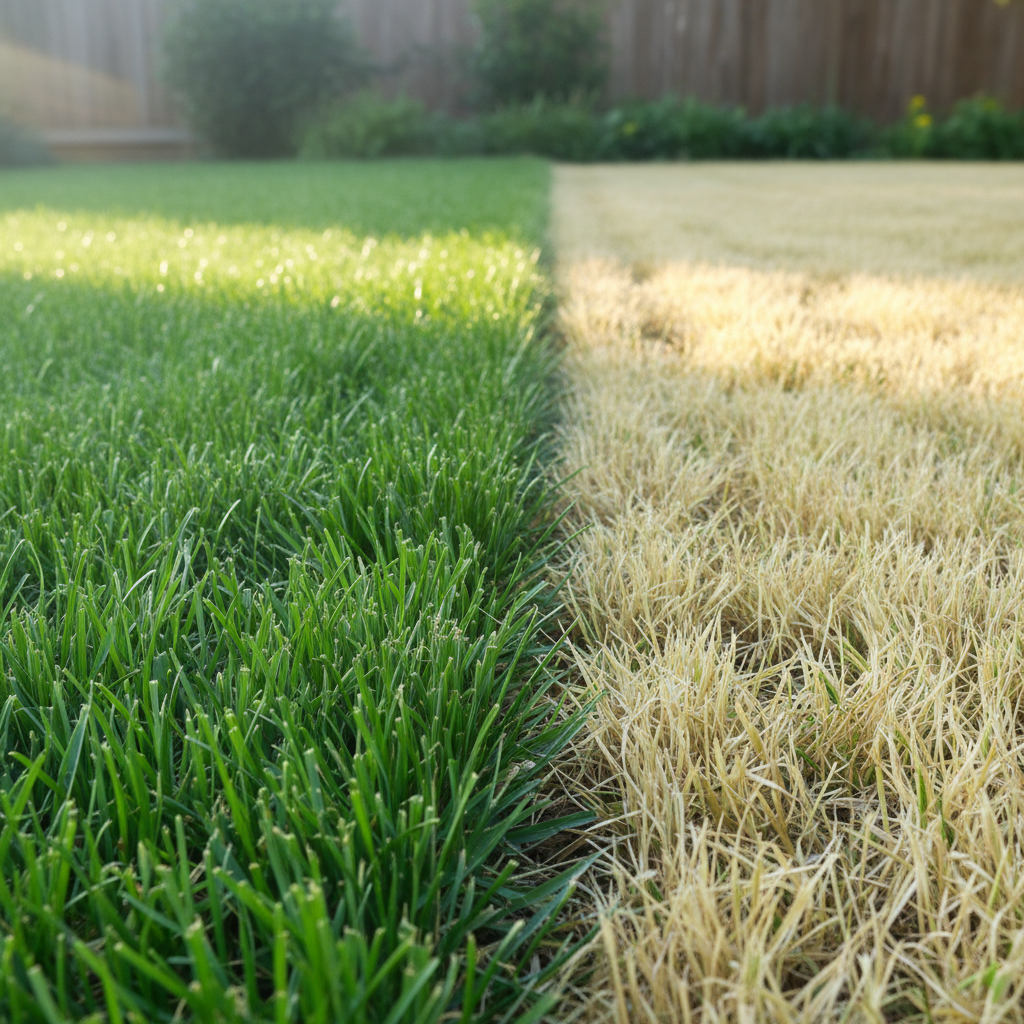
- Underwatering: The grass isn't receiving enough moisture to sustain itself, leading to dehydration and dormancy.
- Overwatering: Excess water suffocates roots, leaches nutrients, and promotes fungal growth, all leading to yellowing.
- Nutrient Deficiency (especially Nitrogen or Iron): Lack of essential nutrients, often exacerbated by improper watering or poor soil, hinders chlorophyll production.
- Soil Compaction: Dense soil prevents water, oxygen, and nutrients from reaching grass roots effectively.
- Heat Stress: Extreme heat combined with insufficient moisture can cause temporary yellowing or dormancy.
Landscaping · Deck or fence project
| Project category | Landscaping |
|---|---|
| Problem type | Deck or fence project |
| Trade required | Landscaping |
| Urgency | Planned project |
| Safety risk | Moderate safety risk |
| DIY suitability | DIY for experienced homeowners |
| Cost category | High cost |
| Typical timeline | Most builds 3–10 days depending on size |
| Contractor type | Landscaping contractor |
Repair option
Replace failed boards, posts, and hardware; reseal the surface.
Replacement option
Rebuild when framing or the ledger connection is unsafe.
Common causes
- Rot at posts and ledger
- Storm damage
- Adding outdoor living space
Relevant tools:home improvement material pricesproject cost estimator
Published June 30, 2026Last updated August 18, 2026
Tools & materials you'll need
Affiliate linksAs an Amazon Associate FixlyGuide earns from qualifying purchases — at no extra cost to you. Prices and availability are accurate as of publication and subject to change.
Quick Answer
Your lawn is likely turning yellow in the summer due to incorrect watering practices, which is often the silent killer of a vibrant green yard. While it seems counterintuitive, both underwatering and overwatering can lead to a parched, yellow appearance because they disrupt the grass's ability to absorb essential nutrients and oxygen. The good news is that by understanding your lawn's specific needs and adjusting your irrigation habits to provide deep, infrequent watering, you can prevent this common issue and restore your lawn to its lush, green glory.
The Problem
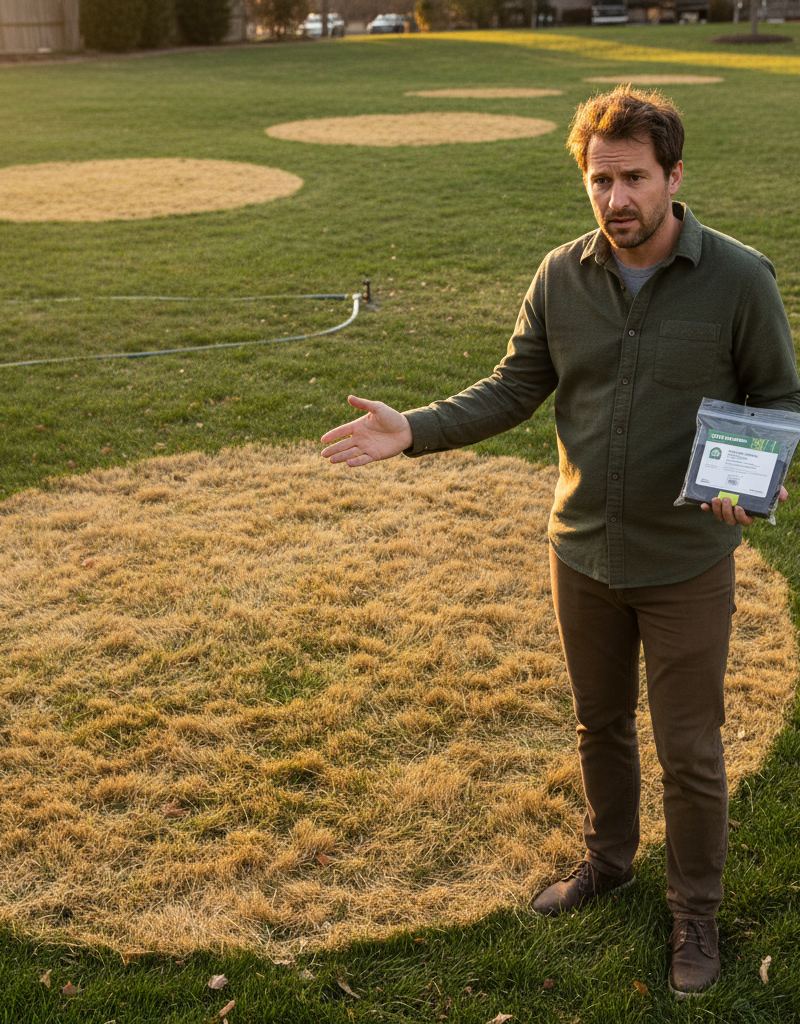
It's a familiar sight: summer arrives, and despite your best efforts, your once-green lawn starts to fade, morphing into an unappealing shade of yellow or straw. This isn't just an aesthetic issue; a yellowing lawn is a distressed lawn, signaling that something fundamental in its environment or care routine is amiss. While many factors can contribute to yellowing, including nutrient deficiencies, pests, or disease, the overwhelmingly most common culprit during the summer months is improper watering. Homeowners often fall into one of two traps: either not providing enough water to sustain the grass through hot, dry spells, or, surprisingly, providing too much water, which suffocates the roots and leaches vital nutrients from the soil.
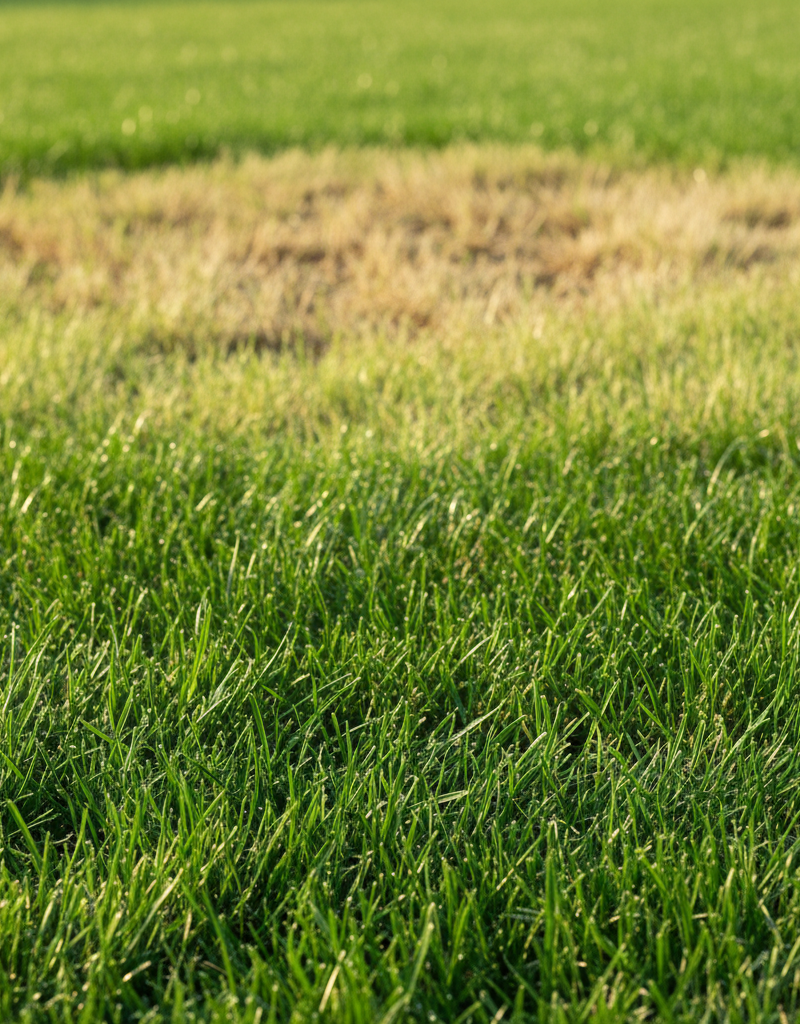
This widespread problem leads to a cascade of issues. Under-watered grass shrivels and goes dormant, turning brown or yellow to conserve energy. Over-watered grass, on the other hand, suffers from root rot, compaction, and a reduced ability to absorb oxygen and nutrients, leading to a similar yellowed appearance. Identifying which watering mistake you're making is the critical first step to nursing your lawn back to health.
How It Works
To truly understand why watering is so critical and how it can go wrong, it helps to grasp a bit about how your lawn functions. Grass plants, like all living organisms, require water, sunlight, and nutrients to thrive. Water is absorbed through the roots and travels up to the leaves, where it participates in photosynthesis – the process by which plants convert sunlight into energy. Water also acts as a transport system, carrying dissolved nutrients from the soil up into the plant.
When grass doesn't receive enough water, its cells lose turgor pressure, causing the blades to wilt and eventually turn yellow or brown as the plant conserves its remaining resources by entering dormancy. This is a survival mechanism, but prolonged drought can kill the grass.
Conversely, overwatering creates an anaerobic (oxygen-deprived) environment in the soil. Grass roots, like all roots, need oxygen to function. In waterlogged soil, the air pockets that normally provide oxygen are filled with water, effectively suffocating the roots. This also provides an ideal breeding ground for harmful fungi that cause root rot. Furthermore, excessive watering can leach essential nutrients like nitrogen, iron, and potassium deep below the root zone, making them unavailable to the grass. Nitrogen, in particular, is responsible for the lush green color of grass, and its deficiency quickly leads to yellowing.
Soil type plays a significant role here. Sandy soils drain quickly and retain less water, requiring more frequent watering. Clay soils, conversely, retain water for longer and can become waterlogged more easily with excessive irrigation. Understanding your soil type is key to establishing an effective watering regimen that supports healthy root development and vibrant green growth.
Step-by-Step Fix
1. Diagnose Your Watering Problem — Poke around to determine if your lawn is too dry or too wet.
Before you adjust anything, you need to know if you're underwatering or overwatering. Grab a screwdriver or a trowel and push it into the lawn. If the ground is bone dry and hard to penetrate, you're likely underwatering. If it's soggy, squishy, and water pools easily, you're overwatering. Another sign of underwatering is grass blades that fold in half or have a bluish-gray tint. Overwatering signs include spreading fungi or moss, and blades that turn yellow but still feel soft.
2. Test Your Soil Type — Knowing your soil helps tailor your watering schedule.
Fill a clear jar halfway with soil from your lawn. Add water until the jar is almost full, then shake vigorously for two minutes. Let it sit for 24 hours. The layers that settle will tell you your soil composition: sand settles first (bottom), then silt, then clay (top). Loamy soil, considered ideal, will have roughly equal layers. Sandy soils need more frequent, shorter watering; clay soils need less frequent, longer watering.
3. Ditch the Daily Spritz — Transition to deep, infrequent watering immediately.
Small, daily sprinkles encourage shallow root growth, making your lawn more susceptible to drought and disease. Instead, aim for 1 inch of water per week, applied in one to two watering sessions. This encourages roots to grow deeper, seeking moisture, which makes your grass hardier. You can measure 1 inch using a rain gauge or by placing a tuna can in your lawn while your sprinkler runs, noting the time it takes to fill.
4. Water at the Right Time — Early morning is the golden hour for irrigation.
Water your lawn between 4 AM and 9 AM. This timing minimizes evaporation due to sun and wind, allowing the water to penetrate deeply before the heat of the day. Watering in the evening leaves the grass wet overnight, creating a conducive environment for fungal diseases. Avoid watering during midday sun entirely.
5. Check for Compaction — Compacted soil prevents water and nutrients from reaching roots.
If your soil is very hard and dense, especially in high-traffic areas, it may be compacted. This restricts root growth and nutrient absorption. You can confirm compaction by trying to push a screwdriver into the soil; if it's difficult to push in more than a few inches, your soil is likely compacted. Consider aerating your lawn, which involves removing small plugs of soil, to improve air and water penetration. You can rent an aerator or hire a professional.
6. Inspect for Nutrient Deficiencies — Yellowing can also signal a lack of critical nutrients like nitrogen or iron.
While watering is primary, nutrient issues can compound the problem. If deep watering doesn't resolve the yellowing after a week or two, consider a soil test kit (available at garden centers) to identify specific nutrient deficiencies. Yellowing with green veins often indicates an iron deficiency. Overall pale yellowing is often a nitrogen deficiency. Apply appropriate slow-release fertilizers or iron supplements as recommended by your soil test results.
7. Review Mowing Practices — Cutting too short stresses grass and can cause yellowing.
Ensure you are not mowing your grass too short. Mowing too aggressively (removing more than one-third of the blade height at once) stresses the grass, reducing its ability to photosynthesize and retain moisture, which can lead to yellowing. Aim to keep most cool-season grasses at 2.5 to 3 inches and warm-season grasses at 2 to 2.5 inches. Sharpen your mower blades regularly; dull blades tear grass, making it more susceptible to disease and stress.
Common Causes
- Underwatering: The grass isn't receiving enough moisture to sustain itself, leading to dehydration and dormancy.
- Overwatering: Excess water suffocates roots, leaches nutrients, and promotes fungal growth, all leading to yellowing.
- Nutrient Deficiency (especially Nitrogen or Iron): Lack of essential nutrients, often exacerbated by improper watering or poor soil, hinders chlorophyll production.
- Soil Compaction: Dense soil prevents water, oxygen, and nutrients from reaching grass roots effectively.
- Heat Stress: Extreme heat combined with insufficient moisture can cause temporary yellowing or dormancy.
- Mowing Too Short: Scalping the lawn removes too much blade surface, stressing the plant and impeding photosynthesis.
- Pests or Disease: While less common than watering issues in summer's initial yellowing, grubs or fungal diseases can also cause yellow patches and thinning, often appearing as irregular patterns.
Common Mistakes
- Watering Only for a Few Minutes Daily: This leads to shallow roots, making your lawn more vulnerable to drought and heat stress. Water deeply and infrequently instead.
- Watering in the Evening: Leaving grass wet overnight promotes fungal diseases, which can also cause yellowing and thinning.
- Assuming All Yellow Grass Needs More Water: Sometimes, yellowing is a sign of too much water. Always check the soil moisture before adjusting your irrigation.
- Ignoring Soil Type: Different soils have different watering needs. Not accounting for sandy vs. clay soil can lead to either underwatering or overwatering.
- Applying Fertilizer Without a Soil Test: Guessing what nutrients your lawn needs can lead to over-fertilization, burning the grass, or worsening existing imbalances.
- Using a Dull Mower Blade: Dull blades tear grass, leaving ragged edges that turn brown, stress the plant, and invite disease, mimicking some yellowing symptoms.
Cost & Time Breakdown
| Task | DIY Cost | Pro Cost | Time |
|---|---|---|---|
| Diagnosing water issue | $0 | $50–$150 (visit) | 5–10 minutes |
| Adjusting watering schedule | $0 | N/A | 10–15 minutes |
| Soil test kit | $15–$30 | $100–$250 | 5 min (apply) |
| Aeration (rent equipment) | $70–$120 | $150–$400 | 1–3 hours |
| Fertilizer/Iron supplement | $30–$80 | N/A | 15–30 minutes |
| Sharpening mower blade (or new) | $15–$50 | N/A | 15–30 minutes |
Tips & Prevention
- Routine Moisture Checks: Stick a finger or a moisture meter into the soil regularly, especially during hot spells, to gauge actual moisture levels before watering.
- Observe Your Lawn's Cues: Watch for early signs of stress like footprints remaining visible after walking on the lawn, or grass blades taking on a slightly darker, bluish-gray hue – these indicate it's time to water.
- Install a Rain Sensor: If you have an in-ground irrigation system, a rain sensor will prevent unnecessary watering after natural rainfall, saving water and preventing overwatering.
- Mow High, Mow Often: Maintain a grass height of 2.5–3 inches. Taller grass shades the soil, reducing water evaporation, and develops deeper roots. Mowing frequently (e.g., weekly) but removing only one-third of the blade height at a time is healthier.
- Top-Dress with Compost Annually: A thin layer of compost (1/4 to 1/2 inch) in spring or fall improves soil structure, water retention, and nutrient availability over time, making your lawn more resilient.
- Regular Soil Testing: Perform a soil test every 2–3 years to proactively identify and address nutrient imbalances or pH issues before they cause widespread yellowing.
When to Call a Professional
While most summer yellowing issues are related to improper watering and can be corrected by homeowners, there are times when professional help is advisable. If you've diligently adjusted your watering schedule, tested your soil, and ruled out common nutrient deficiencies, but your lawn continues to yellow or shows signs of rapid decline, it might be an indication of a more complex problem. Extensive pest infestations (like chinch bugs or grubs) that are unresponsive to over-the-counter treatments, widespread fungal diseases that you can't identify, or severe, localized yellowing that suggests a broken sprinkler head or underground leak might warrant a professional's expertise. A licensed lawn care professional or arborist can accurately diagnose obscure diseases, identify specific pest pressures, and recommend targeted, effective treatments that are safe for your lawn and the environment. They can also perform services like core aeration on large yards or provide specialized fertilization plans based on advanced soil analysis, ensuring your lawn gets exactly what it needs to thrive.
Related Articles
Keep troubleshooting with these hand-picked guides from FixlyGuide:
- The #1 Summer Lawn Mistake Turning Your Grass Yellow (and How to Fix It) — Discover the most common summer lawn mistake that causes yellowing grass and learn the simple steps to revive your lawn.
- The #1 Summer Lawn Mistake Turning Your Grass Yellow (It's Not Overwatering) — Discover the most common, often overlooked reason your summer lawn is turning yellow despite your best efforts, and learn how to fix it.
- The #1 Mistake Killing Your Summer Lawn (And How to Fix It in a Weekend) — Overwatering is the silent killer behind many yellow summer lawns, often mistaken for drought. Learn how to diagnose and correct drainage i…
- The #1 Watering Mistake Homeowners Make (And How to Fix It in Minutes) — Discover the most common lawn watering mistake homeowners make and how adjusting your technique can lead to a healthier, greener lawn.
- The #1 Pruning Mistake That Chokes Your Shrubs (And How to Fix It Right Now) — Discover the most common pruning error homeowners make and how to correct it for healthier, more vigorous shrub growth.
- The #1 Mistake Homeowners Make When a Gas Burner Won't Light (And the Easy Fix) — Before you call a technician, discover the most common, overlooked reason your gas stove burner isn't lighting and how to fix it yourself i…
Should you do this yourself?
Answer five quick questions before you start. Safety outranks savings every time.
Your experience with work like this
How high do you have to work?
Does the job involve any of these?
Will it need a permit?
Specialty tools
Free and instant. Educational guidance only — not a quote, inspection, or professional diagnosis.
What should this project cost?
Enter your project details for a realistic cost range before you call anyone.
Cost depends heavily on which system turns out to be the source.
- Regional adjustment
- National average
- Labor share (typical)
- ~$1,620
- Quotes to collect
- 3 written estimates
Educational estimate based on national averages — not a binding quote. Always confirm with written local estimates.
Before you start
Check the difficulty, permits, and safety risk — then decide whether to call a pro.
- Estimate this projectGet a cost range for your scope and ZIP before you call anyone.Open
- Get local estimatesSend one request and compare written estimates from vetted pros.Open
Free, no signup required. Estimates are educational guidance, not a quote or an inspection.
Frequently asked questions
Why is my grass yellow in summer even though I water it?+
If your grass is yellow despite watering, it's likely due to either overwatering, which suffocates roots and leaches nutrients, or underwatering, where the water isn't penetrating deeply enough. Check your soil moisture to diagnose the issue and adjust your watering to deep, infrequent sessions in the early morning.
How often should I water my lawn in the summer to prevent yellowing?+
In most conditions, aim to water your lawn deeply (to provide 1 inch of water) one to two times per week. The exact frequency can vary based on your soil type, grass type, and local climate, but deep, infrequent watering encourages strong, deep root growth.
Can fertilizer fix yellow grass?+
Yes, if the yellowing is due to a nutrient deficiency, particularly nitrogen or iron. However, applying fertilizer without knowing the specific deficiency (ideally through a soil test) can do more harm than good. Address watering issues first, then consider a soil test for targeted nutrient application.

Discussion
Loading comments…