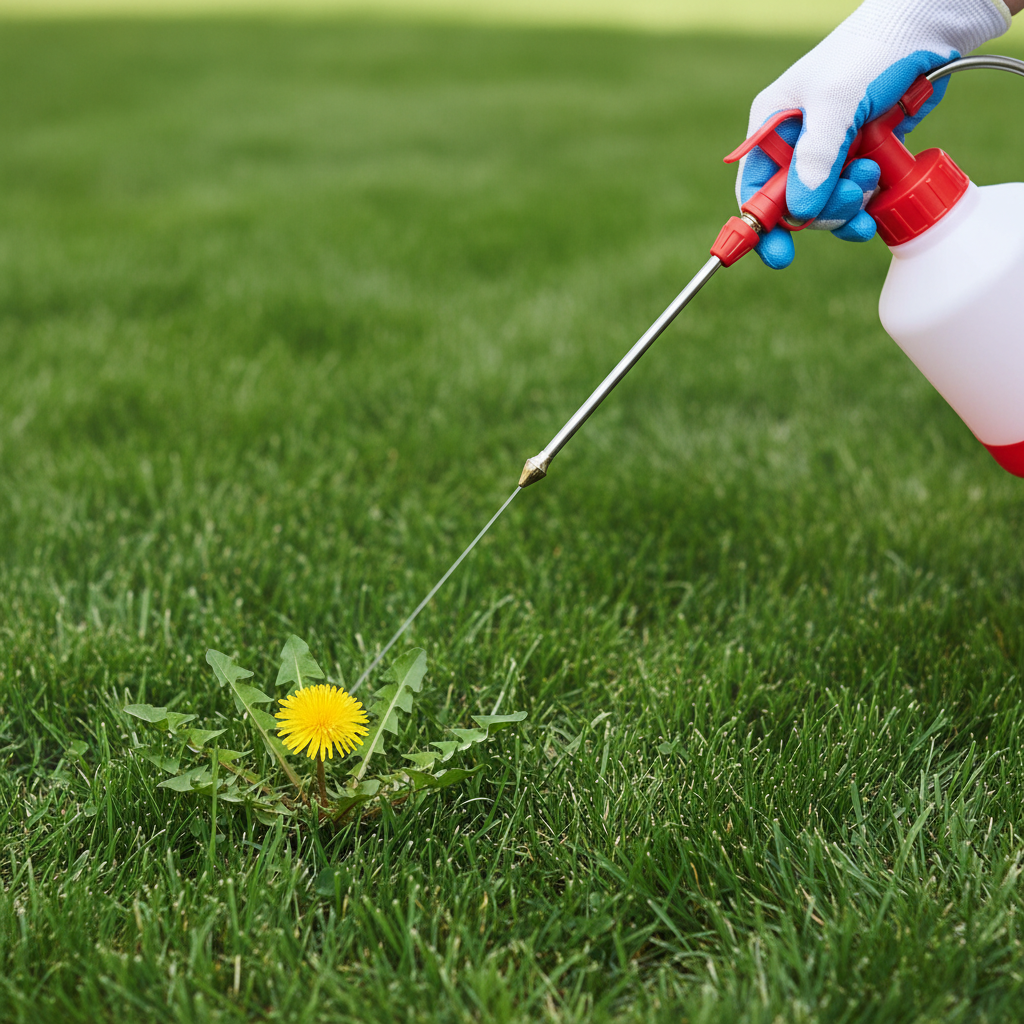
- Hose-End Sprayer or Pump Sprayer: For even application.
- Organic Alternatives: Iron-based herbicides (e.g., FeHEDTA) are an option for spot treatment, causing broadleaf weeds to blacken and die without harming grass. Requires multiple applications.
- Safety Note: Always read and follow all label instructions, including wearing protective gloves and eyewear. Keep pets and children off treated areas until dry.
Landscaping · Deck or fence project
| Project category | Landscaping |
|---|---|
| Problem type | Deck or fence project |
| Trade required | Landscaping |
| Urgency | Planned project |
| Safety risk | Moderate safety risk |
| DIY suitability | DIY for experienced homeowners |
| Cost category | High cost |
| Typical timeline | Most builds 3–10 days depending on size |
| Contractor type | Landscaping contractor |
Repair option
Replace failed boards, posts, and hardware; reseal the surface.
Replacement option
Rebuild when framing or the ledger connection is unsafe.
Common causes
- Rot at posts and ledger
- Storm damage
- Adding outdoor living space
Relevant tools:home improvement material pricesproject cost estimator
Published June 8, 2026Last updated August 17, 2026
Tools & materials you'll need
Affiliate linksAs an Amazon Associate FixlyGuide earns from qualifying purchases — at no extra cost to you. Prices and availability are accurate as of publication and subject to change.
Quick Answer
The most effective way to eliminate dandelions is to address them proactively in the early spring or late fall when herbicides are most effective and the weeds are most vulnerable. Proper herbicide application, combined with manual removal of young plants and improving lawn health, ensures long-term control. Understanding the dandelion's life cycle and targeting it at the right time is key to preventing its spread and maintaining a healthy, weed-free lawn.
The Problem
Those bright yellow flowers might seem cheerful, but dandelions are a relentless force in the battle for a pristine lawn. They're not just an eyesore; their deep taproots make them incredibly resilient, drawing nutrients and water away from your grass. Before you know it, a few scattered weeds turn into a yellow carpet, and then those charming yellow heads morph into puffballs, releasing thousands of seeds to colonize every inch of your yard and your neighbors'. Many homeowners make the critical mistake of only treating dandelions when they are in full bloom, which is often too late for effective, long-term control. This leads to a frustrating cycle of temporary fixes and recurring infestations, wasting time, money, and effort.
How It Works
Dandelions (Taraxacum officinale) are perennial broadleaf weeds, meaning they return year after year from the same root system. Their success lies in several key biological features. First, they possess a robust taproot that can extend 10 to 18 inches deep into the soil. This taproot acts as a nutrient and water reservoir, making them exceptionally drought-tolerant and difficult to remove manually without breaking off a piece, which can then regrow.
Second, dandelions are prolific seed producers. Each yellow flower head can produce hundreds of parachute-like seeds, which are then carried by the wind, sometimes for miles, allowing for rapid spread. A single plant can produce multiple flower heads throughout the growing season. Their ability to germinate in a wide range of soil conditions further enhances their invasiveness.
Third, dandelions have a unique growth cycle that savvy homeowners can exploit. In early spring, as soil temperatures rise, dandelions emerge from dormancy. They focus their energy on producing foliage and flowers. However, their leaves are relatively small at this stage, and the plant is actively funneling resources upwards. As summer progresses, energy is shifted back towards root development. In late fall, before the first hard frost, the plant is once again actively drawing energy down into its root system to prepare for winter dormancy. This downward nutrient flow is crucial because it's when systemic herbicides are most effectively transported throughout the entire plant, including the deep taproot, leading to a complete kill. Treating dandelions during their peak flowering in mid-summer is less effective because the plant is primarily focused on reproduction, and less herbicide is transported efficiently to the root.
Step-by-Step Fix
1. Identify the Right Time – The most crucial step for effective dandelion control is timing your attack.
- Early Spring (March-April): When dandelions are young and actively growing, but before they go to seed. They are sending energy up to leaves, making them vulnerable to foliar herbicides.
- Late Fall (October-November): This is often considered the most effective time. Dandelions are storing energy in their taproots for winter, so systemic herbicides applied now will be drawn deep into the root, ensuring a complete kill. Avoid treating during hot summer months, as herbicides can be less effective and potentially damage your lawn.
2. Choose Your Weapon – Select the appropriate herbicide for broadleaf weeds.
- Selective Broadleaf Herbicide: Look for products containing 2,4-D, MCPP (mecoprop), or dicamba. These chemicals are designed to kill broadleaf weeds like dandelions without harming most lawn grasses (check the label for your specific grass type).
- Hose-End Sprayer or Pump Sprayer: For even application.
- Organic Alternatives: Iron-based herbicides (e.g., FeHEDTA) are an option for spot treatment, causing broadleaf weeds to blacken and die without harming grass. Requires multiple applications.
- Safety Note: Always read and follow all label instructions, including wearing protective gloves and eyewear. Keep pets and children off treated areas until dry.
3. Prepare Your Lawn – Optimal conditions for herbicide application.
- Mow 2-3 Days Prior: Allow dandelion leaves to grow slightly before treatment, providing more surface area for the herbicide to absorb.
- Don't Mow After: Wait at least 24-48 hours after application before mowing again to ensure the herbicide has sufficient time to work.
- Moist Soil: Ensure the soil is somewhat moist. Water your lawn a day or two before if conditions are very dry.
- No Rain Expected: Apply when no rain is forecast for at least 24 hours to prevent the herbicide from washing off.
- Temperature Matters: Aim for temperatures between 50-85°F (10-30°C). Extreme heat or cold can reduce efficacy.
4. Apply Herbicide Systematically – Cover dandelions thoroughly.
- Spot Treatment: For scattered dandelions, mix herbicide according to label directions in a pump sprayer and spray each dandelion directly until its leaves are visibly wet but not dripping excessively. This minimizes exposure to desirable grass.
- Broadcast Treatment: If dandelions are widespread, use a hose-end sprayer attached to your garden hose for broader coverage across the entire lawn. Ensure even application to avoid streaks and missed spots.
- Patience is Key: It can take 7-14 days for dandelions to show signs of wilting and dying. Resist the urge to reapply too soon.
5. Manual Removal (for young plants or post-treatment) – Best for small infestations or as a follow-up.
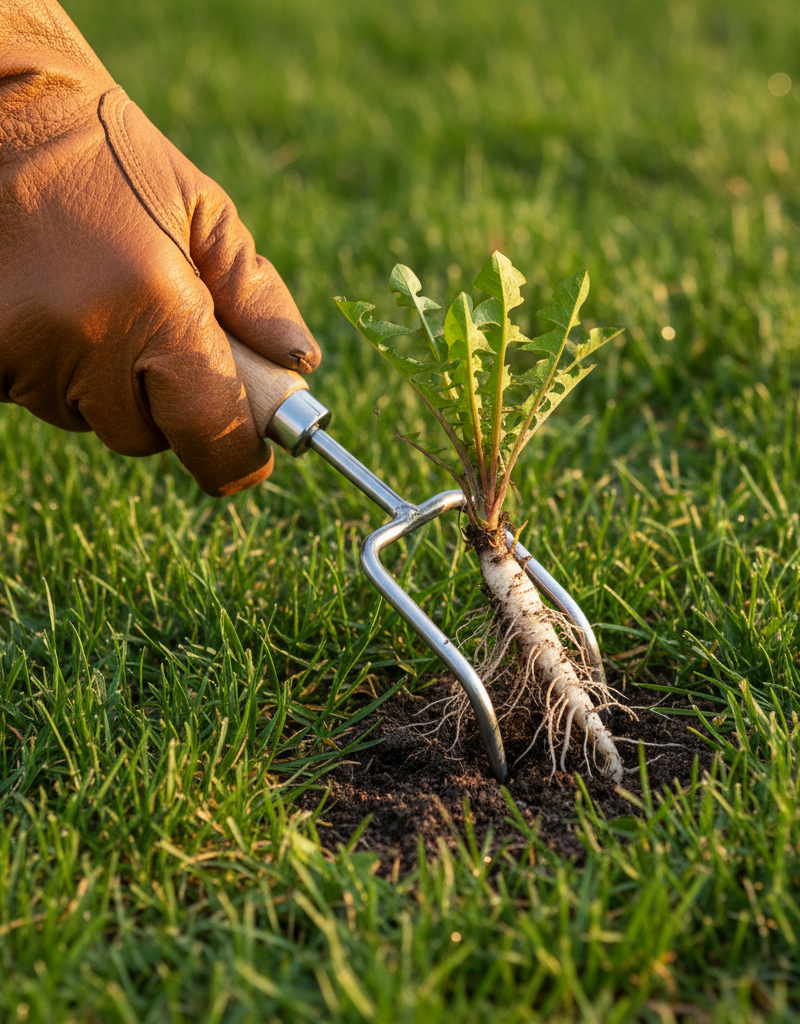
- Dandelion Weeding Tool: A specialized tool with a V-notch or fork works best to get under the taproot.
- Moist Soil is Easier: Attempt manual removal after a rain or deep watering when the soil is soft.
- Extract Entire Taproot: The goal is to remove the entire taproot. If any part of the root remains, the dandelion can regrow. Dig deep and carefully.
- Fill the Hole: After removal, fill any holes with topsoil and reseed with grass seed to prevent new weeds from germinating.
6. Overseed Bare Patches – Fill in gaps where dandelions were removed to prevent new weeds.
- High-Quality Grass Seed: Choose a seed mix appropriate for your region and sun conditions.
- Spread Evenly: Rake the area lightly, spread seed, and cover with a thin layer of topsoil or peat moss.
- Keep Moist: Water regularly until germination and the new grass is established.
7. Promote a Healthy Lawn – Your best defense against future invasions.
- Proper Mowing Height: Mow at 3 inches or higher. Taller grass shades the soil, making it harder for dandelion seeds to germinate.
- Regular Fertilization: Feed your lawn 3-4 times a year to encourage dense, healthy growth that outcompetes weeds.
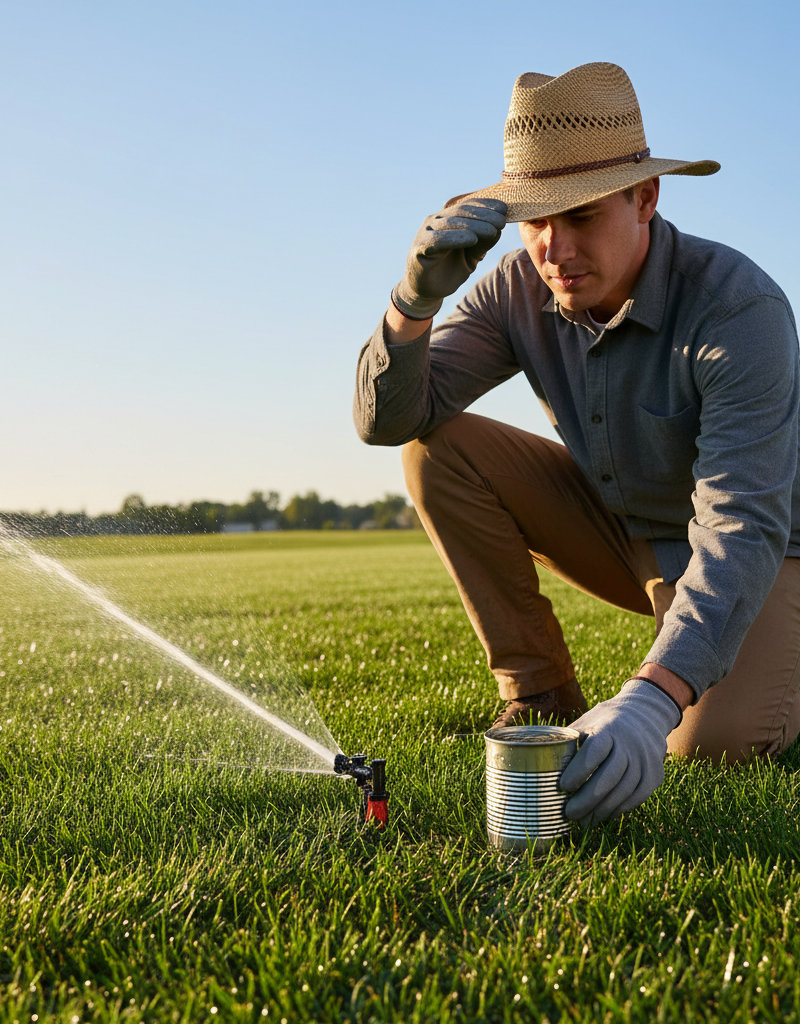
- Deep, Infrequent Watering: Water deeply (1 inch) 1-2 times a week rather than lightly every day. This encourages deep grass roots and starves shallow-rooted weeds.
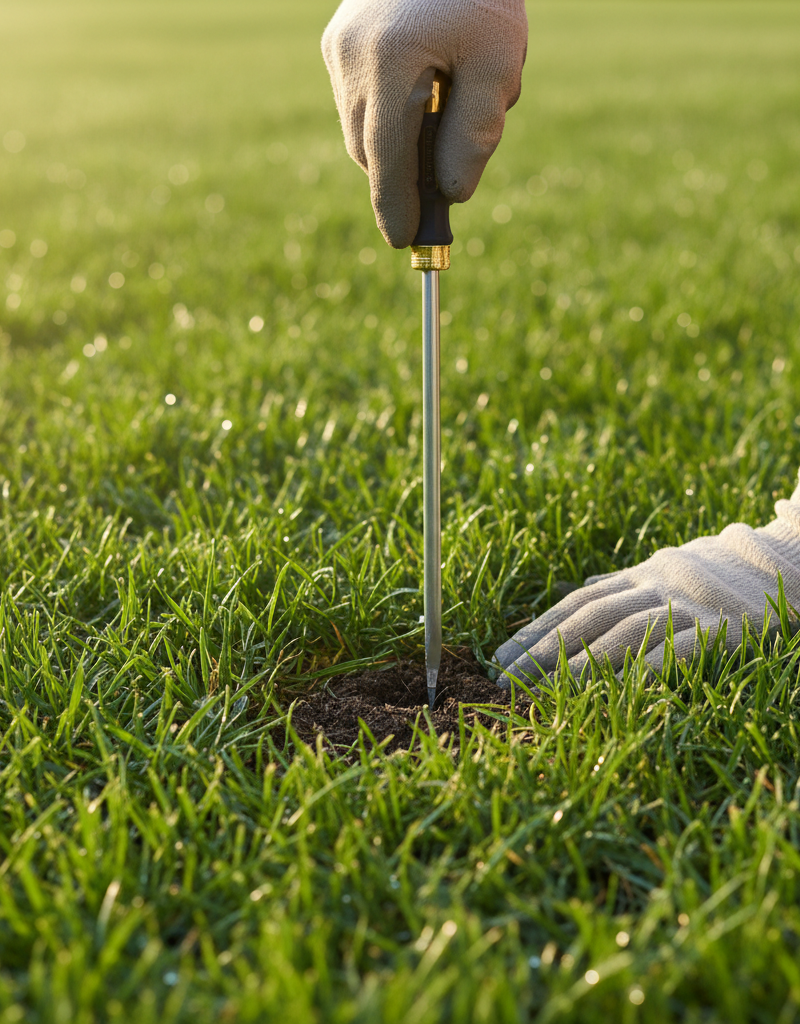
- Aeration: Periodically aerate your lawn to reduce compaction, allowing grass roots to grow stronger.
Common Causes
- Compacted Soil: Dandelions thrive in compacted soil where grass struggles. Their strong taproots can easily penetrate dense soil.
- Weak, Thin Turf: A sparse lawn leaves open spaces for dandelion seeds to germinate and establish themselves without competition.
- Infrequent or Shallow Watering: Encourages shallow grass roots, making it less resilient than dandelions with their deep taproots.
- Mowing Too Short: Scalping your lawn stresses the grass and allows more sunlight to reach the soil, promoting weed seed germination.
- Nutrient Imbalance: While dandelions can tolerate various soil conditions, an imbalanced soil can weaken grass and favor weeds.
- Neighboring Weeds: Wind-borne dandelion seeds can travel from nearby unmanaged areas, constantly re-introducing the weed to your lawn.
Common Mistakes
- Spraying in Hot Weather: Applying herbicides when temperatures are above 85°F can cause them to evaporate quickly, reducing effectiveness, and may even damage your lawn.
- Mowing Immediately After Treatment: Mowing too soon (within 24-48 hours) will remove the herbicide from the dandelion leaves before it has a chance to be fully absorbed and translocated to the roots, rendering the treatment ineffective.
- Ignoring the Taproot: When manually pulling dandelions, leaving even a small piece of the taproot in the ground means the plant will very likely regrow. You must extract the entire root.
- Over-fertilizing: While healthy grass is good, over-fertilizing can sometimes promote weed growth or cause chemical burn to your lawn if not done properly.
- Spot-treating Only Mature Plants: While treating mature plants is necessary, focusing solely on them misses the opportunity to prevent new seedlings from establishing, leading to a constant cycle.
- Applying Herbicides Before Rain: Rain within 24 hours of application can wash away the herbicide before it's absorbed, wasting your efforts and money.
Cost & Time Breakdown
| Task | DIY cost | Pro cost | Time |
|---|---|---|---|
| Spot Treatment (Herbicide) | $15–$30 | NA | 1–2 hours annually |
| Broadcast Treatment (Herbicide) | $30–$80 | $150–$300 | 2–4 hours annually |
| Manual Weeding (Tool) | $0–$25 | NA | Varies (1–5 hours) |
| Overseeding & Soil Amendment | $20–$50 | $100–$200 | 1–2 hours per area |
| Professional Lawn Treatment Plan | NA | $300–$600+ | Annual contract |
Tips & Prevention
- Aerate Annually: Core aeration in the fall helps reduce soil compaction, allowing grass roots to grow deeper and discouraging dandelion growth.
- Apply Pre-Emergent: In very early spring, before dandelions germinate, apply a pre-emergent herbicide to create a barrier that prevents new dandelion seeds (and other weeds) from sprouting.
- Mow High (3+ inches): Taller grass shades the soil, keeping it cooler and darker, which inhibits dandelion seed germination. It also promotes stronger, deeper grass roots.
- Deep, Infrequent Watering: Water your lawn deeply but less often. This encourages your grass to develop a robust root system that can better compete with dandelions for resources.
- Fertilize Regularly: A dense, healthy lawn is the best defense against weeds. Follow a consistent fertilization schedule appropriate for your grass type and climate.
- Inspect Regularly: Walk your lawn weekly, especially in spring and fall. Catching young dandelions early makes them much easier to control, whether by pulling or spot-treating.
When to Call a Professional
While tackling dandelions can often be a DIY task, there are specific situations where calling a licensed lawn care professional is recommended. If your lawn is overwhelmingly infested with dandelions and other broadleaf weeds, a professional can provide a comprehensive treatment plan that includes stronger, restricted-use herbicides and multiple applications tailored to your specific lawn type and soil conditions. They can also diagnose underlying issues like severe soil compaction or nutrient deficiencies that contribute to weed problems. Additionally, if you're dealing with a large estate, have limited time, or are concerned about safe and effective chemical application, a professional service can ensure proper treatment without harming your lawn or risking personal exposure. They have the expertise and equipment to apply herbicides precisely, minimizing environmental impact and maximizing effectiveness, often on an ongoing maintenance plan.
Related Articles
Keep troubleshooting with these hand-picked guides from FixlyGuide:
- The #1 Dandelion Mistake Almost Every Homeowner Makes (and How to Fix It) — Many homeowners accidentally make dandelions worse. Learn the most common mistake and how to truly eliminate these persistent weeds for goo…
- The #1 Mistake Homeowners Make When Fighting Dandelions (And The Weeds Still Win) — Learn the surprising reason dandelions continue to plague your lawn and the effective, long-term strategies to reclaim your turf without en…
- The #1 Mistake Killing Your Lawn's Dandelion Battle (And How to Win It) — Discover the most common error homeowners make in fighting dandelions and learn how to implement effective, long-term control strategies fo…
- The #1 Mistake Killing Your Lawn's Clover—and the Easy fix That Spares Your Grass — Discover the most common mistake homeowners make when trying to eliminate clover, and learn how to remove it effectively without harming yo…
- The #1 Crabgrass Mistake Killing Your Lawn (And 3 Natural Fixes) — Discover how common crabgrass removal mistakes undermine your lawn's health and learn three natural, effective methods to eradicate crabgra…
- The #1 Mistake Homeowners Make When Caulking a Bathroom Sink (And How to Fix It) — Discover the most common caulk mistake homeowners make around bathroom sinks and follow simple steps to achieve a lasting, watertight seal.
What should this project cost?
Enter your project details for a realistic cost range before you call anyone.
Cost depends heavily on which system turns out to be the source.
- Regional adjustment
- National average
- Labor share (typical)
- ~$1,620
- Quotes to collect
- 3 written estimates
Educational estimate based on national averages — not a binding quote. Always confirm with written local estimates.
Frequently asked questions
When is the best time to kill dandelions?+
The absolute best times are early spring (when they first emerge) and late fall (when they are storing energy in their taproots). Late fall treatments are often the most effective for a complete kill as the herbicide is pulled deep into the root system.
Will pulling dandelions get rid of them permanently?+
Manual pulling can be effective if you remove the *entire* taproot. If even a small piece of the root remains, the dandelion can regrow. It's best done in moist soil with a specialized weeding tool.
What is the best weed killer for dandelions that won't harm grass?+
Look for selective broadleaf herbicides containing active ingredients like 2,4-D, MCPP (mecoprop), or dicamba. These are designed to target broadleaf weeds like dandelions while leaving most lawn grasses unharmed. Always check the label for compatibility with your specific grass type.
Why do I have so many dandelions in my lawn?+
Common reasons include compacted soil, a thin or unhealthy lawn that allows weeds to establish, wrong mowing height (too short), and wind-blown seeds from nearby areas. Improving overall lawn health is key to prevention.
How long does it take for dandelions to die after spraying?+
After applying a selective broadleaf herbicide, you can typically expect to see dandelions start wilting and dying within 7 to 14 days. The exact time can depend on the product, temperature, and the dandelion's growth stage.
Discussion
Loading comments…