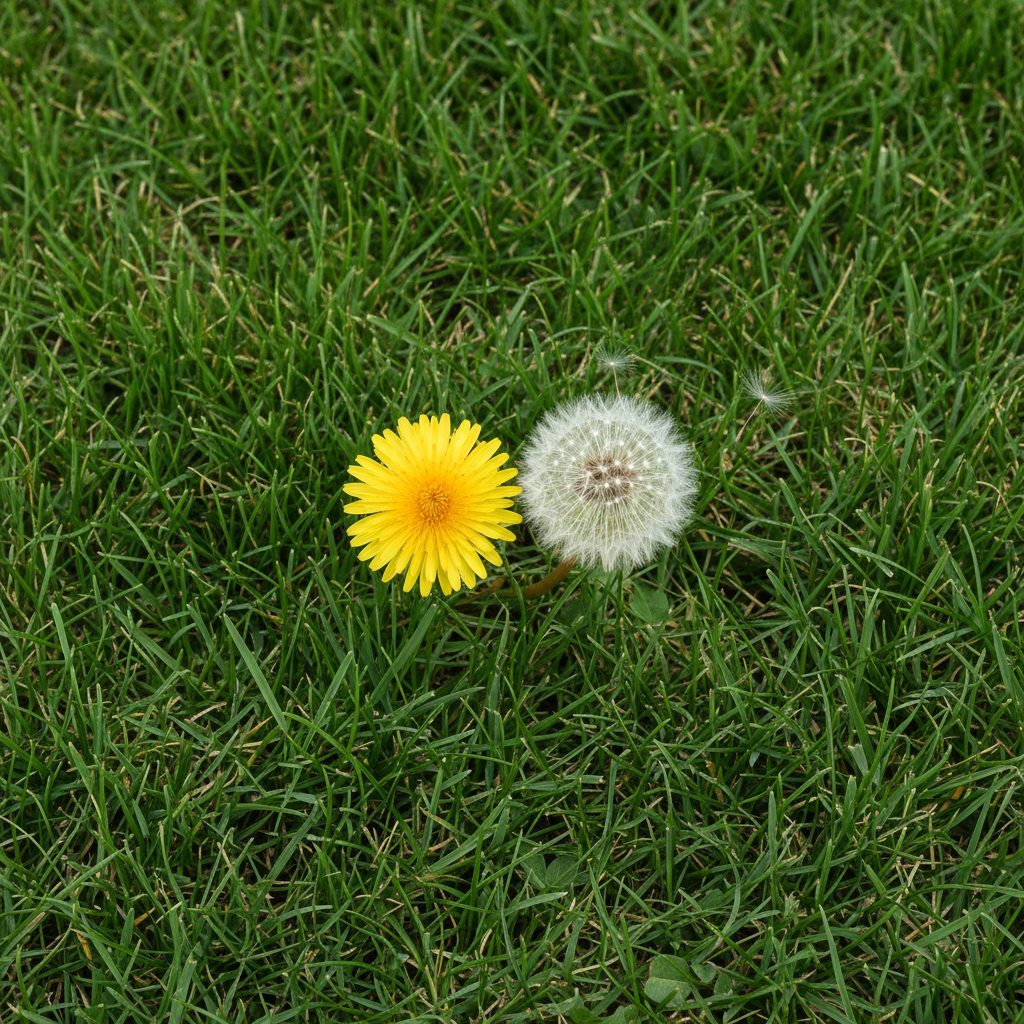
- Dandelions have smooth, deeply lobed leaves that grow in a basal rosette directly from the taproot.
- They produce a single, hollow stem for each yellow flower, which later turns into a white, fluffy seed head.
- They exude a milky white sap when cut.
Landscaping · Deck or fence project
| Project category | Landscaping |
|---|---|
| Problem type | Deck or fence project |
| Trade required | Landscaping |
| Urgency | Planned project |
| Safety risk | Moderate safety risk |
| DIY suitability | DIY for experienced homeowners |
| Cost category | High cost |
| Typical timeline | Most builds 3–10 days depending on size |
| Contractor type | Landscaping contractor |
Repair option
Replace failed boards, posts, and hardware; reseal the surface.
Replacement option
Rebuild when framing or the ledger connection is unsafe.
Common causes
- Rot at posts and ledger
- Storm damage
- Adding outdoor living space
Relevant tools:home improvement material pricesproject cost estimator
Published June 8, 2026Last updated August 17, 2026
Tools & materials you'll need
Affiliate linksAs an Amazon Associate FixlyGuide earns from qualifying purchases — at no extra cost to you. Prices and availability are accurate as of publication and subject to change.
Quick Answer
Many homeowners struggle with persistent dandelions, often without realizing a critical mistake is undermining their control efforts. The number one culprit is usually mistimed herbicide application or inconsistent manual removal, failing to target the weed effectively at its most vulnerable stages. The easy fix involves a multi-pronged approach: identifying the dandelion's lifecycle, applying pre-emergent herbicides in early spring and fall, using post-emergent spot treatments when weeds are actively growing, and fostering a dense, healthy lawn through proper mowing, watering, and fertilization. This sustained strategy starves out new dandelions and prevents existing ones from re-establishing, leading to a significantly healthier, weed-free lawn.
The Problem
Dandelions, with their bright yellow flowers and fluffy seed heads, are a universal symbol of a challenging lawn. What often seems like an unending battle against these resilient weeds can be incredibly frustrating. Homeowners frequently find themselves in a cycle of spraying, pulling, and seeing new dandelions pop up just weeks later, feeling like their efforts are futile. This persistent presence of dandelions isn't just an aesthetic issue; it indicates an underlying problem with the current weed control strategy. The common trap is a reactive approach—dealing with dandelions only after they've flowered—rather than a proactive, preventative one. This leads to wasted time, money, and continued frustration as the dandelion population seemingly thrives despite your best attempts.
How It Works
Understanding the dandelion's lifecycle is key to effective control. Dandelions (Taraxacum officinale) are perennial broadleaf weeds, meaning they live for more than two years and return each growing season from the same root system. They are incredibly prolific, with each flower head producing hundreds of seeds that can be carried by wind for miles. These seeds can remain viable in the soil for several years, waiting for the right conditions to germinate.
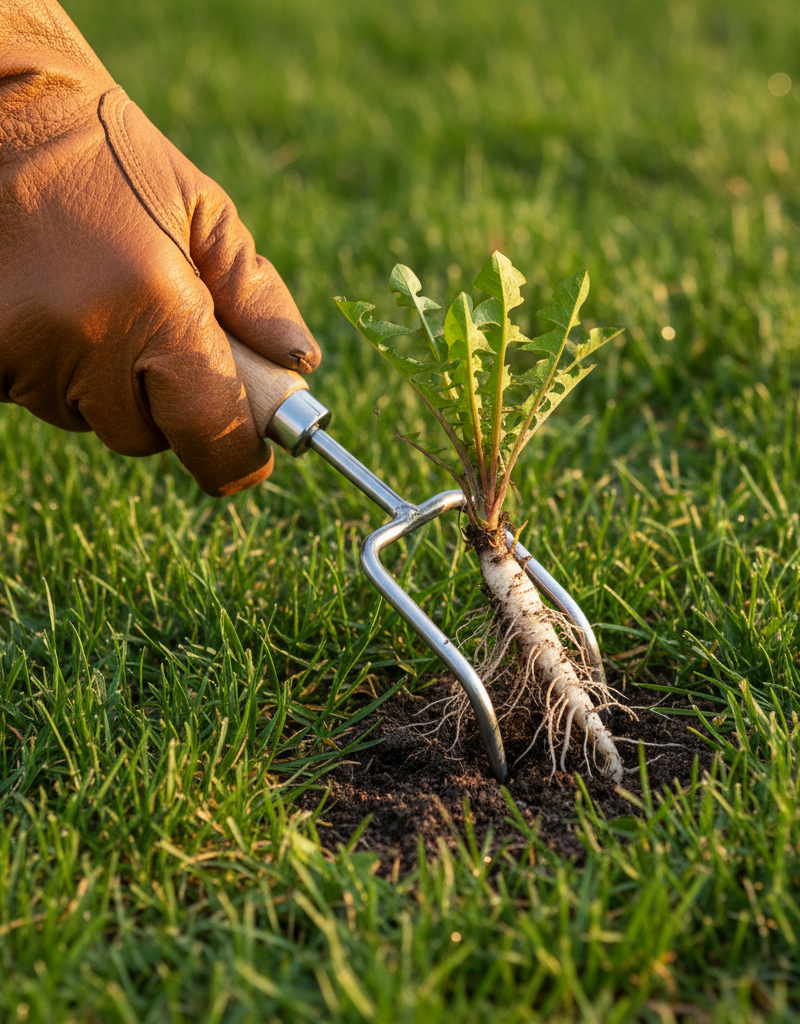
Dandelions have a deep, strong taproot that can extend 10-15 inches into the soil. This taproot is their secret weapon, allowing them to access water and nutrients deep underground, making them extremely drought-tolerant and difficult to remove permanently with just superficial effort. If even a small piece of the taproot remains in the soil after pulling, the plant can regenerate.
Their growth cycle typically begins with germination in the cool soil of early spring and fall. These young plants rapidly develop leaves in a rosette pattern, staying low to the ground to avoid mower blades. As temperatures rise, they send up flower stalks, bloom, and quickly go to seed. Dandelions are most vulnerable when they are young and actively growing, before they've had a chance to develop a strong taproot or produce seeds. This is why timing your control efforts is paramount. Applying herbicides when they are mature and beginning to set seed is often too late, as the plant has already completed its reproductive cycle for the season, and its robust root system makes it harder to kill.
Step-by-Step Fix
1. Identify the Dandelions Correctly — Confirm you're dealing with dandelions, not similar-looking weeds.
- Dandelions have smooth, deeply lobed leaves that grow in a basal rosette directly from the taproot.
- They produce a single, hollow stem for each yellow flower, which later turns into a white, fluffy seed head.
- They exude a milky white sap when cut.
2. Implement Manual Removal for Sparse Weeds — For a few dandelions, hand-pulling is effective if done correctly.
- Tools: A dandelion-specific weeding tool, a garden fork, or a small trowel.
- Technique: Water the lawn thoroughly first to soften the soil. This makes it easier to extract the entire taproot. Insert the weeding tool close to the base of the plant, leveraging it to lift the root system completely. Aim to remove at least 2-3 inches of the taproot. Any left-over root can regenerate the plant.
- Timing: Best done when dandelions are young and before they flower and set seed.
3. Choose and Apply Pre-Emergent Herbicide (Preventative) — Stop dandelions before they sprout.
- What it is: A chemical barrier that prevents weed seeds from germinating. It does NOT kill existing weeds.
- Timing: Apply in early spring (when soil temperatures consistently reach 50-55°F for several days, usually March-April depending on your region) and again in early fall (September-October) to catch both germination cycles. Consult local university extension offices for precise timing in your area.
- Application: Read product labels carefully. Apply evenly across the entire lawn using a broadcast spreader. Water lightly after application to activate the herbicide.
- Safety: Wear gloves and eye protection. Keep pets and children off the treated area until it dries.
- Important Note: Do not apply pre-emergent if you plan to overseed your lawn, as it will also prevent grass seeds from germinating. Wait at least 6-8 weeks after application before seeding.
4. Apply Post-Emergent Herbicide (Corrective) — Kill existing, actively growing dandelions.
- What it is: Selectively kills broadleaf weeds without harming most established lawn grasses.
- Timing: Apply when dandelions are young and actively growing, ideally when daytime temperatures are between 60-85°F. Avoid windy days to prevent drift onto desirable plants. Avoid applying during drought stress or extreme heat, as this reduces efficacy and can damage your lawn.
- Method 1 (Spot Treatment): For scattered dandelions, use a ready-to-use spray bottle. Aim directly at the dandelion's foliage, wetting the leaves thoroughly but avoiding overspray. This is precise and minimizes chemical use.
- Method 2 (Broadcast Application): For widespread infestations, use a hose-end sprayer or a broadcast sprayer with a liquid concentrate. Follow dilution rates precisely. Ensure even coverage across the affected areas.
- Follow-up: Most products require 24-48 hours without rain after application. It may take 7-14 days to see results (wilting, yellowing). Persistent dandelions may require a second application after 2-3 weeks, following product instructions.
- Safety: Always wear appropriate PPE (gloves, long sleeves, eye protection). Restrict access to treated areas as per product label.
5. Encourage a Healthy, Dense Lawn — Your best defense against dandelions.
- Mowing: Mow at the highest recommended setting for your grass type (typically 3-4 inches). Taller grass shades the soil, blocking sunlight from reaching weed seeds and hindering germination.
- Watering: Water deeply and infrequently (1 inch of water per week, delivered in one or two sessions). This encourages deep root growth in your turf, making it more robust against weeds and drought.
- Fertilization: Fertilize your lawn according to soil test recommendations. A healthy, well-fed lawn will grow thickly, outcompeting dandelions for light, water, and nutrients. Generally, fertilize in spring and fall.
- Aeration: Periodically aerate your lawn to reduce soil compaction, which improves water and nutrient penetration and promotes stronger grass roots.
- Overseeding: In fall, overseed thin areas of your lawn. A dense stand of healthy grass leaves little room for dandelions to establish.
6. Consider Organic or Natural Alternatives — Less toxic options for control.
- Horticultural Vinegar (Acetic Acid): Can kill young dandelions on contact but is non-selective (will kill grass too, use as spot treatment). Requires higher concentrations than household vinegar. Be cautious, as it can be irritating to skin and eyes.
- Corn Gluten Meal: A natural pre-emergent that inhibits seed germination. Apply in early spring and fall. Requires repeated applications over several seasons for effectiveness. Does not kill existing weeds.
Common Causes
- Compacted Soil: Dandelions thrive in compacted soil where grass struggles to grow deep roots. Their taproots are excellent at breaking through hard earth.
- Thin or Sparse Lawn: Bare spots and a weak lawn provide ample space and light for dandelion seeds to germinate and establish without competition.
- Incorrect Mowing Height: Mowing your lawn too short stresses the grass, making it less robust, and allows more sunlight to reach the soil, encouraging weed growth. It also removes the leaves that shade out weed seeds.
- Improper Watering: Shallow, frequent watering encourages shallow grass roots, making the lawn weaker and more susceptible to weeds. Dandelions, with their deep taproots, are better equipped to handle inconsistent watering.
- Lack of Pre-Emergent Application: Failing to apply a pre-emergent herbicide at the correct times allows dandelion seeds to germinate unchecked in the spring and fall.
- Late Post-Emergent Application: Applying post-emergent herbicides after dandelions have already flowered and gone to seed, or when they are under stress, significantly reduces their effectiveness.
- Wind-Blown Seeds: Even with a perfect lawn, dandelion seeds from neighboring properties can always float in and re-establish the problem.
Common Mistakes
- Mowing Too Short: This is a cardinal sin in lawn care and a huge mistake for dandelion control. Cutting grass too short weakens the turf, exposes the soil to sunlight, and gives dandelion seeds an ideal environment to sprout. Always aim for 3-4 inches.
- Watering Incorrectly: Frequent, shallow watering encourages shallow grass roots, making your lawn vulnerable to drought and weeds. Deep, infrequent watering (1 inch a week) promotes strong, deep root systems that can outcompete dandelions.
- Pulling Without the Taproot: Simply pulling the top off a dandelion without extracting at least 2-3 inches of its deep taproot is a waste of time. The plant will simply resprout from the remaining root. You must get the root.
- Applying Herbicides at the Wrong Time: This is the #1 mistake. Applying pre-emergent when dandelions are already growing is useless. Applying post-emergent when dandelions are dormant, stressed, or when temperatures are too cold/hot reduces its efficacy dramatically. Timing is EVERYTHING.
- Not Reading Herbicide Labels: Over-application can damage your lawn; under-application is ineffective. Not following safety precautions can be dangerous. Always read and adhere to product instructions for dilution, application rate, and safety.
- Ignoring Overall Lawn Health: Relying solely on herbicides without addressing underlying issues like thin grass, poor soil, or improper cultural practices is a losing battle. A healthy, dense lawn is the most sustainable dandelion control.
Cost & Time Breakdown
| Task | DIY Cost | Pro Cost | Time |
|---|---|---|---|
| Manual Weeding (sparse) | $0–$25 | N/A | 30 mins – 2 hours |
| Pre-emergent Herbicide | $20–$60 per bag | $100–$200 (part of service) | 30 minutes |
| Post-emergent Herbicide (Spot) | $15–$30 per bottle | N/A | 15–30 minutes |
| Post-emergent (Broadcast) | $30–$80 per bottle/concentrate | $100–$250 (part of service) | 45 min – 1.5 hours |
| Overseeding & Fertilization | $50–$150 | $200–$500 per season | 1–3 hours |
Tips & Prevention
- Mulch Garden Beds: Apply a 2-3 inch layer of organic mulch (wood chips, straw) in garden beds to suppress dandelion germination and make any stray weeds easier to pull.
- Edging: Use physical edging between your lawn and garden beds to prevent dandelions from spreading into areas where grass is not present.
- Regular Lawn Assessment: Walk your lawn regularly, especially in spring and fall, to catch young dandelions before they become established or go to seed. Early intervention is always easier.
- Clean Mower Deck: After mowing areas with dandelions, clean your mower deck thoroughly to prevent spreading seeds to other parts of your lawn or neighboring properties.
- Consider a Soil Test: A soil test (available through your local extension office) will reveal nutrient deficiencies or pH imbalances that could be weakening your lawn and making it more susceptible to weeds. Correcting these issues is a fundamental step in prevention.
- Plant Dense Groundcover: In shady areas where grass struggles, consider planting dense, shade-tolerant groundcovers that will outcompete dandelions for light and space.
When to Call a Professional
If your dandelion infestation is extensive, covering a large percentage of your lawn, or if your DIY efforts have consistently failed to produce lasting results, it's time to consider calling a professional lawn care service. Professionals have access to commercial-grade herbicides and equipment that are more potent and precisely applied than consumer products. They can also accurately identify specific weed types and develop a comprehensive, season-long treatment plan that addresses your lawn's unique conditions, including soil health, grass type, and existing weed pressure. This can save you time and frustration in the long run, ensuring effective and sustainable dandelion control. They can also advise on proper fertilization and aeration schedules to prevent future outbreaks, turning your lawn from a dandelion patch into a lush, green carpet.
Related Articles
Keep troubleshooting with these hand-picked guides from FixlyGuide:
- The #1 Mistake Killing Your Lawn's Fight Against Dandelions (And the Easy Fix) — Discover the common dandelion-removal blunder homeowners make and learn the simple, effective strategies to finally win the war against the…
- The #1 Mistake Killing Your Lawn's Fight Against Dandelions (And the Easy Fix) — Stop dandelions from taking over your lawn by understanding a simple, often overlooked cultural mistake and how to correct it for long-term…
- The #1 Mistake Homeowners Make When Fighting Dandelions (And The Weeds Still Win) — Learn the surprising reason dandelions continue to plague your lawn and the effective, long-term strategies to reclaim your turf without en…
- The #1 Crabgrass Mistake Killing Your Lawn (And 3 Natural Fixes) — Discover how common crabgrass removal mistakes undermine your lawn's health and learn three natural, effective methods to eradicate crabgra…
- The #1 Mistake Killing Your Lawn's Crabgrass Battle (and 3 Natural Fixes) — Discover the common oversight sabotaging your crabgrass removal efforts and learn three effective, natural methods to reclaim your lawn.
- The #1 Hidden Culprit Behind Your Whole-House Low Water Pressure (It's Not Your City!) — Discover the most common, often overlooked cause of low water pressure throughout your entire home and how to fix it yourself.
Should you do this yourself?
Answer five quick questions before you start. Safety outranks savings every time.
Your experience with work like this
How high do you have to work?
Does the job involve any of these?
Will it need a permit?
Specialty tools
Free and instant. Educational guidance only — not a quote, inspection, or professional diagnosis.
What should this project cost?
Enter your project details for a realistic cost range before you call anyone.
Cost depends heavily on which system turns out to be the source.
- Regional adjustment
- National average
- Labor share (typical)
- ~$1,620
- Quotes to collect
- 3 written estimates
Educational estimate based on national averages — not a binding quote. Always confirm with written local estimates.
Frequently asked questions
When is the best time to apply dandelion killer?+
The best time to apply post-emergent dandelion killer is in the spring or fall when dandelions are young and actively growing, and temperatures are between 60-85°F. For prevention, apply a pre-emergent herbicide in early spring and early fall before seeds germinate.
Can I get rid of dandelions without chemicals?+
Yes, you can. Manual removal is effective for sparse dandelions, ensuring you extract the entire taproot. Maintaining a dense, healthy lawn through proper mowing, watering, and fertilizing also naturally suppresses dandelion growth. Horticultural vinegar can be used as a spot treatment, and corn gluten meal is a natural pre-emergent.
Why do dandelions keep coming back after I pull them?+
Dandelions keep coming back because their deep taproots can regenerate the plant from even a small piece left in the soil. To prevent regrowth, you must extract at least 2-3 inches of the taproot. Watering the soil before pulling can make this easier.
Does mowing dandelions help get rid of them?+
Mowing dandelions too short actually encourages them by weakening your grass. While mowing removes the flower heads and prevents immediate seed dispersal, it doesn't kill the plant. Mowing at a higher setting (3-4 inches) encourages a dense lawn that can outcompete dandelions over time.
How long does it take for dandelion killer to work?+
Most post-emergent dandelion killers show visible results (wilting, yellowing) within 7-14 days after application. Complete eradication may take longer, and stubborn dandelions might require a second application after 2-3 weeks, as per product instructions.

Discussion
Loading comments…