- Soil Compaction: Dense soil limits root growth and prevents water and nutrients from reaching grass roots. This is common in high-traffic areas or lawns with heavy clay soil.
- Nutrient Deficiency: Lack of essential nutrients like nitrogen, phosphorus, and potassium can starve the grass, leading to stunted growth and thinning.
- Inadequate Sunlight: Most turf grasses require a minimum amount of sunlight. Shady areas often result in thin, weak grass that struggles to compete.
- Pest and Disease Damage: Insect infestations (like grubs or chinch bugs) and fungal diseases can severely damage grass, causing large areas to thin or die.
- Improper Mowing Practices: Mowing too short (scalping) stresses the grass, depleting its energy reserves and making it more susceptible to thinning. Dull mower blades tear grass, promoting disease.
Landscaping · Deck or fence project
| Project category | Landscaping |
|---|---|
| Problem type | Deck or fence project |
| Trade required | Landscaping |
| Urgency | Planned project |
| Safety risk | Moderate safety risk |
| DIY suitability | DIY for experienced homeowners |
| Cost category | High cost |
| Typical timeline | Most builds 3–10 days depending on size |
| Contractor type | Landscaping contractor |
Repair option
Replace failed boards, posts, and hardware; reseal the surface.
Replacement option
Rebuild when framing or the ledger connection is unsafe.
Common causes
- Rot at posts and ledger
- Storm damage
- Adding outdoor living space
Relevant tools:home improvement material pricesproject cost estimator
Published June 7, 2026Last updated August 17, 2026
Tools & materials you'll need
Affiliate links- AmazonLawn Mower1
- AmazonDethatcher or Thatch Rake1 · Can be rented for larger lawns
- AmazonBroadcast or Drop Spreader1 · For even seed distribution
- AmazonGarden Rake (soft-tined)1
- AmazonGarden Hose with Spray Nozzle or Sprinkler1
- AmazonLawn Roller (optional)Can be rented, for better seed-to-soil contact
As an Amazon Associate FixlyGuide earns from qualifying purchases — at no extra cost to you. Prices and availability are accurate as of publication and subject to change.
Quick Answer
Overseeding a thin lawn revitalizes it by introducing new grass, improving density and color, and enhancing its resilience against weeds and disease. The process involves preparing the lawn by mowing low and dethatching, selecting the right grass seed, spreading it evenly, and ensuring consistent moisture for germination. By following these steps, homeowners can transform a patchy, unhealthy lawn into a lush, vibrant turf that is more resistant to pests, diseases, and environmental stressors.
The Problem
Many homeowners struggle with a lawn that looks sparse, patchy, or simply lacks the lushness they desire. This isn't just an aesthetic issue; a thin lawn is a weak lawn. Bare spots and low-density areas are prime targets for weeds, which quickly move in and outcompete any struggling grass. Furthermore, thin turf is more susceptible to insect infestations and diseases, as it lacks the natural resilience of a dense, healthy lawn. Environmental stressors like drought or heavy foot traffic also take a greater toll on a compromised lawn. Over time, factors such as improper fertilization, insufficient watering, excessive shade, soil compaction, or even just the natural aging of grass plants can lead to turf thinning. Often, homeowners try to compensate with more fertilizer, which can exacerbate the problem by promoting weed growth and failing to address the underlying issue of insufficient grass density. Overseeding is the targeted solution to inject new life into your lawn, directly addressing the root cause of thinning by thickening the turf with new, vigorous grass plants.
How It Works
Overseeding works on the principle of introducing new grass plants into an existing lawn—without tearing it up or starting from scratch. Grass plants, like all living organisms, have a life cycle; they don't live forever. Over several years, individual grass plants can weaken, become less vigorous, or die off, leading to a gradual thinning of the turf. This natural decline is often accelerated by environmental stress, disease, or insect damage. When you overseed, you're essentially providing a fresh injection of young, healthy grass seedlings. These new seedlings will germinate and grow, filling in the bare spots and increasing the overall density of your lawn. This increased density means less room for weeds to take root and spread, as the new grass crowds them out. The younger grass plants are also often more disease-resistant and tolerant of environmental stressors like drought or heat, as seed companies continually develop improved cultivars. The process begins with preparing the soil to ensure good seed-to-soil contact, which is crucial for successful germination. Dethatching removes the layer of dead organic matter that can prevent seeds from reaching the soil. Aeration, if needed, alleviates compaction, allowing roots to grow deeper and seeds to access nutrients and moisture. Once the seeds are sown, consistent moisture is vital for the first few weeks as the seeds sprout and establish their root systems. The existing grass provides some protection to the new seedlings, but proper lawn care practices—like appropriate mowing height and watering—are essential to support their growth alongside the established turf. This continuous renewal process keeps your lawn robust, green, and resilient.
Step-by-Step Fix
1. Check the Calendar — The success of overseeding heavily depends on timing. The best time to overseed cool-season grasses (like fescue, ryegrass, bluegrass) is late summer to early fall (August to October) or early spring (March to April). For warm-season grasses (like Bermuda, zoysia, St. Augustine), late spring to early summer (April to June) is ideal. Ensure soil temperatures are consistently between 55-65°F (13-18°C).
- If you miss the window: It's better to wait for the next optimal season than to overseed in extreme heat or cold, which significantly reduces germination rates and wastes seed.
2. Mow Your Lawn Shorter Than Usual — Before any other preparation, mow your lawn to approximately 1.5 to 2 inches. This shorter height exposes the soil more effectively, allowing the new grass seeds better contact with the soil and sunlight after germination. Bag the clippings to remove excess thatch and debris.
- Safety Note: Always wear closed-toe shoes and eye protection when operating a lawnmower. Ensure children and pets are clear of the area.
3. Dethatch Your Lawn — Thatch is a layer of dead grass, roots, and debris that accumulates between the soil surface and the green grass blades. A thick layer (more than 1/2 inch) can prevent water, nutrients, and seeds from reaching the soil. Use a dethatcher or a vigorous rake to break up and remove this layer. You should see significant amounts of dead material coming up.
- Optional Aeration: If your soil is heavily compacted, consider aerating before dethatching. This will create small holes that improve air, water, and nutrient penetration, further benefiting seed-to-soil contact.
4. Select the Right Grass Seed — Choose a grass seed variety that is compatible with your existing lawn and suitable for your climate and sun exposure. Read the seed label carefully for variety, germination rate, and purity. Look for seeds with a low percentage of 'other crop seed' or 'weed seed'. Cool-season grasses include Tall Fescue, Kentucky Bluegrass, and Perennial Ryegrass. Warm-season grasses include Bermuda, Zoysia, and St. Augustine (though St. Augustine is usually established by sod or plugs, not seed).
- Pro Tip: Consider a mix of varieties for better resilience against disease and environmental changes.
5. Amend the Soil (If Necessary) — A soil test is the best way to determine your soil's pH and nutrient levels. If the pH is outside the optimal range (typically 6.0-7.0 for most grasses), or if nutrient deficiencies exist, apply amendments like lime (to raise pH) or sulfur (to lower pH) and a starter fertilizer. Spread these amendments evenly across the lawn according to package directions before seeding.
- Starter Fertilizer: A starter fertilizer is formulated with higher phosphorus content to encourage strong root development for new seedlings.
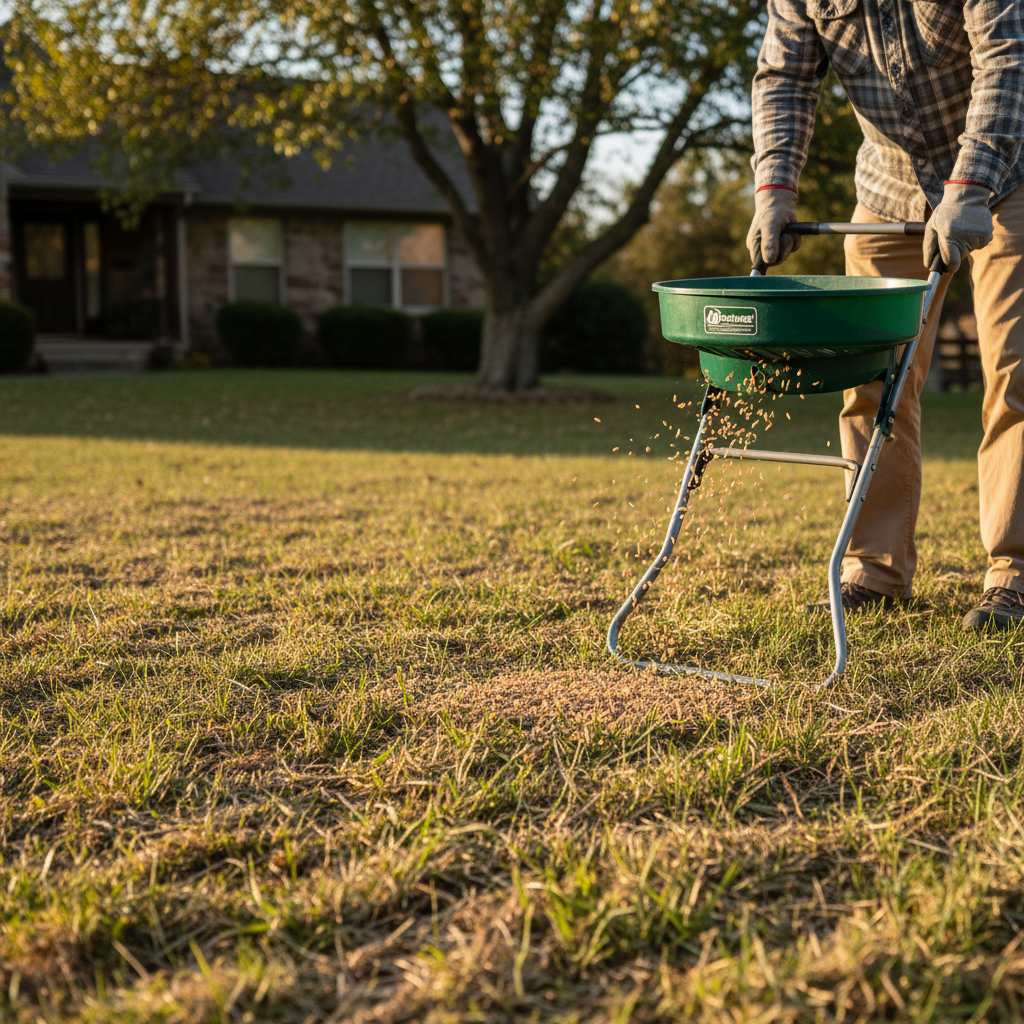
6. Spread the Grass Seed Evenly — Use a broadcast spreader for larger lawns or a drop spreader for more precise application and smaller areas. Follow the overseeding rate recommended on your seed package, which is typically half the rate for establishing a new lawn. Apply half the seed walking in one direction (e.g., north-south), then apply the second half walking perpendicular to the first direction (east-west) to ensure even coverage.
- Calibration is Key: Calibrate your spreader according to the manufacturer's instructions and the seed bag's recommendations to avoid over or under-seeding.
7. Lightly Rake the Seeds into the Soil — After spreading, gently rake the entire area. The goal is to ensure good seed-to-soil contact, embedding the seeds slightly into the top layer of soil without burying them too deeply. You should still be able to see some seeds on the surface, but most should be nestled in the soil.
- Do not bury too deep: Seeds need light to germinate; burying them more than 1/4 inch deep can inhibit sprouting.
8. Roll the Lawn (Optional) — For optimal seed-to-soil contact, use a lawn roller (empty or lightly filled with water) to gently roll over the newly seeded areas. This presses the seeds firmly into the soil, preventing them from washing away and improving germination rates. Avoid heavy rolling which can compact the soil too much.
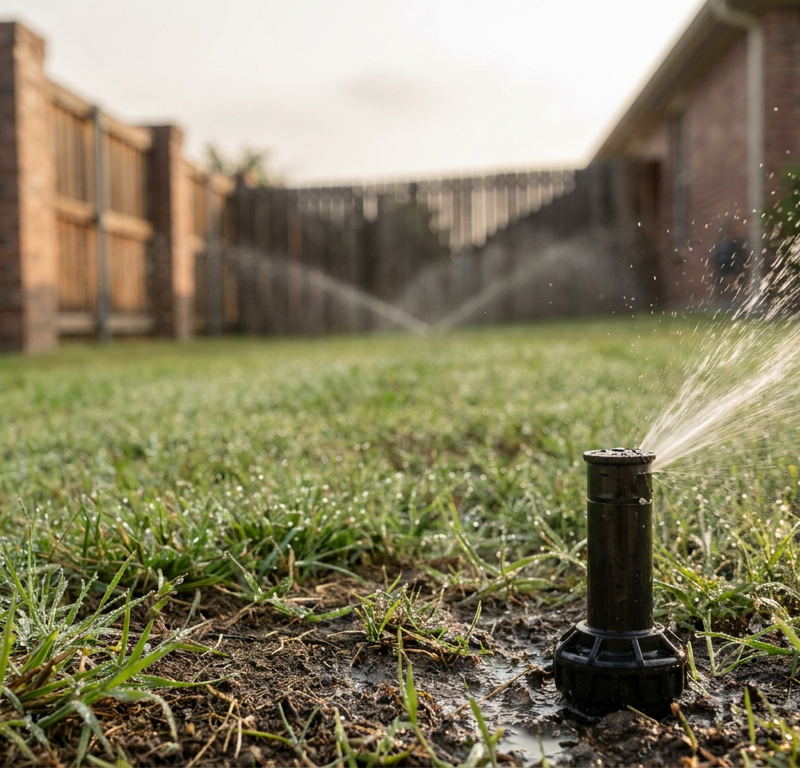
9. Water Frequently and Lightly — This is arguably the most critical step. New grass seeds need consistent moisture to germinate. For the first 2-3 weeks, water 2-3 times a day for 5-10 minutes per session, keeping the top 1 inch of soil consistently moist but not waterlogged. As seedlings emerge and grow, gradually reduce watering frequency but increase duration to encourage deeper root growth.
- Avoid standing water: Puddles can wash away seeds and encourage fungal growth.
- Monitor moisture: Use the finger test: if the top inch of soil feels dry, it's time to water.
10. Post-Germination Care — Once the new grass reaches about 2-3 inches tall, you can begin mowing again, but ensure your mower blades are sharp to avoid tearing the delicate new blades. Gradually return to your normal watering schedule, focusing on deep, infrequent watering. Avoid applying herbicides for at least 6-8 weeks after overseeding, as they can harm new seedlings.
- Patience is a virtue: It can take several weeks for the new grass to fully establish. Avoid heavy foot traffic on newly overseeded areas.
Common Causes
- Soil Compaction: Dense soil limits root growth and prevents water and nutrients from reaching grass roots. This is common in high-traffic areas or lawns with heavy clay soil.
- Nutrient Deficiency: Lack of essential nutrients like nitrogen, phosphorus, and potassium can starve the grass, leading to stunted growth and thinning.
- Inadequate Sunlight: Most turf grasses require a minimum amount of sunlight. Shady areas often result in thin, weak grass that struggles to compete.
- Pest and Disease Damage: Insect infestations (like grubs or chinch bugs) and fungal diseases can severely damage grass, causing large areas to thin or die.
- Improper Mowing Practices: Mowing too short (scalping) stresses the grass, depleting its energy reserves and making it more susceptible to thinning. Dull mower blades tear grass, promoting disease.
- Weed Competition: Weeds aggressively compete with grass for water, nutrients, and sunlight, often outcompeting and choking out desirable turfgrass.
- Drought Stress: Prolonged periods without adequate water can cause grass to go dormant or die back, especially during hot summer months.
Common Mistakes
- Skipping Soil Preparation: Many homeowners simply spread seeds over existing lawn without addressing thatch or compaction. This leads to poor seed-to-soil contact and very low germination rates, wasting time and money.
- Using the Wrong Seed: Choosing grass seed that isn't suited to your climate, sun exposure, or existing lawn type sets you up for failure. Research local recommendations and read seed labels carefully.
- Inconsistent Watering: New seeds require constant moisture for the first several weeks. Letting the soil dry out, even for a day or two, can kill germinating seedlings. Overwatering, however, can also lead to fungal issues and wash away seeds.
- Applying Herbicides Too Soon: Most weed killers are not safe for newly germinated grass. Applying herbicides within 6-8 weeks of overseeding can kill your new seedlings, undoing all your hard work.
- Mowing Too Soon or Too Short: Mowing newly germinated grass too early or too short can stress and damage the delicate new plants, hindering their establishment. Wait until the new grass is at least 2-3 inches tall.
- Not Protecting from Traffic: Heavy foot traffic, pets, or vehicle traffic on newly overseeded areas can dislodge seeds, compact the soil, and damage fragile seedlings, leading to uneven growth or bare spots.
Cost & Time Breakdown
| Task | DIY cost | Pro cost | Time |
|---|---|---|---|
| Grass Seed | $30 – $100 | Included in service | 0 |
| Dethatcher/Aerator Rental | $40 – $80 (per day) | Included in service | 0 |
| Starter Fertilizer & Amendments | $20 – $50 | Included in service | 0 |
| Labor (Prep & Seeding) | $0 (your time) | $200 – $500 | 2 – 4 hours |
| Watering & Post-Care | $10 – $30 (water) | Included in service | Ongoing 3-4 weeks |
| Total Estimated Cost | $100 – $260 | $400 – $1,000+ | 2 – 4 hours active + 3-4 weeks care |
Tips & Prevention
- Regular Soil Tests: Conduct a soil test every 2-3 years to monitor pH and nutrient levels, allowing you to proactively address deficiencies before they impact your lawn's health.
- Deep, Infrequent Watering: Encourage deep root growth by watering deeply (6-8 inches of penetration) and less frequently, rather than shallow, frequent watering. This makes your lawn more drought-resistant.
- Mow High: Keep your grass at least 2.5-3 inches tall. Taller grass shades the soil, reducing weed germination and promoting stronger root systems, making the lawn more resilient.
- Proper Fertilization Schedule: Follow a seasonal fertilization program tailored to your grass type and local climate. Avoid over-fertilizing, which can harm the lawn and contribute to runoff.
- Address Shade Issues: If areas of your lawn are consistently thin due to too much shade, consider planting shade-tolerant grass varieties or exploring ground cover alternatives suitable for low-light conditions.
- Improve Drainage: Poor drainage can lead to perpetually wet soil, which stresses grass and promotes disease. Address standing water issues by improving grading or installing French drains if necessary.
When to Call a Professional
While overseeding is a manageable DIY project, there are situations where calling a professional lawn care service is advisable. If your lawn's thinning is severe, covers a very large area, or is accompanied by persistent pest infestations or diseases that you can't identify or control, a professional can provide an expert diagnosis and implement targeted treatments. They have access to commercial-grade equipment for dethatching and aeration, which can be more effective than rented consumer models, especially for large lawns. Additionally, if you're struggling with significant drainage issues, severe soil compaction across the entire yard, or major weed problems that constantly recur, a professional can offer comprehensive solutions beyond simple overseeding. They can also help select the most optimal grass seed blends specific to your microclimate and soil conditions, ensuring the best possible outcome for a completely rejuvenated and healthy lawn, saving you time and potential frustration from unsuccessful DIY attempts.
Related Articles
Keep troubleshooting with these hand-picked guides from FixlyGuide:
- The #1 Mistake Killing Your Thin Lawn (And How to Fix It in a Weekend) — Overseeding your lawn can transform it from thin and patchy to lush, but many homeowners make a crucial mistake that hinders success. Learn…
- The #1 Mistake Killing Your Thin Lawn (And How to Overseed Like a Pro) — Discover the crucial mistake homeowners make with thin lawns and how proper overseeding can transform your turf.
- The #1 Mistake Killing Your Thin Lawn (and How to Fix It in a Weekend) — Overseeding a thin lawn is crucial for a lush yard, but a common mistake can ruin your efforts before they even begin. Learn how to diagnos…
- The #1 Mistake Killing Your Lawn's Thickness (and How to Fix It for $50) — Overseeding can transform a thin, patchy lawn into a lush, vibrant carpet, but many homeowners miss a critical step, hindering success.
- The #1 Mistake Killing Your Lawn's Thickness (and How to Fix It in a Weekend) — Overseeding a thin lawn is essential for a lush green carpet, but many homeowners make a crucial mistake that hinders success. Learn the ri…
- The #1 Backsplash Mistake Most DIYers Make (And How to Fix It Before It's Too Late) — Discover the most overlooked mistake in beginner backsplash installations and how to prevent or fix it for a professional-looking finish.
Should you do this yourself?
Answer five quick questions before you start. Safety outranks savings every time.
Your experience with work like this
How high do you have to work?
Does the job involve any of these?
Will it need a permit?
Specialty tools
Free and instant. Educational guidance only — not a quote, inspection, or professional diagnosis.
What should this project cost?
Enter your project details for a realistic cost range before you call anyone.
Cost depends heavily on which system turns out to be the source.
- Regional adjustment
- National average
- Labor share (typical)
- ~$1,620
- Quotes to collect
- 3 written estimates
Educational estimate based on national averages — not a binding quote. Always confirm with written local estimates.
Before you start
Check the difficulty, permits, and safety risk — then decide whether to call a pro.
- Estimate this projectGet a cost range for your scope and ZIP before you call anyone.Open
- Get local estimatesSend one request and compare written estimates from vetted pros.Open
Free, no signup required. Estimates are educational guidance, not a quote or an inspection.
Frequently asked questions
How often should I overseed my lawn?+
For established, relatively healthy lawns, overseeding every 2-3 years helps maintain density and prevent thinning. If your lawn is consistently thin or shows significant bare spots, annual overseeding might be necessary until it reaches desired health and density.
Can I just throw grass seed on my lawn?+
Simply throwing grass seed on your lawn without proper preparation is largely ineffective. Seeds need good seed-to-soil contact to germinate. Without dethatching, aerating, and lightly raking, most seeds will either be eaten by birds, washed away, or fail to sprout due to lack of connection with the soil.
How long does it take for new grass to grow after overseeding?+
Grass seeds typically begin to germinate within 7-21 days, depending on the grass type and environmental conditions. It will take 3-4 weeks for new seedlings to become established enough to withstand light foot traffic and their first mow.
Should I fertilize before or after overseeding?+
It is best to apply a 'starter fertilizer' at the time of overseeding. Starter fertilizers are specifically formulated with higher phosphorus to encourage strong root development in new seedlings. Avoid high-nitrogen fertilizers until the new grass is established (about 6-8 weeks later).

Discussion
Loading comments…