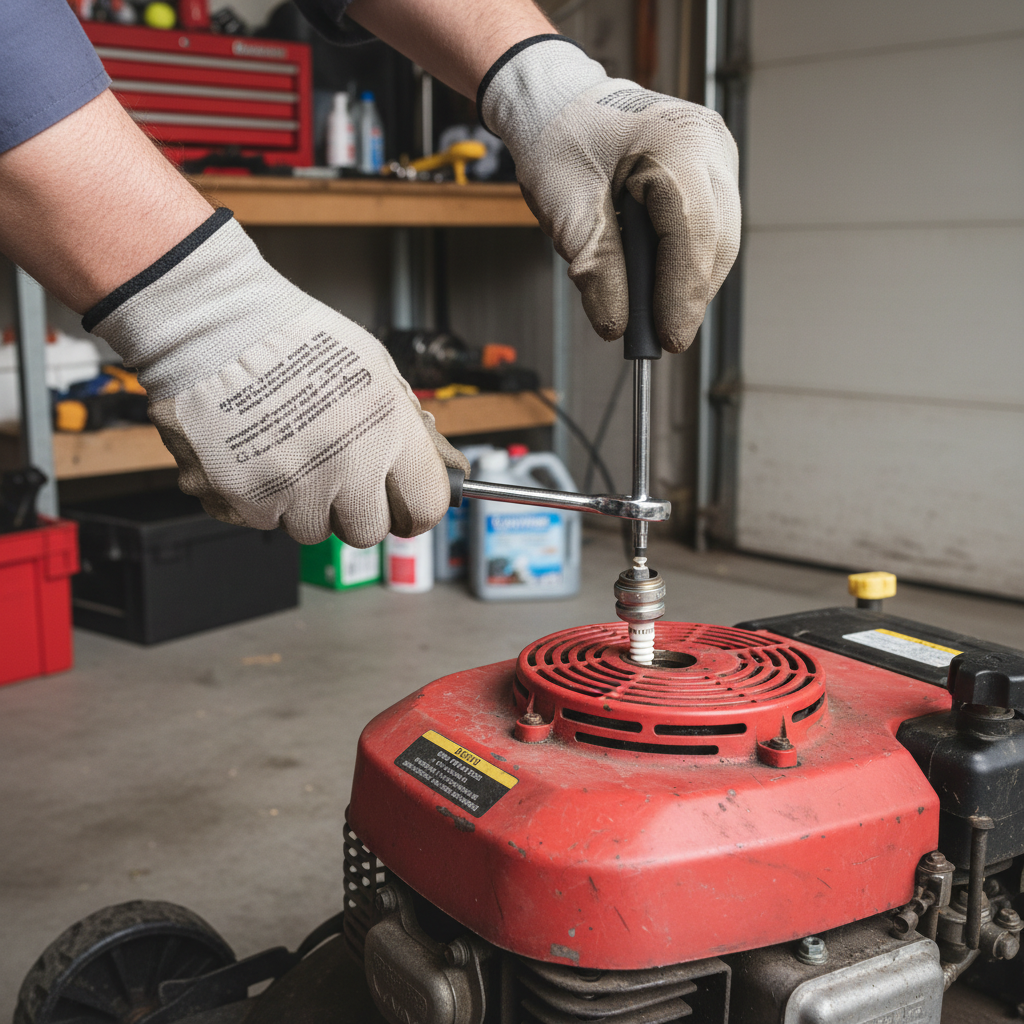
- Safety Note: Before starting, ensure the fuel tank is empty. Disconnect the spark plug wire.
- Carefully disconnect the fuel line, air filter assembly, and any throttle linkage or wiring attached to the carburetor. You might need a small screwdriver or pliers.
- Unbolt the carburetor from the engine. Take pictures with your phone as you go to remember how everything connects.
- Once removed, carefully detach the float bowl (usually held by a single nut or screws). Be gentle, as there might be a gasket that you'll need to reuse or replace.
- Remove the float pin, float, and needle valve.
Landscaping · Deck or fence project
| Project category | Landscaping |
|---|---|
| Problem type | Deck or fence project |
| Trade required | Landscaping |
| Urgency | Planned project |
| Safety risk | Moderate safety risk |
| DIY suitability | DIY for experienced homeowners |
| Cost category | High cost |
| Typical timeline | Most builds 3–10 days depending on size |
| Contractor type | Landscaping contractor |
Repair option
Replace failed boards, posts, and hardware; reseal the surface.
Replacement option
Rebuild when framing or the ledger connection is unsafe.
Common causes
- Rot at posts and ledger
- Storm damage
- Adding outdoor living space
Relevant tools:home improvement material pricesproject cost estimator
Published June 18, 2026Last updated August 17, 2026
Tools & materials you'll need
Affiliate linksAs an Amazon Associate FixlyGuide earns from qualifying purchases — at no extra cost to you. Prices and availability are accurate as of publication and subject to change.
Quick Answer
When your lawn mower sputters, struggles, or outright refuses to start, the culprit is often staring you right in the face: old, bad fuel and the gunk it leaves behind in the carburetor. Before you haul your machine to the repair shop or spend money on new parts, the fastest and most common fix involves draining the old fuel, adding fresh, stabilized gas, and giving the carburetor a quick shot of cleaner. This simple process resolves a vast majority of starting issues caused by fuel system problems, often in under an hour.
The Problem
Imagine heading out to tackle your overgrown lawn, only to have your trusty mower give you nothing but a defiant click, a weak sputter, or dead silence. This scenario frustrates countless homeowners every spring. While a lawn mower refusing to start can stem from various issues, roughly 80% of starting problems in seasonal equipment like lawn mowers, snowblowers, and trimmers can be traced back to stale fuel and a dirty carburetor. Modern gasoline, especially blends containing ethanol, breaks down quickly, typically within 30-60 days. As it degrades, it leaves behind gummy, varnish-like deposits that clog the tiny passages and jets within the carburetor, preventing the engine from getting the precise fuel-air mixture it needs to ignite.
How It Works
Your lawn mower's engine is an internal combustion engine, relying on a precise sequence of events: fuel, air, compression, and a spark. The fuel tank holds the gasoline, which then flows to the carburetor. The carburetor's job is critical: it mixes carefully measured amounts of fuel with air, atomizing the fuel into a fine mist. This fuel-air mixture is then drawn into the combustion chamber where it's compressed by the piston. At the precise moment, the spark plug fires, igniting the mixture and driving the piston, thus turning the crankshaft and powering the blades.
There are several key components involved in this process. The fuel line carries gas from the tank. A fuel filter (if present) screens out contaminants. The carburetor uses a float bowl to maintain a consistent fuel level, and various jets (main jet, pilot jet) to meter fuel for different engine speeds. The air filter ensures only clean air enters the carburetor. The spark plug creates the electrical spark. If any part of this delicate balance is disrupted – particularly by old fuel gumming up the carburetor's tiny passages – the engine won't receive the correct mixture or ignition, leading to starting difficulties or complete failure. Ethanol in gasoline is a particular problem as it attracts moisture and can corrode carburetor components over time, exacerbating the clogging issue.
Step-by-Step Fix
Before you begin, always wear safety glasses and gloves. Ensure the spark plug wire is disconnected to prevent accidental starting.
1. Check the Fuel Level and Condition — Don't assume your fuel is good; even a month can make a difference.
First, check the fuel tank. Is there enough gas? More importantly, what does it look like? Fresh gasoline is typically clear and light amber. If your fuel looks cloudy, dark, or smells sour or like varnish, it's stale and needs to be drained. Stale fuel is the number one cause of no-start issues.
- To do: Siphon or carefully pour the old fuel into an approved container. Never pour it on the ground or down a drain. Dispose of it properly at a local recycling center or hazardous waste facility. Refill the tank with fresh, high-octane gasoline (87 octane is usually fine for most mowers) mixed with a fuel stabilizer. Don't use ethanol-free gas unless your manufacturer specifically recommends it; most modern engines are designed to tolerate up to 10% ethanol, but stabilizer is crucial for storage.
2. Inspect and Clean/Replace the Air Filter — A suffocated engine can't breathe or start.
The air filter prevents dirt and debris from entering the engine. A clogged air filter restricts airflow, preventing the proper fuel-air mixture and causing starting problems.
- To do: Locate the air filter housing (usually a plastic box near the carburetor). Open it and remove the filter. If it's paper, hold it up to a light; if you can't see light through it, or it's heavily soiled, replace it. Foam filters can often be cleaned with warm, soapy water, rinsed thoroughly, squeezed dry, and then lightly oiled with a few drops of engine oil before reinstalling. Ensure it's completely dry before reinstallation.
3. Administer Carburetor Cleaner (Quick Method) — Often a magic bullet for minor clogs.
This method can clear minor clogs without disassembling the carburetor.
- To do: Disconnect the air filter. Locate the carburetor's air intake (the opening where the air filter sits). With the spark plug wire still disconnected, briefly crank the engine for 2-3 seconds to get some air flowing. Then, spray a generous 2-3 second burst of carburetor cleaner directly into the intake. Reattach the air filter, reconnect the spark plug wire, and attempt to start the mower. If it sputters but doesn't fully catch, repeat the spray and try again.
- Safety Note: Carburetor cleaner is highly flammable. Use in a well-ventilated area away from open flames or sparks. Wear eye protection and gloves.
4. Check the Spark Plug — The spark is just as important as the fuel.
A fouled, damaged, or incorrectly gapped spark plug can prevent ignition.
- To do: Disconnect the spark plug wire. Use a spark plug wrench to carefully remove the spark plug. Inspect the electrode; if it's black, oily, or corroded, it needs cleaning or replacement. You can try cleaning it with a wire brush and a little carburetor cleaner, then check the gap with a feeler gauge (consult your mower's manual for the correct gap). If it's significantly fouled or damaged, replace it with a new one of the correct type and gap it accurately. Reinstall and hand-tighten, then use the wrench for a final quarter turn. Reconnect the spark plug wire securely.
5. Clean the Carburetor (Deeper Dive) — For stubborn clogs that block fuel flow entirely.
If the quick carburetor cleaner method didn't work, a deeper cleaning is required. This involves removing the carburetor and disassembling it.
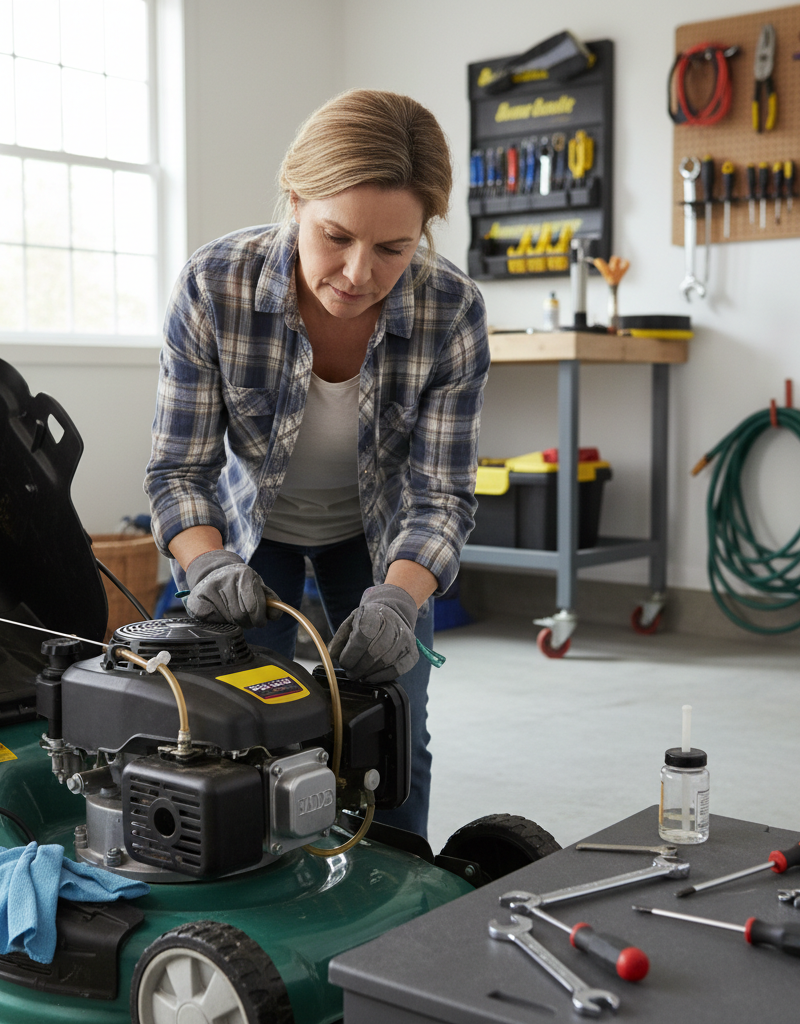
- To do:
- Safety Note: Before starting, ensure the fuel tank is empty. Disconnect the spark plug wire.
- Carefully disconnect the fuel line, air filter assembly, and any throttle linkage or wiring attached to the carburetor. You might need a small screwdriver or pliers.
- Unbolt the carburetor from the engine. Take pictures with your phone as you go to remember how everything connects.
- Once removed, carefully detach the float bowl (usually held by a single nut or screws). Be gentle, as there might be a gasket that you'll need to reuse or replace.
- Remove the float pin, float, and needle valve.
- Locate the main jet and pilot jet (small brass screws with tiny holes). These are the most common culprits for clogging. Remove them if possible.
- Spray all passages, jets, and the float bowl extensively with carburetor cleaner. Use a thin piece of wire (like from a bread tie, stripped) to carefully clear out the tiny holes in the jets. Never use a drill bit, as this will enlarge the holes and ruin the carburetor's calibration.
- Reassemble the carburetor in reverse order, ensuring all gaskets are seated correctly. Reinstall the carburetor onto the engine, reconnect linkages, fuel line, and the spark plug wire.
6. Check the Fuel Filter and Fuel Line — A less common, but easy to miss, blockage.
Fuel filters can become clogged, and fuel lines can become kinked or cracked.
- To do: Examine the fuel line for any visible kinks, cracks, or deterioration. If it looks bad, replace the section. If your mower has an inline fuel filter (usually a small plastic cylinder between the tank and carburetor), check it. Some filters are translucent, allowing you to see if they're dirty. If it's opaque or dirty, replace it. You may need to clamp the fuel line on both sides to prevent fuel spills while changing the filter.
Common Causes
- Stale or Contaminated Fuel: The leading cause. Ethanol in gasoline degrades over time, attracting water and leaving gummy deposits that clog the fuel system. Using old gas or gas contaminated with water or debris is a surefire way to prevent starting.
- Clogged Carburetor: A direct consequence of stale fuel. Varnish and gum deposits block the tiny fuel passages, preventing the correct fuel-air mixture from reaching the engine.
- Fouled or Incorrectly Gapped Spark Plug: A dirty, damaged, or improperly gapped spark plug cannot produce a strong enough spark to ignite the fuel-air mixture.
- Clogged Air Filter: Restricts airflow, leading to an overly rich fuel mixture that won't ignite properly.
- Dirty Fuel Filter or Kinked Fuel Line: Prevents fuel from reaching the carburetor.
- Low Engine Oil (on some models): Many modern mowers have a low-oil sensor that will prevent the engine from starting to prevent damage. Always check your oil level.
- Safety Features: A disconnected spark plug wire, a loose kill switch, or a faulty safety bail handle (the bar you hold down on the handle) can also prevent starting. Ensure all safety features are engaged correctly.
Common Mistakes
- Ignoring Old Fuel: The biggest mistake. Many homeowners leave fuel in the tank over winter without stabilizer, creating problems for the next season. Always drain or stabilize fuel for storage.
- Not Disconnecting the Spark Plug Wire: A critical safety oversight. Always disconnect it before working on any part of the engine to prevent accidental starting.
- Using the Wrong Spark Plug or Incorrect Gap: Using an incorrect plug type or not gapping a new plug to the manufacturer's specifications can lead to poor performance or starting issues.
- Over-Tightening Carburetor Bolts: Can strip threads or crack the carburetor housing. Tighten just until snug.
- Using a Drill Bit to Clear Carburetor Jets: This will permanently enlarge the jet openings, throwing off the fuel-air mixture and potentially ruining the carburetor. Use only a thin wire or designed cleaning tool.
- Forgetting to Check for Basic Safety Issues: Before delving into complex repairs, double-check that the kill switch isn't engaged, the spark plug wire is firmly attached, and the bail handle is depressed.
Cost & Time Breakdown
| Task | DIY Cost | Pro Cost | Time |
|---|---|---|---|
| Fuel Drain & Refill | $5–$15 | $40–$70 | 10–15 min |
| Air Filter Clean/Replace | $0–$20 | N/A | 5–10 min |
| Spark Plug Clean/Replace | $0–$10 | $20–$40 | 10–15 min |
| Carburetor Cleaner Spray | $0–$10 | N/A | 5 min |
| Full Carburetor Cleaning | $0–$50 (gaskets) | $80–$150 | 1–2 hours |
| Fuel Filter/Line Replacement | $5–$20 | $30–$60 | 15–30 min |
Tips & Prevention
- Use Fresh Fuel with Stabilizer: Always use fresh gasoline (no older than 30 days) and treat it with a quality fuel stabilizer, especially if the mower sits for more than a couple of weeks. This is the single most effective preventative measure.
- Run the Engine Dry for Storage: Before long-term storage (over extreme winter or summer), turn off the fuel petcock (if your mower has one), and run the engine until it sputters and dies, emptying the carburetor of fuel. Or, drain the fuel tank completely.
- Regular Air Filter Checks: Check your air filter monthly during mowing season and clean or replace it as needed.
- Spark Plug Replacement: Replace your spark plug annually or every 25 hours of operation, whichever comes first.
- Keep Fuel Clean: Store gasoline in a clean, approved fuel can and keep the cap tight to prevent moisture and debris contamination.
- Check Oil Levels: On four-stroke engines, regularly check the oil level before each use. Low oil can prevent starting on some models.
When to Call a Professional
While many lawn mower starting issues are DIY-friendly, there are specific situations where calling a licensed small engine mechanic is the wiser choice. If you've methodically gone through all the steps outlined above – replacing fuel, cleaning the air filter, checking the spark plug, and thoroughly cleaning the carburetor – and your mower still won't start, the problem may lie deeper within the engine. This includes issues like a faulty ignition coil (no spark even with a good plug), low compression (indicating internal engine wear), a seized engine, or major carburetor damage that requires replacement. Additionally, if you are uncomfortable disassembling engine components, dealing with fuel systems, or lack the specialized tools, it's best to consult a professional. Attempting advanced repairs without proper knowledge or tools can lead to further damage, more expensive repairs, or safety hazards.
Related Articles
Keep troubleshooting with these hand-picked guides from FixlyGuide:
- Is One Drip Emitter Starving? The Secret Culprit (It's Not Clogging) — A single drip emitter refusing to hydrate your plants can be frustrating, but the fix is often simpler than you think and rarely a clog.
- The #1 Mowing Mistake That Leaves Your Lawn Brown and Patchy — Discover the most common mowing mistake homeowners make that leads to unhealthy, patchy grass and how to fix it for a vibrant lawn.
- The 3 Hidden Reasons Your Sprinkler Head Won't Pop Up (And How to Fix Them) — Frustrated by a sprinkler head that won't rise? Discover the top three culprits behind this common irrigation issue and how to resolve them…
- The #1 Mistake Homeowners Make When a Lawn Mower Won't Start (And the Easy Fix) — Before you despair, discover the most common culprit behind a non-starting lawn mower and how to fix it in minutes.
- Is Your Drip System Failing? The #1 Overlooked Cause of Uneven Watering — Uneven watering in drip irrigation is often caused by clogged emitters, but the real secret to a healthy system lies in proper pressure reg…
- The Secret Culprit Behind Your Washing Machine's Spin-Drain Failure (It's Not Always Clogs) — Discover the hidden reasons your washing machine won't spin or drain and learn how to fix the most common culprits yourself.
Should you do this yourself?
Answer five quick questions before you start. Safety outranks savings every time.
Your experience with work like this
How high do you have to work?
Does the job involve any of these?
Will it need a permit?
Specialty tools
Free and instant. Educational guidance only — not a quote, inspection, or professional diagnosis.
What should this project cost?
Enter your project details for a realistic cost range before you call anyone.
Cost depends heavily on which system turns out to be the source.
- Regional adjustment
- National average
- Labor share (typical)
- ~$1,620
- Quotes to collect
- 3 written estimates
Educational estimate based on national averages — not a binding quote. Always confirm with written local estimates.
Frequently asked questions
Why won't my lawn mower start after winter?+
The most common reason is stale gasoline and a clogged carburetor. Fuel left in the tank over winter breaks down, leaving gummy deposits that block the carburetor's tiny passages. Draining old fuel, adding fresh, stabilized gas, and cleaning the carburetor are usually the solution.
Can old gas really stop a lawn mower from starting?+
Absolutely. Gasoline, especially ethanol-blended types, can go stale in 30-60 days. Stale gas creates varnish-like deposits that clog the carburetor, preventing the proper fuel-air mixture needed for the engine to ignite.
How do I know if my spark plug is bad?+
Remove the spark plug and inspect the electrode. If it's black, oily, corroded, or has a cracked porcelain insulator, it's likely bad. You can also test for spark while holding the plug against the engine block (with the wire attached) and cranking, but use extreme caution.
How often should I clean my lawn mower carburetor?+
Ideally, you shouldn't need to clean it frequently if you consistently use fresh, stabilized fuel or run the carburetor dry before storage. However, if starting issues arise, a carburetor cleaning is often necessary. Consider an annual cleaning if your mower experiences seasonal storage.
What's the best fuel to use for a lawn mower?+
Most mowers run fine on 87 octane gasoline. The most important factor is freshness. Always use fresh fuel, and for any storage longer than a few weeks, add a high-quality fuel stabilizer to prevent degradation and gum formation.

Discussion
Loading comments…