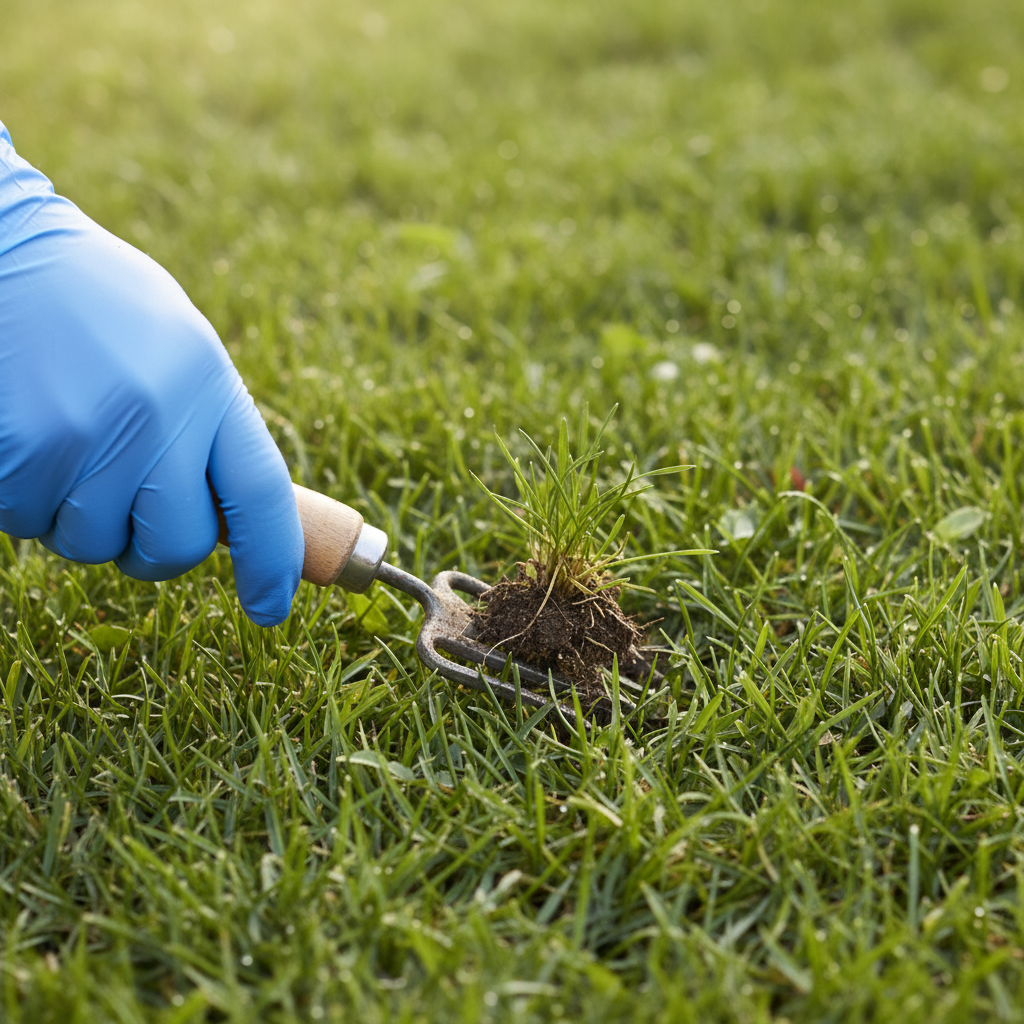
- Thin or Sparse Lawn: Bare patches or thin turf allow sunlight to reach the soil, creating ideal conditions for crabgrass germination.
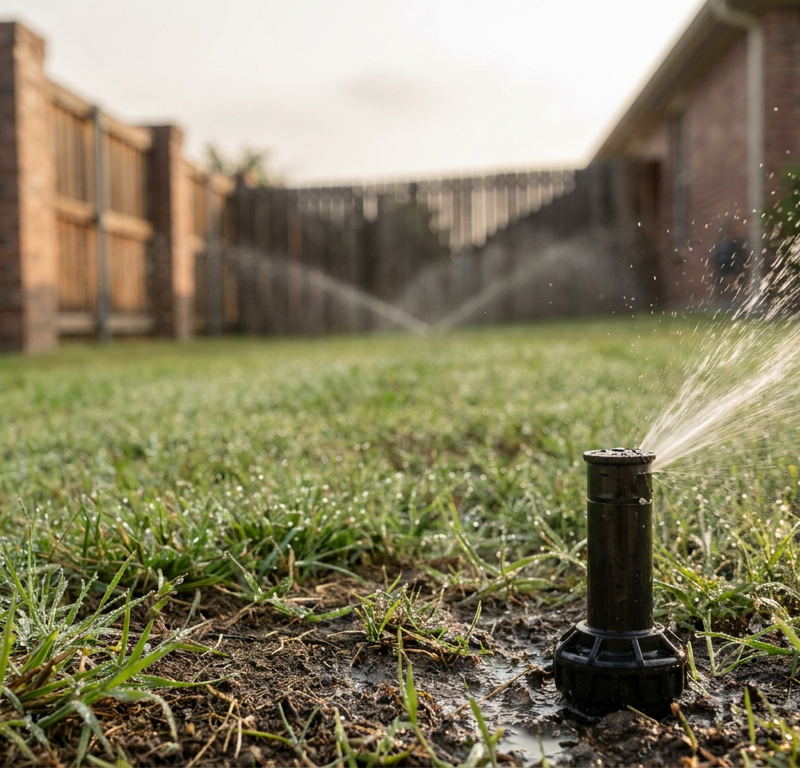
- Over-watering or Shallow Watering: Frequent, light watering keeps the topsoil moist, which is perfect for shallow-rooted crabgrass, rather than encouraging deep turf roots.
- Mowing Too Short: Cutting your grass too short stresses the turf and reduces its ability to shade out crabgrass seeds.
- Compacted Soil: Hard, compacted soil stunts the growth of desirable grass roots, making the lawn weaker and more susceptible to weed invasion.
- Improper Fertilization: Over-fertilizing at the wrong time (especially in summer) or under-fertilizing can lead to a less vigorous lawn that can't compete effectively with weeds.
Landscaping · Deck or fence project
| Project category | Landscaping |
|---|---|
| Problem type | Deck or fence project |
| Trade required | Landscaping |
| Urgency | Planned project |
| Safety risk | Moderate safety risk |
| DIY suitability | DIY for experienced homeowners |
| Cost category | High cost |
| Typical timeline | Most builds 3–10 days depending on size |
| Contractor type | Landscaping contractor |
Repair option
Replace failed boards, posts, and hardware; reseal the surface.
Replacement option
Rebuild when framing or the ledger connection is unsafe.
Common causes
- Rot at posts and ledger
- Storm damage
- Adding outdoor living space
Relevant tools:home improvement material pricesproject cost estimator
Published April 28, 2026Last updated August 17, 2026
Tools & materials you'll need
Affiliate linksAs an Amazon Associate FixlyGuide earns from qualifying purchases — at no extra cost to you. Prices and availability are accurate as of publication and subject to change.
Quick Answer
Getting rid of crabgrass naturally involves a multi-pronged approach that targets the weed at different stages of its life cycle. The most effective methods include applying corn gluten meal as a natural pre-emergent, meticulously hand-pulling individual plants before they go to seed, and fostering a thick, healthy lawn that naturally crowds out weeds. For long-term success, consistency in these practices is critical.
The Problem
Crabgrass (Digitaria spp.) is a persistent annual weed that can quickly turn a pristine lawn into an unsightly patch of coarse, light green invaders. It thrives in hot, dry conditions and thin, stressed turf, germinating when soil temperatures consistently reach 55-60°F (13-16°C) for several days. What makes crabgrass so challenging is its prolific seed production—a single plant can produce up to 150,000 seeds, which remain viable in the soil for years, waiting for the right conditions to sprout. Many homeowners make the crucial mistake of waiting until they see mature crabgrass plants before taking action. By then, the weed has already produced thousands of seeds, perpetuating the problem for future seasons. The key to natural crabgrass control lies in prevention and early intervention, disrupting its life cycle before it can dominate your lawn.
How It Works
Crabgrass is a warm-season annual grass. This means it germinates in late spring/early summer, grows throughout the warmer months, produces seeds, and then dies with the first hard frost. Its shallow, fibrous root system allows it to quickly uptake water and nutrients, outcompeting desirable turfgrasses, especially when the lawn is stressed from drought or improper mowing. The seeds require specific conditions to germinate: adequate moisture, warmth, and light. When these conditions are met, the seeds sprout, and the plant begins its rapid growth cycle. Young crabgrass plants are relatively easy to remove, but as they mature, they become deeply rooted and spread aggressively, forming dense mats. Critically, each mature plant can drop thousands of seeds before it dies, ensuring a fresh crop for the next growing season. Natural control methods aim to either prevent these seeds from germinating (pre-emergent) or remove the plants before they set seed (post-emergent), thereby breaking the cycle. Building a robust, dense turf canopy also shades the soil, making conditions less favorable for crabgrass seed germination and giving your desirable grass a competitive advantage.
Step-by-Step Fix
1. Apply Corn Gluten Meal Early – Your natural pre-emergent defense.
*   **When:** Apply in early spring, typically when forsythia bushes are blooming or soil temperatures are consistently above 50°F (10°C) but before they reach 60°F (16°C). Aim for a window of about two weeks before the historical average last frost date in your area.
*   **How:** Use a broadcast spreader to apply corn gluten meal at a rate of 10-20 pounds per 1,000 square feet. Ensure even coverage. Water lightly after application to activate the corn gluten meal. Too much water immediately after can wash away its effectiveness. Reapply in late summer for broader spectrum weed control if needed.
*   **Why:** Corn gluten meal is a natural byproduct of corn processing that acts as a pre-emergent herbicide. It contains dipeptides which inhibit root formation in newly germinated seeds, including crabgrass. It also provides a slow-release nitrogen fertilizer, feeding your lawn as it prevents weeds.
2. Hand-Pull Young Crabgrass Regularly – Targeted removal to prevent seeding.
*   **When:** As soon as you spot young crabgrass plants, ideally before they develop into large clumps or start to produce seed heads. This means regular inspections of your lawn, perhaps weekly during peak growing season.
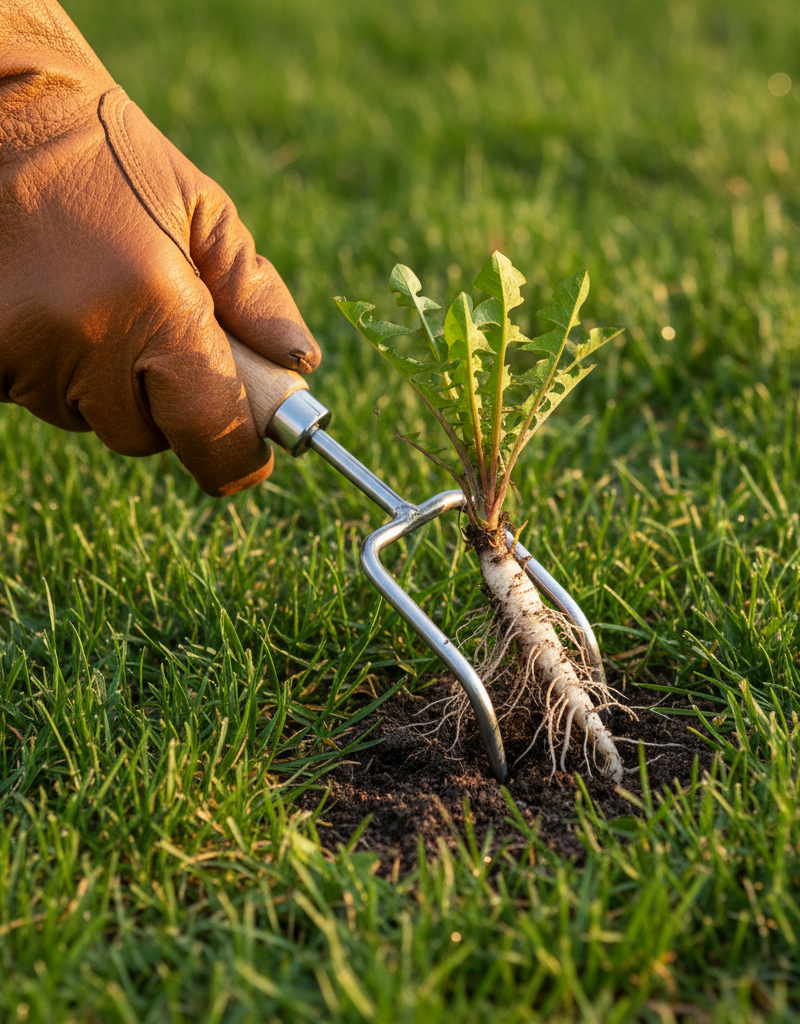
*   **How:** For small, individual plants, grip the plant firmly at its base and pull straight up, ensuring you get as much of the root system as possible. A weeding fork or dandelion tool can be helpful for larger, more established plants or in dense soil. If the soil is dry, water the area thoroughly the day before to make pulling easier. Fill any divots with topsoil and reseed if necessary.
*   **Safety:** Wear gardening gloves to protect your hands from blisters and potential skin irritations.
*   **If this doesn't work:** If you're dealing with very large, mature crabgrass clumps that are hard to pull by hand and have already gone to seed, focus on removing as much of the plant as possible to prevent further seed dispersal, even if you can't get every root. Then, prepare for more aggressive pre-emergent treatment the following year.
3. Mow High and Often – Encourage a dense, competitive lawn.
*   **Height:** Set your mower deck to its highest setting, typically 3-4 inches. Taller grass shades the soil, which helps to keep soil temperatures lower and discourages crabgrass seed germination. It also promotes deeper root growth for your desirable turf.
*   **Frequency:** Mow frequently enough so that you only remove about one-third of the grass blade's height at each mowing. This prevents stressing the grass and encourages dense growth.
*   **Why:** A tall, dense lawn creates a natural canopy that blocks sunlight from reaching the soil surface. Crabgrass seeds need light to germinate, so this simple practice significantly reduces new weed growth. It also strengthens your existing turf, making it more competitive.
4. Water Deeply and Infrequently – Promote strong turf roots.
*   **How:** Water your lawn deeply (to a depth of 4-6 inches) about once a week, rather than shallowly every day. This encourages your desirable grass to grow deep roots, making it more drought-tolerant and less susceptible to the stress that allows crabgrass to thrive.
*   **When:** Water in the early morning to allow the grass blades to dry before nightfall, reducing the risk of fungal diseases.
*   **Why:** Shallow, frequent watering keeps the topsoil consistently moist, which favors the germination and growth of shallow-rooted weeds like crabgrass. Deep, infrequent watering promotes a robust, healthy root system for your turfgrass, making it more resilient.
5. Fertilize Strategically – Nourish your lawn, not the weeds.
*   **When:** Apply a balanced, slow-release organic fertilizer in early spring and fall. The spring application can be combined with corn gluten meal. Avoid heavy nitrogen applications during mid-summer heat, which can stress cool-season grasses and benefit warm-season weeds like crabgrass.
*   **How:** Follow package instructions for application rates. Use a broadcast spreader for even distribution. Consider soil testing every 2-3 years to understand your lawn's specific nutrient needs.
*   **Why:** A well-nourished lawn is a strong lawn, better equipped to outcompete weeds. Strategic fertilization supports the health and density of your turfgrass, making it less hospitable to crabgrass.
Common Causes
- Thin or Sparse Lawn: Bare patches or thin turf allow sunlight to reach the soil, creating ideal conditions for crabgrass germination.
- Over-watering or Shallow Watering: Frequent, light watering keeps the topsoil moist, which is perfect for shallow-rooted crabgrass, rather than encouraging deep turf roots.
- Mowing Too Short: Cutting your grass too short stresses the turf and reduces its ability to shade out crabgrass seeds.
- Compacted Soil: Hard, compacted soil stunts the growth of desirable grass roots, making the lawn weaker and more susceptible to weed invasion.
- Improper Fertilization: Over-fertilizing at the wrong time (especially in summer) or under-fertilizing can lead to a less vigorous lawn that can't compete effectively with weeds.
- Neglecting Pre-Emergent Application: Not applying a pre-emergent in early spring allows crabgrass seeds a clear path to germination.
- Spreading Seeds from Neighboring Yards: Crabgrass seeds can easily be carried into your yard by wind, water, or even on shoes and equipment.
Common Mistakes
- Waiting Until You See Mature Crabgrass: By the time you see large crabgrass plants, they've likely already gone to seed, ensuring a new crop for next year. Action needs to be preventative or when plants are very young.
- **Mowing Too Low to
Related Articles
Keep troubleshooting with these hand-picked guides from FixlyGuide:
- The #1 Mistake Killing Your Lawn's Crabgrass Defense (And the Easy Fix) — Discover why common crabgrass removal methods fail and how to naturally eliminate this stubborn weed for a healthier lawn.
- The #1 Mistake Killing Your Lawn (and How to Remove Clover Without Chemicals) — Discover the most common mistake homeowners make when battling clover and learn effective, organic methods to eliminate it without harming…
- How to Kill Crabgrass Without Killing Your Lawn: A Homeowner's Guide — Crabgrass can quickly take over a lawn, but with the right approach, you can eliminate it effectively without harming your desirable grass.
- The #1 Mosquito Mistake Homeowners Make (and 3 Natural Fixes) — Discover the biggest mistake homeowners make in mosquito control and learn three natural, effective fixes to reclaim your backyard without…
- The #1 Mistake Killing Your Lawn's Clover—and the Easy fix That Spares Your Grass — Discover the most common mistake homeowners make when trying to eliminate clover, and learn how to remove it effectively without harming yo…
- The #1 Mistake Homeowners Make After Finding Missing Shingles (And How to Fix It Right) — Discover the crucial steps to take after a storm rips shingles from your roof, ensuring a proper, lasting repair and preventing costly futu…
Should you do this yourself?
Answer five quick questions before you start. Safety outranks savings every time.
Your experience with work like this
How high do you have to work?
Does the job involve any of these?
Will it need a permit?
Specialty tools
Free and instant. Educational guidance only — not a quote, inspection, or professional diagnosis.
What should this project cost?
Enter your project details for a realistic cost range before you call anyone.
Cost depends heavily on which system turns out to be the source.
- Regional adjustment
- National average
- Labor share (typical)
- ~$1,620
- Quotes to collect
- 3 written estimates
Educational estimate based on national averages — not a binding quote. Always confirm with written local estimates.
Before you start
Check the difficulty, permits, and safety risk — then decide whether to call a pro.
- Estimate this projectGet a cost range for your scope and ZIP before you call anyone.Open
- Get local estimatesSend one request and compare written estimates from vetted pros.Open
Free, no signup required. Estimates are educational guidance, not a quote or an inspection.
Frequently asked questions
Does corn gluten meal really work for crabgrass?+
Yes, corn gluten meal is an effective natural pre-emergent herbicide for crabgrass and other weeds. It works by inhibiting root development in newly germinated seeds. For best results, it must be applied in early spring before crabgrass germinates and watered in lightly.

Discussion
Loading comments…