- Soil Compaction: Hard, dense soil cuts down air and water movement, which kills off the beneficial microbes that break down thatch. If you can’t easily push a screwdriver into your lawn, it’s probably compacted.
- Acidic Soil pH: Microorganisms do best in a neutral to slightly acidic pH range (around 6.0-7.0). If your soil’s too acidic, their activity slows down and thatch builds up. Get a soil test!
- Improper Watering: Frequent, shallow watering pushes roots shallow and doesn’t help the microbial activity needed for decomposition. Water deeply and less often.
- Pesticide/Herbicide Use: Some chemicals, especially certain broad-spectrum pesticides, can hurt the beneficial soil organisms that naturally break down thatch. Use them only when you need them.
- Certain Grass Types: Some grasses, like Kentucky Bluegrass, Zoysia, and Bermuda, are just more prone to thatch because they grow aggressively and have dense rhizome/stolon networks. They often need dethatching more often.
Landscaping · Deck or fence project
| Project category | Landscaping |
|---|---|
| Problem type | Deck or fence project |
| Trade required | Landscaping |
| Urgency | Planned project |
| Safety risk | Moderate safety risk |
| DIY suitability | DIY for experienced homeowners |
| Cost category | High cost |
| Typical timeline | Most builds 3–10 days depending on size |
| Contractor type | Landscaping contractor |
Repair option
Replace failed boards, posts, and hardware; reseal the surface.
Replacement option
Rebuild when framing or the ledger connection is unsafe.
Common causes
- Rot at posts and ledger
- Storm damage
- Adding outdoor living space
Relevant tools:home improvement material pricesproject cost estimator
Published September 14, 2026Last updated September 14, 2026
Tools & materials you'll need
Affiliate links- AmazonThatch rakeFor small lawns or light thatch
- AmazonPower dethatcherRental recommended for larger lawns/thicker thatch
- AmazonLeaf rake1
- AmazonCore aeratorOptional, for heavily compacted soil (rental)
- AmazonBroadcast spreaderFor applying seed/fertilizer
- AmazonGarden hose with sprayer
- AmazonWork gloves
As an Amazon Associate FixlyGuide earns from qualifying purchases — at no extra cost to you. Prices and availability are accurate as of publication and subject to change.
Quick Answer
Thatch isn’t some harmless little dusting on top of your lawn. It’s a matted mess of dead and living grass stems, roots, and debris that builds up right above the soil line. A thin layer — maybe a quarter-inch — can actually help. It insulates the soil and holds a bit of moisture. But once it gets thicker than that, say a half-inch or more, it starts choking your turf, blocking water and nutrients, and leaving your grass weak and worn out. Getting rid of that extra thatch — dethatching, as we call it — is a big part of keeping a lawn healthy and green. It lets the turf breathe, drink, and feed like it should.
The Problem
I’ve seen it hundreds of times. A homeowner calls me up, frustrated. “My lawn just isn’t doing well,” they’ll say. “I water it, I fertilize it, but it’s still thin, patchy, and always seems to get diseases.” I go out there, take a look, and nine times out of ten I can tell you the problem without even kneeling down: thatch. It’s that spongy layer you feel when you step on the grass, or that dense, almost felt-like mat you see if you pull back a section of turf. It’s not just clippings sitting on top; that’s surface debris. Thatch is in the lawn, right at the base of the blades, sitting above the soil.
Think of it like a clogged drain for your grass. Water can’t soak in, fertilizer nutrients get stuck on top, and air can’t move down to the roots. Then it turns into a five-star hotel for pests and fungal disease because it holds moisture and stays damp way too long. Your lawn’s literally suffocating and starving while you’re out there throwing good money after bad, watering and feeding a problem that needs a different fix. I pulled a water heater in Frisco last month that had exactly this kind of “looks fine from the driveway” problem — same deal in a lawn. The ugly stuff was hiding underneath. You might even find the grass roots growing in the thatch layer instead of the soil, which makes them shaky as hell when drought hits. That’s a dead lawn waiting on summer heat.
How It Works
Alright, let’s crack it open and look at what thatch really is. Your grass is always growing, dying back a little, and shedding bits of itself. Under normal conditions, tiny microorganisms in the soil — bacteria, fungi, earthworms, all the little cleanup crew — break that organic matter down into humus that feeds the soil. That’s how it’s supposed to work.
Thatch forms when organic matter is piling up faster than it can break down. Usually that means dead grass stems and roots are building faster than the microbes can chew through them. Why does that happen? A few reasons. Too much nitrogen fertilizer can push grass into overdrive, and that fast growth can leave behind more woody material than the soil life can handle. Soil compaction can squeeze the life out of those helpful organisms. Sometimes the soil pH is off. Other times certain pesticides knock back the good bugs. And some grasses — Kentucky Bluegrass and Zoysia, for example — are just more prone to thatch because they spread through rhizomes and stolons that feed that layer right back.
Once thatch gets thick, it acts like an insulating blanket. Sounds nice, right? Not really. Sure, it can keep the soil a touch warmer, but it also traps moisture near the surface. That’s great for shallow-rooted weeds and disease. Not so great for deep, healthy turf. More importantly, it keeps water, air, and fertilizer from getting down to the root zone where they belong. So the roots start growing shallower, often into the thatch itself. Then the lawn gets hammered by drought and heat because those shallow roots can’t reach deeper moisture. It’s a slow, quiet way to wreck a yard, especially when you think you’re doing everything right.
Step-by-Step Fix
Ready to get that lawn breathing again? Dethatching isn’t rocket science, but it does take some elbow grease and decent timing. I usually tell folks to do it in late spring or early fall when the grass is actively growing but not getting cooked by extreme heat or frozen solid. For cool-season grasses like fescue or rye, fall is usually the sweet spot. For warm-season grasses like Bermuda or St. Augustine, early summer tends to work best. Last year I was over in a yard in Peachtree Corners and we pulled a good inch and a half of thatch off a Bermuda lawn that hadn’t been touched in years — the homeowner about fell over when he felt the difference underfoot afterward.
-
Prep the Lawn – Give it a good mow and a light watering. Before you start tearing into the turf, cut the grass a little shorter than usual, maybe down to 2 inches. That helps the dethatching tool get into the thatch without grabbing too much green blade. Then give the lawn a light watering a day or two before. You don’t want it soggy, but a little moisture helps the thatch pull free easier and keeps the dust down. Bone-dry grass just shatters, and a soaked lawn turns into a muddy mess. No dice.
-
Choose Your Weapon – Hand rake, power rake, or vertical mower?
- Thatch Rake: For small lawns or spots with light thatch, less than half an inch, a manual thatch rake does the job. It’s a heavy-duty rake with sharp, curved tines meant to dig into the mat and pull it loose. It’ll wear your arms out, but it works.
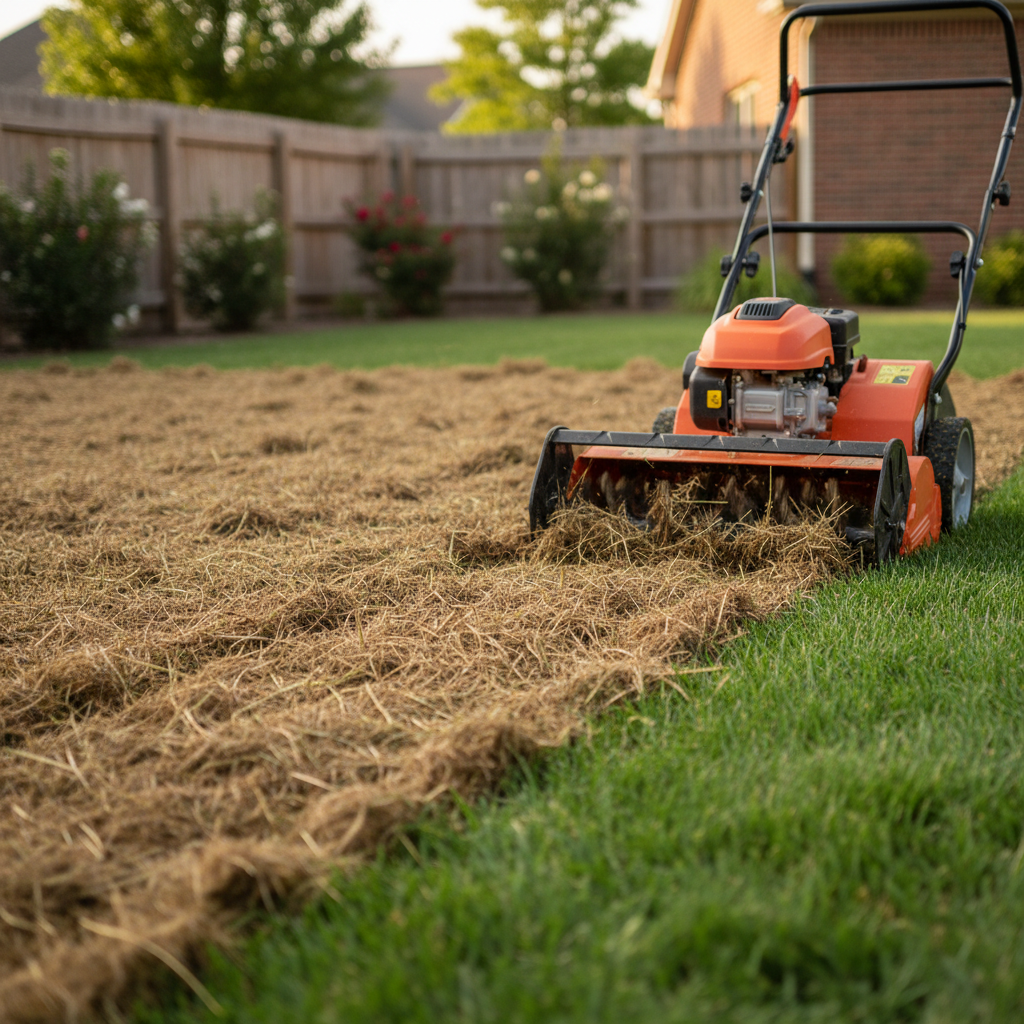
- Power Rake/Dethatcher: For moderate thatch, half an inch to an inch, or a bigger yard, rent or buy a power dethatcher. These machines use rotating flails or tines to yank the thatch up. You can usually set the depth so you’re not tearing up healthy roots.
- Vertical Mower (Verticutter): If you’ve got serious buildup, over an inch, or a large property, a verticutter is the better play. It uses vertical blades to slice into the thatch and even into the soil a bit, cutting and lifting the material. It’s more aggressive and can be set for depth, usually between ⅛ to ¼ inch into the soil. Don’t go too deep; you’re not tilling a garden bed.
-
Make Your Passes – Stay steady and consistent. Whether you’re using a rake or a machine, you want to make clean passes across the lawn. With power tools, work it like you’re mowing: straight lines, overlapping each pass a little, about 2-3 inches. If the thatch is thick, you might need a second pass running the opposite direction. Don’t rush it. Let the tool do the work. You’ll pull up a ridiculous pile of debris — ugly, yes, but weirdly satisfying.
-
Collect the Debris – Rake it up, don’t leave it. This part matters. All that loosened thatch needs to go. Rake it up right after dethatching. A regular leaf rake usually does fine. Bag it, compost it, or toss it in your green waste bin. If you leave it on the lawn, it’ll just smother the grass all over again and make the whole job pointless. The pile can look huge — like you scalped the yard — but don’t panic. That’s normal.
-
Aerate (Optional but Recommended) – Give the soil extra breathing room. If you’ve got heavy thatch, there’s a good chance your soil’s compacted too. After dethatching, it’s a perfect time to aerate. A core aerator pulls small plugs of soil out and opens up paths for air, water, and nutrients to move down deeper. You can rent one from most equipment rental places. This step really helps the recovery move along.
-
Overseed (Highly Recommended) – Fill in thin spots and introduce new grass. Dethatching can beat up a lawn pretty good, especially if it was already struggling. Overseeding right afterward is a smart move. The seed gets direct contact with the soil, which is exactly what you want for germination. Pick a high-quality grass seed blend that fits your climate and sun conditions. Spread it evenly with a broadcast spreader.
-
Fertilize and Water – Feed your recovering lawn. Once the seed is down, if you overseeded, put down a starter fertilizer. If you didn’t overseed, use a regular balanced lawn fertilizer. Water the lawn deeply after fertilizing. If you overseeded, you’ll need to water lightly and often — 2-3 times a day for 10-15 minutes — for the first 2-3 weeks so the top inch of soil stays moist for germination. After that, back off the frequency and water longer each time so the roots go deeper.
-
Monitor and Maintain – Keep an eye on things. For the next few weeks, watch the lawn closely. You should start seeing new growth from the overseeding and a healthier look overall in the existing grass. Dethatching isn’t a forever fix. It’s not a one-and-done deal. Regular upkeep — proper mowing, watering, and the occasional light dethatching or aeration — keeps thatch from getting out of hand again.
Common Causes
- Over-fertilization, especially nitrogen: Too much of a good thing. Fast grass growth means more organic material, and if it’s coming too quick, the microbes can’t keep up. Rule of thumb: don’t dump more than 1 pound of actual nitrogen per 1,000 square feet per application.
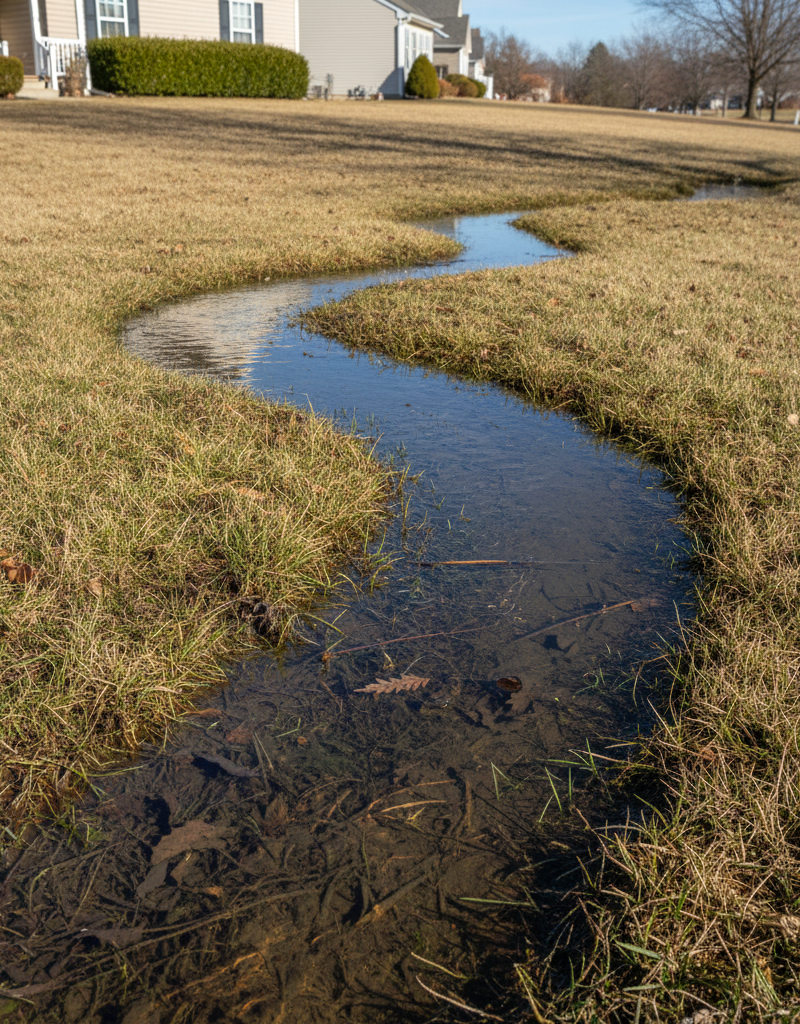
- Soil Compaction: Hard, dense soil cuts down air and water movement, which kills off the beneficial microbes that break down thatch. If you can’t easily push a screwdriver into your lawn, it’s probably compacted.
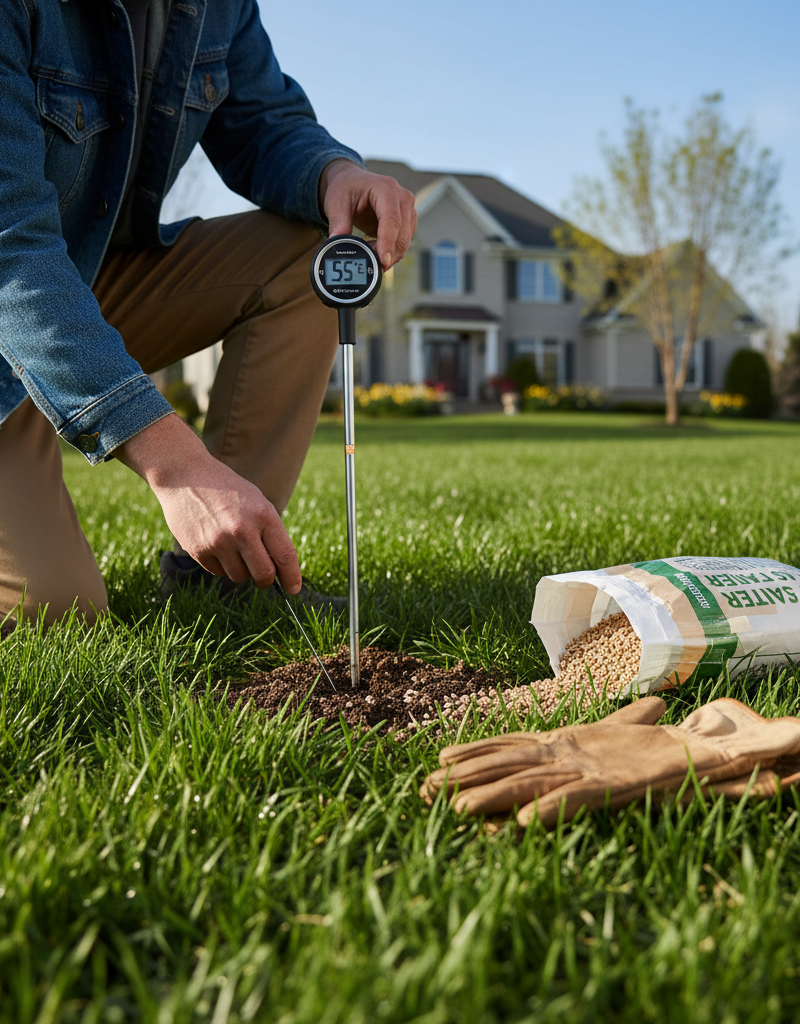
- Acidic Soil pH: Microorganisms do best in a neutral to slightly acidic pH range (around 6.0-7.0). If your soil’s too acidic, their activity slows down and thatch builds up. Get a soil test!
- Improper Watering: Frequent, shallow watering pushes roots shallow and doesn’t help the microbial activity needed for decomposition. Water deeply and less often.
- Pesticide/Herbicide Use: Some chemicals, especially certain broad-spectrum pesticides, can hurt the beneficial soil organisms that naturally break down thatch. Use them only when you need them.
- Certain Grass Types: Some grasses, like Kentucky Bluegrass, Zoysia, and Bermuda, are just more prone to thatch because they grow aggressively and have dense rhizome/stolon networks. They often need dethatching more often.
Common Mistakes
- Dethatching at the Wrong Time: Hitting your lawn with a dethatcher during peak summer heat or while it’s dormant in winter is a big mistake. You’ll stress it out and cause real damage that takes forever to bounce back from. Always do it when the grass is actively growing but not under environmental stress.
- Going Too Deep: With a power dethatcher or verticutter, setting the blades too low can scalp the lawn, hurt healthy crowns, and even rip up irrigation lines. Start shallow and adjust if needed. You want to pull thatch, not tear up turf.
- Not Raking Up Debris: This one’s a head-slapper. You just hauled all that thatch up, then leave it sitting there? That material will just re-smother the grass and keep blocking sunlight and air. Rake it up, bag it, or haul it away.
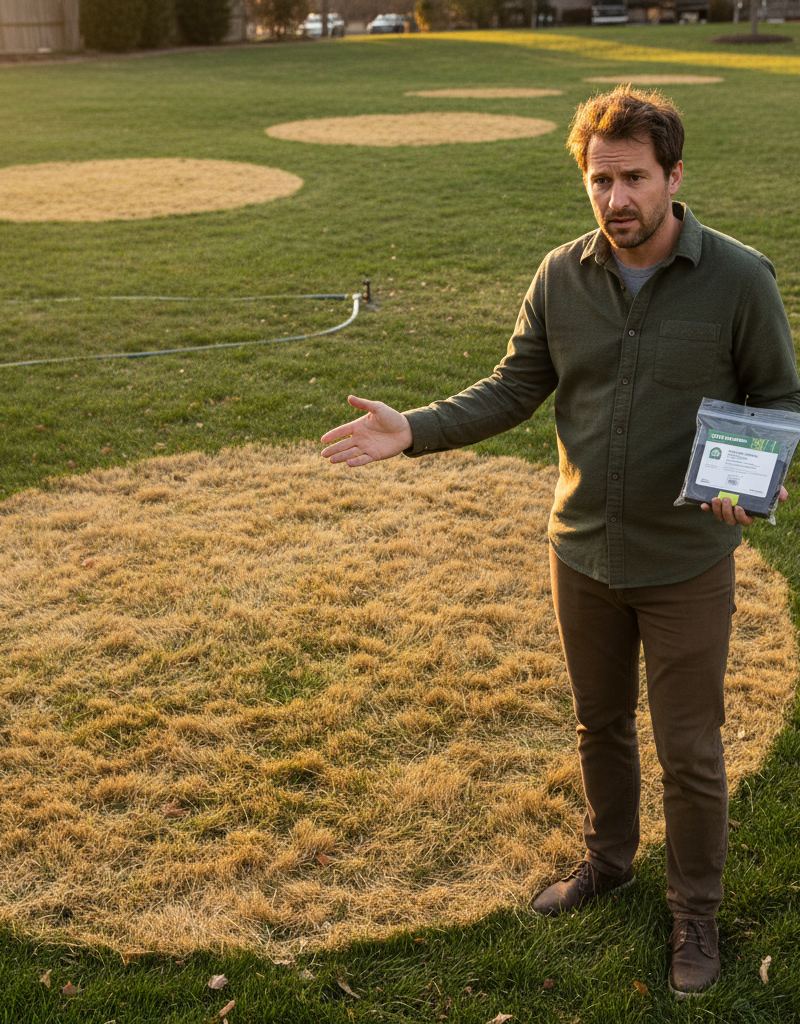
- Ignoring Underlying Causes: Dethatching helps, but it’s not magic. If you don’t fix why the thatch built up in the first place — poor soil, bad watering habits, over-fertilization — it’ll come right back. Get a soil test and adjust your routine.
- Skipping Post-Dethatching Care: Your lawn’s vulnerable after dethatching. Skip aeration, overseeding, and proper fertilizing or watering, and you’re wasting a good chance to strengthen the turf. This is the window where the lawn can really turn a corner.
- Dethatching Healthy Lawns: Not every lawn needs dethatching every year, or at all. If your thatch layer is less than half an inch, you’re probably doing more harm than good by tearing into it. Check the thickness first. Sometimes a good aeration is all you need.
Cost & Time Breakdown
Here’s a look at what you can expect if you’re tackling thatch:
| Task | DIY Cost | Pro Cost | Time |
|---|---|---|---|
| Thatch Assessment | $0 (DIY) | Included in estimate | 5-10 minutes |
| Manual Dethatching | $30–$60 (rake) | $200–$400 | 2-4 hours (small yard) |
| Power Dethatcher | $50–$100 (rental) | $300–$700 | 1-2 hours (medium yard) |
| Debris Removal | $0 (DIY labor) | Included in estimate | 1-2 hours |
| Aeration | $80–$120 (rental) | $150–$400 | 1-2 hours |
| Overseeding/Fertilize | $50–$200 | $100–$300 | 30-60 minutes |
Tips & Prevention
- Mow High, Mow Often: Keep your grass a bit taller, 3-4 inches for most turf types, and don’t take off more than a third of the blade height at once. Taller grass shades the soil, helps roots go deeper, and cuts down on stress. Frequent mowing also leaves shorter clippings that break down faster.
- Practice Grasscycling: Leave grass clippings on the lawn unless they’re really clumpy. They’re a free source of nitrogen and organic matter, and they break down quick, feeding the soil instead of building more thatch. Just don’t leave giant windrows behind.
- Aerate Regularly: Aim for core aeration every 1-3 years, especially if you’ve got heavy clay soil or high-traffic areas. It relieves compaction and helps microbial activity, which keeps thatch from stacking up.
- Water Smart: Water deeply and infrequently to push roots down. Aim for about 1 inch of water per week, rain or irrigation. Shallow watering encourages thatch and weak grass.
- Soil Test Annually: Get a soil test every 2-3 years. It’ll tell you if your pH is off or if you’ve got nutrient problems, both of which can slow microbial activity and lead to thatch. Adjust pH with lime or sulfur as recommended.
- Fertilize Responsibly: Use slow-release nitrogen fertilizers and don’t overdo it. Too much quick-release nitrogen can push too much top growth, which leads to more thatch. Follow the bag based on your grass type and soil test results.
- Consider a Composter: Instead of bagging every bit of yard waste, think about a compost pile. It cuts landfill waste and gives you nutrient-rich compost to improve your soil structure and microbial health.
When to Call a Professional
Look, I’m all for DIY, but there are times when it’s smarter to bring in a pro. If your lawn is severely thatched — we’re talking an inch or more of dense, matted material — a manual rake isn’t going to cut it, and renting a heavy-duty verticutter can be intimidating, not to mention dangerous if you don’t know how to run it safely. If you’ve got a big property (over half an acre) or you’re not sure about your grass type, soil conditions, or what to do after dethatching, a professional lawn care company’s got the commercial-grade equipment and the know-how to get it done without trashing your lawn. Also, if the lawn’s already weak, diseased, or infested with pests, trying to dethatch it yourself can make things worse; a pro can sort out the underlying issue and tell you the best next move before you even think about cracking it open.
Related Articles
Keep troubleshooting with these hand-picked guides from FixlyGuide:
- The #1 Summer Lawn Mistake Turning Your Grass Yellow (and How to Fix It) — Discover the most common summer lawn mistake that causes yellowing grass and learn the simple steps to revive your lawn.
- Why Your Lawn's Still Yellow After Fertilizing (And What to Do Tonight) — If you've fed your lawn and it's still looking pale, you're likely dealing with a pH imbalance or compacted soil, preventing nutrient absor…
- The #1 Mistake Killing Your Lawn's Thickness (and How to Fix It in a Weekend) — Overseeding a thin lawn revitalizes its density and health, but many homeowners make a crucial mistake that hinders success. Learn the righ…
- The #1 Lawn Aeration Mistake Most Homeowners Make (And How to Time It Right) — Timing your lawn aeration correctly is crucial for maximizing its benefits and ensuring a healthier, more resilient lawn.
- The #1 Mistake Killing Your Summer Lawn (And How to Fix It in a Weekend) — Overwatering is the silent killer behind many yellow summer lawns, often mistaken for drought. Learn how to diagnose and correct drainage i…
- The Hidden Reason Your AC Freezes — And Why Most Homeowners Get It Wrong — Discover the surprising truth behind why your outdoor AC unit is freezing and learn the most common mistake homeowners make when trying to…
Should you do this yourself?
Answer five quick questions before you start. Safety outranks savings every time.
Your experience with work like this
How high do you have to work?
Does the job involve any of these?
Will it need a permit?
Specialty tools
Free and instant. Educational guidance only — not a quote, inspection, or professional diagnosis.
What should this project cost?
Enter your project details for a realistic cost range before you call anyone.
Cost depends heavily on which system turns out to be the source.
- Regional adjustment
- National average
- Labor share (typical)
- ~$1,620
- Quotes to collect
- 3 written estimates
Educational estimate based on national averages — not a binding quote. Always confirm with written local estimates.
Before you start
Check the difficulty, permits, and safety risk — then decide whether to call a pro.
- Estimate this projectGet a cost range for your scope and ZIP before you call anyone.Open
- Get local estimatesSend one request and compare written estimates from vetted pros.Open
Free, no signup required. Estimates are educational guidance, not a quote or an inspection.
Get the print-ready PDF of this guide
A clean, ad-free, printable version you can keep on your phone or pin to the workshop wall. Free with a FixlyGuide account.
- Print-optimized layout
- Tools, materials & every step included
- Saved to your account
Frequently asked questions
What exactly is thatch?+
Thatch is a layer of dead and living organic matter, like grass stems and roots, that accumulates between the green blades of grass and the soil surface. It's a natural byproduct of lawn growth.
How much thatch is too much?+
A layer of thatch up to about ½ inch thick is generally considered beneficial for insulation and moisture retention. However, if it exceeds ½ inch, it becomes detrimental, blocking essential resources from reaching the soil and roots.
When is the best time to dethatch my lawn?+
The ideal time is when your grass is actively growing and can recover quickly. For cool-season grasses, late spring or early fall is best. For warm-season grasses, late spring to early summer (after the last frost) is typically recommended.
Can I just leave grass clippings on my lawn to avoid thatch?+
Yes, leaving short grass clippings (grasscycling) is generally good for your lawn as they break down and return nutrients to the soil. However, excessively long clippings or a tendency for your grass type to produce woody stems can still contribute to thatch buildup if decomposition is slow.
Will dethatching damage my lawn?+
If done incorrectly or at the wrong time, dethatching can temporarily stress or damage your lawn. However, when done properly, it's a critical step for long-term lawn health, and the lawn usually recovers quickly, often looking much better within weeks.
What's the difference between a dethatcher and a verticutter?+
A dethatcher (often a power rake) uses flexible tines or flails to aggressively pull thatch from the lawn surface. A verticutter (vertical mower) has rigid, vertical blades that slice into the thatch and often slightly into the soil, providing a more aggressive removal and often used for thicker thatch or to prepare for overseeding.
Do I need to aerate after dethatching?+
It's highly recommended, especially if you have significant thatch or compacted soil. Dethatching opens up the surface, and aerating afterward further improves air, water, and nutrient penetration into the root zone, maximizing your efforts.
How often should I dethatch my lawn?+
Most lawns don't need dethatching every year. For most healthy lawns, once every 1-3 years is sufficient if thatch buildup becomes an issue. Some grass types prone to thatch might benefit from it more often, but always assess the thatch thickness first.
What if my thatch layer is less than half an inch?+
If your thatch layer is consistently less than ½ inch, you likely don't need to dethatch. Focus on good cultural practices like proper mowing, watering, and aeration to maintain a healthy balance and prevent buildup.
Can dethatching help with moss problems?+
While dethatching can remove some surface moss, it's more of a symptom than a cure for moss. Moss usually indicates underlying issues like poor drainage, excessive shade, acidic soil, or compacted soil. Address those root causes for long-term moss control.
Discussion
Loading comments…