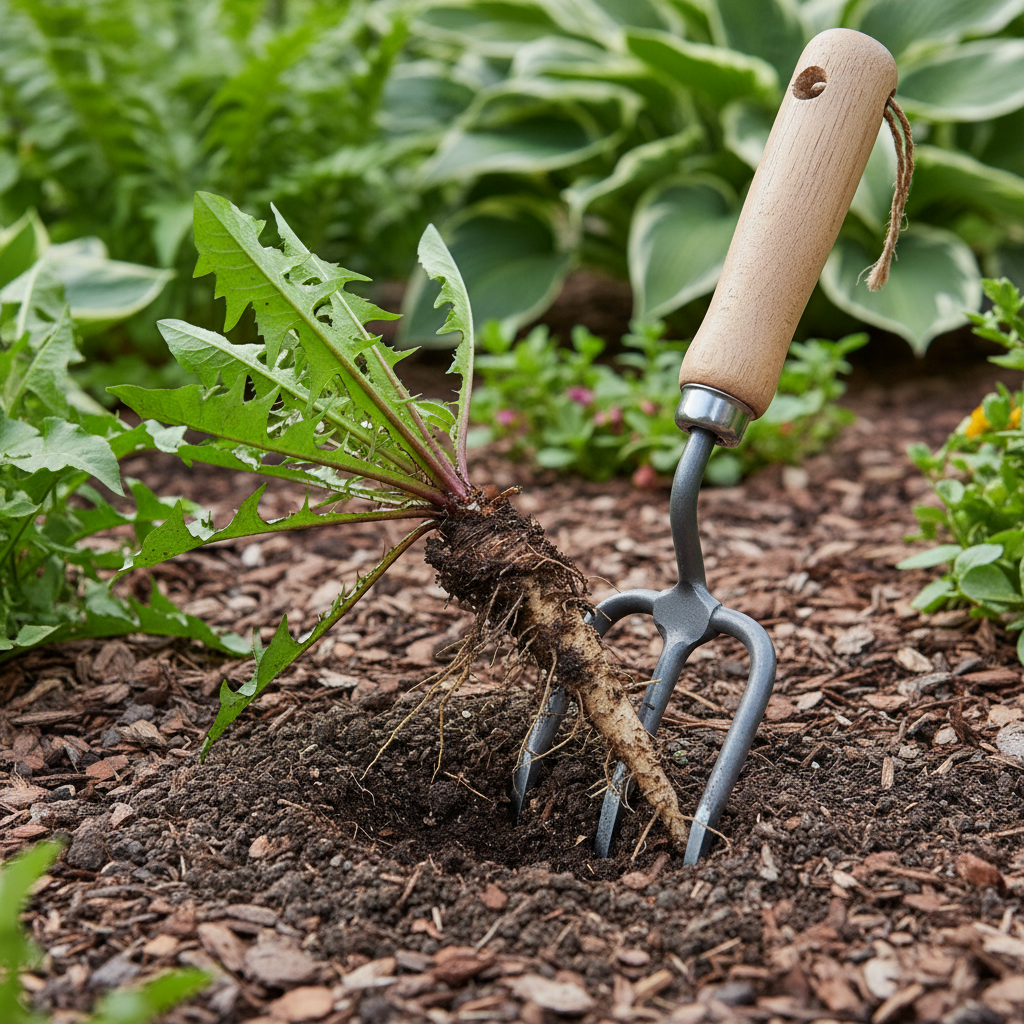
- Existing Seed Bank: Your soil is basically sitting on a pile of dormant weed seeds, waiting for a cue. Every time you stir the soil, more of them get brought to the surface.
- Incomplete Root Removal: With perennial weeds, leaving even a small piece of taproot or rhizome is like inviting the thing back in through the front door.
- Lack of Mulch/Bare Soil: Bare dirt is prime real estate for windblown seeds, bird-dropped seeds, and whatever else floats in. Leave an opening, and weeds will fill it.
- Adjacent Infestations: Weeds from a neighbor’s yard, a rough side lot, or even cracks in the driveway can keep reseeding your beds.
- Poor Plant Health: Weak plants don’t compete well. They leave gaps, and weeds move in fast.
Landscaping · Deck or fence project
| Project category | Landscaping |
|---|---|
| Problem type | Deck or fence project |
| Trade required | Landscaping |
| Urgency | Planned project |
| Safety risk | Moderate safety risk |
| DIY suitability | DIY for experienced homeowners |
| Cost category | High cost |
| Typical timeline | Most builds 3–10 days depending on size |
| Contractor type | Landscaping contractor |
Repair option
Replace failed boards, posts, and hardware; reseal the surface.
Replacement option
Rebuild when framing or the ledger connection is unsafe.
Common causes
- Rot at posts and ledger
- Storm damage
- Adding outdoor living space
Relevant tools:home improvement material pricesproject cost estimator
Published July 31, 2026Last updated August 17, 2026
Tools & materials you'll need
Affiliate linksAs an Amazon Associate FixlyGuide earns from qualifying purchases — at no extra cost to you. Prices and availability are accurate as of publication and subject to change.
Quick Answer
Look, “permanent” is a big promise when you’re talking about weeds. Those things are stubborn little survivors. Still, you can get awfully close if you understand how they work and hit them from a few angles at once. It’s not just about pulling what you can see. You’ve got to kill the root, stop the seeds, and make the soil a lousy place for anything unwanted to move in. That’s how you break the cycle. That’s how you keep the beds clean.
The Problem
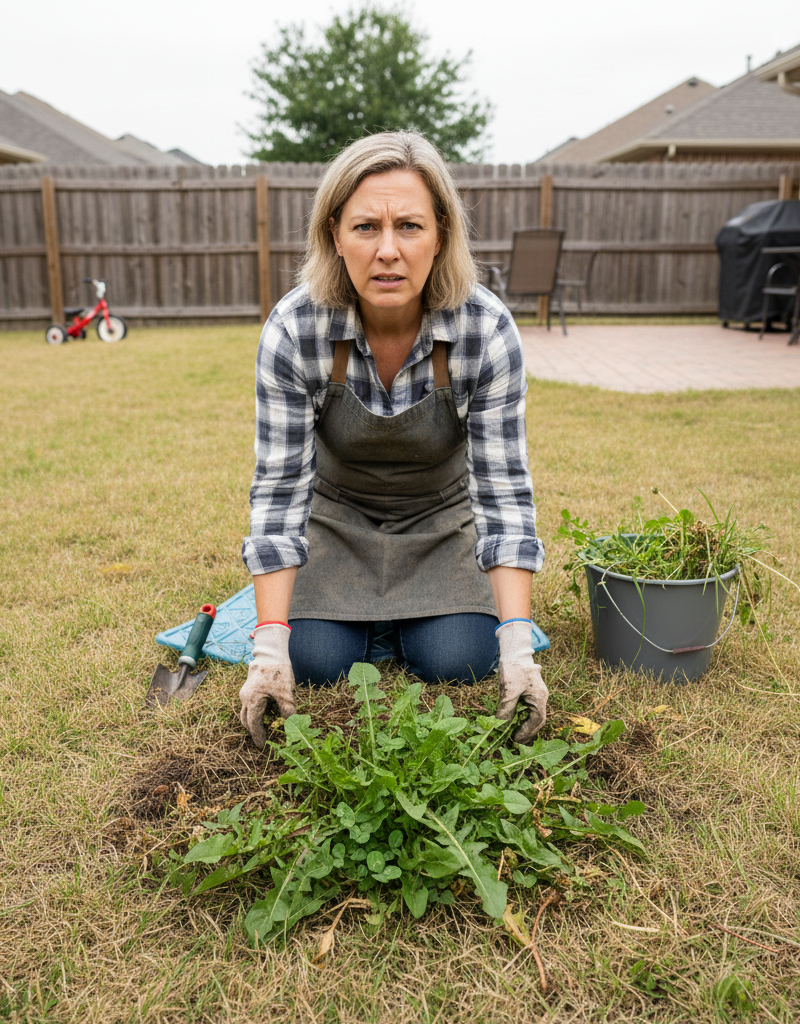
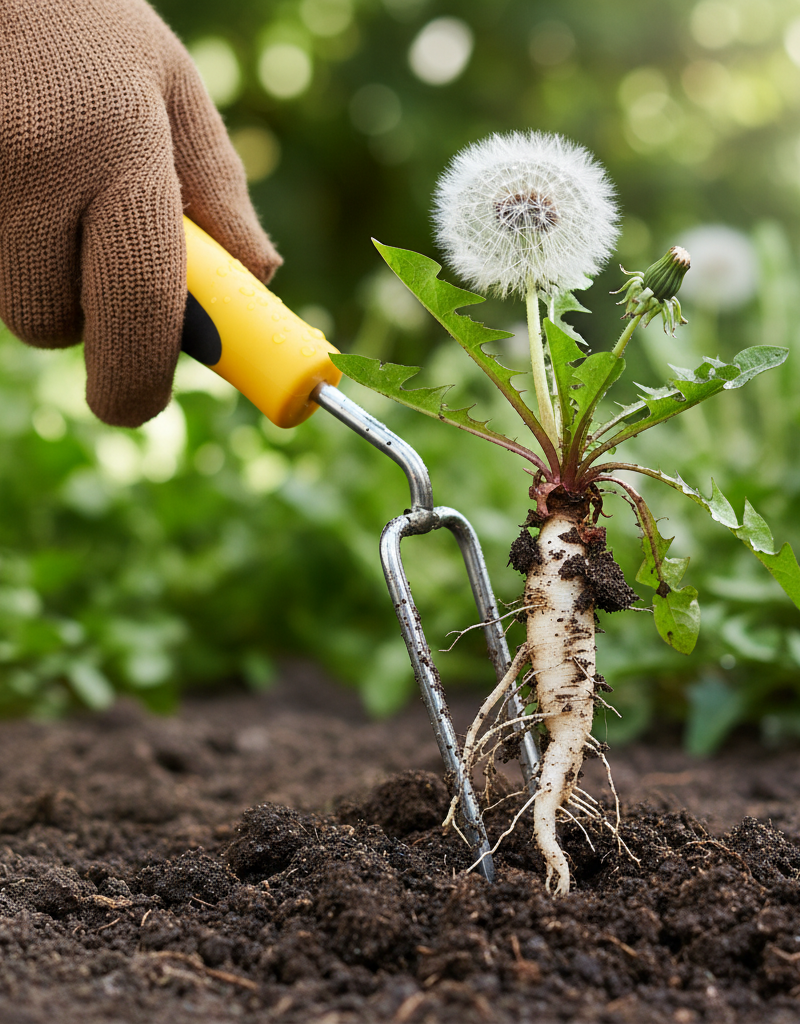
Every spring, I get calls from homeowners who are just worn out. They pull weeds, spray stuff, lay down fabric, and a month later it looks like nobody touched the yard. “Why do these weeds keep coming back?” they ask me. Usually, it’s not that they’re not trying hard enough. It’s that they’re using quick fixes that don’t solve the real problem. They’re treating the mess, not the source. You pull a dandelion, but if a little bit of taproot stays in the ground—something the size of your pinky nail—that thing’s got a grudge and it’ll be back. Same deal with the seeds waiting around in the dirt. If you don’t deal with the whole system, you’re just buying yourself more work next season.
How It Works
Weeds are just plants in the wrong place, sure. But why do they hang on so hard? It comes down to a few biological advantages.
First off, seed production. A lot of weeds crank out seeds like there’s no tomorrow. A single purslane plant can produce over 200,000 seeds in a season! Those seeds can sit in the soil for years, even decades, waiting for the right mix of light, moisture, and temperature to wake up. That’s your seed bank, and it keeps restocking itself. Disturb the soil, and you drag fresh seeds up to the surface. Then they sprout. No surprise there.
Then there’s the root system. Annual weeds, like crabgrass, usually have fibrous roots that are a lot easier to pull. Perennial weeds, though—dandelions, thistles, bindweed—they’ve got deep taproots or spreading rhizomes underground. Yank the top, and the root just sends up more shoots. Ground ivy’s a sneaky one; its stems root wherever they touch soil, so it turns into a whole network before you know it. Kill one section, and the rest keeps on trucking. That’s why just “yanking” usually doesn’t cut it. You’ve got to get the whole root, or wear it down until it can’t bounce back.
And weeds love a mess. Compacted soil, disturbed beds, thin spots, poor nutrition—those are all openings they’ll jump on fast. They’re built to colonize bare ground. Healthy landscaping is your first line of defense. Seed banks, root systems, opportunism—once you get those three, you’re already ahead of the game.
Step-by-Step Fix
Getting rid of weeds for good takes a multi-pronged attack. You’ve got to stay organized and keep at it. I’ve been doing this for decades, and here’s the playbook I give my clients.
-
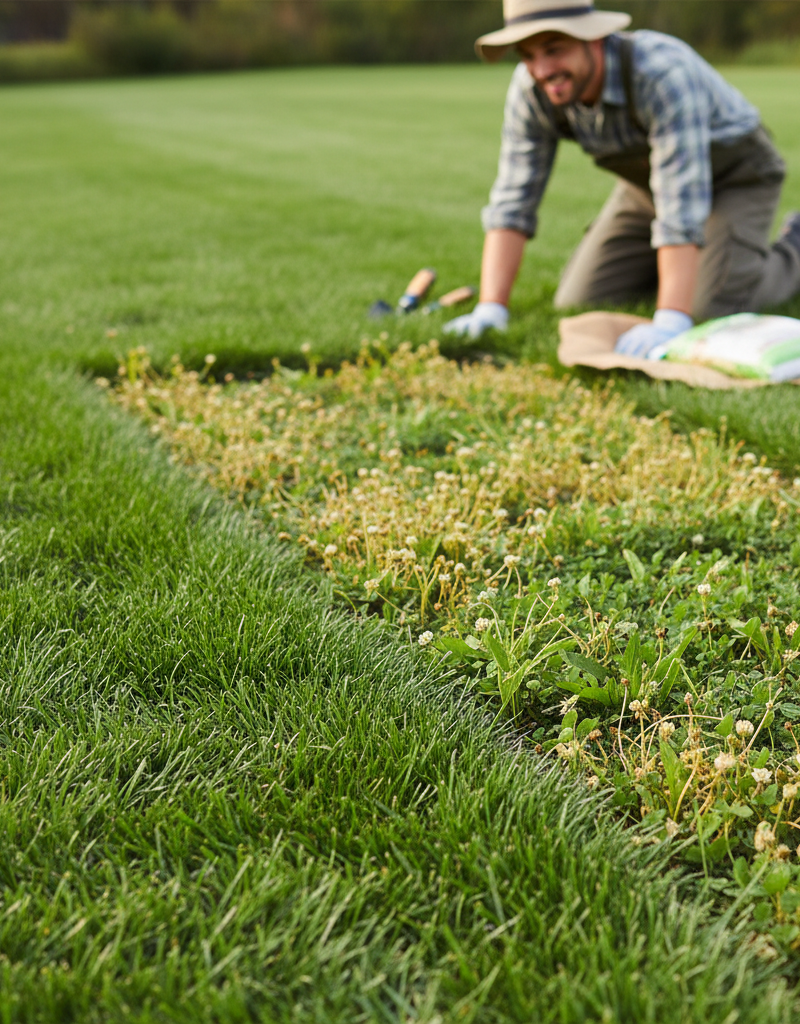
Identify Your Enemy — Know what you’re fighting. Before you start pulling or spraying, figure out what kind of weeds you’ve got. Are they annuals that die each year but drop a pile of seed, like chickweed or crabgrass? Or are they perennials that keep coming back from the roots, like dandelions, clover, or quackgrass? That changes the approach. Annuals are usually easier to manage by stopping them from seeding. Perennials mean you’ve got to get the root. There are plenty of good online guides; search “weed identification [your region]” and you’ll usually get pointed in the right direction.
-
Dig, Don't Just Pull — Get the whole root. With perennial weeds, yanking the top is like giving them a trim. They’ll be back. You need the whole root system. My go-to for dandelions and other taproot weeds is a dandelion fork or a hori-hori knife. Loosen the soil first, especially if it’s dry. Push the tool deep, down alongside the root, then pry it up and try to pull out as much taproot as you can. For runners like bindweed or ground ivy, you’ve got to follow the stems and dig up every rooted bit. It’s not quick. No dice there. But it matters.
I pulled a patch of creeping charlie out of a backyard in Maplewood one July, and I swear it had taken over half the flower bed. Took me hours of slow digging and cussing under my breath, but it didn’t come back that season.
-
Smother with Mulch — Block the light, suppress new growth. Once you clear an area, don’t leave bare soil sitting there like an open invitation. New weed seeds will find it. Put down a solid 2-4 inches of organic mulch like shredded bark, wood chips, or straw. Mulch does a few jobs: it blocks sunlight, cuts down on germination, and helps hold moisture and steady the soil temperature for your good plants. Just don’t pile it up against stems or tree trunks—leave a little breathing room. For tougher spots, I’ll sometimes lay cardboard down first, strip off all the tape and labels, then cover it with mulch. The cardboard breaks down, smothers what’s underneath, and adds organic matter while it fades out.
-
Targeted Chemical Application (if necessary) — Use wisely, not widely. I’m not big on soaking everything in chemicals, but for nasty perennial weeds or a big infestation, targeted herbicide can be part of the job. Glyposate (like Roundup) is non-selective, which means it kills everything it touches. So be careful. I’ve painted it right onto weed leaves with a foam brush before, or used a shielded sprayer to keep drift off the good stuff. For broadleaf weeds in a lawn, selective herbicides will knock out the weeds and leave the grass alone. Read the label and follow it exactly. Timing matters too; a lot of systemic herbicides work best while the weed is actively growing, soaking up the product through the leaves and moving it down to the roots. Don’t spray when it’s windy. Wear gloves and eye protection. Common sense stuff, but people skip it all the time.
-
Solarization for Large Areas — Cook 'em out. For big weed patches or an entire garden bed you want back, solarization can work like a champ. Clear the area as best you can, water it well, then lay down clear, not black, plastic sheeting, 4-6 mil thick. Bury the edges with soil or rocks so it seals tight. The sun heats the soil underneath to temperatures often exceeding 130°F (54°C), which bakes weed seeds, seedlings, and even some pathogens. Leave it in place for 4-6 weeks during the hottest part of summer. Good prep work before you plant a new bed.
-
Maintain a Weed-Free Zone — Consistent vigilance. Once the heavy lifting’s done, the real trick is staying on it. Walk your beds every week or two and pull any new sprouts right away, before they get established or go to seed. Small weeds are easy. Big weeds are a project. A few minutes here and there saves you a pile of time later. Honestly, this is probably the most important habit for long-term control. I tell clients, “Think of it like brushing your teeth — a little bit every day keeps you out of trouble later.”
-
Improve Soil Health — Build a stronger defense. Healthy soil grows healthy plants, and healthy plants crowd weeds out better. Work in organic matter like compost. It improves structure, drainage, and nutrient availability. Don’t over-till, though, because that just drags dormant weed seeds up to the surface. Check your soil every few years to see where the pH and nutrients stand, then amend from there. Weeds love compacted, acidic, or nutrient-poor soil where good plants are already struggling.
-
Edge Your Beds — Create barriers. If your beds sit next to turf or pathways, put in edging. Plastic, metal, stone—any of it can help. It makes a physical barrier that keeps creeping grass and weeds from marching in. Sink it at least 4-6 inches deep so you’re blocking underground runners, not just looking tidy on top.
Common Causes
- Existing Seed Bank: Your soil is basically sitting on a pile of dormant weed seeds, waiting for a cue. Every time you stir the soil, more of them get brought to the surface.
- Incomplete Root Removal: With perennial weeds, leaving even a small piece of taproot or rhizome is like inviting the thing back in through the front door.
- Lack of Mulch/Bare Soil: Bare dirt is prime real estate for windblown seeds, bird-dropped seeds, and whatever else floats in. Leave an opening, and weeds will fill it.
- Adjacent Infestations: Weeds from a neighbor’s yard, a rough side lot, or even cracks in the driveway can keep reseeding your beds.
- Poor Plant Health: Weak plants don’t compete well. They leave gaps, and weeds move in fast.
- Improper Watering: Shallow, frequent watering encourages shallow roots, while deep, infrequent watering helps your plants build tougher root systems and compete better.
Common Mistakes
- Pulling Weeds When Soil is Dry: That’s how you snap the top off and leave the root behind. Water first, or wait for a good rain.
- Letting Weeds Go to Seed: One year of seeds is seven years of weeds, like the old saying goes. Get them before they make more.
- Over-Tilling: Tilling can help clear a bed once, but after that it’s like shaking a snow globe full of weed seeds. You bring the whole mess to the surface.
- Applying Herbicides Incorrectly: Too much, too little, wrong timing, wrong plant—any of it can mess you up. Read the label. A windy day can send spray drifting right onto your good plants.
- Not Using Enough Mulch: A skinny layer of mulch, less than 2 inches, doesn’t do much. It needs enough depth to block light and slow germination.
- Ignoring the Perimeter: If the fence line or a junk corner of the yard is overrun, those seeds keep blowing into your clean beds. Stay after those spots too.
Cost & Time Breakdown
| Task | DIY Cost | Pro Cost | Time |
|---|---|---|---|
| Manual Weeding (initial pass) | $0 (your labor) | $150–$300 | 2–8 hours |
| Mulch Application | $50–$150 | $200–$400 | 1–4 hours |
| Targeted Herbicide | $15–$40 | $100–$250 | 30 min–1 hour |
| Solarization (materials) | $20–$50 | N/A | 1–2 hours (setup) |
| Soil Amendments (compost) | $30–$80 | $100–$200 | 1–2 hours |
| Ongoing Maintenance | $0 (your labor) | $50–$100/visit | 15–30 min/week |
Tips & Prevention
- Weed When They're Small: Small weeds come out easier, and they haven’t had time to seed or send roots deep. A quick 5-minute walk-through every other day can save you a lot of grief.
- Water Smart: Deep, infrequent watering pushes your plants to grow deeper roots, which helps them compete. Water the soil, not the leaves.
- Don't Forget About Pre-Emergents: In lawns, a pre-emergent herbicide applied in early spring, when soil temperatures hit 50-55°F, can stop crabgrass and other annual weeds before they sprout. It won’t kill weeds already up, but it’s a solid prevention step.
- Fill Bare Spots: Got bare patches in the lawn or beds? Overseed with grass or plant groundcover. Open space never stays open for long.
- Clean Your Tools: If you’ve been digging in a weed patch, knock the soil off your tools before you move to a clean bed. You don’t want to haul seeds around the yard.
- Consider a Weed Barrier for Hardscaping: Under gravel paths or patios, a landscape fabric barrier with several inches of gravel on top can help for a few years. Just know that windblown seeds will still sprout on top of it over time, so you’ve still got to keep after it.
When to Call a Professional
A lot of weed control is DIY-friendly, but there are times when bringing in a pro just makes sense. If you’re dealing with a huge infestation of a really aggressive or invasive weed you can’t even identify, or if the property is just too big to handle by hand, a professional landscaper or lawn care company can step in with heavier treatments. They’ve got commercial-grade herbicides and equipment the average homeowner doesn’t, and they can put together a long-term management plan instead of just chasing the latest flush. Same goes for weeds near sensitive spots like vegetable gardens, water features, or places where kids and pets spend time. A pro can handle chemical application safely if that’s the route you’re taking. Don’t be shy about calling in backup when the weed war gets out of hand.
FAQ
Q: Is there really a way to permanently get rid of weeds? A: Not truly “permanent” in the sense that they’ll never show up again, but you can get solid long-term control. You’ve got to break the life cycle, get the roots, stop seed germination, and keep up with maintenance. Think management, not magic.
Q: What's the best time of year to remove weeds? A: Early spring is a good window for catching annuals before they seed and for tackling perennials while they’re still small. Pulling after rain, or after you’ve watered, makes the whole job easier because the soil gives up the roots a lot better.
Q: Does vinegar really kill weeds? A: Household vinegar (5% acetic acid) can burn down very small, young weeds by drying out the leaves, but it usually won’t touch the roots of established weeds. Horticultural vinegar (20% acetic acid) is stronger, but it can hit your good plants too and it’s not selective. For most jobs, it’s a temporary fix.
Q: How thick should my mulch layer be to prevent weeds? A: Shoot for a steady layer of 2-4 inches of organic mulch. That’s usually enough to block light, cut down germination of most weed seeds, and hold moisture without smothering your good plants.
Q: Will landscape fabric stop weeds permanently? A: Landscape fabric can work for a few years, but it’s not permanent. Soil and organic matter build up on top of it over time, and that gives windblown seeds a place to sprout. Weeds can also grow through it if it gets torn or stretched.
Q: My neighbor's yard is full of weeds. How do I stop them from coming into my yard? A: Put in a physical barrier like edging along the property line, sunk 4-6 inches deep to stop creeping roots. Keep your lawn and beds dense near the border, and if it fits the layout, use taller shrubs as a screen to catch seeds blowing in.
Q: Should I use a weed eater or string trimmer on weeds? A: Only if you don’t mind seeing them again. A weed eater just chops off the tops, and that often makes perennial weeds come back thicker. It’s fine for annuals in spots you’re mowing anyway, but if you want real removal, you’ve got to go after the roots.
Q: What about 'weed and feed' products for my lawn? A: 'Weed and feed' products mix fertilizer and herbicide. They can be handy for broadleaf weeds in a lawn, but they’re not always the most targeted option. Make sure it’s right for your grass type and that you apply it at the right time of year for the weeds you’re after. Too much can hurt the lawn.
Q: How long do weed seeds stay viable in the soil? A: It varies a lot by species, but plenty of common weed seeds can hang on for several years, even decades, in the soil. Some pigweed seeds can last over 40 years, and common purslane for over 25 years. That’s why steady, long-term prevention matters so much.
Related Articles
Keep troubleshooting with these hand-picked guides from FixlyGuide:
- The 3 Permanent Weed Removal Secrets Big Brands Don't Want You to Know — Discover the often-overlooked strategies that eliminate weeds for good, going beyond temporary fixes recommended by common products.
- The Eternal Weed Battle: Why They Always Come Back (And How to Actually Win) — Stop the cycle of endless weeding by understanding why weeds persist and how to implement long-term control strategies.
- The #1 Mistake Killing Your Garden (And 5 Permanent Weed Fixes) — Discover the secret to truly permanent weed removal and stop making the common mistake that allows weeds to relentlessly return, reclaiming…
- The 3 Hidden Reasons Your Sprinkler Head Won't Pop Up (And How to Fix It FAST) — Discover the most common reasons your sprinkler head isn't popping up and follow our step-by-step guide to quickly diagnose and fix the iss…
- The #1 Secret to Edging Flower Beds That Last Years (and Resist Weeds) — Discover the crucial, often-skipped step that ensures your landscape edging stays put and keeps weeds out for years, transforming your flow…
- The Tiny Gap That Wastes Energy: Why Your Baseboards Pull Away (And the Simple, Permanent Fix) — Baseboards separating from walls are a common issue, often indicating underlying problems with moisture or house settling, but are typicall…
Should you do this yourself?
Answer five quick questions before you start. Safety outranks savings every time.
Your experience with work like this
How high do you have to work?
Does the job involve any of these?
Will it need a permit?
Specialty tools
Free and instant. Educational guidance only — not a quote, inspection, or professional diagnosis.
Estimate your own project cost
National averages are a starting point. Enter your details for a range that fits your house.
Mulch & topsoil calculator
- Material cost (delivery extra)$45 – $90
Bulk delivery typically adds $50–$150 per trip but is cheaper than bagged for jobs over ~2 cu yd.
Educational estimate only — always confirm with written local bids.
What should this project cost?
Enter your project details for a realistic cost range before you call anyone.
Cost depends heavily on which system turns out to be the source.
- Regional adjustment
- National average
- Labor share (typical)
- ~$1,620
- Quotes to collect
- 3 written estimates
Educational estimate based on national averages — not a binding quote. Always confirm with written local estimates.
Before you start
Check the difficulty, permits, and safety risk — then decide whether to call a pro.
Free, no signup required. Estimates are educational guidance, not a quote or an inspection.
Get the print-ready PDF of this guide
A clean, ad-free, printable version you can keep on your phone or pin to the workshop wall. Free with a FixlyGuide account.
- Print-optimized layout
- Tools, materials & every step included
- Saved to your account
Frequently asked questions
Is there really a way to permanently get rid of weeds?+
Not truly 'permanent' in the sense that they'll never appear again, but you can achieve long-term control. It involves breaking their life cycle, removing roots, preventing seed germination, and consistent maintenance. Think of it as managing, not eliminating, the weed problem.
What's the best time of year to remove weeds?+
Early spring is ideal for catching annual weeds before they go to seed and for tackling perennial weeds while they're smaller. After a rain or watering when the soil is moist makes pulling much easier and more effective for getting entire root systems.
Does vinegar really kill weeds?+
Household vinegar (5% acetic acid) can kill very small, young weeds by dehydrating their leaves, but it usually doesn't affect the roots of established weeds. Horticultural vinegar (20% acetic acid) is stronger but can also harm desirable plants and isn't selective. Both are temporary fixes for most situations.
How thick should my mulch layer be to prevent weeds?+
Aim for a consistent layer of 2-4 inches of organic mulch. This thickness is usually enough to block sunlight, suppress germination of most weed seeds, and retain soil moisture without suffocating your desirable plants.
Will landscape fabric stop weeds permanently?+
Landscape fabric can be effective for a few years, but it's not a permanent solution. Over time, soil and organic matter accumulate on top of the fabric, providing a medium for wind-blown seeds to germinate. Weeds can also grow *through* the fabric if it's torn or stretched.
My neighbor's yard is full of weeds. How do I stop them from coming into my yard?+
Install a physical barrier like edging along your property line, sunk 4-6 inches deep to block creeping roots. Maintain a healthy, dense lawn and garden beds close to the border, and consider planting taller, dense shrubs as a natural screen to catch wind-blown seeds.
Should I use a weed eater or string trimmer on weeds?+
Only if you're okay with them growing back! A weed eater just cuts the tops off, which often encourages perennial weeds to regrow bushier and stronger. It's fine for annuals in areas you don't mind mowing, but for true removal, you need to address the roots.
What about 'weed and feed' products for my lawn?+
'Weed and feed' products contain both fertilizer and herbicide. They can be convenient for controlling broadleaf weeds in a lawn, but they're not always the most targeted approach. Ensure the product is suitable for your grass type and that you apply it at the correct time of year for the weeds you're targeting. Over-application can harm your lawn.
How long do weed seeds stay viable in the soil?+
It varies wildly by species, but many common weed seeds can remain viable for several years, even decades, in the soil. For example, some pigweed seeds can last over 40 years, and common purslane for over 25 years. This is why consistent, long-term prevention is so important.
Discussion
Loading comments…