- Heavy Clay Soil: Naturally dense, clay particles can pack together tight and drain slow. If your soil feels sticky when wet and you can roll it into a ribbon, you've probably got a lot of clay in there.
- Construction Traffic: Heavy machinery rolling over your yard during home construction is a classic compactor. It can leave behind "pans" of tight soil that are tough to break up.
- Foot Traffic: Walking, playing, moving stuff around in the same spots over and over—especially when the ground is wet—squeezes the soil down bit by bit.
- Tilling Wet Soil: Working soil when it's too wet wrecks its structure, breaks down aggregates, and leaves you with compaction once it dries.
- Lack of Organic Matter: Soil with low organic content doesn't have enough of that natural "glue" to hold stable aggregates together, so it compacts easier and drains worse.
Landscaping · Deck or fence project
| Project category | Landscaping |
|---|---|
| Problem type | Deck or fence project |
| Trade required | Landscaping |
| Urgency | Planned project |
| Safety risk | Moderate safety risk |
| DIY suitability | DIY for experienced homeowners |
| Cost category | High cost |
| Typical timeline | Most builds 3–10 days depending on size |
| Contractor type | Landscaping contractor |
Repair option
Replace failed boards, posts, and hardware; reseal the surface.
Replacement option
Rebuild when framing or the ledger connection is unsafe.
Common causes
- Rot at posts and ledger
- Storm damage
- Adding outdoor living space
Relevant tools:home improvement material pricesproject cost estimator
Published September 8, 2026Last updated September 8, 2026
Tools & materials you'll need
Affiliate linksAs an Amazon Associate FixlyGuide earns from qualifying purchases — at no extra cost to you. Prices and availability are accurate as of publication and subject to change.
Quick Answer
Ever wonder why your plants look sickly, even after you've fed and watered 'em? Nine times out of ten, you're fighting compacted soil and lousy drainage. Those two will choke roots out, cut off oxygen, and keep nutrients from getting where they need to go. I see it all the time. The good news? It's usually fixable with some elbow grease and the right game plan.
The Problem
I've pulled onto plenty of yards over the years where homeowners are scratching their heads, saying, "My tomatoes just aren't thriving," or "My lawn always looks sad, no matter what I do." Usually, we dig down a few inches and there it is: soil so hard you could set a post in it, or so soggy you could float a canoe. That's compaction and poor drainage, and they make a nasty pair for anything trying to grow.
Think about it. Plant roots need air and water. When soil gets packed down—from heavy foot traffic, construction, or even a good pounding from rain on certain soil types—those tiny air pockets disappear. Water can't drain through, so it sits there, or it runs right off the surface and takes your topsoil with it. Roots can't breathe, they can't stretch out to find nutrients, and sooner or later they start to rot. It's like asking somebody to run a marathon with a pillow over their face and concrete boots on. No dice.
How It Works
Alright, let's crack it open and see what's going on under the surface. Soil isn't just dirt; it's a whole little ecosystem. Healthy soil is usually about 25% air, 25% water, 45% mineral particles (sand, silt, clay), and 5% organic matter. That air and water space matters a lot—that's where roots respire and pull in nutrients.
Compacted Soil: When soil gets compacted, those percentages go sideways fast. The mineral particles get squeezed together, and the pore space where air and water live gets cut way down. Picture a sponge that's been stomped flat—it doesn't hold much of anything. Roots have a hard time pushing through it. Oxygen can't get in, carbon dioxide can't get out, and the roots basically get strangled. Water infiltration slows way down, so you end up with runoff, erosion, or puddling on top. On top of that, the beneficial microbes that help keep soil healthy start dying off because, yep, they need air too.
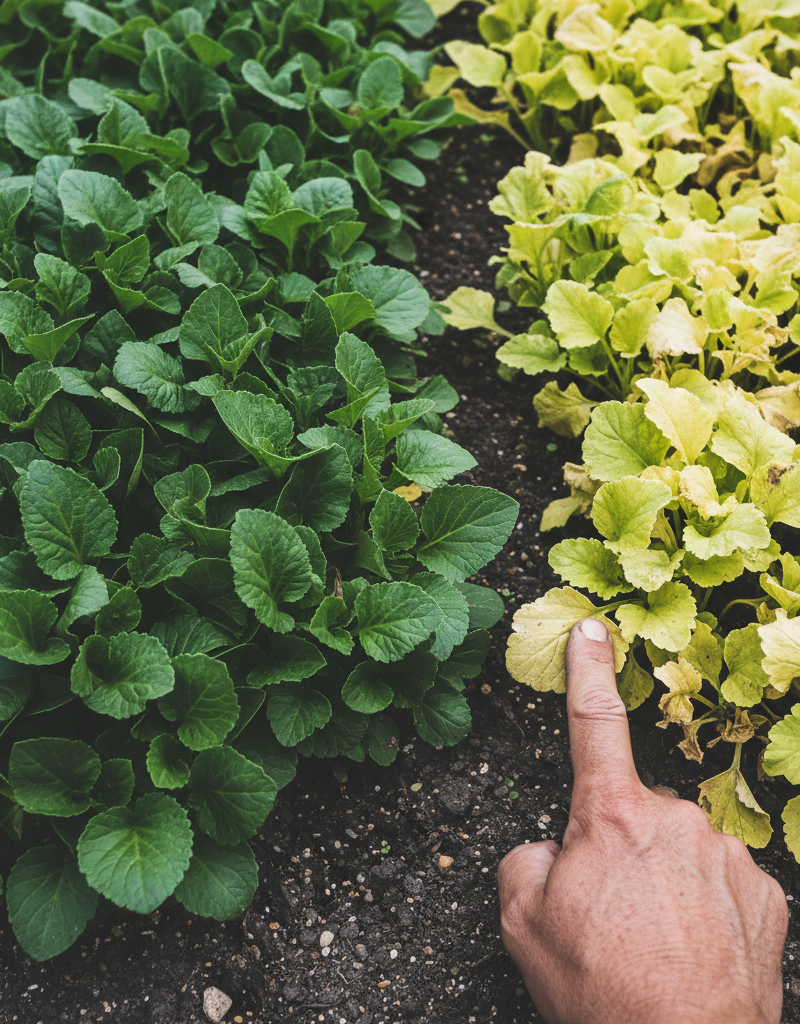
Poor Drainage: This is often what you see after serious compaction, especially in heavy clay soils. Clay particles are tiny and flat, and when they pack together, there aren't many big pores for water to move through. Water drains so slowly that roots sit in saturated conditions for too long. Without oxygen, root cells drown and rot. Once the roots go bad, the plant can't take up water or nutrients, so you get yellow leaves, weak growth, and a plant that's just hanging on. Now, sandy soil can go the other direction and drain too fast, which leaches nutrients out before roots can grab 'em, but that's a different animal than what we're talking about here.
Bottom line: both compaction and poor drainage mess with the whole life-support system for your plants. You can dump on all the fertilizer you want, but if the roots can't breathe or reach it, you're wasting your time.
Step-by-Step Fix
Fixing compacted soil and poor drainage isn't a one-and-done deal, but it's absolutely something you can handle. Here's how I usually walk folks through it:
-
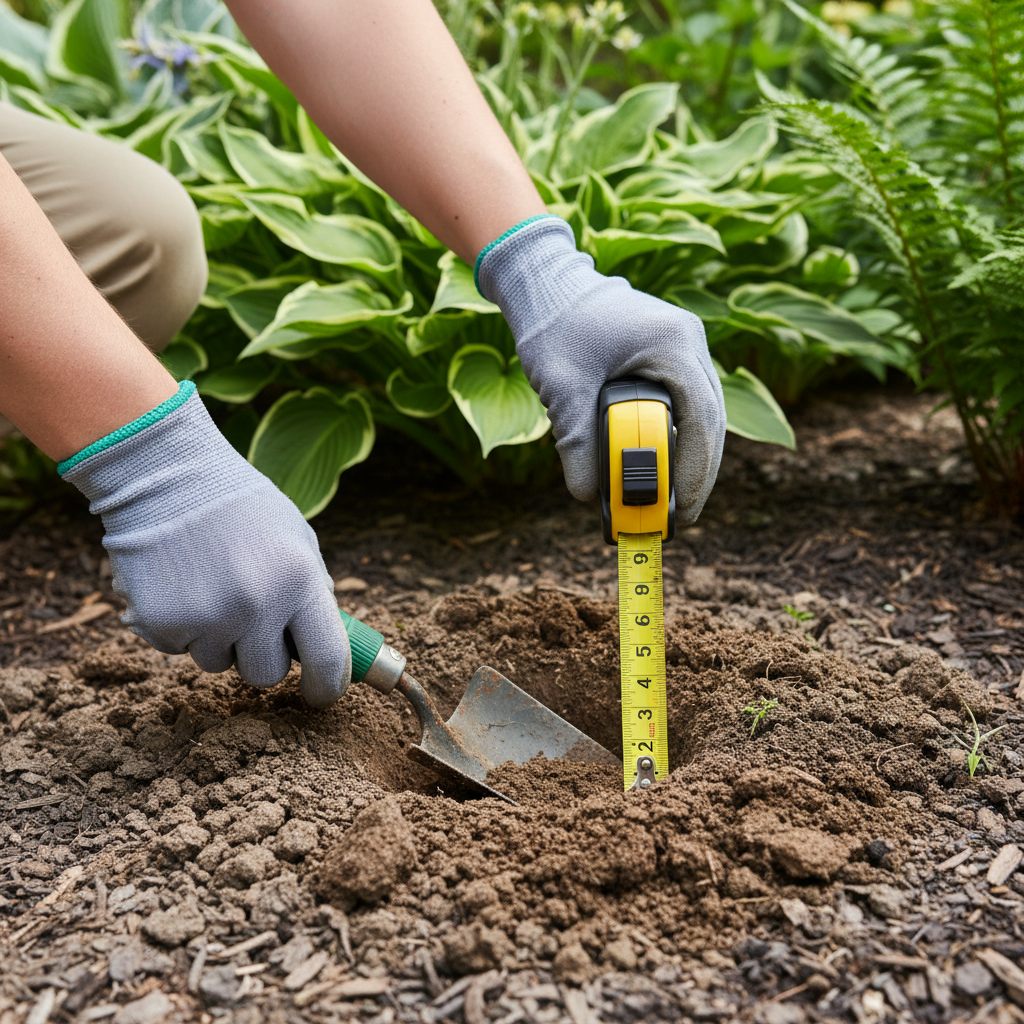
Assess the Problem – Dig a Test Hole:
- Start by digging a small test hole, about 12 inches deep and 12 inches wide, in the affected area. Fill it with water. If the water takes more than 4 hours to drain completely, you've got a drainage problem. If it takes more than 12 hours, it's severe. Pay attention to how hard it is to dig – if you're hitting rock-hard soil at just a few inches, that's your compaction indicator.
- Tools: Shovel, measuring tape, watch/timer.
-
Choose Your Weapon – Aeration Method:
- For small garden beds or localized spots, a garden fork is your best friend. For larger lawn areas, a core aerator (you can rent one) is way more efficient. Don't mess with spike aerators for bad compaction; they just shove the soil around and make things worse over time.
- Safety First: Before you start digging or aerating, always call 811 to have underground utilities marked. You don't want to hit a gas line or an electrical conduit – that's a nightmare.
-
Aerate the Soil – Get Some Air In There:
- With a Garden Fork: Push the tines of the fork into the soil as deep as they'll go, about 6-8 inches. Rock it back and forth to make small channels. Keep going every 6-12 inches across the affected area. It's hard work, but it'll get it done for a small space. I pulled a water heater in Frisco last month that had exactly this kind of nasty, rock-hard soil around a side bed—same deal, couldn't get a shovel in clean without leaning on it. Took a while, but the plants came around once we opened things up.
- With a Core Aerator: If you're using a rented core aerator, make sure the soil is slightly moist – not waterlogged, not bone dry. You want those tines to pull out plugs of soil cleanly. Make at least two passes over the area, ideally in perpendicular directions, to get solid coverage. The idea is to pull out 2-3 inch long soil cores and leave behind thousands of little holes.
-
Incorporate Organic Matter – Feed Your Soil:
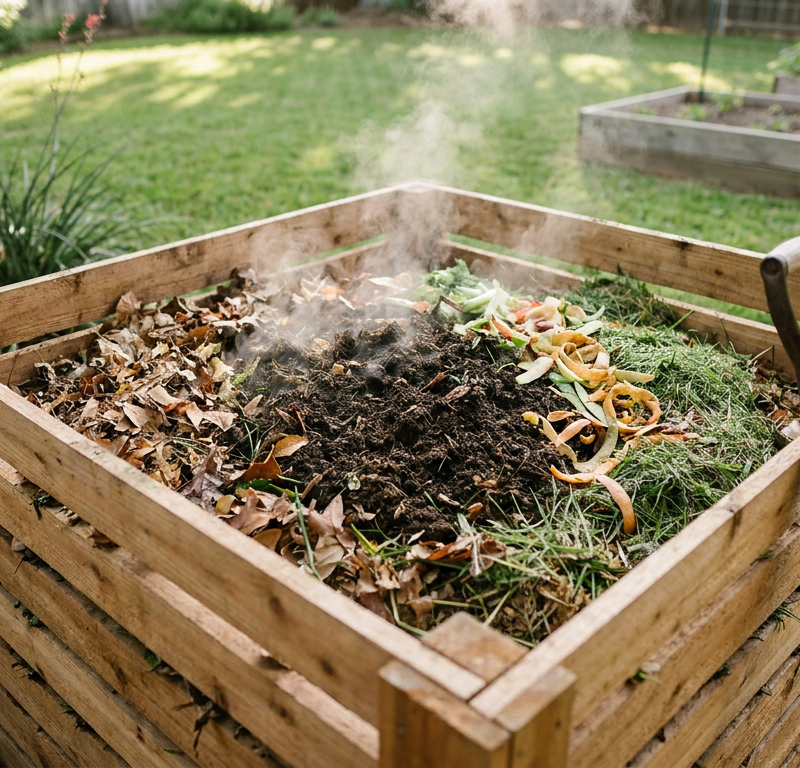
- This is the real fix, not just a band-aid. Once you've aerated, spread a 2-4 inch layer of high-quality organic matter over the whole area. That could be compost, well-rotted manure, shredded leaves, or a mix. It won't just sit there; it'll work down into those holes and loosened spots.
- Why It Works: Organic matter acts like a sponge. It helps sandy soils hold water better and helps clay soils drain and structure up better. It also feeds beneficial microbes, and those microbes help build stable soil aggregates so the ground doesn't pack back down so fast.
-
Work It In (Carefully) – Don't Re-compact:
- For garden beds, gently fork or till the organic matter into the top 6-8 inches of soil. Don't go nuts with the tiller, because that can wreck soil structure. You're mixing it in, not turning it into powder. For lawns, just leave the organic matter (like fine compost or composted manure) on top, and rain and watering will work it down over time.
-
Mulch the Surface – Protect and Nurture:
- Once you've amended the soil, put down a 2-3 inch layer of organic mulch (wood chips, straw, shredded leaves) over garden beds. Mulch holds moisture, evens out soil temperature, knocks weeds back, and as it breaks down, it keeps feeding the soil. Keep it a few inches away from plant stems so you don't invite rot.
-
Water Wisely – Deep and Infrequent:
- After all that work, don't ruin it with bad watering. Water deeply and infrequently so roots grow downward chasing moisture. Shallow, frequent watering keeps roots near the surface, and that makes them more vulnerable to drought and compaction all over again.
-
Consider Raised Beds or Berms – The Nuclear Option (Sometimes):
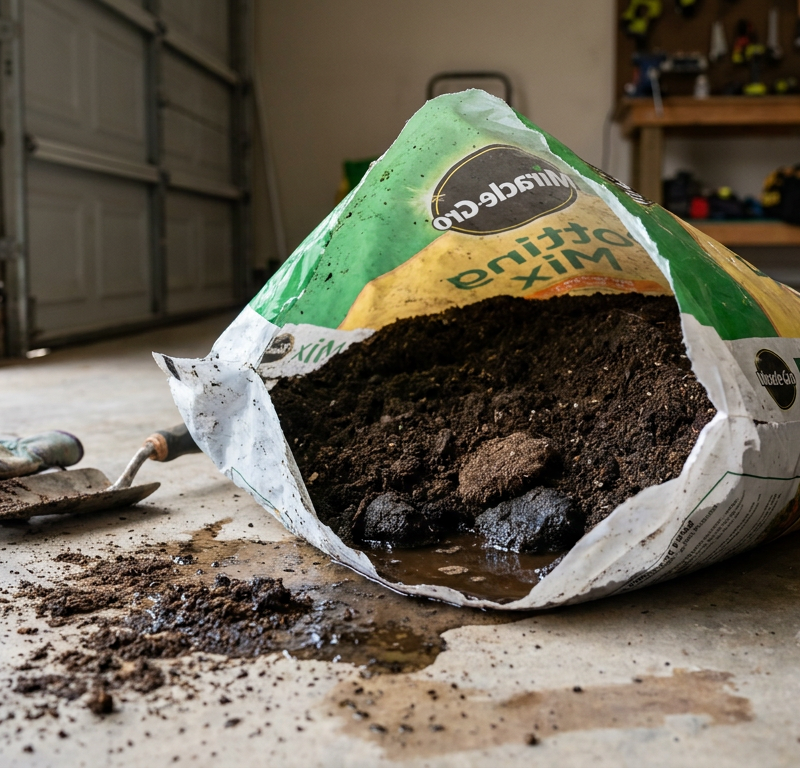
- If you're dealing with ugly, heavy clay that just won't drain, even after a few rounds of amendments, a raised garden bed might be the move. Fill it with a quality soil mix. For landscape areas, building berms (mounds of soil) can help shed water away from trouble spots. It's a bigger job, sure, but sometimes you just gotta do what you gotta do.
Common Causes
- Heavy Clay Soil: Naturally dense, clay particles can pack together tight and drain slow. If your soil feels sticky when wet and you can roll it into a ribbon, you've probably got a lot of clay in there.
- Construction Traffic: Heavy machinery rolling over your yard during home construction is a classic compactor. It can leave behind "pans" of tight soil that are tough to break up.
- Foot Traffic: Walking, playing, moving stuff around in the same spots over and over—especially when the ground is wet—squeezes the soil down bit by bit.
- Tilling Wet Soil: Working soil when it's too wet wrecks its structure, breaks down aggregates, and leaves you with compaction once it dries.
- Lack of Organic Matter: Soil with low organic content doesn't have enough of that natural "glue" to hold stable aggregates together, so it compacts easier and drains worse.
- Excessive Chemical Fertilizers: Leaning too hard on synthetic fertilizers without enough organic matter can wear soil structure down over time, though that's less of a direct compaction cause and more of a soil-health slow burn.
Common Mistakes
- Ignoring the Problem: Hoping it'll sort itself out or trying to fertilizer your way through it. Fertilizer doesn't fix structure. It just feeds plants that are already struggling in bad soil.
- Spike Aeration: Using those spike shoes or a simple spike aerator. They don't remove soil; they just shove it down tighter around the holes. You need a core aerator that pulls plugs.
- Working Wet Soil: Tilling or digging when the soil's waterlogged. That tears up the structure and can make compaction worse once everything dries.
- Not Adding Organic Matter: Aeration helps right now, but without compost or other organic material, the soil's going to compact again. Organic matter is the long game.
- Surface Watering: Light, frequent watering keeps roots shallow and doesn't push them past compacted layers. Deep, infrequent watering is the trick.
- Too Much Mulch Against Stems: Mulch is great, but piling it against tree bases or plant stems traps moisture and can lead to rot and pest problems. Leave a 2-3 inch gap.
Cost & Time Breakdown
| Task | DIY Cost | Pro Cost | Time (DIY) |
|---|---|---|---|
| Soil Test Hole (DIY) | $0 | $0 (part of assessment) | 15-30 minutes |
| Garden Fork Aeration (small bed) | $20–$50 (fork) | N/A | 1–2 hours |
| Core Aerator Rental (lawn) | $70–$150 (half-day) | $150–$400+ | 2–4 hours |
| Compost/Organic Matter (per yard) | $30–$60 | Included in service | 1–3 hours |
| Mulch Application (per yard) | $30–$50 | Included in service | 1–2 hours |
| Professional Soil Amendment Service | N/A | $500–$2,000+ | 1-2 days |
Tips & Prevention
- Top-Dress Annually: For lawns and garden beds, spread a thin (1/2 to 1 inch) layer of compost once a year. It'll slowly improve soil structure and feed the ground. It's like giving your soil a slow, steady IV drip of goodness.
- Use Mulch: Keep a 2-4 inch layer of organic mulch in garden beds. It protects against erosion, regulates temperature, holds moisture, and adds organic matter as it breaks down.
- Avoid Walking on Wet Soil: Try not to tromp around on garden beds and lawns when the soil is soaked. That's when compaction happens easiest.
- Rotate Foot Traffic: If you've got high-traffic spots, put in stepping stones or make real paths so the abuse gets spread around.
- Break Up Hard Pans: If you find a hard compacted layer—people call it a "hardpan"—at a certain depth, you may need a broadfork or subsoiling tools to break it up before you amend anything.
- Choose Right Plants: Pick plants that can handle your soil conditions, especially if you're stuck with heavy clay that won't clean up fast. Some plants can take a little rough drainage and still perform.
- Get a Soil Test: Every few years, get a professional soil test. It'll tell you your soil type, pH, and nutrient levels, which helps you fine-tune your amendment plan. It's usually about $20-$40, and the payoff is real.
When to Call a Professional
Look, I'm all for DIY, but there are times when it's smarter to bring in a pro. If your whole lawn stays waterlogged year after year and simple aeration and composting aren't doing the trick, you might have a bigger subsurface drainage issue that needs professional assessment and maybe French drains or grading. If you're dealing with a new build and you suspect heavy construction-related compaction over large areas, a landscape contractor with the right equipment might need to rip or deep-till and amend the soil the right way. Don't drag your feet if the problem is widespread, keeps coming back, or is bigger than your tools and back can handle – a pro can save you a pile of frustration and wasted effort down the road.
Related Articles
Keep troubleshooting with these hand-picked guides from FixlyGuide:
- Why Your Lawn's Still Yellow After Fertilizing (And What to Do Tonight) — If you've fed your lawn and it's still looking pale, you're likely dealing with a pH imbalance or compacted soil, preventing nutrient absor…
- The #1 Mistake Killing Your Lawn's Thickness (and How to Fix It in a Weekend) — Overseeding a thin lawn revitalizes its density and health, but many homeowners make a crucial mistake that hinders success. Learn the righ…
- The #1 Mistake Killing Your Garden (And 5 Permanent Weed Fixes) — Discover the secret to truly permanent weed removal and stop making the common mistake that allows weeds to relentlessly return, reclaiming…
- The #1 Lawn Aeration Mistake Most Homeowners Make (And When to REALLY Do It) — Discover the crucial mistake many homeowners make with lawn aeration and learn the optimal timing to ensure a lush, healthy lawn.
- The #1 Lawn Aeration Mistake Most Homeowners Make (And How to Time It Right) — Timing your lawn aeration correctly is crucial for maximizing its benefits and ensuring a healthier, more resilient lawn.
- The Secret Culprit Behind Your Dishwasher's Standing Water (It's Not Always a Clog) — Discover why your dishwasher isn't draining completely and follow our step-by-step guide to identify and fix common issues, often without a…
Should you do this yourself?
Answer five quick questions before you start. Safety outranks savings every time.
Your experience with work like this
How high do you have to work?
Does the job involve any of these?
Will it need a permit?
Specialty tools
Free and instant. Educational guidance only — not a quote, inspection, or professional diagnosis.
What should this project cost?
Enter your project details for a realistic cost range before you call anyone.
Common repairs run $150–$650; repipes and water-heater replacements reach $1,500–$4,500.
- Regional adjustment
- National average
- Labor share (typical)
- ~$754
- Quotes to collect
- 3 written estimates
Educational estimate based on national averages — not a binding quote. Always confirm with written local estimates.
Fixly Project Decision Box
- DIY difficulty
- Moderate
- Estimated time
- 30 minutes – half a day
- Cost level
- Moderate
Main tools / materials
- Adjustable wrench
- Plunger or drain auger
- Bucket and towels
- Thread tape
When to stop and call a pro
- Water you cannot shut off at the fixture or main
- Sewage backing up into more than one fixture
- Water near electrical panels or outlets
- Gas water heater work beyond relighting a pilot
Need professional help?
Get a Licensed PlumberGet the print-ready PDF of this guide
A clean, ad-free, printable version you can keep on your phone or pin to the workshop wall. Free with a FixlyGuide account.
- Print-optimized layout
- Tools, materials & every step included
- Saved to your account
Frequently asked questions
How do I know if my soil is compacted?+
Dig a 12-inch test hole and fill it with water. If it takes more than 4 hours to drain, you likely have compaction or poor drainage. Also, if digging is very difficult or your shovel hits a hard layer a few inches down, that's a strong indicator.
What's the best way to aerate my lawn?+
For lawns, a core aerator is the most effective tool. It pulls out plugs of soil, creating channels for air and water. Spike aerators, often found on shoes or simple rollers, actually increase compaction by pushing soil particles closer together.
How much organic matter should I add to my garden?+
Aim for a 2-4 inch layer of compost, well-rotted manure, or shredded leaves over garden beds. For lawns, a thinner 1/2 to 1-inch layer of fine compost spread annually is usually sufficient.
Can I over-aerate my soil?+
While it's hard to truly 'over-aerate' in a detrimental way, you don't need to do it constantly. For lawns, aerating once a year, or every other year, is typically enough. In garden beds, aeration is done as needed when amending the soil.
Is tilling good for compacted soil?+
Tilling can temporarily break up compacted soil, but it can also destroy soil structure if done excessively or when the soil is too wet. For long-term improvement, incorporating organic matter after aeration is more beneficial than just tilling alone.
How does mulch help with compacted soil?+
Organic mulch helps in several ways: it protects the soil from compaction caused by heavy rain, moderates soil temperature, conserves moisture, and as it breaks down, it adds valuable organic matter to the soil, improving its structure over time.
My plants look yellow, is it always a drainage problem?+
Not always, but it's a common symptom. Yellowing can indicate nutrient deficiencies (which poor drainage can cause by making nutrients unavailable) or waterlogging. A soil test can help pinpoint exact deficiencies, but checking drainage is a good first step.
What's a hardpan, and how do I fix it?+
A hardpan is a dense, compacted layer of soil that can form below the surface, often from heavy equipment or long-term compaction. It severely restricts root growth and drainage. Breaking it up with a broadfork or a subsoiler (for larger areas) and then incorporating organic matter is the best approach.
How often should I get a soil test?+
I tell folks to get a soil test every 3-5 years. It gives you a good snapshot of what's going on under the surface – pH, nutrient levels, and even soil type – so you're not just guessing what your garden needs.
Can raised beds solve severe drainage issues?+
Absolutely. If you have really stubborn clay or persistent waterlogging, building a raised bed and filling it with a good quality, well-draining soil mix is often the simplest and most effective solution for that specific planting area. It lets you completely bypass the existing problem soil.
Discussion
Loading comments…