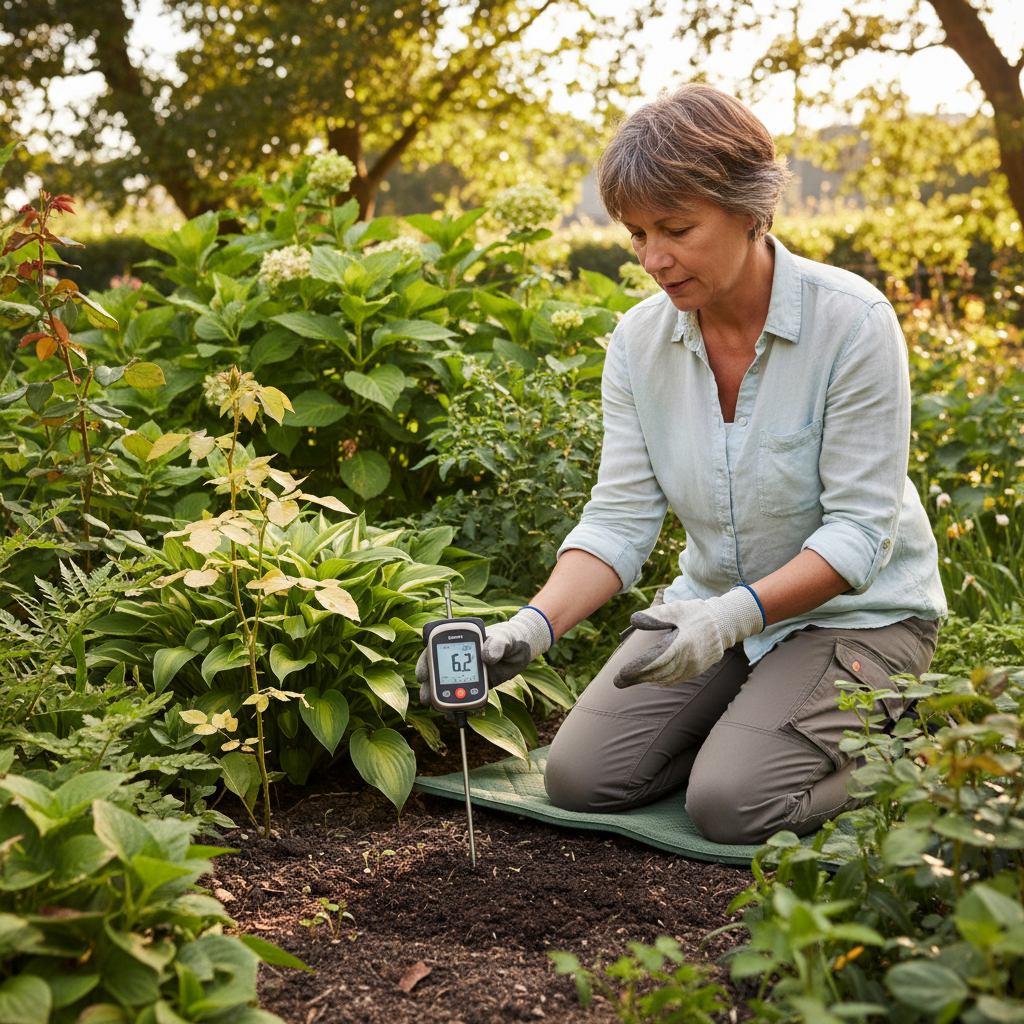
- Test Your Soil Accurately – Start here. Don’t guess. Grab a good soil test kit or send a sample to your local extension office. You’ll want the current pH, and they’ll usually tell you what nutrients you’re working with too.
- Tools: Soil test kit (digital meter or chemical kit) or soil sample bag.
- Tip: Take samples from several spots in the garden, mix them up, and test that blend. You’ll get a better average that way.
Landscaping · Deck or fence project
| Project category | Landscaping |
|---|---|
| Problem type | Deck or fence project |
| Trade required | Landscaping |
| Urgency | Planned project |
| Safety risk | Moderate safety risk |
| DIY suitability | DIY for experienced homeowners |
| Cost category | High cost |
| Typical timeline | Most builds 3–10 days depending on size |
| Contractor type | Landscaping contractor |
Repair option
Replace failed boards, posts, and hardware; reseal the surface.
Replacement option
Rebuild when framing or the ledger connection is unsafe.
Common causes
- Rot at posts and ledger
- Storm damage
- Adding outdoor living space
Relevant tools:home improvement material pricesproject cost estimator
Published September 26, 2026Last updated September 26, 2026
Tools & materials you'll need
Affiliate linksAs an Amazon Associate FixlyGuide earns from qualifying purchases — at no extra cost to you. Prices and availability are accurate as of publication and subject to change.
Quick Answer
I’ve seen this a hundred times. A homeowner calls me up, scratching their head because the hydrangeas look puny or the tomatoes won’t set fruit, even though they’re watering on schedule and feeding ‘em the good stuff. Nine times out of ten, the problem isn’t water. It isn’t fertilizer either. It’s the soil’s pH. Think of pH like the bouncer at the nutrient club—if that guy’s cranky, those nutrients aren’t getting past the rope line.
The Problem
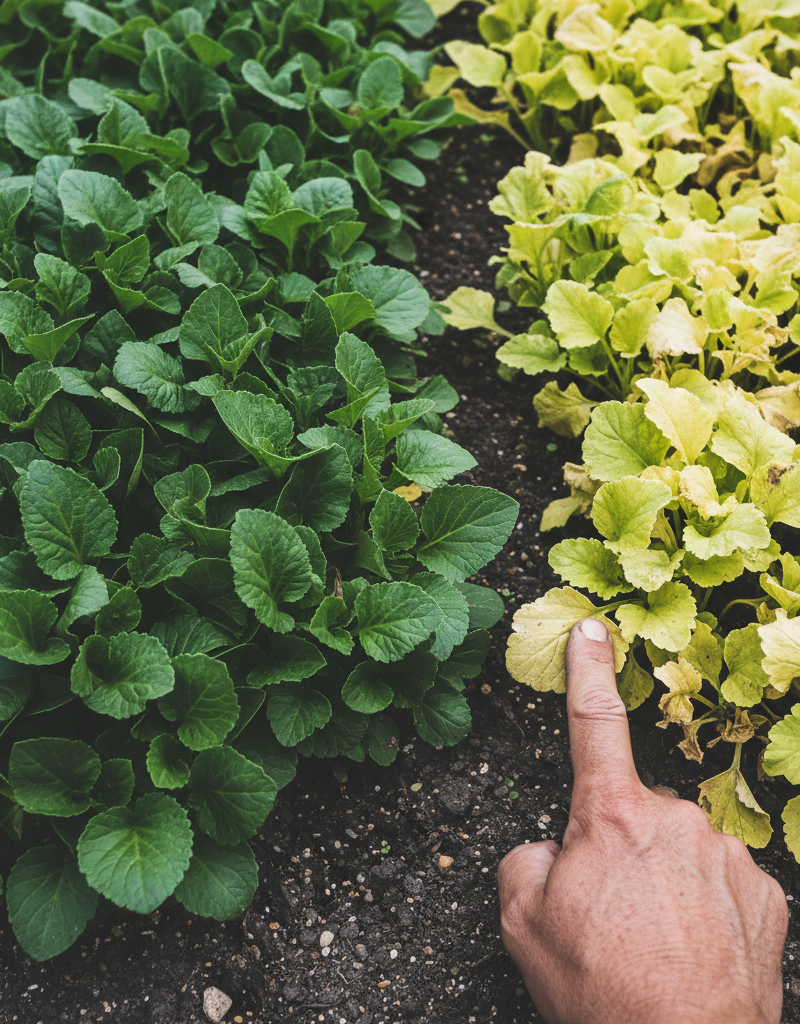
You put real work into a garden. You pick decent plants, you water them like you’re supposed to, and you even grab a fancy fertilizer bag that promises the moon. Still, the plants look… off. They’re stunted, leaves are yellowing or purpling, or they just plain won’t take off. Frustrating, isn’t it? You’re doing all the “right” stuff, but your green thumb starts feeling a little brown around the edges. So what gives?
Well, you might be missing the quiet little troublemaker that’s messing with your soil’s ability to feed the plants: pH. This isn’t about what nutrients are in the dirt. It’s about whether the plant can actually use them. I pulled up to a place in Maplewood last spring where the owner swore it was a watering issue. Quick soil test, a little talking, and sure enough—the pH was way off. No dice on the watering theory. The chemistry was the real culprit.
How It Works
Alright, let’s talk chemistry, but I’ll keep it on the job-site level.
Soil pH is a measure of how acidic or alkaline (basic) your soil is, on a scale of 0 to 14. A pH of 7 is neutral. Below 7, it’s acidic. Above 7, it’s alkaline. Plants need nutrients the same way you need vitamins. Those nutrients are sitting there in the soil water, waiting to be absorbed by roots. But here’s the catch—each nutrient has a sweet spot where it’s most available.
For most garden plants, that sweet spot is generally between 6.0 and 7.0, which is slightly acidic to neutral. Step outside that range and even if the nutrient is present, its chemical form can change and become hard—or impossible—for roots to grab. It’s like having a fridge full of food and the handle’s jammed. Everything’s in there, but you still can’t get to supper.
In highly acidic soil, say below 5.5, key nutrients like phosphorus, calcium, and magnesium get locked up. In highly alkaline soil, above 7.5, iron, manganese, and zinc get less available. That’s how you end up with yellow leaves, weak growth, lousy flowering, and sometimes a dead plant, all while you’re out there fertilizing like it ought to fix itself. It won’t. You’re throwing good money after bad if the pH is out of whack. The whole game is making the nutrients usable.
Step-by-Step Fix
Here’s how I handle a pH problem. It ain’t rocket science, but it does take a little patience and some decent measuring.
-
Test Your Soil Accurately – Start here. Don’t guess. Grab a good soil test kit or send a sample to your local extension office. You’ll want the current pH, and they’ll usually tell you what nutrients you’re working with too.
- Tools: Soil test kit (digital meter or chemical kit) or soil sample bag.
- Tip: Take samples from several spots in the garden, mix them up, and test that blend. You’ll get a better average that way.
-
Understand Your Target pH – Different plants want different numbers. Most vegetables and flowers like 6.0-7.0. Acid-lovers like blueberries and azaleas want 4.5-5.5. Know what you’ve got in the ground before you start throwing amendments around.
- Resource: A quick online search for "[plant name] preferred pH" usually gets you there fast.
-
Adjusting Acidic Soil (Raising pH) – If your soil is too acidic (below 6.0), you’ll need a liming agent. Ground agricultural limestone (calcium carbonate) is the usual pick.
- Material: Granular limestone or hydrated lime (use with caution).
- Application: For a sandy loam soil, adding about 5 pounds of granular limestone per 100 square feet can raise the pH by roughly 0.5 to 1.0 point. Spread it evenly over the surface.
- Safety: Wear gloves and a dust mask when handling lime. It can irritate skin and lungs, and it’s not something you want blowing back in your face.
-
Adjusting Alkaline Soil (Lowering pH) – If your soil is too alkaline (above 7.0), you’ll need an acidifying agent. Elemental sulfur is my go-to.
- Material: Elemental sulfur or ammonium sulfate (for a quicker but temporary effect).
- Application: For a sandy loam soil, applying about 1-2 pounds of elemental sulfur per 100 square feet can lower the pH by roughly 0.5 to 1.0 point. Don’t overdo it—you can always add more later.
- Caution: Lowering pH takes time. Sulfur depends on soil microbes to convert it, so it can take several months. Don’t dump a big pile on all at once or you can shock the plants.
-
Incorporate and Water – Lightly rake the amendment into the top few inches of soil. Then water it in thoroughly. That gets the material moving into the soil profile instead of just sitting on top doing nothing.
- Tool: Garden rake.
- Timing: I usually tell folks to do this in the fall or early spring so the amendments have time to work before the main growing season kicks in.
-
Re-test and Repeat (If Necessary) – Don’t expect magic overnight. Re-test your soil after 3-6 months to see how much the pH has shifted. You might need another smaller application. Patience matters here.
Common Causes
So why does soil pH get sideways in the first place? Usually it’s a mix of a few things:
- Native Soil Conditions: Around here, some spots naturally run acidic because rainfall leaches out the basic minerals. Other places—especially drier regions—can start out alkaline because of high mineral content.
- Watering Habits: Long-term use of tap water that’s either very hard (alkaline) or soft (acidic) can slowly shift your garden’s pH over the years.
- Fertilizer Runoff: Constant use of certain fertilizers, especially ones high in ammonium, can acidify soil over time.
- Organic Matter Breakdown: As organic matter decomposes, it releases organic acids, which can gently lower pH. Usually that’s helpful, but if your soil’s already acidic, it can push things the wrong way.
- Previous Amendments: Sometimes somebody’s added too much of one thing—peat moss is a big one because it’s acidic—or not enough of another, and the long-term pH gets thrown off.
Common Mistakes
I’ve seen some real head-scratchers over the years. Here’s what you don’t want to do:
- Skipping the Soil Test: This is the big one. You can’t fix what you don’t measure. Guessing usually makes the mess worse.
- Over-Applying Amendments: Thinking “more is better” with lime or sulfur is a fast way to hurt your plants. Smaller adjustments are safer and work better. You can always add a little more; you can’t easily take it back out.
- Expecting Instant Results: Soil chemistry changes slow. Don’t test after a week and call it a failure. Give it a few months, especially with sulfur.
- Ignoring Plant Needs: Not all plants like the same pH. What’s perfect for an azalea will be rough on a tomato.
- Using the Wrong Material: Don’t grab just any bag of “lime” or “sulfur.” Make sure it’s agricultural grade for soil use. Quicklime or hydrated lime can be nasty stuff, and DIYers can get burned using the wrong product.
Cost & Time Breakdown
Here’s a rough idea of what you’re looking at for this kind of work. Keep in mind, these are averages—your mileage may vary depending on how big your garden is and how much you need to adjust.
| Task | DIY cost | Pro cost | Time |
|---|---|---|---|
| Soil pH Test Kit | $15–$30 | (Included) | 15–30 minutes |
| Professional Soil Test | N/A | $30–$80 | 1-2 weeks wait |
| Limestone (50lb bag) | $10–$25 | (Material cost) | 10–20 minutes |
| Elemental Sulfur (25lb bag) | $20–$40 | (Material cost) | 10–20 minutes |
| Application Labor (DIY) | $0 | $100–$300+ | 30-60 minutes |
| Total for small garden | $25–$70 | $150–$400+ | 1-2 hours |
Tips & Prevention
Once you get your pH into the sweet spot, here’s how I’d keep it there and save yourself some future grief:
- Regular Testing: Aim to test your garden soil every 2-3 years. It’s like a check-up for the dirt. If something starts acting weird, test sooner.
- Embrace Organic Matter: Keep adding compost and other organic material. It buffers the soil, helps stabilize pH, and makes the whole bed more forgiving.
- Choose Amendments Wisely: If you’re using fertilizers regularly, pick ones with balanced pH effects. Some of them, like I mentioned earlier, can push the soil acidic over time. Your local nursery can usually point you in the right direction.
- Know Your Water: If your water is extremely hard or soft, that can gradually shift soil pH. Not much you can do without special filters, but at least you know what you’re dealing with.
- Mulch, Mulch, Mulch: A good layer of organic mulch—wood chips, shredded leaves, that sort of thing—not only holds moisture and knocks back weeds, it also helps keep the soil pH steadier as it breaks down.
When to Call a Professional
Look, I’m all for DIY, but sometimes you’ve gotta know when to call in the cavalry. If you’ve tested the soil, applied amendments, and after several months the plants are still struggling, or if your pH is extremely high (above 8.0) or extremely low (below 4.5), you might be dealing with something more complicated. A professional landscaper or soil scientist can bring in more advanced solutions, like specialized chemical treatments, or even steer you toward raised beds if your native soil is just too stubborn to fix.
They can also sort out other problems that look like pH trouble but aren’t. Don’t beat yourself up over it—some soil situations are just plain rough, and a pro’s got the tools and experience to handle them safely and get it done right.
Related Articles
Keep troubleshooting with these hand-picked guides from FixlyGuide:
- The One Soil Secret Killing Your Garden (It Ain't Fertilizer) — Poor drainage and compacted soil can suffocate plant roots, leading to stunted growth, disease, and nutrient deficiencies. I'll show you ho…
- The Nitrogen Trap: Why Your Plants Go Pale (Even After Fertilizing) — If your plants are looking pale, yellow, or stunted despite your best fertilizing efforts, you might be caught in the nitrogen trap – where…
- Why Your Lawn's Still Yellow After Fertilizing (And What to Do Tonight) — If you've fed your lawn and it's still looking pale, you're likely dealing with a pH imbalance or compacted soil, preventing nutrient absor…
- Why Your Yard Stays Soggy (And When That Standing Water Means Big Trouble) — Persistent standing water in your yard can harm plants, damage your home’s foundation, and signal deeper drainage problems that require pro…
- The #1 Mistake Killing Your Summer Lawn (And How to Fix It in a Weekend) — Overwatering is the silent killer behind many yellow summer lawns, often mistaken for drought. Learn how to diagnose and correct drainage i…
- The Surprising Reason Your Dishwasher Won't Start (It's Not Always the Door) — Don't rush to call a repairman when your dishwasher refuses to start; often, the culprit is a simple, overlooked issue you can fix yourself…
What should this project cost?
Enter your project details for a realistic cost range before you call anyone.
Cost depends heavily on which system turns out to be the source.
- Regional adjustment
- National average
- Labor share (typical)
- ~$1,620
- Quotes to collect
- 3 written estimates
Educational estimate based on national averages — not a binding quote. Always confirm with written local estimates.
Get the print-ready PDF of this guide
A clean, ad-free, printable version you can keep on your phone or pin to the workshop wall. Free with a FixlyGuide account.
- Print-optimized layout
- Tools, materials & every step included
- Saved to your account
Frequently asked questions
How often should I test my soil pH?+
I tell most homeowners to test their garden soil every 2-3 years. If you've just made a big adjustment, retest after 3-6 months to check your progress. It's like a routine check-up for your garden's health.
Can I use household items to change soil pH?+
You can, but I don't recommend it for anything beyond a tiny container plant. Things like vinegar for lowering pH or baking soda for raising it are very short-lived and hard to control in a garden bed. Stick to agricultural lime or sulfur for reliable, lasting results.
How long does it take for soil pH to change after adding amendments?+
Patience is key here. Limestone (to raise pH) usually starts working in a few weeks but can take months for the full effect. Elemental sulfur (to lower pH) can take even longer, often 3-6 months, because soil microbes need time to process it. Don't retest too soon.
What's the ideal pH range for most garden plants?+
For most common vegetables and flowers, a pH between 6.0 and 7.0 is ideal. This slightly acidic to neutral range ensures the best availability of essential nutrients. Some plants, like blueberries, prefer much more acidic soil.
Will adding compost fix my soil pH problems?+
Compost is fantastic for soil health, and it acts as a buffer, helping to stabilize pH. While it can nudge the pH a bit in the right direction, it's usually not strong enough on its own to correct major imbalances. Think of it as a maintenance tool, not a primary corrective amendment.
My soil is very alkaline. Can I grow acid-loving plants?+
It's tough, but not impossible. You'll need to continuously amend the soil with acidifying materials like elemental sulfur or peat moss. For truly acid-loving plants, I often recommend growing them in raised beds or containers filled with an acidic soil mix, as it's easier to control the pH in a confined space.
What happens if my soil pH is too far off?+
If the pH is too high or too low, essential nutrients become 'locked up' and unavailable to your plants, even if they're present in the soil. This leads to nutrient deficiencies, causing stunted growth, yellowing leaves, poor flowering, and overall plant failure.
Is it possible to over-correct my soil pH?+
Absolutely! That's why I always preach testing and making gradual adjustments. Adding too much lime can make your soil too alkaline, and too much sulfur can make it too acidic. Over-correction can create a whole new set of nutrient problems that are just as bad, if not worse, than your original issue.
What are the signs of a pH problem in plants?+
Signs vary depending on the specific nutrient deficiency caused by the pH imbalance. Generally, you'll see stunted growth, yellowing leaves (chlorosis), purpling foliage, or overall poor plant vigor, even when you're watering and fertilizing correctly. These symptoms often mimic other problems, which is why testing is crucial.
Can I get my soil tested professionally?+
Yes, and I often recommend it, especially if you're serious about your garden or have persistent issues. Your local university extension office usually offers affordable, comprehensive soil testing services. They'll give you a detailed report and specific recommendations for your area.
Discussion
Loading comments…