- Cool-season grass: Pair aeration with overseeding in the fall for best results. Use appropriate seed varieties for your climate.
- Warm-season grass: Overseeding is less common but can be done in late spring/early summer. Often, warm-season grasses self-repair well.
- Watering: Water lightly and frequently after seeding to keep the top inch of soil moist, encouraging germination.
Landscaping · Deck or fence project
| Project category | Landscaping |
|---|---|
| Problem type | Deck or fence project |
| Trade required | Landscaping |
| Urgency | Planned project |
| Safety risk | Moderate safety risk |
| DIY suitability | DIY for experienced homeowners |
| Cost category | High cost |
| Typical timeline | Most builds 3–10 days depending on size |
| Contractor type | Landscaping contractor |
Repair option
Replace failed boards, posts, and hardware; reseal the surface.
Replacement option
Rebuild when framing or the ledger connection is unsafe.
Common causes
- Rot at posts and ledger
- Storm damage
- Adding outdoor living space
Relevant tools:home improvement material pricesproject cost estimator
Published June 1, 2026Last updated August 17, 2026
Tools & materials you'll need
Affiliate linksAs an Amazon Associate FixlyGuide earns from qualifying purchases — at no extra cost to you. Prices and availability are accurate as of publication and subject to change.
Quick Answer
The best time to aerate your lawn is during its peak growing season when it can recover quickly. For cool-season grasses, this is typically early spring (March-April) or early fall (September-October) before the first hard frost. For warm-season grasses, late spring (April-May) or early summer (June) is ideal, after the risk of frost has passed and temperatures are consistently warm. Aerating outside these windows, such as during dormant periods or extreme heat, can stress your lawn, open it to weed invasion, and hinder its ability to recover and thrive.
The Problem
Many homeowners understand that lawn aeration is beneficial, but the exact timing often trips them up. They might aerate when the lawn is dormant, under heat stress, or just before a cold snap, thinking any aeration is good aeration. This common mistake can lead to more harm than good, as it exposes the lawn to further stress, weed competition, and slow recovery. An improperly timed aeration can negate the very benefits it's supposed to provide, leaving you with a patchy, unhealthy lawn rather than a lush, vibrant one.
Compact soil is a silent killer of healthy lawns. Over time, foot traffic, heavy equipment, and even rainfall can compress the soil particles, reducing the pore space essential for air, water, and nutrient movement. When soil becomes too dense, grass roots struggle to penetrate, leading to shallow root systems that are less resilient to drought and disease. Water pools on the surface or runs off, nutrients don't reach the roots effectively, and essential oxygen is starved from the soil microbes that support a healthy ecosystem. This results in a weak, thinning lawn prone to moss, weeds, and disease, characterized by poor growth and an overall lackluster appearance, despite efforts in watering and fertilizing.
How It Works
Lawn aeration is the process of creating small holes in the soil, usually by removing plugs of soil (core aeration) or by punching holes (spike aeration). Core aeration is generally preferred by experts because it removes soil, creating channels for air, water, and nutrients to penetrate deeper into the root zone. When these plugs are pulled, they decompress the surrounding soil and deposit organic matter back onto the lawn surface as they break down.
Cool-season grasses, such as fescues, perennial ryegrass, and Kentucky bluegrass, thrive in cooler temperatures, typically between 60-75°F (15-24°C). Their most vigorous growth periods are spring and fall. Aerating during these times allows the grass to quickly heal any minor damage from the aeration process and take full advantage of the improved soil conditions. Roots can immediately expand into the newly created spaces, absorbing water and nutrients more efficiently. The soil microbes also become more active, breaking down organic matter and releasing nutrients.
Warm-season grasses, including Bermuda, Zoysia, St. Augustine, and centipede grass, prefer higher temperatures, generally between 75-90°F (24-32°C). Their active growth phase spans from late spring through late summer. Aerating during this period ensures they have the energy and conditions to rapidly recover and fill in the aerated areas. Attempting to aerate cool-season grasses during their summer dormancy (when temperatures are hot) or warm-season grasses during their winter dormancy (when temperatures are cold) can severely stress the plants, making them vulnerable to disease, pests, and competition from weeds.
The aeration process itself temporarily disrupts the turf, but the benefits far outweigh this brief disturbance. By improving soil structure, aeration encourages deeper root growth, enhances water infiltration, reduces puddling, and allows fertilizers to work more effectively. It also helps break down thatch, a layer of dead and living organic matter that accumulates between the soil surface and the green grass blades, which can prevent water and nutrients from reaching the roots. Properly timed aeration capitalizes on the grass's natural healing capabilities, ensuring a swift recovery and maximized long-term health.
Step-by-Step Fix
Step 1: Determine Your Grass Type – Warm-season vs. cool-season dictates timing
Before you do anything, identify whether you have cool-season or warm-season grass. This is the single most important factor for aeration timing. Common cool-season grasses include Kentucky Bluegrass, Fescue (tall, fine), and Perennial Ryegrass. Common warm-season grasses include Bermuda, Zoysia, St. Augustine, and Centipede. If you're unsure, consult a local university extension office or a reputable nursery.
- If you have cool-season grass: Aim for early spring (March-April, after the last frost but before summer heat) or early fall (September-October, at least 4-6 weeks before the first hard frost). Fall is often preferred as it allows the grass to recover before winter dormancy and provides an ideal window for overseeding.
- If you have warm-season grass: Target late spring (April-May) or early summer (June), once soil temperatures are consistently above 65°F (18°C) and the grass is actively growing and past any frost danger.
Step 2: Check Soil Moisture – Optimal moisture for effective plug removal
Aerating overly dry or waterlogged soil is inefficient and can even damage your equipment. The soil should be moist enough for the aerator tines or spoons to penetrate easily but not so wet that it creates mud or clogs the machine. A good test is to push a screwdriver into the ground. If it goes in easily about 6 inches, the moisture is just right.
- If too dry: Water your lawn thoroughly for a day or two before aeration. Aim for about 1 inch of water penetration.
- If too wet: Wait a day or two for the soil to dry out sufficiently. Aerating mud can compact the soil further or create an uneven surface.
Step 3: Clear the Lawn – Prevent damage and ensure safety
Before starting, walk your lawn and remove any obstacles that could be damaged or interfere with the aerator. This includes toys, garden hoses, pet waste, rocks, and any loose debris. Mark sprinkler heads, invisible dog fences, and shallow utility lines with flags to avoid costly damage.
- Safety Note: Always know the location of underground utilities before digging or operating machinery. Call 811 (in the US) a few days before you plan to aerate to have utilities marked.
Step 4: Choose Your Aeration Equipment – Rent vs. own, core vs. spike
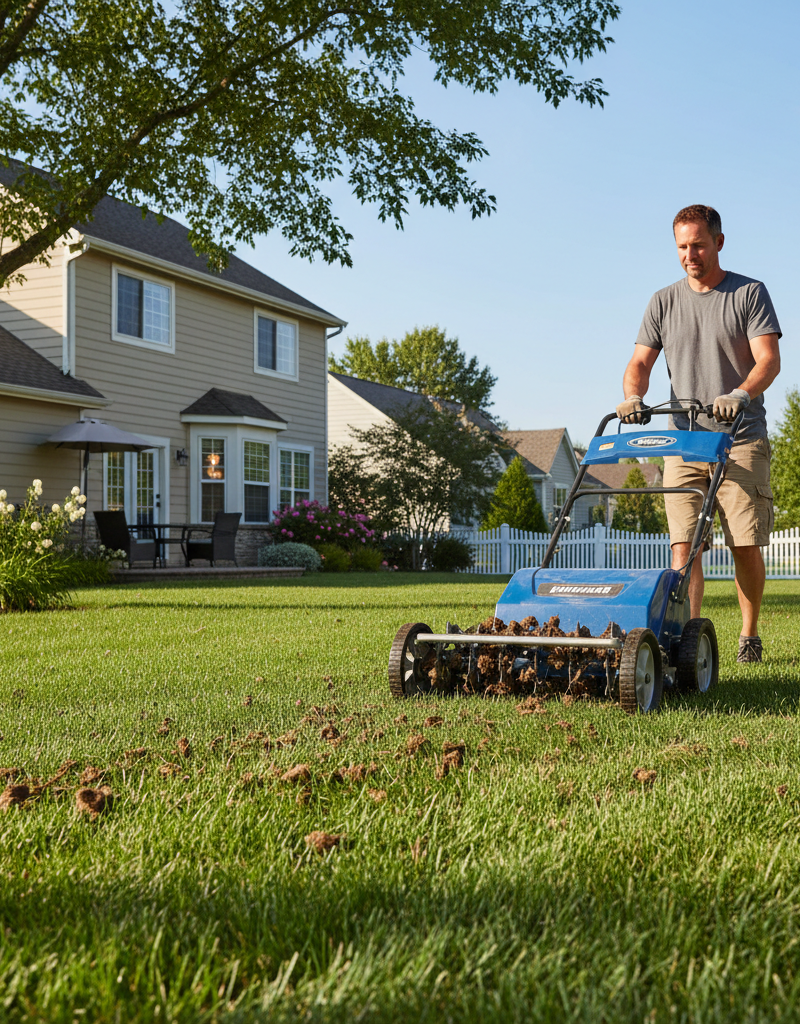
For most homeowners with average-sized lawns, renting a gas-powered core aerator is the most effective option. These machines pull out soil plugs, providing the best results. Manual core aerators are available for small patches or exceptionally stubborn areas. Spike aerators simply push holes into the ground and are less effective at relieving compaction but can be an option if core aerators are unavailable or for very light aeration needs.
- Rental cost: Expect to pay $70-$120 for a half-day rental of a gas-powered core aerator.
- Manual option: If your lawn is small (under 1,000 sq ft) or you're targeting specific compacted spots, a manual core aerator can be a good, inexpensive choice.
Step 5: Aerate the Lawn – Systematic coverage for complete relief
Operate the aerator in a systematic pattern to ensure complete coverage. For moderately compacted lawns, pass over the entire area once. For severely compacted areas or high-traffic zones, make two passes in perpendicular directions (e.g., once north-south, then once east-west). Ensure the aerator is pulling out plugs of soil, ideally 2-3 inches deep and spaced 2-4 inches apart.
- Maintenance: Check the aerator tines periodically to ensure they aren't clogged with soil or roots. Clear any blockages to maintain effective aeration.
- Difficult spots: For extremely compacted areas, consider making a third pass or using a manual aerator to specifically target those sections after the machine has loosened the soil somewhat.
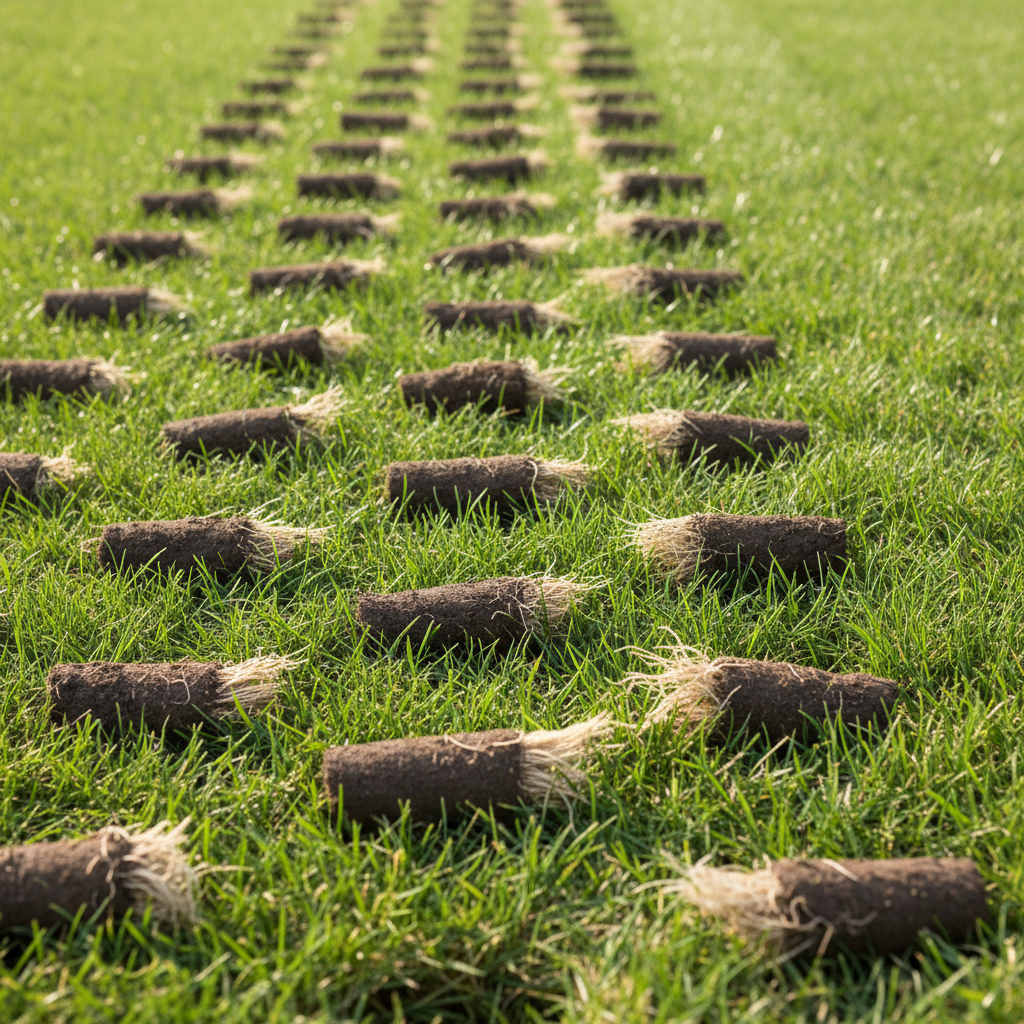
Step 6: Handle the Soil Plugs – Leave them to decompose
Do not remove the soil plugs from your lawn. Let them dry out and naturally break down on the surface. Rain, irrigation, and regular mowing will help them disintegrate, returning beneficial organic matter and microbes to the soil. If they are particularly large or numerous, you can lightly rake them to distribute them more evenly, but typically, nature does the work.
- If they persist: If plugs don't break down after a week or two, you can lightly go over them with a lawnmower on a high setting to help chop them up and redistribute the soil.
Step 7: Overseed and Fertilize (Optional but Recommended) – Boost recovery and density
Immediately after aeration is the absolute best time to overseed and fertilize your lawn. The holes created by the aerator provide ideal channels for grass seed to reach the soil, significantly increasing the germination rate compared to broadcasting seed on compacted ground. Apply a high-quality grass seed appropriate for your region and a 'starter' or slow-release fertilizer rich in phosphorus to encourage root development.
- Cool-season grass: Pair aeration with overseeding in the fall for best results. Use appropriate seed varieties for your climate.
- Warm-season grass: Overseeding is less common but can be done in late spring/early summer. Often, warm-season grasses self-repair well.
- Watering: Water lightly and frequently after seeding to keep the top inch of soil moist, encouraging germination.
Step 8: Water Thoroughly – Hydrate and settle the soil
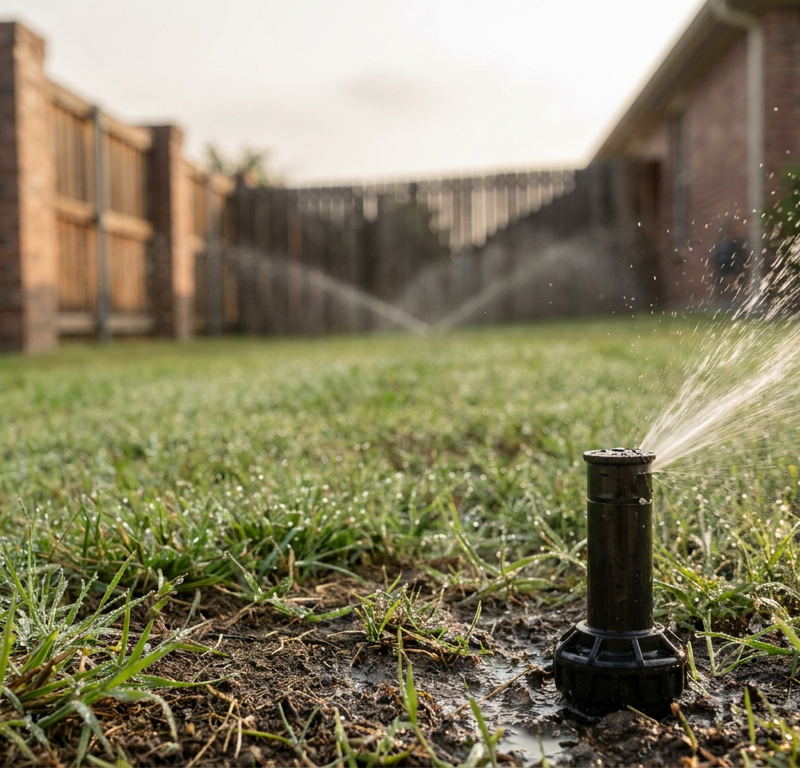
After aeration (and optional overseeding/fertilizing), water your lawn deeply. This helps to settle the soil around the newly created holes and ensures any applied seed and fertilizer begin to penetrate the root zone. Continue regular watering, especially if you've overseeded, to support recovery and new growth.
- Avoid overwatering: While deep watering is good, avoid saturating the lawn to the point of standing water, which can reverse some benefits of aeration.
Common Causes
- Heavy Foot Traffic: Areas like pathways, play areas, or dog runs experience significant compaction due to repeated pressure. This is particularly noticeable in high-use sections of lawns.
- Heavy Machinery: Construction equipment, routine use of heavy lawnmowers, or vehicles driven onto the lawn can compress the soil significantly, especially when the ground is wet.
- Clay Soil: Soils with a high clay content are naturally more prone to compaction than sandy soils. Clay particles are very small and pack together tightly, reducing pore space.
- New Construction: After a house is built, the topsoil is often stripped or heavily compacted by construction vehicles, leading to poor drainage and nutrient absorption in new lawns.
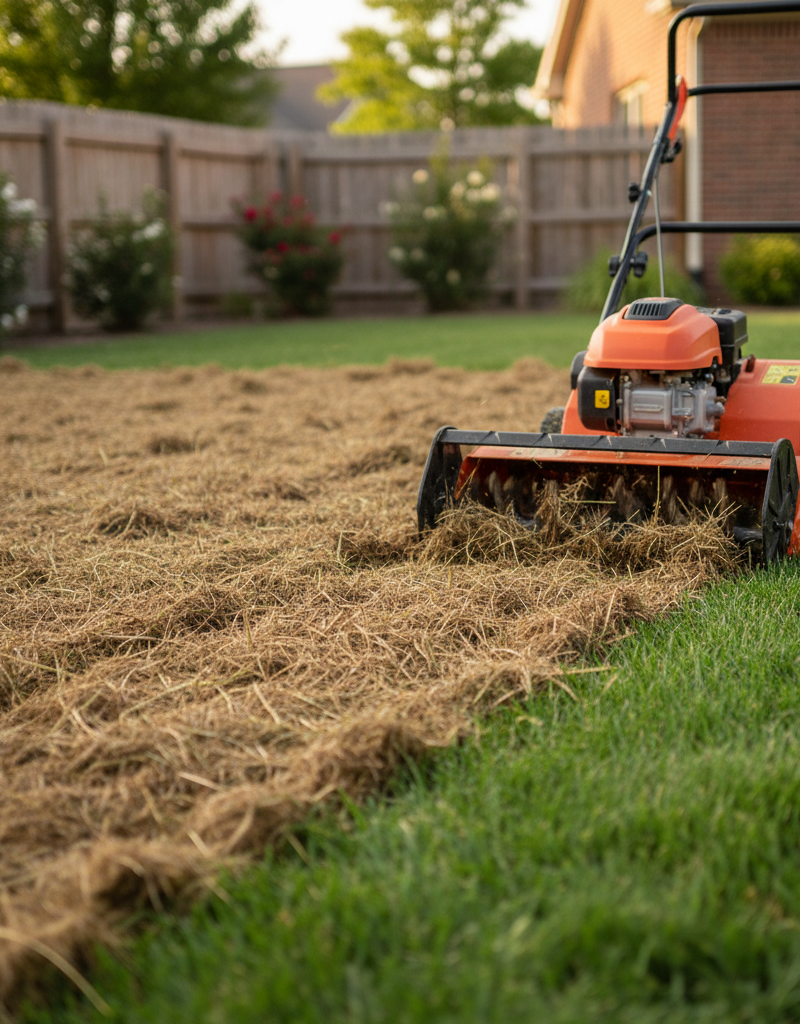
- Excessive Thatch Buildup: A thick layer of thatch (dead grass, stems, and roots between the soil surface and green blades) can prevent water, air, and nutrients from reaching the soil, indirectly contributing to surface compaction.
- Repeated Rainfall and Irrigation: While necessary, continuous impact from raindrops and irrigation can gradually compress soil particles over time, especially in heavy soils.
Common Mistakes
- Aerating at the Wrong Time: The most critical mistake. Aerating during dormancy (winter for warm-season, summer for cool-season) or extreme heat can severely stress the lawn, making it vulnerable to diseases, weeds, and slow recovery. Always time it with your grass's active growing season.
- Not Checking Soil Moisture: Aerating bone-dry soil is difficult, ineffective, and hard on equipment. Aerating waterlogged soil creates mud, can damage the lawn, and further compacts rather than loosens the soil. The soil should be moist, but not soggy.
- Ignoring Underground Obstacles: Failing to mark sprinkler heads, invisible dog fences, or shallow utility lines can lead to expensive repairs and potential safety hazards. Always mark these areas clearly before operating an aerator.
- Using the Wrong Equipment: Spike aerators, while easy to use, simply push soil aside, often increasing compaction around the holes rather than truly decompacting. For effective results, use a core aerator that pulls plugs of soil from the ground.
- Removing the Soil Plugs: The soil plugs pulled from the lawn are full of beneficial microbes and organic matter. Raking and removing them deprives your lawn of these natural amendments. They should be left to decompose back into the turf.
- Skipping Post-Aeration Care: Aeration is an open invitation for seed and fertilizer. Not taking advantage of this prime opportunity to overseed and fertilize misses out on maximizing the benefits and can leave the lawn open to weed invasion.
Cost & Time Breakdown
| Task | DIY Cost | Pro Cost | Time |
|---|---|---|---|
| Aerator Rental (half-day) | $70–$120 | N/A | 2-4 hours |
| Gas for Aerator | $5–$10 | N/A | 10-15 minutes |
| Flagging for utilities | $5–$15 | N/A | 15-30 minutes |
| Grass Seed (optional) | $20–$60 | Included in service | 30-60 minutes |
| Starter Fertilizer (optional) | $30–$50 | Included in service | 15-30 minutes |
| Total Estimated | $130–$255 | $150–$400+ | 3-6 hours |
Tips & Prevention
- Regular Mowing Height: Maintain your grass at a slightly higher mowing height (e.g., 2.5-3.5 inches for most turf) to encourage deeper root growth and provide natural shade, which helps prevent compaction.
- Vary Traffic Patterns: If possible, try to vary walking paths across your lawn to distribute pressure and reduce localized compaction in high-traffic areas.
- Balanced Fertilization: Follow a consistent, balanced fertilization schedule to promote strong, healthy grass. Healthy grass is more resilient to compaction and recovers faster.
- Topdressing with Compost: Periodically topdressing your lawn with a thin layer (1/4–1/2 inch) of high-quality compost helps improve soil structure, adds organic matter, and reduces the need for frequent aeration over time.
- Avoid Compacting Wet Soil: Never drive heavy equipment or walk excessively on your lawn when the soil is waterlogged, as this is when compaction is most likely to occur.
- Annual Soil Test: Conduct a soil test every 2-3 years to understand your soil's composition, pH, and nutrient levels. This information can help you make informed decisions about amendments that improve soil structure and health.
When to Call a Professional
While aerating your lawn is a manageable DIY task for many homeowners, there are specific situations where calling a professional is highly advisable. If your lawn is exceptionally large (over 10,000 sq ft), the time and effort required for DIY aeration with a rented machine can be overwhelming, and professionals have industrial-grade equipment for efficiency. If your soil is extremely compacted, stony, or contains a high clay content, a professional's specialized machinery may be more effective and prevent damage to rental equipment. Additionally, if your lawn has significant underlying drainage issues, persistent bare patches, or a history of severe disease, a professional can offer comprehensive diagnostics and integrated solutions beyond just aeration. They can also ensure proper timing, especially if you're unsure about your specific grass type or local climate nuances, ensuring your investment in aeration yields the best possible results without stressing your lawn.
Related Articles
Keep troubleshooting with these hand-picked guides from FixlyGuide:
- The #1 Lawn Aeration Mistake Most Homeowners Make (And When to REALLY Do It) — Discover the crucial mistake many homeowners make with lawn aeration and learn the optimal timing for a thriving, healthy lawn.
- The #1 Lawn Aeration Mistake Most Homeowners Make (And When to REALLY Do It) — Discover the crucial mistake many homeowners make with lawn aeration and learn the optimal timing for a healthier, more vibrant lawn.
- The #1 Lawn Aeration Mistake Most Homeowners Make (And When to REALLY Do It) — Discover the crucial mistake homeowners make with lawn aeration and learn the optimal timing to ensure a healthy, thriving lawn.
- The #1 Lawn Aeration Mistake Most Homeowners Make (And How to Time It Right) — Timing your lawn aeration correctly is crucial for maximizing its benefits and ensuring a healthy, thriving lawn. Learn the secrets.
- The #1 Lawn Aeration Mistake Most Homeowners Make (And When to REALLY Do It) — Learn the surprising truth about when to aerate your lawn for maximum health and how a simple timing mistake can sabotage your efforts.
- The #1 Mistake Homeowners Make When Caulking a Bathroom Sink (And How to Fix It) — Discover the most common caulk mistake homeowners make around bathroom sinks and follow simple steps to achieve a lasting, watertight seal.
Should you do this yourself?
Answer five quick questions before you start. Safety outranks savings every time.
Your experience with work like this
How high do you have to work?
Does the job involve any of these?
Will it need a permit?
Specialty tools
Free and instant. Educational guidance only — not a quote, inspection, or professional diagnosis.
What should this project cost?
Enter your project details for a realistic cost range before you call anyone.
Cost depends heavily on which system turns out to be the source.
- Regional adjustment
- National average
- Labor share (typical)
- ~$1,620
- Quotes to collect
- 3 written estimates
Educational estimate based on national averages — not a binding quote. Always confirm with written local estimates.
Before you start
Check the difficulty, permits, and safety risk — then decide whether to call a pro.
- Estimate this projectGet a cost range for your scope and ZIP before you call anyone.Open
- Get local estimatesSend one request and compare written estimates from vetted pros.Open
Free, no signup required. Estimates are educational guidance, not a quote or an inspection.
Frequently asked questions
How often should I aerate my lawn?+
For most lawns, aerating once a year is sufficient. Lawns with heavy clay soil, high traffic, or severe compaction may benefit from aeration twice a year. Well-maintained lawns with sandy soil might only need aeration every two to three years.
Should I fertilize after aerating?+
Yes, absolutely! Aeration creates perfect channels for fertilizer to reach the root zone, making it an ideal time to apply a slow-release or 'starter' fertilizer to boost growth and recovery. If you plan to overseed, apply a starter fertilizer designed for new grass.
Can I aerate when it's really hot?+
It is generally not recommended to aerate during periods of extreme heat, especially if your grass type is in dormancy or under heat stress. This can cause significant stress to the lawn, delaying recovery and potentially leading to further damage. Always choose a time when your grass is actively growing and can recover quickly.
What's the difference between core aeration and spike aeration?+
Core aeration removes small plugs of soil from your lawn, effectively decompacting the soil and creating channels for air, water, and nutrients. Spike aeration simply pokes holes into the ground without removing soil, which can actually increase compaction around the holes. Core aeration is generally considered more effective for relieving compaction.
Do I need to water my lawn before aerating?+
Yes, it's highly recommended to water your lawn thoroughly a day or two before aeration. The soil should be moist but not saturated. This makes it easier for the aerator to penetrate the ground and pull out clean plugs, making the process more effective and less strenuous on the equipment and operator.
Discussion
Loading comments…