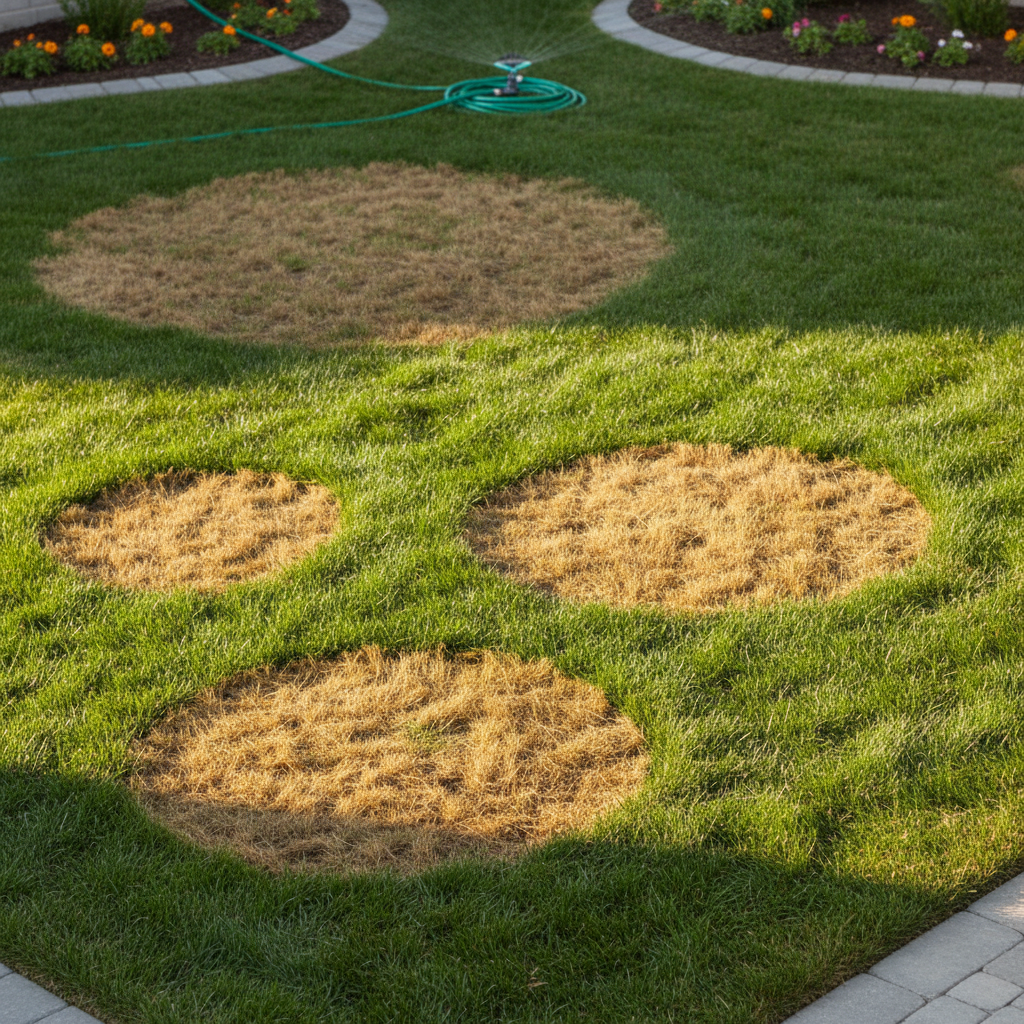
- Tools needed: Small brush, pliers, flathead screwdriver, replacement sprinkler heads.
- Clean clogged heads: Unscrew the nozzle and clean out debris (dirt, grass clippings) with a small brush or toothpick. Replace severely clogged or broken heads.
- Adjust spray patterns: Many sprinkler heads allow you to adjust the arc and distance. Use a screwdriver to fine-tune them so water only hits the lawn, not sidewalks or driveways.
Landscaping · Deck or fence project
| Project category | Landscaping |
|---|---|
| Problem type | Deck or fence project |
| Trade required | Landscaping |
| Urgency | Planned project |
| Safety risk | Moderate safety risk |
| DIY suitability | DIY for experienced homeowners |
| Cost category | High cost |
| Typical timeline | Most builds 3–10 days depending on size |
| Contractor type | Landscaping contractor |
Repair option
Replace failed boards, posts, and hardware; reseal the surface.
Replacement option
Rebuild when framing or the ledger connection is unsafe.
Common causes
- Rot at posts and ledger
- Storm damage
- Adding outdoor living space
Relevant tools:home improvement material pricesproject cost estimator
Published May 4, 2026Last updated August 17, 2026
Tools & materials you'll need
Affiliate links- AmazonRain gauge or tuna cans1-3 · To measure irrigation output
- AmazonSmall brush or toothpickFor cleaning sprinkler heads
- AmazonFlathead screwdriverFor adjusting sprinkler heads
- AmazonCore aerator1 · Rentable from hardware stores
- AmazonDethatching rake or power dethatcher1 · Rentable for larger lawns
- AmazonGarden trowel or small shovelFor inspecting soil and thatch
As an Amazon Associate FixlyGuide earns from qualifying purchases — at no extra cost to you. Prices and availability are accurate as of publication and subject to change.
Quick Answer
Brown spots appearing shortly after you water your lawn are often a deceptive sign. It doesn't necessarily mean your lawn is thirsty; instead, it frequently points to issues like overwatering leading to root rot, uneven water distribution from clogged sprinkler heads, or soil compaction preventing water absorption. Addressing these underlying problems is key to restoring a healthy, green lawn.
The Problem
You've done your due diligence, running the sprinklers or hand-watering your lawn, expecting a lush, green revival. Instead, you're greeted with the frustrating sight of brown, dead patches, sometimes even worse than before. This isn't just baffling; it's counterintuitive. Brown spots after watering suggest that the very act intended to nourish your lawn might be contributing to its demise. This problem is widespread among homeowners, leading to wasted water, dead grass, and continued confusion about proper lawn care. It often stems from a misunderstanding of how water interacts with soil and grass roots, or from overlooked issues with your irrigation system or soil health. Ignoring these signs can lead to widespread lawn damage that's far more costly and time-consuming to rectify.
How It Works
To understand why your lawn gets brown spots after watering, it's crucial to grasp how grass roots absorb water and nutrients, and how soil acts as a reservoir. Healthy grass roots need a balance of water, oxygen, and nutrients. When you water, moisture percolates down through the soil profile, creating a zone of saturation around the roots. For optimal health, this water needs to be available to the roots for absorption, but equally important, pockets of air must remain in the soil. These air pockets provide vital oxygen for root respiration, a process essential for the roots to take up water and nutrients effectively.
Overwatering, uneven watering, or compacted soil disrupt this delicate balance. If too much water is applied, or if the water can't drain properly due to compaction or heavy clay soil, the soil becomes waterlogged. This deprives roots of oxygen, literally suffocating them. Within a few days, the lack of oxygen prevents roots from functioning, leading to wilting and eventually the browning and death of grass blades, even with abundant water present. This is often misinterpreted as drought stress. Similarly, if water is applied unevenly, some areas may receive too much, while others don't get enough to penetrate the root zone, creating a mosaic of overwatered and underwatered spots. Sprinkler systems also play a critical role, as clogged or misaligned heads can create dry spots or areas of excessive saturation. Understanding these mechanisms reveals that brown spots after watering aren't always about a lack of water, but often about the management of water within the soil-root system.
Step-by-Step Fix
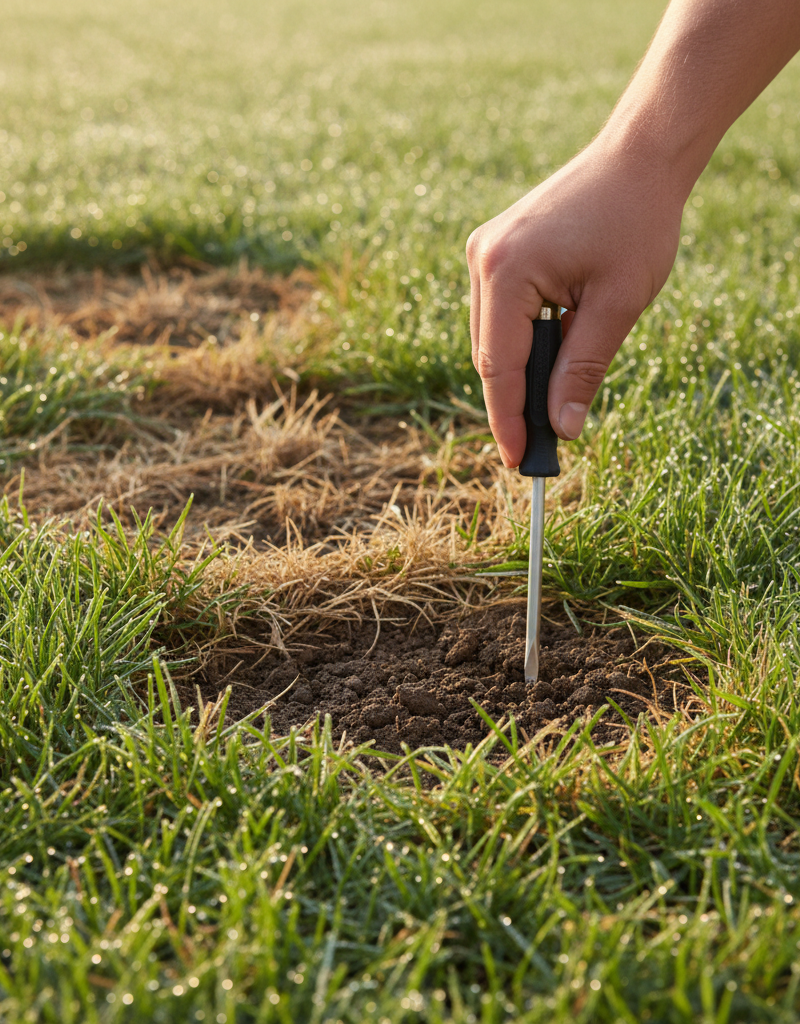
1. Evaluate Your Watering Habits – Your first step is to critically assess how you're watering your lawn. Many homeowners water too frequently and too shallowly, or too much at once. The goal is deep, infrequent watering. Aim for 1 inch of water per week, applied in one or two sessions, encouraging roots to grow deeper. Use a rain gauge or tuna can to measure how much water your sprinklers deliver over 30 minutes. Then, adjust your watering time to achieve the 1 inch target. Check soil moisture with a screwdriver: if it penetrates easily 6-8 inches, the soil is adequately moist.
- If you're watering daily: Reduce frequency to 2-3 times a week, ensuring deeper penetration each time.
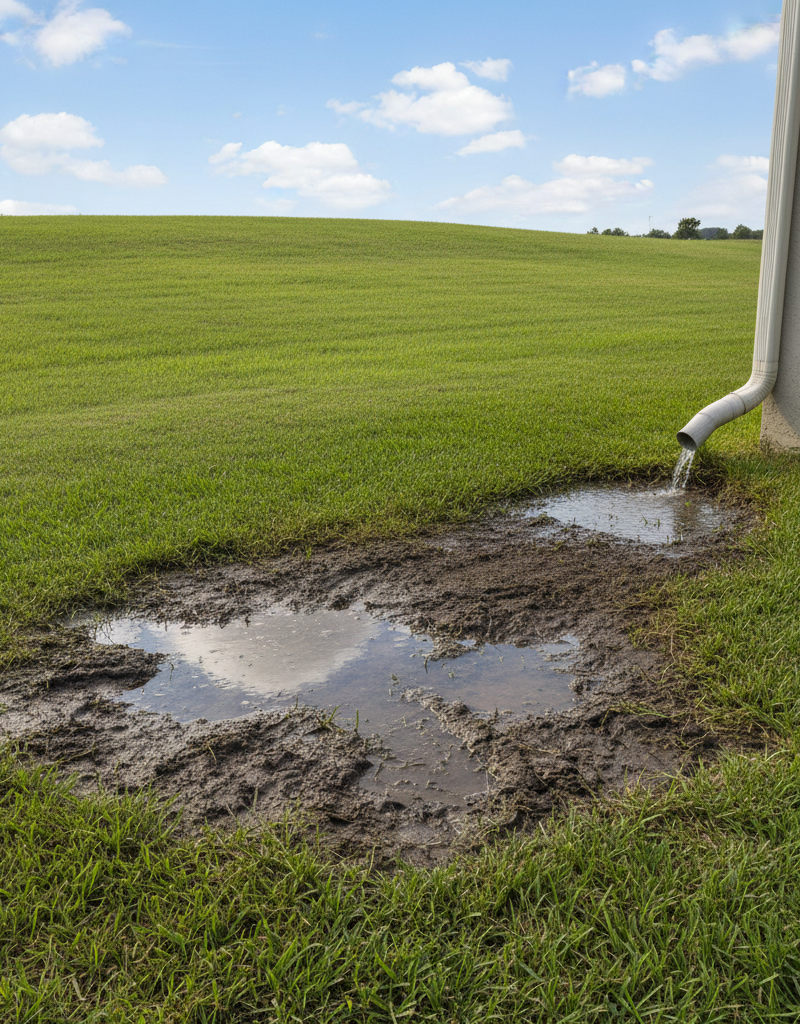
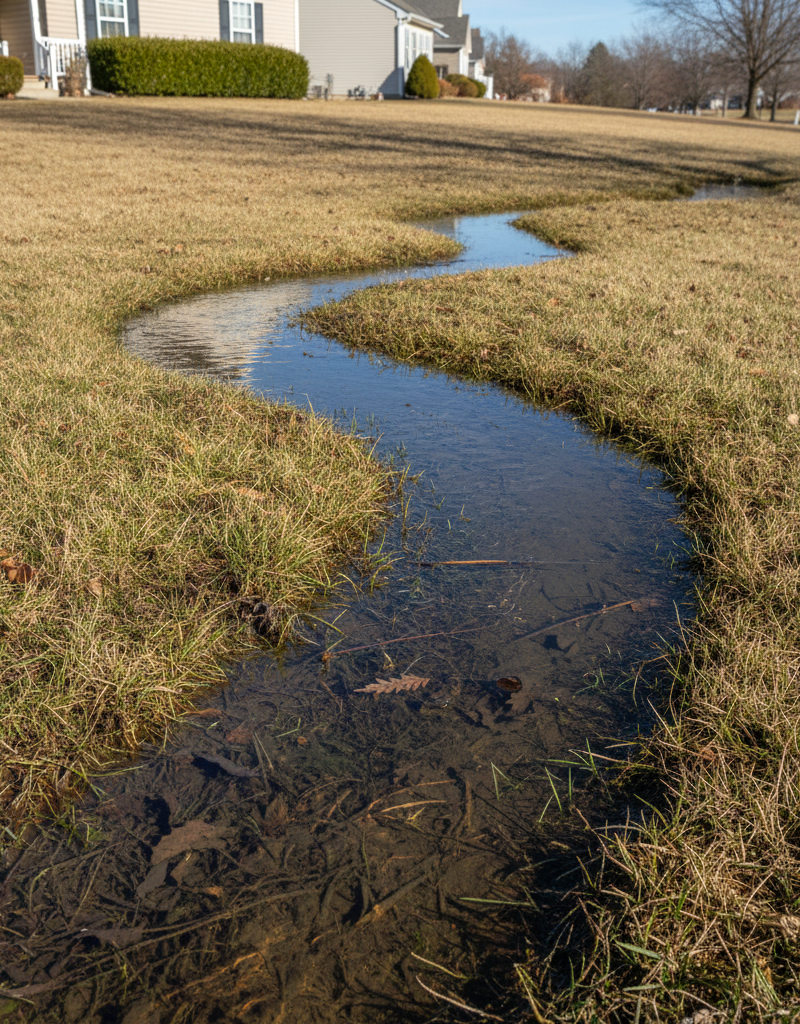
- If water pools or runs off: Your soil may be compacted, or you're watering too fast for the soil to absorb. Try cycle and soak method (water for 10-15 mins, wait an hour, repeat).
2. Inspect and Adjust Your Sprinkler System – Ensure your irrigation system is delivering water evenly and efficiently. Clogged, broken, or misaligned sprinkler heads are a primary cause of uneven watering. Walk your lawn while the sprinklers are running to identify any issues. Check for spray patterns that overlap correctly, avoiding dry spots and over-saturated areas.
- Tools needed: Small brush, pliers, flathead screwdriver, replacement sprinkler heads.
- Clean clogged heads: Unscrew the nozzle and clean out debris (dirt, grass clippings) with a small brush or toothpick. Replace severely clogged or broken heads.
- Adjust spray patterns: Many sprinkler heads allow you to adjust the arc and distance. Use a screwdriver to fine-tune them so water only hits the lawn, not sidewalks or driveways.
3. Aerate Compacted Soil – Compacted soil prevents water, oxygen, and nutrients from reaching grass roots, leading to poor turf health. Aeration creates small holes, allowing these essentials to penetrate deeper. If your lawn feels hard, water puddles easily, or you have heavy clay soil, aeration is likely needed.
- Tools needed: Core aerator (rentable from hardware stores), garden fork (for small areas).
- Timing: Aerate in late spring or early fall when grass is actively growing. Do not aerate during drought conditions.
- Process: Go over the lawn once or twice with a core aerator, pulling out small plugs of soil. Leave the plugs on the lawn to decompose and return nutrients.
- If you have heavy clay: Consider top-dressing with a thin layer of compost after aeration to improve soil structure over time.
4. Check for Thatch Buildup – Excessive thatch, a layer of dead and living organic matter between the grass blades and the soil surface, can impede water penetration. A thatch layer thicker than 1/2 inch acts like a sponge, holding water near the surface where it evaporates quickly or promotes shallow root growth.
- Tools needed: Dethatching rake or power dethatcher (rentable).
- How to check: Dig a small core sample from your lawn. Look for a spongy layer just above the soil. If it's over 1/2 inch thick, dethatching is warranted.
- Timing: Dethatch in late spring or early fall when grass is actively growing and can recover quickly.
- Process: Use a dethatching rake for small areas, raking vigorously to pull out the thatch. For larger lawns, a power dethatcher is more efficient.
5. Investigate for Fungal Diseases – Brown spots after watering, especially when accompanied by other symptoms, can indicate a fungal disease. Overwatering, poor drainage, and certain weather conditions create ideal environments for fungi. Common lawn diseases include dollar spot, brown patch, and rust.
- Signs: Look for specific patterns (rings, irregular shapes), discolored spots on individual blades, or a visible fungal growth (cottony mass, orange spores).
- Safety note: When handling any fungicides, always wear appropriate personal protective equipment, including gloves and eye protection, and follow product instructions carefully.
- Treatment: For minor issues, improving air circulation and adjusting watering (early morning is best) can help. For severe cases, a targeted fungicide specific to the identified disease may be necessary. Always read and follow label instructions carefully.
- If you're unsure: Take a sample of affected grass (including roots and surrounding healthy grass) to a local garden center or extension office for diagnosis.
6. Review Your Fertilization Schedule – Improper fertilization can weaken grass, making it more susceptible to stress and disease. Over-fertilizing, especially with too much nitrogen, can
Related Articles
Keep troubleshooting with these hand-picked guides from FixlyGuide:
- The #1 Mistake Turning Your Green Lawn Brown After Watering — Watering your lawn should make it greener, but brown spots appearing afterward can signal common issues like overwatering, fungal disease,…
- Why Is My Lawn Turning Yellow in Summer? A Homeowner's Guide — Your lawn turning yellow in summer is often a sign of improper watering, a common and fixable issue for homeowners.
- How Often to Water Your Lawn in Summer: A Homeowner's Guide — Watering your lawn correctly in summer is crucial for its health and appearance, preventing common issues like browning and shallow root gr…
- The Surprising pH Secret Killing Your Lawn (and How to Uncover It at Home) — Discover how easily you can test your lawn's soil pH at home to diagnose underlying issues affecting grass health without expensive lab tes…
- The #1 Summer Lawn Mistake Turning Your Grass Yellow (and How to Fix It) — Discover the most common summer lawn mistake that causes yellowing grass and learn the simple steps to revive your lawn.
- The Secret Culprit Behind Your Kitchen Sprayer’s Drab Drizzle (It’s Not Clogging!) — Don't replace that kitchen sink sprayer head just yet! Low pressure often stems from a few hidden, easily fixable issues within your faucet…
What should this project cost?
Enter your project details for a realistic cost range before you call anyone.
Cost depends heavily on which system turns out to be the source.
- Regional adjustment
- National average
- Labor share (typical)
- ~$1,620
- Quotes to collect
- 3 written estimates
Educational estimate based on national averages — not a binding quote. Always confirm with written local estimates.
Frequently asked questions
Why does my grass turn brown right after I water it?+
Grass turning brown immediately after watering often indicates overwatering, which suffocates roots by depriving them of oxygen. It can also be due to uneven watering from faulty sprinklers, compacted soil preventing absorption, or an underlying fungal disease exacerbated by moisture.
How do I know if I'm overwatering my lawn?+
Signs of overwatering include water pooling on the surface, a squishy feeling when you walk across the lawn, persistent fungal growth, yellowing or browning grass despite sufficient moisture, and a general lack of vigor in the turf. A simple test is to push a screwdriver into the soil; if it penetrates too easily and the soil is excessively wet, you might be overwatering.
Can compacted soil cause brown spots?+
Yes, severely compacted soil is a common cause of brown spots. Compaction prevents water from penetrating deeply to the grass roots, causing it to run off or sit on the surface, leading to shallow roots and eventual browning, even if the surface appears wet.
Discussion
Loading comments…