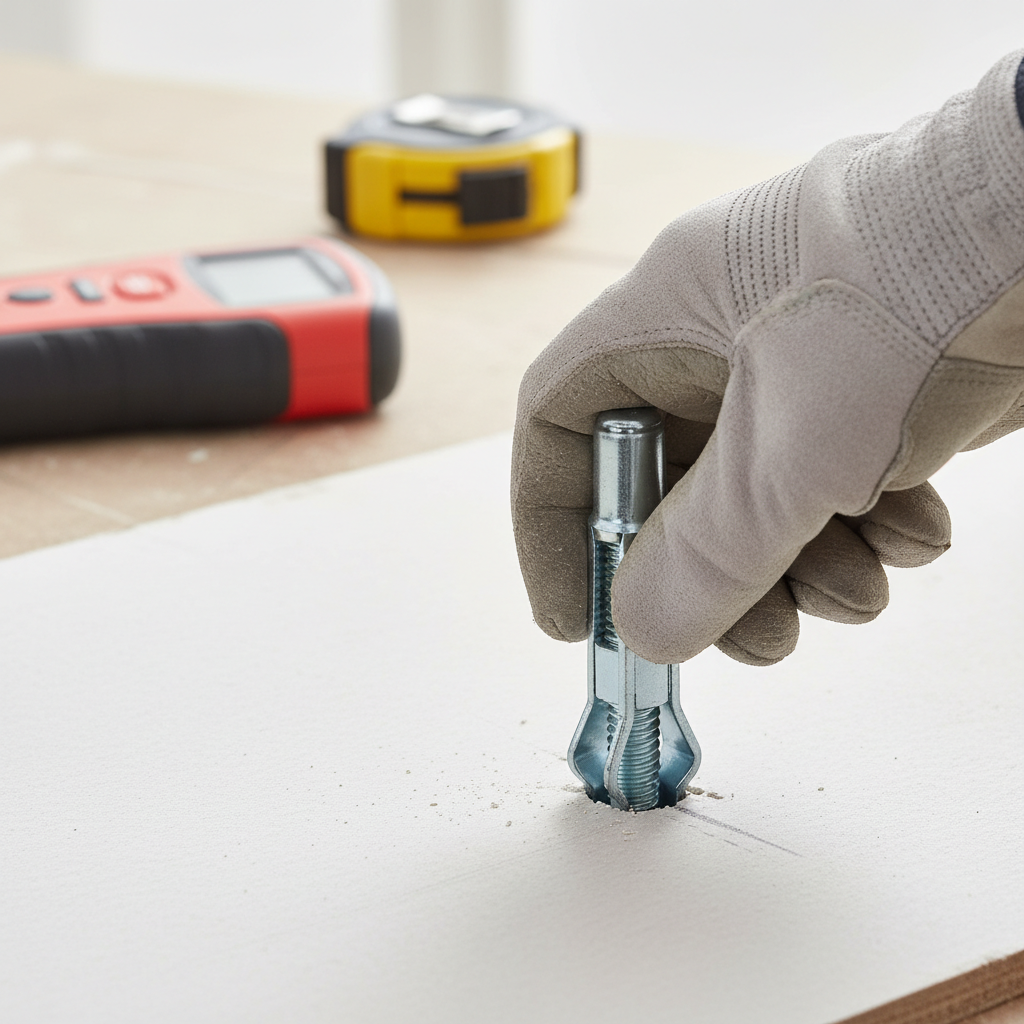
- Incorrect Anchor Type: Using lightweight plastic anchors or simple nails for mirrors exceeding their weight capacity. These anchors are designed for pictures, not substantial loads.
- Skipping Studs: Failing to locate and utilize available wall studs, which provide the strongest possible attachment point.
- Underestimating Mirror Weight: Many homeowners misjudge how heavy a large mirror, especially one with a decorative frame, truly is.
- Improper Installation: Not following anchor instructions, such as using the wrong drill bit size for molly or toggle bolts, or over-tightening self-drilling anchors.
- Hidden Damage: Hitting a weak spot in the drywall from prior damage or repairs, which compromises the anchor's grip.
General remodeling · Renovation planning
| Project category | General remodeling |
|---|---|
| Problem type | Renovation planning |
| Trade required | General contracting |
| Urgency | Planned project |
| Safety risk | Low safety risk |
| DIY suitability | Pro recommended |
| Cost category | Major investment |
| Typical timeline | Design and permitting often 2–4 months before work starts |
| Contractor type | General contractor |
Repair option
Phase the work and fix the building envelope first.
Replacement option
Full renovation with permits, design, and a general contractor.
Common causes
- Space no longer fits how the household lives
- Resale preparation
- Deferred maintenance stacking up
Relevant tools:project cost estimatorcompare quoteshome improvement material prices
Published April 30, 2026Last updated October 17, 2026
Tools & materials you'll need
Affiliate links- AmazonHeavy-duty toggle bolts2–4 depending on mirror weight
- AmazonMolly bolts (hollow-wall anchors)2–4 depending on mirror weight · Alternative to toggle bolts
- AmazonRobust self-drilling drywall anchors2–4 depending on mirror weight · For moderately heavy mirrors
- AmazonWood screws (2.5-3 inch)2 · If attaching to studs
As an Amazon Associate FixlyGuide earns from qualifying purchases — at no extra cost to you. Prices and availability are accurate as of publication and subject to change.
Quick Answer
Safely hanging a heavy mirror on drywall hinges on selecting the correct hardware. The most secure method is to screw directly into a wall stud. If studs aren't accessible exactly where you need them, use heavy-duty toggle anchors, molly bolts, or robust self-drilling drywall anchors explicitly rated for the mirror's weight. Always aim for a combined anchor weight rating at least double your mirror's actual weight. Avoid standard plastic expansion anchors or small picture hangers, as they lack the strength for substantial loads.
The Problem
Few things are more frustrating (or frightening) than a heavy mirror crashing down from a wall, often taking a chunk of drywall with it. This common mishap usually stems from underestimating the mirror's real weight and, more critically, using inadequate hanging hardware. Drywall itself is a relatively weak material, offering little structural support on its own. Without proper reinforcement or an anchor designed to distribute its load effectively, a heavy object like a large mirror will inevitably pull free, leaving damage in its wake and creating a potential safety hazard.
Trying to hang a substantial mirror (anything over 15-20 pounds) with a simple nail, a small thumbtack, or a cheap plastic expansion anchor is a recipe for disaster. These methods only bite into the gypsum core of the drywall, which is crumbly and easily compromised under sustained tension or vibration. The goal is to either tap into the strong wooden studs behind the drywall or to use specialized anchors that create a much larger bearing surface within the wall cavity, effectively gripping the drywall from both sides.
How It Works
Understanding how different anchors work is key to choosing the right one for your heavy mirror. Behind your drywall, typically at 16-inch or 24-inch intervals, are vertical wooden (or sometimes metal) studs. These are the load-bearing framework of your home, and screws driven directly into them offer the strongest possible hold. A standard wood screw, properly embedded in a stud, can easily support hundreds of pounds.
When a stud isn't available exactly where you need it, you turn to drywall anchors. These aren't all created equal. The weakest are simple plastic expansion anchors. When you drive a screw into them, they expand slightly, creating a friction fit against the drywall. This is fine for lightweight items (under 10 pounds), but for heavy mirrors, they typically pull out, leaving a gaping hole.
Self-drilling drywall anchors (often metal, sometimes reinforced plastic) have sharp, auger-like tips that allow you to screw them directly into the drywall without pre-drilling. As the screw is inserted, it expands the anchor, creating a stronger grip on the drywall. Quality versions can hold 25-50 pounds per anchor, making them suitable for moderately heavy mirrors if multiple are used.
Molly bolts (also called hollow-wall anchors) require a pre-drilled hole. As you tighten the screw, the metal sleeve behind the drywall expands and collapses, creating a 'mushroom' shape that clamps firmly against the back surface of the drywall. They offer a very secure hold, ranging from 50-100 pounds per anchor depending on size, making them excellent for heavy mirrors.
Toggle bolts are the strongest drywall anchors. They consist of a screw and a spring-loaded metal toggle wing. After drilling a larger hole, you push the collapsed wings through. Once through, the wings spring open. When you tighten the screw, the wings pull tight against the inside of the drywall, creating an extremely broad and secure clamping force. Large toggle bolts can hold 100-200 pounds each, making them ideal for the heaviest mirrors.
The effectiveness of any drywall anchor comes down to its ability to distribute the weight of the object over a larger surface area of the drywall, or, in the case of toggle bolts and molly bolts, to clamp onto the backside of the drywall panel itself, providing a much more robust mechanical connection than simple friction.
Step-by-Step Fix
1. Assess Your Mirror's Weight and Identify Studs
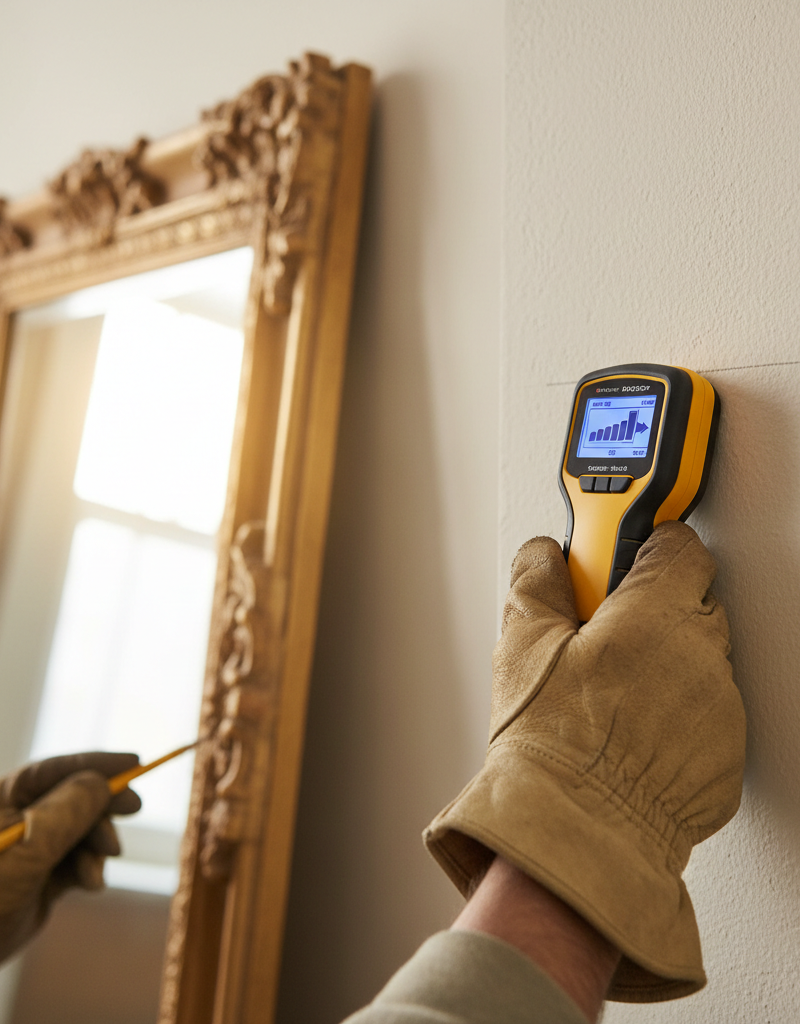
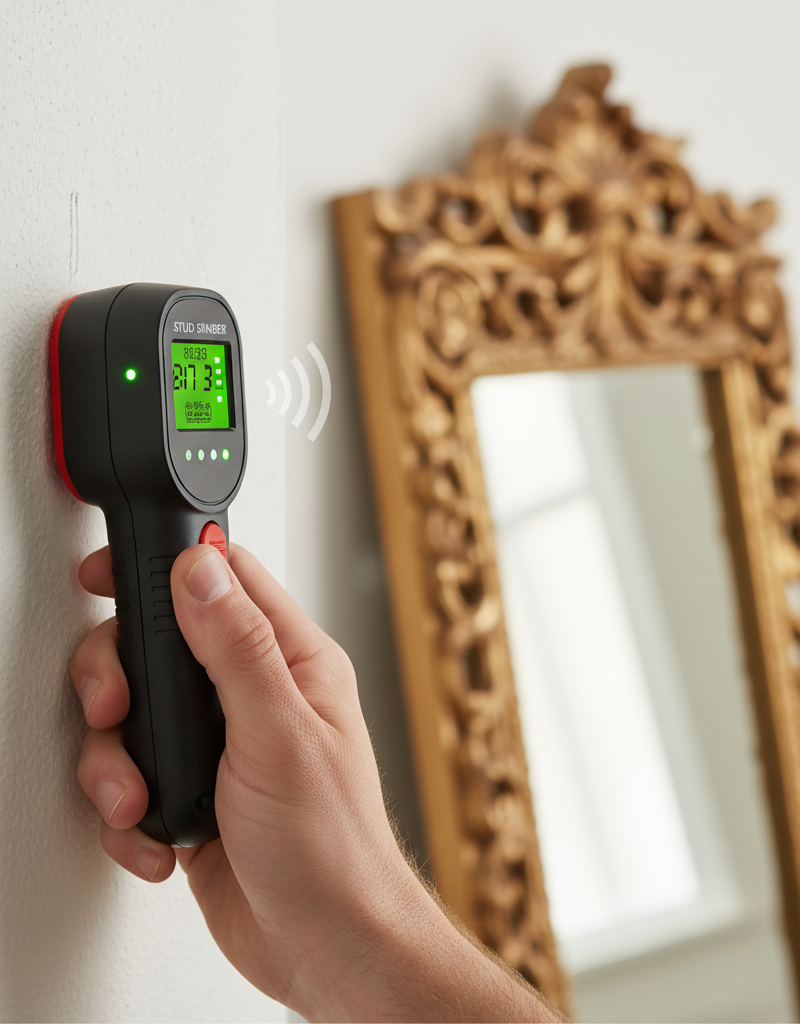
— Before drilling, know what you're dealing with. Heavy mirrors typically weigh 20-100+ pounds. Use a bathroom scale if unsure. Then, use a stud finder to locate the vertical wooden studs within the wall. Mark their locations lightly with a pencil. Ideally, you want to align your mirror hanging points with at least one stud.
- Safety Note: Always be aware of electrical wiring and plumbing pipes that might run behind your wall. A stud finder with AC detection can help identify hot wires, but extreme caution is advised. If in doubt, err on the side of caution or consult a professional.
2. Plan Your Hanging Points Precisely
— Measure the distance between the hanging hardware on the back of your mirror (D-rings, wire, cleat). Transfer these measurements to the wall, accounting for the mirror's height and desired final position. Use a level to ensure your marks are perfectly horizontal. If you found a stud, try to position at least one of your hanging points directly over it. For very heavy mirrors, aim for two studs if possible.
- Tip: If your mirror has a hanging wire, pull it taut horizontally and measure from the top of the mirror frame to the apex of the stretched wire. This is where your anchor/hook needs to be placed on the wall for the mirror to hang at the desired height.
3. Choose and Install the Right Anchors
— Based on your mirror's weight and stud availability, select your anchors. Remember, the combined weight rating of all anchors should be at least double your mirror's weight.
- For Studs: Pre-drill a pilot hole slightly smaller than your screw's diameter. Drive a sturdy wood screw (2-3 inches long, appropriately gauged) directly into the center of the stud until secure, leaving enough shank exposed for your mirror's hanging hardware.
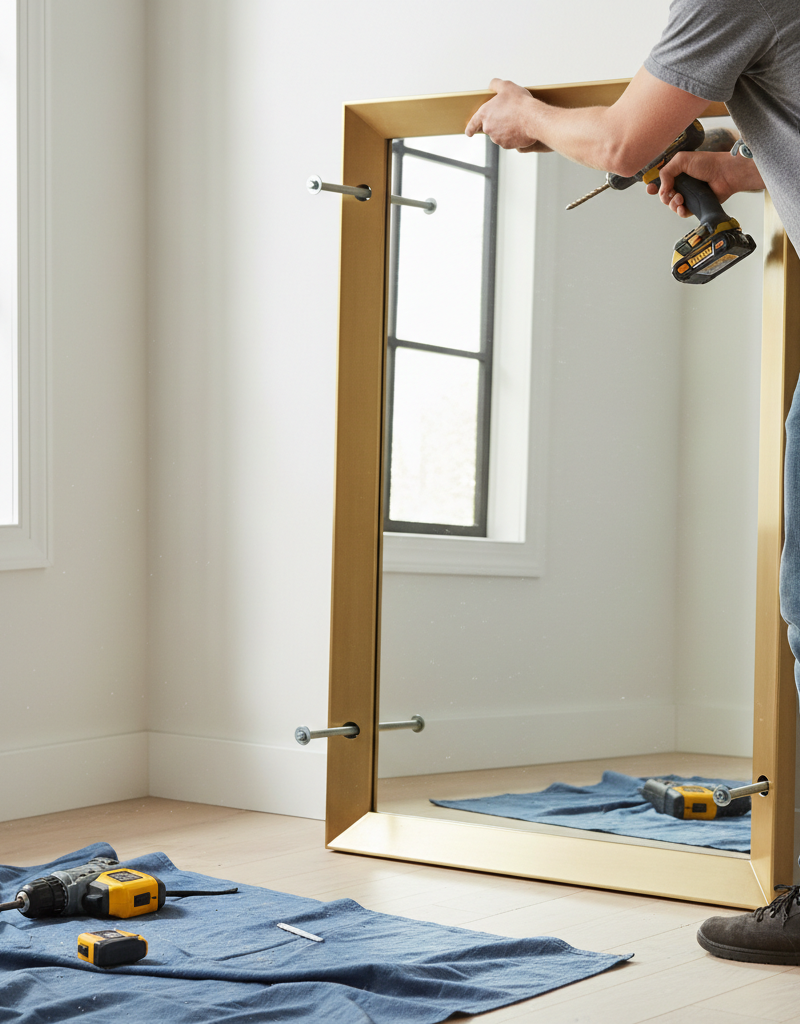
- For Heavy-Duty Toggle Bolts (100-200 lbs/anchor): Drill a hole matching the toggle's diameter (this will be larger, usually 1/2-inch to 3/4-inch). Fold the toggle wings, insert them into the hole, and ensure they spring open completely behind the drywall. Insert the machine screw and tighten until the toggle is snug against the back of the drywall. Leave appropriate space for hanging.
- For Molly Bolts (50-100 lbs/anchor): Drill a pilot hole according to the molly bolt instructions. Tap the molly bolt gently into the hole with a hammer until its flange is flush with the drywall. Use a screwdriver to tighten the screw; you'll feel the molly expand and grip the drywall. Once secure, remove the screw if needed for hanging, then reinsert it through your mirror's hardware.
- For Robust Self-Drilling Drywall Anchors (25-50 lbs/anchor): Use a drill or screwdriver to slowly screw the anchor directly into the drywall until its head is flush. No pilot hole is typically needed. Then, drive your screw into the anchor until secure.
4. Attach Your Hanging Hardware
— Connect your mirror's D-rings, wire, or cleat to the newly installed wall anchors. If using a wire, ensure it's securely looped or tied. If using D-rings, ensure they are positioned to align perfectly with your screws or hooks.
- If your mirror uses a French cleat system: Install one half of the cleat securely to the wall using the chosen anchors (aim for studs if possible for maximum security). Ensure it is perfectly level.
5. Test the Installation
— Before stepping away, gently pull down and out on the hanging hardware to test its stability. Listen for creaks or give. If everything feels rock-solid, proceed. If you have any doubt, reinforce with an additional anchor or choose a stronger type.
6. Hang the Mirror
— With assistance, carefully lift the mirror and align its hanging points with the hardware on the wall. Gently lower it into place, ensuring it's fully seated and stable. Step back and admire your securely hung mirror.
- Safety Note: Always lift heavy objects with proper form (lift with your legs, not your back) and get help if the mirror is awkward or too heavy for one person.
Common Causes
- Incorrect Anchor Type: Using lightweight plastic anchors or simple nails for mirrors exceeding their weight capacity. These anchors are designed for pictures, not substantial loads.
- Skipping Studs: Failing to locate and utilize available wall studs, which provide the strongest possible attachment point.
- Underestimating Mirror Weight: Many homeowners misjudge how heavy a large mirror, especially one with a decorative frame, truly is.
- Improper Installation: Not following anchor instructions, such as using the wrong drill bit size for molly or toggle bolts, or over-tightening self-drilling anchors.
- Hidden Damage: Hitting a weak spot in the drywall from prior damage or repairs, which compromises the anchor's grip.
- Vibration/Movement: Constant minor vibrations (e.g., from a nearby door, heavy foot traffic) can slowly loosen inadequate anchors over time.
Common Mistakes
- Using ONLY Plastic Ribbed Anchors: These are for very light items (under 10 lbs) and will inevitably pull out under the weight of a heavy mirror. Instead, invest in metal self-drilling, molly, or toggle anchors.
- Guessing on Anchor Weight Ratings: Don't assume. Always check the packaging for the maximum weight rating of the specific anchor you're using. Err on the side of caution and use anchors rated significantly higher than your mirror's weight.
- Not Using a Stud Finder: Blindly drilling into drywall without checking for studs misses the strongest and safest hanging option. A basic stud finder is an inexpensive, essential tool.
- Drilling Through Electrical Wires/Pipes: Failing to check for obstructions can lead to dangerous and costly repairs. Always use a stud finder with AC detection and understand your home's layout.
- Uneven Hanging Points: Measuring incorrectly or not using a level can result in a crooked mirror, requiring re-drilling and weakening the drywall.
- Ignoring the Mirror's Specific Hanging Hardware: Some mirrors come with D-rings, others with a wire or a cleat. Make sure your wall anchors are compatible with the mirror's existing hardware for optimal security.
Cost & Time Breakdown
| Task | DIY cost | Pro cost | Time |
|---|---|---|---|
| Stud finder (if needed) | $15–$40 | Included | 5–10 minutes |
| Heavy-duty anchors | $5–$20 | Included | 10–20 minutes |
| Basic tools (drill, tape, level) | $0–$50 | Included | 0 |
| Prep & Marking | $0 | Included | 15–30 minutes |
| Anchor Installation | $0 | Included | 20–40 minutes |
| Mirror Hanging | $0 | Included | 10–20 minutes |
Tips & Prevention
- Double Check Weight Ratings: Before purchasing, verify the weight rating on anchor packaging. Always choose anchors with a combined rating at least double your mirror's actual weight for a significant safety margin.
- Consider French Cleats for Very Heavy Mirrors: For mirrors over 50 pounds, a French cleat system can be an excellent choice. This two-part system distributes weight horizontally and makes installation easier, especially if you can screw part of the cleat into multiple studs.
- Use Painter's Tape for Marking: Apply a strip of painter's tape to the wall where you plan to hang the mirror. You can then mark your drilling points on the tape, which is easier to see and prevents pencil marks on your wall. Remove the tape after drilling.
- Get a Second Pair of Hands: Hanging any large or heavy object is always safer and easier with an extra person to help lift, steady, and guide.
- Regularly Inspect Hangings: Periodically (e.g., once a year), gently check mirrors and other heavy wall hangings for any signs of loosening, such as slight movement, creaking, or cracks around the anchor points. Tighten screws or replace compromised anchors as needed.
When to Call a Professional
While hanging a heavy mirror can be a satisfying DIY project, there are specific situations where calling a professional is wise. If your mirror is exceptionally heavy (over 75-100 pounds), unusually large, or has delicate, intricate framing, a professional installer will have specialized tools and techniques for safe handling and mounting. Similarly, if you encounter unexpected issues like unusually weak drywall, metal studs that require different fasteners, or if your stud finder indicates electrical wiring or plumbing paths directly where you need to hang, it's best to stop and consult a professional. They can accurately assess the wall's integrity and utilize appropriate commercial-grade hardware, ensuring the mirror is hung securely without risking damage to your home or injury to yourself.
Related Articles
Keep troubleshooting with these hand-picked guides from FixlyGuide:
- Your Floating Shelves Sag? The 3 Drywall Mistakes You're Making — Learn how to install floating shelves into drywall securely and prevent common issues like wobbling or damage with the right tools and tech…
- Your Floating Shelves Failed? 3 Hidden Drywall Mistakes. — Learn how to safely and securely install floating shelves into drywall using the right anchors and tools, avoiding common mistakes.
- That Heavy Mirror? It Needs More Than Just a Nail — Stop guessing with drywall anchors; the physics of shear force and toggle bolt ratings are the secret to keeping your heavy mirror securely…
- The Giant Drywall Hole: 3 Hidden Mistakes That Make Fixing It Worse — Don’t just spackle over that huge drywall hole; learn the right way to repair it and avoid common mistakes that lead to an even bigger head…
- The 4-Inch Drywall Hole Fix: Why Most DIY Patches Fail (And How to Do It Right) — Don't let a small drywall hole become a recurring nightmare – discover the secret to a seamless, lasting repair that disappears into your w…
- The #1 Mistake Homeowners Make with Ice Dams (and How to Fix It SAFELY) — Most homeowners approach ice dam removal incorrectly, creating more damage or safety risks. Learn the right, safe methods to protect your r…
What should this project cost?
Enter your project details for a realistic cost range before you call anyone.
Cost depends heavily on which system turns out to be the source.
- Regional adjustment
- National average
- Labor share (typical)
- ~$1,620
- Quotes to collect
- 3 written estimates
Educational estimate based on national averages — not a binding quote. Always confirm with written local estimates.
Recommended for DIYers & woodworkers
Sponsored
The Top 20 Tools for Workshops of Any Budget
No stationary machines or power tools required — plus 3 fundamental tools that can't be bought at any price.
Get the free guide
Ted's Woodworking — The #1 Woodworking Resource
Detailed instructions, dimensioned drawings, materials & cutting lists, and 3D schematics for every skill level.
See the plansSponsored: links above are affiliate links. FixlyGuide may earn a commission on qualifying purchases — at no extra cost to you.
Frequently asked questions
What is the best way to hang a heavy mirror on drywall?+
The best way to hang a heavy mirror on drywall is to screw directly into a wall stud if possible. If not, use heavy-duty toggle bolts, molly bolts, or robust self-drilling drywall anchors explicitly rated for the mirror's weight. Always combine anchor ratings to exceed the mirror's weight by at least double.
How much weight can a drywall anchor hold?+
The weight capacity of a drywall anchor varies greatly by type. Standard plastic expansion anchors hold under 10 lbs. Robust steel self-drilling anchors can hold 25-50 lbs each, molly bolts 50-100 lbs each, and heavy-duty toggle bolts can support 100-200 lbs each. Always check the manufacturer's rating and use multiple anchors for heavy items.
Can I use screws directly into drywall for a heavy mirror?+
No, screws should not be driven directly into bare drywall for a heavy mirror. Drywall alone is too soft and will not provide a secure hold, leading to the mirror falling. Always use appropriate drywall anchors or connect screws directly into a wall stud for heavy items.
How do I find studs in my wall?+
You can find studs in your wall using an electronic stud finder, which detects changes in wall density or the presence of wood/metal. Alternatively, you can often locate studs by knocking on the wall and listening for a solid sound, or by looking for electrical outlets and light switches, which are typically attached to a stud.
Discussion
Loading comments…