- Test every smoke and CO detector. Press the test button; replace any unit past its date.
- Look at the furnace flame. Steady and blue = good. Yellow or dancing = call a pro.
- Check the water heater. Look for moisture at the base and around the T&P valve discharge pipe.
- Feel your outlets. Any that are warm, discolored, or loose get flagged for an electrician.
- Sniff test. Gas, burning, or musty smells all deserve investigation.
Plumbing · Water heater problem
| Project category | Plumbing |
|---|---|
| Problem type | Water heater problem |
| Trade required | Plumbing |
| Urgency | Urgent — within days |
| Safety risk | Moderate safety risk |
| DIY suitability | Pro recommended |
| Cost category | Moderate cost |
| Typical timeline | Diagnosis same day; replacement typically a half-day install |
| Contractor type | Licensed plumber |
Repair option
Element, thermostat, or thermocouple replacement on a tank still in good condition.
Replacement option
Full replacement once the tank leaks or passes roughly a decade of service.
Common causes
- Failed heating element or thermocouple
- Sediment buildup reducing capacity
- Tank corrosion at end of service life
Relevant tools:repair or replaceproject cost estimator
Published September 17, 2026
Home Safety Warning Signs: 10 Red Flags From Your Appliances and Systems
Most home disasters don't come out of nowhere. A furnace that's about to fail, a water heater building dangerous pressure, wiring that's overheating behind a wall — they almost always send warning signs first. The problem is that most homeowners don't know what they're looking at, so the signs get ignored until something breaks, floods, or worse.
This guide walks through the 10 warning signs that matter most across your home's major appliances and systems. For each one, you'll learn what it usually means, what you can safely check yourself, and when it's time to stop and call a professional.
Why these signs matter
According to the U.S. Fire Administration, heating equipment is one of the leading causes of home fires, and the National Fire Protection Association estimates that home structure fires involving electrical distribution or heating equipment cause hundreds of deaths and billions in property damage each year. Carbon monoxide — an odorless gas produced by fuel-burning appliances — sends tens of thousands of Americans to the emergency room annually.
The good news: nearly all of these events are preceded by observable warning signs. Catching them early is usually the difference between a $150 service call and a $15,000 disaster.
The 10 warning signs
1. A rotten-egg or sulfur smell anywhere in the house
Natural gas is odorless, so utilities add a chemical called mercaptan that smells like rotten eggs. If you smell it, treat it as a gas leak until proven otherwise.
What to do: Don't flip any switches, don't use your phone inside, and don't try to find the leak. Get everyone out, leave the door open, and call 911 or your gas utility's emergency line from outside or a neighbor's house.
2. A yellow or flickering furnace flame
A healthy gas furnace burns with a steady blue flame. A yellow, orange, or flickering flame means incomplete combustion — which produces carbon monoxide.
What to do: Look through the furnace's sight glass if it has one. If the flame isn't mostly blue, shut the furnace off and call an HVAC technician. Make sure you have working carbon monoxide detectors on every floor.
3. Your carbon monoxide detector chirps or alarms
A CO alarm is never a "maybe." A full alarm means evacuate and call 911. A single chirp every 30–60 seconds usually means a low battery or an end-of-life sensor (most detectors expire after 7–10 years — check the date on the back).
What to do: Replace batteries twice a year, replace the whole unit when it expires, and never ignore a full alarm even if you feel fine. CO symptoms — headache, dizziness, nausea — are easy to mistake for the flu.
4. A circuit breaker that keeps tripping
Breakers trip to protect you. One trip after plugging in a space heater is normal. A breaker that trips repeatedly, feels warm, or won't reset is telling you a circuit is overloaded or there's a fault in the wiring.
What to do: Unplug everything on that circuit and reset it once. If it trips again with nothing plugged in, stop resetting it and call a licensed electrician. See our guide on why your breaker keeps tripping for the full diagnostic walkthrough.
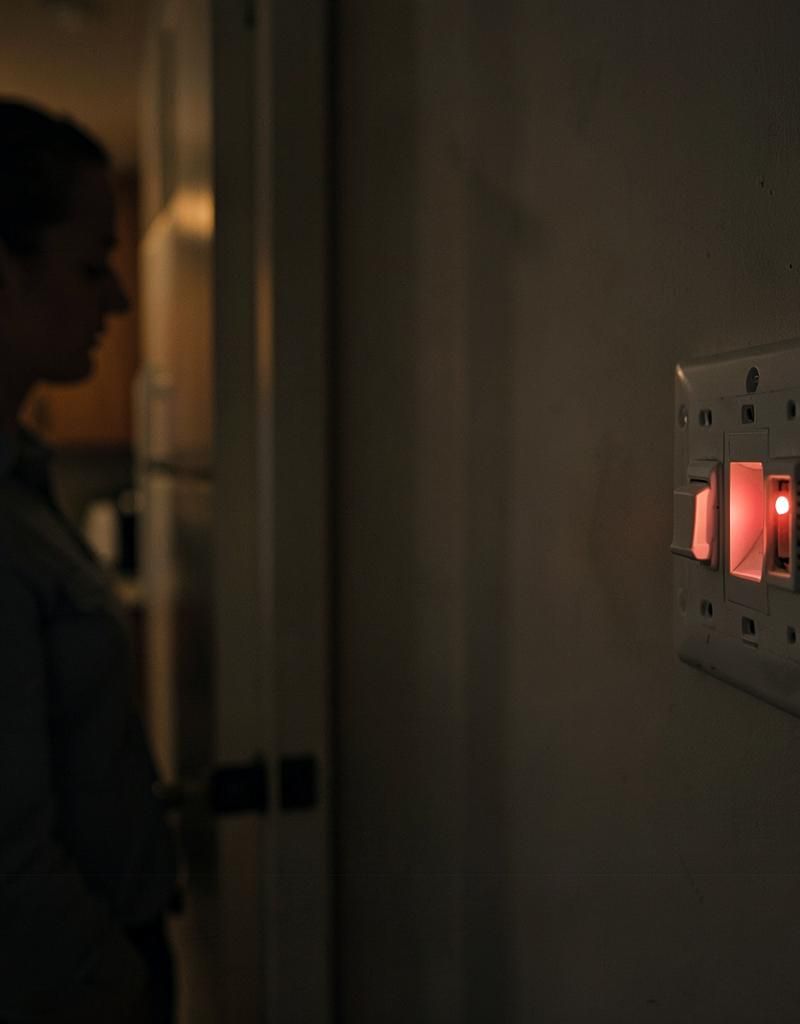
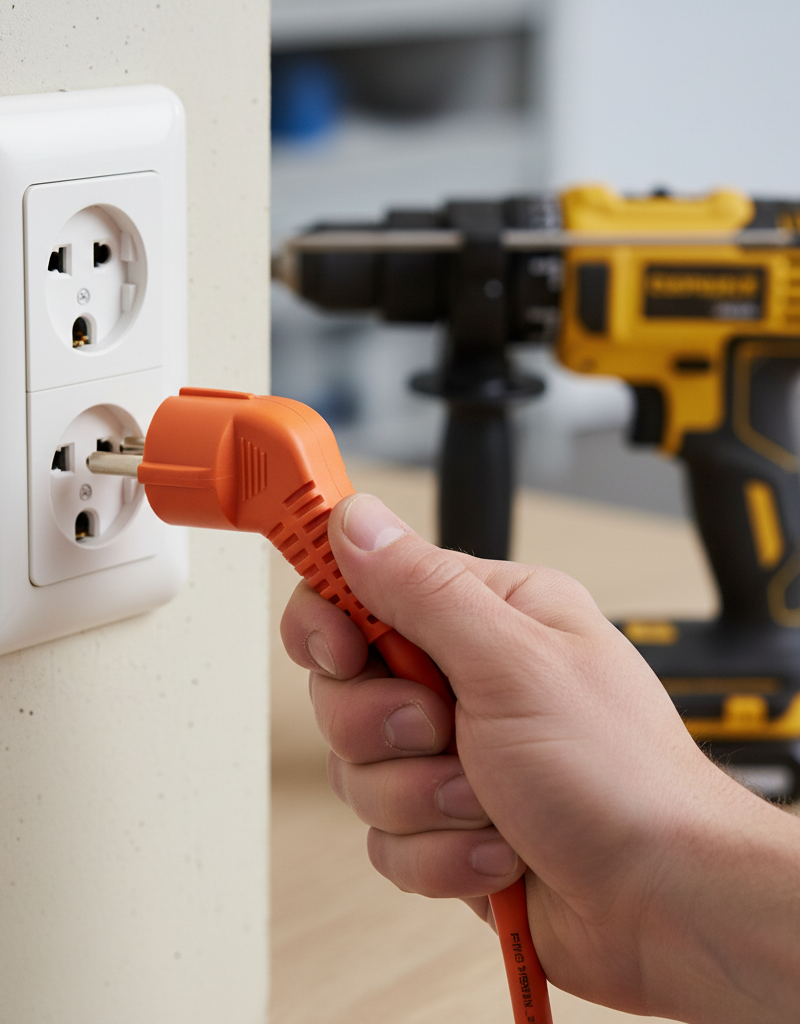
5. Burning, fishy, or hot-plastic smells near outlets or panels
A fishy or acrid smell near an outlet, switch, or your electrical panel usually means a component is overheating. Outlets that are warm to the touch, discolored, or buzzing are the same warning.
What to do: Stop using that outlet immediately, flip the breaker for that circuit, and call an electrician. This is a leading cause of electrical fires and it does not fix itself.
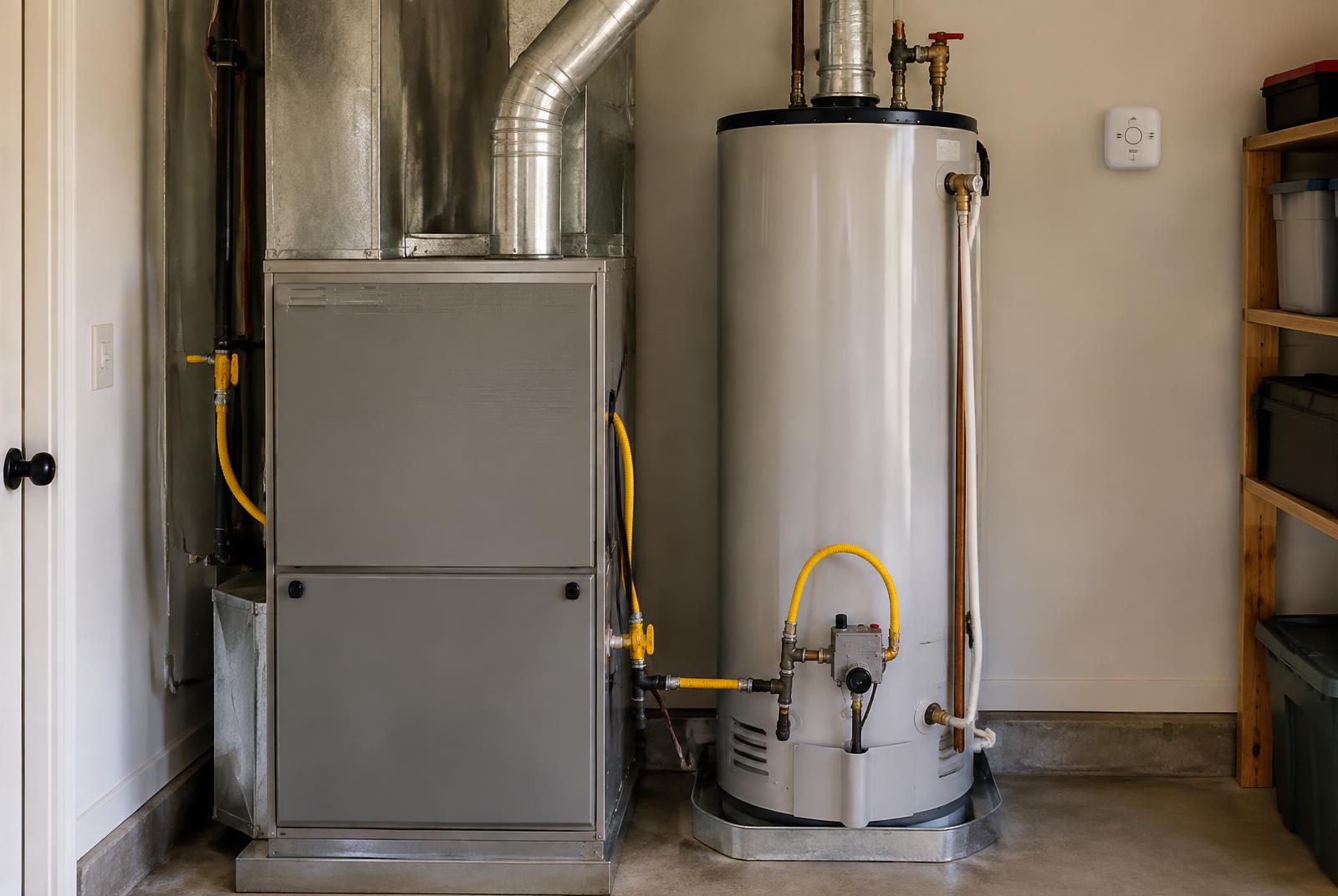
6. Water pooling around your water heater — or a dripping relief valve
The temperature-and-pressure (T&P) relief valve on your water heater is a safety device that releases water if pressure or temperature gets too high. A valve that drips constantly, or water pooling at the base of the tank, can mean the valve is failing — or that the tank is building dangerous pressure.
What to do: Don't cap or plug the valve. Check whether the discharge pipe is warm or damp, and call a plumber the same week. A neglected water heater also shortens its life dramatically — our water heater replacement cost guide covers what to expect if yours is near the end.
7. Rust-colored or rumbling hot water
Rusty water from hot taps only, or a rumbling/popping sound from the water heater, usually means sediment buildup or a corroding anode rod. Left alone, the tank corrodes from the inside and eventually leaks — 40 to 50 gallons at once.
What to do: Note the age of the tank (there's a date code on the label). If it's over 10 years old and showing these signs, start planning for replacement rather than repair.
8. Your dryer takes forever — or the laundry room feels hot and humid
A clogged dryer vent is one of the most common fire hazards in American homes. The U.S. Fire Administration attributes thousands of house fires a year to dryers, and lint buildup is the leading cause.
What to do: Check the outside vent hood while the dryer runs — you should feel strong airflow. If clothes take two cycles to dry, read our full guide on the 8 warning signs your dryer vent is clogged and clean the vent at least once a year.
9. Furnace or AC short-cycling, banging, or screeching
Heating and cooling equipment should start, run, and stop smoothly. Banging at startup can mean delayed ignition (a small gas buildup igniting at once). Screeching usually means a failing blower motor or belt. Short-cycling — turning on and off every few minutes — stresses the heat exchanger, and a cracked heat exchanger can leak carbon monoxide into your air supply.
What to do: New or worsening noises deserve a service call, especially on a furnace over 15 years old. Our guide to signs your furnace needs repair goes deeper.
10. Flickering lights, dead outlets, or a panel that's warm or buzzing
Lights that dim when the AC kicks on can be normal. Lights that flicker throughout the house, outlets that stop working in clusters, or an electrical panel that's warm, rusty, or makes any sound at all are signs of loose connections or an overloaded service — both fire risks.
What to do: Don't open the panel yourself beyond flipping breakers. If your home still has an old fuse box or a panel brand known for failures, an electrical panel replacement may be the safest money you ever spend.
The 10-minute home safety check
Once a season — our fall home maintenance checklist is a good prompt — walk your home and do this:
- Test every smoke and CO detector. Press the test button; replace any unit past its date.
- Look at the furnace flame. Steady and blue = good. Yellow or dancing = call a pro.
- Check the water heater. Look for moisture at the base and around the T&P valve discharge pipe.
- Feel your outlets. Any that are warm, discolored, or loose get flagged for an electrician.
- Sniff test. Gas, burning, or musty smells all deserve investigation.
- Check the dryer vent. Strong airflow at the exterior hood while running.
- Know your shutoffs. Make sure every adult in the house knows how to shut off the water main and where the gas shutoff and electrical panel are.
What NOT to do
- Don't ignore a CO alarm, even if it stops on its own.
- Don't keep resetting a tripping breaker. It's protecting you from something.
- Don't cap a dripping T&P valve or plug a pressure relief line.
- Don't DIY gas line work. Ever. In most states it's illegal without a license, and mistakes are catastrophic.
- Don't tape over, paint over, or disable a safety device to stop an annoyance — the annoyance is the warning.
When to call a professional immediately
Call 911 or your gas utility first (from outside) for any gas smell or CO alarm. Call a licensed pro within days — not months — for a yellow furnace flame, a repeatedly tripping breaker, a warm or buzzing panel, a leaking T&P valve, or any burning smell from wiring.
If you're in the Dallas–Fort Worth area, our DFW Founding Contractor Program connects homeowners with vetted local contractors for exactly these kinds of safety inspections and repairs.
Frequently asked questions
How often should I test my smoke and carbon monoxide detectors?
Test them monthly by pressing the test button, replace batteries at least once a year, and replace the entire unit every 7–10 years (the manufacture date is printed on the back).
Is a yellow furnace flame really that dangerous?
Yes. A yellow flame indicates incomplete combustion, which produces carbon monoxide. You can't see or smell CO, and it can reach dangerous levels without any other obvious symptom. Shut the furnace off and call an HVAC technician.
My breaker tripped once. Should I worry?
A single trip after plugging in a high-draw appliance like a space heater is the breaker doing its job. Worry when the same breaker trips repeatedly, won't reset, or feels warm — that pattern points to an overloaded circuit or a wiring fault.
Why is my water heater making a rumbling noise?
Rumbling or popping usually means sediment has hardened at the bottom of the tank and water is boiling underneath it. Flushing the tank can help early on, but in an older tank it's often a sign the unit is nearing the end of its life.
What's the single most important home safety device?
Working smoke and carbon monoxide detectors on every level of the home and outside sleeping areas. They're inexpensive, and they're the one device that protects you while you sleep.
The bottom line
Your home's appliances and systems almost always warn you before they fail dangerously. A yellow flame, a tripping breaker, a dripping relief valve, a strange smell — each one is a cheap problem today and an expensive or dangerous one next year. Do the 10-minute seasonal check, take the warning signs seriously, and bring in a licensed professional for anything involving gas, combustion, or wiring.
What should this project cost?
Enter your project details for a realistic cost range before you call anyone.
Outlet and switch work usually $150–$400; panel upgrades commonly $1,800–$4,200.
- Regional adjustment
- National average
- Labor share (typical)
- ~$709
- Quotes to collect
- 3 written estimates
Educational estimate based on national averages — not a binding quote. Always confirm with written local estimates.
Fixly Project Decision Box
- DIY difficulty
- Advanced
- Estimated time
- Homeowner checks 20–30 minutes
- Cost level
- Moderate
Main tools / materials
- Clean air filter
- Garden hose for condenser coils
- Shop vac for the condensate line
When to stop and call a pro
- Burning smell, smoke, or a tripping breaker
- Refrigerant lines iced over or hissing
- Any work inside the sealed refrigerant circuit (EPA-licensed only)
- Gas smell near a furnace — leave and call the utility
Need professional help?
Find an HVAC Pro Near YouFrequently asked questions
How often should I test my smoke and carbon monoxide detectors?+
Test them monthly by pressing the test button, replace batteries at least once a year, and replace the entire unit every 7-10 years (the manufacture date is printed on the back).
Is a yellow furnace flame really that dangerous?+
Yes. A yellow flame indicates incomplete combustion, which produces carbon monoxide. You cannot see or smell CO, and it can reach dangerous levels without other symptoms. Shut the furnace off and call an HVAC technician.
My breaker tripped once. Should I worry?+
A single trip after plugging in a high-draw appliance like a space heater is the breaker doing its job. Worry when the same breaker trips repeatedly, will not reset, or feels warm.
Why is my water heater making a rumbling noise?+
Rumbling or popping usually means sediment has hardened at the bottom of the tank and water is boiling underneath it. Flushing the tank can help early on, but in an older tank it often means the unit is nearing the end of its life.
What is the single most important home safety device?+
Working smoke and carbon monoxide detectors on every level of the home and outside sleeping areas. They are inexpensive and they are the one device that protects you while you sleep.

Discussion
Loading comments…