- Water isn't getting hot enough
- Rust-colored water at the tap
- Water pooling around the base of the tank
- Popping or rumbling noises (sediment buildup)
- Longer recovery between showers
Plumbing · Water heater problem
| Project category | Plumbing |
|---|---|
| Problem type | Water heater problem |
| Trade required | Plumbing |
| Urgency | Urgent — within days |
| Safety risk | Moderate safety risk |
| DIY suitability | Pro recommended |
| Cost category | Moderate cost |
| Typical timeline | Diagnosis same day; replacement typically a half-day install |
| Contractor type | Licensed plumber |
Repair option
Element, thermostat, or thermocouple replacement on a tank still in good condition.
Replacement option
Full replacement once the tank leaks or passes roughly a decade of service.
Common causes
- Failed heating element or thermocouple
- Sediment buildup reducing capacity
- Tank corrosion at end of service life
Relevant tools:repair or replaceproject cost estimator
Published August 8, 2026Last updated August 17, 2026
Tools & materials you'll need
Affiliate links- Amazon40-50 gallon electric water heaterBest fit for 2–4 person households on electric service.
- Amazon50 gallon gas water heaterFaster recovery for larger families on natural gas.
- AmazonTankless gas water heater whole houseEndless hot water, 20+ year lifespan.
- AmazonHybrid heat pump water heaterLowest operating cost; needs a warm, open space.
- AmazonWater heater thermal expansion tankRequired by code on most closed plumbing systems.
- AmazonWater heater drain pan with drain fittingCheap insurance against a slow leak.
- AmazonWater heater leak detector with automatic shutoffShuts the supply off before the floor floods.
- AmazonMagnesium anode rodReplace every few years to fight tank corrosion.
- AmazonWater heater insulation blanketCuts standby heat loss on older tanks.
- AmazonTankless water heater flush kitAnnual descaling keeps efficiency up.
As an Amazon Associate FixlyGuide earns from qualifying purchases — at no extra cost to you. Prices and availability are accurate as of publication and subject to change.
Quick Answer
Most homeowners spend $1,000 to $3,500 to replace a water heater in 2026. A standard electric tank runs $1,000 to $2,000 installed, a gas tank $1,200 to $2,500, and a tankless gas system $2,500 to $5,500. Labor, venting, permits, and code upgrades decide where you land.
Water Heater Replacement Cost in 2026
Few appliances work as hard as your water heater. Showers, laundry, dishes — it runs every day until the morning it doesn't. And when it goes, it usually goes on a weekend.
Whether you're swapping a leaking tank or upgrading to a high-efficiency tankless system, knowing today's numbers helps you budget instead of panic-buying whatever the emergency plumber has on the truck.
National average installed costs
| Water heater type | Average installed cost (2026) |
|---|---|
| Electric tank | $1,000 – $2,000 |
| Gas tank | $1,200 – $2,500 |
| High-efficiency gas tank | $1,800 – $3,000 |
| Tankless electric | $1,500 – $3,000 |
| Tankless gas | $2,500 – $5,500 |
| Heat pump (hybrid) | $2,500 – $5,000 |
| Solar water heater | $5,000 – $10,000+ |
Your total depends on the unit type, tank size, fuel source, labor rates, plumbing or electrical modifications, venting, permit fees, and how easy the install location is to reach.
Signs It's Time to Replace Your Water Heater
Most water heaters warn you before they quit:
- Water isn't getting hot enough
- Hot water runs out fast
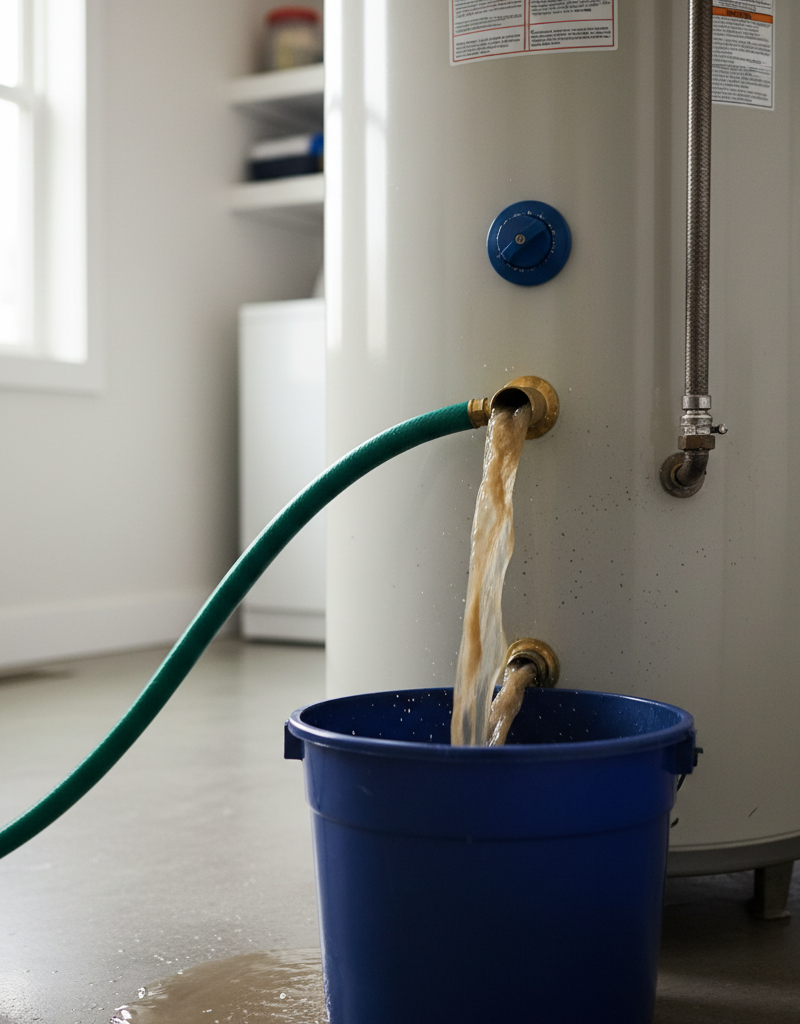
- Rust-colored water at the tap
- Water pooling around the base of the tank
- Popping or rumbling noises (sediment buildup)
- Longer recovery between showers
- Inconsistent temperatures
- Climbing utility bills
- Visible corrosion on the tank or fittings
- The unit is 10–15 years old
Ignore these long enough and you trade a planned $1,500 replacement for a flooded utility room and an emergency service call.
How Long Do Water Heaters Last?
- Traditional tank: 8–12 years
- Gas tank: 10–12 years
- Electric tank: 10–15 years
- Tankless: 20+ years
- Heat pump: 10–15 years
Flushing the tank annually and replacing the anode rod every few years buys real time on a tank unit.
What Affects the Cost of Water Heater Replacement
1. Type of water heater
Traditional tank — $1,000 to $2,500 installed. Lowest upfront cost, simplest install, parts on every supply house shelf. The trade-off is standby loss: it heats stored water around the clock.
Tankless — $2,500 to $5,500 installed. Heats water on demand, so you get endless hot water, lower monthly bills, a 20-year lifespan, and a wall-mounted footprint. Gas models often need a larger gas line and new stainless venting, which is where the extra cost hides.
Heat pump (hybrid) — $2,500 to $5,000 installed. Up to three times more efficient than a conventional electric unit, and frequently eligible for utility rebates and federal tax credits. Needs a warm space with airflow — a garage or basement, not a tight closet.
2. Tank size
- 30 gallon: 1–2 people
- 40 gallon: 2–3 people
- 50 gallon: 3–5 people
- 75 gallon: 5–7 people
- 80 gallon+: large households or high simultaneous demand
Bigger tanks cost more to buy and more to heat, so size for what you actually use.
3. Fuel source
Electric — $1,000 to $2,000. Cheaper equipment, easier install, less maintenance. Slower recovery and higher operating cost in most markets.
Gas — $1,200 to $2,500. Faster recovery and lower running costs in most regions, but it brings gas line and venting requirements that add labor.
4. Labor
Professional installation typically runs $500 to $1,500. Expect the higher end if the job needs new plumbing connections, gas line changes, electrical upgrades, venting improvements, an expansion tank, code-compliance updates, or an awkward attic or crawlspace location.
5. Permits and code
Most cities require a permit, generally $50 to $300, plus an inspection. A licensed plumber pulls it and schedules the inspection as part of the job.
6. Add-on costs
- Expansion tank: $150 – $500
- New shut-off valves: $100 – $300
- Drain pan: $75 – $250
- Water line upgrades: $200 – $800
- Gas line modifications: $300 – $1,000
- Electrical panel upgrade: $500 – $2,500
- Venting improvements: $300 – $1,500
Water Heaters and Install Parts on Amazon
Buying the unit yourself and paying a plumber for labor-only can save a few hundred dollars — just confirm your installer will warranty a homeowner-supplied unit first. These are the categories worth comparing:
- Electric tank water heaters (40–50 gallon)
- Gas tank water heaters (40–50 gallon)
- Tankless gas water heaters
- Tankless electric water heaters
- Heat pump (hybrid) water heaters
- Point-of-use mini tank water heaters
- Thermal expansion tanks
- Water heater drain pans
- Water heater stands and earthquake straps
- Anode rods for tank water heaters
- Water heater blankets and pipe insulation
- Leak detectors and automatic shutoff valves
- Water heater flush kits and descalers
Choosing the Right Water Heater
Stick with a tank if you want the lowest upfront cost, already have a tank system, and have average hot water needs.
Go tankless if you want unlimited hot water, plan to stay in the home long enough to recover the investment, and want the utility room space back.
Go heat pump if efficiency is the priority, you have a warm space with airflow, and your utility offers rebates. Operating cost is the lowest of the three.
Can You Replace a Water Heater Yourself?
Legal in some jurisdictions, rarely a good idea. A bad install can mean gas leaks, carbon monoxide, electrical shock, water damage, fire hazards, a voided manufacturer warranty, and a failed inspection at resale. A licensed plumber handles the connections, venting, permit, and code compliance.
Ways to Save Money
- Get at least three estimates from licensed plumbers
- Replace before failure to avoid emergency rates
- Claim manufacturer rebates, utility incentives, and federal efficiency credits
- Ask about financing on high-efficiency units
- Schedule during normal business hours
- Size the unit correctly instead of oversizing
- Flush annually so the next one lasts longer
Repair vs. Replace
Repair makes sense when the unit is under 8 years old, the problem is a thermostat or heating element, and there's no corrosion or leaking.
Replace when the tank is leaking, the unit is over 10–12 years old, repairs are stacking up, water runs rust-colored, bills keep climbing, or you're constantly running out of hot water.
Rule of thumb: if repair costs approach half the price of a new system, replace it.
Does a New Water Heater Increase Home Value?
Not dramatically on the appraisal, but it removes a red flag from the inspection report, boosts buyer confidence, cuts operating costs, and eliminates the leak risk a 14-year-old tank carries. For most buyers, a recent high-efficiency unit is a quiet selling point.
Expert Tips
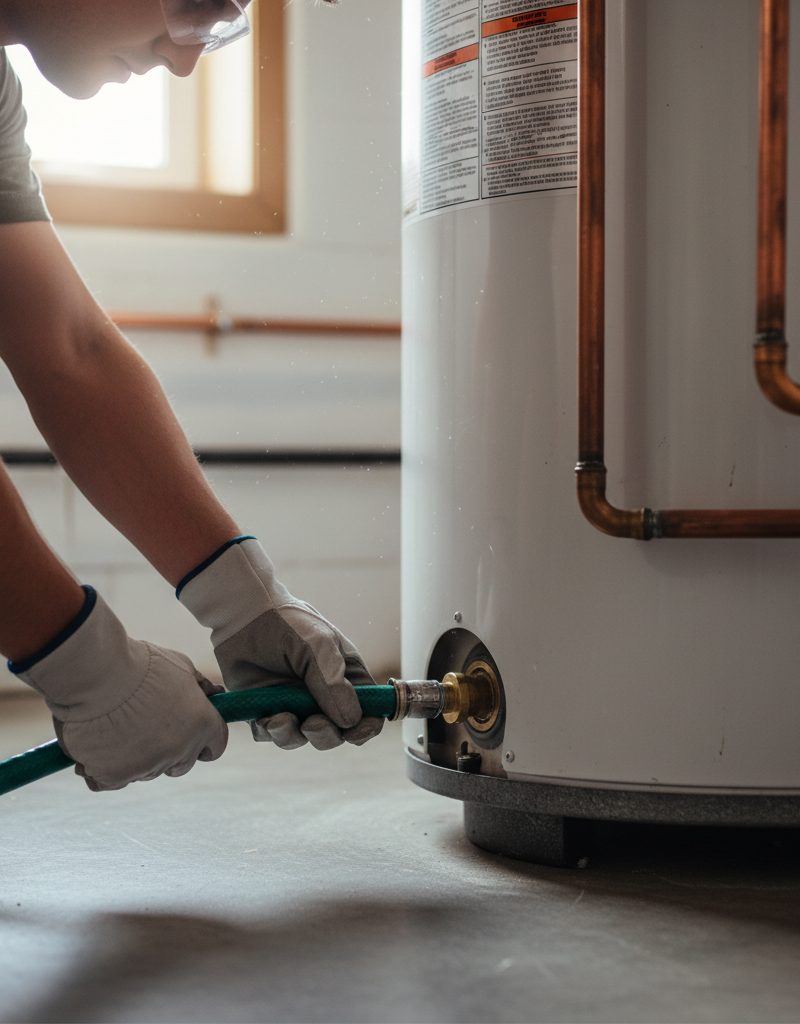
- Flush the tank once a year to clear sediment
- Test the pressure relief valve periodically
- Replace the anode rod every few years
- Insulate hot water lines to cut heat loss
- Set the thermostat to 120°F for safety and efficiency
- Keep the area around the unit clear for service
- Schedule an annual inspection on gas units
Estimate your own project cost
National averages are a starting point. Enter your details for a range that fits your house.
Water heater replacement cost
- Unit$550 – $1,400
- Installation labor$350 – $900
- Removal & disposal$60 – $150
- Permit & inspection$50 – $200
These estimates reflect typical US installed costs. Get 2–3 written quotes before committing.
Educational estimate only — always confirm with written local bids.
Questions to ask before you sign
Ask every contractor the same questions and the cheapest bid stops looking cheapest. Check them off as you go — your progress is saved on this device.
Free, no signup. Bring this to every walkthrough so you compare bids on the same terms.
What should this project cost?
Enter your project details for a realistic cost range before you call anyone.
Common repairs run $150–$650; repipes and water-heater replacements reach $1,500–$4,500.
- Regional adjustment
- National average
- Labor share (typical)
- ~$754
- Quotes to collect
- 3 written estimates
Educational estimate based on national averages — not a binding quote. Always confirm with written local estimates.
Fixly Project Decision Box
- DIY difficulty
- Moderate
- Estimated time
- 30 minutes – half a day
- Cost level
- Moderate
Main tools / materials
- Adjustable wrench
- Plunger or drain auger
- Bucket and towels
- Thread tape
When to stop and call a pro
- Water you cannot shut off at the fixture or main
- Sewage backing up into more than one fixture
- Water near electrical panels or outlets
- Gas water heater work beyond relighting a pilot
Need professional help?
Get a Licensed PlumberCheck these numbers against your project
National averages are a starting point. These tools narrow it to your scope and ZIP.
Free, no signup required. Estimates are educational guidance, not a quote or an inspection.
Frequently asked questions
How much does it cost to replace a water heater in 2026?+
Most homeowners pay between $1,000 and $3,500 to replace a water heater in 2026. Traditional tank units are the most affordable, while tankless and heat pump systems cost more because of higher equipment prices and added installation requirements such as gas line sizing, venting, or electrical work.
How long does water heater replacement take?+
A standard like-for-like replacement takes about 2 to 4 hours. If the job also requires upgrading gas lines, electrical wiring, venting, or plumbing, plan on a full day or longer including inspection.
Is a tankless water heater worth the extra cost?+
For many homeowners, yes. Tankless units deliver endless hot water, lower monthly energy bills, a lifespan of 20 years or more, a smaller footprint, and no risk of a catastrophic tank rupture. If you plan to stay in the home several years, the savings and durability usually justify the higher install cost.
Should I replace my water heater before it fails?+
Usually yes. Proactive replacement avoids emergency plumbing rates, water damage to floors and walls, mold, and days without hot water. If your unit is more than 10 to 12 years old and showing wear, replacing on your schedule is cheaper than replacing on its schedule.
Can I install a water heater myself?+
It is legal in some areas, but professional installation is strongly recommended. A licensed installer ensures proper plumbing connections, safe gas or electrical hookups, correct venting, code compliance, and a valid manufacturer warranty. Improper installation risks gas leaks, carbon monoxide, and fire.
What size water heater do I need?+
Size to your household demand: 30–40 gallons for 1–2 people, 40–50 gallons for 2–4 people, 50–60 gallons for 4–5 people, and 75–80 gallons for 5 or more. Homes with heavy simultaneous hot water use may be better served by a properly sized tankless system.
How much does labor cost to install a water heater?+
Professional labor typically runs $500 to $1,500. Costs rise with new plumbing connections, gas line modifications, electrical upgrades, venting changes, expansion tank installation, or difficult access such as an attic or crawlspace.
Do I need a permit to replace a water heater?+
Most municipalities require one, typically $50 to $300, along with an inspection. A licensed plumber normally pulls the permit and schedules the inspection as part of the installation.

Discussion
Loading comments…