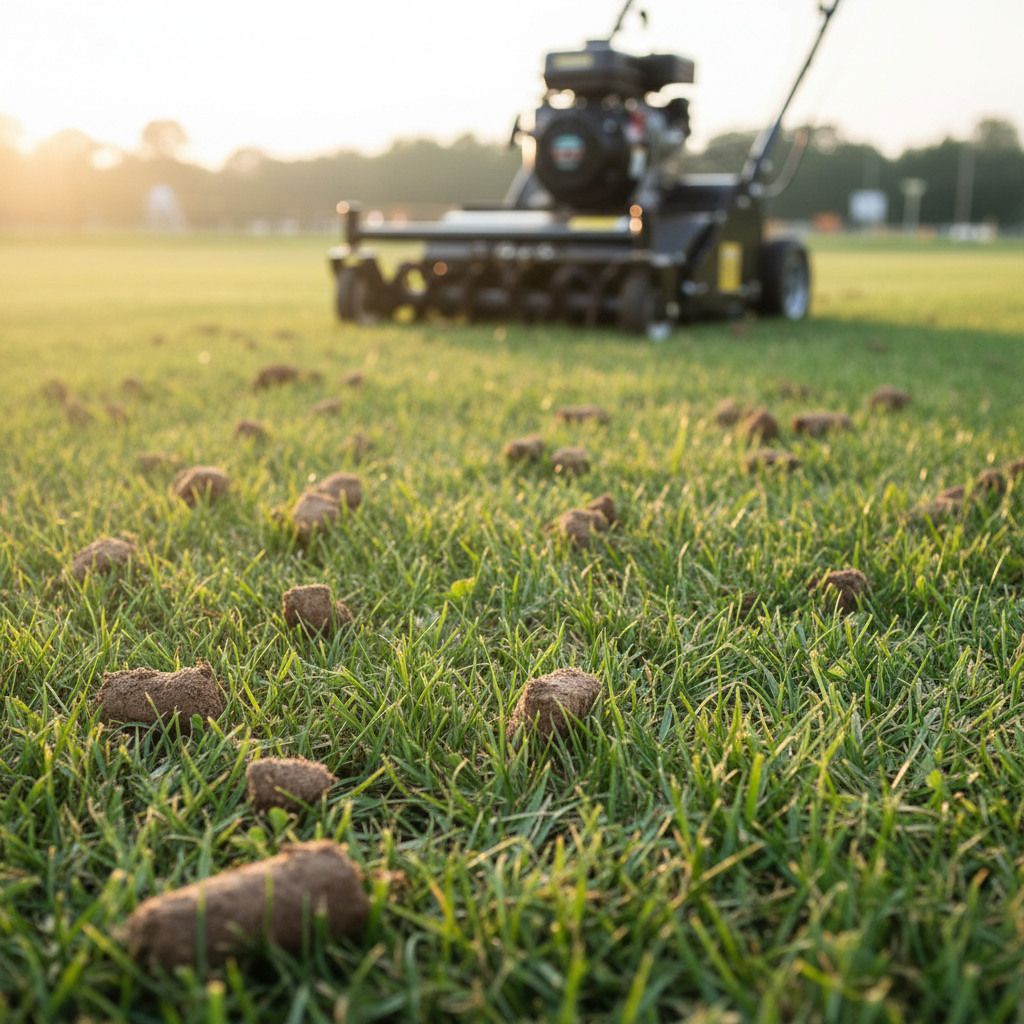
- Prep Your Lawn for Success – Clear the way for an even job
- Mow your lawn to its regular height a day or two before aerating. Shorter grass makes it easier for the aerator to penetrate the soil evenly.
- Mark any sprinkler heads, shallow utility lines, or shallow dog fences with flags to avoid damaging them with the aerator.
- Safety Note: Always know where your underground utilities are located. Call 811 a few days beforehand if unsure.
Landscaping · Deck or fence project
| Project category | Landscaping |
|---|---|
| Problem type | Deck or fence project |
| Trade required | Landscaping |
| Urgency | Planned project |
| Safety risk | Moderate safety risk |
| DIY suitability | DIY for experienced homeowners |
| Cost category | High cost |
| Typical timeline | Most builds 3–10 days depending on size |
| Contractor type | Landscaping contractor |
Repair option
Replace failed boards, posts, and hardware; reseal the surface.
Replacement option
Rebuild when framing or the ledger connection is unsafe.
Common causes
- Rot at posts and ledger
- Storm damage
- Adding outdoor living space
Relevant tools:home improvement material pricesproject cost estimator
Published June 4, 2026Last updated August 17, 2026
Tools & materials you'll need
Affiliate linksAs an Amazon Associate FixlyGuide earns from qualifying purchases — at no extra cost to you. Prices and availability are accurate as of publication and subject to change.
Quick Answer
The optimal time to aerate your lawn is not a one-size-fits-all answer. It hinges entirely on your grass type and its peak growing season. For cool-season grasses (like fescue, rye, bluegrass), the sweet spot is late summer to early fall (August to October). For warm-season grasses (like Zoysia, Bermuda, St. Augustine), late spring to early summer (April to June) is ideal. The critical principle is to aerate when the grass is actively growing so it can quickly recover and fill in the newly created holes, preventing weeds from taking root.
The Problem
Dense, compacted soil is the silent killer of many lawns. Over time, foot traffic, heavy rainfall, mowing, and even gravity compact the soil, squeezing out crucial air pockets. When these pockets disappear, water struggles to penetrate, nutrients can't reach the roots effectively, and grass roots themselves can't spread out, becoming stunted and weak. This leads to a thin, patchy lawn that's more susceptible to disease, pests, and drought stress. You might notice standing water after rain, a general lack of vigor, or a lawn that feels hard and unyielding underfoot. Trying to improve such a lawn with just fertilizer and extra watering is like trying to fix a clogged drain by pouring more water into it – it doesn't address the root cause.
How It Works
Aeration is essentially creating tiny holes in your lawn to alleviate soil compaction. There are two main types: spike aeration and core (or plug) aeration. Spike aerators simply poke holes into the ground, which offers some immediate relief but still compacts the soil around the edges of the holes. Core aeration, by far the more effective method, uses hollow tines to remove small plugs of soil and thatch from the lawn.
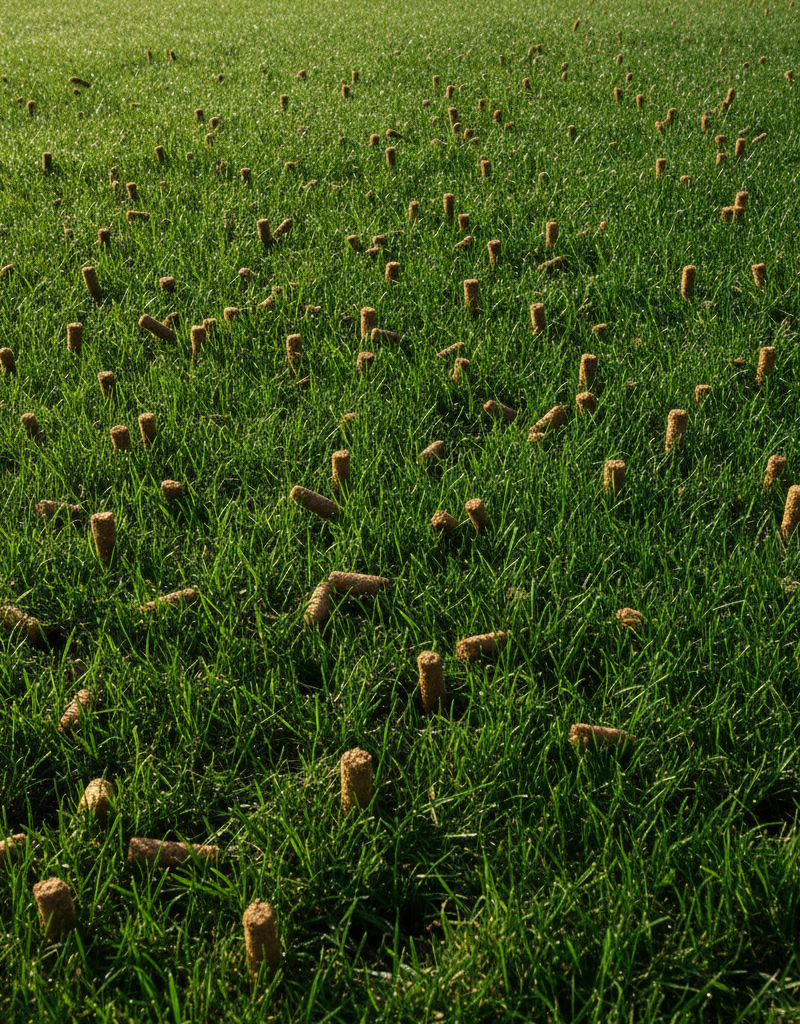
When these plugs are removed, it immediately creates space, allowing air, water, and nutrients to penetrate deeper into the soil profile. This direct access nourishes the grass roots, encouraging them to grow deeper and stronger. The removed soil plugs also bring up beneficial microorganisms from deeper layers, helping to break down the thatch layer (the build-up of dead grass stems and roots between the soil surface and the green blades). As the plugs decompose back into the lawn, they release their nutrients. The increased oxygen promotes healthy microbial activity, further improving soil structure and nutrient availability. The temporary openings also act as ideal channels for overseeding, ensuring better seed-to-soil contact for improved germination rates.
Step-by-Step Fix
Before you start, assess your lawn's needs. If your lawn dries out quickly, has thin growth, or water puddles easily, aeration is likely needed.
-
Prep Your Lawn for Success – Clear the way for an even job
- Mow your lawn to its regular height a day or two before aerating. Shorter grass makes it easier for the aerator to penetrate the soil evenly.
- Mark any sprinkler heads, shallow utility lines, or shallow dog fences with flags to avoid damaging them with the aerator.
- Safety Note: Always know where your underground utilities are located. Call 811 a few days beforehand if unsure.
-
Water Your Lawn (But Not Too Much!) – Achieve optimal moisture for plug extraction
- Water your lawn thoroughly a day or two before you aerate. The soil should be moist, but not soggy. Moist soil allows the aerator tines to penetrate more easily and pull out clean plugs. If the soil is too dry, the aerator will struggle, and if it's too wet, it can create muddy conditions and excessive compaction.
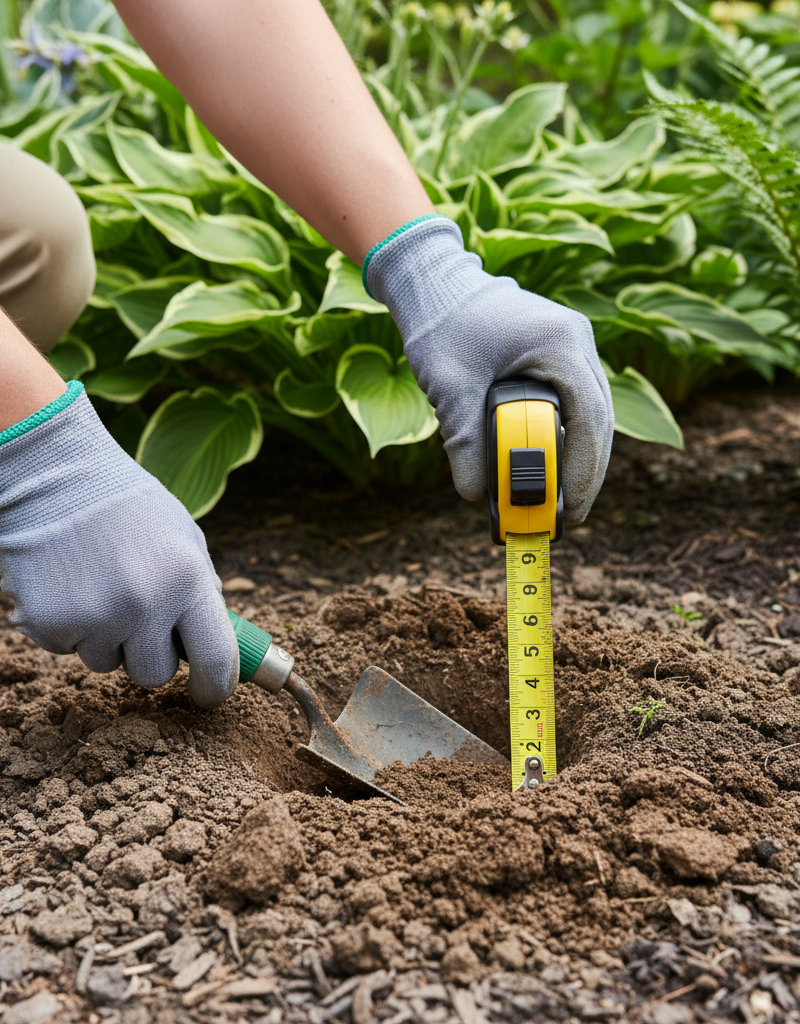
- Test by pushing a screwdriver into the soil; it should go in relatively easily about 4-6 inches.
-
Choose Your Aeration Method – Decide between renting or a professional
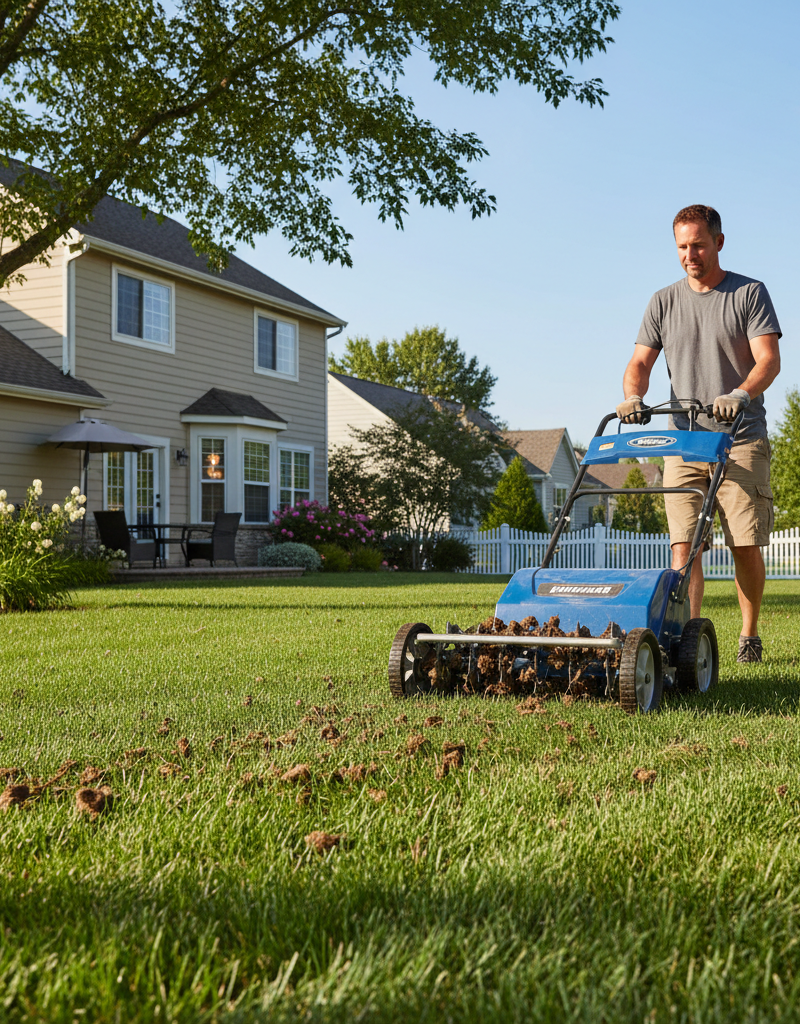
- Rent a Core Aerator: For most homeowners with average-sized lawns, renting a gas-powered core aerator from a local equipment rental store is the most cost-effective and efficient DIY option. These machines resemble walk-behind mowers and are designed to pull soil plugs.
- Manual Core Aerator: For small areas or particularly stubborn spots, a hand-held core aerator can be used, but it's very labor-intensive for an entire lawn.
- Professional Service: Consider a professional if you have a very large lawn, significant compaction issues, or simply prefer to outsource the labor.
-
Operate the Core Aerator – Cover your lawn systematically
- Start by making a pass around the perimeter of your lawn.
- Then, work in parallel lines, similar to mowing. For highly compacted areas or turf that needs extra attention, consider making a second pass perpendicular to the first, creating a crosshatch pattern.
- Aim for 2-4 inch deep holes, spaced 2-4 inches apart. Most rental machines have adjustable depth settings.
- Safety Note: Always wear sturdy closed-toe shoes and eye protection when operating power equipment. Read the aerator's manual thoroughly before starting.
-
Leave the Soil Plugs Alone – Let them decompose naturally
- Resist the urge to rake up the plugs of soil. They contain beneficial microorganisms and will break down naturally within a week or two, returning nutrients and organic matter to the lawn. Mowing over them can help to break them down faster.
-
Overseed (Optional, But Recommended) – Boost density and introduce new varieties
- Immediately after aeration is an excellent time to overseed your lawn. The newly created holes provide ideal seed-to-soil contact, which is crucial for germination.
- Choose a grass seed variety that is appropriate for your climate and sun exposure.
- Spread the seed uniformly over the aerated area using a broadcast spreader.
-
Fertilize – Provide nutrients to jumpstart recovery
- After overseeding (or if you are not overseeding), apply a slow-release lawn fertilizer. The aeration holes will deliver these nutrients directly to the root zone, maximizing their effectiveness and encouraging strong, deep root growth for recovery.
- Follow the manufacturer's recommendations for application rates.
-
Water Deeply – Ensure moisture for healing and growth
- Water your lawn deeply immediately after aeration and continue to water regularly (but not excessively) for the next few weeks, especially if you overseeded. Consistent moisture is vital for root growth and seed germination.
- Aim for about 1 inch of water per week, including rainfall.
Common Causes
- Heavy Foot Traffic: Play areas, pathways, and entertaining spaces naturally compact the soil over time.
- Clay Soil: Soils with a high clay content are naturally more prone to compaction due to their small particle size, which fits together tightly.
- Construction Activity: Subsoils exposed during construction, or compaction from equipment, can severely limit turf growth.
- Thatch Buildup: A thick layer of thatch (over 1/2 inch) can prevent air and water from reaching the soil, indirectly leading to compaction.
- Improper Mowing: Mowing too low repeatedly can weaken grass, leading to bare spots and less root mass to naturally aerate the soil.
- Heavy Rainfall or Irrigation: While necessary, excessive watering on heavy soils can sometimes contribute to compaction by filling all air pores.
Common Mistakes
- Aerating at the Wrong Time: This is the #1 mistake. Aerating during extreme heat, drought, or when the grass is dormant (brown) can severely stress the turf, making it difficult to recover and creating open invitations for weeds. Always aerate during the peak growing season for your grass type.
- Not Watering Beforehand: Trying to aerate dry, rock-hard soil is ineffective and can damage your equipment. It also won't pull plugs correctly.
- Not Marking Obstacles: Hitting a sprinkler head or an underground cable can be an expensive repair and dangerous. Always flag obstacles.
- Aerating Too Infrequently: For lawns with heavy traffic or clay soil, annual or even bi-annual aeration might be necessary. Neglecting it allows compaction to return.
- Raking Up the Plugs: While they look messy for a few days, the plugs are beneficial. Raking them removes valuable organic matter and microorganisms that help improve soil structure.
- Ignoring Follow-Up Care: Aeration isn't a silver bullet. Without proper watering, fertilization, and potentially overseeding afterward, you won't maximize the benefits and help the lawn recover.
- Using Spike Aerators for Severe Compaction: While they have their place for very light compaction, spike aerators don't remove soil, so they don't provide the same lasting benefits as core aeration for truly compacted lawns.
Cost & Time Breakdown
| Task | DIY Cost | Pro Cost | Time |
|---|---|---|---|
| Aerator Rental | $70–$150 | Included | 2–4 hours |
| Gas | $5–$10 | Included | – |
| Overseeding Seed (optional) | $20–$60 | $50–$150 | 15–30 min |
| Starter Fertilizer | $20–$40 | Included | 15–30 min |
| Total | $115–$260 | $150–$450 | 2.5–5 hours |
Tips & Prevention
- Know Your Grass Type: This is paramount for determining the best aeration schedule. Cool-season grasses thrive in cooler weather (spring/fall), warm-season grasses in hotter weather (summer).
- Mow at the Correct Height: Taller grass blades (usually 2.5-3.5 inches) encourage deeper root growth, which naturally helps resist compaction.
- Topdress with Organic Matter: Applying a thin layer of compost (1/4 to 1/2 inch) once a year can significantly improve soil structure and reduce compaction over time.
- Test Your Soil: A soil test every few years will tell you about your soil's composition, pH, and nutrient deficiencies, guiding your fertilization and amendment strategy.
- Alternate Walkways: If practical, try to vary foot traffic patterns across your lawn to prevent creating consistently compacted pathways.
- Address Thatch: If your thatch layer is consistently over 1/2 inch, consider dethatching (power raking) before aerating to allow better penetration to the soil.
When to Call a Professional
While aerating is a manageable DIY task for many homeowners, there are specific situations where calling a professional lawn care service is advisable. If your lawn is exceptionally large (over 1/2 acre), the time and effort required for DIY aeration can be prohibitive, and professionals have larger, more efficient equipment. Significant existing problems like extremely severe soil compaction (e.g., in a newly constructed home where builder's-grade soil was used) or persistent drainage issues might benefit from a professional assessment and specialized machinery. Additionally, if your lawn shows signs of fungal diseases, pest infestations, or other complex horticultural problems, a professional can properly diagnose and treat the underlying issues, integrating aeration into a broader lawn health plan. They can also ensure proper timing and technique, especially if you're unsure about your specific grass type or soil conditions.
Related Articles
Keep troubleshooting with these hand-picked guides from FixlyGuide:
- The #1 Lawn Aeration Mistake Most Homeowners Make (And When to REALLY Do It) — Discover the crucial mistake many homeowners make with lawn aeration and learn the optimal timing for a thriving, healthy lawn.
- The #1 Lawn Aeration Mistake Most Homeowners Make (And When to REALLY Do It) — Discover the crucial mistake homeowners make with lawn aeration and learn the optimal timing to ensure a healthy, thriving lawn.
- The #1 Lawn Aeration Mistake Most Homeowners Make (And How to Time It Right) — Timing your lawn aeration correctly is crucial for maximizing its benefits and ensuring a healthier, more resilient lawn.
- The #1 Lawn Aeration Mistake Most Homeowners Make (And How to Fix It) — Timing is everything when it comes to lawn aeration, and doing it at the wrong time can do more harm than good for your grass.
- The #1 Lawn Aeration Mistake Most Homeowners Make (And When to REALLY Do It) — Discover the crucial mistake many homeowners make with lawn aeration and learn the optimal timing for a healthier, more vibrant lawn.
- The #1 HVAC Mistake Costing You Hundreds (And How Often to Really Change Your Filter) — Discover the crucial mistake most homeowners make with HVAC filters, leading to higher energy bills, poor air quality, and system damage. L…
What should this project cost?
Enter your project details for a realistic cost range before you call anyone.
Cost depends heavily on which system turns out to be the source.
- Regional adjustment
- National average
- Labor share (typical)
- ~$1,620
- Quotes to collect
- 3 written estimates
Educational estimate based on national averages — not a binding quote. Always confirm with written local estimates.
Get the print-ready PDF of this guide
A clean, ad-free, printable version you can keep on your phone or pin to the workshop wall. Free with a FixlyGuide account.
- Print-optimized layout
- Tools, materials & every step included
- Saved to your account
Frequently asked questions
How often should I aerate my lawn?+
For most lawns, annual aeration is sufficient. However, if you have heavy clay soil, high foot traffic, or a history of significant compaction, aerating every 6-9 months might be beneficial.
Should I rake up the soil plugs after aeration?+
No, it's best to leave the soil plugs on the lawn. They contain beneficial microorganisms and nutrients, and they will naturally break down and reintegrate into the soil within a week or two, further improving soil structure. Mowing over them can help to speed up their decomposition.
What's the difference between spike aeration and core aeration?+
Spike aeration involves poking holes in the ground with solid tines, which can further compact the soil around the edges of the holes. Core aeration, on the other hand, removes small plugs of soil and thatch, creating true space for air, water, and nutrients to penetrate, making it much more effective for relieving compaction.
Can I aerate my lawn in the spring?+
You can aerate cool-season grasses in early spring, but late summer to early fall is generally preferred as it allows the grass to recover vigorously before winter. For warm-season grasses, late spring to early summer is the ideal time, as this is their peak growth period.
What should I do after aerating my lawn?+
After aeration, it's highly recommended to overseed your lawn, as the holes provide excellent seed-to-soil contact. Apply a slow-release fertilizer and water deeply and consistently to encourage root growth and seed germination, and to help your lawn recover quickly.
Discussion
Loading comments…