- Prepare the Area: After removing dandelions, lightly rake any bare or thin spots to loosen the soil. You can add a thin layer of compost or topsoil to improve soil health.
- Spread Seed: Apply a high-quality grass seed appropriate for your climate and sun conditions. Use a hand spreader for even distribution. Follow package directions for seeding rates.
- Keep Moist: Lightly water the newly seeded areas daily or twice daily until the grass germinates and is established (usually 2-4 weeks). This is crucial for successful germination.
Landscaping · Deck or fence project
| Project category | Landscaping |
|---|---|
| Problem type | Deck or fence project |
| Trade required | Landscaping |
| Urgency | Planned project |
| Safety risk | Moderate safety risk |
| DIY suitability | DIY for experienced homeowners |
| Cost category | High cost |
| Typical timeline | Most builds 3–10 days depending on size |
| Contractor type | Landscaping contractor |
Repair option
Replace failed boards, posts, and hardware; reseal the surface.
Replacement option
Rebuild when framing or the ledger connection is unsafe.
Common causes
- Rot at posts and ledger
- Storm damage
- Adding outdoor living space
Relevant tools:home improvement material pricesproject cost estimator
Published May 15, 2026Last updated August 17, 2026
Tools & materials you'll need
Affiliate linksAs an Amazon Associate FixlyGuide earns from qualifying purchases — at no extra cost to you. Prices and availability are accurate as of publication and subject to change.
Quick Answer
Many homeowners struggle with dandelions because they tackle the visible weeds without addressing the underlying conditions that allow them to thrive. The quickest and most effective way to get rid of dandelions is to understand their life cycle and implement a combined strategy of manual removal for individual plants, proper lawn care to create a dense, healthy turf that chokes out weeds, and, if necessary, judicious application of appropriate herbicides. Skipping any of these steps is the number one mistake, leading to a perpetually dandelion-infested lawn.
The Problem
Dandelions (Taraxacum officinale) are a ubiquitous and frustrating weed for many homeowners. Their bright yellow flowers quickly turn into fluffy white seed heads, spreading thousands of new seeds across your lawn and your neighbors' properties with every gust of wind. Beyond the aesthetic concern, dandelions compete with desirable turfgrass for water, nutrients, and sunlight, weakening your lawn over time. Their deep taproots make them notoriously difficult to eradicate, often breaking off during pulling and regenerating new plants from the remaining root pieces. The core problem isn't just the dandelion itself, but how its presence signifies an underlying weakness or imbalance in your lawn's ecosystem that allows it to flourish.
How It Works
Understanding a dandelion's biology is key to defeating it. Dandelions are perennial broadleaf weeds, meaning they come back year after year from the same root system if not fully removed. Each plant develops a strong, deep taproot that can extend 10 to 18 inches into the soil. This taproot acts as a food storage organ, allowing the plant to survive harsh conditions, regenerate even after its top growth is removed, and quickly access deeper soil moisture, giving it a significant advantage over many turfgrasses, especially during dry spells.
Starting in early spring, dandelions produce their characteristic yellow flowers. Each flower head is actually composed of many tiny individual flowers, called florets. Once pollinated, these florets develop into seeds. A single dandelion plant can produce hundreds, if not thousands, of seeds during a season. These seeds, equipped with their parachute-like pappus, are easily dispersed by wind over long distances. The seeds can remain viable in the soil for several years, waiting for optimal conditions to germinate. Dandelion seeds typically germinate when soil temperatures are between 50-77°F (10-25°C), often in late summer or early fall, but also in spring. The newly germinated seedlings establish their taproots, growing larger and stronger through the fall, overwintering, and then flowering in the spring. This two-period germination cycle (spring and fall) is one reason they are so persistent. Herbicides work by disrupting cellular processes in the plant. Selective broadleaf herbicides, designed to kill dandelions without harming turfgrass, typically interfere with plant growth hormones, causing uncontrolled growth that leads to the weed's demise. Timing is critical for effectiveness.
Step-by-Step Fix
1. Arm Yourself for the Pull – Choose the right tools for effective manual removal.
- Gather Your Gear: You'll need a dandelion-specific weeding tool (like a stand-up weed puller or a hand weeder with a V-notch tip), gardening gloves, and a bucket for weeds. Trying to pull them by hand without the right tool often results in the taproot breaking, leaving a piece behind to regenerate.
- Timing is Key: The best time to pull dandelions is after a good rain or after you've thoroughly watered your lawn. Moist soil makes it much easier to extract the entire taproot without it snapping off.
2. Target the Taproot – Extract the entire root to prevent regrowth.
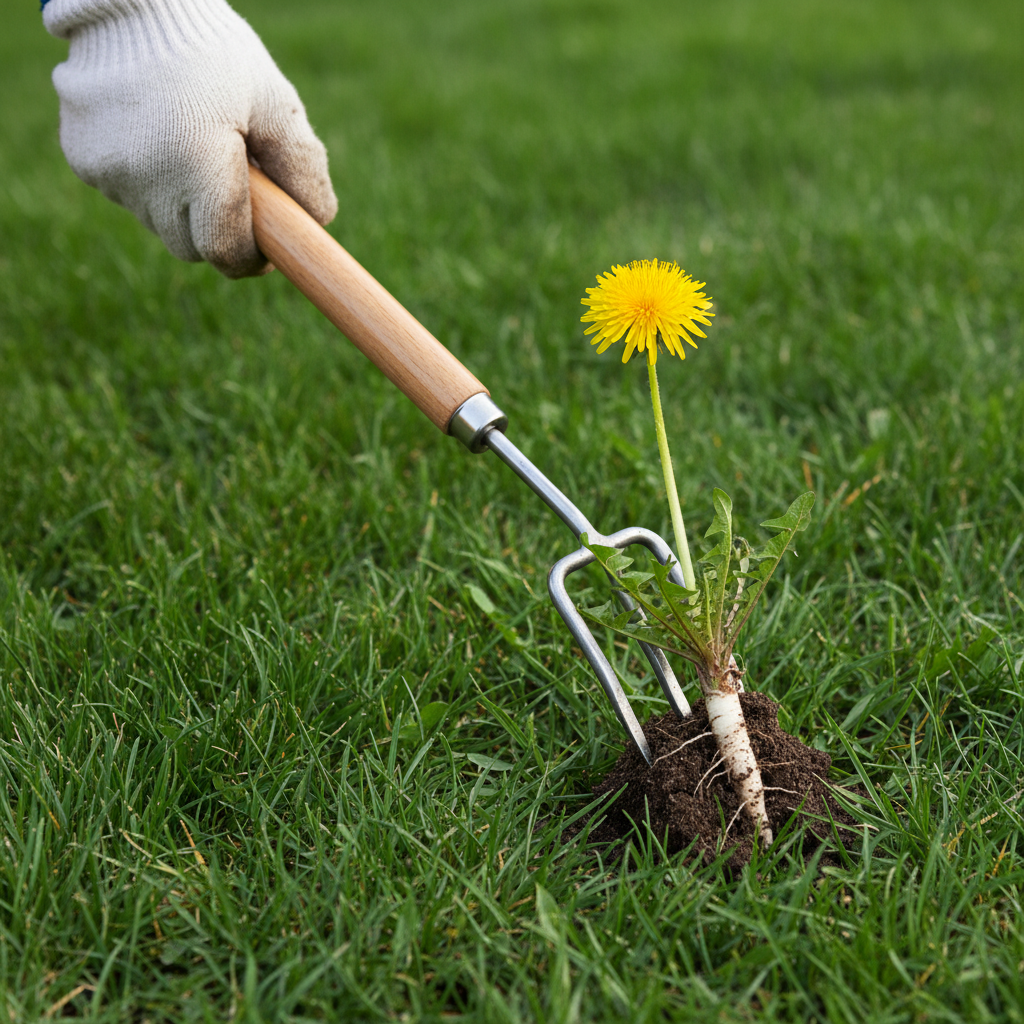
- Insert and Pry: Position your weeding tool directly over the center of the dandelion. Push the tool deeply into the soil alongside the taproot. For V-notch weeders, aim to get the notch under the crown of the plant. For stand-up tools, follow the manufacturer's instructions to grip the root.
- Leverage and Lift: Use the tool's leverage to gently pry the dandelion and its entire taproot out of the ground. The goal is to get as much of the root as possible. A complete taproot removal looks like a long, fleshy carrot.
- Inspect and Dispose: Check the hole to ensure no root pieces remain. Place the dandelion (root and all) directly into your bucket. Do not leave pulled dandelions on the lawn, especially if they have seed heads, as they can continue to mature and spread seeds.
3. Nurture Your Turf – Build a strong, dense lawn to naturally suppress weeds.
- Mow High: Set your mower deck to 3 inches or higher. Taller grass shades the soil, keeping it cooler and preventing dandelion seeds from germinating. It also helps turfgrass develop deeper, stronger roots.
- Fertilize Properly: Use a slow-release, balanced lawn fertilizer according to soil test recommendations. Healthy turf can outcompete dandelions for nutrients. Avoid over-fertilizing, which can stress the lawn and encourage some weeds.
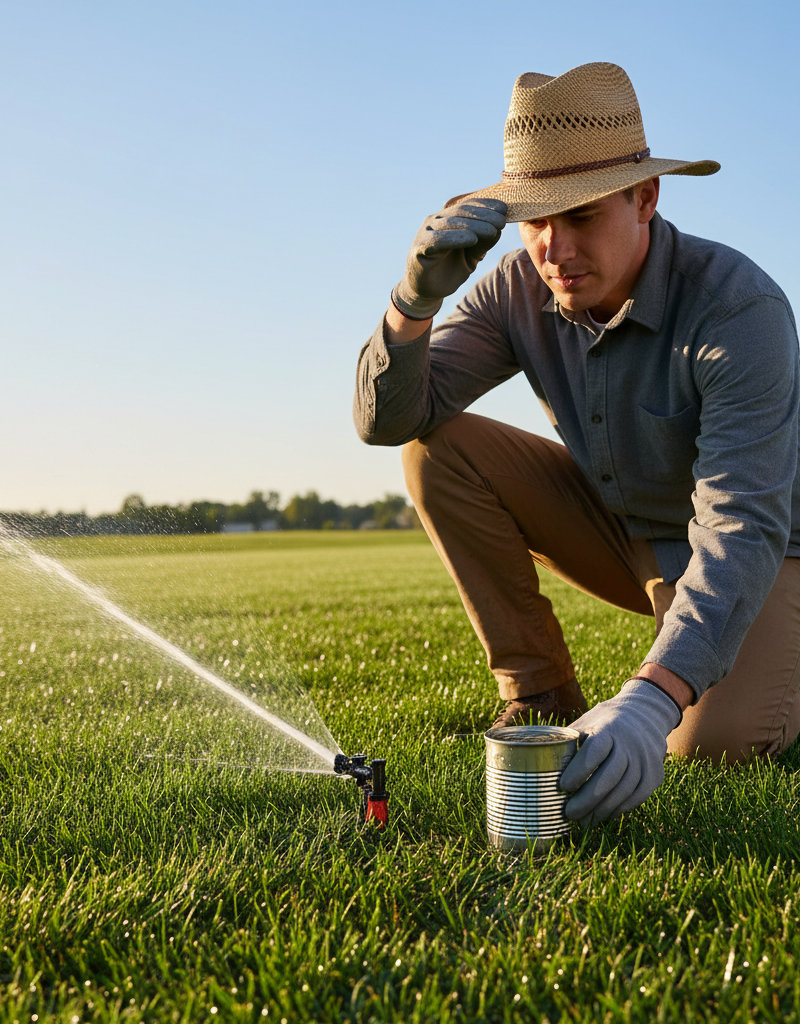
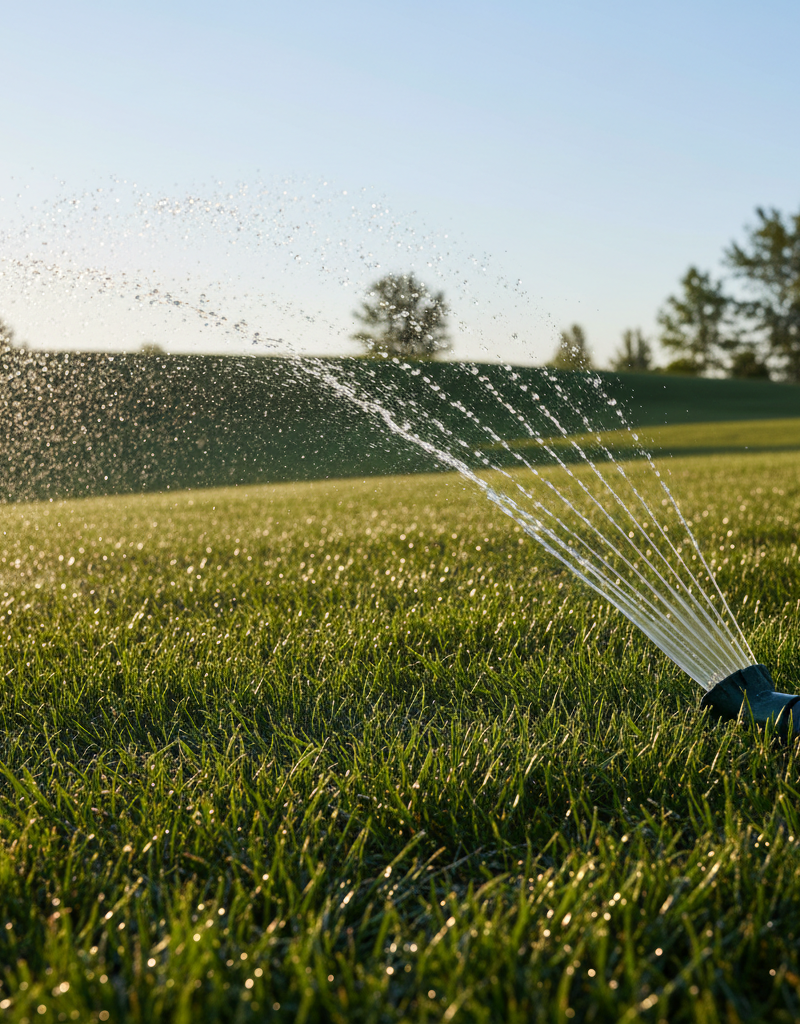
- Water Deeply and Infrequently: Water your lawn deeply (about 1 inch of water) once or twice a week, rather than shallowly every day. This encourages deep root growth in your turf, making it more resilient to drought and better at outcompeting weeds. Dandelions thrive in compacted, dry soils.
4. Overseed for Density – Fill in bare spots and thicken your lawn.
- Prepare the Area: After removing dandelions, lightly rake any bare or thin spots to loosen the soil. You can add a thin layer of compost or topsoil to improve soil health.
- Spread Seed: Apply a high-quality grass seed appropriate for your climate and sun conditions. Use a hand spreader for even distribution. Follow package directions for seeding rates.
- Keep Moist: Lightly water the newly seeded areas daily or twice daily until the grass germinates and is established (usually 2-4 weeks). This is crucial for successful germination.
5. Consider Pre-Emergent Prevention (Optional) – Stop seeds before they sprout.
- Timing is Critical: Apply a pre-emergent herbicide in early spring (when soil temperatures consistently reach 50-55°F, often around when forsythia bushes bloom) to prevent summer annual weeds and some dandelions. A fall application can target cool-season weeds. Pre-emergents create a chemical barrier that stops seeds from germinating. If you plan to overseed in spring, skip this step on those areas, as it will prevent your grass seed from growing.
- Read Labels Carefully: Always follow product instructions regarding application rates, safety precautions, and watering guidelines. Do not apply if heavy rain is expected, as it can wash away the barrier.
6. Spot Treat with Post-Emergent (Optional) – Directly kill established weeds.
- Identify Weeds: Ensure you are targeting dandelions specifically and not desirable plants. Post-emergents are effective on actively growing weeds, typically in spring or fall when temperatures are between 60-85°F (15-30°C).
- Apply Precisely: Use a pump sprayer to apply a liquid broadleaf weed killer directly to the dandelion leaves. Avoid spraying on windy days to prevent drift to desirable plants. Granular products can also be used, but liquid spot treatments offer more control.
- Follow Instructions: Adhere strictly to the product's label for application rates, safety gear (gloves, eye protection), and re-application intervals. Multiple applications may be necessary for stubborn weeds.
7. Address Soil Compaction – Improve root growth and deny dandelions.
- Aerate Annually: At least once a year (fall is generally best for most cool-season grasses, late spring/early summer for warm-season), aerate your lawn using a core aerator. This machine pulls small plugs of soil, relieving compaction and allowing air, water, and nutrients to reach grass roots more easily.
- Topdressing (Optional): After aeration, spread a thin layer (1/4 to 1/2 inch) of compost over your lawn. This enriches the soil, improves drainage, and enhances microbial activity, further discouraging dandelions which prefer poor, compacted soils.
Common Causes
- Thin, Weak Turf: The most significant cause. If your lawn is sparse, unhealthy, or has bare patches, dandelion seeds have an open invitation to germinate and thrive without competition.
- Improper Mowing: Mowing your lawn too short (lower than 3 inches) stresses the grass, depletes its energy reserves, and exposes the soil to sunlight, which encourages weed seed germination. It also weakens the grass's ability to compete with weeds.
- Compacted Soil: Dandelions thrive in compacted soils because their strong taproots can penetrate where tender grass roots struggle. Compacted soil also reduces water and nutrient absorption for turfgrass.
- Insufficient Watering: Shallow, frequent watering encourages shallow grass roots, making the lawn less resilient to drought and more susceptible to weed invasion. Dandelions, with their deep taproots, are better equipped to find water in dry conditions.
- Nutrient Imbalance/Poor Soil Health: A lack of essential nutrients or an imbalance in soil pH can weaken turfgrass, giving dandelions a competitive edge. Poor soil structure (e.g., heavy clay) also contributes to compaction.
- Lack of Pre-Emergent Application: Failing to apply a pre-emergent herbicide at the correct time of year allows dandelion seeds to germinate unhindered, contributing to widespread infestations.
Common Mistakes
- Only Pulling the Leaves: Many DIYers pull off just the visible top growth, leaving the taproot intact. The dandelion will simply regrow, often stronger than before. Always aim for the entire taproot.
- Mowing Too Low: Setting your mower deck too low stresses your grass and allows sunlight to reach weed seeds, promoting germination. Taller grass shades out young weeds.
- Ignoring Soil Health: Dandelions are often a symptom of underlying soil issues like compaction or nutrient deficiencies. Simply removing weeds without improving soil conditions is a temporary fix.
- Poor Timing with Herbicides: Applying herbicides at the wrong time (e.g., when temperatures are too cold or too hot, or when dandelions aren't actively growing) renders them ineffective or less potent. Always check the label for optimal application windows.
- Over-Reliance on Chemicals: Relying solely on herbicides without implementing proper cultural practices (mowing, watering, fertilizing, aerating) creates a cycle of dependency and can harm your lawn's long-term health. A balanced approach is best.
- Not Disposing of Weeds Properly: Leaving pulled dandelions (especially those with seed heads) on the lawn or in compost piles not hot enough to kill seeds will only lead to more dandelions spreading.
Cost & Time Breakdown
| Task | DIY Cost | Pro Cost | Time |
|---|---|---|---|
| Manual Weeding (small area) | $0–$20 (tool) | $50–$150 (hourly) | 30 min – 1 hour |
| Manual Weeding (large area) | $0–$20 (tool) | $100–$300 | 1–3 hours |
| Post-Emergent Spot Treatment | $15–$30 (spray) | $75–$150 (per visit) | 15–30 minutes |
| Pre-Emergent Application | $20–$50 (granules) | $100–$250 | 30 min – 1 hour |
| Core Aeration (rental/service) | $50–$100 (rental) | $150–$350 | 1–2 hours |
| Overseeding & Fertilization | $30–$70 | $150–$400 | 1–2 hours |
Tips & Prevention
- Sharpen Mower Blades: Dull mower blades tear grass, making it susceptible to disease and weakening its ability to compete with weeds. Sharpen blades at least once per season.
- Water Evenly: Ensure your sprinklers are providing even coverage across your lawn. Uneven watering can create stressed, thin patches where dandelions can take hold.
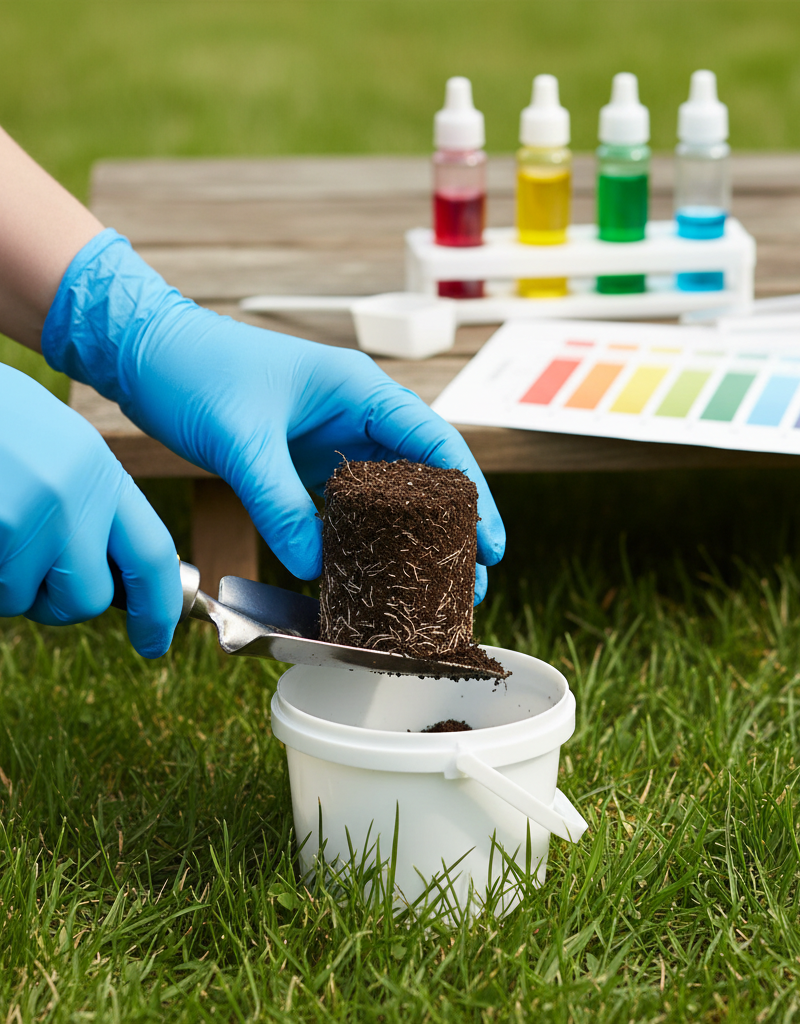
- Test Your Soil: Perform a soil test every 2-3 years to determine nutrient deficiencies and pH levels. This allows you to apply the right amendments to support a healthy lawn. Consult your local extension office for testing kits.
- Mulch Flower Beds: Apply 2-3 inches of organic mulch in garden beds adjacent to your lawn to suppress dandelions and other weeds from migrating into your grass.
- Regular Scouting: Walk your lawn regularly, especially in spring and fall, to catch young dandelions before they establish deep roots or go to seed. Early intervention is key.
- Consider Organic Alternatives: For those avoiding chemicals, corn gluten meal can act as a natural pre-emergent, but timing is crucial, and it also contains nitrogen, so adjust your fertilization schedule accordingly. It prevents seed germination, including grass seed, so do not use if planning to overseed.
When to Call a Professional
If your lawn is completely overwhelmed by dandelions and other broadleaf weeds, or if you're struggling to identify specific weeds and choose the right treatment, a professional lawn care service can provide significant assistance. They have access to commercial-grade products and equipment that are more potent and precisely applied than consumer-grade options. A professional can also conduct detailed soil analyses, offer tailored fertilization programs, and implement integrated pest management strategies to not only eliminate existing dandelions but also prevent future infestations by improving overall turf health. If you lack the time, expertise, or desire to commit to the ongoing maintenance required for a weed-free lawn, or if your efforts haven't yielded satisfactory results after consistent application, bringing in a pro is a wise investment to reclaim your yard.
Related Articles
Keep troubleshooting with these hand-picked guides from FixlyGuide:
- The #1 Mistake Killing Your Lawn's Dandelion Battle (And How to Win It) — Discover the most common error homeowners make in fighting dandelions and learn how to implement effective, long-term control strategies fo…
- The #1 Crabgrass Mistake Killing Your Lawn (And 3 Natural Fixes) — Discover how common crabgrass removal mistakes undermine your lawn's health and learn three natural, effective methods to eradicate crabgra…
- The #1 Mistake Homeowners Make When Fighting Dandelions (And The Weeds Still Win) — Learn the surprising reason dandelions continue to plague your lawn and the effective, long-term strategies to reclaim your turf without en…
- The #1 Mistake Killing Your Lawn's Crabgrass Defense (And the Easy Fix) — Discover why common crabgrass removal methods fail and how to naturally eliminate this stubborn weed for a healthier lawn.
- The #1 Mistake Killing Your Lawn's Thickness (and How to Fix It for $50) — Overseeding can transform a thin, patchy lawn into a lush, vibrant carpet, but many homeowners miss a critical step, hindering success.
- The #1 Mistake Homeowners Make When Sealing a Deck (and How to Fix It) — Prevent costly damage and extend your deck's life by avoiding common sealing errors and following a simple, effective resealing process.
Should you do this yourself?
Answer five quick questions before you start. Safety outranks savings every time.
Your experience with work like this
How high do you have to work?
Does the job involve any of these?
Will it need a permit?
Specialty tools
Free and instant. Educational guidance only — not a quote, inspection, or professional diagnosis.
Frequently asked questions
What kills dandelions permanently?+
There's no single 'permanent' kill, as seeds can remain dormant. However, a combination of fully extracting the taproot, using targeted post-emergent herbicides on new growth, and establishing a dense, healthy lawn that crowds out weeds is the most effective long-term strategy for significantly reducing and controlling dandelions permanently.
When is the best time to kill dandelions?+
The best times to kill dandelions are in early to mid-spring when they are actively growing and vulnerable to post-emergent herbicides, and especially in the fall (late September to early November in most regions). In the fall, dandelions are drawing nutrients down to their taproots, making them highly susceptible to herbicides that translocate throughout the plant.
Will dandelions go away on their own?+
No, dandelions will not go away on their own. They are persistent perennial weeds that will continue to grow, flower, and spread thousands of seeds if left unchecked. In fact, ignoring them will only lead to a greater infestation over time.
Can I just pull dandelions by hand?+
You can pull dandelions by hand, but it's crucial to remove the entire taproot. If any part of the taproot remains in the soil, the plant can regenerate. Using a specialized weeding tool designed to extract deep roots will greatly increase your success rate compared to just pulling the leaves.
Discussion
Loading comments…