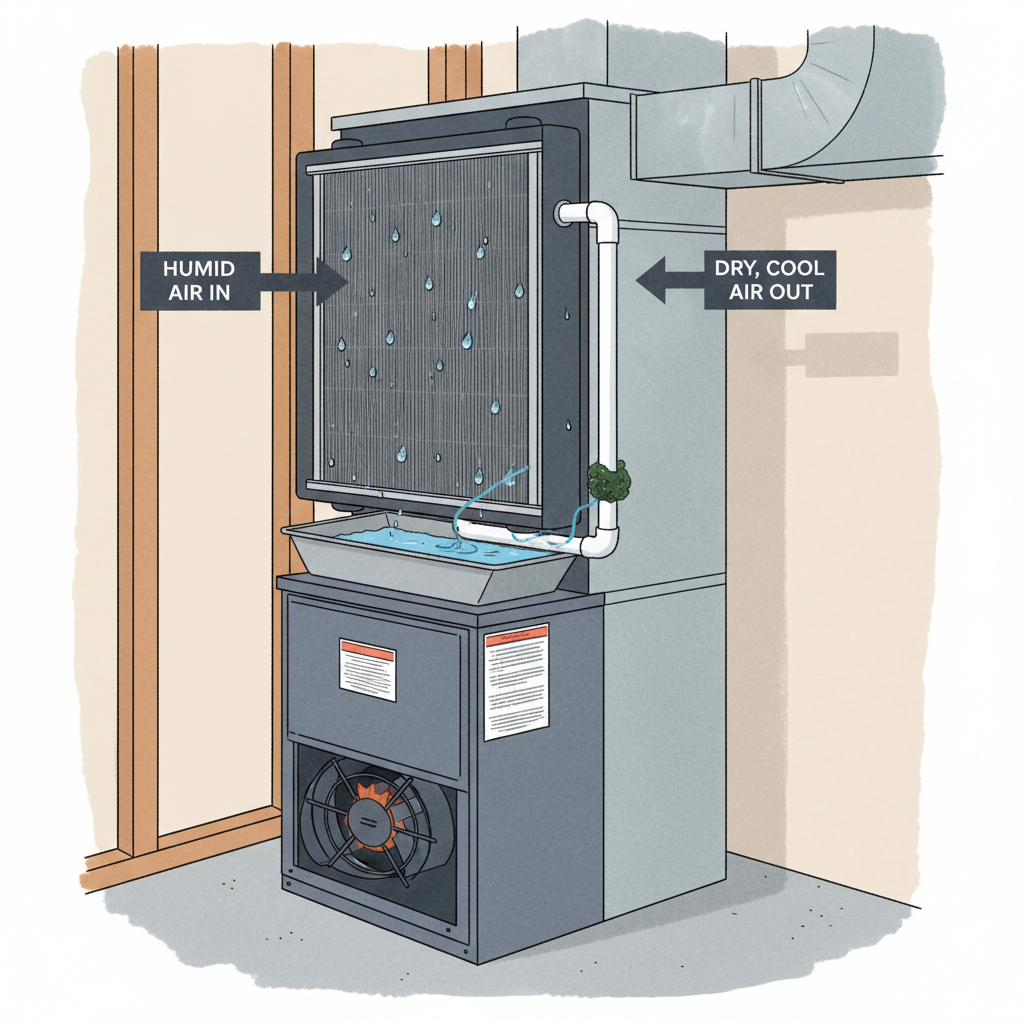
- Oversized AC Unit: The most frequent cause. Cools the air too quickly, preventing adequate dehumidification through short cycling.
- Clogged Condensate Drain: Prevents condensed moisture from draining, causing water to back up or re-evaporate.
- Dirty Air Filter/Coil: Restricts airflow and heat transfer, reducing the AC's ability to cool and dehumidify effectively.
- Leaky Ductwork: Draws in unconditioned, humid air from attics, crawl spaces, or basements.
- Poorly Sealed Home Envelope: Gaps around windows, doors, or inadequate insulation allow humid outdoor air to infiltrate.
HVAC · High energy usage
| Project category | HVAC |
|---|---|
| Problem type | High energy usage |
| Trade required | HVAC |
| Urgency | Planned project |
| Safety risk | Low safety risk |
| DIY suitability | DIY for experienced homeowners |
| Cost category | High cost |
| Typical timeline | Assessment within weeks; replacement planned off-season |
| Contractor type | Licensed HVAC technician |
Repair option
Duct sealing, insulation, and a tune-up before touching the equipment.
Replacement option
High-efficiency replacement sized by a load calculation, not a rule of thumb.
Common causes
- Aging, low-efficiency equipment
- Leaking ducts losing conditioned air
- Insufficient attic insulation
- Oversized system short-cycling
Relevant tools:project cost estimatorrepair or replace
Published May 11, 2026Last updated August 17, 2026
Tools & materials you'll need
Affiliate linksAs an Amazon Associate FixlyGuide earns from qualifying purchases — at no extra cost to you. Prices and availability are accurate as of publication and subject to change.
Quick Answer
A house that feels humid with the AC running often points to an oversized air conditioner. This causes the unit to cool too quickly and cycle off before it has a chance to properly dehumidify the air, leaving uncomfortable moisture behind. Other culprits can include leaky ductwork, clogged condensate drains, or inadequate insulation.
The Problem
You've cranked the thermostat down, the AC is blowing cold air, and yet your home still feels like a sauna – sticky, damp, and utterly uncomfortable. This isn't just an inconvenience; high indoor humidity can lead to a host of issues, from musty odors and uncomfortable clamminess to the growth of mold and mildew, which can trigger allergies and respiratory problems. The perplexing part is why your air conditioner, a system designed to both cool and dehumidify, isn't doing its job. Many homeowners mistakenly believe that a larger AC unit is always better, but in the case of humidity control, an oversized system is often the primary antagonist. This article will reveal why your AC might be failing at humidity control and guide you through practical troubleshooting steps to reclaim a dry, comfortable indoor environment.
How It Works
To understand why your AC isn't dehumidifying, it helps to know how an air conditioner handles moisture. An AC system doesn't just cool the air; it removes humidity through a process called latent heat removal. As warm, humid indoor air passes over the evaporator coil (the indoor coil), it cools down, and the moisture in the air condenses into liquid water. This water then drips into a condensate pan and is drained away, typically outside or into a plumbing drain. The now-cooler, drier air is then recirculated back into your home. This dehumidification process requires the air to remain in contact with the cold coil for a sufficient amount of time. An oversized AC unit cools the air very quickly, satisfying the thermostat's set point before enough moisture has had a chance to condense and drain away. The unit cycles off, leaving the air cool but still damp. In contrast, a properly sized AC runs longer, slower cycles, allowing more contact time between the humid air and the cold coil, thus removing significantly more moisture. Think of it like a sponge: a quick dab might cool the surface, but a longer press truly absorbs the liquid.
Step-by-Step Fix
1. Check Your Thermostat Settings – Ensure proper AC operation for humidity control.
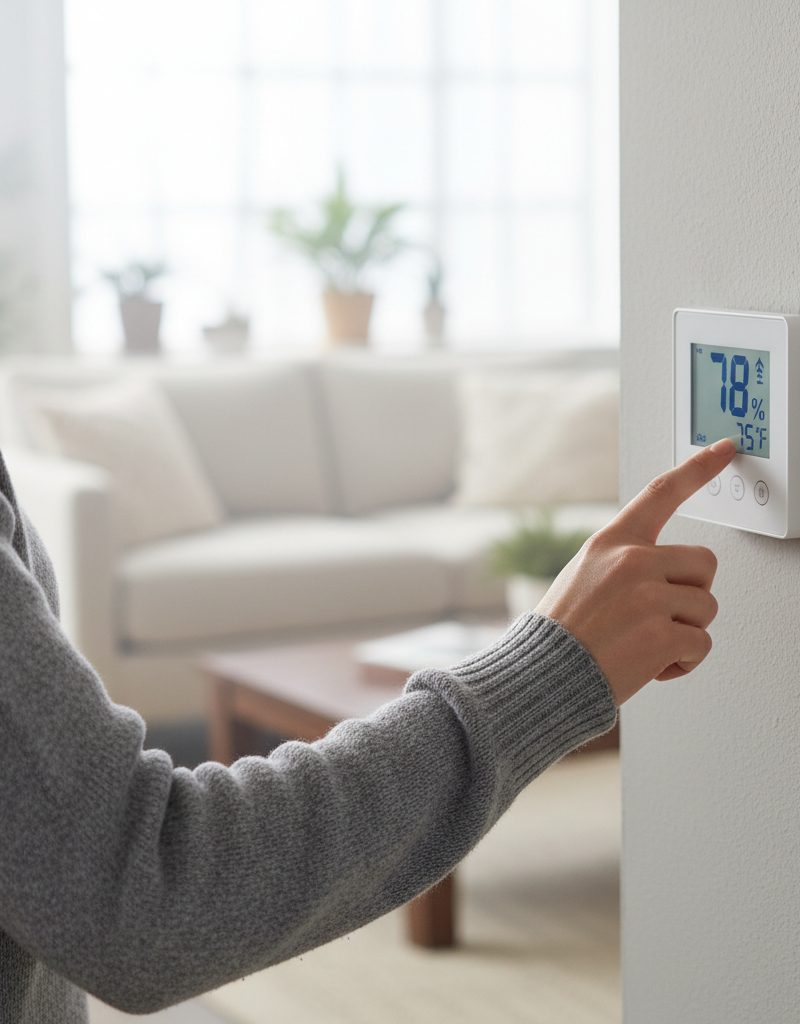
Make sure your thermostat is set to 'Auto' for the fan, not 'On'. When the fan is set to 'On', it continuously circulates air, even when the compressor isn't running. This can re-evaporate condensate from the coil back into your home, raising humidity levels. Additionally, consider lowering your thermostat by a degree or two to encourage longer run cycles, which improves dehumidification. Some modern smart thermostats have a dedicated 'Dehumidify' mode or fan control settings that can be adjusted.
- If this doesn't work: Your thermostat might be miscalibrated or faulty. Compare its reading to a separate hygrometer or thermometer. If it's off by more than a few degrees or humidity points, it might need replacement.
2. Inspect the Condensate Drain Line – Clear blockages for proper moisture removal.
Locate your AC's indoor unit (usually in the attic, crawl space, or utility closet). Find the condensate drain pan and the PVC pipe (typically 3/4-inch diameter) leading away from it. Check for standing water in the pan or visible blockages in the pipe, such as algae, sludge, or insect nests. A clogged drain prevents the collected moisture from leaving your system, causing it to back up and sometimes overflow, or simply re-evaporate into the air.
- To clear a small clog: Mix a cup of distilled white vinegar with a cup of water and pour it slowly down the drain line. Let it sit for 30 minutes, then flush with plain water. For more stubborn clogs, a wet/dry vac can be used to suction out the blockage at the drain line's outdoor exit point.
- Safety Note: Always turn off power to the indoor unit at the breaker before working on it.
3. Examine Air Filters and Coils – Ensure unrestricted airflow and heat exchange.
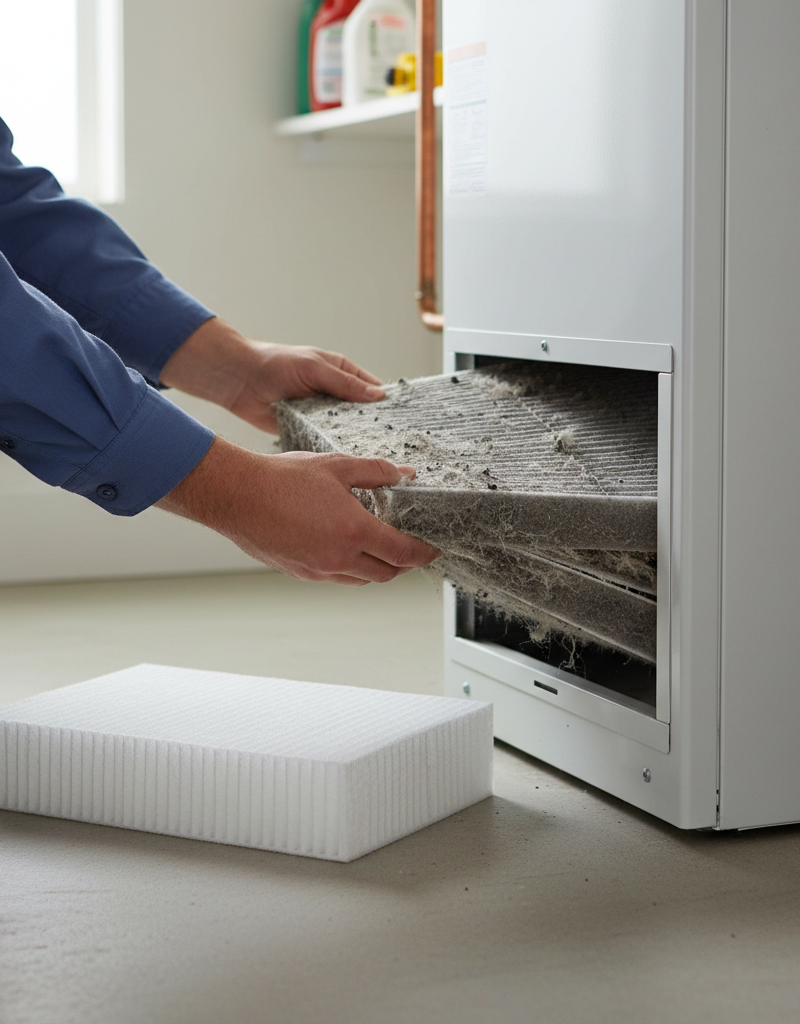
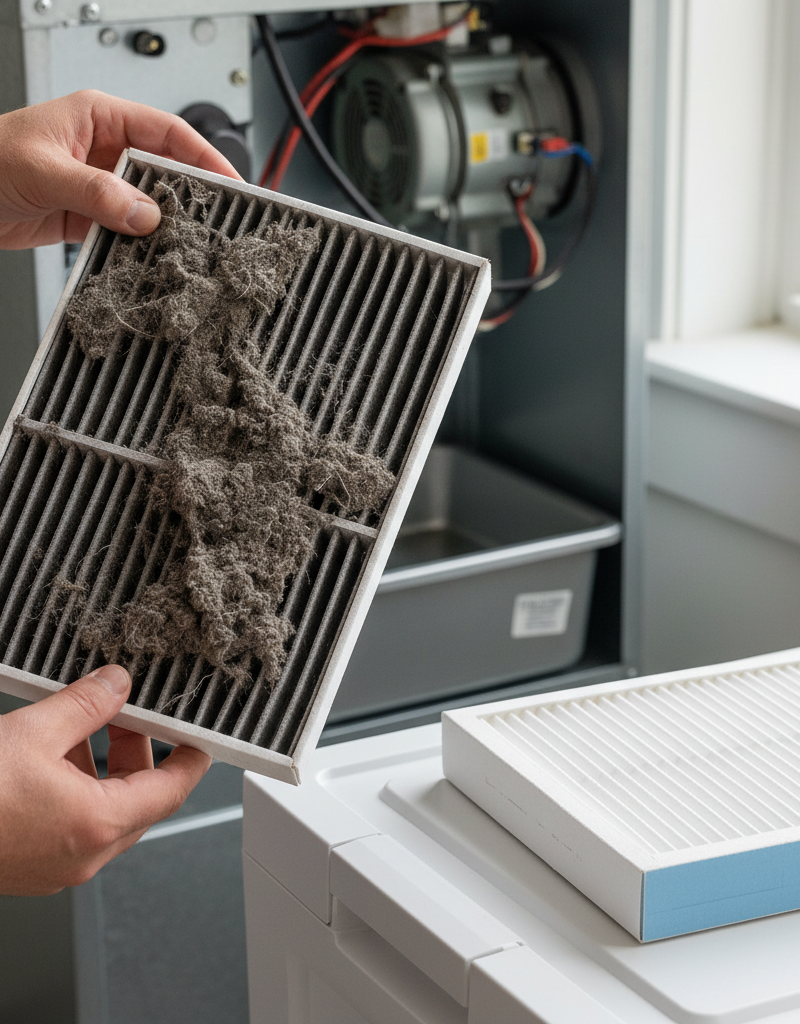
A dirty air filter restricts airflow, making your AC work harder and cycle more frequently, reducing its dehumidification efficiency. Inspect your air filter monthly and replace it every 1-3 months, or more often if you have pets or allergies. Similarly, if your evaporator coil (the indoor coil) is dirty, it can't transfer heat and remove moisture effectively. While cleaning the coil is generally a job for a professional, you can visually inspect it. If it's caked with dust and grime, professional cleaning is likely needed.
- Tools: Flashlight, new air filter (matching your system's size and MERV rating).
- If this doesn't work: Even with a clean filter, a heavily soiled evaporator coil will hinder performance. Schedule professional AC maintenance.
4. Seal Leaky Ductwork – Prevent humid air intrusion.
Ductwork leaks can draw unconditioned, humid air from attics, crawl spaces, or basements into your conditioned living space, overwhelming your AC's dehumidification capabilities. Inspect accessible ductwork for gaps, disconnected sections, or loose joints. You can feel for air leaks with your hand or use a smoke pencil (a small device that releases a puff of harmless smoke) to visualize airflow around seams and connections.
- To seal leaks: Use mastic sealant (a thick, gooey substance) or UL-listed foil-backed duct tape (not common cloth duct tape, which degrades over time). Apply generously to seal all gaps and joints. Focus on areas where ducts connect to the AC unit and where they pass through unconditioned spaces.
- Estimated Cost: $20-$50 for materials. Time: 1-3 hours, depending on accessibility.
5. Assess Air Conditioner Sizing – Determine if your AC is oversized.
This is often the trickiest part for a homeowner. If your AC unit cools your home very quickly (e.g., drops the temperature by several degrees in less than 30 minutes) and then immediately cycles off, it's a strong indicator that it might be oversized. An oversized AC leads to short cycling, which means it doesn't run long enough to adequately dehumidify the air. While it's difficult to verify proper sizing without a professional load calculation (Manual J), observing short cycles is a key diagnostic.
- Next step: If you suspect oversizing, consult with an HVAC professional for a load calculation to determine the correct AC capacity for your home. Replacing an oversized unit is a significant investment but often the only long-term solution for persistent humidity problems.
6. Consider Supplemental Dehumidification – When all else fails, add a dedicated dehumidifier.
If you've addressed all the above issues and still experience high humidity, or if your climate is exceptionally humid, a supplemental whole-house or portable dehumidifier might be necessary. Whole-house dehumidifiers integrate with your HVAC system, while portable units can be placed in specific problem areas. These devices are designed solely to remove moisture from the air, providing targeted humidity control. For most homes, maintaining relative humidity between 40-60% is ideal.
- Estimated Cost: Portable dehumidifier: $150-$300. Whole-house dehumidifier (installed): $1,500-$3,000.
- Operational Cost: Dehumidifiers use electricity; factor this into your monthly utility budget.
Common Causes
- Oversized AC Unit: The most frequent cause. Cools the air too quickly, preventing adequate dehumidification through short cycling.
- Clogged Condensate Drain: Prevents condensed moisture from draining, causing water to back up or re-evaporate.
- Dirty Air Filter/Coil: Restricts airflow and heat transfer, reducing the AC's ability to cool and dehumidify effectively.
- Leaky Ductwork: Draws in unconditioned, humid air from attics, crawl spaces, or basements.
- Poorly Sealed Home Envelope: Gaps around windows, doors, or inadequate insulation allow humid outdoor air to infiltrate.
- Continuous Fan Operation: Setting the AC fan to 'On' instead of 'Auto' can re-evaporate moisture from the coil back into the house.
- Insufficient Refrigerant: While primarily affecting cooling, low refrigerant can also compromise the coil's ability to get cold enough for effective condensation.
Common Mistakes
- Assuming 'Bigger is Better' for AC: Many homeowners opt for a larger AC, thinking it will cool better, but it's detrimental to humidity control and energy efficiency. Always size an AC based on a professional load calculation.
- Ignoring a Clogged Drain Line: A clogged drain can lead to water damage, mold growth, and reduced dehumidification. Regular inspection and cleaning are crucial.
- Using Standard Duct Tape: Regular cloth duct tape breaks down over time and is not effective for sealing HVAC ductwork. Use mastic sealant or UL-listed foil tape.
- Setting the Fan to 'On' Constantly: While it feels like it's circulating air, it's often reintroducing moisture from the evaporator coil back into the living space when the compressor isn't running.
- Neglecting Air Filter Changes: A dirty filter isn't just bad for air quality; it significantly hampers your AC's performance and efficiency, including its dehumidifying capability.
- Overlooking Home Sealing: Even a perfectly functioning AC will struggle if humid outdoor air is constantly infiltrating through gaps, cracks, and poorly insulated areas in your home's envelope.
Cost & Time Breakdown
| Task | DIY Cost | Pro Cost | Time |
|---|---|---|---|
| Check Thermostat/Settings | $0 | $0–$50 (service call) | 5–10 minutes |
| Clear Condensate Drain | $0–$5 (vinegar) | $100–$250 | 30–60 minutes |
| Replace Air Filter | $10–$40 | $0–$50 (during service) | 5 minutes |
| Seal Duct Leaks | $20–$50 | $300–$800 | 1–3 hours |
| Professional AC Inspection | N/A | $80–$150 | 30–60 minutes |
| Install Whole-House Dehumidifier | N/A | $1,500–$3,000 | 4–8 hours |
Tips & Prevention
- Regular Filter Changes: Replace your air filter every 1-3 months. This is the simplest and most effective maintenance task for both cooling and dehumidification.
- Seasonal AC Tune-ups: Schedule annual professional maintenance for your AC system. Technicians can clean coils, inspect drain lines, check refrigerant levels, and identify potential issues before they become major problems.
- Maintain a Clean Drain Line: Periodically pour a small amount of distilled white vinegar (a cup every few months) down your AC's condensate drain to prevent algae and mold growth.
- Check and Seal Your Home's Envelope: Regularly inspect for gaps around windows, doors, and utility penetrations. Use caulk and weatherstripping to seal these openings and prevent humid air infiltration.
- Use Exhaust Fans: Always use exhaust fans in bathrooms and kitchens when showering or cooking to vent high-moisture air directly outside.
- Consider a Hygrometer: Purchase an inexpensive hygrometer to monitor your indoor relative humidity. Aim for 40-60% for optimal comfort and health.
When to Call a Professional
If you've followed these troubleshooting steps and your home still feels excessively humid, or if you suspect your AC unit is oversized, it's time to call a licensed HVAC professional. They can perform a comprehensive load calculation to determine if your unit is correctly sized for your home, diagnose issues like refrigerant leaks, significant coil blockages, or problems with internal drainage components that are beyond a DIY fix. Additionally, if you notice water leaking from your indoor unit, hear unusual noises, or smell mold, professional intervention is necessary to prevent further damage and ensure safe operation.
Related Articles
Keep troubleshooting with these hand-picked guides from FixlyGuide:
- The #1 Mistake Homeowners Make When Heat Pumps Stop Heating in Winter — Discover the crucial mistake most homeowners make when their heat pump struggles in cold weather and how to fix it, potentially saving hund…
- The #1 Mistake Homeowners Make When Their AC Won't Turn On (And the Easy Fix) — Learn the most common oversight homeowners make when their AC won't turn on and how to troubleshoot basic issues to restore cooling.
- The Secret Reason Your AC Isn't Drying Your Home (And 5 Things to Check Now) — If your AC is running but your house still feels sticky, it's likely battling an underlying humidity issue that simple adjustments can fix.
- The One Part That Fails When Your Freezer Works But Fridge Doesn’t ($30 Fix) — If your freezer works but the refrigerator isn't cooling, the most common culprit is a faulty evaporator fan motor or a a clogged defrost d…
- The #1 Reason Your AC Blows Warm Air (And It's Not What You Think) — A dirty air filter is often the overlooked culprit behind an air conditioner blowing warm air, hindering its ability to cool your home effi…
- The 5-Minute Trick When Your Range Hood Fan Suddenly Dies (It's Not Always the Motor) — Before you panic about a broken motor, learn the quick diagnostic steps to revive a dead range hood fan and restore proper kitchen ventilat…
What should this project cost?
Enter your project details for a realistic cost range before you call anyone.
Service calls and common repairs run $150–$900; full system replacement typically $6,000–$12,000.
- Regional adjustment
- National average
- Labor share (typical)
- ~$1,935
- Quotes to collect
- 3 written estimates
Educational estimate based on national averages — not a binding quote. Always confirm with written local estimates.
Fixly Project Decision Box
- DIY difficulty
- Advanced
- Estimated time
- Homeowner checks 20–30 minutes
- Cost level
- Moderate
Main tools / materials
- Clean air filter
- Garden hose for condenser coils
- Shop vac for the condensate line
When to stop and call a pro
- Burning smell, smoke, or a tripping breaker
- Refrigerant lines iced over or hissing
- Any work inside the sealed refrigerant circuit (EPA-licensed only)
- Gas smell near a furnace — leave and call the utility
Need professional help?
Find an HVAC Pro Near YouFrequently asked questions
Why does my house feel sticky even when the AC is on?+
Your house likely feels sticky because your AC isn't effectively removing humidity. A common reason is an oversized unit that cools the air too quickly and cycles off before it can properly dehumidify, leaving moisture behind.
Can a dirty AC filter cause high humidity?+
Yes, a dirty AC filter restricts airflow, forcing your unit to work harder and cycle more frequently. This reduces its ability to adequately cool and dehumidify the air, contributing to higher indoor humidity levels.
How do I know if my AC unit is too big?+
Signs of an oversized AC include your home cooling very rapidly (e.g., several degrees in under 30 minutes) followed by the unit frequently turning off and on (short cycling). This prevents the long run times needed for effective dehumidification.
Should I set my AC fan to 'Auto' or 'On' for better humidity control?+
Always set your AC fan to 'Auto' for better humidity control. When the fan is set to 'On', it continuously circulates air, which can re-evaporate moisture from the cold evaporator coil back into your home, increasing humidity.
Discussion
Loading comments…