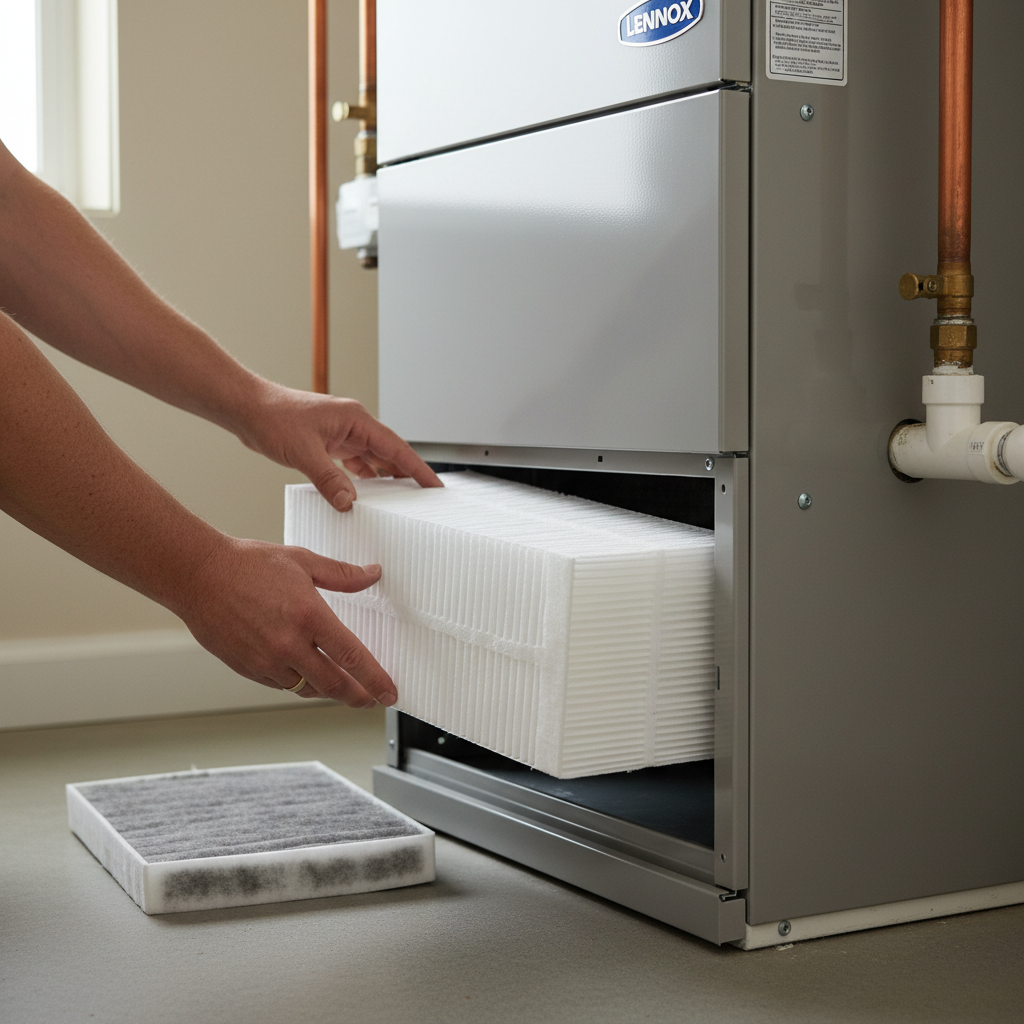
- Lack of Regular Filter Changes: The most common culprit. Dirty filters restrict airflow, reduce efficiency, and increase wear on the system.
- Neglected Outdoor Unit: Overgrowth, dirt, and debris around the condenser coil impede heat transfer and overwork the compressor.
- Clogged Condensate Drain: Algae and slime build-up lead to water leaks and system shutdowns.
- Aging Equipment: Older systems (10+ years) naturally become less efficient and more prone to component failure, often requiring closer monitoring.
- Thermostat Malfunctions: Incorrect settings, dead batteries, or faulty sensors can lead to inefficient operation or heating/cooling imbalances.
HVAC · High energy usage
| Project category | HVAC |
|---|---|
| Problem type | High energy usage |
| Trade required | HVAC |
| Urgency | Planned project |
| Safety risk | Low safety risk |
| DIY suitability | DIY for experienced homeowners |
| Cost category | High cost |
| Typical timeline | Assessment within weeks; replacement planned off-season |
| Contractor type | Licensed HVAC technician |
Repair option
Duct sealing, insulation, and a tune-up before touching the equipment.
Replacement option
High-efficiency replacement sized by a load calculation, not a rule of thumb.
Common causes
- Aging, low-efficiency equipment
- Leaking ducts losing conditioned air
- Insufficient attic insulation
- Oversized system short-cycling
Relevant tools:project cost estimatorrepair or replace
Published June 6, 2026Last updated August 17, 2026
Tools & materials you'll need
Affiliate links- AmazonGarden hoseFor gently rinsing outdoor condenser unit.
- AmazonScrewdriver setMay be needed for accessing some filter compartments or drain line ports.
- AmazonSoft brush or ragFor cleaning debris from outdoor unit fins and around components.
- AmazonFlashlightFor inspecting dark areas like ductwork or the furnace interior.
As an Amazon Associate FixlyGuide earns from qualifying purchases — at no extra cost to you. Prices and availability are accurate as of publication and subject to change.
Quick Answer
Many homeowners believe their HVAC system needs constant attention, or conversely, that it can run for years without a professional look. The truth often lies in the middle, and it's heavily influenced by your specific home and system. A widely accepted guideline is to schedule professional maintenance annually for your air conditioning unit (ideally in spring) and annually for your furnace (ideally in fall). This proactive approach helps catch minor issues before they become costly repairs, ensures optimal efficiency, and extends the lifespan of your equipment. However, homes with pets, allergies, or older systems might benefit from slightly more frequent checks.
The Problem
Misinformation and a lack of understanding surrounding HVAC maintenance frequency lead to two primary problems for homeowners: over-servicing and under-servicing. Over-servicing results in unnecessary professional fees, adding hundreds of dollars to your annual home maintenance budget without providing substantial additional benefits beyond what a yearly visit offers. Under-servicing, on the other hand, is far more detrimental. Neglecting regular tune-ups allows small issues to escalate, leading to decreased energy efficiency, premature component failure, and potentially expensive emergency repairs, especially during extreme weather. It can also void warranties, leaving you responsible for costs that would otherwise be covered. The core problem is identifying the right frequency for your HVAC system, striking a balance between preventative care and avoiding wasteful spending, all while ensuring your comfort and safety.
How It Works
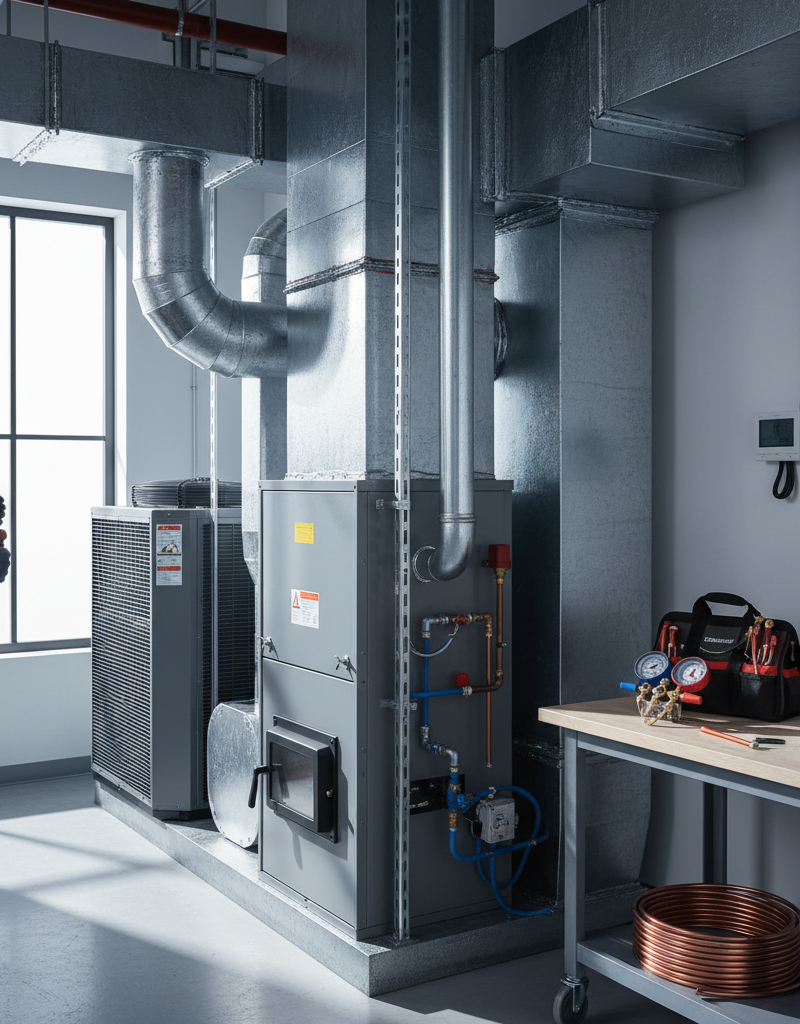
Your HVAC system is a complex network of components designed to regulate your home's indoor climate. For cooling, the air conditioner works by moving heat from inside your home to the outside. Refrigerant circulates through an evaporator coil indoors, absorbing heat from your home's air. This warmed refrigerant then travels to the outdoor condenser coil, where a fan blows air over the coil, releasing the heat to the outside. A compressor, the heart of the AC, pumps the refrigerant and increases its pressure and temperature. On the heating side, a furnace typically burns natural gas or uses electricity to generate heat. A thermostat signals the furnace to ignite its burners (for gas) or activate heating elements (for electric). A heat exchanger separates the combustion byproducts from your breathable air. A blower fan then circulates this conditioned air through a system of ducts and vents throughout your home. All these components, from electrical connections and fan motors to refrigerant lines and burners, work in harmony. Dirt and debris are the arch-nemesis of efficiency. A clogged air filter restricts airflow, forcing the blower motor to work harder and consume more electricity. Dirty condenser or evaporator coils act as insulators, hindering heat exchange and making the compressor run longer, increasing wear and tear. Loose electrical connections can generate heat, posing fire hazards and leading to component failure. Refrigerant leaks reduce cooling capacity and overwork the compressor. Regular maintenance addresses these issues by cleaning components, checking refrigerant levels, lubricating moving parts, and tightening electrical connections, ensuring the system operates as designed, safely, and efficiently.
Step-by-Step Fix
While professional tune-ups are crucial, there are several homeowner-friendly preventative steps you can and should take regularly.
1. Check and Change Air Filters Annually: — Your air filter is the first line of defense against dust and debris entering your HVAC system. A dirty filter restricts airflow, reducing efficiency and potentially damaging the blower motor. Visually inspect your filter monthly. If it's grey and visibly dirty, it's time to change it. Most manufacturers recommend changing standard 1-inch filters every 1-3 months, but homes with pets or allergies may need more frequent changes (every 30-45 days). Look for the MERV rating on your filter – higher numbers filter more particles but can also restrict airflow more, so consult your HVAC manual for the recommended MERV range.
2. Clear Around the Outdoor Unit Monthly: — Your outdoor AC condenser unit needs clear space to dissipate heat efficiently. Overgrown shrubs, weeds, leaves, and other debris can block airflow, forcing the unit to work harder. Clear at least 2 feet of space around all sides of the unit. Use a garden hose to gently rinse accumulated dirt and debris off the condenser coils. Ensure the power is OFF at the outdoor disconnect switch before touching the unit. Never use a high-pressure washer, as it can bend the delicate fins.
3. Inspect and Clean Drain Lines Quarterly: — The condensate drain line removes moisture (condensate) from your indoor evaporator coil. If it gets clogged with algae or slime, water can back up, potentially causing leaks, water damage, and even shutting down your AC system via a float switch. Locate the PVC drain line (usually a white pipe, often near the indoor unit) and ensure it's dripping freely during AC operation. You can prevent clogs by pouring a cup of distilled vinegar mixed with a cup of warm water down the access port or a dedicated cleaning port every few months. Avoid bleach, as it can damage certain drain pan materials.
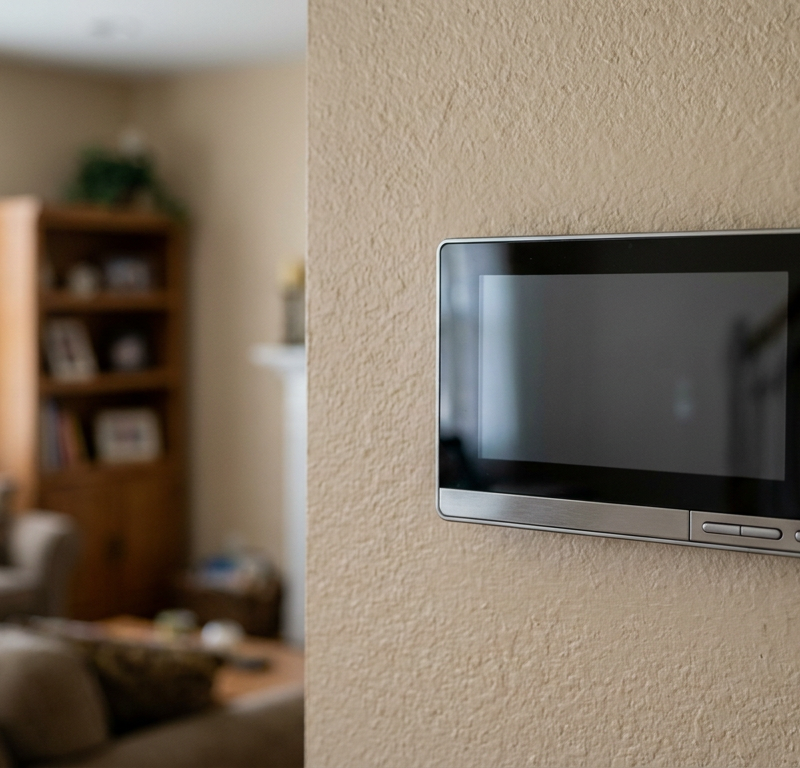
4. Check Thermostat Settings and Batteries Biannually: — Your thermostat is the brain of your HVAC system. Ensure it's programmed correctly for your schedule and comfort needs. Old or weak batteries can cause intermittent operation or complete failure. Replace batteries annually (usually AA or AAA) in simple thermostats, or check the power indicator for smart thermostats. Calibrate your thermostat if you suspect it's inaccurate by comparing its reading to a separate, reliable thermometer placed nearby.
5. Listen for Unusual Noises Monthly: — Your HVAC system should operate relatively quietly. Pay attention to any new or unusual sounds: grinding, squealing, banging, hissing, or bubbling. These can indicate loose belts, failing motors, refrigerant leaks, or other mechanical problems. Identifying and addressing these early can prevent more significant damage. For example, a squealing noise often indicates a worn belt in the blower motor.
6. Inspect Ductwork for Leaks Annually: — Leaky ductwork can waste a significant amount of conditioned air, leading to higher energy bills. In your basement, attic, or crawl space, visually inspect accessible ducts for visible gaps, disconnected sections, or damaged insulation. You can temporarily seal small leaks with metal-foil tape or mastic sealant (not duct tape, which degrades over time). For extensive duct issues, professional sealing and repair are recommended.
Common Causes
Many factors contribute to why HVAC systems might underperform or require more frequent attention:
- Lack of Regular Filter Changes: The most common culprit. Dirty filters restrict airflow, reduce efficiency, and increase wear on the system.
- Neglected Outdoor Unit: Overgrowth, dirt, and debris around the condenser coil impede heat transfer and overwork the compressor.
- Clogged Condensate Drain: Algae and slime build-up lead to water leaks and system shutdowns.
- Aging Equipment: Older systems (10+ years) naturally become less efficient and more prone to component failure, often requiring closer monitoring.
- Thermostat Malfunctions: Incorrect settings, dead batteries, or faulty sensors can lead to inefficient operation or heating/cooling imbalances.
- Poor Installation or Sizing: An improperly sized or poorly installed system will always struggle to maintain comfort and will experience premature wear.
- Pet Hair and Allergens: Homes with pets or residents with severe allergies introduce more particulate matter, accelerating filter and coil fouling.
Common Mistakes
Homeowners often make several critical mistakes regarding HVAC maintenance:
- Ignoring the Air Filter: Thinking
Related Articles
Keep troubleshooting with these hand-picked guides from FixlyGuide:
- The #1 HVAC Mistake That Costs Homeowners $500 Every Year — Discover the crucial HVAC maintenance step homeowners often overlook, leading to higher energy bills, frequent repairs, and premature syste…
- The HVAC Maintenance Myth: Why "Annual Service" Can Cost You More (and 3 Things to Check Instead) — Discover why strict annual HVAC servicing isn't always necessary and learn the essential checks that can save you money and extend your sys…
- The #1 HVAC Mistake Making Your Energy Bills Soar (It's Not What You Think) — Discover the crucial HVAC filter mistake that's quietly inflating your energy bills and damaging your system, and how a simple change can s…
- The #1 HVAC Mistake Costing You Hundreds (And How Often to Really Change Your Filter) — Discover the crucial mistake most homeowners make with HVAC filters, leading to higher energy bills, poor air quality, and system damage. L…
- That 'Energy-Saving' HVAC Trick Is Costing You Money — You've heard the advice: close HVAC vents in unused rooms to save on heating and cooling. But this common practice is a myth. It actually h…
- The 5-Minute Trick That Often Fixes a Dead Doorbell (No Electrician Needed) — Before you call an electrician for a dead doorbell, learn the surprising common culprit homeowners overlook and how to fix it in minutes.
What should this project cost?
Enter your project details for a realistic cost range before you call anyone.
Service calls and common repairs run $150–$900; full system replacement typically $6,000–$12,000.
- Regional adjustment
- National average
- Labor share (typical)
- ~$1,935
- Quotes to collect
- 3 written estimates
Educational estimate based on national averages — not a binding quote. Always confirm with written local estimates.
Fixly Project Decision Box
- DIY difficulty
- Advanced
- Estimated time
- Homeowner checks 20–30 minutes
- Cost level
- Moderate
Main tools / materials
- Clean air filter
- Garden hose for condenser coils
- Shop vac for the condensate line
When to stop and call a pro
- Burning smell, smoke, or a tripping breaker
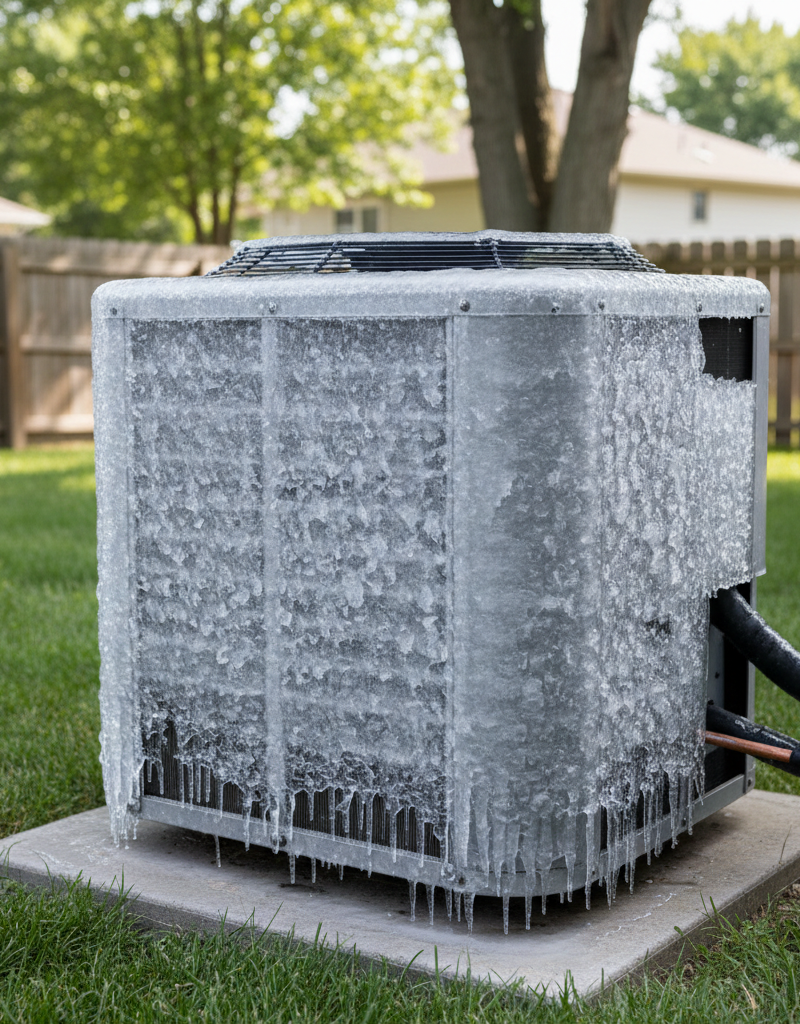
- Refrigerant lines iced over or hissing
- Any work inside the sealed refrigerant circuit (EPA-licensed only)
- Gas smell near a furnace — leave and call the utility
Need professional help?
Find an HVAC Pro Near YouFrequently asked questions
How often should I have my HVAC system professionally serviced?+
For most homeowners, an annual professional tune-up for your air conditioning unit (in spring) and a separate annual tune-up for your furnace (in fall) is recommended. This bi-annual approach ensures both heating and cooling components are inspected before their respective peak seasons.
Can I perform HVAC maintenance myself?+
While some basic maintenance tasks like changing air filters, clearing outdoor unit debris, and cleaning condensate lines can be done by homeowners, a professional tune-up involves specialized checks of refrigerant levels, electrical components, motor lubrication, and safety controls that require expert knowledge and tools. DIY and professional maintenance are complementary.
What happens if I don't service my HVAC system?+
Skipping regular HVAC service can lead to decreased energy efficiency (higher utility bills), premature wear and tear on components, increased risk of breakdowns (especially during extreme weather), poor indoor air quality, and potentially voiding your manufacturer's warranty. It's a short-term saving that often leads to long-term, more expensive problems.
How much does a typical HVAC tune-up cost?+
The cost for a professional HVAC tune-up typically ranges from $75 to $200 per visit, depending on your location, the specific services included, and whether it's for an AC or furnace. Many HVAC companies offer service plans that bundle these visits for a discounted annual rate.
Discussion
Loading comments…