- Replace Your Air Filter — The Single Most Important DIY Step
- Tools/Materials: New air filter (matching size and MERV rating), permanent marker.
- If this doesn't work: If your system continues to have poor airflow even after changing the filter, you might have dirty coils or blockages in the ductwork, requiring professional inspection.
HVAC · High energy usage
| Project category | HVAC |
|---|---|
| Problem type | High energy usage |
| Trade required | HVAC |
| Urgency | Planned project |
| Safety risk | Low safety risk |
| DIY suitability | DIY for experienced homeowners |
| Cost category | High cost |
| Typical timeline | Assessment within weeks; replacement planned off-season |
| Contractor type | Licensed HVAC technician |
Repair option
Duct sealing, insulation, and a tune-up before touching the equipment.
Replacement option
High-efficiency replacement sized by a load calculation, not a rule of thumb.
Common causes
- Aging, low-efficiency equipment
- Leaking ducts losing conditioned air
- Insufficient attic insulation
- Oversized system short-cycling
Relevant tools:project cost estimatorrepair or replace
Published June 9, 2026Last updated August 17, 2026
Tools & materials you'll need
Affiliate linksAs an Amazon Associate FixlyGuide earns from qualifying purchases — at no extra cost to you. Prices and availability are accurate as of publication and subject to change.
Quick Answer
Most homeowners operate under the misconception that a single annual HVAC service is enough to keep their system running smoothly. However, to truly optimize performance, extend lifespan, and prevent unexpected breakdowns, experts recommend a bi-annual service schedule: one visit in the spring specifically for your air conditioning unit before the summer heat hits, and another in the fall for your furnace or heating system, preparing it for winter. This proactive approach addresses the distinct needs of each operational cycle, ensuring your entire HVAC system is in peak condition year-round, saving you money on energy bills and avoiding inconvenient repairs.
The Problem
The central problem homeowners face regarding HVAC service is a lack of understanding about optimal maintenance frequency and its direct impact on system longevity, efficiency, and reliability. Waiting until your system shows obvious signs of trouble, such as decreased cooling, strange noises, or a complete breakdown, is a reactive approach that almost always leads to more expensive and inconvenient repairs. This reactive mindset often stems from a belief that “if it’s not broken, don’t fix it” or a desire to save money by deferring maintenance. However, an undermaintained HVAC system works harder, consumes more energy, and wears out components faster, ultimately costing more in both utility bills and premature replacement. Many homeowners also fail to distinguish between the heating and cooling cycles, assuming a single annual check-up covers both, when in reality, each component has distinct preparation needs for its respective season.
How It Works
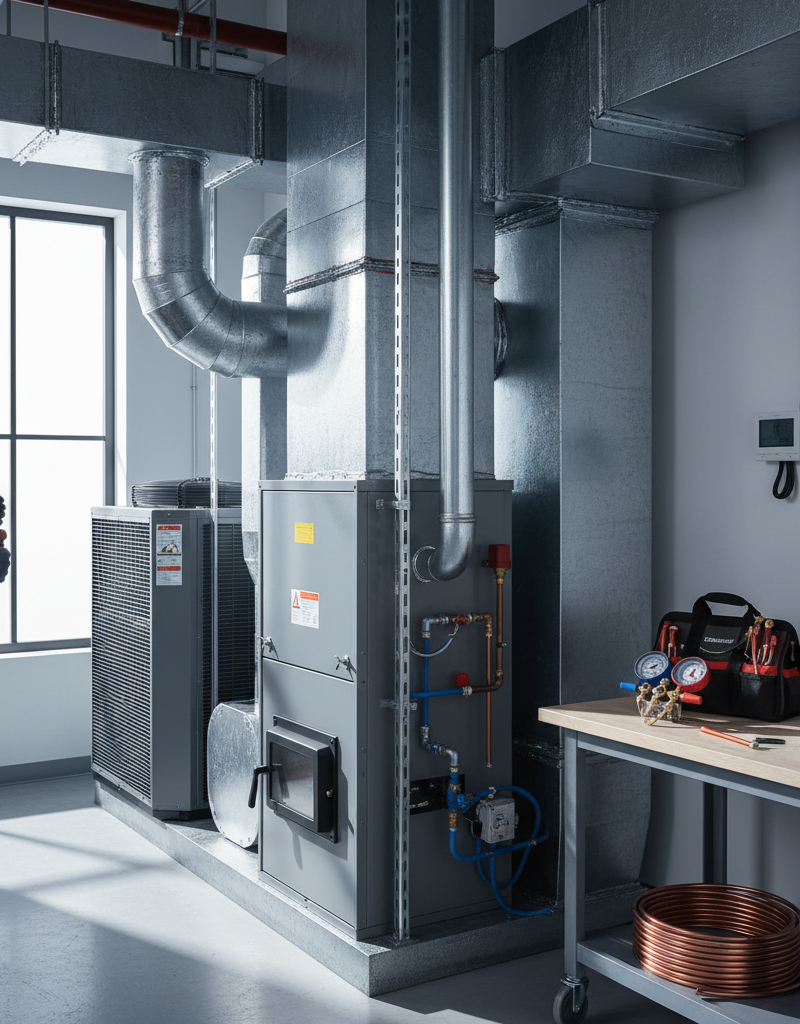
Your HVAC (Heating, Ventilation, and Air Conditioning) system is a complex network of interconnected components designed to regulate indoor temperature, humidity, and air quality. Let's break down the two main operational cycles: cooling and heating.
Cooling Cycle (Air Conditioning): When your thermostat calls for cooling, the indoor unit (evaporator coil and blower fan) draws warm indoor air over the cold evaporator coil. This coil, filled with refrigerant, absorbs heat from the air. The now-cooled air is then circulated back into your home. The refrigerant, now a warm, low-pressure gas, travels to the outdoor unit (condenser coil and compressor). The compressor increases the refrigerant's pressure and temperature, sending it to the condenser coil where it releases its absorbed heat to the outside air, changing back into a liquid. This cool liquid then returns to the indoor unit to repeat the cycle. Key components include the compressor (the heart of the AC, pumping refrigerant), condenser coil (dissipates heat), evaporator coil (absorbs heat), refrigerant lines, expansion valve (regulates refrigerant flow), and the blower motor (circulates air). Dirt on coils, low refrigerant levels, or electrical issues can severely hamper cooling efficiency and system lifespan.
Heating Cycle (Furnace): For a gas furnace, when the thermostat demands heat, a signal ignites the burners, which heat a heat exchanger. A blower motor then pushes air over the hot heat exchanger, warming it, and then circulates this warm air through your home's ductwork. Combustion byproducts are safely vented outside. For a heat pump, the process is essentially reversed from cooling. It extracts heat from the outside air (even cold air contains some heat) and transfers it indoors. Both systems rely on a clean burner assembly (furnace), intact heat exchanger, functional igniter, proper gas pressure (furnace), and a reliable blower motor to distribute heat effectively. Clogged filters, dirty burners, or failing igniters can lead to inefficient heating, potential safety hazards, and system breakdowns.
The 'System' Aspect: Beyond cooling and heating, your HVAC system also includes the ductwork (carrying air), the thermostat (the control center), and air filters (removing particulates). All these components must work in harmony. Regular maintenance assesses the functionality and cleanliness of each part, ensuring optimal energy transfer, consistent airflow, and proper electrical operation, thereby extending the life of the entire system and maintaining indoor air quality.
Step-by-Step Fix
While major HVAC service requires a professional, many proactive steps can be taken by homeowners to supplement professional visits and improve system performance. Think of these as your monthly or quarterly 'mini-services.'
-
Replace Your Air Filter — The Single Most Important DIY Step
- Action: Locate your air filter, usually in the return air vent or at the air handler/furnace itself. Note the size printed on the filter. Turn off your HVAC system at the thermostat. Slide out the old filter and slide in a new one, ensuring the arrows on the filter point in the direction of airflow towards the furnace/air handler. Write the installation date on the new filter. For most homes, replace every 1-3 months. If you have pets, allergies, or live in a dusty area, replace monthly. If your system runs continuously during peak seasons, consider more frequent changes.
- Tools/Materials: New air filter (matching size and MERV rating), permanent marker.
- If this doesn't work: If your system continues to have poor airflow even after changing the filter, you might have dirty coils or blockages in the ductwork, requiring professional inspection.
-
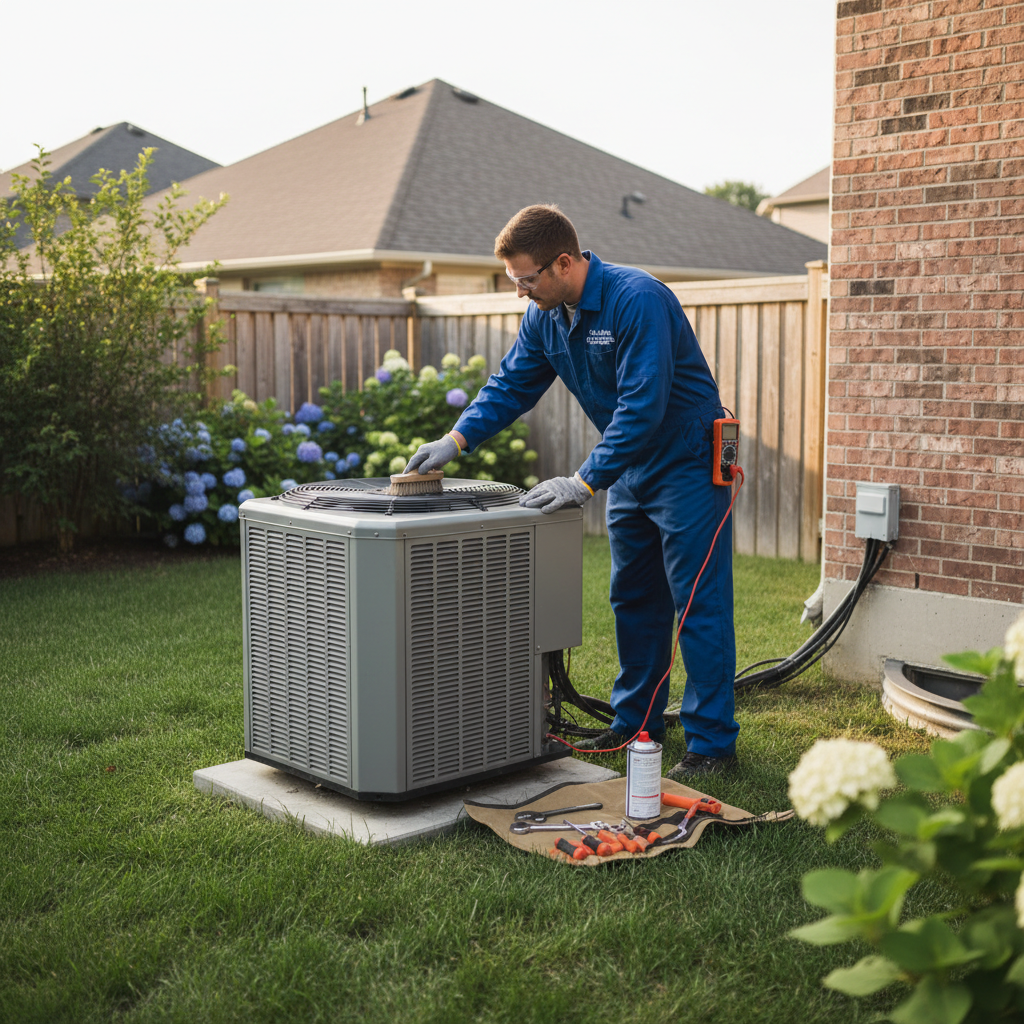
Clean Your Outdoor Condenser Unit — Prevent Overheating and Maintain Efficiency
- Action: Safety Note: Before doing anything, turn off the power to the outdoor unit at the disconnect box located near the unit (it looks like a small gray box with a pull-out handle or switch) AND at your main electrical panel. Remove any leaves, grass clippings, or debris from around the unit, maintaining at least two feet of clear space. Gently use a garden hose to rinse dirt and grime from the condenser fins, spraying from the inside out if possible to push debris away from the coil. Be careful not to bend the delicate fins. If they are slightly bent, use a fin comb to carefully straighten them.
- Tools/Materials: Garden hose, soft brush, fin comb (optional), screwdriver (for grilles).
- If this doesn't work: If the unit still seems to be struggling or making loud noises after cleaning, the compressor or fan motor may be failing, necessitating professional diagnosis.
-
Inspect and Clear Your Condensate Drain Line — Avoid Water Damage and System Shutdowns
- Action: For your AC, locate the condensate drain line (a PVC pipe usually emerging from your indoor unit). Check for standing water, algae, or clogs. Pour a cup of distilled vinegar (not bleach, as it can be corrosive) down the access port of the condensate line near the indoor unit. This helps kill algae and prevent clogs. If the line is severely clogged, you might need to use a wet/dry vac to suction out the blockage from the outdoor end of the drain line.
- Tools/Materials: Distilled white vinegar, wet/dry vac (for serious clogs).
- If this doesn't work: If the line frequently clogs despite regular treatment, or if water is pooling around your indoor unit, a professional might need to clear a stubborn blockage or inspect for proper drainage slope.
-
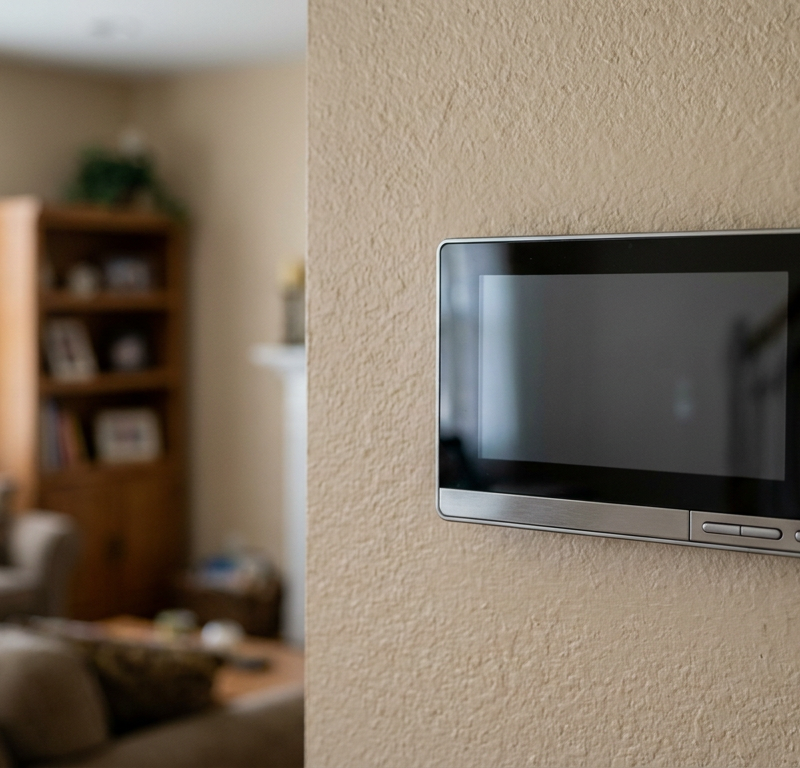
Check and Program Your Thermostat — Optimize Comfort and Energy Savings
- Action: Ensure your thermostat is set to the correct mode (heat/cool/auto) and desired temperature. If you have a programmable thermostat, review and adjust your schedule to reflect current occupancy patterns to save energy. For smart thermostats, ensure Wi-Fi connectivity and app settings are correct. Consider replacing old mercury or non-programmable thermostats with a modern smart thermostat for better control and efficiency. Calibrate an old thermostat with a known accurate thermometer if you suspect it's reading incorrectly (most digital thermostats are self-calibrating).
- Tools/Materials: None, or perhaps a small screwdriver for battery replacement.
- If this doesn't work: If your thermostat isn't responding or you're getting inconsistent temperatures, it might be faulty wiring or a failing thermostat, which a professional can diagnose.
-
Listen and Observe Your System — Early Detection is Key
- Action: Periodically listen to your indoor and outdoor units. Are there any new grinding, squealing, banging, or hissing sounds? Does it cycle on and off more frequently than usual (short cycling)? Is there any unusual burning smell? A slight metallic odor when turning on the heat for the first time in winter is often just dust burning off, but a persistent burning smell requires immediate attention. Visually inspect for refrigerant leaks (oily residue) near components. Note any changes in airflow from vents.
- Tools/Materials: Your senses! (Ears, nose, eyes).
- If this doesn't work: Any persistent unusual noises, smells, or operational changes are strong indicators that professional diagnostics are needed immediately to prevent further damage or potential safety hazards.
-
Ensure Vents and Registers Are Clear — Maximize Airflow Distribution
- Action: Go through your home and ensure all supply registers and return air vents are unobstructed by furniture, rugs, or drapes. Blocked vents restrict airflow, forcing your system to work harder and creating uneven temperatures. Give them a quick vacuuming or wipe-down to remove dust buildup.
- Tools/Materials: Vacuum cleaner with brush attachment.
- If this doesn't work: If clearing vents doesn't improve airflow, you might have leaks in your ductwork or more serious blower fan issues, requiring professional assessment.
Common Causes
Ignoring your HVAC system between professional services can lead to several common problems:
- Clogged Air Filters: The most frequent culprit. A restrictive filter chokes airflow, overworks the blower motor, reduces efficiency, and can even cause your AC coil to freeze or your furnace's heat exchanger to overheat.
- Dirty Coils (Evaporator & Condenser): Over time, dirt, dust, and grime accumulate on both indoor and outdoor coils. This acts as an insulating layer, severely hindering heat transfer. A dirty evaporator coil can't absorb sufficient heat, leading to poor cooling. A dirty condenser coil can't release heat efficiently, causing the compressor to overheat and potentially fail.
- Clogged Condensate Drain Line: Algae and sludge can build up in the condensate drain, causing it to back up. Many units have a safety switch that will shut down the AC when the pan overflows, preventing water damage but leaving you without cooling.
- Refrigerant Leaks: Over time, tiny leaks can develop in refrigerant lines or coils. Low refrigerant levels drastically reduce cooling capacity and force the compressor to work harder, shortening its life. This is not a consumable and should never need 'topping up' unless there's a leak.
- Electrical Connection Issues: Loose or corroded wiring connections can lead to intermittent operation, fan failures, or even serious electrical shorts. Capacitors can also degrade, impacting motor starting power.
- Lubrication Problems: Older blower motors and fan motors may require lubrication. Lack of lubrication causes increased friction, leading to motor strain, overheating, and eventual failure.
- Pilot or Ignition Problems (Furnace): Dirty pilot lights, faulty igniters, or flame sensors can prevent your furnace from lighting or staying lit, leaving you without heat.
Common Mistakes
- "Set it and Forget it" Mentality: Assuming your HVAC system will run perfectly for years without any attention. Instead: Implement a routine of monthly/quarterly inspections and bi-annual professional services.
- Delaying Filter Changes: Believing filters last six months or more, even with heavy use. Instead: Check your filter monthly, especially during peak seasons. Change it every 1-3 months, or more frequently if you have pets, allergies, or dusty conditions.
- Ignoring Outdoor Unit Debris: Allowing shrubs, leaves, and dirt to pile up around the condenser. Instead: Keep the area around your outdoor unit clear of all obstructions for at least two feet on all sides to ensure proper airflow and heat dissipation.
- DIY Refrigerant Recharging: Attempting to add refrigerant yourself. Instead: Refrigerant is a specialized chemical. If your system is low, it has a leak. Adding more without fixing the leak is a waste of money and harmful to the environment. Call a licensed HVAC technician who can find and repair the leak, then properly recharge the system.
- Overlooking Minor Issues: Dismissing strange noises, smells, or slight performance dips as minor inconveniences. Instead: Document any unusual observations and mention them to your HVAC technician during your next service visit. Early detection can prevent small problems from becoming costly repairs.
- Blocking Indoor Vents: Closing off supply registers in unused rooms to
Related Articles
Keep troubleshooting with these hand-picked guides from FixlyGuide:
- The #1 Mistake Homeowners Make With HVAC Filters (And How Often to Really Change Them) — Discover the crucial mistake most homeowners make with HVAC filters and the specific schedule you should follow to avoid costly HVAC issues…
- The HVAC Maintenance Myth: Why "Annual Service" Can Cost You More (and 3 Things to Check Instead) — Discover why strict annual HVAC servicing isn't always necessary and learn the essential checks that can save you money and extend your sys…
- The #1 HVAC Mistake Costing You Hundreds (And How Often to Really Change Your Filter) — Discover the crucial mistake most homeowners make with HVAC filters, leading to higher energy bills, poor air quality, and system damage. L…
- The #1 HVAC Mistake That Costs Homeowners $500 Every Year — Discover the crucial HVAC maintenance step homeowners often overlook, leading to higher energy bills, frequent repairs, and premature syste…
- The #1 HVAC Mistake Making Your Energy Bills Soar (It's Not What You Think) — Discover the crucial HVAC filter mistake that's quietly inflating your energy bills and damaging your system, and how a simple change can s…
- The #1 Mistake Killing Your Thin Lawn (And How to Overseed Like a Pro) — Discover the crucial mistake homeowners make with thin lawns and how proper overseeding can transform your turf.
What should this project cost?
Enter your project details for a realistic cost range before you call anyone.
Service calls and common repairs run $150–$900; full system replacement typically $6,000–$12,000.
- Regional adjustment
- National average
- Labor share (typical)
- ~$1,935
- Quotes to collect
- 3 written estimates
Educational estimate based on national averages — not a binding quote. Always confirm with written local estimates.
Fixly Project Decision Box
- DIY difficulty
- Advanced
- Estimated time
- Homeowner checks 20–30 minutes
- Cost level
- Moderate
Main tools / materials
- Clean air filter
- Garden hose for condenser coils
- Shop vac for the condensate line
When to stop and call a pro
- Burning smell, smoke, or a tripping breaker
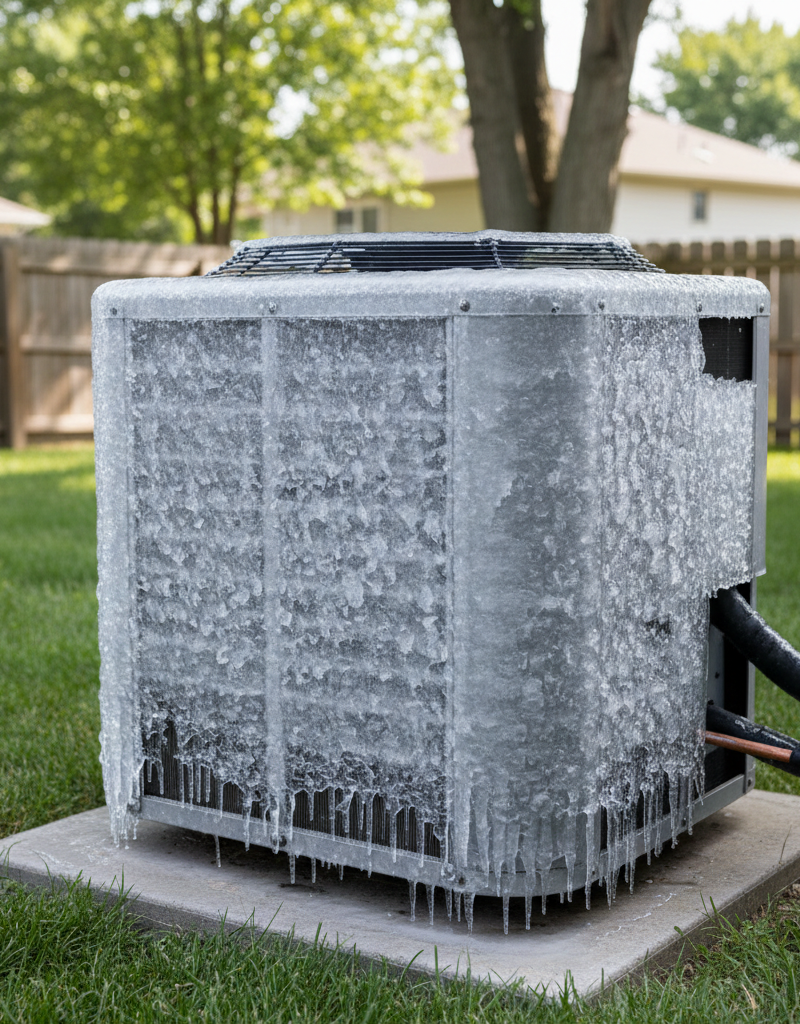
- Refrigerant lines iced over or hissing
- Any work inside the sealed refrigerant circuit (EPA-licensed only)
- Gas smell near a furnace — leave and call the utility
Need professional help?
Find an HVAC Pro Near YouGet the print-ready PDF of this guide
A clean, ad-free, printable version you can keep on your phone or pin to the workshop wall. Free with a FixlyGuide account.
- Print-optimized layout
- Tools, materials & every step included
- Saved to your account
Frequently asked questions
How often should I really service my HVAC system?+
While many believe annual service is enough, experts recommend bi-annual service: once in the spring for your AC and once in the fall for your furnace. This ensures each component is ready for its respective operating season.
What happens if I don't service my HVAC system regularly?+
Skipping regular service leads to decreased efficiency, higher energy bills, increased likelihood of breakdowns, shorter system lifespan, and potentially expensive emergency repairs. Minor issues can escalate into major problems.
Can I do any HVAC maintenance myself?+
Yes! Homeowners should regularly replace air filters (every 1-3 months), clean the outdoor condenser unit from debris, keep condensate drains clear, and ensure vents are unobstructed. These preventative steps are crucial for optimal performance.
Is an HVAC service agreement worth it?+
For many homeowners, a service agreement is worthwhile. It often includes bi-annual tune-ups, priority scheduling, discounted repairs, and can catch issues early, potentially saving money and extending system life.
How long does an HVAC service appointment take?+
A typical professional HVAC service appointment (tune-up) for either your AC or furnace usually takes between 45 minutes to 1.5 hours, depending on the system's condition and any issues found.
Discussion
Loading comments…