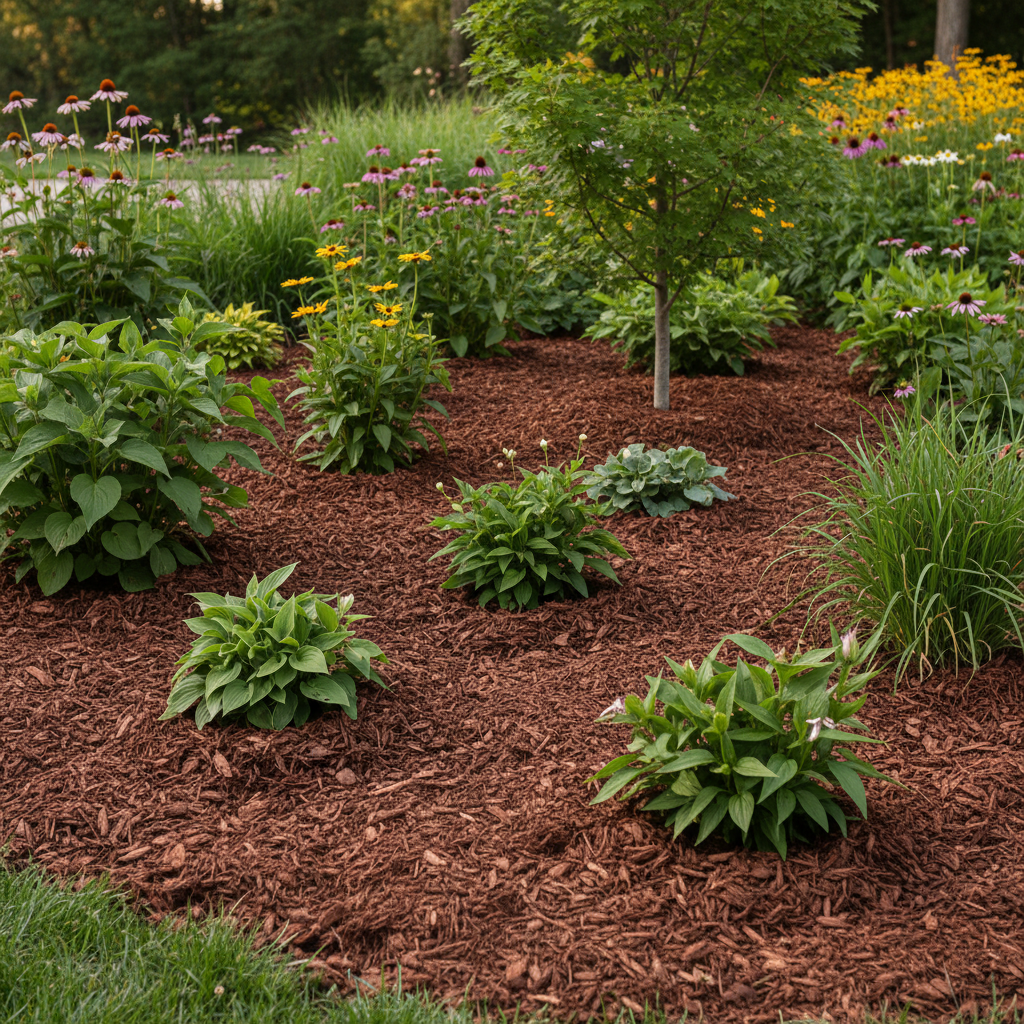
- Misunderstanding the Purpose: Many homeowners view mulch primarily as a decorative element, leading them to prioritize aesthetics (like thick, mounded layers) over the practical benefits of soil health and plant protection.
- Over-enthusiasm: A common belief is that "more is better," leading to excessive application. While a good layer is beneficial, an overly thick one becomes detrimental.
- Lack of Knowledge on Mulch-Free Zones: The critical importance of keeping mulch away from plant stems and tree trunks is often overlooked or unknown, resulting in direct contact that fosters disease and pests.
- Ignoring Decomposition: Organic mulches break down. If fresh layers are continually added without accounting for the existing material, the total depth can quickly become excessive.
- Seasonal Bulk Mulch Sales: Sometimes, homeowners purchase large quantities of mulch and feel compelled to use it all, even if it results in over-mulching certain areas.
Landscaping · Deck or fence project
| Project category | Landscaping |
|---|---|
| Problem type | Deck or fence project |
| Trade required | Landscaping |
| Urgency | Planned project |
| Safety risk | Moderate safety risk |
| DIY suitability | DIY for experienced homeowners |
| Cost category | High cost |
| Typical timeline | Most builds 3–10 days depending on size |
| Contractor type | Landscaping contractor |
Repair option
Replace failed boards, posts, and hardware; reseal the surface.
Replacement option
Rebuild when framing or the ledger connection is unsafe.
Common causes
- Rot at posts and ledger
- Storm damage
- Adding outdoor living space
Relevant tools:home improvement material pricesproject cost estimator
Published May 28, 2026Last updated August 17, 2026
Tools & materials you'll need
Affiliate linksAs an Amazon Associate FixlyGuide earns from qualifying purchases — at no extra cost to you. Prices and availability are accurate as of publication and subject to change.
Quick Answer
Applying mulch incorrectly is a widespread issue that can unintentionally harm your garden. The biggest culprit is often applying too much mulch, known as "mulch volcanos," or piling it directly against plant stems and tree trunks. This can lead to a host of problems including suffocated roots, increased risk of fungal diseases, and a welcoming habitat for pests. The simple solution is to maintain a consistent 2-4 inch layer of mulch, ensuring it's pulled back at least 2-3 inches from the base of all plants and trees. This creates a protective barrier that conserves moisture, moderates soil temperature, and suppresses weeds, all while allowing your plants to breathe and thrive.
The Problem
Many homeowners aim to do right by their gardens, investing time and money in mulching, only to inadvertently create conditions that stress or even kill their plants. The visual appeal of a thick, uniform layer of mulch can be deceptive; a poorly applied blanket of organic material often does more harm than good. When mulch is piled high against the base of trees and shrubs, it forms what some call a "mulch volcano." This practice retains excessive moisture against the bark, leading to rot and creating an ideal environment for rodents and insects to chew on the tender bark beneath. Similarly, an overly thick layer of mulch (exceeding 4 inches) can prevent water and air from reaching the roots, essentially suffocating the plant. It can also heat up significantly in direct sunlight, "baking" the shallow roots of delicate plants. Moreover, a consistently damp environment around stems and trunks is an open invitation for fungal diseases like stem rot and collar rot, which can quickly girdle and kill a plant.
Conversely, too little mulch (less than 2 inches) fails to provide the benefits of weed suppression, moisture retention, and temperature moderation. Weeds will readily sprout through thin mulch, and the soil will dry out quickly, necessitating more frequent watering. The goal is a beneficial balance that enhances the garden's health and reduces maintenance, not one that creates new problems.
How It Works
Mulch, whether organic or inorganic, serves several vital functions in a healthy garden ecosystem, acting as a protective blanket for the soil. Organic mulches, derived from natural materials like wood chips, shredded bark, straw, or compost, break down over time, enriching the soil with organic matter and nutrients. This decomposition process slowly improves soil structure, aeration, and water-holding capacity. Inorganic mulches, such as gravel or landscape fabric, are primarily used for weed suppression and decoration, providing less in terms of soil amendment.
When applied correctly, a 2-4 inch layer of organic mulch performs several key tasks. Firstly, it acts as a physical barrier, blocking sunlight from reaching weed seeds, thus preventing germination and growth. This significantly reduces the need for weeding. Secondly, mulch insulates the soil. In summer, it keeps the soil cooler by reflecting sunlight and reducing evaporation, thereby conserving moisture and reducing the frequency of watering. In winter, it helps to moderate soil temperature, protecting plant roots from extreme cold and minimizing damaging freeze-thaw cycles that can heave plants out of the ground. Thirdly, by slowing evaporation, mulch ensures that water penetrates deeper into the soil, becoming more accessible to plant roots. It also helps prevent soil compaction from heavy rains and reduces erosion on sloped areas. Lastly, the presence of organic mulch fosters a healthy environment for beneficial soil microorganisms and invertebrates, which further contribute to soil health and nutrient cycling. The critical factor in harnessing these benefits is maintaining the correct depth and ensuring the mulch doesn't directly contact plant stems or tree trunks, allowing for crucial air exchange and preventing moisture buildup that leads to disease and pest issues.
Step-by-Step Fix
Addressing improper mulching is a straightforward process that will significantly benefit your plants. Follow these steps for healthy, happy garden beds.
1. Assess the Current Situation – Identify existing problems.
Start by thoroughly inspecting your garden beds. Look for signs of mulch piled too high against plant stems or tree trunks, layers thinner than 2 inches or thicker than 4 inches, or areas where mulch has matted down and become impenetrable. Check for signs of rot, fungal growth, or pests near plant bases.
- Troubleshooting: If you see white fungal growth (mycelium) within compacted mulch, it's a sign of anaerobic conditions, requiring aeration and likely removal of some mulch.
2. Gather Your Tools – Prepare for efficient work.
Ensure you have all necessary tools at hand before you begin. A sturdy garden rake is essential for spreading and leveling. Gloves will protect your hands, and a tarp or wheelbarrow will make cleanup and transportation of mulch much easier.
- Materials: Garden rake, durable gardening gloves, wheelbarrow or tarp, shovel (if removing old mulch).
3. Remove Excess or Problematic Mulch – Clear the way for healthy growth.
If your mulch is too thick (over 4 inches) or mounded around plant bases, carefully rake it away. Use a trowel for delicate plants. Aim to expose the soil surface within a 2-3 inch radius around stems and trunks. If old mulch is matted, moldy, or infested, remove and discard it to prevent disease spread. Don't add it to your compost bin if it shows signs of disease.
- Safety Note: Always wear gloves to protect against splinters, thorns, and potential irritants in decaying organic matter or pest droppings.
- If this doesn't work: If the soil beneath the old mulch is compacted, gently aerate it with a garden fork before replacing the mulch.
4. Prepare the Bed – Optimize for new mulch application.
After removing old mulch, lightly weed the bed. If the soil appears compacted, gently loosen the top inch or two with a hand cultivator or small trowel, taking care not to disturb plant roots. This improves air and water penetration. If your soil is particularly poor, now is an excellent time to incorporate a thin layer (about 1/2 inch) of compost before mulching.
5. Choose the Right Mulch (If Replenishing) – Select the best type for your garden.
For most ornamental beds, shredded hardwood bark, cedar mulch, or pine bark nuggets are excellent choices. They break down slowly, enriching the soil. For vegetable gardens, straw or untreated grass clippings are suitable. Avoid cypress mulch due to environmental concerns, and colored mulches if you are concerned about dyes. Ensure your mulch is from a reputable source, free of weed seeds or diseases.
- Consider: Finer mulches break down faster but can also pack more tightly. Coarser mulches last longer and provide better air circulation.
6. Measure and Apply Uniformly – Achieve the ideal depth.
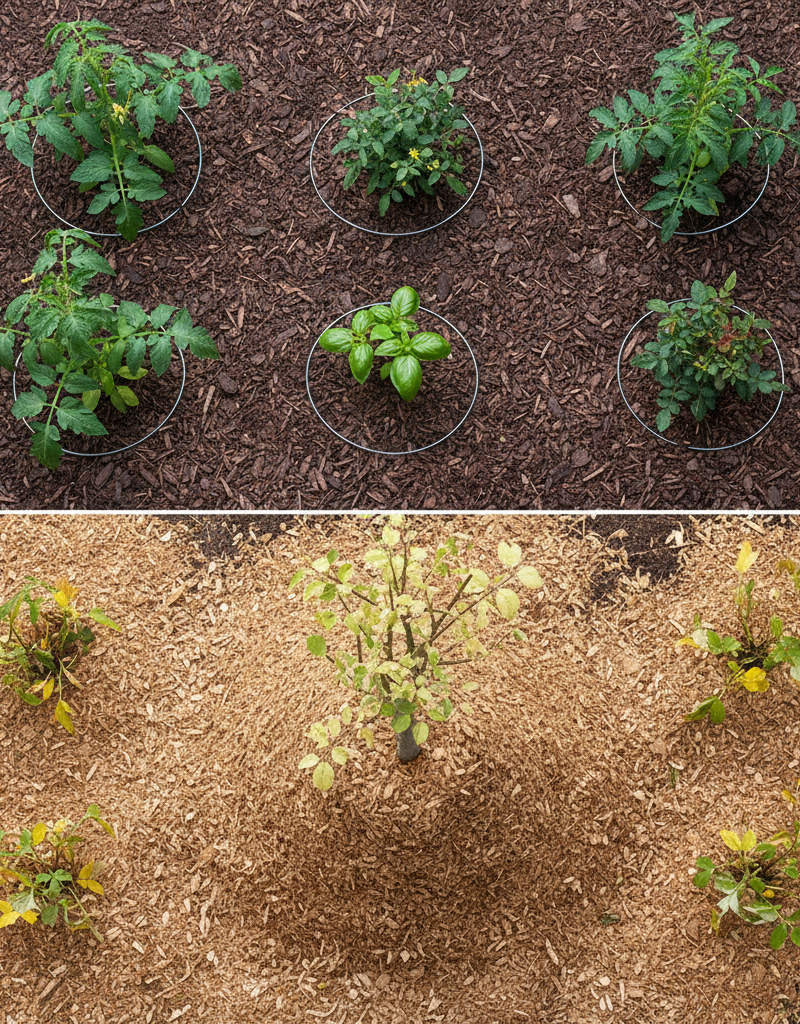
Spread new mulch to a consistent depth of 2-4 inches throughout the bed. Use a ruler or your hand as a guide to ensure an even layer. This depth is critical for weed suppression, moisture retention, and temperature moderation. Avoid applying thinner than 2 inches, as it won't be effective, and thicker than 4 inches, which can suffocate plants.
7. Mind the Mulch-Free Zone – The most critical step! Protect plant stems and tree trunks.
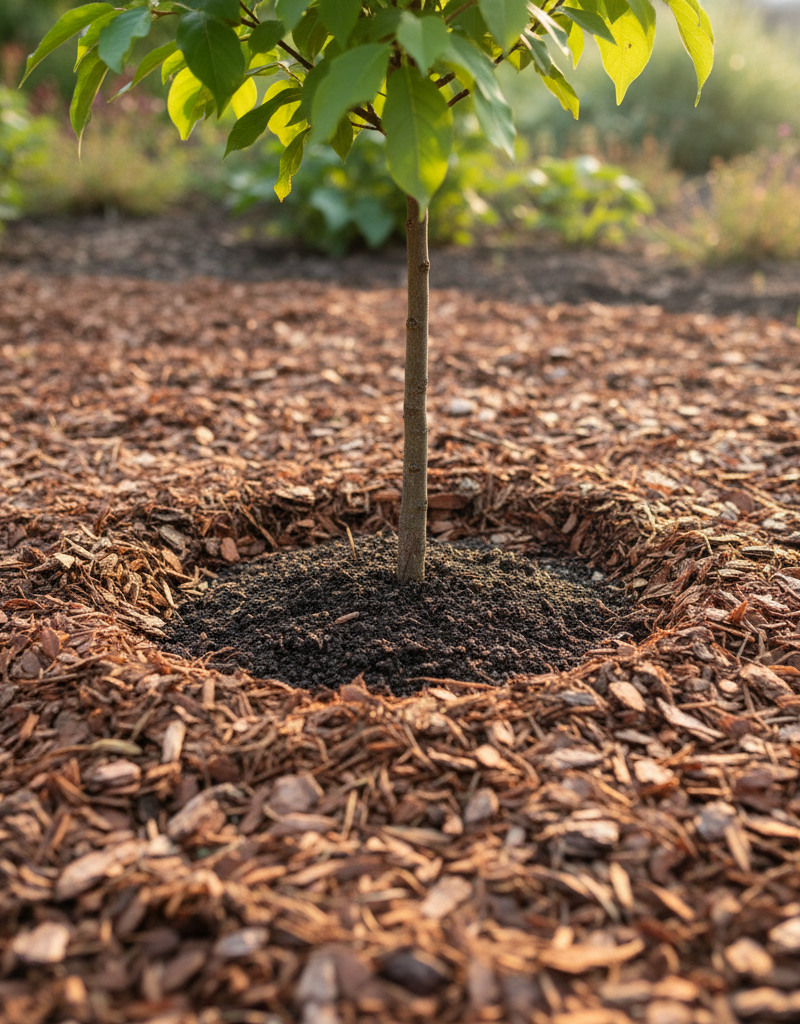
This is the most crucial step. Once the mulch is spread, pull it back 2-3 inches from the base of all plant stems and tree trunks. For larger trees, creating a "donut" shape with a 6-12 inch mulch-free ring around the trunk is ideal. This gap allows for proper air circulation, prevents moisture buildup against the sensitive bark, and deters pests and diseases.
- Visual check: You should be able to see the base of the plant or the flare of the tree trunk where it meets the ground.
8. Water Thoroughly (Optional but Recommended) – Settle the mulch and activate benefits.
After applying mulch, water the garden bed thoroughly. This helps settle the mulch, reduces dust, and encourages it to interlock slightly, making it less prone to blowing away. It also ensures that any dust or fine particles from the mulch don't repel subsequent watering.
9. Monitor and Maintain – Keep your mulch working for you.
Regularly check your mulch. Rake it lightly every few months to break up any matted areas and improve air circulation. As organic mulches decompose, they will thin out. Plan to replenish your mulch annually or bi-annually, aiming to maintain the 2-4 inch depth and the critical mulch-free zone around plants.
- Warning sign: If you notice water pooling on top of compacted mulch, it's time to aerate or add fresh, looser material.
Common Causes
Understanding why mulching goes wrong can help homeowners avoid these pitfalls in the future:
- Misunderstanding the Purpose: Many homeowners view mulch primarily as a decorative element, leading them to prioritize aesthetics (like thick, mounded layers) over the practical benefits of soil health and plant protection.
- Over-enthusiasm: A common belief is that "more is better," leading to excessive application. While a good layer is beneficial, an overly thick one becomes detrimental.
- Lack of Knowledge on Mulch-Free Zones: The critical importance of keeping mulch away from plant stems and tree trunks is often overlooked or unknown, resulting in direct contact that fosters disease and pests.
- Ignoring Decomposition: Organic mulches break down. If fresh layers are continually added without accounting for the existing material, the total depth can quickly become excessive.
- Seasonal Bulk Mulch Sales: Sometimes, homeowners purchase large quantities of mulch and feel compelled to use it all, even if it results in over-mulching certain areas.
- Pest and Disease Control Neglect: If existing mulch is left unchecked and becomes a breeding ground for pests (slugs, rodents) or fungal issues, it's often a sign of improper application allowing for overly damp, sheltered conditions.
Common Mistakes
Even with good intentions, homeowners frequently make these mulching blunders:
- Creating "Mulch Volcanos": Piling mulch high against tree trunks. This traps moisture against the bark, leading to rot, encourages girdling roots, and provides shelter for pests that can damage the tree's cambium layer.
- Applying Too Thick a Layer (Over 4 inches): An excessive depth can suffocate plant roots by blocking essential air and water exchange, reduce soil temperature too much (slowing growth), and repel water during dry spells.
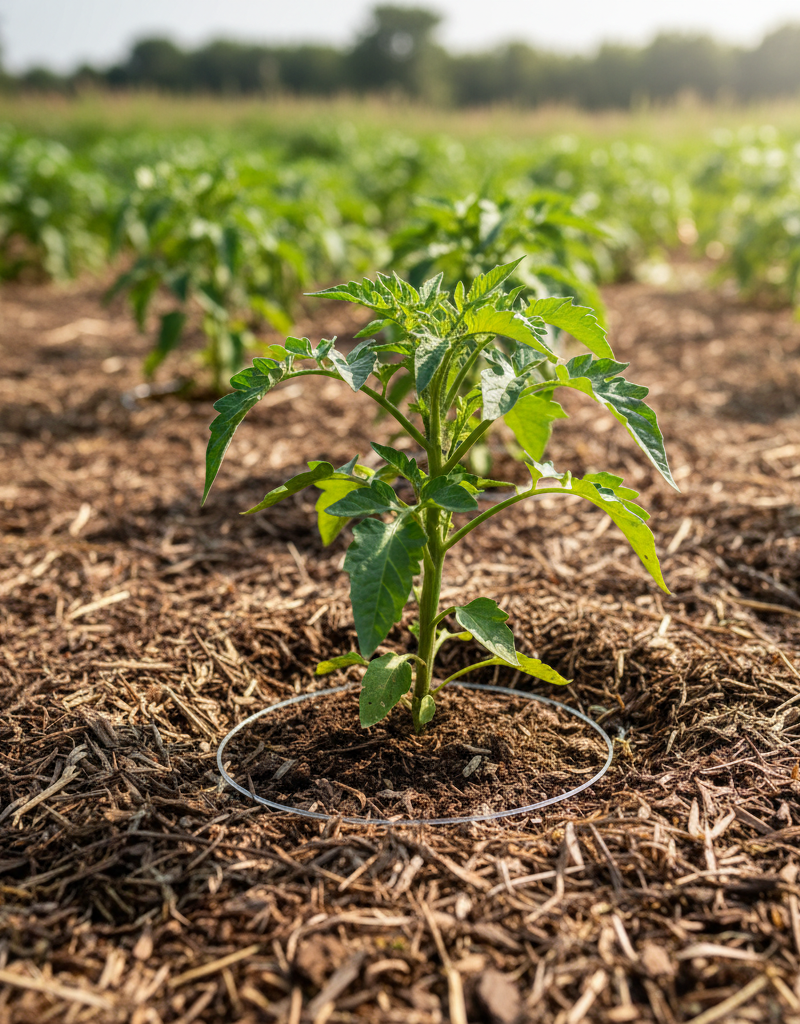
- Neglecting the Mulch-Free Zone for Smaller Plants: Just like trees, smaller shrubs and perennials need space around their stems. Mulch against these can cause stem rot and pest issues.
- Using Diseased or Contaminated Mulch: Introducing mulch with fungal spores, weed seeds, or insect larvae from an unreliable source can spread problems throughout your garden.
- Not Preparing the Bed First: Applying mulch over existing weeds or compacted soil effectively covers the problems, allowing weeds to grow through and preventing water penetration.
- Choosing the Wrong Type of Mulch: Using cedar in vegetable gardens can be too acidic, or choosing rock mulch in areas where organic matter is needed for soil improvement are common missteps.
- Applying Mulch to Unwatered Soil: If the soil beneath is dry, the mulch can prevent subsequent watering from reaching the roots, leaving plants thirsty.
Cost & Time Breakdown
| Task | DIY cost | Pro cost | Time |
|---|---|---|---|
| Purchase Mulch (per yard) | $30–$70 | Included in service | N/A |
| Rake/Remove Old Mulch | $0 (DIY labor) | $50–$150 | 30 min – 2 hours |
| Spread New Mulch (100 sq ft) | $0 (DIY labor) | $80–$200 | 1–3 hours |
| Garden Bed Prep (Weeding/Aerating) | $0 (DIY labor) | $40–$100 | 30 min – 1.5 hours |
| Total (DIY excluding mulch) | $0 | $170–$450 | 2–6 hours |
Tips & Prevention
- Annual Inspection: Make it a habit to inspect your garden beds annually, ideally in spring, to check mulch depth and position before adding new material.
- Create a Barrier: For particularly low-lying plants or delicate perennials, consider using a small, inexpensive plastic or metal edging ring (buried mostly in the soil) to maintain the mulch-free zone more easily.
- Test Soil pH Annually: If you use highly acidic mulches like pine bark, check your soil pH every 1-2 years, especially if growing pH-sensitive plants, and amend as needed.
- Refresh, Don't Overload: Instead of adding a full 2-4 inches of new mulch every year, assess the existing layer. Often, just a 1-2 inch top-up is sufficient to maintain the ideal depth.
- Monitor for Pests and Diseases: Regularly check under the mulch, particularly near plant bases, for slugs, earwigs, or signs of fungal growth. Address issues promptly by adjusting mulch application.
- Avoid Fresh Wood Chips from Unknown Sources: Unless composted properly, fresh wood chips can temporarily deplete nitrogen from the soil as they break down, a process known as nitrogen draw-down. Use aged or composted wood products.
When to Call a Professional
While correct mulching is a highly achievable DIY task, there are specific situations where calling a professional might be warranted. If your garden beds are extensive, involve significant grading challenges, or you're dealing with a severe infestation of pests (like termites or carpenter ants found within deep mulch layers) or widespread plant diseases that may have been exacerbated by improper mulching, a landscaping professional can offer comprehensive solutions. They can efficiently remove and dispose of large quantities of old, problematic mulch, accurately assess soil health, recommend and install specialized mulches for specific plant needs and conditions, and provide a long-term maintenance plan, saving you time and preventing further issues for your plants. Additionally, for complex landscape designs or if you're unsure about the overall health and proper care for multiple species of plants, a professional consultation ensures your investment is well-protected and thriving.
Related Articles
Keep troubleshooting with these hand-picked guides from FixlyGuide:
- The 3 Mulching Mistakes That Are Secretly Killing Your Plants — Discover the three common mulching errors that inadvertently harm your garden plants and learn how to apply mulch correctly for thriving, h…
- The #1 Mulching Mistake That Chokes Your Plants (And How to Fix It) — Discover the most common mulching mistake that can harm your garden and learn the proper techniques to protect and nourish your plants.
- The Mulching Mistake That Invites Pests (And How to Fix It in 3 Steps) — Discover the common mulching blunder that creates a haven for pests and learn a simple, three-step method to apply mulch correctly for heal…
- The #1 Mistake Killing Your Thin Lawn (and How to Fix It in a Weekend) — Overseeding a thin lawn is crucial for a lush yard, but a common mistake can ruin your efforts before they even begin. Learn how to diagnos…
- The #1 Mistake Killing Your Lawn's Grass (and How to Fix Patchy Spots) — Discover the most common reason for patchy grass and learn how to revive your lawn with targeted, easy-to-follow steps.
- The #1 Mistake Homeowners Make When Caulking a Bathroom Sink (And How to Fix It) — Discover the most common caulk mistake homeowners make around bathroom sinks and follow simple steps to achieve a lasting, watertight seal.
Should you do this yourself?
Answer five quick questions before you start. Safety outranks savings every time.
Your experience with work like this
How high do you have to work?
Does the job involve any of these?
Will it need a permit?
Specialty tools
Free and instant. Educational guidance only — not a quote, inspection, or professional diagnosis.
Estimate your own project cost
National averages are a starting point. Enter your details for a range that fits your house.
Mulch & topsoil calculator
- Material cost (delivery extra)$45 – $90
Bulk delivery typically adds $50–$150 per trip but is cheaper than bagged for jobs over ~2 cu yd.
Educational estimate only — always confirm with written local bids.
What should this project cost?
Enter your project details for a realistic cost range before you call anyone.
Cost depends heavily on which system turns out to be the source.
- Regional adjustment
- National average
- Labor share (typical)
- ~$1,620
- Quotes to collect
- 3 written estimates
Educational estimate based on national averages — not a binding quote. Always confirm with written local estimates.
Before you start
Check the difficulty, permits, and safety risk — then decide whether to call a pro.
Free, no signup required. Estimates are educational guidance, not a quote or an inspection.
Frequently asked questions
How close should mulch be to the house?+
Keep mulch at least 6-12 inches away from your home's foundation. This prevents moisture buildup against the siding or foundation and deters pests like termites and ants from finding a direct pathway into your home.
What happens if you put too much mulch around plants?+
Too much mulch can suffocate plant roots by restricting air and water, encourage fungal diseases due to constant moisture, provide shelter for pests that can damage stems, and prevent the soil from warming up properly in spring.
How deep should mulch be around trees?+
Mulch around trees should be 2-4 inches deep, extending out to the drip line, but crucially, it should be kept 6-12 inches away from the tree trunk itself, forming a donut shape. This protects the valuable root zone without smothering the trunk.
Should I remove old mulch before adding new?+
It's not always necessary to remove old mulch, but you should if it's matted, moldy, diseased, or if the existing layer is already 3-4 inches deep. Otherwise, you can simply refresh it by adding 1-2 inches of new mulch to maintain the ideal depth.
What are the best types of mulch for a garden?+
For most ornamental gardens, shredded hardwood bark, pine bark, or cedar mulch are excellent choices due to their longevity and soil-enriching properties as they decompose. For vegetable gardens, straw, untreated grass clippings, or compost are often preferred.
Discussion
Loading comments…