- Desire for neatness/aesthetic: Some homeowners create mulch volcanos for a perceived aesthetic benefit, believing it makes trees look tidier or more prominent, without realizing the harm it causes.
- Hiring inexperienced landscapers: Not all landscapers are equally knowledgeable. Some may apply mulch improperly out of habit or lack of training, particularly in high-volume jobs where speed is prioritized over detail.
- Neglecting existing mulch: Failing to rake, turn, or replenish mulch annually can lead to compaction and an accumulation of fine particles at the bottom, which can also impede water and air exchange.
- Ignoring the soil line: The natural flare of a tree trunk at the soil line (the root collar) should always be visible. When mulch covers this, it's a clear sign of improper application.
Landscaping · Deck or fence project
| Project category | Landscaping |
|---|---|
| Problem type | Deck or fence project |
| Trade required | Landscaping |
| Urgency | Planned project |
| Safety risk | Moderate safety risk |
| DIY suitability | DIY for experienced homeowners |
| Cost category | High cost |
| Typical timeline | Most builds 3–10 days depending on size |
| Contractor type | Landscaping contractor |
Repair option
Replace failed boards, posts, and hardware; reseal the surface.
Replacement option
Rebuild when framing or the ledger connection is unsafe.
Common causes
- Rot at posts and ledger
- Storm damage
- Adding outdoor living space
Relevant tools:home improvement material pricesproject cost estimator
Published May 27, 2026Last updated August 18, 2026
Tools & materials you'll need
Affiliate links- AmazonOrganic mulch (shredded bark, wood chips)1-3 bags or 1/4 – 1/2 cubic yard
As an Amazon Associate FixlyGuide earns from qualifying purchases — at no extra cost to you. Prices and availability are accurate as of publication and subject to change.
Quick Answer
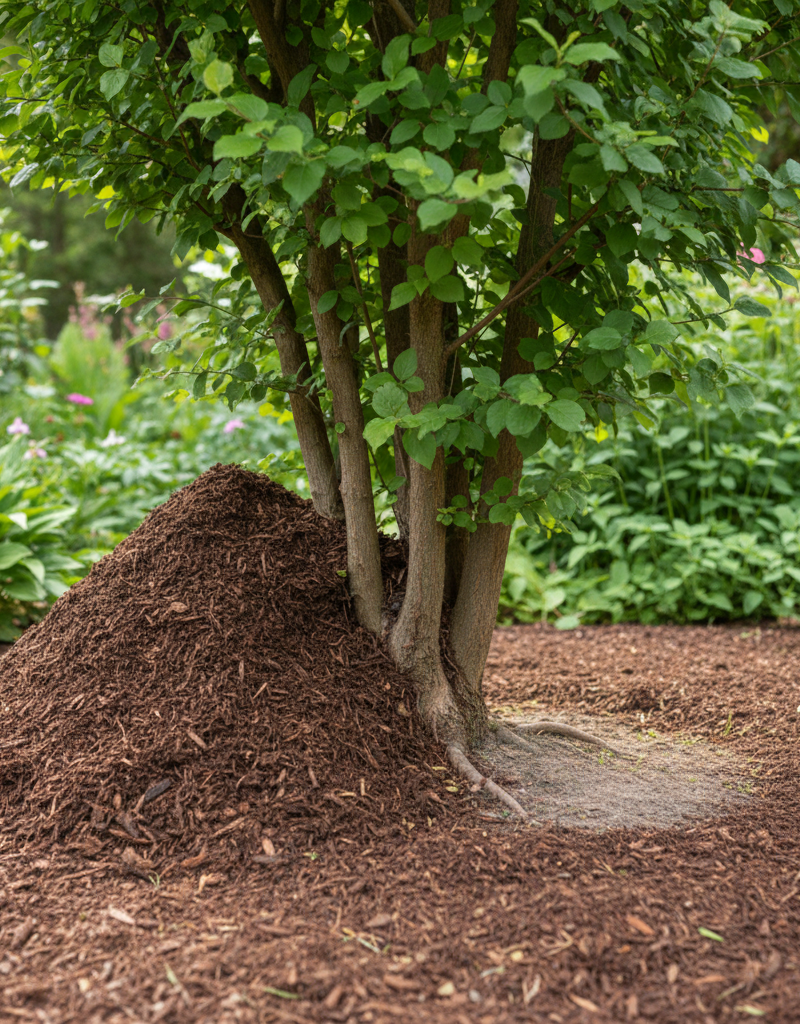
The most common mulching mistake homeowners make is applying mulch too thickly or piling it directly against the stems of plants and trunks of trees, creating what's often called a 'mulch volcano.' While mulch offers numerous benefits, improper application can effectively choke your plants, trap excessive moisture, and invite pests and diseases. The key to healthy mulching involves maintaining a consistent 2-4 inch layer and ensuring an adequate gap of several inches around the base of all plants, allowing for proper air circulation and moisture management. Addressing this issue means pulling back existing mulch and ensuring future applications follow these best practices.
The Problem
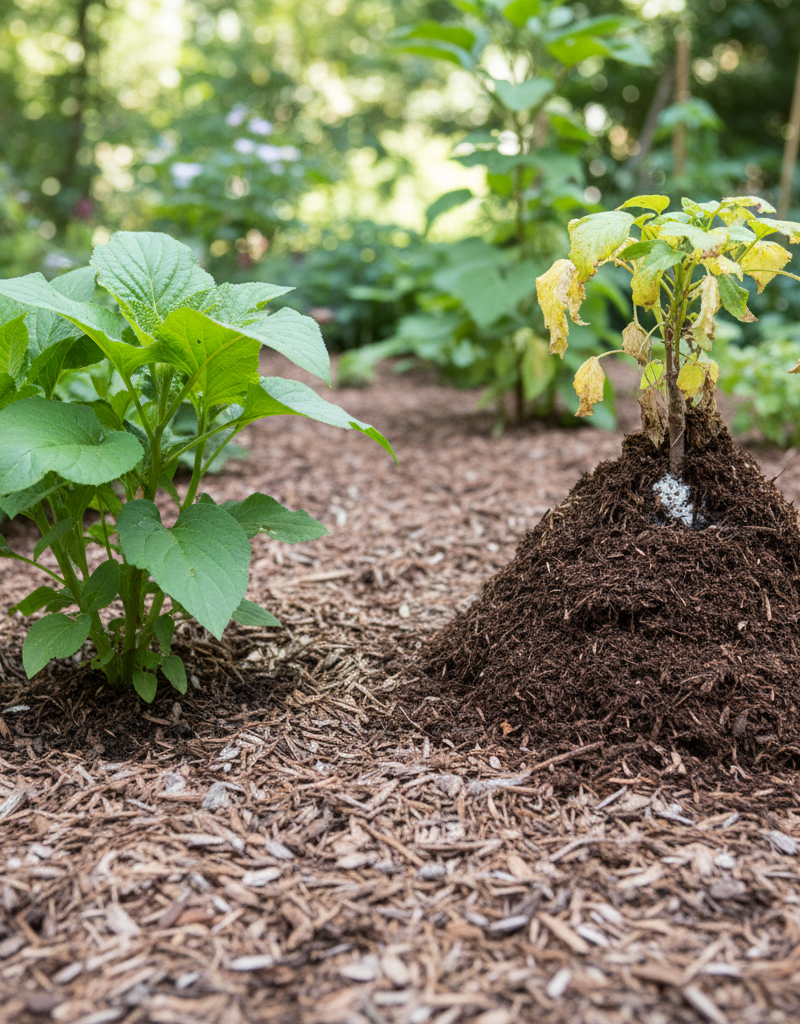
You've spent time and money carefully selecting and installing mulch in your garden beds, expecting it to suppress weeds, retain moisture, and enhance aesthetics. Yet, you might notice your plants struggling: yellowing leaves, stunted growth, or even signs of rot at the base. The irony is that the very material intended to help your plants can, when misapplied, become their downfall. The 'mulch volcano' effect – piling mulch high around plant stems and tree trunks – is a widespread issue that often goes unnoticed by well-meaning gardeners. This creates a host of problems: it holds too much moisture against sensitive bark, leading to rot and fungal diseases; it can attract rodents and insects that chew on bark; and it can prevent proper gas exchange in the soil, suffocating roots over time. Understanding how mulch should work versus how it can fail is the first step in diagnosing and correcting this common gardening mishap.
How It Works
Mulch functions primarily as a protective layer over the soil. Its benefits stem from its ability to regulate soil temperature, suppress weed growth, and retain moisture. When applied correctly, a 2-4 inch layer of organic mulch (like wood chips, shredded bark, or compost) acts as an insulating blanket, keeping soil cooler in summer and warmer in winter. It shades out weed seeds, preventing them from germinating and competing with your desirable plants for water and nutrients. Furthermore, mulch reduces water evaporation from the soil surface, meaning you'll need to water less frequently, conserving both water and effort. As organic mulches decompose, they also slowly release nutrients back into the soil, improving its structure and fertility over time.
The critical aspect of 'how it works' that often goes wrong relates to the interaction between the mulch, the plant's basal stem or trunk, and the soil beneath. Plants breathe through their roots and, to some extent, through their lower stems and bark. When mulch is piled high against these parts, it creates a continuously damp environment. This perpetual moisture softens the bark, making it susceptible to pathogens that cause rot and can girdle the trunk, effectively cutting off nutrient and water flow to the upper plant. This dampness, combined with the warmth provided by the mulch, also creates an ideal habitat for pests like voles and slugs. Additionally, a thick layer of mulch reduces oxygen exchange with the soil, leading to anaerobic conditions that are detrimental to beneficial microorganisms and plant roots. The goal is to maximize the benefits of mulch while avoiding these negative consequences, which all comes down to proper depth and spacing.
Step-by-Step Fix
1. Assess the Damage – Examine your plants for signs of distress. Carefully inspect the base of your plants and trees. Look for discoloration, softening, or cracking bark, especially where the mulch meets the stem. Check for mold, fungal growth, or the presence of pests like slugs or roly-polies congregating in the damp mulch. Note any stunted growth, yellowing leaves, or wilting, which can all be symptoms of root issues caused by improper mulching. This initial assessment will help you understand the extent of the problem.
2. Don Your Safety Gear – Protect yourself before you begin. Before handling mulch or working in the garden, put on a good pair of gardening gloves to protect your hands from splinters, cuts, and potential skin irritants. If you have allergies, wearing a dust mask can prevent inhaling fine particles from dry mulch. Eye protection is also advisable, especially if you're working around thorny plants or using tools that might kick up debris.
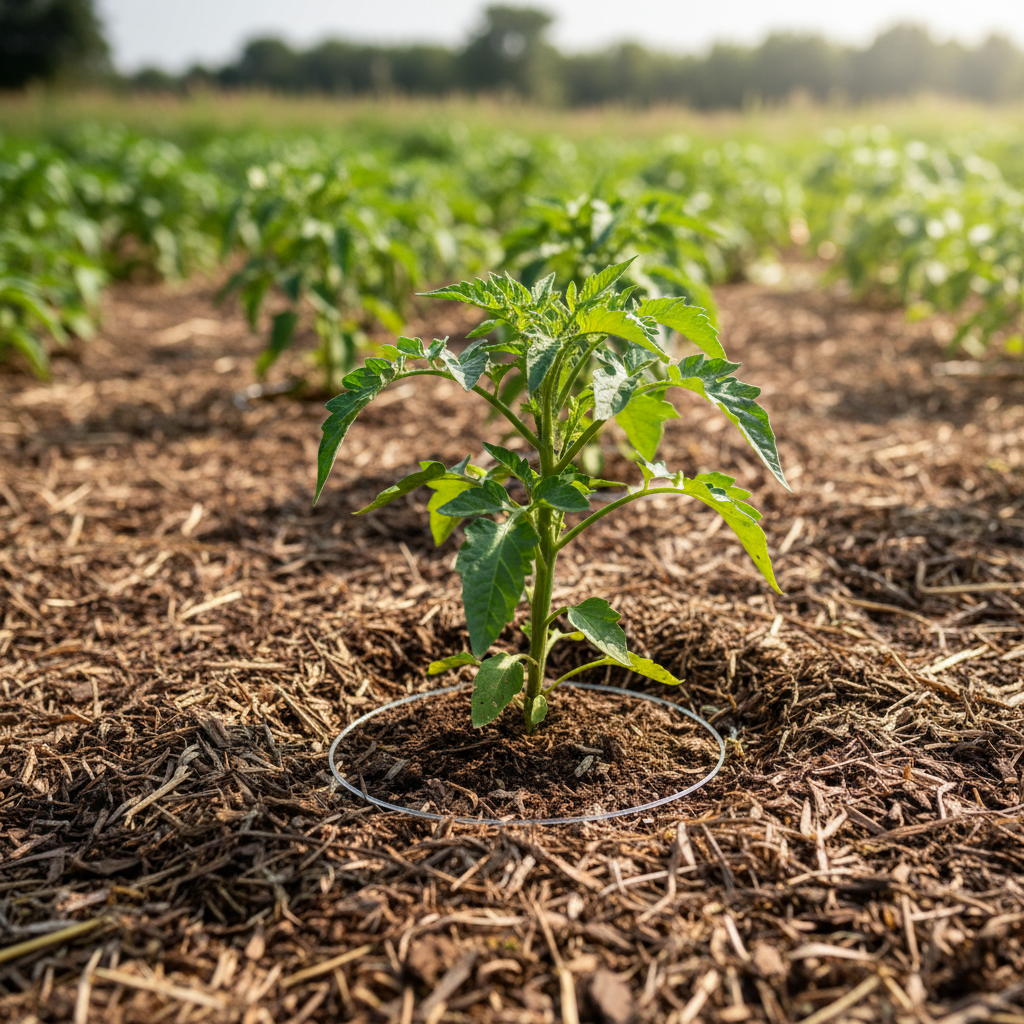
3. Carefully Pull Back Excess Mulch – Remove the problematic layer. Using a hand rake, trowel, or even your gloved hands, gently pull back all the mulch that is touching the base of your plants, shrubs, and tree trunks. Create a clear, mulch-free circle with a diameter of at least 6-12 inches around the plant's crown or trunk. For larger trees, this clearance zone should extend at least 6 inches from the trunk, preferably more, creating a 'donut' shape. The goal is to expose the soil surface directly around the plant's base, allowing it to dry out and breathe.
- If you see signs of rot: Gently scrape away any soft or discolored bark with a clean knife. Allow the area to air dry completely over a few days before proceeding. In severe cases, you might need to consult an arborist.
4. Check Soil Moisture and Aeration – Understand the soil conditions beneath. After pulling back the mulch, dig down a few inches into the soil with a trowel or your hand. Check the moisture level. If the soil is waterlogged and smells foul, it indicates anaerobic conditions and potential root rot. If it's merely damp, that's generally fine. Gently loosen the top few inches of soil around the plant base with a hand cultivator or trowel to improve aeration, being careful not to damage shallow roots. This helps the soil dry out and allows oxygen to reach the roots.
5. Evaluate Mulch Depth – Ensure an optimal layer. After correcting the spacing around plants, check the overall depth of the remaining mulch in your beds. It should be consistently 2-4 inches deep. Anything less might not provide adequate weed suppression or moisture retention. Anything more, even if spaced correctly, can still lead to issues over the long term, such as creating a barrier to water penetration during dry spells or harboring pests.
- If too thin: Add more mulch, observing the proper spacing around plants.
- If too thick: Carefully remove some of the excess mulch until you reach the optimal 2-4 inch depth. You can use a shovel or rake for this.
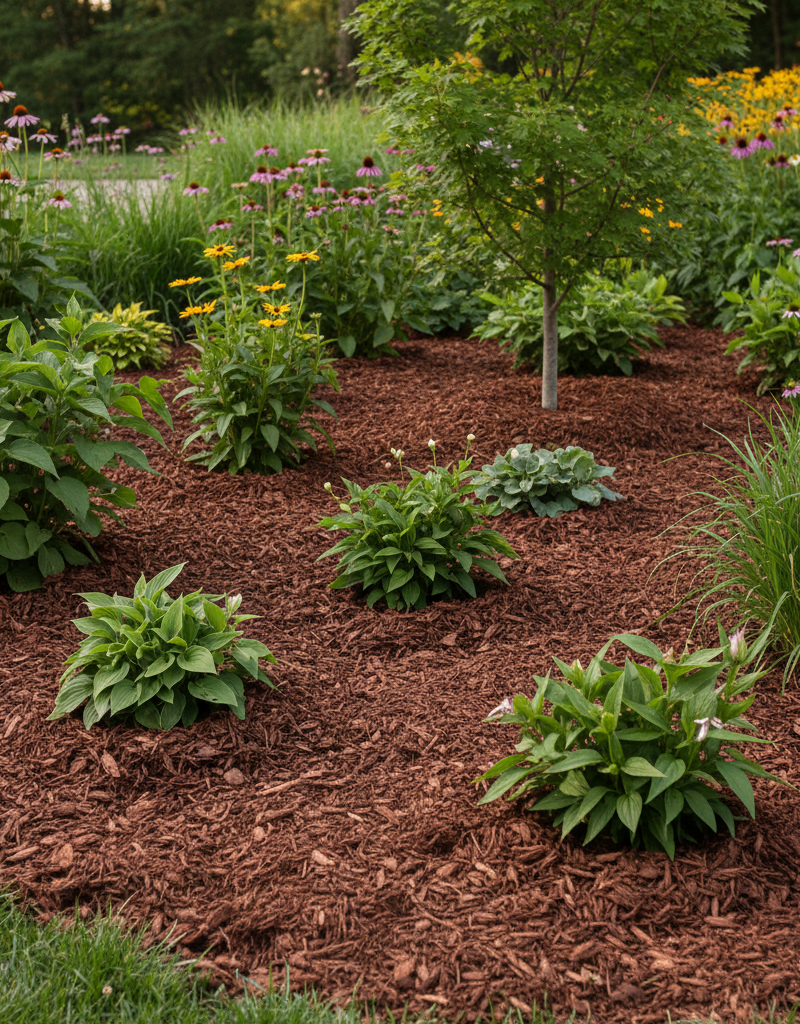
6. Replenish and Redistribute (if needed) – Apply new mulch correctly. If your mulch layer was too thin, or if you had to remove a significant amount of old mulch, it's time to replenish. Spread new mulch evenly across the bed, ensuring that you maintain the 2-4 inch depth. Crucially, always remember to keep the mulch several inches away from the base of all plants, creating that visible 'donut hole' around the stem or trunk. This is the most important step for long-term plant health.
7. Monitor and Maintain – Ongoing vigilance is key. After fixing the mulching mistake, regularly monitor your plants for signs of recovery. Check the soil moisture periodically, especially around the plant bases, to ensure it's not staying too wet. Replenish mulch annually or biannually as it decomposes, always adhering to the correct depth and spacing. This consistent maintenance will ensure your garden beds thrive.
Common Causes
- Over-enthusiastic application: Homeowners often think 'more is better' when it comes to mulch, leading to excessive depth. They might add new mulch on top of old layers year after year without clearing or thinning, gradually building up an unhealthy amount.
- Misunderstanding plant anatomy: A lack of awareness about how plants respire and how sensitive their lower stems and trunks are to constant moisture is a primary cause. The belief that mulch should 'cover everything' often leads to piling it directly against the plant.
- Desire for neatness/aesthetic: Some homeowners create mulch volcanos for a perceived aesthetic benefit, believing it makes trees look tidier or more prominent, without realizing the harm it causes.
- Hiring inexperienced landscapers: Not all landscapers are equally knowledgeable. Some may apply mulch improperly out of habit or lack of training, particularly in high-volume jobs where speed is prioritized over detail.
- Neglecting existing mulch: Failing to rake, turn, or replenish mulch annually can lead to compaction and an accumulation of fine particles at the bottom, which can also impede water and air exchange.
- Ignoring the soil line: The natural flare of a tree trunk at the soil line (the root collar) should always be visible. When mulch covers this, it's a clear sign of improper application.
Common Mistakes
- Piling mulch against stems/trunks: This is the cardinal sin, causing rot, inviting pests, and suffocating the root collar. Always leave a 6-12 inch space around plant bases.
- Applying mulch too thickly (over 4 inches): Excessive depth can repel water, especially with fine-textured mulches, leading to dry soil underneath despite appearances. It also reduces oxygen flow to roots and can promote shallow rooting.
- Not checking soil moisture before applying: Adding mulch to already waterlogged soil can exacerbate anaerobic conditions and root rot. Always apply to moderately moist, well-draining soil.
- Using the wrong type of mulch: While most organic mulches are fine, some, like fresh wood chips from certain trees (e.g., black walnut), can contain phytotoxic compounds. Also, using non-organic mulches (like rubber) can change soil temperature differently and doesn't improve soil health.
- Applying mulch when weeds are already present: Mulch can suppress new weeds, but it won't kill established ones. Always weed beds thoroughly before mulching; otherwise, you're just providing cover for existing weeds.
- Ignoring the underlying soil quality: Mulch is a top dressing; it doesn't fundamentally fix poor soil. Amend your soil with compost before mulching if it has drainage or nutrient issues.
Cost & Time Breakdown
| Task | DIY cost | Pro cost | Time |
|---|---|---|---|
| Assess & pull back old mulch | $0 (your time) | $50–$150 | 30 min – 2 hrs |
| Aerate soil & inspect plants | $0 (your time) | Included above | 15–30 min |
| Purchase new organic mulch | $20–$100 | Included in labor | — |
| Spread new mulch (2-4 inches) | $0 (your time) | $75–$250 | 1–3 hours |
| Dispose of excess mulch | $0–$25 | Included in labor | 30 min – 1 hr |
Tips & Prevention
- Practice the 'Donut, Not Volcano' method: This is the golden rule. Always leave a space around the base of plants and trees. Imagine a donut, with the plant in the hole.
- Maintain 2-4 inches depth: This is the sweet spot for weed suppression, moisture retention, and soil temperature regulation. Avoid going deeper to prevent issues.
- Choose the right mulch: Opt for organic mulches like shredded bark, wood chips, pine needles, or compost. These break down slowly, enriching the soil. Avoid dyed mulches that may contain harmful chemicals.
- Replenish annually: As organic mulch decomposes, it will thin out. Top it off with a fresh layer (2-4 inches) annually, always checking the total depth.
- Turn or fluff existing mulch: Every few months, gently rake or fluff the top layer of mulch to prevent compaction, improve aeration, and discourage fungal growth.
- Weed thoroughly first: Before applying new mulch, remove all existing weeds, roots and all. Mulch is a preventative, not a cure for existing weeds.
- Check for drainage: Before mulching, ensure your garden beds have good drainage. If water consistently pools, address the drainage issue first.
When to Call a Professional
While correcting mulching mistakes is often a manageable DIY task, there are specific situations where calling a licensed arborist or experienced landscaper is advisable. If you observe significant signs of disease, such as large areas of fungal growth, deep bark cracks with oozing sap, or widespread decay at the base of your trees and shrubs, a professional can accurately diagnose the issue and recommend appropriate treatment. Similarly, if your plants are large or numerous, and the task of removing or redistributing a large volume of mulch feels overwhelming, a landscaper can efficiently handle the labor. If expensive or rare specimen plants are showing severe distress, or if structural compromise is suspected in large trees due to root rot, the expertise of a professional can be invaluable in saving your landscape investment and ensuring safety.
Related Articles
Keep troubleshooting with these hand-picked guides from FixlyGuide:
- The 3 Mulching Mistakes That Are Secretly Killing Your Plants — Discover the three common mulching mistakes that unknowingly harm your garden and learn how to apply mulch correctly for thriving plants.
- The #1 Pruning Mistake That Chokes Your Shrubs (And How to Fix It Right Now) — Discover the most common pruning error homeowners make and how to correct it for healthier, more vigorous shrub growth.
- The 3 Mulching Mistakes That Are Secretly Killing Your Plants — Discover the three common mulching errors that inadvertently harm your garden plants and learn how to apply mulch correctly for thriving, h…
- The #1 Pruning Mistake That Chokes Your Shrubs (And How to Fix It) — Discover the most common pruning error homeowners make that hinders shrub health and how to correct it for vibrant growth.
- The #1 Mulching Mistake That Chokes Your Plants (And How to Fix It) — Discover the most common mulching mistake that can harm your garden and learn the proper techniques to protect and nourish your plants.
- The #1 Mistake Homeowners Make When a Gas Burner Won't Light (And the Easy Fix) — Before you call a technician, discover the most common, overlooked reason your gas stove burner isn't lighting and how to fix it yourself i…
Should you do this yourself?
Answer five quick questions before you start. Safety outranks savings every time.
Your experience with work like this
How high do you have to work?
Does the job involve any of these?
Will it need a permit?
Specialty tools
Free and instant. Educational guidance only — not a quote, inspection, or professional diagnosis.
Estimate your own project cost
National averages are a starting point. Enter your details for a range that fits your house.
Mulch & topsoil calculator
- Material cost (delivery extra)$45 – $90
Bulk delivery typically adds $50–$150 per trip but is cheaper than bagged for jobs over ~2 cu yd.
Educational estimate only — always confirm with written local bids.
What should this project cost?
Enter your project details for a realistic cost range before you call anyone.
Cost depends heavily on which system turns out to be the source.
- Regional adjustment
- National average
- Labor share (typical)
- ~$1,620
- Quotes to collect
- 3 written estimates
Educational estimate based on national averages — not a binding quote. Always confirm with written local estimates.
Before you start
Check the difficulty, permits, and safety risk — then decide whether to call a pro.
Free, no signup required. Estimates are educational guidance, not a quote or an inspection.
Frequently asked questions
How far should mulch be from a plant stem?+
Mulch should be kept at least 6-12 inches away from the base of plant stems and tree trunks, forming a 'donut' shape. This prevents moisture buildup, rot, and pest infestations.
How deep should mulch be in a garden bed?+
For most garden beds, mulch should be applied to a consistent depth of 2-4 inches. This provides optimal weed suppression, moisture retention, and soil temperature regulation without suffocating roots.
What happens if you put too much mulch down?+
Applying too much mulch (over 4 inches) can suffocate plant roots by reducing oxygen exchange, repel water instead of absorbing it, encourage the growth of fungal diseases, and create a habitat for pests like rodents and slugs that can damage plants.
Discussion
Loading comments…