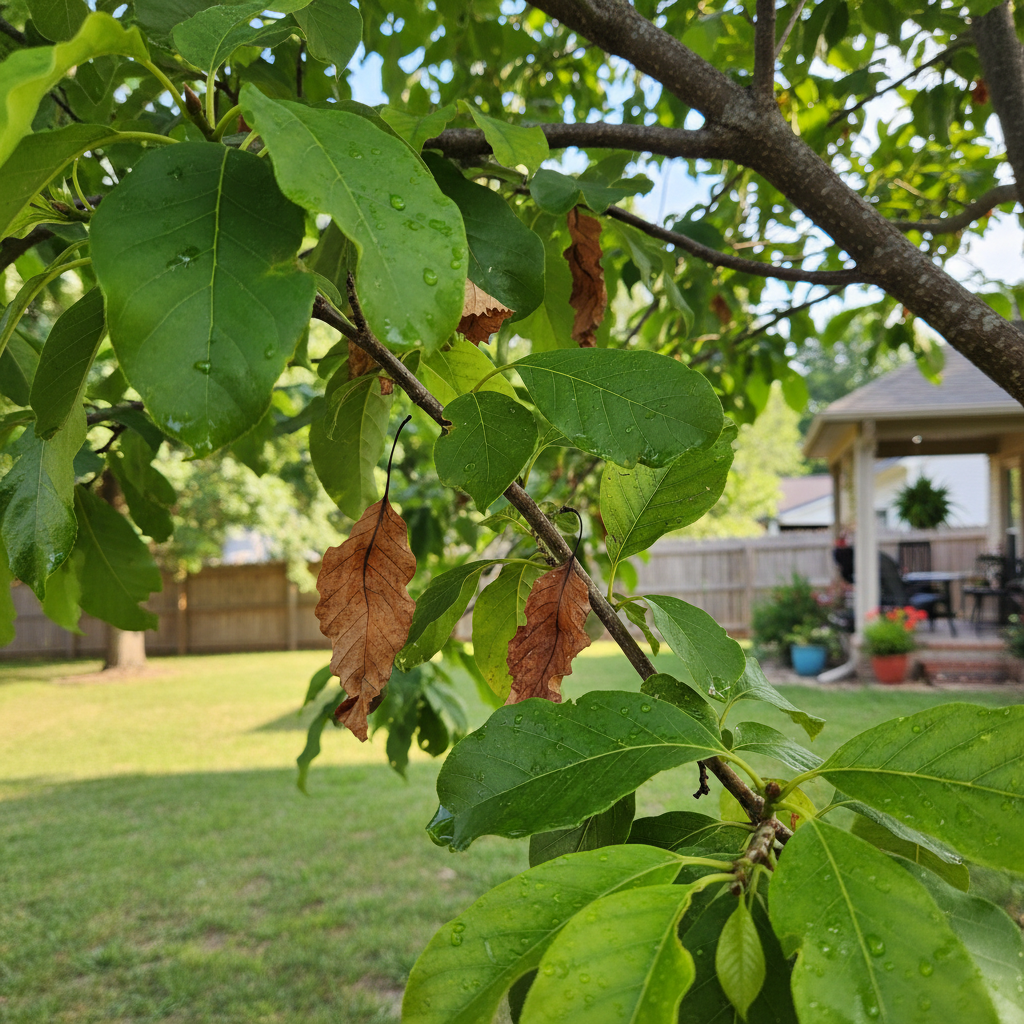
- How: Apply a 2-4 inch layer of organic mulch (wood chips, shredded bark) in a doughnut shape around the tree, keeping it several inches away from the trunk. This helps retain soil moisture, suppress weeds, and moderate soil temperature.
- Quantity: A 2-3 foot radius around the trunk for smaller trees; extend further for larger trees.
- Mistake to avoid: Piling mulch directly against the trunk creates a "mulch volcano," trapping moisture and promoting rot and pest issues.
Landscaping · Deck or fence project
| Project category | Landscaping |
|---|---|
| Problem type | Deck or fence project |
| Trade required | Landscaping |
| Urgency | Planned project |
| Safety risk | Moderate safety risk |
| DIY suitability | DIY for experienced homeowners |
| Cost category | High cost |
| Typical timeline | Most builds 3–10 days depending on size |
| Contractor type | Landscaping contractor |
Repair option
Replace failed boards, posts, and hardware; reseal the surface.
Replacement option
Rebuild when framing or the ledger connection is unsafe.
Common causes
- Rot at posts and ledger
- Storm damage
- Adding outdoor living space
Relevant tools:home improvement material pricesproject cost estimator
Published May 9, 2026Last updated August 17, 2026
Tools & materials you'll need
Affiliate linksAs an Amazon Associate FixlyGuide earns from qualifying purchases — at no extra cost to you. Prices and availability are accurate as of publication and subject to change.
Quick Answer
Many homeowners immediately suspect disease or severe pest infestations when their tree leaves turn brown, but often, the primary culprit is actually improper watering combined with environmental stress. Both too little and, less frequently, too much water can lead to browning leaves, a phenomenon known as "scorch" or "leaf burn." Understanding the specific environmental factors at play, assessing your soil, and adjusting your watering routine are critical first steps to diagnosing and fixing the problem.
The Problem
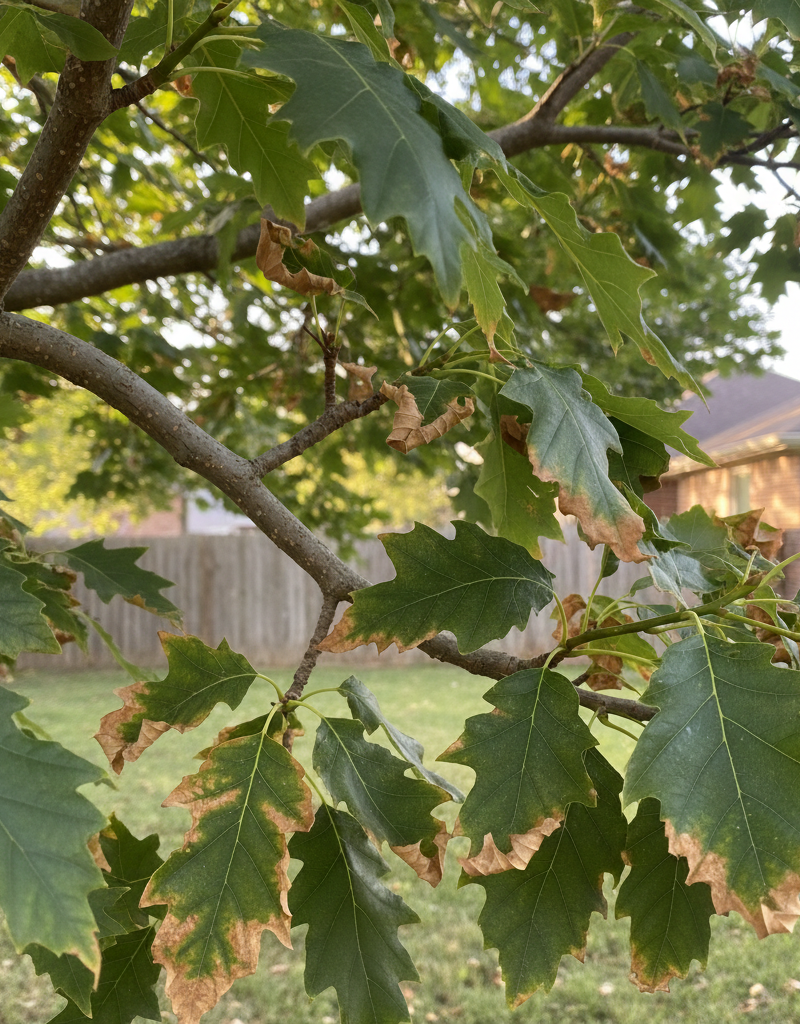
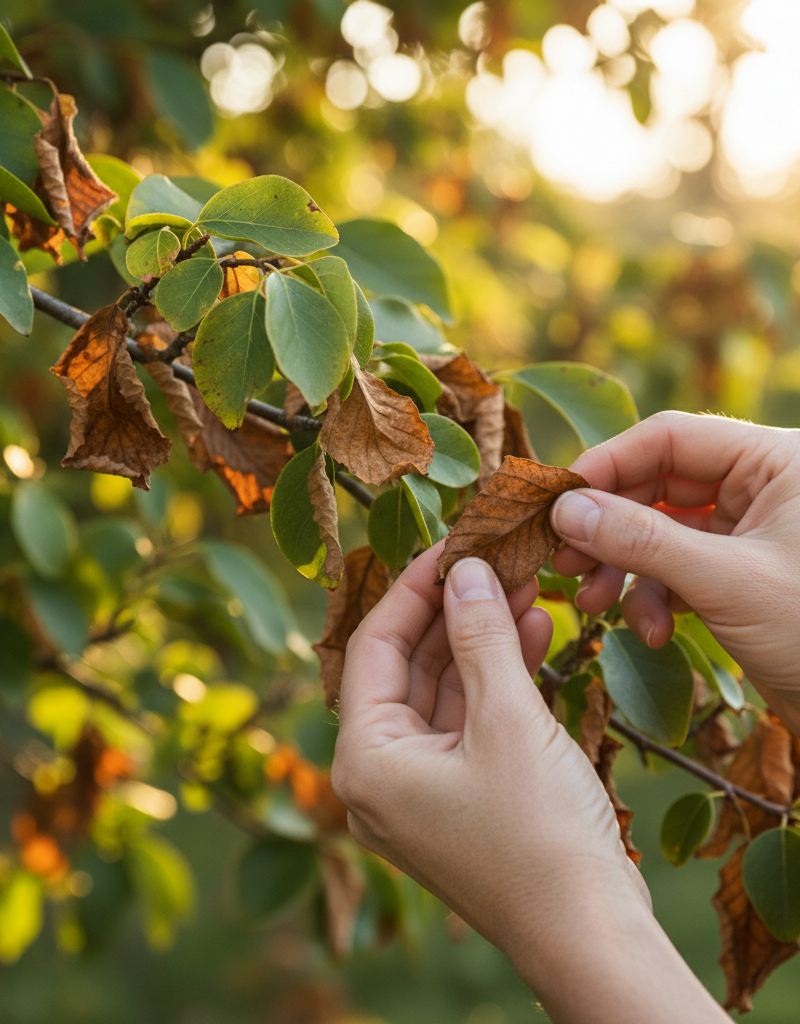
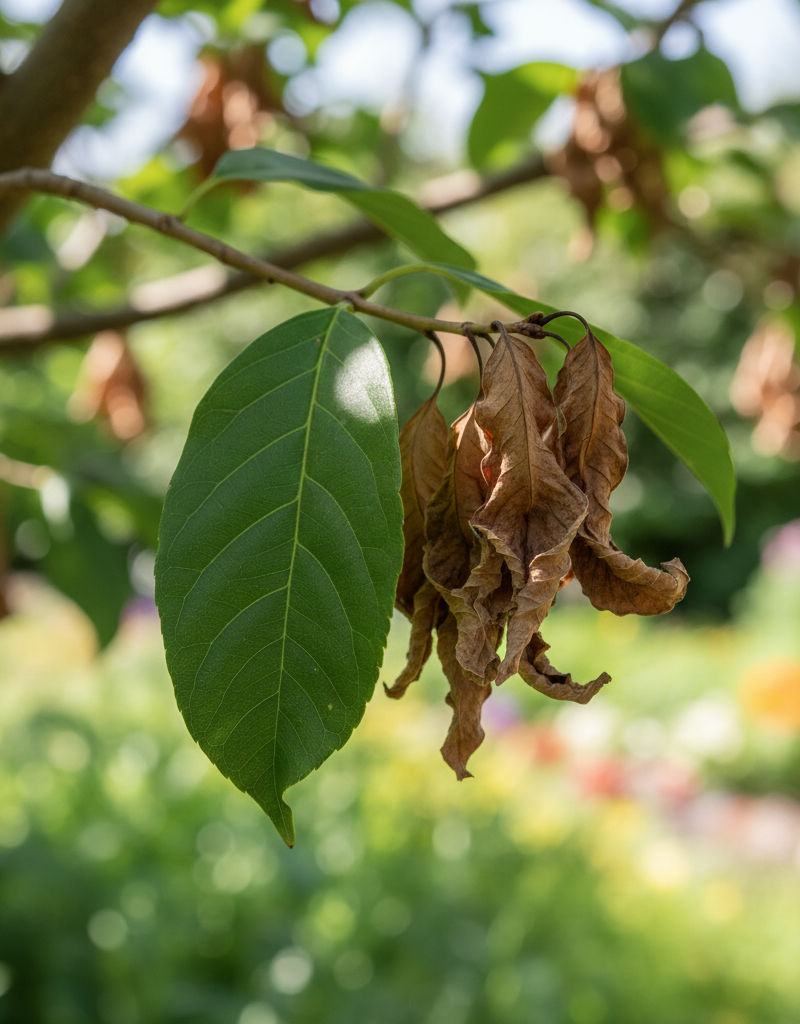
Brown leaves on a tree are a distress signal. They indicate that the tree isn't able to transport enough water to its foliage, leading to cellular dehydration and necrosis. This can manifest in various ways: browning edges, crisping leaves, leaves turning completely brown and falling off prematurely, or even entire branches dying back. While a few brown leaves might be normal seasonal shedding or minor stress, widespread browning is a serious symptom that, if left unaddressed, can severely weaken or even kill your tree. The challenge lies in accurately identifying the root cause, as several issues can present with similar symptoms, from drought stress to fungal infections or nutrient deficiencies.
How It Works
Trees absorb water and dissolved nutrients from the soil through their root systems. This water then travels up through the xylem, a network of vascular tissue within the trunk and branches, to reach every leaf. Leaves are vital for photosynthesis, the process by which trees convert sunlight into energy. During photosynthesis, tiny pores on the leaves called stomata open to take in carbon dioxide, but this also causes water vapor to be released into the atmosphere – a process called transpiration. This transpiration creates a negative pressure (like sucking on a straw) that helps pull water up from the roots.
When a tree doesn't receive enough water, this entire system falters. The roots can't absorb sufficient moisture, and the xylem doesn't have enough water to transport. To conserve precious water, the tree may close its stomata, reducing photosynthesis and ultimately leading to dehydration of leaf cells. The leaf tissue essentially dries out and dies, turning brown and crispy. This can happen more intensely during hot, windy, or dry periods, which increase transpiration rates, demanding even more water from the already underperforming root system. Conversely, overwatering can also cause browning leaves by suffocating the roots, leading to root rot. Damaged roots can't absorb water, even if it's present, creating a functional drought for the tree.
Step-by-Step Fix
Before you start, assess your tree and its environment. Look at the pattern of browning, consider recent weather, and examine the soil.
1. Check the Soil Moisture Level – The most crucial diagnostic step. * How: Dig down 4-6 inches near the tree's drip line (the imaginary circle on the ground directly under the outermost branches). Feel the soil. It should be moist but not soggy. If it's bone dry, your tree is likely underwatered. If it's excessively wet and smells foul, overwatering or poor drainage might be the issue. * Tool: A trowel or small digging tool. You can also use a soil moisture meter for a more precise reading. * If this doesn't work: If the soil feels appropriately moist and the leaves are still browning, consider other factors like root damage or disease.
2. Water Deeply and Infrequently – *Address drought stress. * How: If the soil is dry, water slowly and deeply to encourage root growth. Use a soaker hose, drip irrigation, or a hose set to a trickle for several hours, allowing water to penetrate 12-18 inches into the soil. Aim for 1-2 inches of water per week, factoring in rainfall. * Safety: Do not stand in puddles of water if using electric pumps or power tools nearby. * Frequency: Check the soil every 3-5 days. Water only when the top 4-6 inches start to dry out. Young trees need more frequent watering than established ones.
3. Improve Drainage (If Overwatering is the Issue) – For soggy soil conditions. * How: If your soil is constantly wet, consider whether the tree is planted in a depression or if compact clay soil is preventing drainage. For minor cases, you can gently aerate the soil around the drip line with a garden fork. For severe cases, especially for newly planted trees, you might need to reconsider the planting site or amend the soil more broadly. * Caution: Avoid disturbing the roots excessively. Do not attempt to amend the entire area if the tree is large and established.
4. Mulch Around the Tree Base – Conserve moisture and regulate soil temperature. * How: Apply a 2-4 inch layer of organic mulch (wood chips, shredded bark) in a doughnut shape around the tree, keeping it several inches away from the trunk. This helps retain soil moisture, suppress weeds, and moderate soil temperature. * Quantity: A 2-3 foot radius around the trunk for smaller trees; extend further for larger trees. * Mistake to avoid: Piling mulch directly against the trunk creates a "mulch volcano," trapping moisture and promoting rot and pest issues.
5. Check for Pests and Diseases – Visual inspection for other causes. * How: Examine both the top and underside of affected leaves, branches, and the trunk for signs of insect activity (tiny holes, sticky residue, webbing, visible insects) or disease (fungal spots, cankers, unusual growths). Specific pests like spider mites can cause browning and stippling. * If you find them: Identify the pest/disease first. Often, minor infestations can be managed with horticultural oil or insecticidal soap, or by simply pruning affected branches. Seek professional advice for severe or unidentified issues.
6. Prune Dead or Severely Damaged Branches – Remove compromised tissue. * How: Use sharp, clean pruning shears or a saw to carefully remove branches with completely brown, dead leaves or those that are clearly desiccated and brittle. Make clean cuts just outside the branch collar. * Tool: Hand pruners for small branches, loppers or a pruning saw for larger ones. * Safety: Wear safety glasses and gloves. Ensure your ladder is stable if working at height. Do not prune near power lines.
7. Assess for Root Damage or Girdling – Less common but serious issue when planting. * How: For younger trees, gently expose the root flare at the base of the trunk. Look for roots circling the trunk (girdling roots) or any visible damage. Girdling roots choke off the tree's ability to transport water and nutrients. * Solution (for young trees): Carefully prune girdling roots with sharp, sterilized bypass pruners. * Pro callout: For established trees with suspected root damage or girdling, a certified arborist should be consulted.
Common Causes
- Underwatering/Drought Stress: The most frequent offender, especially during hot, dry spells or for newly planted trees. Insufficient moisture prevents the tree from hydrating its leaves.
- Overwatering/Poor Drainage: Roots become waterlogged and suffocate, leading to root rot. Damaged roots cannot absorb water, causing the same symptoms as drought.
- Heat Stress/Sun Scorch: Intense heat and direct sun can overwhelm a tree's ability to transpire enough water, leading to leaf burn, particularly on south or west-facing sides.
- Wind Burn: Strong, dry winds can accelerate water loss from leaves, exacerbating dehydration, especially for evergreens in winter.
- Nutrient Deficiencies: While less common for immediate widespread browning, severe deficiencies can weaken a tree, making it more susceptible to stress and disease.
- Pests: Spider mites, scale insects, and other sap-sucking pests can damage leaf tissue, leading to browning, stippling, and eventual leaf drop.
- Diseases: Fungal infections like anthracnose, bacterial leaf scorch, or issues like sudden oak death can cause browning, spots, and cankers.
- Chemical Exposure: Herbicides or other chemicals drifting onto leaves can cause significant damage and browning.
- Root Damage: Construction, digging, or even soil compaction can injure roots, impairing their ability to absorb water.
Common Mistakes
- Watering too frequently and shallowly: This encourages shallow root growth, making the tree more vulnerable to drought.
- Assuming browning means disease always: Often, it's an environmental issue, and aggressive chemical treatments are unnecessary and potentially harmful.
- Not checking soil moisture before watering: Leads to either over or underwatering. Always check the soil.
- Piling mulch against the trunk: Creates a "mulch volcano" that can trap moisture, promote disease, and encourage rodent damage.
- Ignoring recent weather patterns: Forgetting about a prolonged dry spell or a recent heatwave can lead to misdiagnosis.
- Pruning live, healthy sections unnecessarily: Only remove dead or visibly diseased material.
Cost & Time Breakdown
| Task | DIY cost | Pro cost | Time |
|---|---|---|---|
| Soil Moisture Check | $0–$25 (meter) | $0 (part of visit) | 5–10 minutes |
| Deep Watering | $0 (hose use) | $0 (part of visit) | 1–4 hours |
| Mulching | $20–$50 | $100–$200 | 30–60 minutes |
| Pest/Disease Inspection | $0 | $75–$150 | 10–30 minutes |
| Minor Pruning (dead branches) | $0–$40 (tool) | $150–$300+ | 15–45 minutes |
| Root Collar Inspection | $0 | $75–$150 | 10–20 minutes |
Tips & Prevention
- Consistent Watering: Establish a regular watering schedule that considers rainfall, tree age, and soil type. Deep, infrequent watering is best.
- Monitor Soil: Regularly check soil moisture levels, especially during dry or hot periods. Your finger or a moisture meter is your best friend.
- Mulch Annually: Replenish organic mulch every spring or fall to maintain soil moisture, regulate temperature, and suppress weeds.
- Proper Planting: Ensure trees are planted at the correct depth, with the root flare visible, and in well-draining soil.
- Routine Inspections: Periodically inspect your trees for early signs of stress, pests, or disease. Catching issues early can prevent widespread damage.
- Choose Right for Your Zone: Select trees that are well-suited to your local climate, soil type, and sun exposure to minimize stress.
When to Call a Professional
While many cases of browning leaves can be resolved with correct watering and care, certain situations warrant calling a certified arborist or tree care professional. If you suspect an exotic pest or severe disease, such as emerald ash borer or sudden oak death, a professional can properly diagnose and recommend treatment options. If large branches are rapidly dying, or if the browning is accompanied by oozing cankers, extensive fungal growth on the trunk, or a significant portion of the tree appears to be in decline, a professional assessment is crucial. Additionally, if the tree is large and requires pruning that involves climbing or working near power lines, always defer to a licensed arborist for safety and to ensure proper pruning techniques that won't further damage the tree. They can offer advanced diagnostic tools, professional-grade treatments, and expertise on structural issues or severe root problems that are beyond a homeowner's capabilities.
Related Articles
Keep troubleshooting with these hand-picked guides from FixlyGuide:
- The 3 Hidden Reasons Your Tree Leaves Turn Brown (and the Easy Fixes) — Discover the often-overlooked environmental stressors and specific diseases that cause tree leaves to brown, and learn simple, actionable s…
- The #1 Mistake Killing Your Garden (And 5 Permanent Weed Fixes) — Discover the secret to truly permanent weed removal and stop making the common mistake that allows weeds to relentlessly return, reclaiming…
- The #1 Mistake Killing Your Lawn (and the Simple Grub Fix) — Grub worms can covertly destroy a beautiful lawn, but specific biological and chemical treatments applied at the right time can eliminate t…
- The #1 Mistake Killing Your Dandelion-Fighting Efforts (and the Easy Fix) — Stop dandelions from taking over your lawn by understanding common mistakes and implementing effective, long-term solutions for a healthier…
- The #1 Summer Lawn Mistake Turning Your Grass Yellow (and How to Fix It) — Discover the most common summer lawn mistake that causes yellowing grass and learn the simple steps to revive your lawn.
- The Nasty Truth About Your Smelly Bathroom Sink: It's Not Always the Drain — Uncover the surprising culprits behind your stinky bathroom sink and learn how to banish those foul odors with simple, effective troublesho…
What should this project cost?
Enter your project details for a realistic cost range before you call anyone.
Cost depends heavily on which system turns out to be the source.
- Regional adjustment
- National average
- Labor share (typical)
- ~$1,620
- Quotes to collect
- 3 written estimates
Educational estimate based on national averages — not a binding quote. Always confirm with written local estimates.
Frequently asked questions
Why are my tree leaves turning brown at the edges only?+
Browning leaves at the edges, often called leaf scorch, is a classic symptom of insufficient water reaching the leaf margins. This can be caused by underwatering, drought conditions, heat stress, wind burn, or root damage that impairs water uptake. Check your soil moisture and adjust your watering routine for deeper, less frequent irrigation.
Can overwatering cause tree leaves to turn brown?+
Yes, absolutely. While it seems counterintuitive, overwatering can suffocate a tree's roots, leading to root rot. Damaged roots cannot effectively absorb water and nutrients, resulting in the same dehydration symptoms as underwatering, manifesting as browning leaves. Always check soil moisture before watering.
How can I tell if my tree leaves are browning due to pests or disease?+
Look for additional symptoms beyond just browning. Pests might leave behind webbing (spider mites), sticky residue (aphids/scale), tiny holes, or visible insects. Diseases often present with specific spots, cankers, unusual growths, or discolored streaks on leaves or bark. If you see these, take a clear photo and consult a local arborist or extension office for identification.
How often should I water my tree to prevent browning leaves?+
The frequency depends on the tree's age, species, soil type, and weather. Generally, aim for deep, infrequent watering. For most established trees, 1-2 inches of water per week (including rainfall) is a good target. Check the soil moisture 4-6 inches deep; water when it starts to feel dry, usually every 7-10 days in dry weather. Newly planted trees need more frequent checks and watering.
Discussion
Loading comments…