- Location: The large corrugated or smooth hose running from the back of your washer to the drain standpipe or utility sink.
- Safety: Wear gloves when handling the drain hose and be mindful of potential dirty water backsplash.
- If this doesn't work: The blockage might be in the standpipe itself or within the washer's pump assembly.
Plumbing · Leak
| Project category | Plumbing |
|---|---|
| Problem type | Leak |
| Trade required | Plumbing |
| Urgency | Emergency — act now |
| Safety risk | High safety risk |
| DIY suitability | DIY for experienced homeowners |
| Cost category | Low cost |
| Typical timeline | Shut water off now; repair usually same or next day |
| Contractor type | Licensed plumber |
Repair option
Isolate at the shutoff, replace the failed component, and dry the cavity fully.
Replacement option
Repipe the run or the branch when corrosion is widespread.
Common causes
- Failed supply line or shutoff valve
- Worn washers, cartridges, or P-trap connections
- Pinhole corrosion in older copper
Relevant tools:emergency checklistdiy or hire a pro
Published May 23, 2026Last updated August 17, 2026
Tools & materials you'll need
Affiliate links- AmazonTowelsseveral
As an Amazon Associate FixlyGuide earns from qualifying purchases — at no extra cost to you. Prices and availability are accurate as of publication and subject to change.
Quick Answer
When your washing machine refuses to drain or spin, the overwhelming majority of times it's due to an obstruction within the drain system, not a broken motor or pump. Modern washers are designed with safety interlocks: if water cannot be successfully pumped out of the drum, the high-speed spin cycle will not engage. This prevents water damage and excessive wear on the machine. The most frequent offenders are a clogged drain pump filter (also known as a coin trap), a kinked or blocked drain hose, or foreign objects lodged in the pump itself. Addressing these accessible points will resolve the issue in most cases, often without needing professional help.
The Problem
You've just finished a load of laundry, and instead of fresh, damp clothes, you open your washing machine to find them sitting in a pool of murky water. The machine won't spin, the timer is stuck, or it emits an unhappy hum without any action. This common and frustrating issue signals that your washer isn't successfully completing its drain and spin cycles. The underlying problem is that water isn't being removed from the tub, which then prevents the machine from entering the high-speed spin phase designed to extract water from your clothes. This often points to a blockage or malfunction within the washing machine's draining mechanism, rather than a catastrophic failure of the entire unit.
How It Works
Understanding how your washing machine drains and spins is key to diagnosing the problem. After the wash and rinse cycles, dirty water needs to be expelled. This is handled by the drain pump, typically an electric centrifugal pump located at the bottom of your washer. When activated, the pump draws water from the tub through a filter (often called a 'coin trap' or 'debris filter') and pushes it out through the drain hose, usually into a utility sink, a standpipe, or directly into your home's main drain system.
The drain pump filter acts as a crucial first line of defense, catching small items like coins, buttons, lint, and even socks before they can reach and damage the pump impeller. If this filter becomes severely clogged, water flow is restricted, and the pump struggles or fails to evacuate water. Similarly, the drain hose itself can become kinked (especially if the washer is pushed too close to a wall) or internally blocked by lint, soap scum, or foreign objects.
Only after the washer's internal water level sensor detects that the drum is sufficiently empty will the control board signal the motor to engage the high-speed spin cycle. This cycle uses centrifugal force to press clothes against the drum's walls, forcing water out through perforations. If the water level remains too high, the safety interlock prevents the spin cycle, protecting the motor and preventing potential flooding. Therefore, a washer that won't spin is inherently a washer that couldn't drain first.
Step-by-Step Fix
1. Safety First: Unplug the Washer — Always disconnect power before doing any work inside or around your washing machine.
- Safety Note: Always unplug the appliance from the electrical outlet. Failure to do so can result in severe electrical shock or death. Never work on a wet appliance that is still plugged in.
2. Drain Residual Water (Manually) — You'll need to remove the standing water before accessing internal components.
- Tools: Bucket, towels, wet/dry vac (optional)
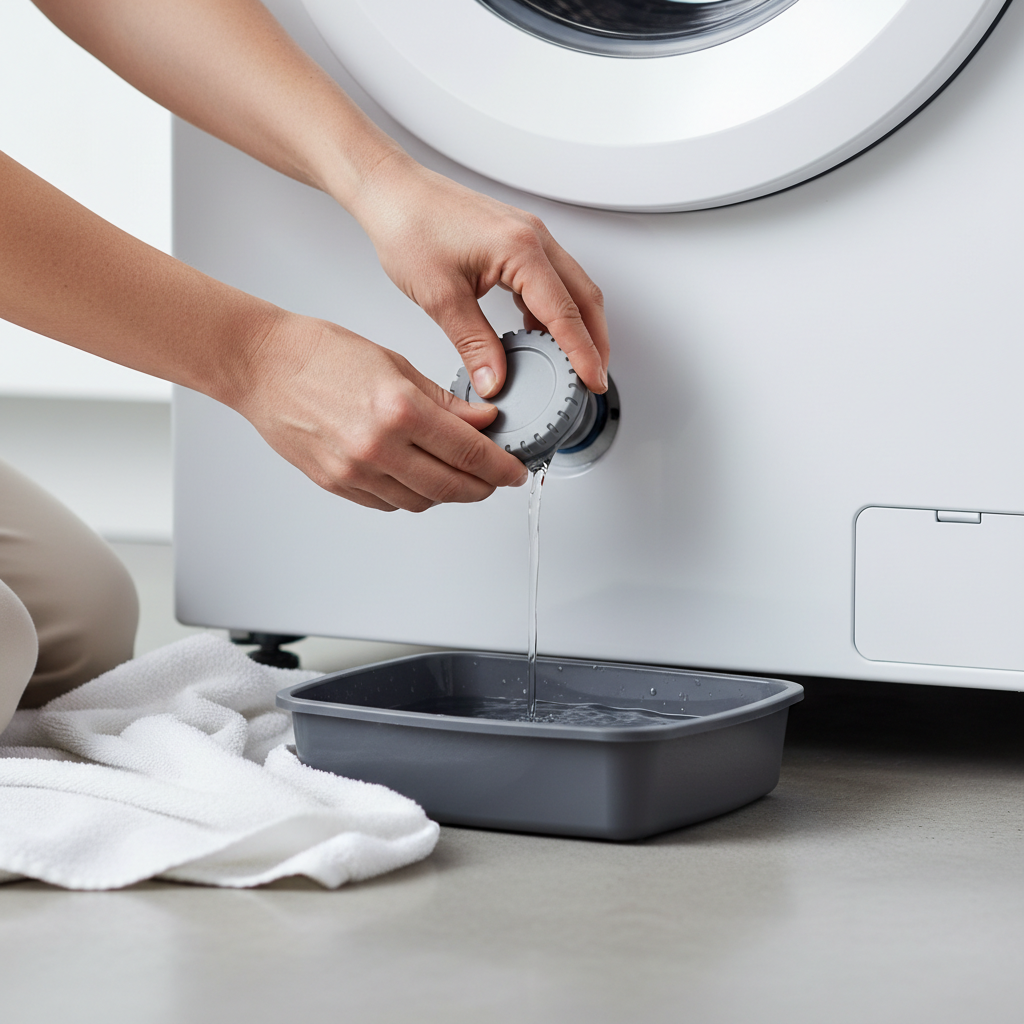
- Procedure: Most front-load washers have a small drain hose near the pump filter cover; pull it out, remove the cap, and let water drain into a shallow pan. For top-loaders, you might need to use a wet/dry vac or repeatedly scoop water out with a small cup and bucket.
- If this doesn't work: If the small drain hose is also clogged, skip ahead to checking the main drain hose, but be prepared for more water spillage.
3. Inspect and Clean the Drain Pump Filter (Coin Trap) — This is the most common culprit for drain/spin issues.
- Location: Typically found behind a small access panel on the lower front of your washing machine (for front-loaders) or sometimes beneath the agitator or front panel for top-loaders. Consult your owner's manual if you can't find it.
- Procedure: With towels ready, slowly unscrew or unclip the filter cap. Be prepared for some water to spill out. Remove any coins, buttons, lint, hair, or small objects. Use an old toothbrush to thoroughly clean the filter screen under running water. Inspect the housing cavity for blockages.
- If this doesn't work: If the filter is clean, the blockage is further down the line.
4. Check the Main Drain Hose for Kinks or Clogs — A common, easy-to-miss problem.
- Location: The large corrugated or smooth hose running from the back of your washer to the drain standpipe or utility sink.
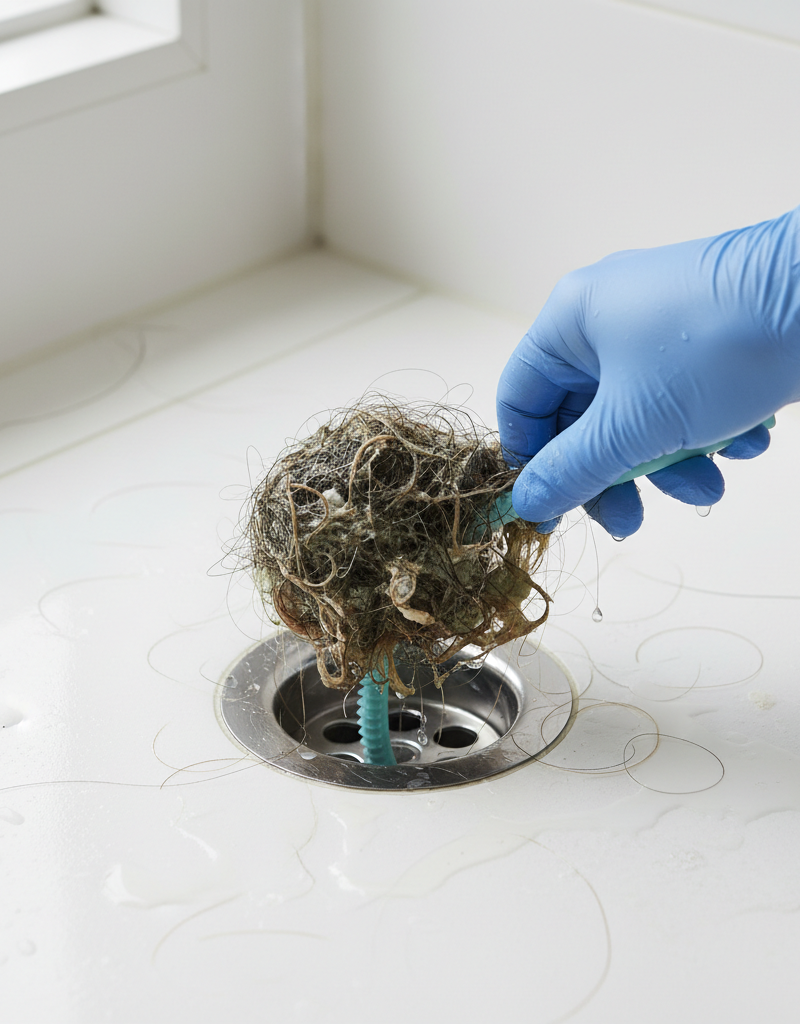
- Procedure: Gently pull the washer away from the wall to access the back. Visually inspect the entire length of the drain hose for kinks or sharp bends. Straighten any you find. Then, carefully disconnect the hose from the standpipe or sink hook. Lower the end into a bucket to see if any residual water drains out. If not, the hose itself might be clogged. Use a long, flexible brush or a plumber's snake (gently) to clear any obstructions.
- Safety: Wear gloves when handling the drain hose and be mindful of potential dirty water backsplash.
- If this doesn't work: The blockage might be in the standpipe itself or within the washer's pump assembly.
5. Inspect the Drain Pump Impeller — Foreign objects can seize the pump.
- Location: After removing the drain pump filter, look into the pump housing cavity. Some models might require removing the pump itself, which is often held by a few screws and hose clamps.
- Procedure: Use a flashlight to peer into the opening where the filter sits. You should see the impeller (a small fan-like blade). Carefully try to rotate it with your finger. If it's stiff or won't move, a foreign object (like a bra wire, sock, or coin that bypassed the filter) might be jamming it. Use needle-nose pliers or tweezers to carefully remove any obstructions. Do not force the impeller if it's jammed hard.
- Safety: Ensure the washer is unplugged. The impeller blades can be sharp.
- If this doesn't work: If the impeller is free, spins easily, and you've checked all other areas, the pump itself might be faulty, or there's a more serious electrical issue.
6. Check the Standpipe or Utility Sink Drain — Ensure the receiving drain isn't clogged.
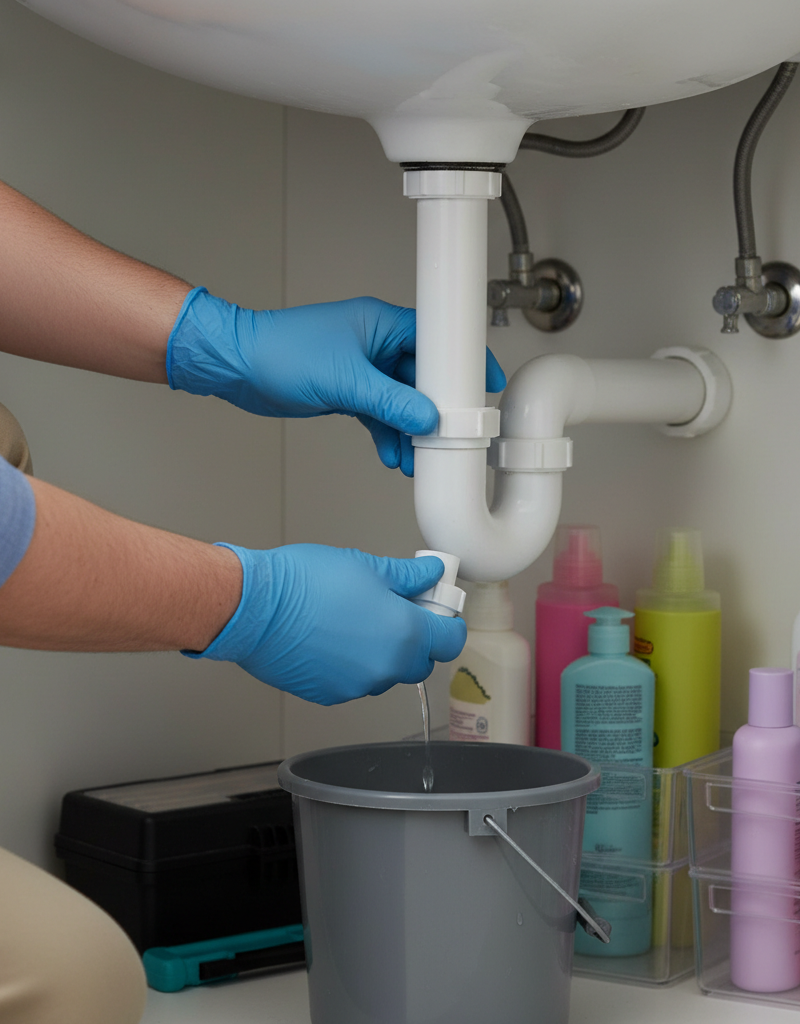
- Procedure: Pour a bucket of clean water down the standpipe or utility sink where the washer drains. If it drains slowly or backs up, the issue might not be with your washing machine at all, but with your home's plumbing. Use a plunger or drain cleaner (following product instructions) to clear the receiving drain.
- Pro-tip: Never use chemical drain cleaners inside your washing machine; they can damage internal components.
7. Test the Washer — Run a short rinse and spin cycle.
- Procedure: Reassemble all components, ensuring the drain pump filter is securely screwed back in place and all hoses are properly connected. Plug the washer back in and select a
Related Articles
Keep troubleshooting with these hand-picked guides from FixlyGuide:
- The Secret Culprit When Your Washer Won't Spin Or Drain (It's Not Always A Clog) — Discover the hidden reasons your washing machine refuses to spin or drain, and learn the DIY fixes that can save you a service call.
- The Secret Culprit Behind Your Washing Machine's Spin-Drain Failure (It's Not Always Clogs) — Discover the hidden reasons your washing machine won't spin or drain and learn how to fix the most common culprits yourself.
- The 3 Hidden Reasons Your Washing Machine Leaks from the Bottom (and the $5 Fix) — A washing machine leaking water from the bottom is often caused by a loose hose connection or a clogged drain pump filter, both easy DIY fi…
- The Secret Culprit Behind Your Leaky Washer (It's Not Always the Hose!) — Discover the often-overlooked parts causing your washing machine to leak from the bottom and follow our guide to fix it yourself.
- The Secret Culprit Behind Your Leaking Washer (It's Not Always the Hose) — A washing machine leaking water from the bottom can often be traced to common, easily fixable issues like loose hoses or a clogged drain pu…
- The #1 Mistake Wrecking Your Dishwasher's Cleaning Power (And the 10-Minute Fix) — Discover the most common, overlooked reason your dishwasher isn't cleaning dishes properly and how a simple 10-minute fix can restore its p…
Should you do this yourself?
Answer five quick questions before you start. Safety outranks savings every time.
Your experience with work like this
How high do you have to work?
Does the job involve any of these?
Will it need a permit?
Specialty tools
Free and instant. Educational guidance only — not a quote, inspection, or professional diagnosis.
What should this project cost?
Enter your project details for a realistic cost range before you call anyone.
Common repairs run $150–$650; repipes and water-heater replacements reach $1,500–$4,500.
- Regional adjustment
- National average
- Labor share (typical)
- ~$754
- Quotes to collect
- 3 written estimates
Educational estimate based on national averages — not a binding quote. Always confirm with written local estimates.
Fixly Project Decision Box
- DIY difficulty
- Moderate
- Estimated time
- 30 minutes – half a day
- Cost level
- Moderate
Main tools / materials
- Adjustable wrench
- Plunger or drain auger
- Bucket and towels
- Thread tape
When to stop and call a pro
- Water you cannot shut off at the fixture or main
- Sewage backing up into more than one fixture
- Water near electrical panels or outlets
- Gas water heater work beyond relighting a pilot
Need professional help?
Get a Licensed PlumberFrequently asked questions
Why would a washing machine stop mid-cycle with water?+
A washing machine stopping mid-cycle with water usually indicates a draining issue. The most common reasons include a clogged drain pump filter, a kinked or blocked drain hose, or a malfunctioning drain pump. The machine's safety interlock prevents the spin cycle if water isn't successfully removed.
How do you unclog a washing machine drain pump?+
To unclog a washing machine drain pump, first unplug the machine. Locate the drain pump filter (often on the lower front panel), drain residual water, then unscrew and clean the filter, removing any debris. Check the pump's impeller for obstructions and clear any foreign objects with pliers.
Can I replace a washing machine drain pump myself?+
Replacing a washing machine drain pump is a moderate DIY task for someone comfortable with basic home repairs. It involves disconnecting hoses, electrical wiring, and fasteners. However, ensure you've thoroughly checked for clogs first, as a truly faulty pump is less common than a blockage.
How much does it cost to fix a washing machine that won't drain or spin?+
DIY fixes for a washing machine that won't drain or spin, such as cleaning a filter or repositioning a hose, often cost nothing. If a part needs replacing, like a drain pump, it can range from $50-$200 for the part. Professional repair can cost $150-$400, including parts and labor, depending on the issue.
Discussion
Loading comments…